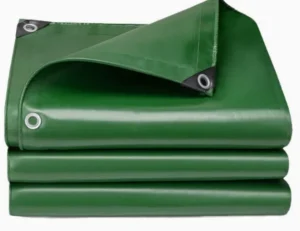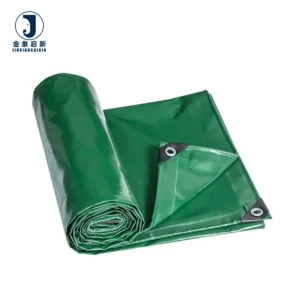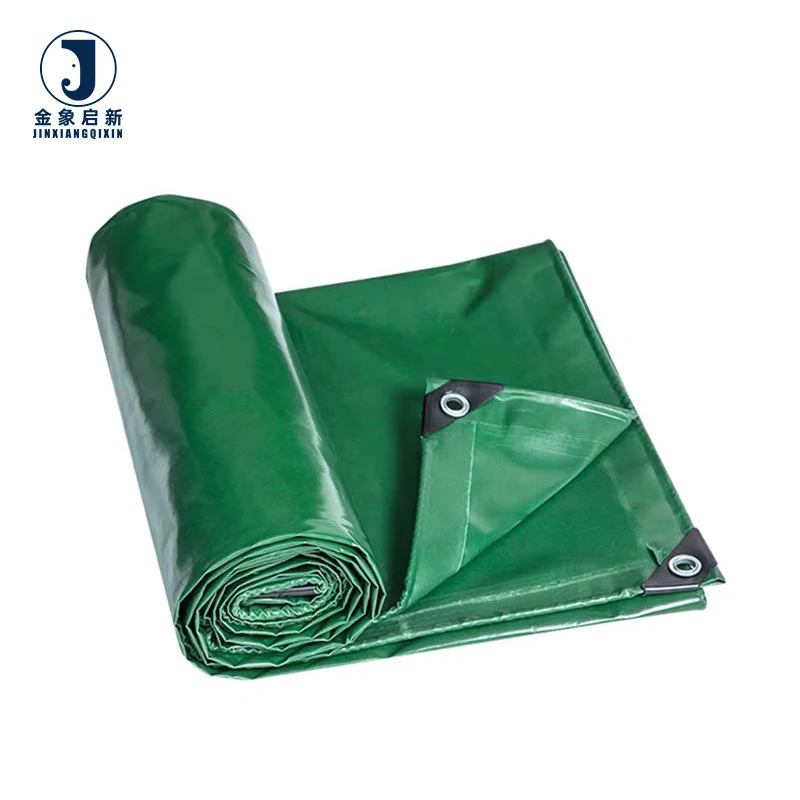
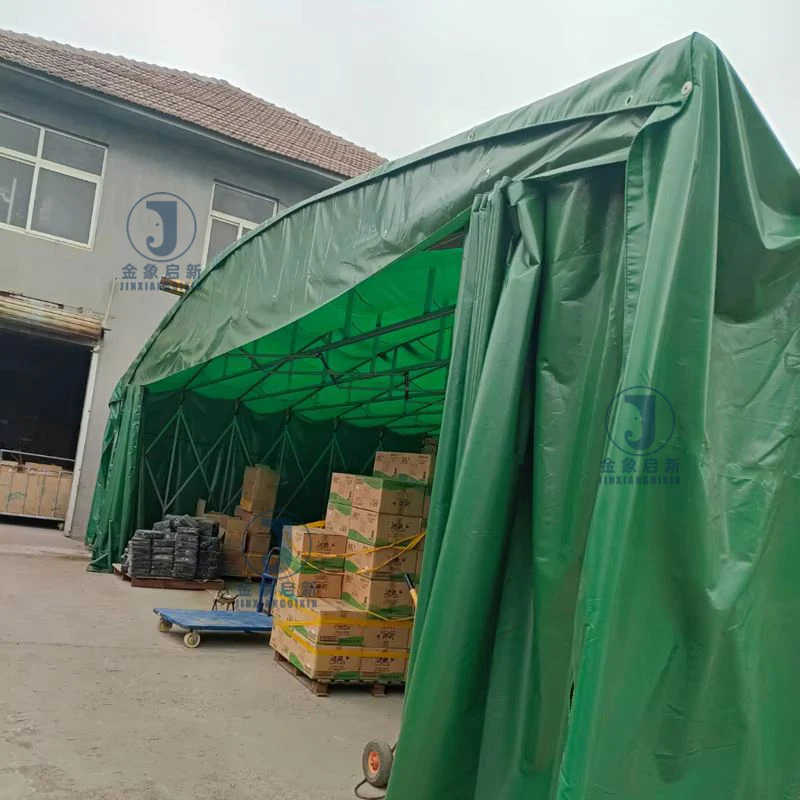
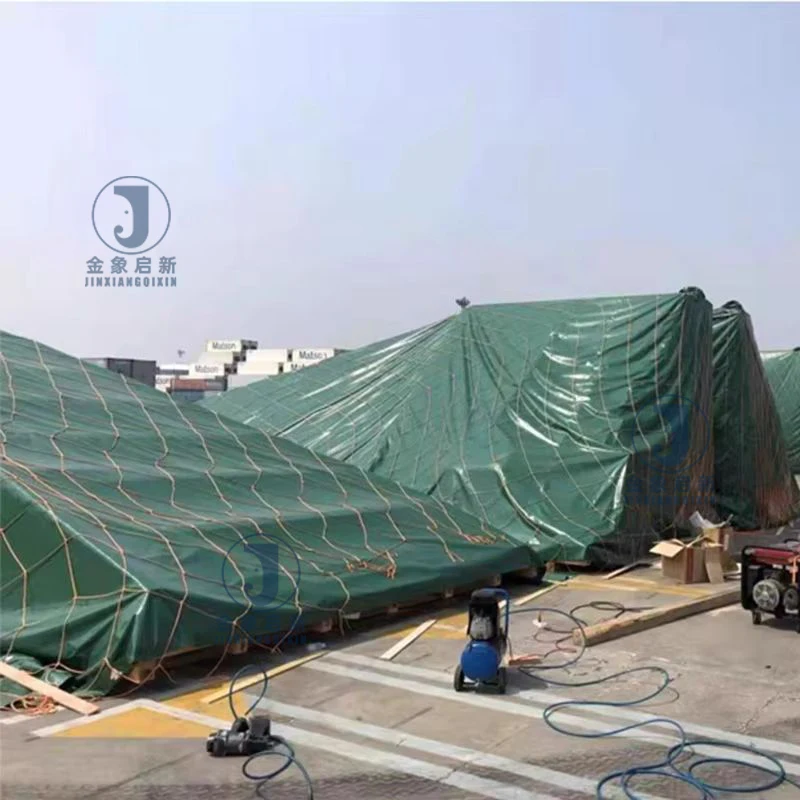
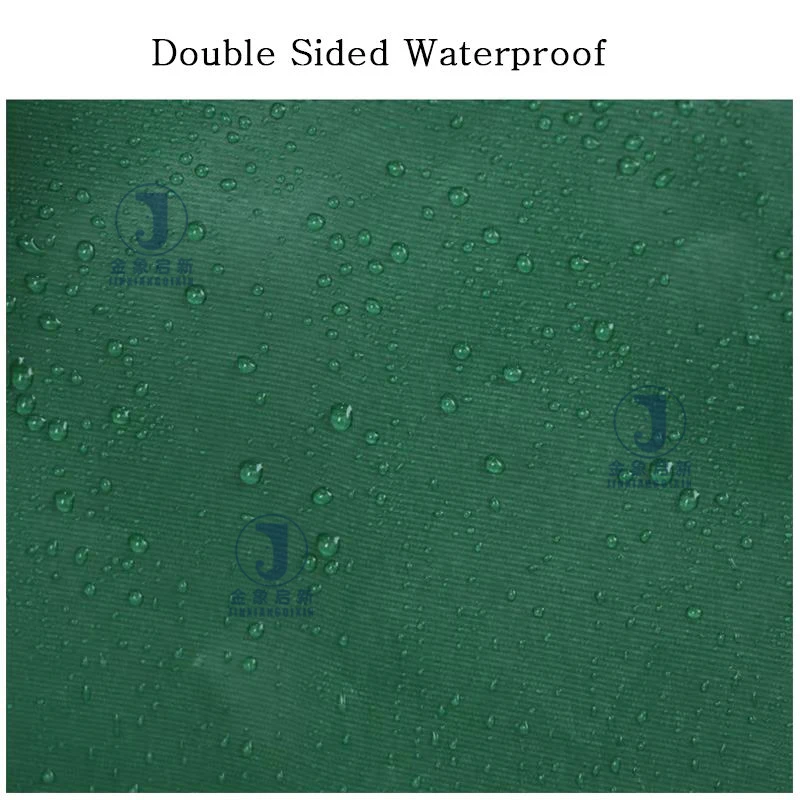
PVC Coated Tarpaulin Fabric Roll 400-1500 g/m², 500D-2000D base, 0.35-1.5 mm thickness — lamination and hot melt coated for membrane structures, stadium roofs, and industrial covers.
GSM and base fabric denier together determine tensile and tear performance, while coating method directly affects peel strength and heat weldability at seams. Custom glossy or matte finish with flame retardant, anti-static, and UV resistant treatments available for project-specific compliance.
- Supported by 3 full production lines and 36 sets of equipment ensuring on-time bulk roll delivery
- 10-person R&D team develops custom width, colour, and treatment samples within days
- 100% pre-shipment inspection with full documentation including test reports and material specification sheets
Description
Proven Coating Adhesion Control — Hot melt coating technology bonds PVC to high-toughness polyester yarn, ensuring the welded seam holds as long as the membrane itself under tension.
Technical Specifications
| Parameter | Value |
|---|---|
| Product Type | PVC Coated Fabric |
| Material | 100% high toughness polyester yarn with PVC coating |
| Weight (GSM) | 400-1500 g/m² (medium to super heavy duty options) |
| Thickness | 0.35-1.5 mm |
| Base Fabric Denier | 500D-2000D |
| Tensile Strength (Warp) | 1500-3000 N/5cm (varies by grade) |
| Tensile Strength (Weft) | 1200-2800 N/5cm (varies by grade) |
| Coating Technology | Lamination and hot melt coating |
| Surface Finish | Customizable (glossy/matte) |
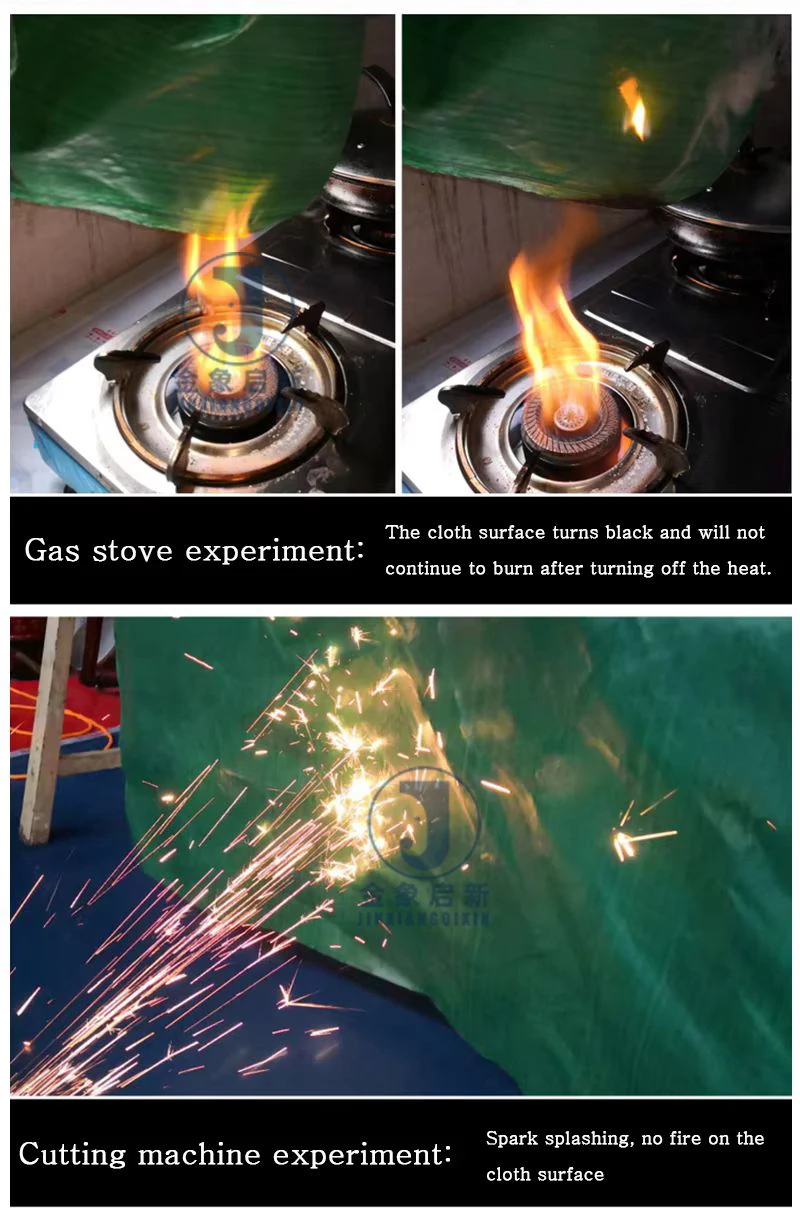
| Treatment Options | Flame retardant, anti-static, cold resistant, mold proof, UV resistant (grades available — confirm the standard required for your market) |
| Color | Customizable |
| Welding Tear Strength | Excellent |
| Weather Resistance | 3-5 years outdoor guarantee |
| Standards | ISO, CE |
Application Suitability
| Application | Exposure & Requirement |
|---|---|
| Tensile membrane structures | Constant tension loading, UV exposure, wind uplift, welded seam integrity under flex |
| Stadium roof systems | Large-span tension, long-term weathering, flame retardant compliance for public venues |
| Industrial pipe canopies | Chemical exposure, abrasion from maintenance access, waterproofing for asset protection |
| Inflatable and air-supported structures | Repeated inflation cycles, air-holding seam reliability, puncture resistance |
Why Coating Adhesion Matters More Than Stated GSM for Membrane Fabric
A heavy PVC coated tarpaulin fabric roll will still fail if the coating delaminates from the base fabric at the weld line under tensile load.
I have seen membrane panels where the stated GSM checked out on the scale, but the coating peeled away from the polyester base at the heat-welded seam within the first season of tension. The fabric itself was intact; the bond between coating and yarn was not. For tensile architecture, adhesion strength is the parameter that determines whether a welded joint survives the same load cycle as the surrounding material. Hot melt coating technology addresses this by fusing PVC into the yarn structure rather than sitting on top of it [NEED_CITE: tensile and tear test methods for coated fabrics per ISO 1421].
Coating-to-Fabric Bond and Tensile Membrane Performance
When specifying PVC coated tarpaulin for tensile architecture, the bond between the PVC coating and the polyester base fabric dictates how the material behaves at every welded seam and clamped edge. Hot melt coating technology forces the PVC compound into the weave structure of the high-toughness polyester yarn, creating a mechanical lock that resists delamination under sustained tension. This matters most at connection points — the corners, the edge cables, and the weld overlaps — where concentrated loads test the coating adhesion before they test the base fabric strength.
Choosing the Right Grade for Your Membrane Application
The 400-1500 g/m² weight range covers everything from lightweight inflatable structures to heavy-duty stadium roof panels. Selecting the correct grade depends on the span of the membrane, the expected wind load, and the type of edge fixing specified by the structural engineer. A wider span with higher tension demands a heavier base fabric denier and higher tensile strength values. Our R&D team reviews your structural drawings and recommends the specific grade within the range, then develops a sample roll for your weld testing before you commit to the full production order [NEED_CITE: DIN 4102 fire classification for building materials].
How Base Fabric Denier and Coating Weight Interact
GSM alone tells you the total weight per square metre but reveals nothing about how that weight is distributed between the polyester base and the PVC coating. A 650 GSM fabric woven from 1000D yarn with a lean coating will have higher tensile strength but lower surface abrasion resistance than a 650 GSM fabric built on 500D yarn with a thicker coating layer. For membrane structures, the tensile load path runs through the yarn, so the base fabric denier and weave density are the primary drivers of structural capacity. The coating weight then determines weldability, UV protection, and surface durability. Understanding this balance is essential when comparing quotations that quote identical GSM figures from different manufacturers.
The Hidden Cost of Colour Variation Across Membrane Panels
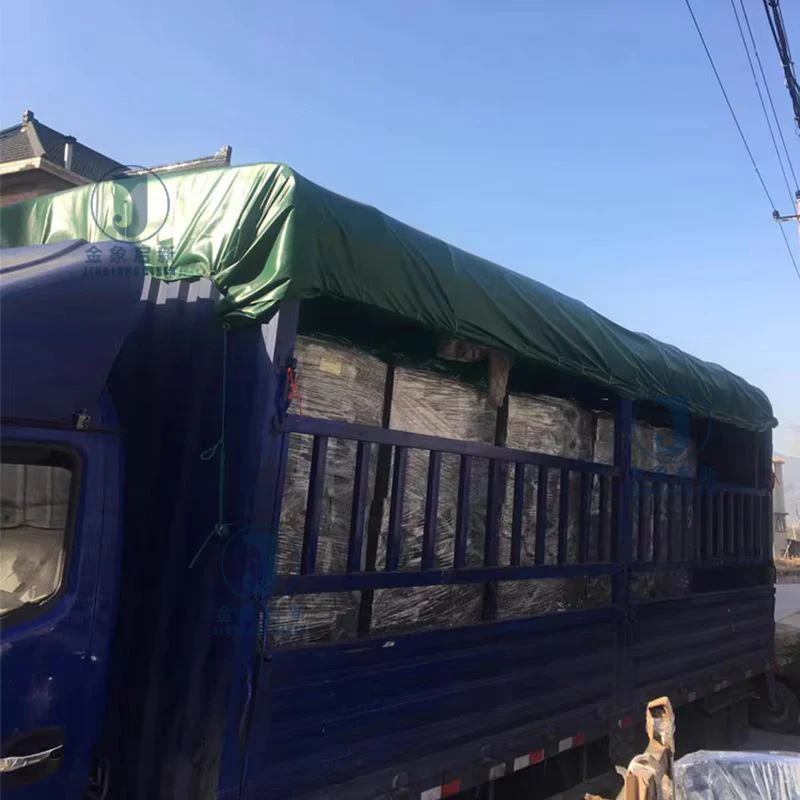
When a membrane installation requires multiple rolls installed side by side, even a slight shade difference between rolls becomes visible once the structure is tensioned and backlit by sunlight. This is not a cosmetic issue on a truck cover; on a stadium roof or architectural facade, colour inconsistency forces the contractor to reject installed panels, source replacement material, and absorb the labour cost of re-installation. Batch-to-batch colour consistency must be verified before the rolls leave the factory, not after they arrive on site and are already cut to pattern [NEED_CITE: colour fastness testing standards for coated architectural fabrics].
Why Procurement Teams Choose This Source
Deep process control over coating weight and adhesion means the GSM stated on your material specification sheet is the GSM you verify on the receiving scale, roll after roll. Three full production lines and 36 sets of professional equipment support bulk capacity so that large membrane projects receive all rolls from a single production run, minimising batch variation. The 10-person R&D team handles material selection, custom width development, and sample production within days, allowing you to test weld parameters on actual material before the main order enters production. Dedicated QA/QC at every production stage with 100% pre-shipment inspection catches coating weight deviations and colour drift before dispatch rather than after arrival.
Documentation & Verification
- Material specification sheet confirming exact GSM, base fabric denier, and coating weight per roll
- Test reports for UV resistance and flame retardant grades supplied against your specified standard
- 100% pre-shipment inspection record with roll-by-roll weight and colour verification
- Roll packing list detailing net weight, dimensions, and roll count for container loading
Fabrication, Handling & Storage
- Heat-weld seams using hot air at temperatures matched to the hot melt coating layer for full adhesion
- Store rolls upright on pallets to prevent flat-spot deformation of the coating surface
- Allow cold-stored rolls to reach ambient temperature before unrolling to avoid coating crack
- Clean glossy or matte surfaces with mild detergent; avoid solvents that attack the PVC compound
- Plan cutting layouts to minimise transverse welds across the primary tension direction of the membrane
Before You Request a Quote
To specify the correct PVC coated tarpaulin fabric roll for your project, share the membrane span dimensions, the design wind load, and the edge fixing method your structural engineer has detailed. If your market requires a specific flame retardant classification for public assembly structures, state the standard and grade so we can confirm compliance. Tell us whether you need full roll stock or pre-cut panels with welded hems, and whether colour matching to a RAL or Pantone reference is required.
Frequently Asked Questions
Q: How is GSM verified on arrival and what documentation supports the stated weight?
A: Each roll ships with a material specification sheet stating the exact GSM, base fabric denier, and coating weight. Our 100% pre-shipment inspection includes weight verification per roll. On arrival, you can confirm with a scale and a measured sample cut. Any deviation from the stated specification is documented and resolved before dispatch, not after delivery.
Q: What flame retardant grades are available and which standards do they meet?
A: Flame retardant treatment is available in multiple grades to meet different market requirements. The specific grade depends on your local building code or venue regulation. Tell us which standard your project specifies — such as DIN 4102, NFPA 701, or a regional classification — and we will confirm the matching grade, supply the test report, and note it on your documentation package.
Q: How do you ensure colour consistency across multiple rolls for large membrane installations?
A: For large projects, we schedule all rolls within a single production run to minimise batch variation. Our QA/QC team checks colour against the approved reference at multiple points during coating. If your installation places panels side by side where shade differences would be visible, we can arrange pre-shipment colour comparison across all rolls before container loading.
Q: What are the welding guidelines for this PVC coated fabric in tensile applications?
A: Hot melt coated PVC fabric welds reliably with standard hot air or wedge welding equipment. Weld temperature, speed, and pressure should be calibrated on a sample piece before production welding begins. We supply sample material so your fabrication team can dial in machine settings. The hot melt coating process supports strong weld adhesion that matches the base fabric durability.
Q: What custom widths, colours, and treatments can be specified, and what are the minimums?
A: Width, colour, surface finish (glossy or matte), and special treatments such as flame retardant or anti-static are all configurable. Minimum order quantities depend on the specific combination of width, colour, and treatment you require. Submit your project requirements and our team will confirm the minimum and lead time for your exact specification.
Related products
-
Factory Direct Sale Flatbed Trailer Tarps Black Heavy Duty Lumber Pe Tarp Flatbed Truck Transportation Tarpaulin Roll Sheet
¥1.25 Select options This product has multiple variants. The options may be chosen on the product page -
JX Fireproof 500gsm 600gsm Customizable PVC Tarpaulin Waterproof Truck Cargo Cover
¥0.79 Select options This product has multiple variants. The options may be chosen on the product page -
Wholesale Pvc Tarpaulin Wear-resistant Waterproof Multi-purpose Heat-resistant Tarpaulin
¥2.00 Add to cart -
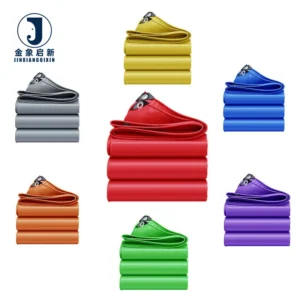
PVC-coated Waterproof Heavy-duty Vinyl Industrial Outdoor Reinforced Tarpaulins for Tents and Truck Covers
¥1.45 Add to cart