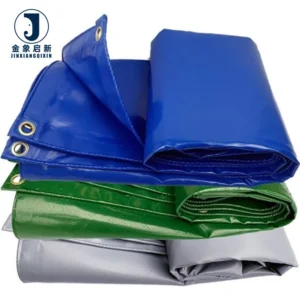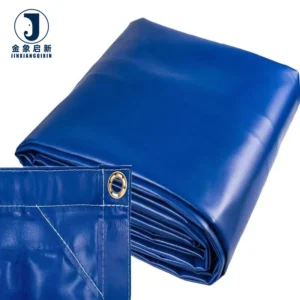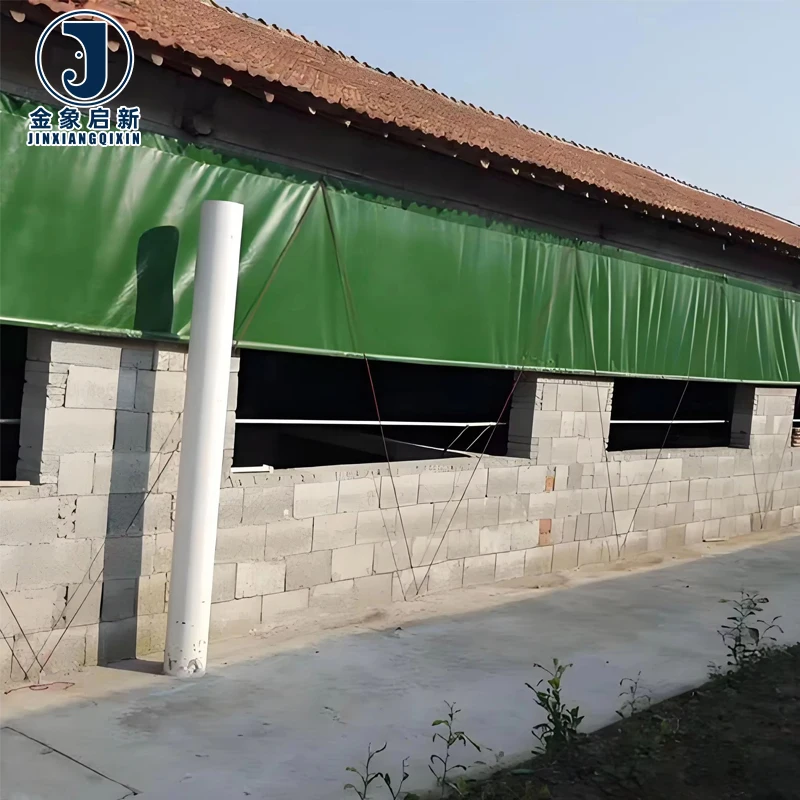
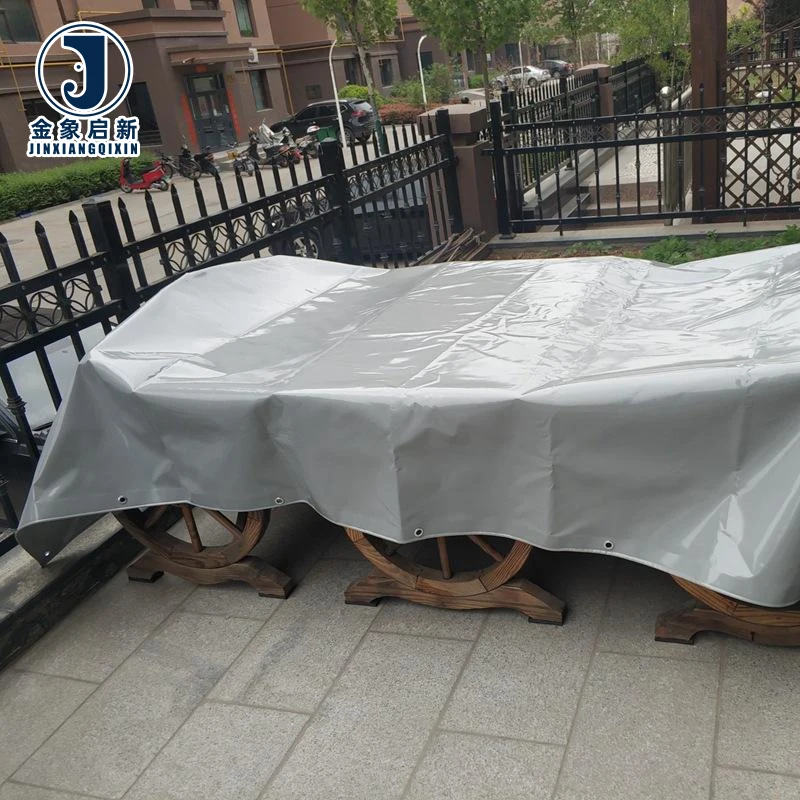
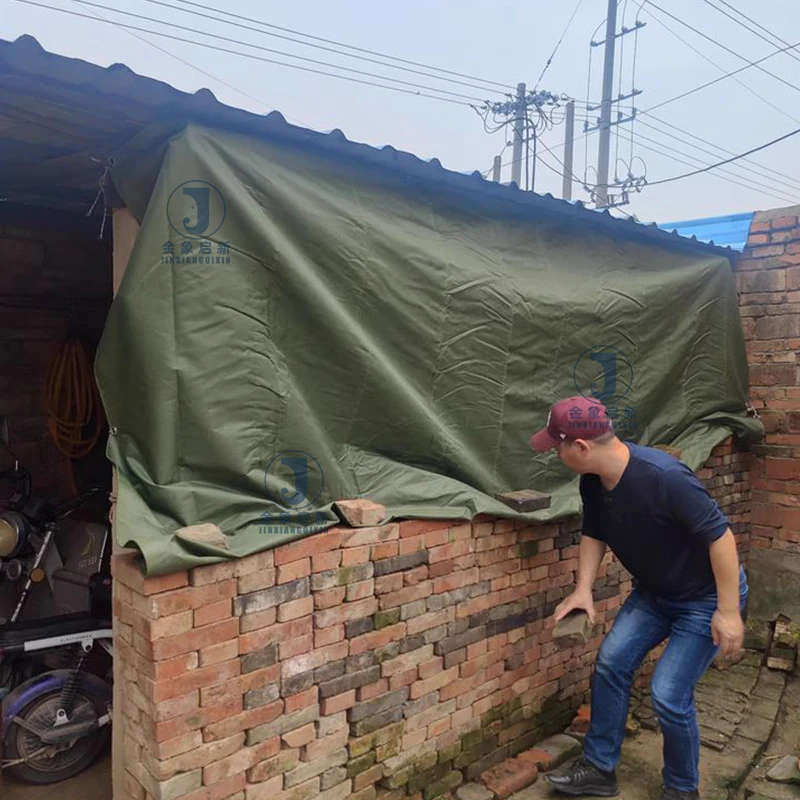
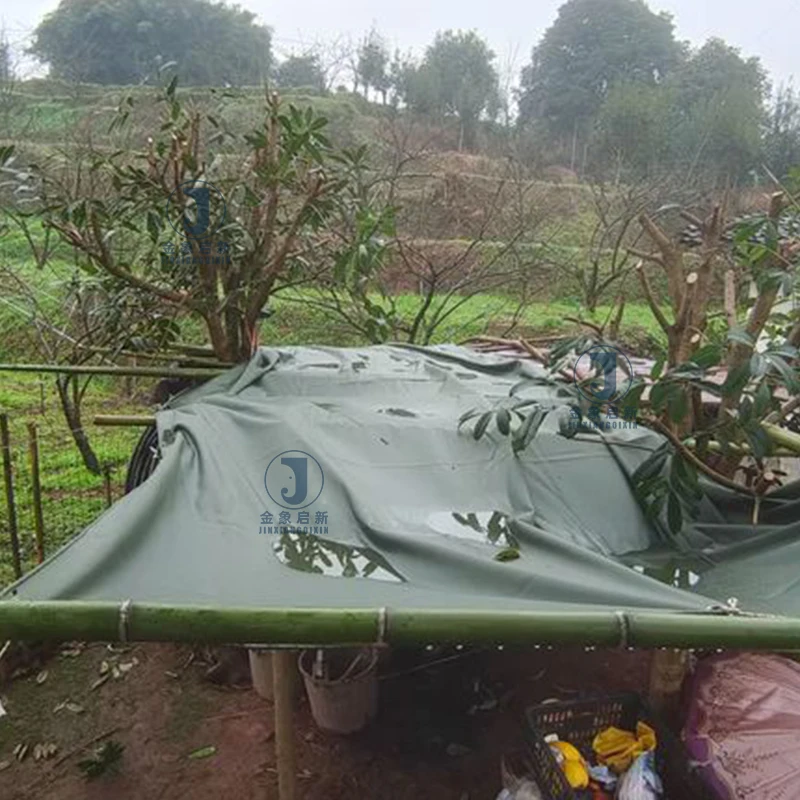
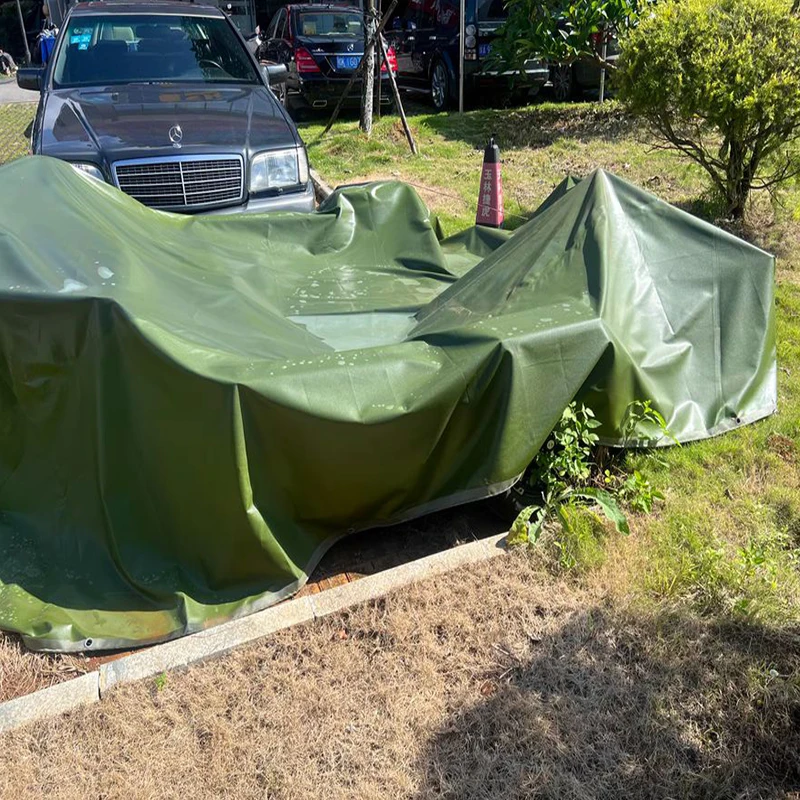
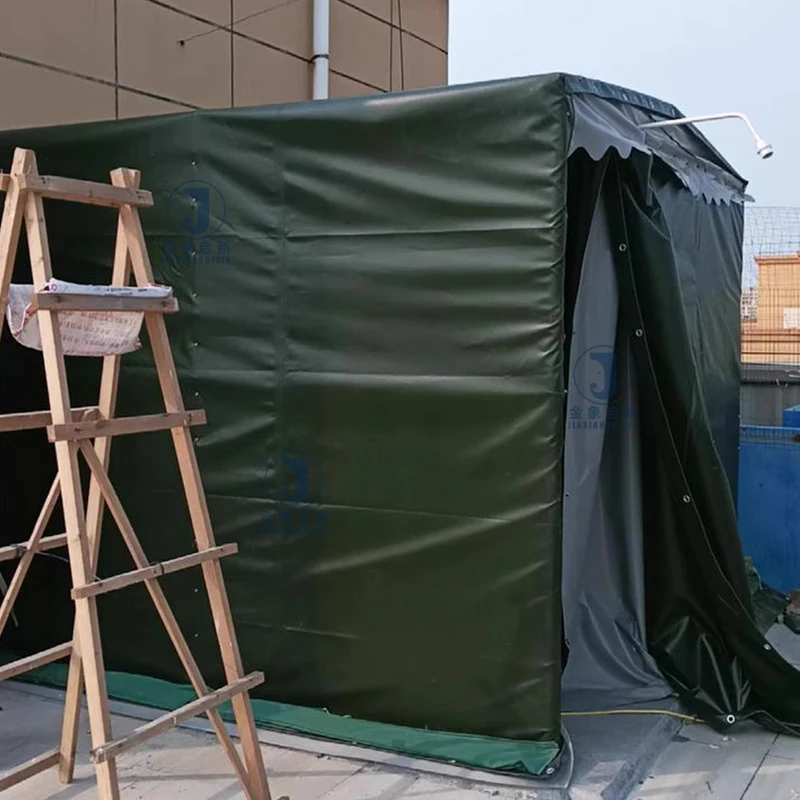
PVC Coated Tarpaulin for Poultry Farm — waterproof, anti-static surface treatment on warp knitted base fabric, available in custom colours and roll widths for agricultural shelter applications.
- Coating weight and adhesion are controlled through a calibrated process, keeping GSM on each roll aligned with the quoted specification
- Anti-static treatment is applied at the coating stage, verified against the batch test report shipped with your order
Backed by three full production lines with 100% pre-shipment inspection and a 10-person R&D team delivering custom samples within days.
Description
Coating Process Control — Developed through nearly three decades of focused PVC coated fabric production, with dedicated QA at every stage to keep roll weight and adhesion aligned with the quoted specification.
Technical Specifications
| Parameter | Value |
|---|---|
| Product Type | PVC Coated Tarpaulin |
| Base Fabric | Warp knitted polyester |
| Surface Treatment | Waterproof, Anti-Static |
| Application Style | Available in plain or woven construction |
| Colour Options | Customizable per buyer specification |
| Finish Options | Available in glossy or matte finish |
| Anti-UV Treatment | Available — confirm the grade required for your market |
| Flame Retardant | Available in flame retardant grades — confirm the grade required for your market |
| Width | Custom width available |
| Length | Custom length available |
| Pattern Printing | Available — confirm design and minimum |
Application Suitability
| Application | Exposure & Requirement |
|---|---|
| Poultry farm tent covers | Continuous humidity, ammonia vapour, cleaning chemicals, wind loading on frame structures |
| Pig and livestock shelter wraps | Abrasion from animal contact, manure splash, repeated wash-down, UV from open-sided housing |
| Sheep pen and lambing covers | Low-temperature exposure, ground moisture, seasonal assembly and teardown |
| Agricultural waterproof shelters | Rain ingress prevention, soil contact at skirt edges, mechanical stress from wind |
| Pond and reservoir liners | Permanent water immersion, soil chemistry, puncture risk from substrate |
| Industrial heavy-duty wraps | Dust containment, equipment protection, outdoor weathering |
Why Roll-to-Roll Consistency Matters More Than the Quoted GSM
A PVC coated tarpaulin roll that weighs what the quotation says but varies in shade and coating adhesion between rolls causes more field problems than a slightly lighter fabric that performs uniformly.
When you order multiple rolls for a poultry farm or livestock shelter project, the last thing you need is one roll arriving noticeably lighter or darker than the rest. Once those panels are hung side by side on a frame, the colour difference is visible from the road. I have watched entire batches get held on site because the buyer could not accept the mismatch, and the cost of replacement shipping often exceeds the original material savings. [NEED_CITE: colour consistency standards for coated fabrics in agricultural applications]
The same logic applies to coating adhesion. If one roll has a slightly weaker bond between the PVC layer and the base fabric, that panel will delaminate at the weld seam long before the rest of the structure shows wear. By the time you notice, the shelter is up and the livestock are inside, making repair disruptive and expensive.
How Coating Weight Control Keeps GSM Honest
When a buyer specifies a particular weight class for a PVC coated tarpaulin roll, the actual performance depends on how consistently the coating is applied across the full width and length. A roll that reads the correct GSM at the edge but thins in the centre will underperform at the panel seams, where mechanical stress concentrates. Our coating lines monitor application weight continuously, and every roll is checked against the specification before packing. This is how we avoid the situation where the quoted weight and the delivered weight do not match — a problem that has caused wholesale rejections in this industry.
Matching Base Fabric to the Livestock Environment
The warp knitted polyester base in this PVC coated tarpaulin is selected for dimensional stability under the sustained tension of a farm tent frame. Unlike woven constructions that can distort along the bias when the structure flexes in wind, warp knitted fabric distributes load across multiple yarn paths. For poultry and pig shelters where ammonia-rich air and frequent chemical washdowns are routine, the coating must fully encapsulate the base yarns so that moisture does not wick into the fabric core. [NEED_CITE: PVC coating adhesion requirements for agricultural and livestock environments]
What the Specification Actually Controls
The waterproof and anti-static surface treatment serves a specific purpose in farm environments. Waterproofing prevents rain ingress through the fabric itself, but the real vulnerability lies at the seams — which is why heat welding parameters must match the coating thickness and formulation. Anti-static treatment reduces dust accumulation on the panel surface, which matters in poultry housing where airborne particulate from feed and litter can settle on covers and reduce light transmission. The customisable colour range lets buyers coordinate with existing structures or use distinct colours for different zones within a large facility. When ordering by the roll, specifying matte or glossy finish affects both the visual appearance once installed and how the surface responds to cleaning — glossy finishes wipe clean faster, while matte surfaces hide scuff marks from handling during seasonal assembly.
The Cost of Overlooking Weld Compatibility
Buyers sometimes focus entirely on fabric weight and colour, then discover on site that the heat welds peel apart at the seams before the fabric itself shows any sign of wear. This happens when the coating formulation on the PVC coated tarpaulin roll does not match the welding temperature or dwell time used by the fabricator. In a livestock shelter, the panels flex every time wind loads shift, and that flex concentrates at the weld line. A seam that fails early exposes the interior to weather, compromises animal welfare, and forces an unplanned shutdown for repairs. [NEED_CITE: weld seam failure analysis in PVC coated fabric structures]
The same principle applies to colour consistency. If two rolls in the same shipment carry slightly different pigment loads, the panels will appear mismatched once erected — and the buyer has no practical way to fix this without replacing entire sections.
Why Source This PVC Coated Tarpaulin Roll Here
Our coating lines are set up for the kind of process control that keeps PVC coated tarpaulin roll weight and adhesion within tolerance across long production runs. The warp knitted base fabric is sourced against defined denier and weave specifications, so the tensile and tear performance stays consistent from one batch to the next. Our R&D team handles custom colour matching and can develop samples for approval before full production begins, reducing the risk of shade rejection on arrival. Every roll goes through inspection before packing — we check coating weight, colour against the approved reference, and surface finish. For buyers who need fire-retardant or anti-static grades backed by documentation, we supply the test report matched to the roll batch number rather than a generic claim on the quotation.
Documentation & Verification
- Material specification sheet stating GSM, base fabric denier, coating weight, and colour reference per roll batch
- Test report for UV or flame retardant grades, cross-referenced to the production batch number
- Pre-shipment inspection record confirming weight and colour against approved sample
- Roll packing list with individual roll identifiers for traceability
- ISO and CE certificates supporting the manufacturing quality system
- Certificate of origin and customs documentation for international shipment
Fabrication, Handling & Storage
- Heat weld temperature and dwell time must match the PVC coating formulation on each roll to prevent seam delamination
- Store rolls upright on pallets to avoid flat-spotting the warp knitted base fabric under its own weight
- Allow rolls to acclimatise before unrolling in cold conditions to prevent coating stiffness and cracking at folds
- Use mild detergent for cleaning; avoid solvents that attack the waterproof PVC coating surface layer
- Cut panels with allowance for thermal expansion to avoid tension distortion at the frame attachment points
- Repair minor field damage with compatible PVC patching compound matched to the coating formulation
What We Need to Quote Accurately
To move forward on a PVC coated tarpaulin roll order, tell us the intended application and the environmental exposure the fabric will face — whether that is continuous ammonia in poultry housing or permanent water contact in a pond liner. Confirm the width, length, and colour or print requirements for your project, along with any flame retardant or anti-static grade your market or site regulations demand. If you need finished panels with specific seam configurations rather than raw rolls, share the panel dimensions so we can plan the cutting layout.
Frequently Asked Questions
Q: How is GSM verified on arrival against the value stated on the quotation?
A: We check coating weight on every roll during pre-shipment inspection and record the result against the specification. The inspection report ships with your order, so you can compare the delivered weight with what was quoted. If a roll falls outside tolerance, it does not leave the factory.
Q: Can custom width, colour, and pattern print be combined in one roll order?
A: Yes. Our R&D team develops samples for custom colour and print approval before production begins. Minimum quantities apply depending on the combination of width, print complexity, and colour, and we confirm those before you commit to the order.
Q: What documentation ships with the rolls?
A: Each shipment includes the material specification sheet, batch-matched test reports for any claimed UV or flame retardant treatment, ISO and CE certificates, pre-shipment inspection record, roll packing list, and certificate of origin.
Q: How do you ensure colour consistency across multiple rolls in the same shipment?
A: All rolls in a single order are produced from the same pigment batch and checked against the approved colour reference during inspection. Rolls that fall outside the visual tolerance range are held back and not included in your dispatch.
Q: How quickly can a sample be developed for a custom colour or printed design?
A: Sample development for custom colour or print typically takes a matter of days once the design and finish requirements are confirmed. We ship the sample for your approval before scheduling full production to avoid shade or finish surprises on delivery.
Related products
-
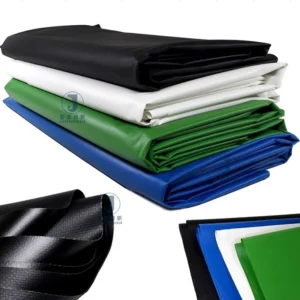
Custom Reinforced Edges Rip-Stop Rubberized PVC Tarpaulin Industry Covering Vinyl Coated Polyester Tarps for Trucks
¥8.00 Select options This product has multiple variants. The options may be chosen on the product page -
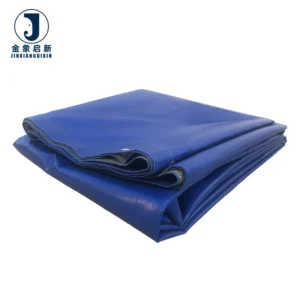
Hot Selling Heavy Duty Waterproof Large Camping Tarp Outdoor Use 500gsm Pvc Laminated Tarpaulin Tent
¥3.20 Add to cart -
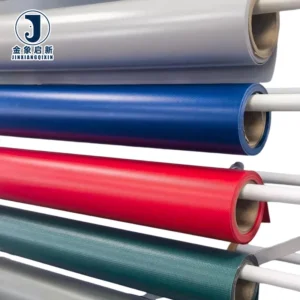
PVC Tent Fabric Shelter Blackout Anti-UV PVC Tarpaulins 1000D for Tent Fabric for Event Exhibition Shade Tents
¥1.45 Select options This product has multiple variants. The options may be chosen on the product page -
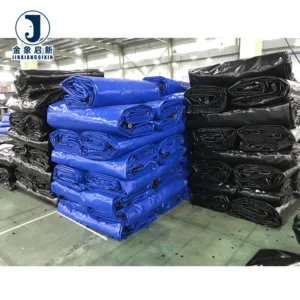
Wholesale 650 Gsm Waterproof Outdoor Tarp Roll Pvc Coated Industrial Tarpaulin Roll for Tent
¥1.26 Select options This product has multiple variants. The options may be chosen on the product page