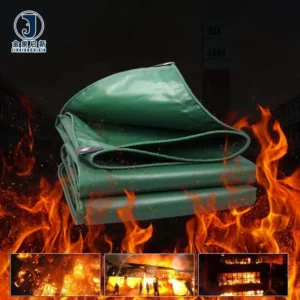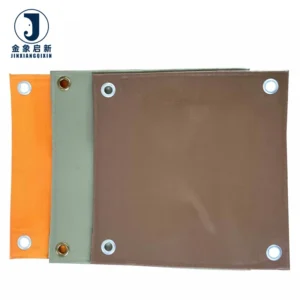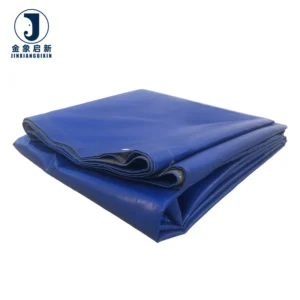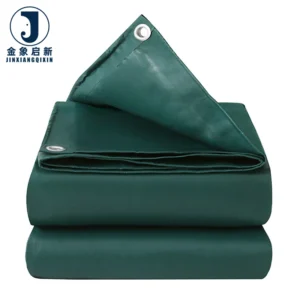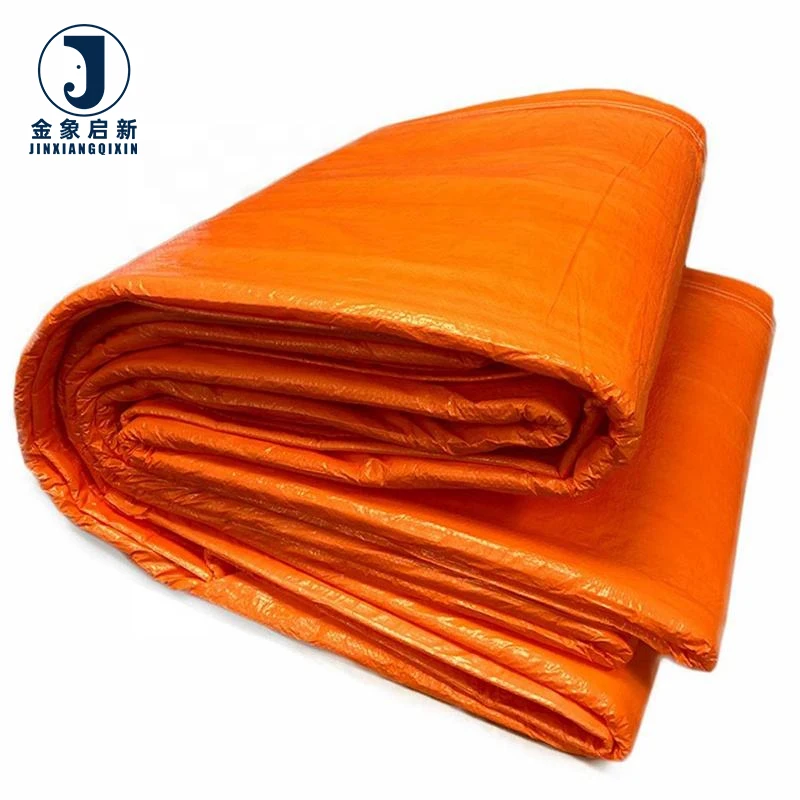
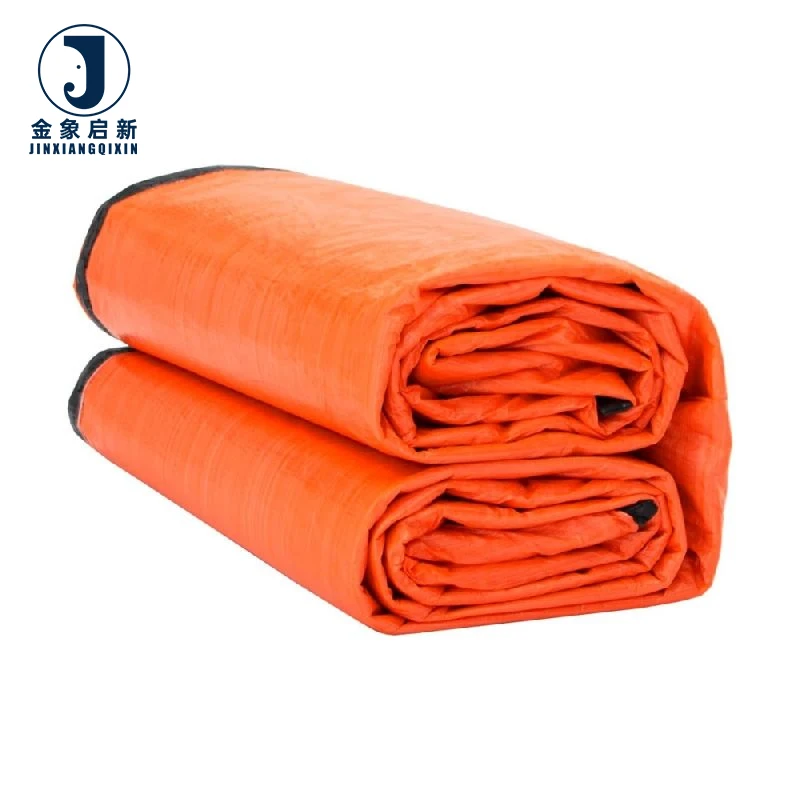
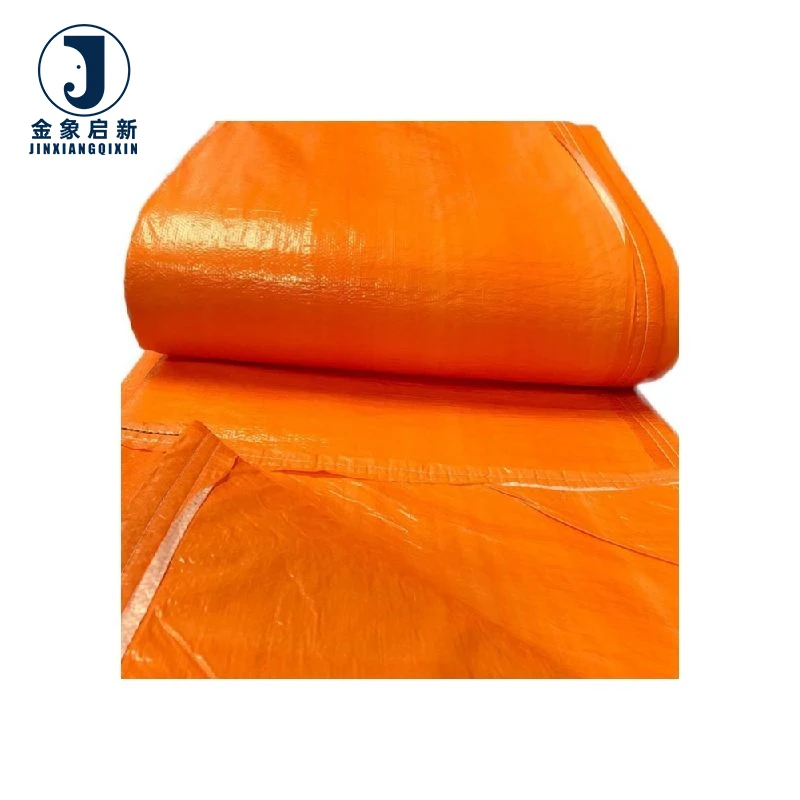
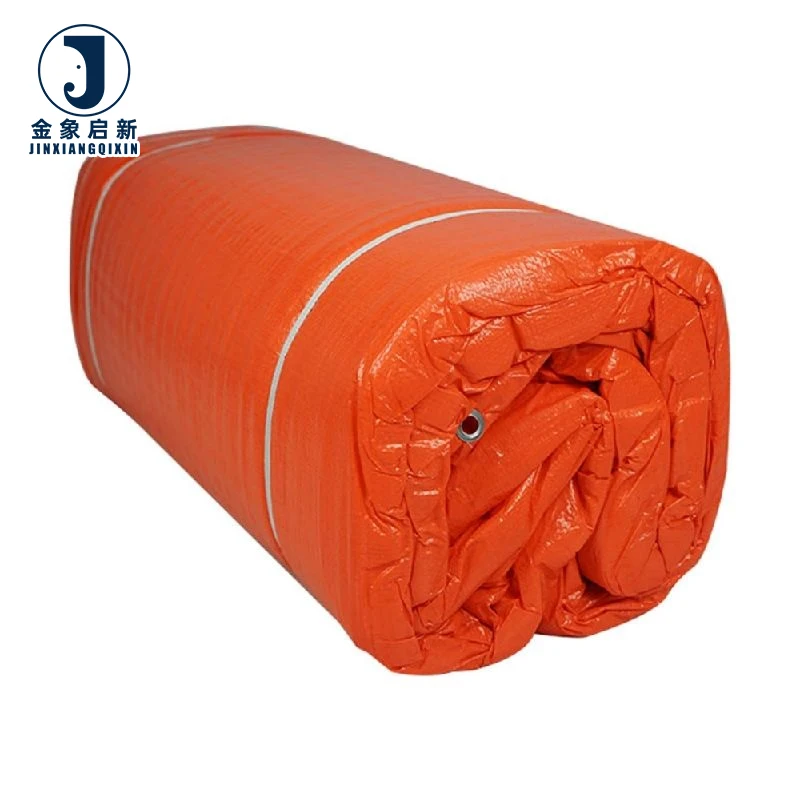
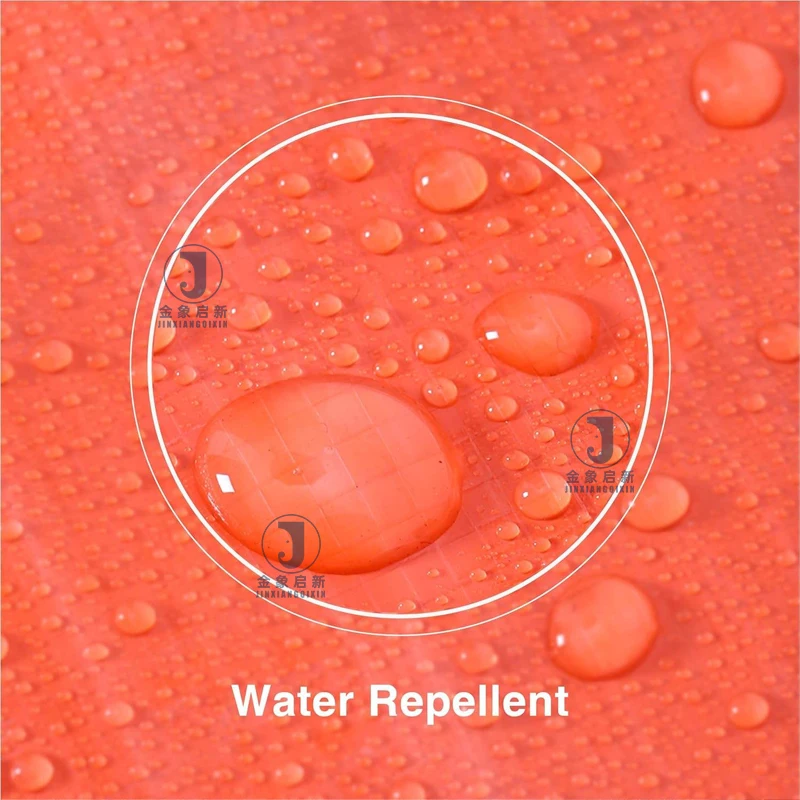
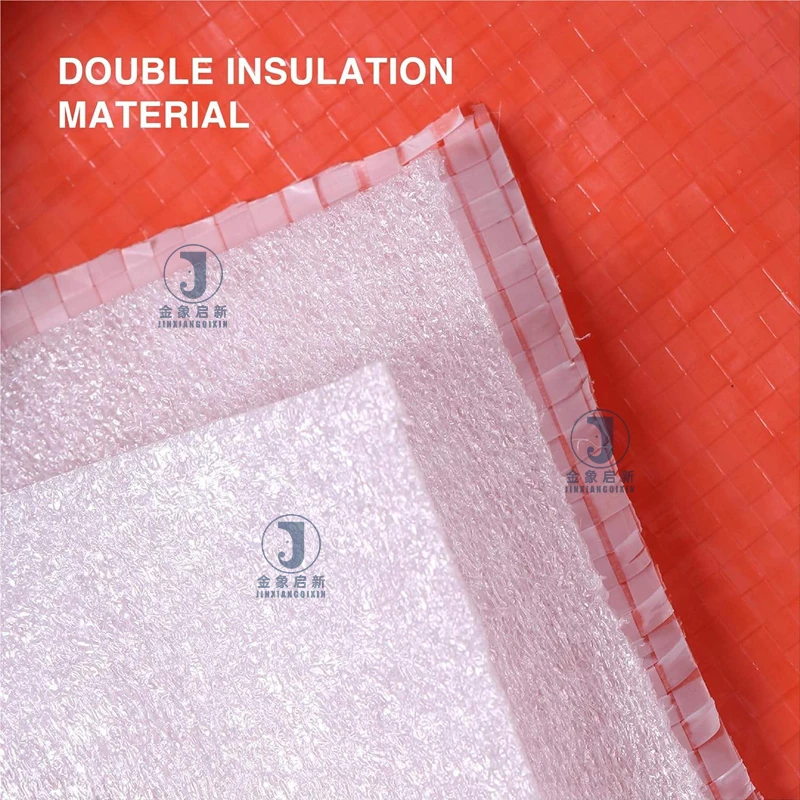
Insulated Concrete Curing Tarpaulin, PE Foam Core, 2x2mm–12mm Thickness — three-layer closed-cell PE foam core with waterproof outer faces, aluminum grommets at 61cm or 91.5cm spacing on reinforced stitched edges, UV and mildew treated. Available in 6ftx24ft, 8ftx25ft, 12ftx20ft and 12ftx24ft cut sizes for concrete curing blankets and heated enclosure insulation.
- Thickness and GSM verified against quotation with pre-shipment inspection records provided
- Grommet pull-out strength and seam weld QA documentation included with every batch
- Custom colors available with roll-to-roll consistency checked before dispatch
Description
Thermal Core Integrity — every insulated tarpaulin roll is weighed and measured against the quoted thickness before leaving the coating line, so the thermal resistance you specify is the thermal resistance you receive on site.
Technical Specifications
| Parameter | Value |
|---|---|
| Product Type | Insulated Tarpaulin |
| Dimensions | 6ftx24ft / 8ftx25ft / 12ftx20ft / 12ftx24ft |
| Core Thickness | 2x2mm / 3×1.5mm / 1x4mm / 5mm / 6mm / 8mm / 12mm |
| Material Construction | PE cloth + closed cell PE foam core + PE cloth |
| Color Options | Orange / Black / White / Silver / Customized color |
| Grommet Configuration | Aluminum grommets, hole distance 61cm and 91.5cm |
| Surface Treatment | UV resistant, waterproof, mildew resistant |
| Edge Finish | Finished stitched edges with grommets |
| Standards | ISO, CE |
Application Suitability
| Application | Exposure & Requirement |
|---|---|
| Concrete curing blanket | Direct ground contact, low ambient temperature, wind sweep across slab surface, sustained heat retention required |
| Heated enclosure insulation | Internal thermal gradient, repeated installation and removal, flex at frame joints |
| Wind block on construction sites | Sustained lateral wind load, grommet pull-out stress, abrasion against scaffolding |
| Building enclosure liner | UV exposure on exterior face, moisture ingress risk, mildew in stagnant air pockets |
| Agricultural thermal cover | Prolonged ground contact, organic moisture, mildew and fungal exposure |
Why Insulation Tarps Fail Before the Concrete Sets
The insulation core compresses and thins at fold lines, creating cold spots that compromise the cure.
When an Insulated Tarpaulin arrives on a winter pour site, the crew expects a uniform thermal barrier across the entire slab. What often happens is the foam core has already lost thickness from being rolled tightly during transit and storage, leaving compressed zones that transfer heat away faster than the surrounding areas [NEED_CITE: thermal bridging through compressed foam insulation in temporary enclosures]. The concrete under those zones cures slower, shows different colour and strength, and the engineer flags the slab for core testing. I have watched crews unfold tarps on freezing mornings only to find the middle of every roll was noticeably thinner than the edges — the quoted thickness was measured on a flat sample before rolling, not on the delivered product.
Three-Layer Foam Construction That Holds Thickness Under Load
The closed cell PE foam core in this insulated tarpaulin is sandwiched between two layers of PE cloth, creating a structure that resists compression at the points where the tarp folds over formwork or drapes across rebar. Closed cell foam traps air in sealed pockets, and that trapped air is what delivers the thermal resistance — once the cells collapse from sustained pressure, the insulation value drops permanently. Each thickness grade from 5mm through 12mm targets a different thermal resistance band, matching the cure temperature window your concrete mix requires.
Edge Reinforcement Where the Tie-Down Load Concentrates
The stitched edges carry aluminum grommets at 61cm or 91.5cm intervals, distributing wind uplift force across a wider strip of the PE face cloth rather than concentrating it at individual puncture points [NEED_CITE: grommet pull-out testing methods for reinforced tarpaulin edges per ISO standards]. On a heated enclosure, the top edge grommets bear the full dead weight of the tarp plus any snow load that accumulates on horizontal runs. Stitched hems wrap the raw foam edge, preventing moisture from wicking into the core layer where it would degrade insulation performance over repeated freeze-thaw cycles.
Reading the Thickness Spec Against Your Actual Site Conditions
Core thickness determines thermal resistance, but the number alone does not tell the full story. A 2x2mm construction uses two thinner foam layers bonded together, giving flexibility for wrapping around curved structures while maintaining a continuous thermal break. A single 5mm or 6mm core offers higher R-value per square metre but is stiffer to handle in cold weather. The 12mm grade targets extreme low-temperature pours where the temperature differential between the concrete surface and ambient air is substantial. PE cloth faces on both sides provide waterproofing and mildew resistance, but the face weight and weave density govern how well the surface resists abrasion from dragging across rough aggregate. Grommet spacing at 61cm suits high-wind tie-down with bungee cords, while 91.5cm spacing reduces installation time on sheltered sites where wind load is moderate.
What Happens When the Core Thickness Is Not What Was Quoted
I once had a heated enclosure project where the contractor specified 8mm core thickness for winter concrete work. The tarps arrived, the crew installed them, and the site engineer noticed cold spots showing on the thermal camera within hours. We measured the core on-site and found it running thin across the centre of every panel — the foam had been cut from a master roll where the edges were full thickness but the middle had compressed during winding. The entire enclosure had to be double-layered as an emergency measure, doubling the material cost and delaying the pour schedule [NEED_CITE: compression set in closed cell PE foam during roll storage and transit]. When thickness varies within a single order, the thermal performance varies with it, and on a curing slab that inconsistency shows up in strength test results.
Why Source Insulated Tarpaulin From This Production Line
Three full production lines and 36 sets of professional equipment give the capacity to hold thickness consistency across large orders, because the foam lamination pressure and temperature are controlled at every stage rather than adjusted manually between batches.
A 10-person R&D team develops custom colour runs and thickness combinations, meaning a request for silver-face with orange-back in 6mm core is handled as a standard production variation rather than a special project.
Every roll undergoes 100% pre-shipment inspection covering core thickness measurement, grommet pull-out check, and colour consistency panel-to-panel, with inspection records shipped alongside the goods.
Samples are developed within days for custom thickness or colour requirements, so you can verify the material on your own site before committing to a full container load.
Nearly 30 years of coated fabric process control means the lamination adhesion between PE face cloth and foam core is tested for peel strength, not assumed from the bonding method alone.
Documentation & Verification
- Material specification sheet stating core thickness, PE cloth face weight, and colour reference per roll
- Pre-shipment inspection record documenting measured thickness and grommet pull-out results
- UV and mildew resistance test reports supplied where treatment is specified in the order
- Roll packing list with dimensions, colour, and thickness grade for each unit shipped
- ISO and CE certificates included with dispatch documentation
Fabrication, Handling & Storage
- Store insulated tarpaulin rolls flat or on wide-diameter cores to prevent permanent compression of the PE foam core
- Avoid folding at the same crease line repeatedly, as closed cell foam develops a memory at repeated bend points
- Clean PE cloth faces with mild detergent only — solvents can degrade the mildew-resistant surface treatment
- When joining panels on site, overlap stitched edges by a minimum of one grommet spacing to maintain a continuous thermal seal
- Inspect aluminum grommets for deformation after each removal and reinstallation cycle before redeploying on the next pour
What We Need to Specify Your Insulated Tarpaulin Correctly
Send us the slab dimensions or enclosure frame measurements, the lowest ambient temperature you expect during cure, and the target concrete surface temperature your engineer requires. Let us know if the tarp will be reused across multiple pours or deployed once and discarded, because that determines whether the thicker core grades justify their handling weight. If you need a specific colour for site identification or client presentation, provide the reference and we will run a sample panel for approval before production.
Frequently Asked Questions
Q: What thickness do I need for concrete curing vs. enclosure insulation?
A: Concrete curing blankets typically run 5mm to 8mm core thickness to retain hydration heat across the slab surface during winter pours. Heated enclosure liners often use 6mm to 12mm depending on the temperature differential between inside and outside air. Your structural engineer’s thermal calculation will determine the exact grade — we supply the full range and can send sample panels in each thickness for your team to evaluate on site.
Q: Can you match a specific color across multiple rolls in one order?
A: Yes. Each production run is batch-controlled for colour consistency, and we run a comparison check panel-to-panel before dispatch. For custom colours outside the standard Orange, Black, White, and Silver range, we develop a sample for your approval first. Roll-to-roll colour variation is a common complaint with insulated tarpaulin from sources that mix batches — our inspection process catches it before the goods leave the factory.
Q: What grommet spacing and edge reinforcement options are available?
A: Standard configurations are aluminum grommets at 61cm or 91.5cm intervals on finished stitched edges. The closer 61cm spacing distributes tie-down load more evenly and suits high-wind exposure on open construction sites. The 91.5cm spacing reduces installation time on sheltered applications. Edge stitching wraps the foam core to prevent moisture ingress at the cut ends, which is critical for maintaining insulation performance over multiple deployments.
Q: How do you verify the insulation core thickness matches the spec?
A: Every roll is measured at multiple points across the width during pre-shipment inspection, and the readings are recorded on the inspection report that ships with your order. We check the core directly rather than relying on the finished sandwich thickness, because face cloth compression can mask a thin core. If your site engineer requires witness testing, we can arrange third-party measurement before dispatch.
Q: What certifications and test reports ship with the order?
A: ISO and CE certificates are included with every dispatch. UV resistance and mildew resistance test reports are provided when those treatments are specified in your order documentation. Material specification sheets listing core thickness, PE cloth construction, and colour reference accompany each roll. We also supply a pre-shipment inspection record covering dimensional checks and grommet integrity for your site QA file.
Related products
-
Factory Direct 20×30 Feet 13mil Heavy-Duty Vinyl Tarps PVC Tarpaulin for Firewood Roof Camping Patio Pool Boat Dump Trailer
¥2.60 Add to cart -
Heavy Duty Truck Tarpaulin 1000d Pvc Tarp Waterproof Pvc Canvas
¥1.20 Add to cart -
Tarpaulin Hot Selling 30M X 30M Finished PVC Tarpaulin for Farming Tarpaulin
¥1.48 Add to cart -

PVC Coated Tarpaulin PVC Fabric Tarpaulinheavy duty fire retardant waterproof pvc coated tarpaulin rolling pvc tarp
¥1.00 Select options This product has multiple variants. The options may be chosen on the product page