10162
Description
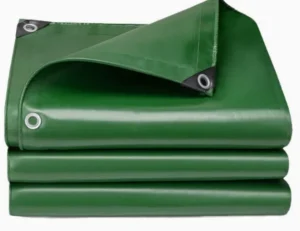
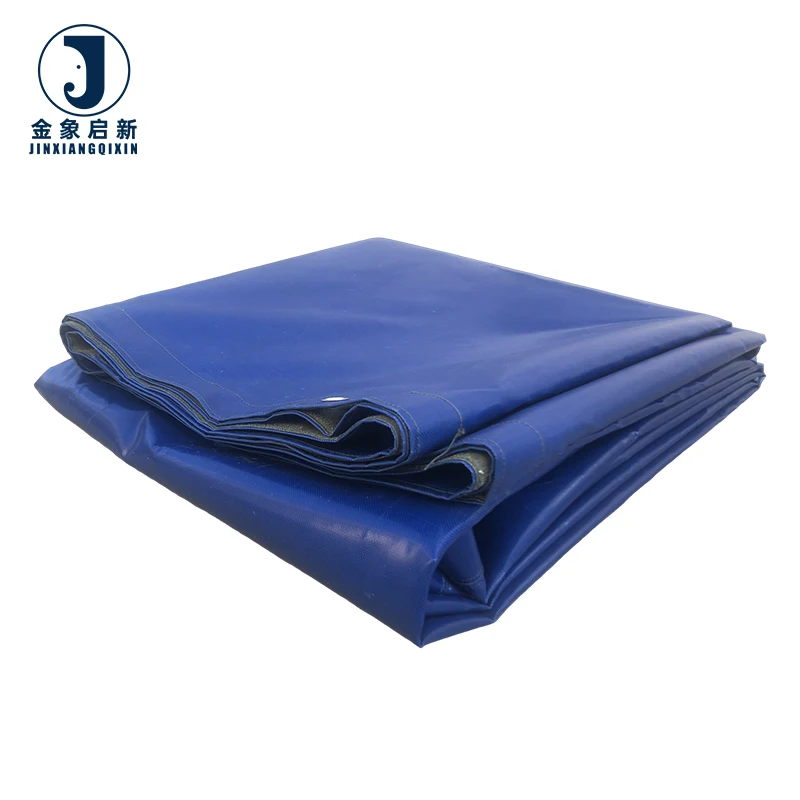
Precision Coating Control — Our three-line production facility maintains strict GSM tolerance across every PVC coated tarpaulin roll, verified through 100% pre-shipment weight checks rather than relying on supplier claims alone.
Technical Specifications
| Parameter | Value |
|---|---|
| Product Type | PVC Coated Tarpaulin |
| Base Fabric | 100% high toughness polyester yarn |
| Coating Material | PVC |
| Coating Method | Lamination technology and hot melt coating technology |
| Weight Range | 400-500 g/m² (Medium-duty), 700-1000 g/m² (Heavy-duty), 1100-1500 g/m² (Super heavy) |
| Total Thickness | 0.35-0.45 mm (Medium), 0.70-1.0 mm (Heavy), 1.2-1.5 mm (Super heavy) |
| Base Fabric Denier | 500D (Medium), 1000D (Heavy), 500D-2000D (Super heavy) |
| Tensile Strength | Warp 1500-3000 / Weft 1200-2800 N/5cm depending on grade |
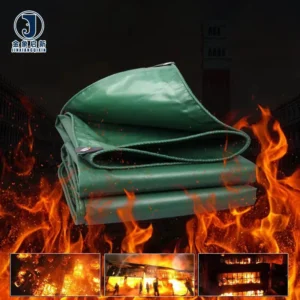
| Special Treatments | Flame retardant, anti-static, cold resistant, mold proof, UV treatment available (grades confirmed per order) |
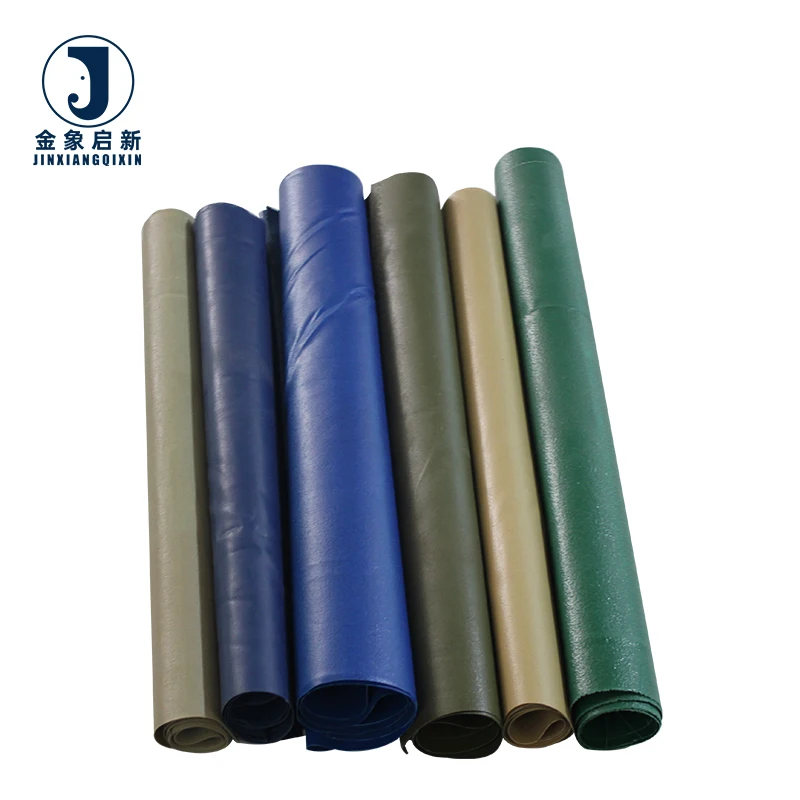
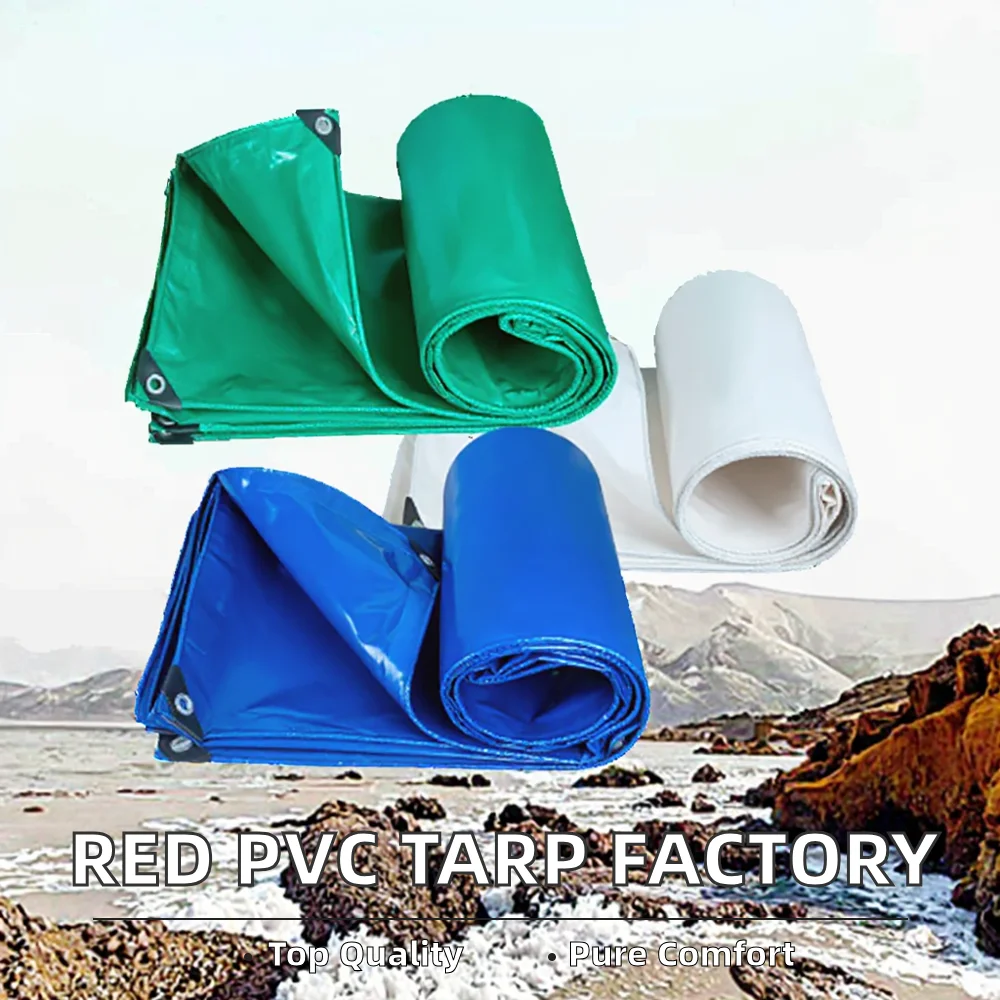
| Color Options | Blue, Blue/Orange, Green, Grey, Black, Clear, Grey/Green, Orange, or custom |
Application Suitability
| Application | Exposure & Requirement |
|---|---|
| Truck and Trailer Side Curtains | Constant flexing at tie-down points, road debris abrasion, sustained UV exposure |
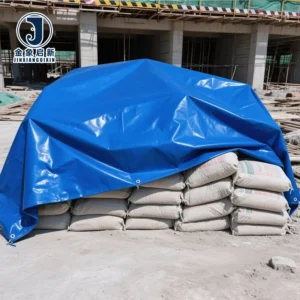
| Construction Site Equipment Covers | Heavy physical contact, soil moisture, puncture risk from sharp edges |
| Agricultural Pond Liners | Permanent water immersion, soil chemistry, root penetration resistance |
| Tensioned Membrane Structures | High wind load, sustained tension, architectural aesthetic requirements |
| Industrial Ventilation Ducting | Airflow friction, fire safety compliance, anti-static discharge requirements |
Why Stated GSM Often Fails in the Field
Fabric weight on paper means nothing if the coating adhesion fails before the base fabric reaches its tensile limit.
When sourcing a PVC coated tarpaulin roll, buyers frequently encounter material that measures lighter than the quoted specification upon arrival. This discrepancy rarely stems from simple measurement error. In many cases, the coating weight varies across the roll width, or the base fabric denier is lower than declared. The result is a cover that tears at stress points long before the expected service life. [NEED_CITE: ISO 1421 tensile testing standards for coated fabrics] Without independent verification at the production stage, the specification sheet becomes a marketing document rather than a quality guarantee.
Coating Method Determines Weld Integrity
The lamination and hot melt coating technology used in this range directly affects how the fabric behaves during fabrication. Hot melt coating penetrates the base fabric interstices, creating a mechanical bond that resists delamination when the material flexes repeatedly. This matters most at welded seams on truck side curtains, where the joint must withstand the same flex cycles as the parent fabric. Lamination technology, by contrast, bonds pre-formed PVC films to the base cloth, offering different peel strength characteristics that suit flat-panel applications like pond liners or architectural membranes.
Treatment Specifications Require Test Documentation
Flame retardant, anti-static, and UV-resistant treatments are available across this PVC coated tarpaulin range, but the critical factor is the test standard behind each claim. A mining ventilation duct requires flame retardancy certified to the specific standard mandated by the site operator — not a generic "flame retardant" label. Similarly, anti-static treatment for grain storage covers must demonstrate surface resistance values that prevent dust ignition. We supply test reports matched to the grade ordered, so the compliance documentation aligns with what your project specification demands. [NEED_CITE: fire classification standards for industrial textile applications]
Reading Between the Specification Lines
Base fabric denier and coating weight work together to determine real-world performance. A 1000D polyester base with 700-1000 g/m² total weight delivers different tear propagation resistance than a 500D base carrying the same total GSM through heavier coating. The denier controls how far a tear spreads once initiated — higher denier yarns bridge the tear path and arrest propagation. Coating thickness contributes to puncture resistance and surface durability but adds weight without proportionally increasing tear strength. Understanding this relationship lets you select the grade that matches the actual failure mode your application faces, whether that is edge tearing at grommets or surface abrasion from cargo contact.
The Cost of Specification Mismatch
Selecting a medium-duty grade for an application that demands heavy-duty performance does not simply shorten service life — it creates liability exposure. A truck cover that tears during highway transit exposes cargo to weather damage and creates road hazards from detached fabric. Covers specified for construction equipment that lack the required flame retardant certification fail site safety inspections, halting work until compliant material arrives. Batch-to-batch colour variation between rolls installed side by side on a large structure forces either aesthetic compromise or complete replacement. These failures trace directly to specifications that were not matched to the actual exposure conditions and compliance requirements. [NEED_CITE: common failure modes in coated fabric applications]
Production Control That Shows in the Roll
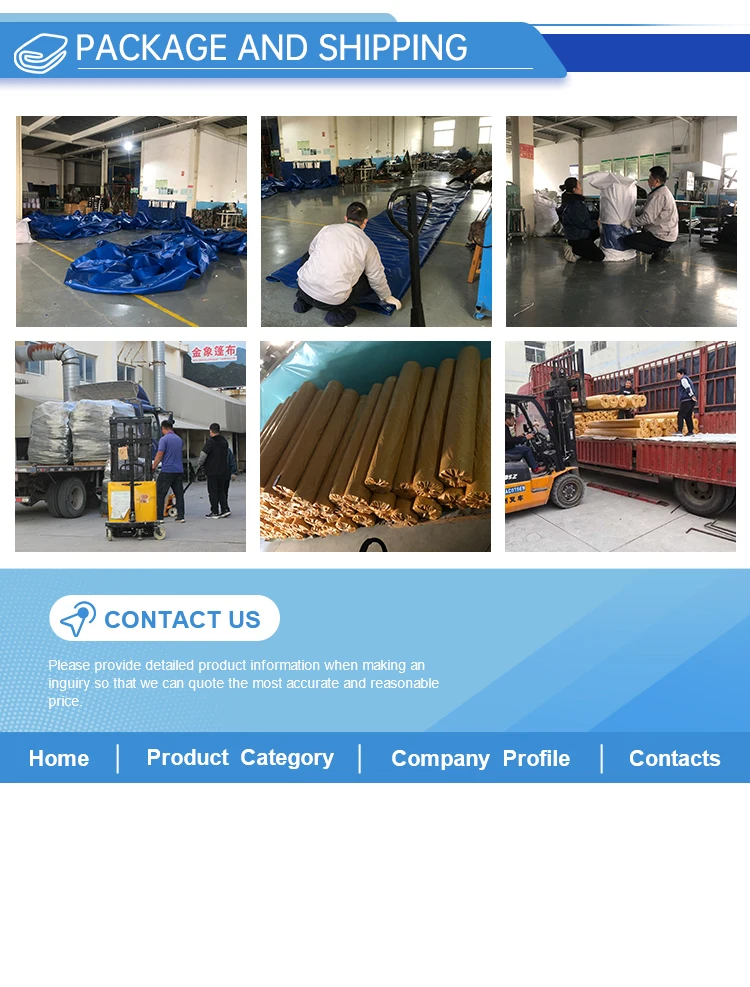
Three full production lines with 36 sets of professional equipment allow us to maintain coating weight consistency across high-volume orders without sacrificing lead time reliability. The 10-person R&D team develops custom colour matches, widths, and treatment combinations with samples produced within days rather than weeks. Every roll undergoes 100% inspection before shipment — not sampling, but full verification of weight, colour, and surface quality against the approved specification. This process control exists because we have spent nearly 30 years refining it, and because our customers ship to markets where documentation gaps mean rejected containers at customs.
Documentation & Verification
- Material specification sheet stating exact GSM, base fabric denier, and coating type for your order
- Test reports for flame retardant and UV grades matched to the specific treatment applied
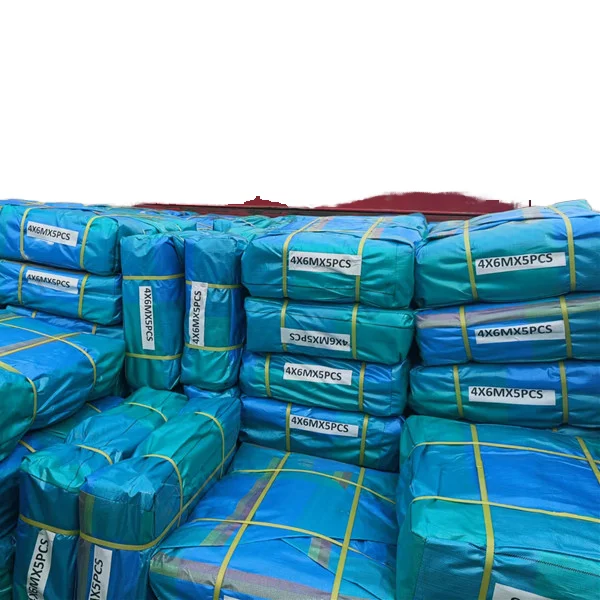
- Roll-by-roll packing list with individual weight records for quantity reconciliation
- Pre-shipment inspection record confirming colour consistency and surface quality
- Certificate of origin and ISO/CE documentation for customs clearance
Fabrication, Handling & Storage
- Hot melt coated surfaces require adjusted heat settings during welding to achieve full seam fusion
- Store rolls vertically on end cores to prevent permanent creasing in heavy-grade 1100-1500 g/m² material
- Unroll cold-weather shipments gradually — PVC becomes stiff below ambient and may crack if forced
- Cut patterns to maximise yield from standard widths while keeping weld seams away from high-flex zones
- Clean with mild detergent only; solvents degrade the plasticiser in the PVC coating layer
What We Need to Quote Accurately
To provide a specification that matches your actual requirements, we need the application context and exposure conditions — not just a GSM target. Tell us the end use, the environmental stresses the fabric will face, and any compliance standards your market requires. If you need custom widths for your fabrication equipment or specific colour matching for architectural consistency, provide those parameters with your annual volume estimate so we can confirm availability and production scheduling.
Frequently Asked Questions
Q: How do you verify that delivered fabric matches the quoted GSM?
A: Every roll is weighed and measured during our 100% pre-shipment inspection process. The inspection record documents actual weight per square metre against your approved specification, and the roll packing list provides individual roll weights so you can conduct receiving checks without waiting for laboratory testing.
Q: Can you provide test reports for flame retardant treatments?
A: Yes. When you specify the flame retardant grade required for your market or application, we supply the corresponding test report that documents performance against that specific standard. The grade must be confirmed before production so the correct formulation is applied and tested.
Q: What is the sample development process for custom colours or widths?
A: Our R&D team produces custom colour matches and non-standard width samples within days of receiving your specification. You approve the physical sample before bulk production begins, ensuring the colour, weight, and treatment match your requirements exactly.
Q: How do you control colour consistency across multiple rolls in one order?
A: Batch colour control is maintained through our in-process QA checkpoints. The pre-shipment inspection specifically checks for roll-to-roll colour variation, because panels installed side by side will reveal any inconsistency immediately. Production is scheduled to complete full orders in continuous runs where possible.
Related products
-
PVC-coated Waterproof Heavy-duty Vinyl Industrial Outdoor Reinforced Tarpaulins for Tents and Truck Covers
¥1.45 Add to cart -
Factory 12ftx20ft Construction Cold Weather Insulated Pe Tarps Poly Tarp Heavy Duty Concrete Curing Blanket Tarpaulin Roll Sheet
¥0.66 Add to cart -
Factory Custom 9×11 Poultry Curtains Tarpaulin PVC Coated Waterproof Anti-Static Eco-Friendly Tarp for Chicken Coop Boys Girls
¥0.90 Select options This product has multiple variants. The options may be chosen on the product page -
Factory Direct 20×30 Feet 13mil Heavy-Duty Vinyl Tarps PVC Tarpaulin for Firewood Roof Camping Patio Pool Boat Dump Trailer
¥2.60 Add to cart