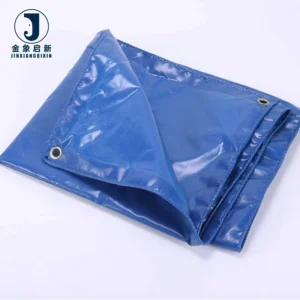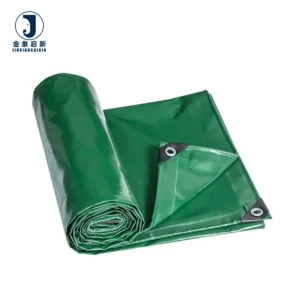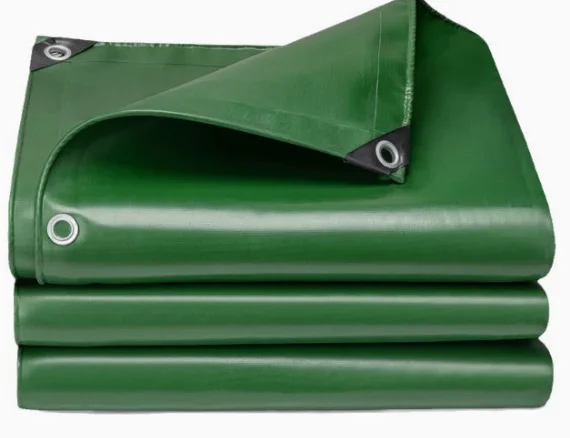
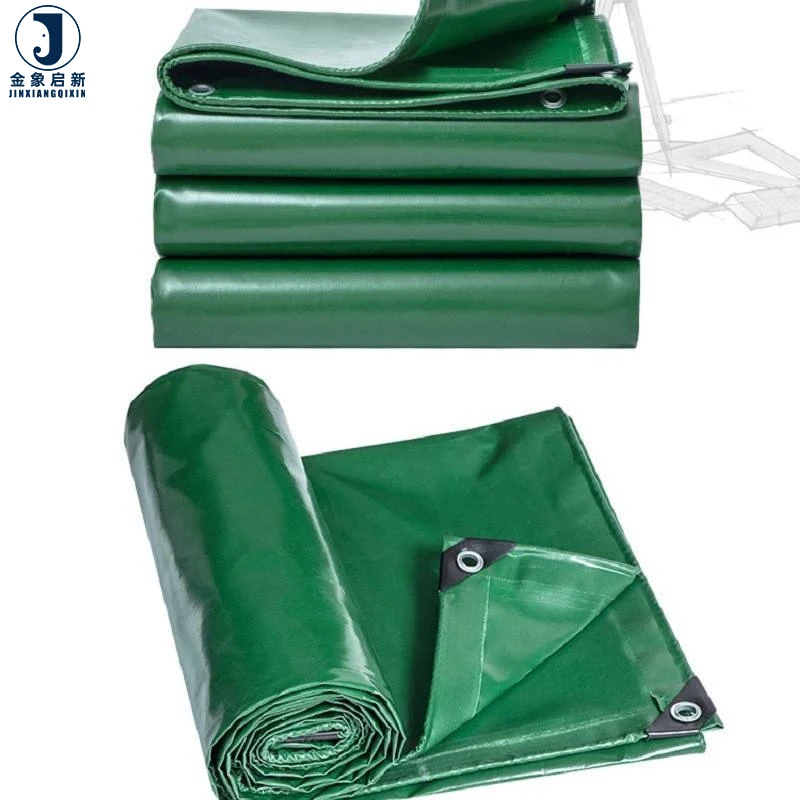
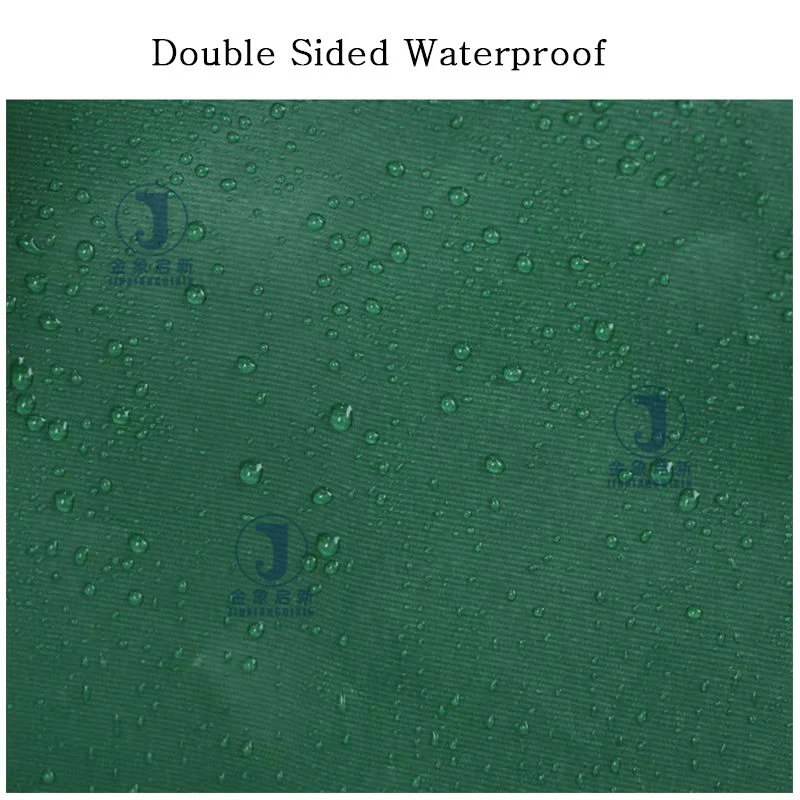
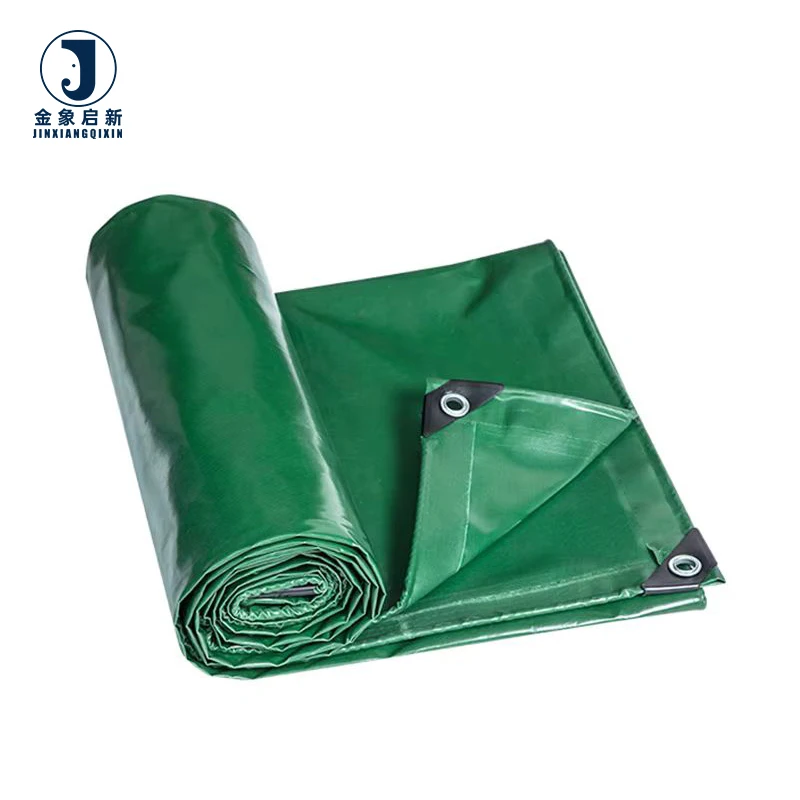
PVC Coated Tarpaulin — PVC vinyl coated woven fabric, at least 450 g/m², waterproof against rain and outdoor elements.
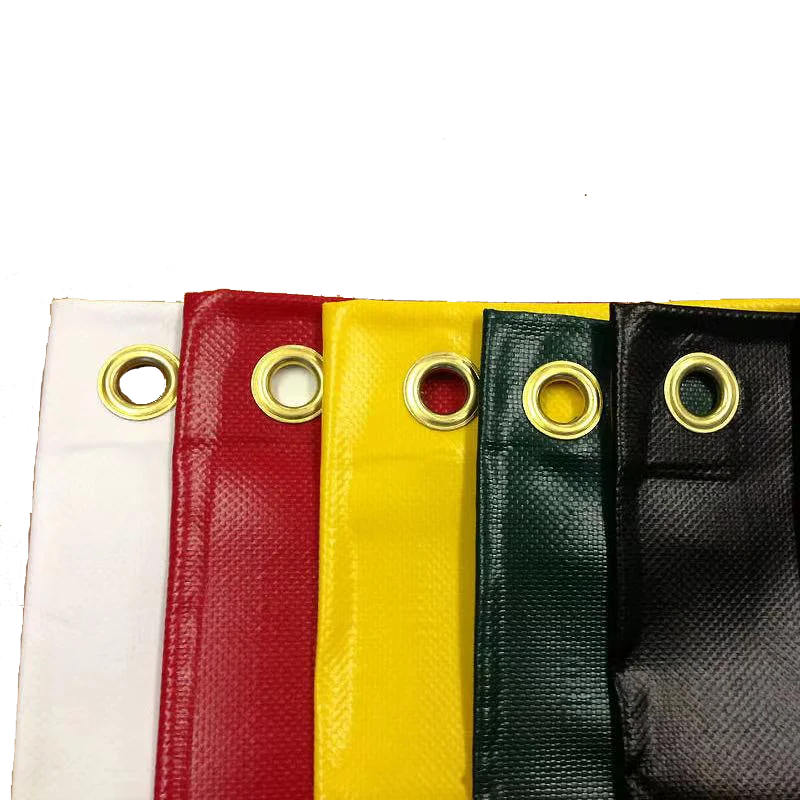
Supplied in rolls or custom-cut to exact dimensions with reinforced hems, eyelets and heat-welded seams, covering truck side curtains, equipment tarps and temporary enclosures. Coating weight and adhesion controlled across three production lines, verified roll by roll before dispatch.
- Full customization on width, length, colour and pattern printing with fast sample turnaround
- Pre-shipment 100% inspection with material specification sheet and packing documentation included
Description
Dedicated Production Lines — coating weight and adhesion controlled across three in-house lines with roll-by-roll verification before dispatch.
Technical Specifications
| Parameter | Value |
|---|---|
| Product Type | PVC Coated Tarpaulin |
| Coating Material | PVC vinyl |
| Base Fabric Construction | Woven polyester |
| Weight | At least 450 g/m² |
| Waterproof Rating | Fully waterproof against rain, snow and outdoor exposure |
| Surface Finish | High-strength PVC coating |
| Key Features | Waterproof, tear-resistant woven base, custom widths and colours available |
Application Suitability
| Application | Exposure & Requirement |
|---|---|
| Vehicle and equipment covers | Road debris impact, UV exposure, repeated folding at tie-down points |
| Industrial structure enclosures | Wind load stress, prolonged weather exposure, chemical-laden atmosphere |
| Temporary site shelters | Abrasion from scaffolding contact, rain ingress at seams, daily handling |
| Outdoor stockpile protection | Standing water, soil contact, puncture from sharp-edged materials |
Why the Quoted GSM Does Not Match the Roll That Arrives
A stated weight means nothing without roll-by-roll verification at the coating head and again before shipment.
The most common complaint from tarpaulin buyers is material arriving lighter than specified — thinner coating, lower base fabric denier, seams that split before the body fabric shows any wear. This happens when production is outsourced in stages and no single party owns the final weight check [NEED_CITE: pre-shipment inspection standards for coated fabric rolls]. As a PVC coated tarpaulin custom manufacturer, Jinxiang runs dedicated QA/QC at every production stage, pulling samples from each roll to confirm the coating weight and total GSM against the approved specification sheet before the roll is packed.
Coating Adhesion That Holds Through Repeated Flex Cycles
The bond between the PVC layer and the woven polyester base determines whether the fabric delaminates at fold lines and stress points. Our three full production lines allow us to control coating temperature and pressure at each pass, building adhesion through process discipline rather than relying on a single topcoat to compensate for weak bonding underneath. This matters most on truck covers and site enclosures where the fabric flexes with every load shift and wind gust.
Colour and Finish Consistency Across an Entire Order
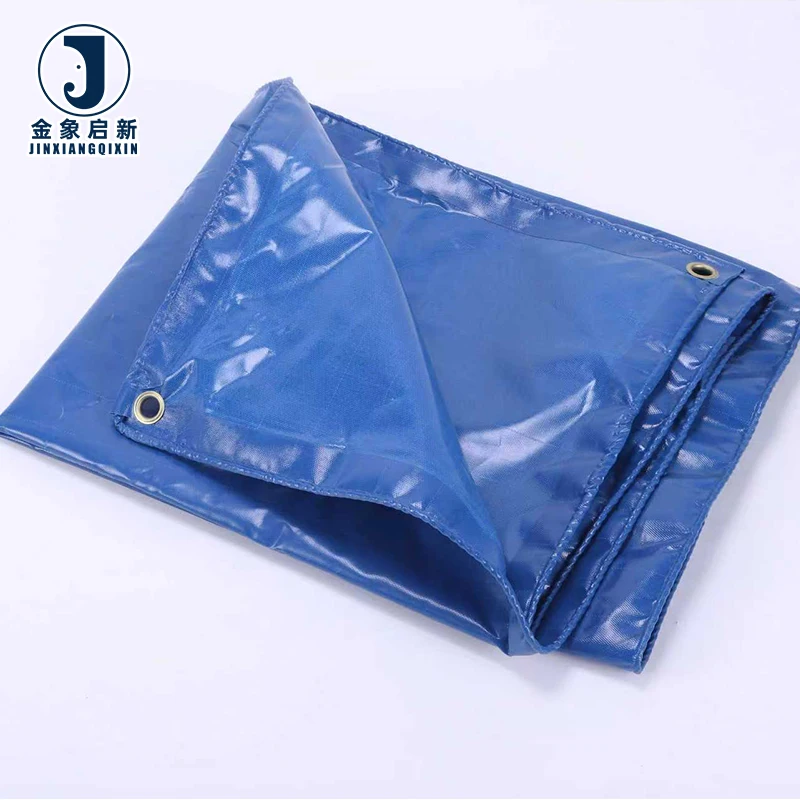
Batch-to-batch colour variation becomes obvious the moment two rolls are unrolled side by side on a large structure or vehicle curtain. We compound pigment into the PVC at the mixing stage rather than applying a surface tint, so the colour runs through the full coating thickness. Custom PVC coated tarpaulin fabric orders are produced in a single continuous run wherever possible, and each roll is checked against the master colour reference before packing.
Reading the Specification Sheet Beyond the Weight Number
Weight alone does not predict how a PVC coated woven tarpaulin will perform in service. The denier of the base yarn and the weave density determine how a tear propagates once the surface is cut or punctured — a lighter fabric with a tighter weave can outperform a heavier one with loose yarn spacing. Coating thickness relative to total GSM also matters: a high GSM achieved mostly through thick PVC will crack at low temperatures, while the same weight built on a dense base fabric will stay flexible. Width and roll length affect fabrication yield, since every cross-cut creates waste and an additional welded seam. Surface finish — glossy or matte — changes how dirt accumulates and how well printed branding adheres over time [NEED_CITE: coating adhesion and surface energy on PVC tarpaulin].
The Hidden Cost of a Specification That Looks Right on Paper
When a PVC coated tarpaulin is ordered on GSM alone, the coating compound and base fabric grade are left to the supplier’s discretion. The result is often a roll that passes a quick weight check but fails at the first weld seam or the first season of UV exposure. Flame-retardant or anti-UV treatments claimed without a supporting test report leave the buyer exposed during site inspections or regulatory audits. Welded seams that fail before the body fabric does are almost always a sign that the coating compound was not matched to the welding temperature profile used by the fabricator [NEED_CITE: heat-weld seam strength testing for PVC coated fabrics]. These failures do not appear in the first week; they surface months into service when replacement costs are highest.
Why Buyers Keep Coming Back for Repeat Orders
Our 10-person R&D team handles material selection and sample development in-house, so custom widths, colours and printed branding are developed and approved before the production run starts — not adjusted mid-run. Three full production lines and 36 sets of professional equipment give us the capacity to fulfil container-volume orders without splitting them across external workshops. Every roll undergoes 100% inspection before packing, with a record that traces coating weight, colour and dimensions back to the production batch. Samples are developed within days for any custom requirement, letting buyers confirm weight, finish and print quality before committing to bulk.
Documentation & Verification
- Material specification sheet stating GSM, base fabric denier, coating weight and colour reference
- Pre-shipment inspection record with roll-by-roll weight and dimension verification
- UV and flame-retardant test reports provided where treatments are specified on the order
- ISO and CE certificates included with every export shipment
- Certificate of origin and full customs documentation pack for destination clearance
Fabrication, Handling & Storage
- Heat-weld at temperatures matched to the PVC compound — request our recommended settings for the 450 g/m² grade
- Reinforce eyelet and tie-down zones with additional PVC patches where woven base yarns carry concentrated loads
- Store rolls upright on cores to prevent flat-spot creasing that weakens the coating at the fold line
- Allow cold-stored rolls to reach ambient temperature before unrolling to avoid coating micro-cracking
- Clean with mild detergent only; solvent-based cleaners can soften the PVC surface and reduce coating adhesion
What We Need to Move Your Inquiry Forward
Send us the application, expected exposure conditions and any fire-retardant or anti-UV grades required by your market. Specify target widths, roll lengths and whether you need finished panels with eyelets and hems or mill rolls only. If colour matching or printed branding is part of the project, share the Pantone or RAL reference and we will develop a physical sample for your approval before production starts.
Frequently Asked Questions
Q: How do I verify the GSM on arrival against the quoted specification?
A: Every shipment includes a pre-shipment inspection record showing the measured weight of each roll. You can cross-check by cutting a known-area sample from the roll end and weighing it on a calibrated scale. Our material specification sheet also states the base fabric denier and coating weight separately so you can confirm the construction matches what was approved.
Q: What width, length and colour options are available on custom rolls?
A: Widths and lengths are produced to your specification within our line capacity, and colours are compounded from Pantone or RAL references. Glossy and matte finishes are both available. Samples are developed within days so you can confirm the exact shade, surface texture and hand feel before the bulk run is scheduled.
Q: How is batch-to-batch colour consistency controlled across an order?
A: Pigment is mixed into the PVC compound before coating rather than applied as a surface tint, so colour runs through the full thickness. Each roll is compared against the master colour standard under controlled lighting during the pre-shipment inspection, and any roll outside tolerance is held back before packing.
Q: What is the sampling and approval process before bulk production?
A: Once you confirm the specification — GSM, width, colour, finish and any treatments — our R&D team produces a sample roll within days. You approve the physical sample for weight, colour, flexibility and weld behaviour before we release the bulk order to production.
Q: Which eyelet, hem and printing options can be specified per roll or cut size?
A: Eyelet spacing, hem reinforcement and pattern printing are all configurable per your fabrication requirements. For mill roll orders these can be left for your own workshop to finish; for cut-to-size panels we apply heat-welded hems and press eyelets at the spacing you specify.
Related products
-

PVC Coated Tarpaulin PVC Fabric Tarpaulinheavy duty fire retardant waterproof pvc coated tarpaulin rolling pvc tarp
¥1.00 Select options This product has multiple variants. The options may be chosen on the product page -

Hotsale Custom China Supplier Super Strength Industrial Grade 680GSM RIPSTOP PVC Tarpaulin for Builders Roof Tarp and Sheeting
¥2.80 Add to cart -
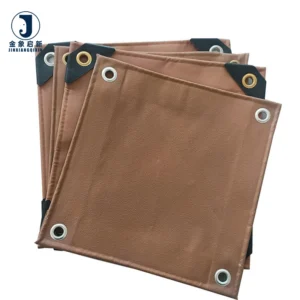
JX Fireproof 500gsm 600gsm Customizable PVC Tarpaulin Waterproof Truck Cargo Cover
¥0.79 Select options This product has multiple variants. The options may be chosen on the product page -
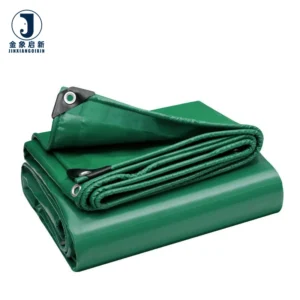
Factory Direct 20×30 Feet 13mil Heavy-Duty Vinyl Tarps PVC Tarpaulin for Firewood Roof Camping Patio Pool Boat Dump Trailer
¥2.60 Add to cart