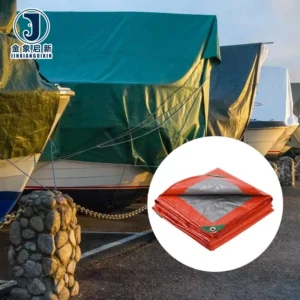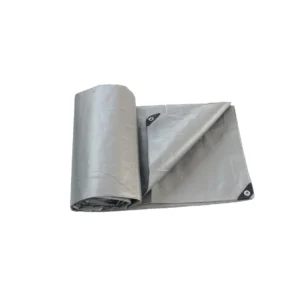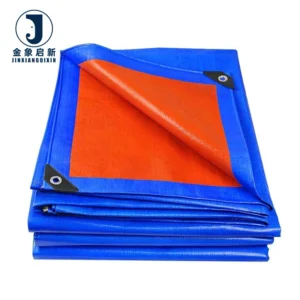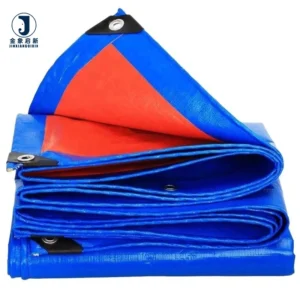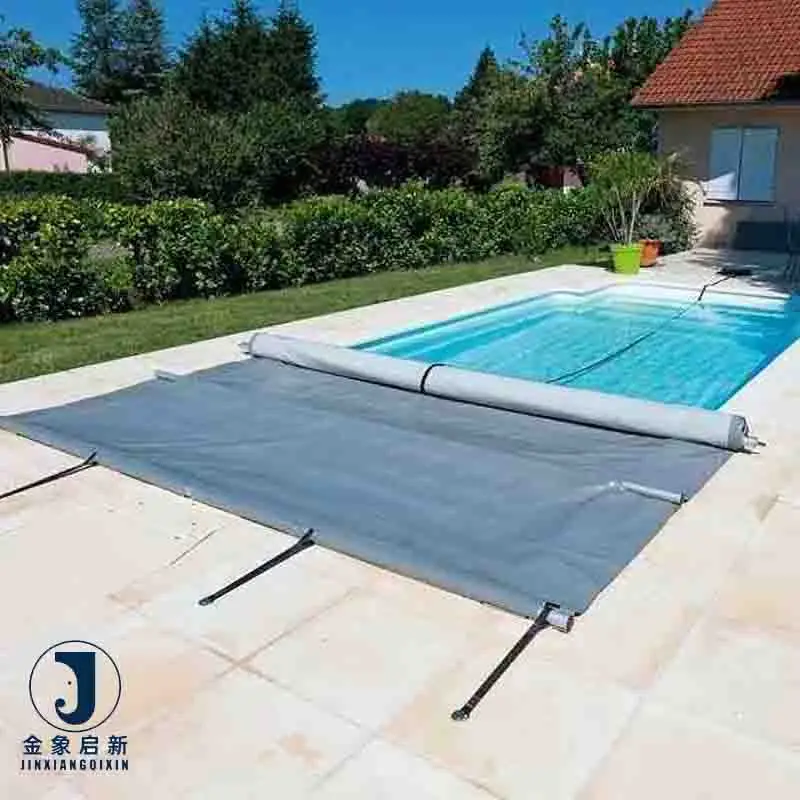
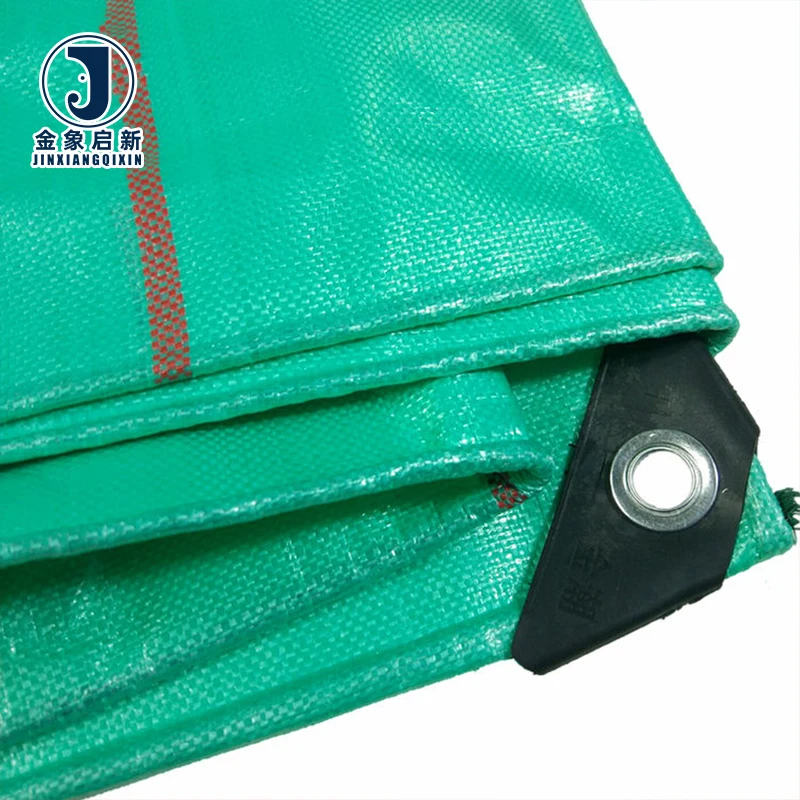
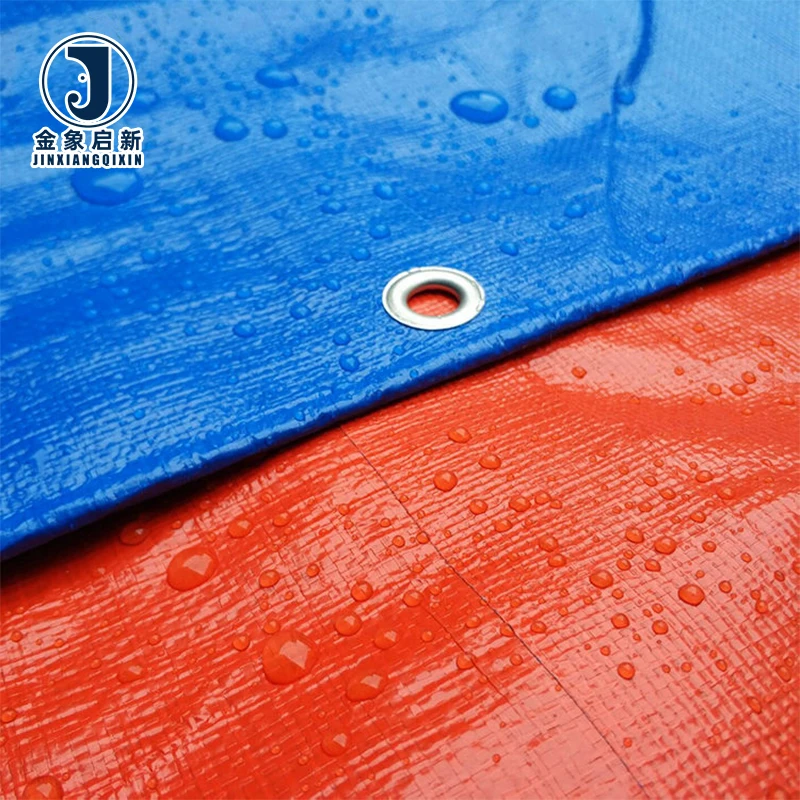
Waterproof PE Tarpaulin Fabric — HDPE woven base with dual-sided LDPE lamination, 50–300gsm range, 6×6 to 14×16 weave density options.
- Full catalogue from lightweight covers to heavy-duty industrial fabrics, with custom width, length, color, and pattern printing available in one consolidated shipment.
- Weave density and GSM together determine tensile and tear performance; selecting the right combination matters more than simply choosing the heaviest option.
Backed by nearly 30 years of coated fabric expertise, 100% pre-shipment inspection, and a 10-person R&D team supporting rapid sample development for custom requirements.
Description
Deep process control over coating weight — verified through dual-sided LDPE lamination consistency across every roll of waterproof PE tarpaulin before dispatch.
Technical Specifications
| Parameter | Value |
|---|---|
| Product Type | PE Tarpaulin |
| Material | HDPE weaving with LDPE lamination on both sides |
| Weight Range | 50g/m² ~ 300g/m² |
| Thickness | 0.2-0.4mm / 8 mil-16 mil / Custom |
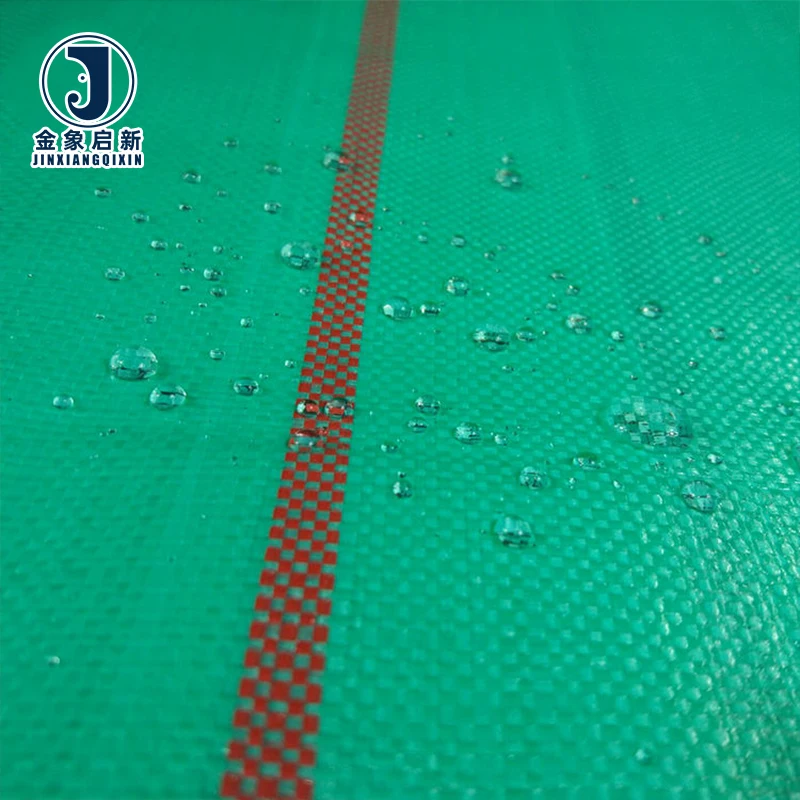
| Weave Density | 6×6 up to 14×16 (depending on GSM grade) |
| Roll Widths | 6ft, 8ft, 10ft, 12ft or 2m, 4m, 6m |
| Roll Lengths | 100 yards, 100 meters, or custom |
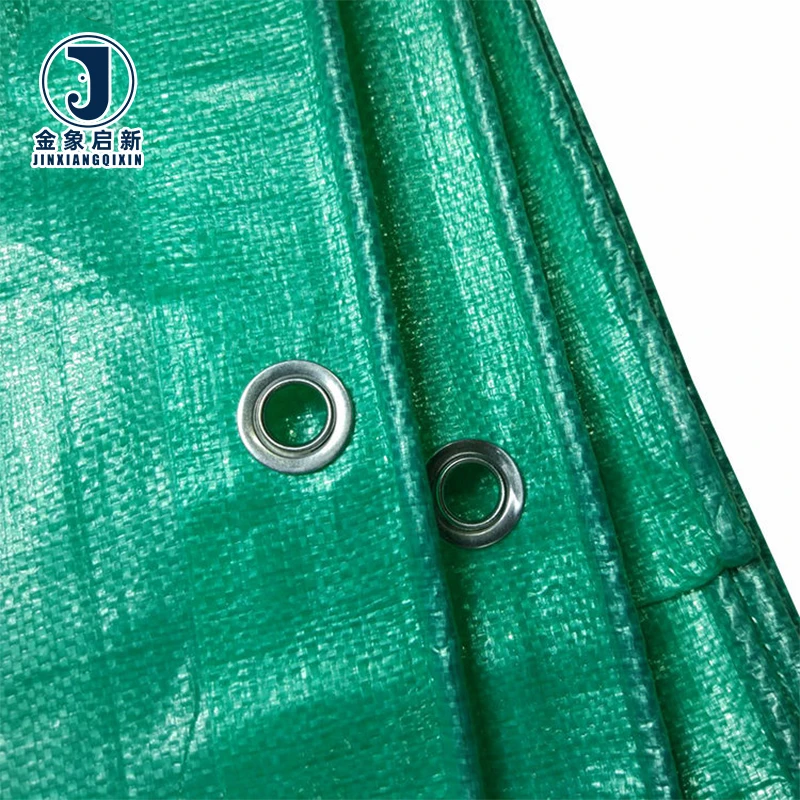
| Finished Edge | PP rope reinforced hem, galvanized eyelets every 3ft or 1m |
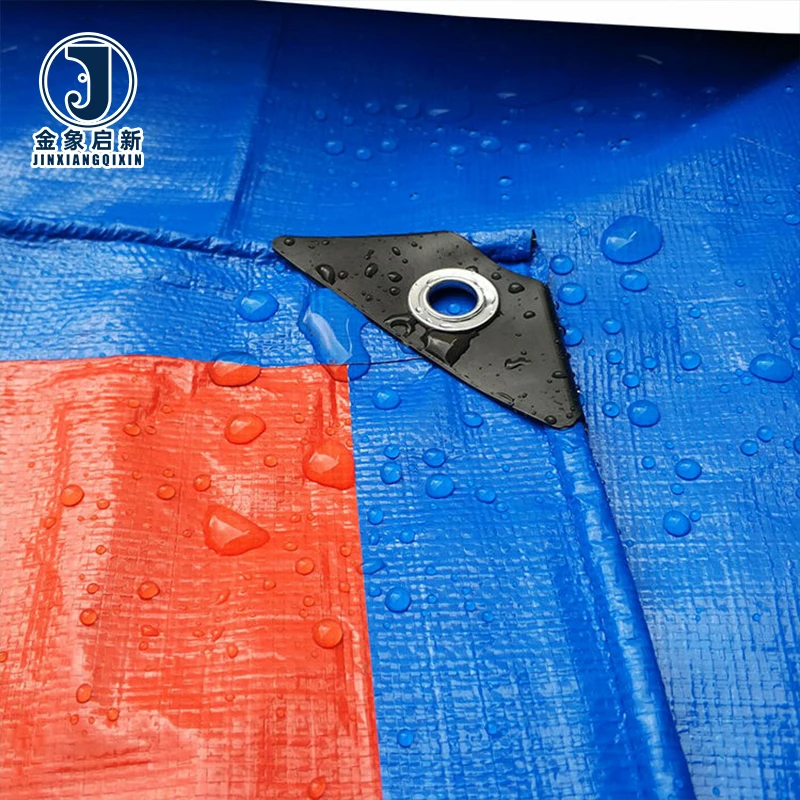
| Corner Reinforcement | Reinforced plastic corners on finished sizes |
| Color Options | Blue, Blue/Orange, Green, Grey, Black, Clear, Grey/Green, Orange, custom |
| UV Treatment | Available in treated grades — confirm the grade required for your market |
Application Suitability
| Application | Exposure & Requirement |
|---|---|
| Truck and trailer covers | Continuous road vibration, UV exposure, tie-down abrasion at eyelet zones |
| Construction scaffolding wraps | Wind load, debris impact, prolonged sun exposure on vertical faces |
| Hay and crop covers | Moisture ingress, ground contact, seasonal temperature fluctuation |
| Pond and reservoir liners | Permanent water contact, soil chemistry, puncture risk from substrate |
| Equipment and furniture covers | Dust and rain exposure, repeated installation and removal handling |
Why Stated GSM Fails When the Coating Does Not Bond
Lamination adhesion determines field life, not weight alone.
When a PE tarpaulin aftermarket supplier quotes 200gsm but the LDPE lamination delaminates at the weave cross-point after months of thermal cycling, the fabric loses waterproofing long before it tears. I have seen heavy-grade coated rolls fail at the weld line because the base fabric and the laminate expanded at different rates under desert heat [NEED_CITE: thermal expansion mismatch in HDPE/LDPE laminated structures]. The weave density must match the lamination weight so the coating penetrates rather than sitting on the surface. This is the failure mode that a simple scale check at the warehouse cannot catch.
Matching Weave Density to the Load Profile
A 6×6 weave at 50-60gsm handles light-duty dust and rain covers where flexibility matters more than puncture resistance. Moving to 10×10 or 12×12 weave increases the yarn count per square inch, creating a tighter grid that distributes point loads from tie-down straps and sharp-cornered cargo. When you are sourcing a PE tarpaulin aftermarket supplier for transport or construction covers, specifying the weave by density rather than just GSM gives the mill a clearer target for the base fabric construction.
How Dual-Sided Lamination Protects the Weave Core
Single-sided lamination leaves the underside of the HDPE weave exposed to moisture wicking and abrasion against the covered surface. The dual-sided LDPE coating seals both faces, preventing water from reaching the yarn interface where mildew and UV degradation accelerate. This construction also allows both sides to be cleaned without exposing bare weave, which matters for agricultural covers that are flipped or reused across seasons [NEED_CITE: LDPE lamination adhesion test methods per ISO standards].
Reading the Density-to-Weight Relationship
The specification table shows that 6×6 weave corresponds to 50-60gsm while 14×16 reaches 250-300gsm. This progression reflects both thicker yarns and heavier coating, not just tighter weaving. A 14×14 fabric at 150-250gsm relies on higher denier HDPE yarns that resist tear propagation across the weave grid. When evaluating options, comparing GSM without the weave count misses how the base fabric contributes to overall tear and tensile performance. The thickness range of 0.2-0.4mm correlates with these density tiers, providing a secondary check on whether the lamination weight matches the stated grade.
The Cost of Underspecifying Color Consistency
Ordering multiple rolls of green or grey tarpaulin for a single project assumes they will match once unrolled side by side. If the pigment batch varies between production runs, the visible colour difference forces either re-sorting at the site or accepting a patchwork appearance on a visible installation. This problem surfaces most on large construction wraps and agricultural covers where dozens of panels are joined. Confirming colour reference codes and requesting roll-to-roll consistency documentation prevents the rework cost that follows [NEED_CITE: colour variation tolerance in batch-produced PE tarpaulin].
Why Documentation Closes the Specification Gap
Every roll produced moves through in-process QA checkpoints where coating weight and lamination adhesion are verified against the order specification. The 10-person R&D team handles material selection for non-standard widths and custom colour matching, developing samples within days so buyers can confirm hand feel, opacity, and surface finish before committing to bulk. Production runs carry dedicated QC at each stage, with 100% pre-shipment inspection comparing actual roll weight and dimensions against the packing list. This level of process control is what separates a confirmed specification from a hopeful one.
Documentation & Verification
- GSM verification per roll recorded against the quoted weight range before dispatch
- Material specification sheet listing base fabric weave, lamination type, and colour reference
- UV and anti-aging test reports provided for treated grades where applicable
- Pre-shipment inspection record confirming roll count, dimensions, and packing integrity
- Roll packing list aligned to container loading plan for accurate receipt at destination
Fabrication, Handling & Storage
- Heat sealing temperature must match the LDPE lamination grade to avoid burning through the 0.2-0.4mm coating layer
- Galvanized eyelets at 1m intervals distribute tie-down load across the PP rope reinforced hem
- Rolls stored flat or upright on cores to prevent permanent creasing through the dual-sided lamination
- Finished covers with reinforced plastic corners resist tearing when dragged across rough ground surfaces
- Cleaning with mild detergent preserves the LDPE surface without degrading available UV treatment additives
Requesting the Right Specification for Your Project
Tell us the end use, expected exposure conditions, and whether you need roll stock or finished cut sizes with specific eyelet spacing. If your market requires UV or anti-aging treatment, specify the test standard your buyer or regulator expects so we match the formulation. Provide your target width, length, and colour reference along with estimated annual volume so we can confirm lead times and container loading plans.
Frequently Asked Questions
Q: What is the difference in durability between 10×10 weave and 14×14 weave PE tarpaulins?
A: The 14×14 weave uses higher denier HDPE yarns and heavier LDPE lamination, reaching 150-250gsm compared to 100-120gsm for 10×10. This tighter grid resists tear propagation more effectively under point loads from tie-downs and sharp cargo edges. For static covers with light exposure, 10×10 is sufficient. For transport or construction covers subject to wind and abrasion, the 14×14 construction provides a wider margin.
Q: Can you supply custom-sized truck covers with specific eyelet placements?
A: Finished tarpaulins are produced with galvanized eyelets at standard 3ft or 1m intervals, but custom spacing is available for specific trailer models and tie-down configurations. The PP rope hem and reinforced plastic corners are adjusted to match the cover dimensions. Provide the vehicle bed measurements and preferred eyelet positions so we can develop a cutting pattern and sample for approval before bulk production.
Q: How do you guarantee the GSM and thickness match the quotation?
A: Each production run goes through in-process QA where coating weight and lamination thickness are checked against the order specification. The pre-shipment inspection record documents actual roll weight per batch. We provide a material specification sheet stating the GSM, base fabric weave, and lamination type so you can verify on arrival that the delivered product matches what was quoted.
Q: What are the standard lead times and MOQs for custom colors and printed branding?
A: Custom colours require a pigment matching stage where samples are developed for approval before the bulk run begins. Lead times depend on the width, GSM grade, and order volume, with typical multi-week schedules for non-standard specifications. MOQ varies by whether the order is roll stock or finished cut sizes. Provide your colour reference and estimated quantity so we can confirm production scheduling.
Q: How are the tarpaulins packed for container shipping to prevent damage during transit?
A: Roll stock is packed by roll, bale, or carton depending on the product type and container size. A 20’GP container holds approximately 17 tons by roll, 12 tons by bale, or 9 tons by carton. The roll packing list details the count and weight per package. Rolls are secured to prevent shifting and edge damage during ocean transit, and the packing method is selected to match how the buyer will unload and store the material at destination.
Related products
-
Waterproof PE Tarpaulin Fabric 100-300gsm Anti-Uv Outdoor Use for Boys & Girls Activity Ponds
¥0.31 Select options This product has multiple variants. The options may be chosen on the product page -
Heavy Duty Organic Breathable PVC Coated Weft Tarpaulin 400gsm Waterproof UV Resistant for Trucks Buildings Agriculture Boys
¥0.87 Select options This product has multiple variants. The options may be chosen on the product page -
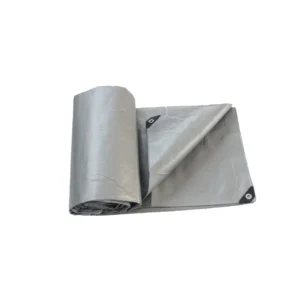
PE Tarpaulin Waterproof Outdoor Garden Sheet HDPE Laminated PVC Coating for Liner Covering Truck Cover Tent Awnings Plain Woven
¥0.31 Select options This product has multiple variants. The options may be chosen on the product page -
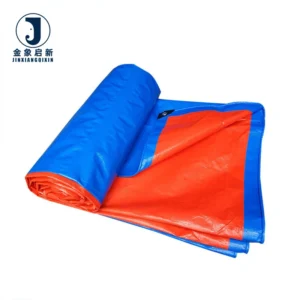
JX Tear-Resistant PE Coated Polyethylene Eco-Friendly Tarpaulin Waterproof Blackout Organic with Eyelets
¥1.31 Select options This product has multiple variants. The options may be chosen on the product page