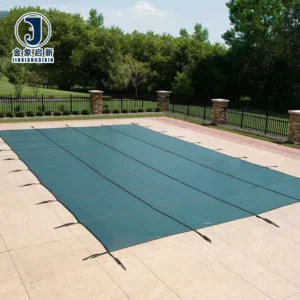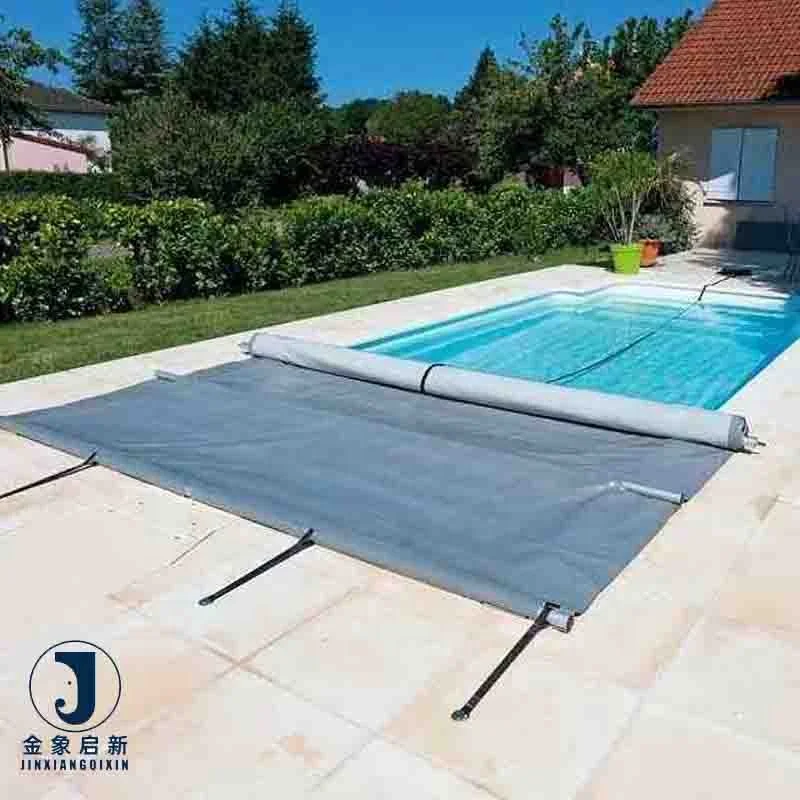
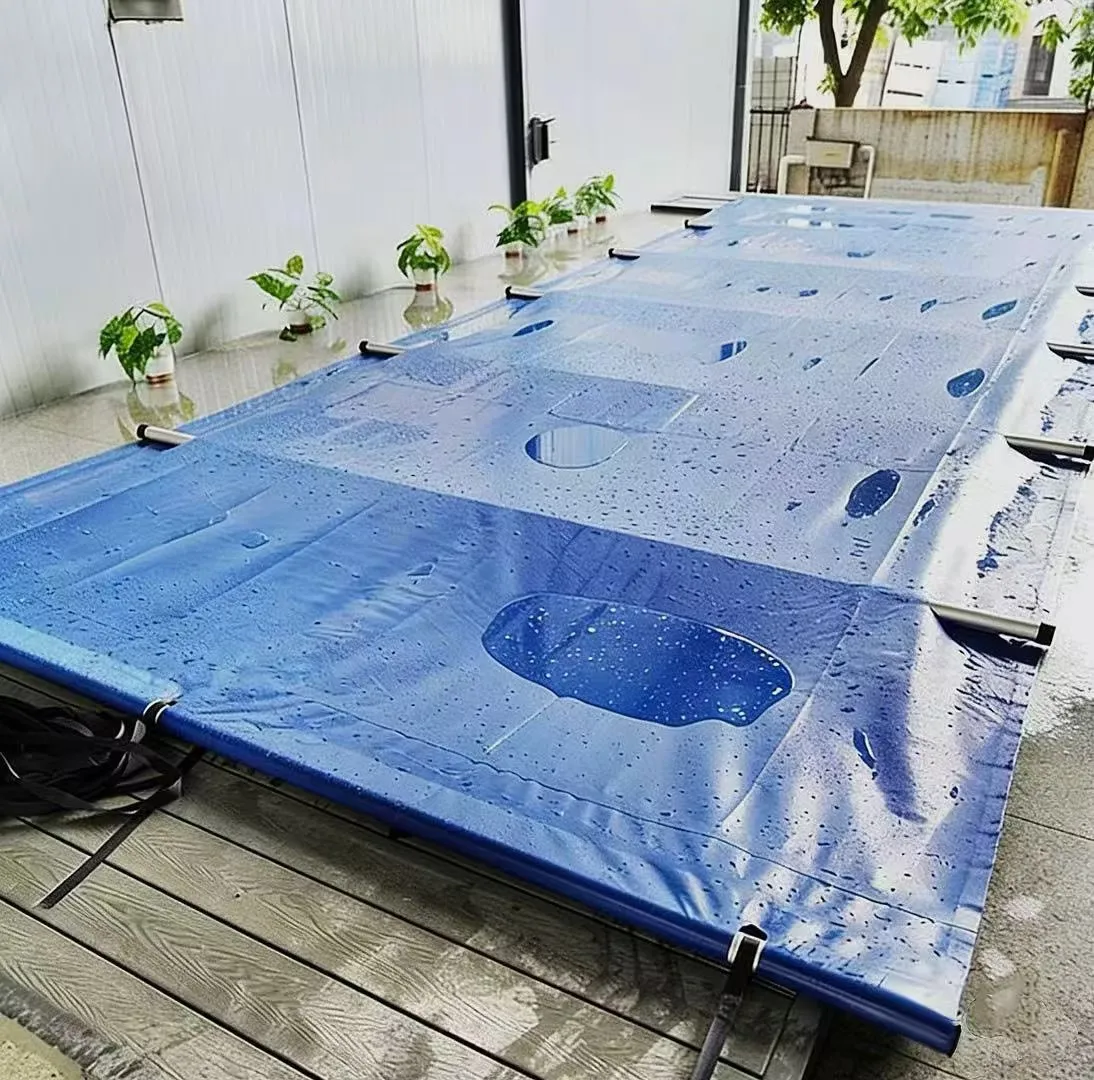
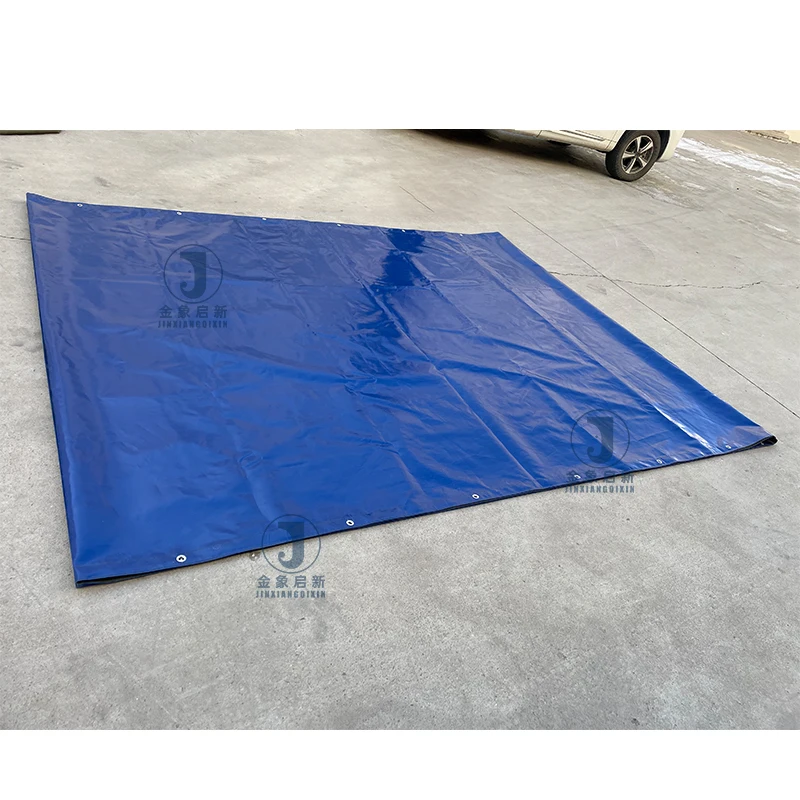
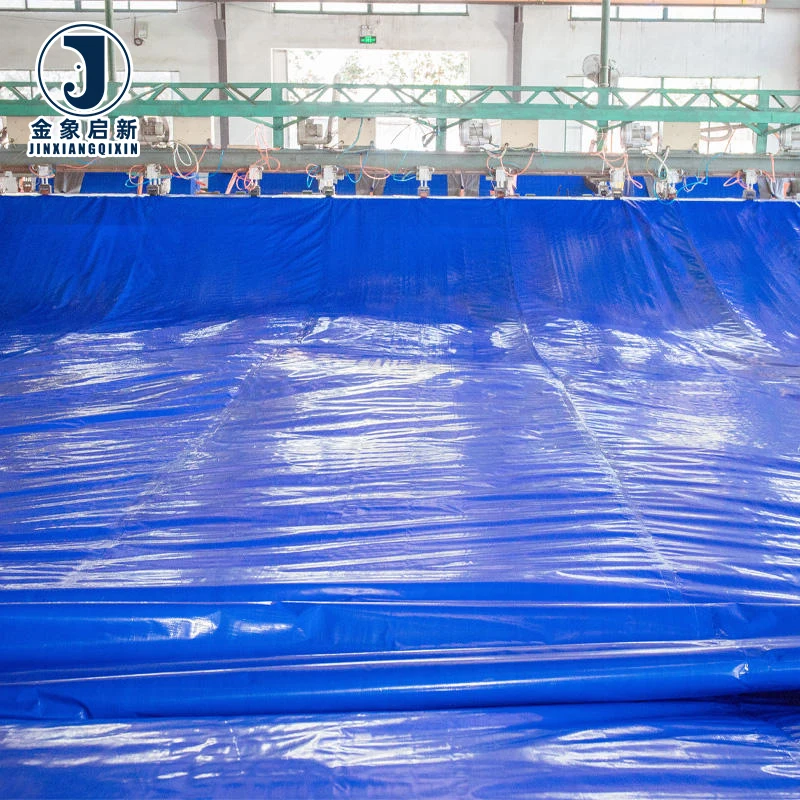
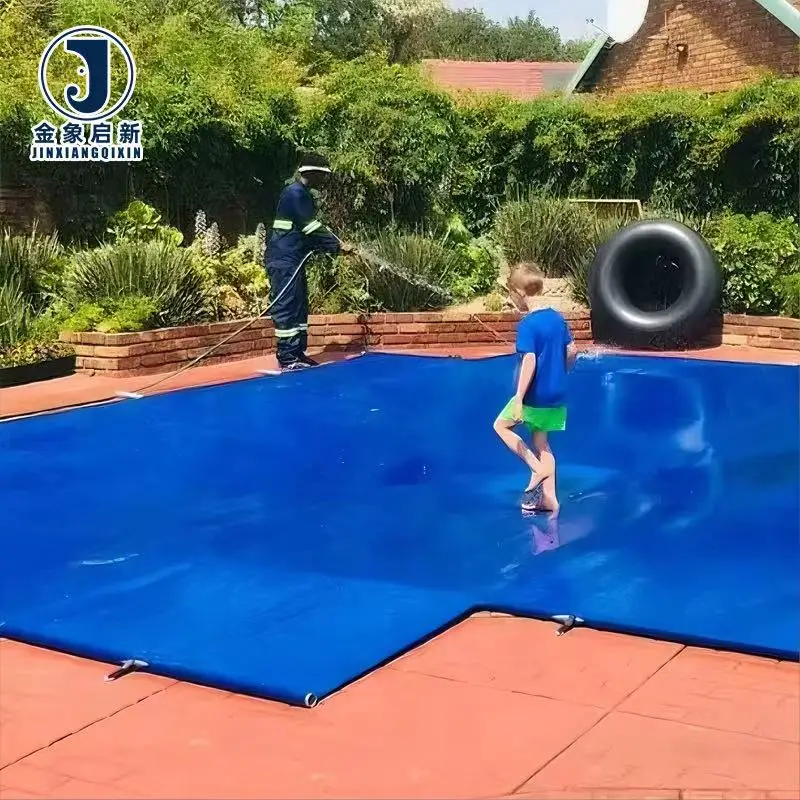
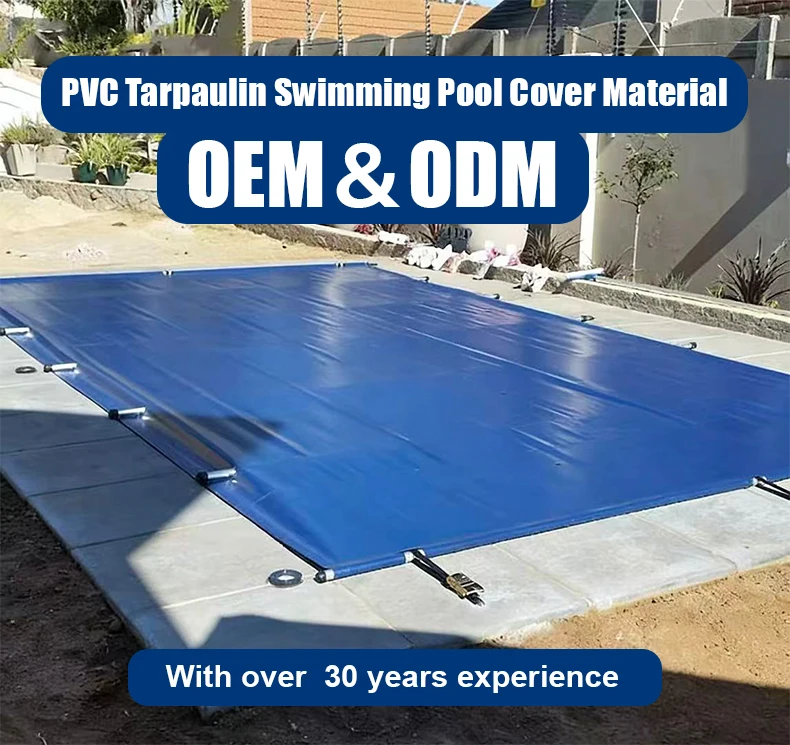
PVC Swimming Pool Cover Tarpaulin, 350–750gsm, Hot-Melt & Laminated Coating — engineered for rectangular and contoured pool installations with full UV, flame retardant and anti-static treatment options.
- Laminated and hot-melt coating ensures adhesion outlasts the base fabric through daily tension cycles and constant water exposure
- Welded seams deliver tearing strength exceeding the base mesh, critical at flex and fixation points
- GSM and thickness grades matched to pool geometry and climate — from 350gsm residential to 750gsm commercial covers
- Custom sizing, colour and aluminium bar or hook fixation supported across the full range
Dedicated QA/QC at every production stage with 100% pre-shipment inspection ensures GSM, colour and treatment consistency roll to roll.
Description
Coating expertise at scale — nearly three decades of PVC lamination process control applied to pool cover fabric, from base mesh selection through to final roll inspection.
Technical Specifications
| Parameter | Value |
|---|---|
| Product Type | PVC Coated Tarpaulin (Pool Cover Fabric) |
| Material | PVC + high-strength polyester mesh fabric |
| Coating Technology | Laminated technology & hot-melt coating technology |
| Weight Options | 350 gsm / 420 gsm / 500 gsm / 550 gsm / 600 gsm / 750 gsm |
| Thickness Options | 0.32 mm / 0.35 mm / 0.4 mm / 0.45 mm / 0.5 mm / 0.65 mm |
| Roll Width | 2 m / 2.1 m |
| Roll Length | 75 m (2 m width) / 50 m (2.1 m width) |
| Standard Colors | Blue, Red, Yellow, Light blue, Grey |
| Custom Color | Available on request |
| Key Features | Waterproof, cold crack resistant, anti-mildew, high color fastness, outstanding tearing strength at welded seams |
| UV Treatment | Anti-UV treatment (test basis available on request) |
| Flame Retardant | Available in flame retardant grades — confirm the grade required for your market |
| Anti-Static | Anti-static treatment available (surface resistance standard to be confirmed) |
Application Suitability
| Application | Exposure & Requirement |
|---|---|
| Residential swimming pool covers | Daily sun exposure, chlorine atmosphere, debris load, seasonal tension cycling |
| Commercial and hotel pool enclosures | High-traffic deployment, compliance with local fire codes, large span tensioning |
| Aquaculture and fish pond covers | Permanent water contact, organic load, anti-mildew requirement, predator exclusion |
| Tarpaulin distributor roll stock | Batch-to-batch color consistency, reliable GSM across rolls, local fabrication downstream |
| Tent and awning fabric sourcing | Flame retardant compliance, weld seam integrity, print-ready surface finish |
Why "Anti-UV" and "Flame Retardant" Need a Test Report, Not a Label
Pool covers degrade at the surface first — a coating that performs without documented test evidence fails silently in the field.
A buyer specifying a PVC pool cover tarpaulin custom manufacturer often receives marketing language around UV stability and fire resistance without a corresponding test report. In outdoor pool environments, coating breakdown accelerates when UV stabilizer loading is insufficient, leading to chalking and loss of tensile integrity well before the base fabric itself fails [NEED_CITE: UV degradation mechanisms in plasticized PVC coatings]. For commercial pool operators, an undocumented flame retardant claim can result in failed inspections and project rejection. Requesting the specific test standard — such as a classification per DIN 4102 or equivalent — before order confirmation is the only reliable gate between a compliant product and a liability.
Coating Adhesion That Outlasts the Fabric Itself
Laminated and hot-melt coating technology bonds the PVC layer to the polyester mesh under controlled heat and pressure. This process creates a mechanical and chemical bond at the interface that resists delamination during the daily flex cycles a pool cover endures. When the PVC pool cover tarpaulin is tensioned, removed, and re-deployed across a season, the coating must hold without peeling at stress concentration points such as corners and fixation edges.
Weld Seam Integrity Under Constant Tension
Hot-air welding of PVC pool cover panels relies on the coating’s ability to melt and re-fuse at the joint. Laminated construction delivers consistent coating thickness across the weld zone, which means the seam achieves tearing strength that matches or exceeds the base fabric. This matters at the hem and bar-fixation points where load transfers from the cover into the tensioning hardware [NEED_CITE: weld seam peel and shear testing for coated technical textiles].
How GSM, Base Fabric, and Coating Weight Interact
Weight per square metre alone does not determine how a pool cover performs under load. The base polyester mesh — its denier, weave density, and yarn tenacity — provides the structural skeleton, while the PVC coating contributes waterproofing, UV shielding, and weld seam capability. A 550 gsm fabric with a dense 1000-denier base can outperform a 600 gsm fabric built on a lighter mesh, because tear propagation resistance depends on yarn count and coating penetration through the weave. Buyers specifying PVC pool cover tarpaulin should request both total GSM and base fabric denier to compare products on equal terms [NEED_CITE: relationship between base fabric construction and tear strength per ISO 1421]. Coating method also plays a role: laminated fabrics typically show higher peel strength than simple knife-over-roll coatings, which translates directly to weld durability in finished pool covers.
The Hidden Cost of Under-Specifying Pool Cover Fabric
Choosing a lighter grade to save on material cost creates downstream problems that surface after installation. A pool cover that is too thin for its span will sag under debris and standing water, concentrating stress at the fixation points until the hem tears or the eyelet pulls through. In aquaculture, an under-specified anti-mildew treatment leads to biological growth on the underside, degrading the coating and creating unsightly staining visible from the poolside [NEED_CITE: biological degradation of plasticized PVC in humid environments]. Color inconsistency between rolls in the same order becomes visible the moment panels are installed side by side, forcing rejection and replacement at the buyer’s cost.
Why Source Pool Cover Tarpaulin Through Jinxiang
Three full production lines and 36 sets of professional equipment support bulk capacity with on-time delivery, whether the order is container-loads of roll stock or a batch of custom-cut covers. A dedicated 10-person R&D team handles color matching, custom sizing, and sample development within days — not weeks — for pool cover projects that require exact shade approval before bulk runs proceed. QA/QC is applied at every production stage, with 100% inspection before shipment so that GSM, color reference, and coating integrity are verified roll by roll. Nearly 30 years of focused coated fabric production provides the process depth needed to hold consistent weight and adhesion across long production runs.
Documentation & Verification
- Material specification sheet stating exact GSM, base fabric denier, and coating weight per roll
- UV and flame retardant test reports provided where applicable with every shipment
- Pre-shipment inspection record covering weight, color, and surface integrity
- Roll packing list with individual roll ID for traceability
- Certificate of origin and ISO/CE documentation for customs clearance
Fabrication, Handling & Storage
- Hot-air weld temperature must match the coating formulation — request welding parameters for each GSM grade
- Reinforce hem and fixation zones with additional PVC strip layers before installing tensioning hardware
- Store rolls horizontally on pallets, avoid stacking to prevent permanent creasing in lighter 350 gsm grades
- Allow cold-stored rolls to acclimate to ambient temperature before unrolling to prevent coating crack in cold-crack resistant grades
- Use mild detergent for cleaning — solvent-based cleaners attack plasticizer in the PVC coating surface
- Plan panel layout to align weld seams with the roll’s machine direction for maximum tear resistance
Requesting a Specification That Fits Your Pool Cover Project
To move from inquiry to sample, share the pool dimensions and geometry, the fixation method in use (hook system or aluminium bar), and the climate exposure profile of the installation site. Specify the target market so that any fire classification or regulatory requirement can be matched during material selection. Confirm whether roll stock or finished cut-to-size panels are required, along with annual volume expectations, so that the correct production line and lead time can be allocated.
Frequently Asked Questions
Q: How do you verify the GSM on arrival matches the quotation?
A: Every roll undergoes weight measurement during pre-shipment inspection against the stated GSM on the specification sheet. The inspection record travels with the shipment documentation so that the receiving warehouse can cross-check without relying on supplier claims alone.
Q: What test basis supports your anti-UV and flame retardant claims?
A: Anti-UV and flame retardant treatments are available across the pool cover range. The specific test standard and grade depend on your market requirement — share the applicable regulation and we will confirm the grade and provide the corresponding test report with your order.
Q: How do you control color consistency across multiple rolls in one order?
A: Color matching is established during sample approval before bulk production begins. All rolls within a single production run are manufactured from the same batch compound, and the pre-shipment inspection verifies shade uniformity against the approved reference.
Q: Can you supply custom-cut pool covers with reinforced hems and eyelets, and what is the MOQ?
A: Custom cut-to-size covers with reinforced hems are produced from approved samples. The minimum order depends on the color, GSM grade, and panel size requested — submit your pool dimensions and fixation method for a project-specific quotation.
Q: What documentation ships with each pool cover order?
A: Each shipment includes a material specification sheet, roll packing list with individual roll IDs, pre-shipment inspection record, and certificate of origin. UV or flame retardant test reports and ISO/CE certificates are included where applicable to the grade ordered.
Related products
-
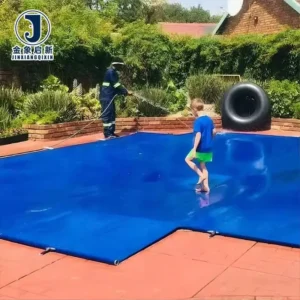
PVC Laminated Waterproof Breathable Anti-UV Blackout Organic Plain Weft Swimming Pool Covers Tarpaulin Coated
¥1.78 Select options This product has multiple variants. The options may be chosen on the product page -
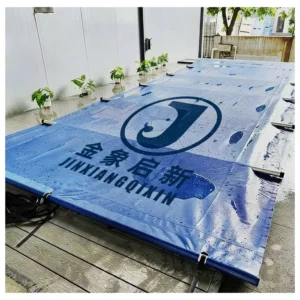
Automatic Retractable PC PVC Pool Cover Custom Size for Inground Pool. UV Protection Waterproof 110V-240V Safety Pool Cover
¥2.00 Select options This product has multiple variants. The options may be chosen on the product page -
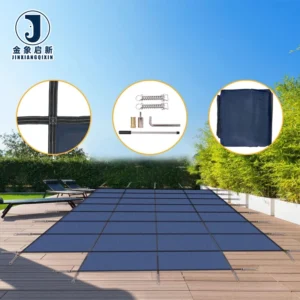
Custom PVC Pool Cover for Inground Pools – Full Range
Read more -
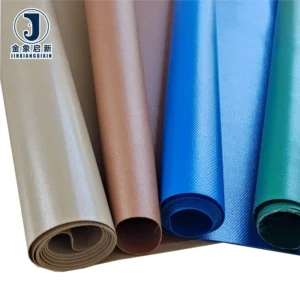
PVC Laminated Waterproof Breathable Anti-UV Blackout Organic Plain Weft Swimming Pool Covers Tarpaulin Coated
¥1.78 Select options This product has multiple variants. The options may be chosen on the product page