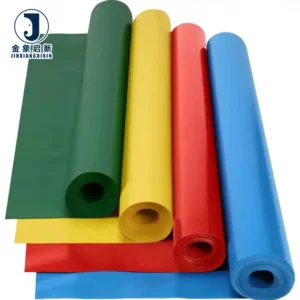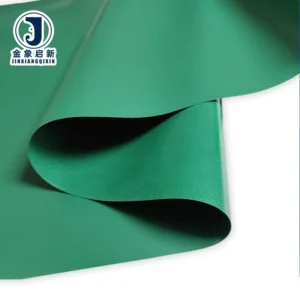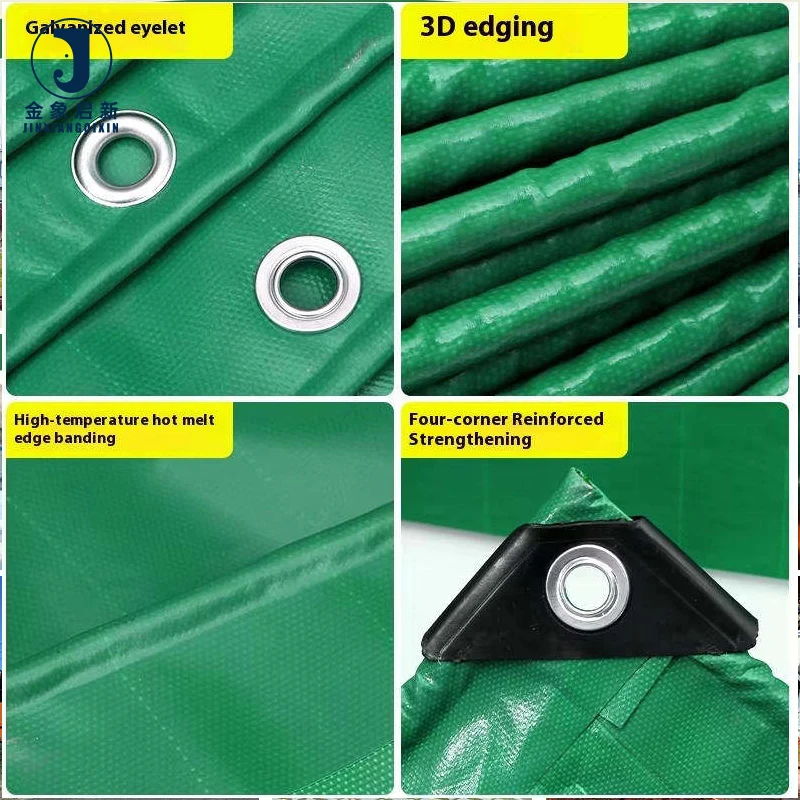
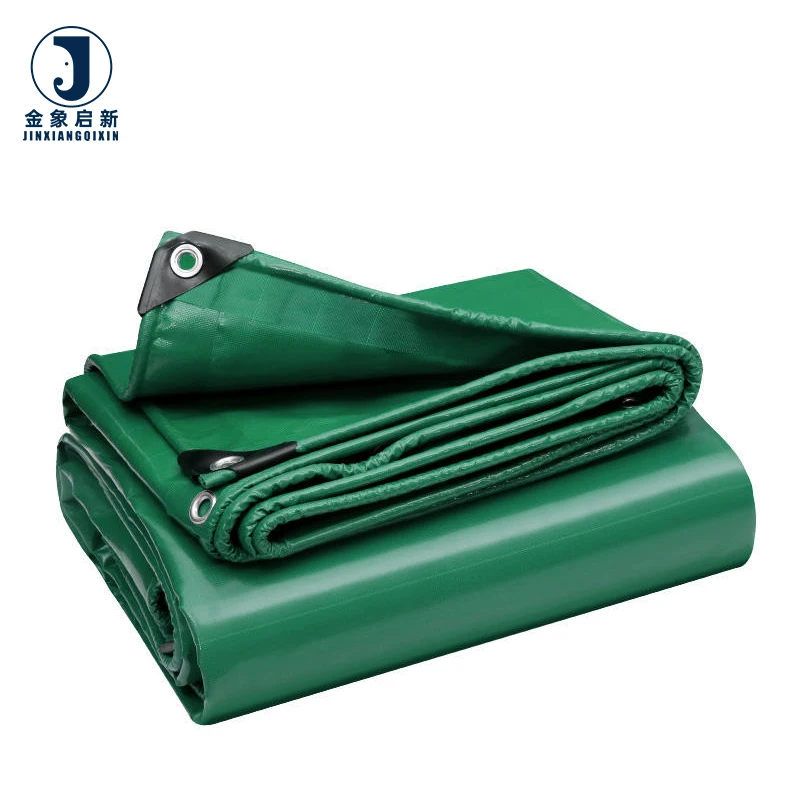
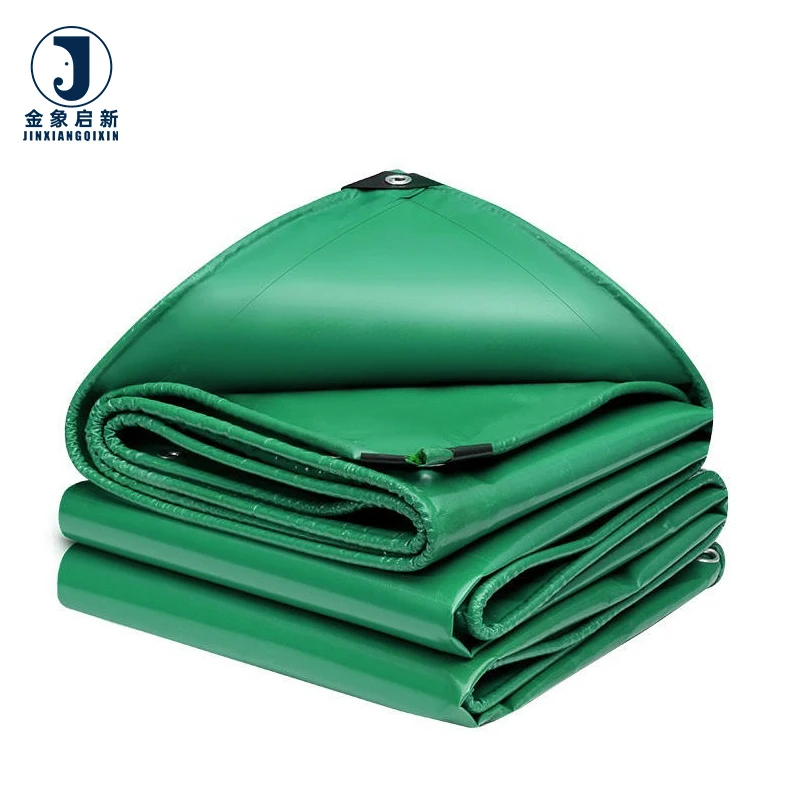
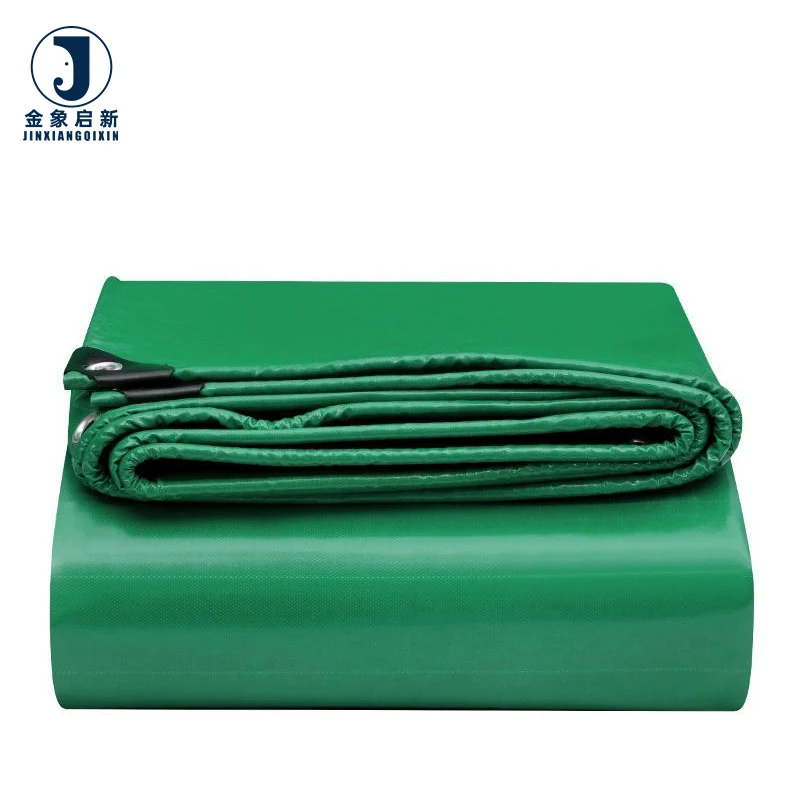
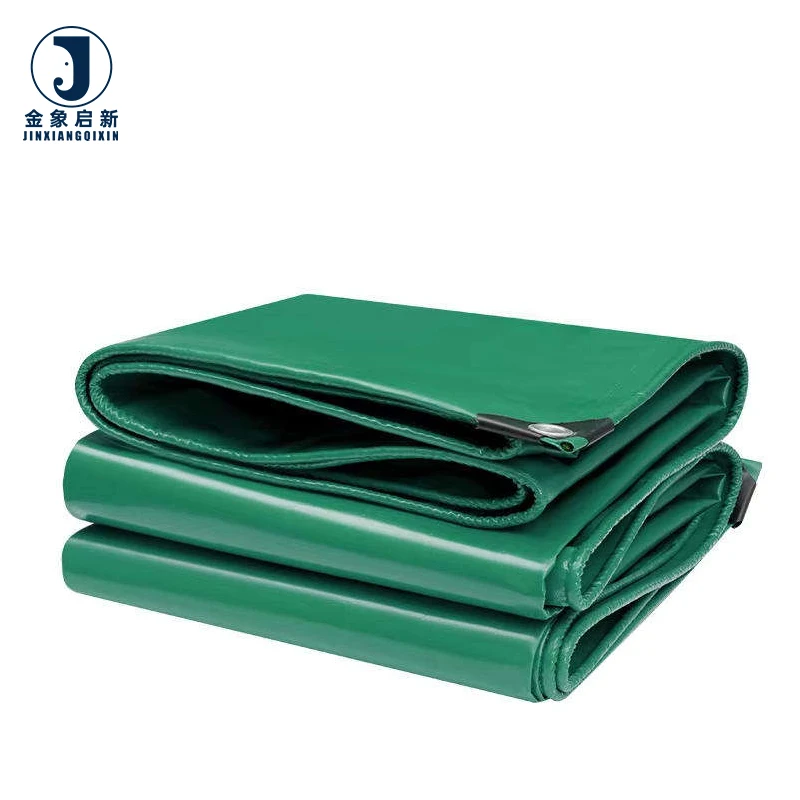
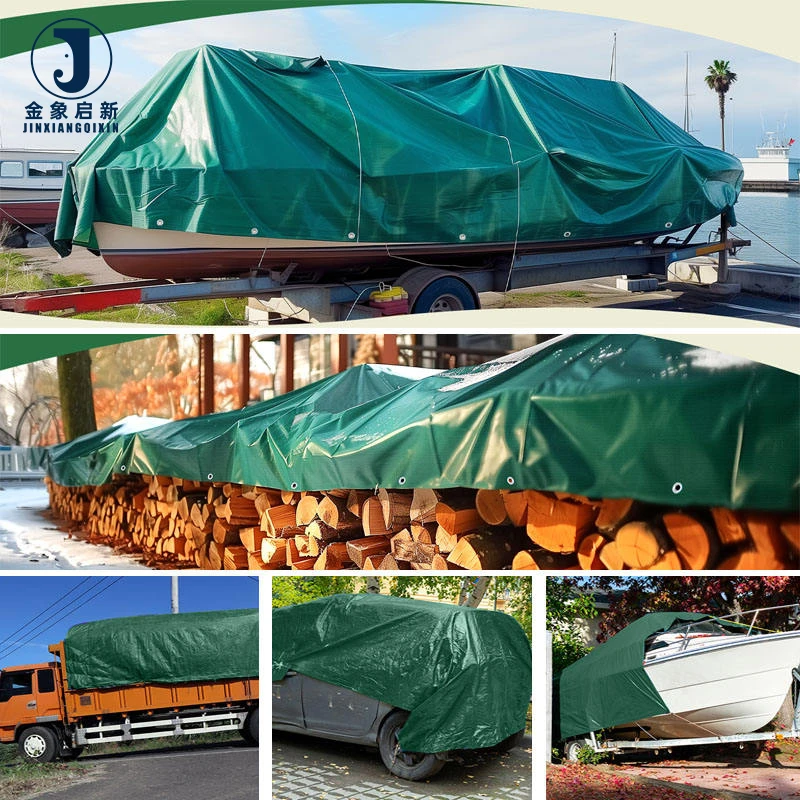
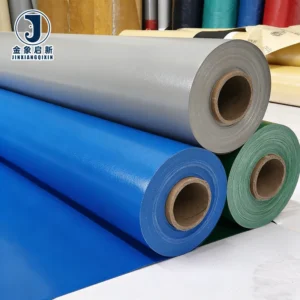
PVC Coated Tarpaulin Roll with ≥20KPa waterproof rating and 500–800 g/m² weight range, featuring heat-sealed and high-frequency welded seams for reliable flex-point durability.
- Flame retardant to ≤10 seconds with low-temperature flexibility at -30°C, suited for truck, trailer and industrial cover applications.
- Base fabric denier, weave and coating weight are matched to tensile and tear demands — not just GSM alone — so specify your load and environment for the right build.
- Custom widths, colours, eyelet spacing and reinforced hems available with verified GSM on the material sheet and 100% pre-shipment inspection before dispatch.
Description
Specification Integrity Guarantee — Every roll ships with a material specification sheet stating exact GSM and coating weight, verified through 100% pre-shipment inspection before dispatch.
Technical Specifications
| Parameter | Value |
|---|---|
| Product Type | PVC Coated Tarpaulin Roll |
| Weight (GSM) | 500 to 800 grammes per square meter |
| Coating Material | PVC |
| Coating Method | Heat combined with high-frequency |
| Waterproof Rating | Anti-permeable ≥20KPa (grade not stated in source) |
| Flame Retardant Grade | Flame retardant ≤10 seconds (grade not stated in source) |
| Low-Temperature Flexibility | -30°C (test basis not stated in source) |
| Anti-Mildew | Mildew proofing (test basis not stated in source) |
| Corrosion Resistance | Acid, alkali and brine resistance |
| Water Absorption | Almost no absorbable water, drying quickly after rain |
| Key Features | Waterproof, mildew proofing, corrosion resistant, low-temperature flexibility |
Application Suitability
| Application | Exposure & Requirement |
|---|---|
| Truck and trailer cover | Constant flexing, road abrasion, UV exposure, tie-down tension at eyelets |
| Outdoor waterproof cover | Permanent weather exposure, rain pooling, wind uplift on seams |
| Industrial protective cover | Chemical splash, dust ingress, mechanical impact, forklift contact |
| Open-air stockpile cover | UV degradation, thermal cycling, moisture ingress, prolonged ground contact |
Why Your Quoted GSM Rarely Matches the Roll You Receive
GSM verification must happen at the factory gate, not your warehouse floor.
When a PVC coated tarpaulin roll arrives lighter than the quotation stated, the failure is rarely accidental. Coating weight drift during production, base fabric substitution, or calendering pressure variation all reduce final mass without visible warning. [NEED_CITE: ISO 1421 test methods for coated fabric mass determination] Buyers often discover the shortfall only when the fabric tears at a welded seam or fails a site inspection weeks after delivery. The PVC tarpaulin roll aftermarket supplier you choose must document weight per roll before dispatch, not after dispute.
Full Catalogue Range with Treatment and Print Customization
The jxtarpaulin.com platform exists for buyers surveying the complete PVC tarpaulin roll manufacturer custom capability before specifying. This covers the full product family from lightweight covers to heavy-duty truck side curtains, with treatment options including flame retardant grades, anti-UV formulations, and custom colour runs. Buyers select the base specification then layer on the finishing, sizing, and print requirements their application demands. The PVC coated tarpaulin roll range supports one-stop custom capability from design through delivery.
Sizing, Printing and Treatment Options From Design To Delivery
Custom width and roll length orders avoid the waste of cutting standard stock down to fit specific trailer models or equipment footprints. Pattern printing and branding options allow fleet operators to apply corporate livery directly to the PVC coated tarpaulin roll fabric rather than using applied decals that peel under road conditions. Treatment options such as flame retardant grades must be confirmed against the target market’s fire classification requirements before production begins. [NEED_CITE: flame retardant test standards for transport and construction covers] Sample development within days allows buyers to verify colour, hand feel, and weld behaviour before committing to bulk volume.
How Coating Method and Base Fabric Drive Field Performance
The heat combined with high-frequency coating method fuses the PVC layer to the base fabric at elevated temperature, creating a bond that resists delamination when the material flexes at tie-down points or welded seams. Base fabric denier and weave density work together with coating weight to determine tensile and tear strength — a heavier GSM reading alone does not guarantee higher performance if the base cloth uses low-denier yarns with loose weave. Low-temperature flexibility rated to -30°C allows the fabric to remain pliable without cracking in cold storage or winter transport conditions, though verification against the specific test standard is required. The corrosion resistance across acid, alkali and brine exposure conditions makes the material suitable for agricultural, chemical handling, and marine-adjacent applications where pH-varying contact occurs.
The Hidden Cost When Specification Drift Goes Unchecked
A roll that arrives below the quoted GSM will show reduced tear resistance first at stress concentration points — welded seams, eyelet perimeters, and fold lines where the material experiences repeated bending. Flame retardant treatment claimed without a supporting test report creates liability exposure when the cover is installed on a construction site or transport vehicle subject to fire safety inspection. [NEED_CITE: fire safety compliance requirements for transport and temporary structure covers] Colour variation between rolls in the same order becomes visible only after installation side by side, forcing either acceptance of mismatched appearance or full replacement at the buyer’s cost. Welded seams that fail before the fabric itself indicate incorrect heat or pressure settings during fabrication, a problem that originates at the coating stage rather than the assembly stage.
Why Procurement Teams Specify This Source
Three full production lines and 36 sets of professional equipment support bulk capacity with reliable on-time delivery for container-load PVC coated tarpaulin roll orders. A 10-person R&D team handles material selection, pattern printing, custom sizing, and sample development for applications requiring non-standard width, colour, or treatment combinations. Dedicated QA/QC at every production stage with 100% inspection before shipment catches GSM drift, colour deviation, and coating adhesion issues before the roll leaves the factory. Nearly 30 years focused on coated fabric provides deep process control over coating weight and adhesion parameters that newer producers cannot replicate. Samples developed within days for custom requirements allow buyers to confirm specification before committing to production volume. [NEED_CITE: coating adhesion test methods for PVC tarpaulin]
Documentation & Verification
- Material specification sheet stating exact GSM, base fabric denier, and coating weight per roll
- Test report for flame retardant grades supplied where applicable to the order
- 100% pre-shipment inspection record documenting roll count, weight, and visual condition
- Roll packing list with individual roll identification for traceability
- Certificate of origin and customs documentation support for cross-border shipment
Fabrication, Handling & Storage
- Heat-sealed seams require matching the high-frequency welding parameters to the 500 to 800 grammes per square meter coating thickness
- Eyelet reinforcement must distribute load across the coated weave to prevent tear propagation at tie-down points
- Rolls stored on their core avoid flat spots that become permanent creases in the PVC layer
- Low-temperature transport below -30°C requires careful unrolling to prevent coating fracture
- Mildew proofing treatment reduces but does not eliminate the need for dry storage before fabrication
Inquiry Preparation for Custom Specification
Buyers surveying the full PVC tarpaulin range should provide the application environment, target market fire or compliance requirements, and required roll width with estimated annual volume. Specify whether the order requires finished cut-to-size covers or roll stock only, and confirm if pattern printing or corporate branding is needed on the fabric surface. Sample approval before bulk production ensures colour, treatment, and weld behaviour match the project requirement.
Frequently Asked Questions
Q: What GSM and coating weight options are available for my application?
A: The range covers 500 to 800 grammes per square meter across the product family. Buyers must confirm the specific grade required for their application, as GSM alone does not determine performance — base fabric denier and weave density also contribute to tensile and tear strength. Request a material specification sheet stating exact values for your chosen grade.
Q: Can I order custom widths, colours and printed branding on the same roll?
A: Custom width and roll length orders are supported, with pattern printing and branding options available. Colour consistency across multiple rolls in one order is controlled through batch management, though buyers should request sample approval before bulk production to verify the exact shade and print sharpness against their requirement.
Q: How are flame-retardant and anti-UV properties verified and documented?
A: Flame retardant grades are available with test report documentation supplied where applicable to the order. Buyers must confirm the fire classification standard required for their target market, as grades vary by region and application. Anti-UV treatment is similarly documented — request the specific test standard reference before committing to production.
Q: What is the lead time and minimum for custom-sized tarpaulin rolls?
A: Custom width, colour, and print orders carry minimum volume requirements and typical multi-week lead times that vary by specification complexity. Sample development occurs within days for custom requirements, allowing buyers to confirm the material before bulk production begins. Contact the sales team with your exact specification to receive a confirmed schedule.
Q: How do you ensure colour consistency across multiple rolls in one order?
A: Batch-to-batch colour consistency is controlled through production stage QA with 100% inspection before shipment. Rolls from the same order are checked side by side to identify any visible deviation before packing. Buyers requiring absolute colour matching should request a signed sample as the production reference standard.
Related products
-
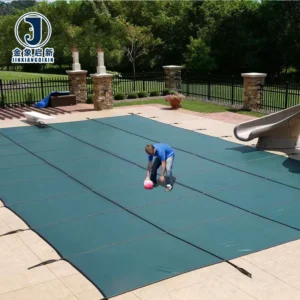
JX Manufacturer Direct Sales PVC Coated Swimming Pool Cover. Durable Waterproof and UV Resistant Floor Swimming Pool Cover Cloth
¥1.78 Select options This product has multiple variants. The options may be chosen on the product page -
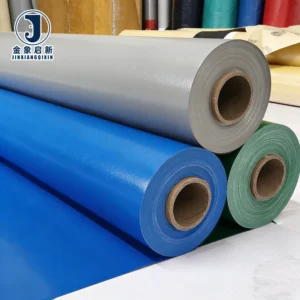
Tarp Factory 610gsm 650gsm 800gsm Awnings Tent PVC Coated Fabric Waterproof Bache Lona PVC Tarpaulin Roll
¥1.45 Select options This product has multiple variants. The options may be chosen on the product page -
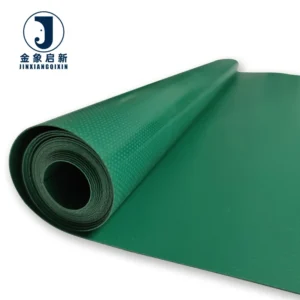
Wholesale Pricehigh Quality Outdoor Waterproof Tarp Customized Pvc Tarpaulin Roll
¥1.20 Add to cart -
Wholesale PVC Coated Breathable Tarpaulin Fabric Rolls Waterproof Fire-Retardant for Boys & Girls Outdoor Use
¥0.79 Select options This product has multiple variants. The options may be chosen on the product page