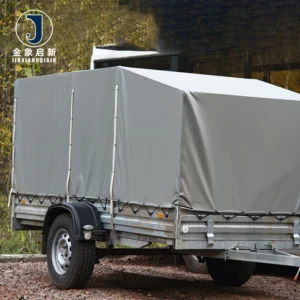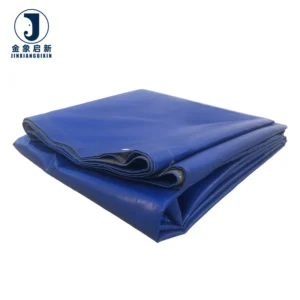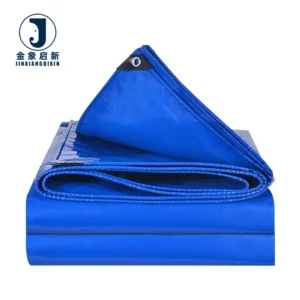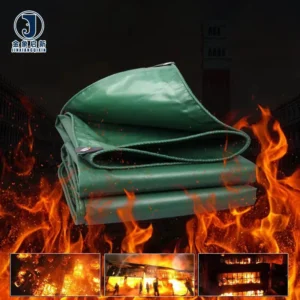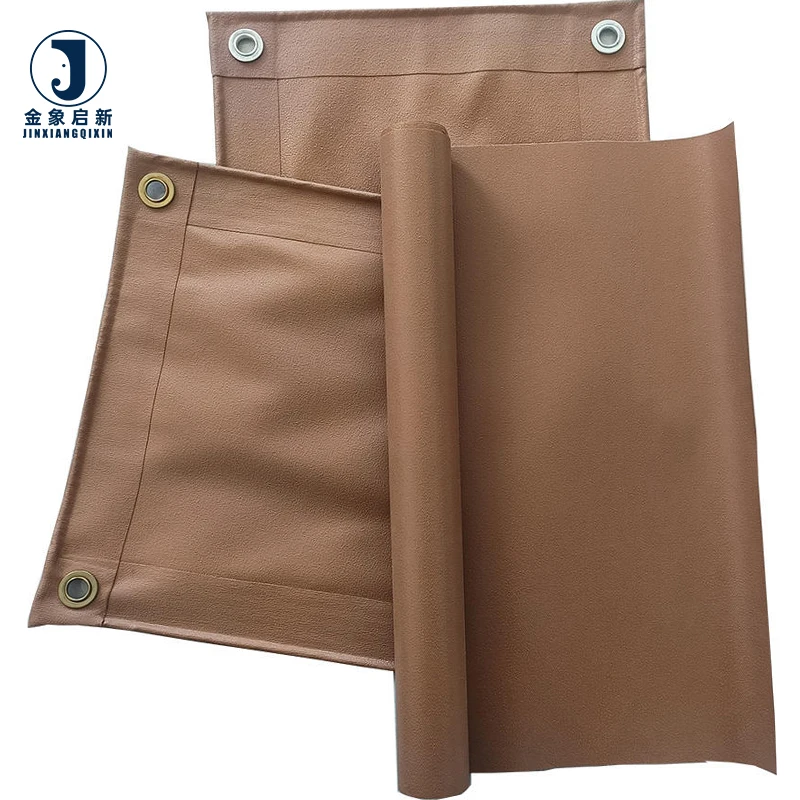
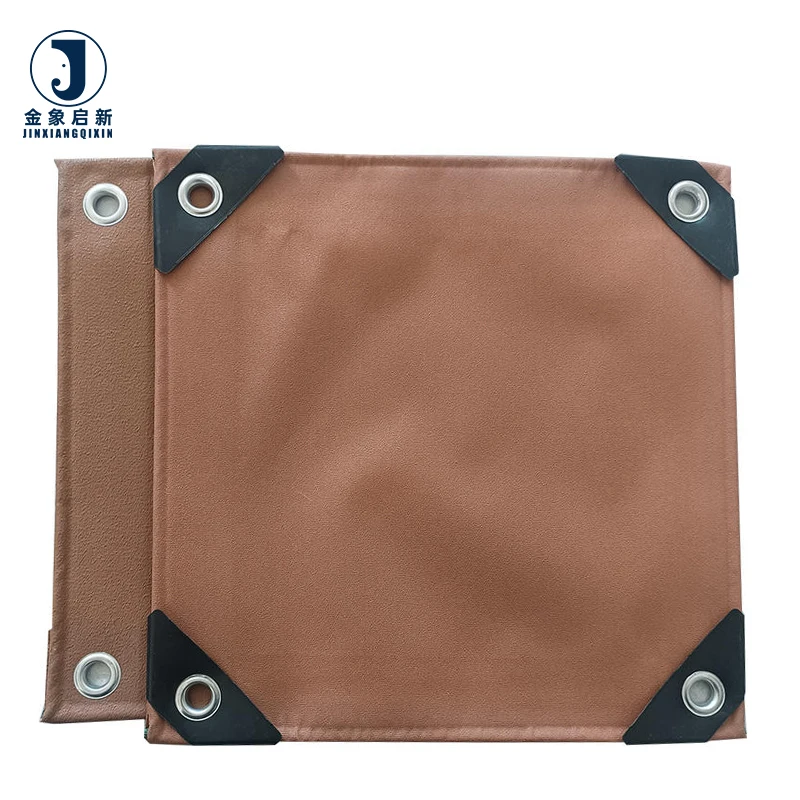
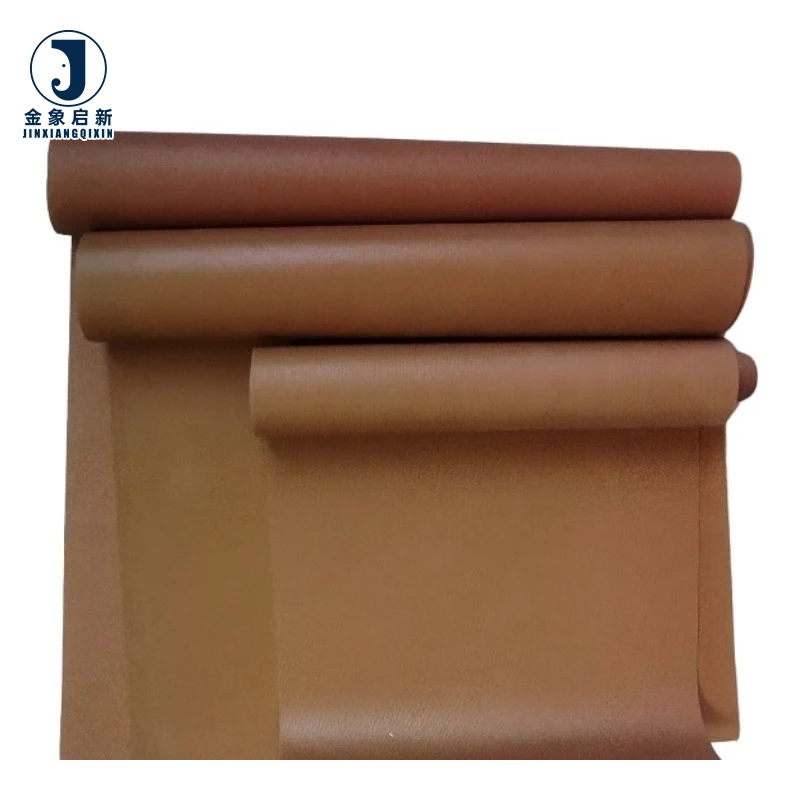
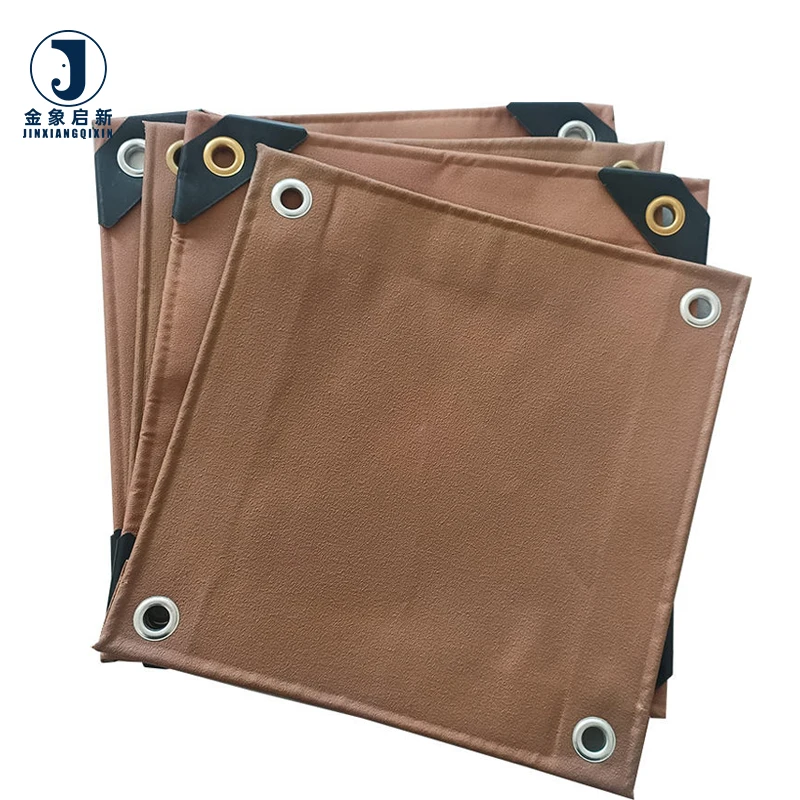
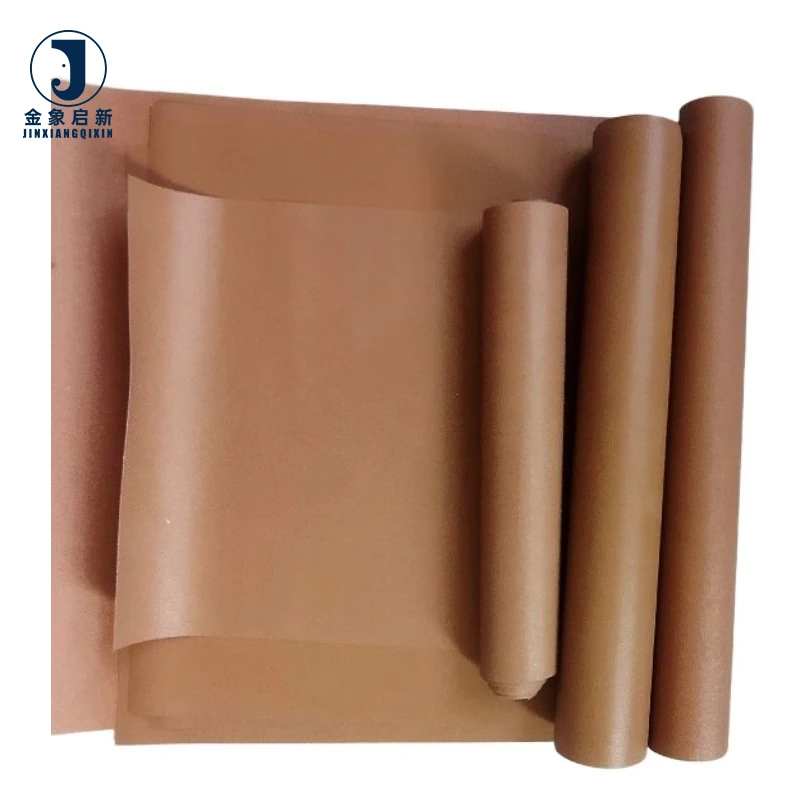
PVC Coated Tarpaulin 550GSM/900GSM, 1000D Base — waterproof, high-strength fabric for truck covers, tents and roof covers.
- Anti-UV, flame retardant, anti-static and anti-mildew treatments applied during coating for long-term weather resistance
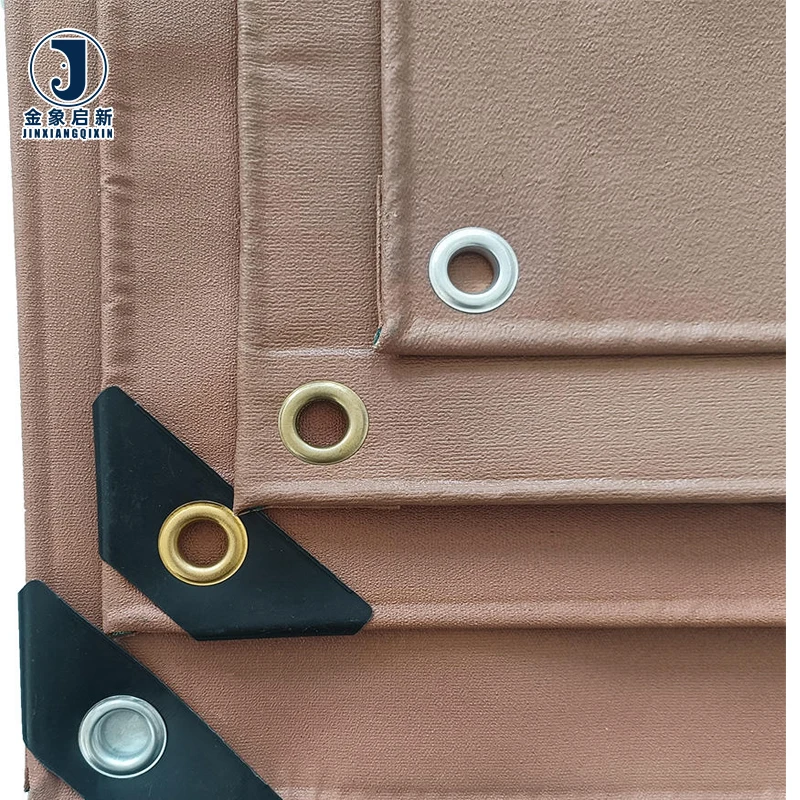
- Roll and custom-cut formats with reinforced hems, welded seams and eyelet placement to suit your specification
- Full range from lightweight to heavy-duty GSM, one-stop capability from roll stock to finished covers
Samples developed within days for custom width, colour, print or treatment requirements, backed by 100% pre-shipment inspection before dispatch.
Description
Coated Fabric Consistency — Roll-to-roll GSM and colour verification supported by 100% pre-shipment inspection, keeping every roll of 1000D PVC coated tarpaulin aligned with the approved sample.
Technical Specifications
| Parameter | Value |
|---|---|
| Product Type | PVC Coated Tarpaulin |
| Base Fabric | 1000D polyester |
| Weight | 550GSM / 900GSM |
| Coating Material | PVC |
| Surface Finish | Self Clean |
| Waterproof | Yes |
| Anti-Mildew | Yes |
| Anti-Cold | Yes (test basis not stated in source) |
| Flame Retardant | Available in flame retardant grades — confirm the grade required for your market |
| Anti-Static | Available in anti-static grades — confirm the standard required for your site |
| UV Treatment | Available with UV stabilisation — confirm the test basis for your exposure conditions |
Application Suitability
| Application | Exposure & Requirement |
|---|---|
| Truck side curtain | Constant flexing, road abrasion, UV exposure, tie-down load transfer |
| Tent and awning | Wind loading, repeated folding, prolonged sun and rain contact |
| Roof cover | Standing water, thermal cycling, puncture from maintenance foot traffic |
| Flood barrier | Sustained water pressure, debris impact, rapid deployment handling |
| Outdoor equipment cover | Long-term UV exposure, dust accumulation, seasonal temperature swings |
What "550GSM" Actually Means When the Roll Arrives
The GSM you approve on the sample must be the GSM measured on every delivered roll, not an average across the batch.
Buyers routinely receive PVC coated tarpaulin rolls that feel lighter than the sample, yet the supplier’s certificate states the agreed weight. In most cases, the coating weight varies across the roll width or drops below tolerance at the edges. When a fleet operator cuts side curtains from an underweight section, the flex points wear through before the warranty period ends. A PVC coated tarpaulin custom manufacturer that inspects every roll before dispatch prevents this mismatch before the container is loaded. [NEED_CITE: coating weight variation tolerance methods for PVC coated fabrics]
How Coating Weight Relates to Service Life on Truck Covers
The 1000D base fabric provides the structural backbone, but the PVC coating is what resists abrasion from tie-down straps and road grit. At 550GSM, the coating thickness suits lighter trailer side curtains where weight saving matters for payload. At 900GSM, the additional PVC mass absorbs more abrasion cycles before the base yarns become exposed. A PVC coated tarpaulin custom manufacturer controls coating weight by calibrating the knife gap during application, and that calibration must remain stable across the entire production run.
Colour Matching Across Multiple Rolls for a Single Project
When a tent manufacturer orders several rolls for one event structure, visible colour shift between panels can force a complete re-cut. Batch-to-batch colour consistency depends on pigment dispersion control and oven temperature stability during curing. Jinxiang addresses this through dedicated QA/QC at every production stage, comparing each roll against the approved colour reference under standardised lighting before it passes inspection. Rolls that fall outside the tolerance band are separated before packing. [NEED_CITE: colour measurement methods for PVC coated textiles under controlled lighting]
Reading the Specifications Beyond the Weight Number
A 1000D polyester base fabric carries high tensile and tear resistance, yet those properties depend on the weave density as much as the yarn thickness. A tighter weave restricts yarn movement under load, improving tear propagation resistance but adding stiffness that complicates folding. The PVC coating method—knife-over-roll coating—drives the bond between coating and base fabric; stronger adhesion means the coating resists peeling at heat-welded seams. The self-clean surface finish reduces dirt adhesion on roof covers and tent roofs, limiting maintenance to occasional water rinsing rather than chemical scrubbing that could degrade the topcoat over time. Flame retardant grades, where specified, must align with the fire classification standard enforced in the destination market.
The Hidden Cost of Underspecifying the Seam Area
Welded seams carry the highest stress on any fitted cover, especially at the corners and tie-down points of truck side curtains. When the coating is too thin at the seam overlap, the heat from welding burns through before achieving full bond strength, and the seam fails while the field fabric remains intact. Similarly, specifying a flame retardant grade without verifying test documentation means the fabric may pass visual inspection but fail the site safety audit. Both failures surface only after the material is installed, turning a specification error into a costly replacement cycle. [NEED_CITE: heat welding parameters and seam peel strength for PVC coated fabrics]
Why Source This PVC Coated Tarpaulin from Jinxiang
Three full production lines and 36 sets of professional equipment support bulk roll output with consistent on-time delivery. A 10-person R&D team handles material selection, custom sizing, and sample development, producing samples within days for width, colour, or treatment requirements. Dedicated QA/QC runs at every production stage with 100% inspection before shipment, ensuring the roll packing list matches the physical dispatch. Full documentation accompanies each shipment, from material specification sheets to certificates of origin. Custom width and length orders are supported without excessive minimums.
Documentation & Verification
- Material specification sheet stating exact 550GSM or 900GSM, 1000D base fabric and PVC coating per roll
- Test reports for UV and flame-retardant grades where applicable, no claim without documentation
- Pre-shipment inspection record with weight verification against stated GSM before dispatch
- ISO and CE certificates, certificate of origin and full customs documentation package
- Roll packing list with batch reference traceable to production date
Fabrication, Handling & Storage
- Heat-weld seams using temperature settings matched to 550GSM or 900GSM coating thickness to avoid burn-through
- Reinforce tie-down and corner stress points with additional PVC patches before welding eyelets
- Store 1000D PVC coated tarpaulin rolls upright on a flat surface to prevent permanent edge creasing
- Unroll and allow cold-stored fabric to reach ambient temperature before folding or welding
- Clean the self-clean finish with water and a soft cloth; avoid solvents that degrade the PVC topcoat
- Cut panels with allowance for thermal expansion and contraction across seasonal temperature ranges
Preparing Your Specification for Quotation
Share the intended application, exposure conditions, and any fire safety or anti-static standards enforced in your target market. Specify whether you require roll stock or finished cut-and-hemmed covers, along with colour references, custom widths, and estimated annual volume. Requesting a production sample early in the process allows you to confirm weight, colour, and surface finish before committing to a bulk order.
Frequently Asked Questions
Q: How do you verify the stated GSM before the roll ships?
A: Every roll of 550GSM or 900GSM PVC coated tarpaulin is weighed and measured during pre-shipment inspection. The QA team records the actual weight against the specification sheet, and any roll falling outside the agreed tolerance is separated before packing. Inspection records accompany the shipment for your verification on arrival.
Q: What flame retardant grade can you supply for my market’s requirements?
A: Flame retardant treatment is available in multiple grades, and the appropriate grade depends on your destination market’s fire safety standards. Specify the required classification—such as the building material class or transport vehicle standard—and Jinxiang will confirm the matching treatment with test documentation. Always request the test report before placing a bulk order.
Q: How are colour differences controlled across multiple rolls in one order?
A: Pigment batches are prepared for the full order volume to eliminate mid-run colour variation. Each roll is compared against the approved reference under standardised lighting during the 100% pre-shipment inspection. Rolls that deviate from the tolerance band are removed before packing, ensuring consistent colour when panels are installed side by side.
Q: What custom options are available for width, length, and finishing?
A: Custom widths and lengths are produced on request, along with eyelet placement, reinforced hems, and pattern printing. Minimum order quantities vary by specification complexity. Submit your dimensional requirements and finishing details during the inquiry stage so the R&D team can develop a sample for approval before production begins.
Q: How does the self-clean finish hold up during long-term outdoor use?
A: The self-clean surface resists dust and dirt adhesion, reducing maintenance to periodic water rinsing on roof covers and tent structures. Over extended outdoor exposure, routine cleaning with water and a soft cloth preserves the finish. Avoid abrasive tools or solvent-based cleaners that may compromise the PVC topcoat layer over time.
Related products
-
JX PVC Waterproof Fabric High-strength Sheeting for Industrial and Outdoor Coverings
¥1.90 Select options This product has multiple variants. The options may be chosen on the product page -
PVC-coated Waterproof Heavy-duty Vinyl Industrial Outdoor Reinforced Tarpaulins for Tents and Truck Covers
¥1.45 Add to cart -
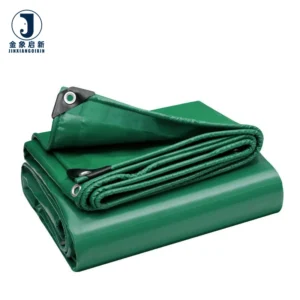
Factory Direct 20×30 Feet 13mil Heavy-Duty Vinyl Tarps PVC Tarpaulin for Firewood Roof Camping Patio Pool Boat Dump Trailer
¥2.60 Add to cart -
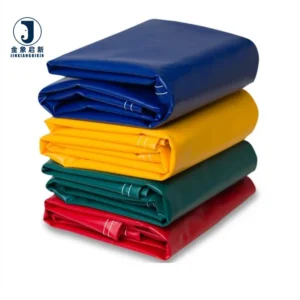
Heavy Duty Truck Tarpaulin 1000d Pvc Tarp Waterproof Pvc Canvas
¥1.20 Add to cart