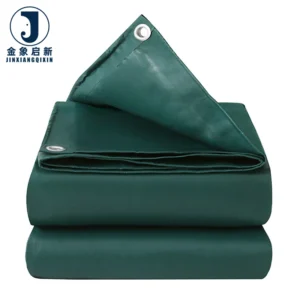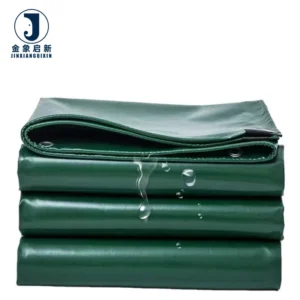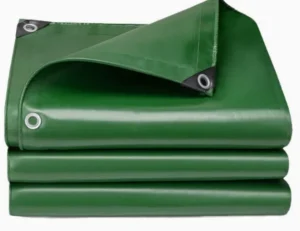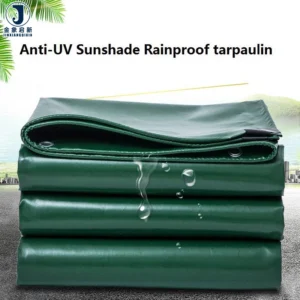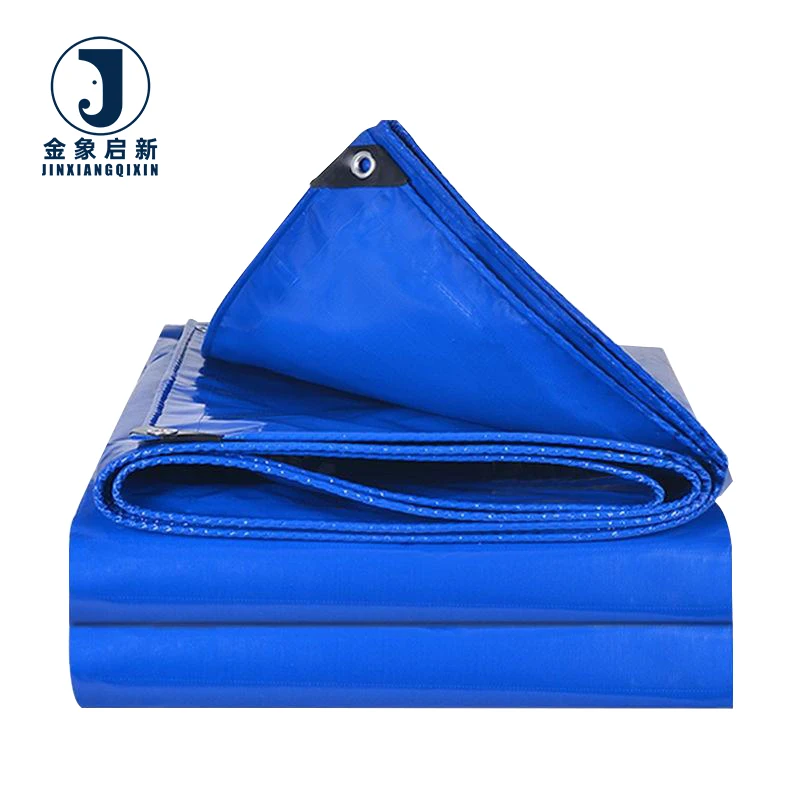
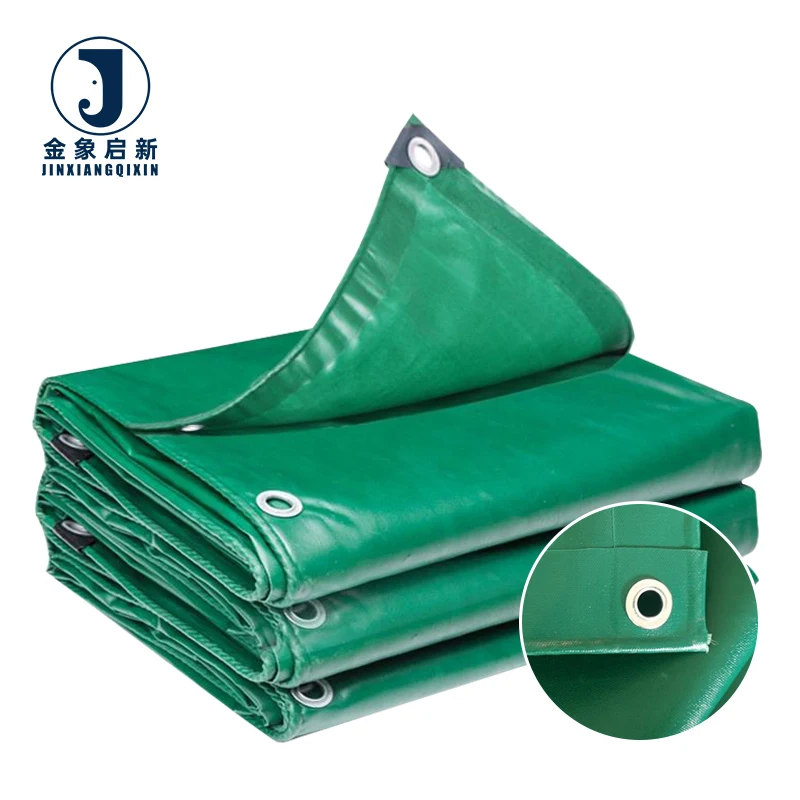
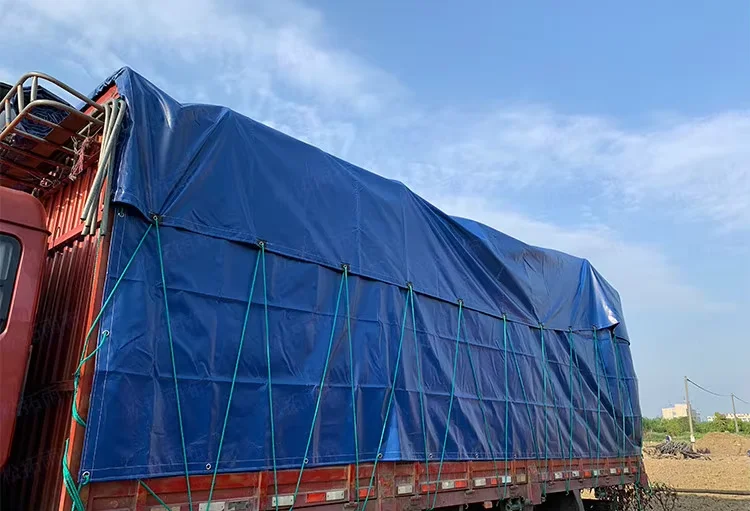
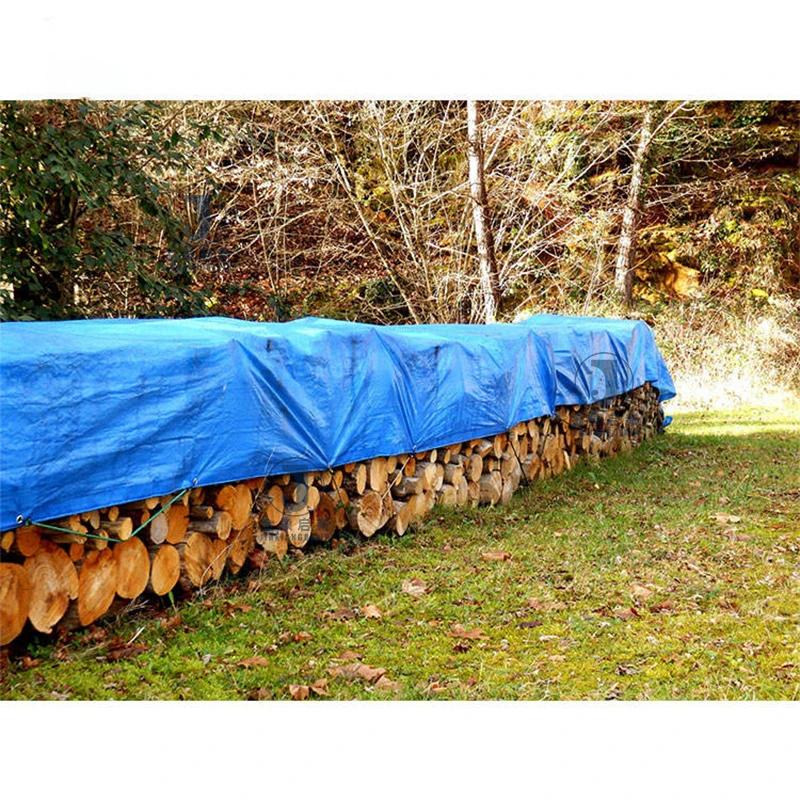
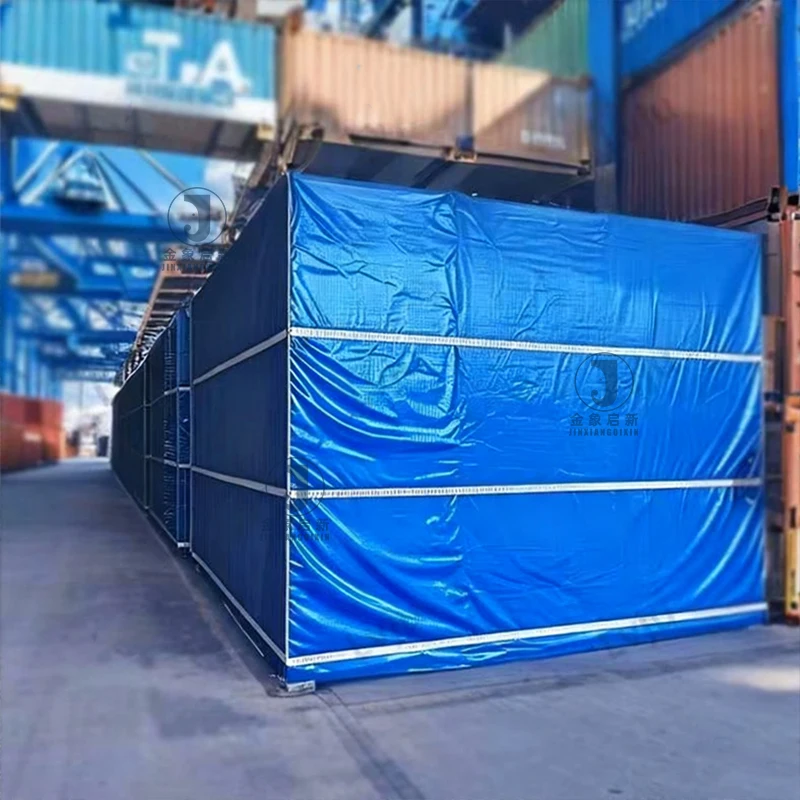
Fireproof Waterproof Customizable PVC Tarpaulin Truck Cargo Cover — 700gsm / 850gsm / 900gsm options with flame retardant and anti-static treatments for fleet operators requiring reliable cargo protection.
- Weight grade selection matched to load type and transit exposure duration
- Reinforced welded seams at high-stress flex points prevent premature failure
- Custom sizing with proper eyelet spacing and hem reinforcement for secure tie-down
Three full production lines and 100% pre-shipment inspection ensure batch consistency across your fleet orders.
Description
Deep Process Control Over Coating Weight — nearly 30 years of coated fabric production means every roll leaves the line with GSM verified against the specification sheet, not just stated on the quotation.
Technical Specifications
| Parameter | Value |
|---|---|
| Product Type | PVC Coated Tarpaulin |
| Coating Material | PVC |
| Weight Options | 700gsm / 850gsm / 900gsm |
| Product Form | Roll and custom cut sizes |
| Waterproof | Yes |
| Flame Retardant Treatment | Available (grade not stated — confirm the grade required for your market) |
| Anti-Static Treatment | Available (standard not stated — verify against site compliance requirements) |
| Anti-Cold Treatment | Available |
| Anti-Mildew Treatment | Available |
| Weather Resistance | Rated for outdoor exposure 1–3 years (source value — verify against manufacturer catalog) |
Application Suitability
| Application | Exposure & Requirement |
|---|---|
| Truck and trailer cargo covers | Continuous road vibration, UV and rain exposure, flex stress at tie-down points, abrasion from load shifting |
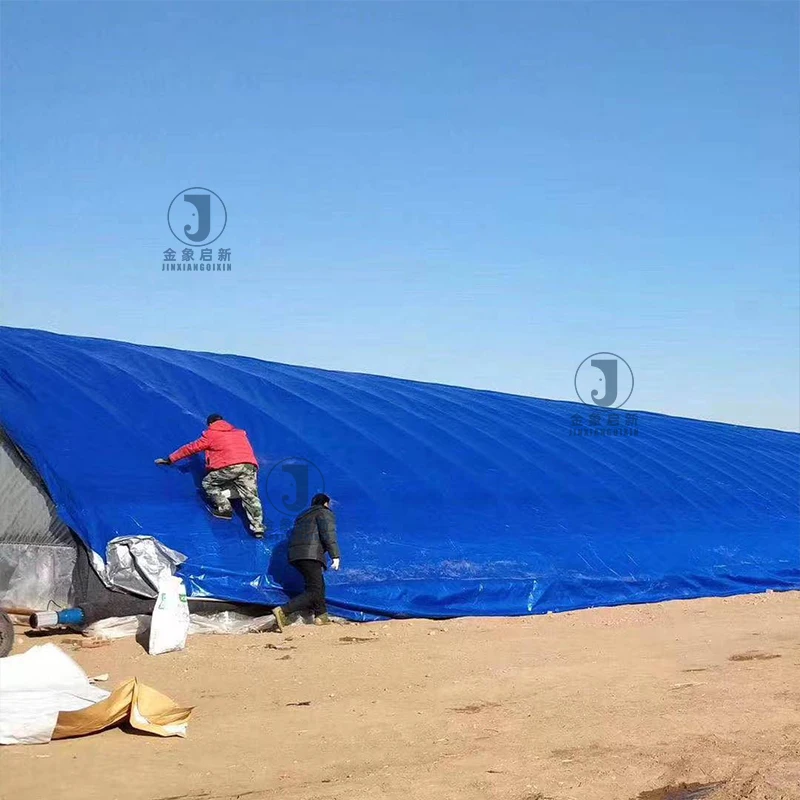
| Construction site equipment covers | Outdoor weathering, dust and moisture ingress, potential spark or flame proximity requiring retardant grades |
| Agricultural and aquaculture stock covers | Prolonged sun and rain exposure, mildew risk in humid conditions, contact with organic matter |
| Tarpaulin distributor resale stock | Batch colour consistency across rolls, printable surface for branding, reliable GSM for end-user specification |
Why a Stated GSM Does Not Guarantee a Reliable PVC Coated Tarpaulin Truck Cover
A quoted weight only matters when it is verified on the roll that actually ships.
Many logistics operators have received covers that feel noticeably lighter than the sample approved weeks earlier. The GSM printed on the invoice matched the order, yet the fabric behaved like a lower grade once it was stretched over a trailer and exposed to highway wind and rain. This gap between quotation and delivery is one of the most common frustrations in coated fabric procurement, and it usually traces back to insufficient in-process weight control during coating [NEED_CITE: GSM verification methods for coated fabrics per ISO 2286]. When a PVC coated tarpaulin manufacturer custom truck cargo cover order arrives underweight, the buyer absorbs the cost of early replacement, load damage claims, and fleet downtime.
Cut-to-Model Sizing That Fits the Trailer, Not a Generic Chart
Standard-size truck covers rarely match the exact dimensions of a specific trailer model, leaving excess fabric that flaps in transit or short edges that leave cargo exposed. This PVC coated tarpaulin range supports custom cut sizing so that each cover is produced to the precise length, width, and drop of the vehicle it will protect. The result is a cover that seats cleanly over the load without billowing or dragging, reducing abrasion at the hem and stress at the eyelet line during long-haul transport.
Treatment Options Mapped to Real Route Conditions
A truck running through tropical ports faces mildew and salt-laden humidity; a vehicle crossing high-altitude routes in winter encounters sub-zero stiffening that makes untreated PVC brittle. The available treatment menu — flame retardant, anti-static, anti-cold, and anti-mildew — lets fleet specifiers match the fabric to the actual exposure profile rather than paying for treatments the route does not demand. Each treatment option should be confirmed against the compliance standard your destination market requires before production begins [NEED_CITE: fire safety classification systems for transport covers by region].
How GSM, Base Fabric, and Coating Weight Interact
The 700gsm, 850gsm, and 900gsm grades in this range represent total coated weight, but tensile and tear performance depend equally on the base fabric denier and weave density beneath the coating. A 900gsm sheet built on a loosely woven base may tear more easily than an 850gsm sheet on a tighter weave with slightly less coating mass. Coating method also matters: knife-over-roll coating typically delivers better adhesion and smoother weld seams than laminating, which directly affects how well heat-welded joins hold up at the flex points where a cargo cover bends over a shifting load. Specifiers should request the base fabric specification alongside the GSM figure to make an informed comparison.
The Hidden Cost of Specifying on Price Per Square Metre Alone
When the purchase decision rests on the lowest unit cost, suppliers may meet the quoted GSM by loading the coating with fillers that add weight without adding strength. The cover passes the scale check but cracks along weld lines within months because the filler-rich coating lacks the elongation needed to flex with the load. Another frequent failure pattern is batch colour variation: rolls produced in separate runs without tight pigment control show visible shade differences once installed side by side on adjacent trailers, forcing a fleet operator to either accept a mismatched appearance or reorder at their own cost [NEED_CITE: colour consistency standards for coated fabric batches]. These failures rarely appear in a quotation comparison but show up quickly in the field.
What This Production Source Brings to Your Order
Deep process control over coating weight and adhesion, built across nearly three decades focused exclusively on coated fabric, means the GSM on the specification sheet is the GSM on the roll that ships. Three full production lines and 36 sets of professional equipment provide the capacity to fulfil fleet-scale orders without splitting production across inconsistent batches. A dedicated 10-person R&D team handles material selection, custom sizing, and sample development so that a trial cover can be produced and approved before bulk runs begin. Every order passes through stage-by-stage QA with 100% pre-shipment inspection, documented and included with the dispatch paperwork. Samples for custom sizes, colours, and treatments are developed within days, shortening the path from inquiry to confirmed production.
Documentation & Verification
- Material specification sheet stating exact GSM, base fabric, and coating weight verified at shipment
- Test reports for flame retardant and anti-static grades where applicable, with the standard clearly identified
- ISO and CE certificates covering the production facility and quality management system
- Pre-shipment inspection record with measured values documented per roll or per finished cover
- Roll packing list with net and gross weights, roll count, and dimensions for customs clearance
- Certificate of origin and customs support documentation for export shipments
Fabrication, Handling & Storage
- Heat-weld seams at manufacturer-recommended temperature and dwell time to match the PVC coating formulation
- Reinforce eyelet and hem zones at high-flex points where tie-down loads concentrate on the 700gsm, 850gsm, or 900gsm fabric
- Store rolls upright on pallets in a dry, shaded area to prevent permanent creasing of the coated surface
- Allow cold-stored rolls to acclimatise to workshop temperature before unrolling to avoid coating crack in anti-cold treated grades
- Use mild, non-solvent cleaners on the PVC surface to preserve the anti-mildew and flame retardant treatment integrity
- Plan cut layouts to minimise offcut waste, particularly when working with custom-width rolls for large trailer covers
Before You Request a Quote
Provide your trailer make, model, and exact cover dimensions — length, width, and drop — along with the GSM grade you have specified or the load and route conditions you need the cover to handle. If your destination market requires a specific flame retardant or anti-static standard, name that standard so the correct treatment grade can be confirmed before sampling. State whether you need finished covers with eyelets and hems or roll stock for your own fabrication, and indicate your target colour or any printed branding requirement so that batch consistency can be planned into the production run.
Frequently Asked Questions
Q: How can I verify the GSM of the PVC coated tarpaulin when it arrives?
A: Request the pre-shipment inspection record that lists measured GSM per roll, then confirm on receipt by cutting a measured sample and weighing it on a calibrated scale. The manufacturer provides a material specification sheet stating exact GSM, base fabric, and coating weight, so you have a documented baseline to compare against. Any significant deviation should be raised before the material is cut or welded.
Q: Which flame retardant grade should I specify for my market?
A: Flame retardant requirements vary by country and application — some markets reference DIN 4102 B1, others NFPA 701 or local equivalents. State the standard your end-use or destination requires during the inquiry stage so the manufacturer can confirm the available grade and supply a test report. Never assume a generic "flame retardant" label satisfies your local compliance obligation without documentary evidence.
Q: Can you cut truck covers to my exact trailer model dimensions?
A: Yes. Provide the trailer make, model, body length, width, and drop height, and the manufacturer will produce a pattern matched to those dimensions rather than supplying a generic rectangle. Custom sizing ensures the cover fits without excess fabric that flaps in transit or short edges that leave cargo exposed, reducing wear at hems and eyelet lines.
Q: Will colour be consistent if I order multiple covers or rolls in one batch?
A: The production process controls pigment dosing and coating conditions to maintain colour uniformity within a single production run. For large orders spanning multiple runs, request that all rolls or covers be allocated from the same batch. The pre-shipment inspection record documents colour reference values so you can verify consistency when the goods arrive.
Q: What reinforcement options are available for high-wear areas on cargo covers?
A: High-stress zones such as eyelet positions, hem edges, and corners can be reinforced with additional fabric layers or webbing to distribute tie-down loads. Specify the reinforcement type during the sampling stage so that weld parameters and patch placement are confirmed before bulk production. The R&D team will develop a sample showing the reinforcement layout for your approval.
Related products
-
PVC Coated Tarpaulin PVC Fabric Tarpaulinheavy duty fire retardant waterproof pvc coated tarpaulin rolling pvc tarp
¥1.00 Select options This product has multiple variants. The options may be chosen on the product page -
PVC Fabric Material Woven Tarpaulin Waterproof Woven Fabric Tarpaulin
¥0.50 Add to cart -
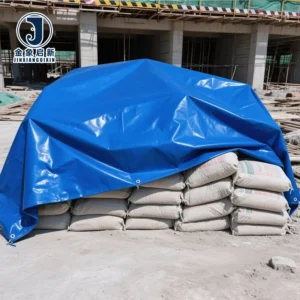
Wholesale Pvc Tarpaulin Wear-resistant Waterproof Multi-purpose Heat-resistant Tarpaulin
¥2.00 Add to cart -
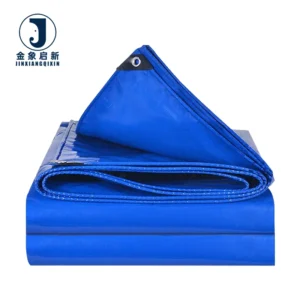
Pvc Plastic Canvas Strong Waterproof PVC Tarpaulin HDPE Coated Tarpaulin
¥1.80 Select options This product has multiple variants. The options may be chosen on the product page