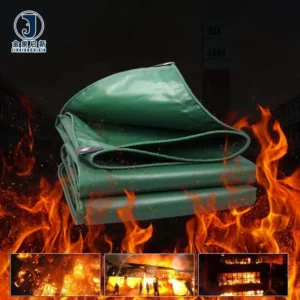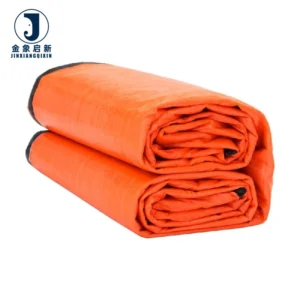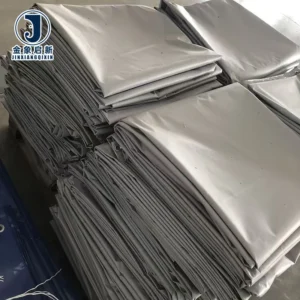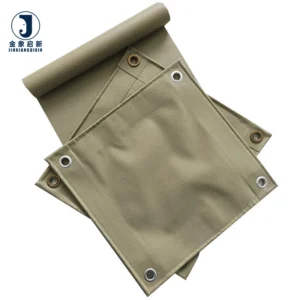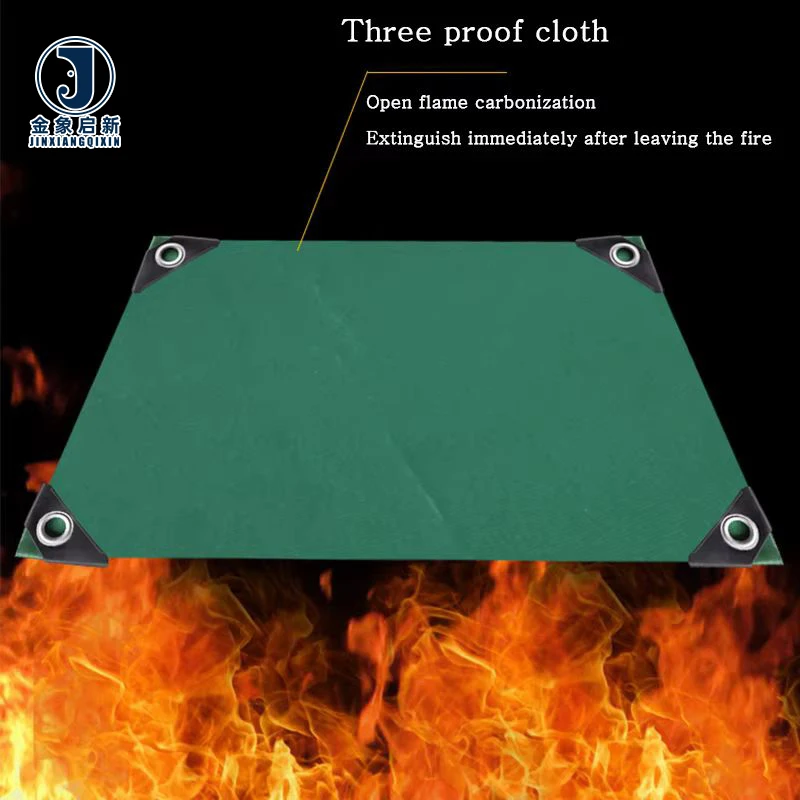
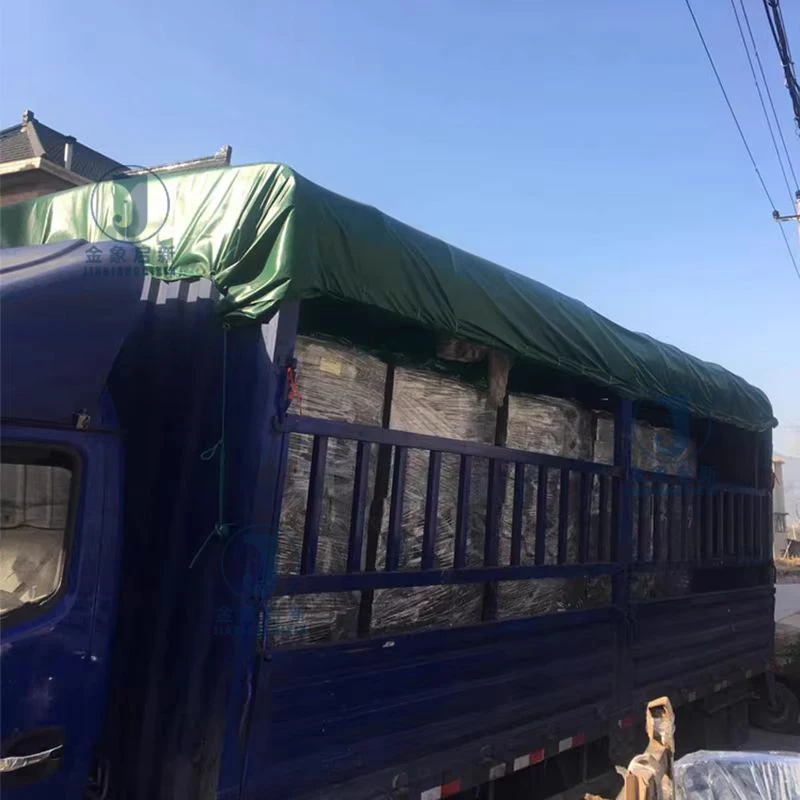
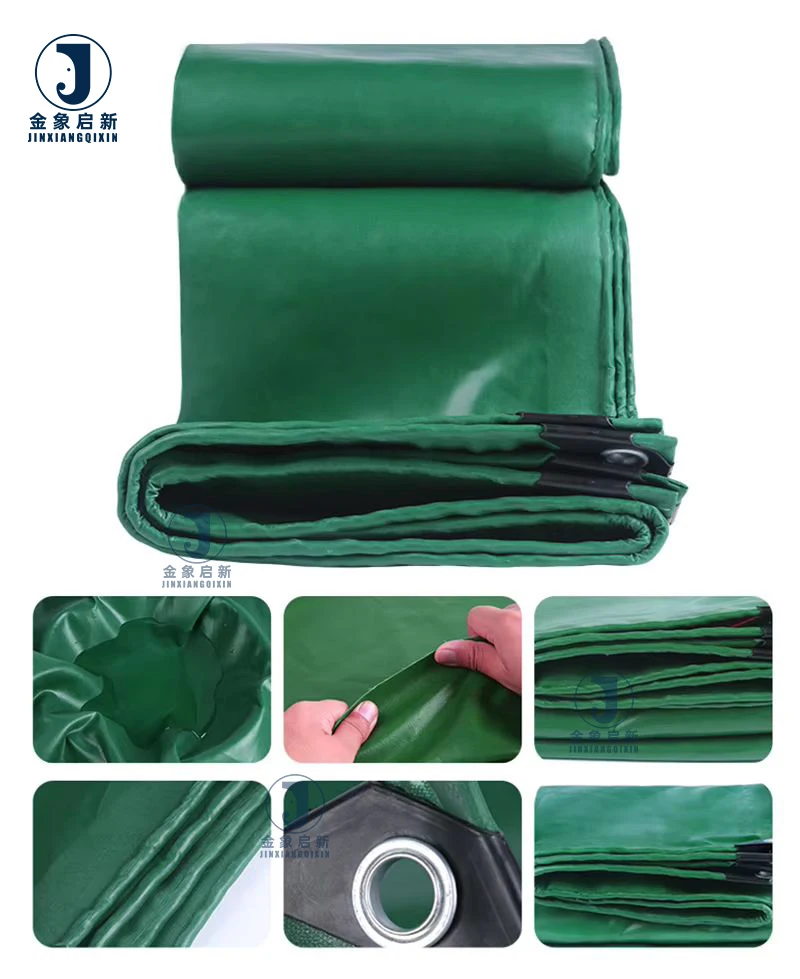
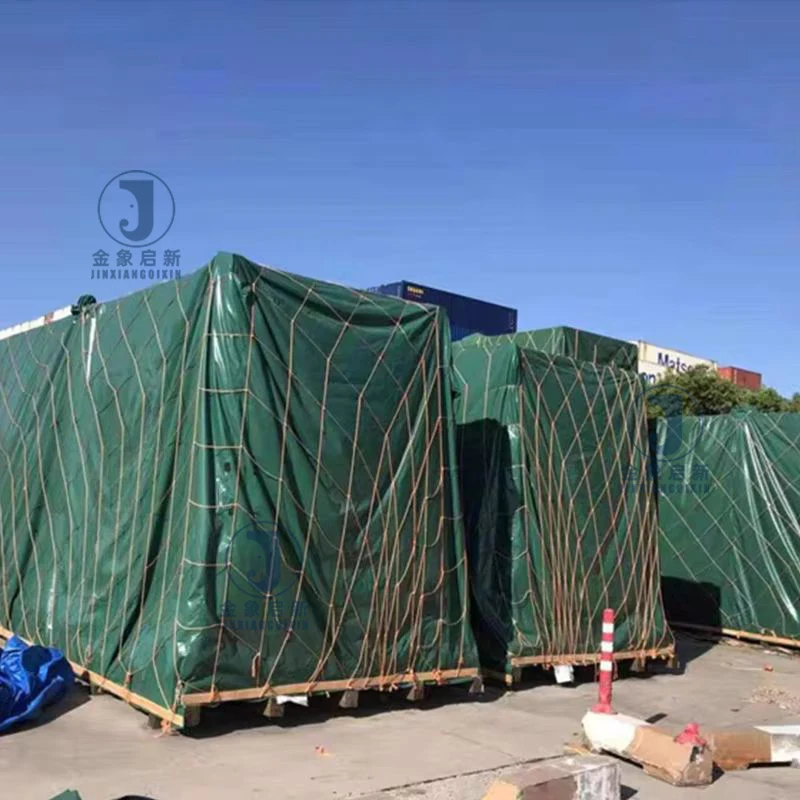
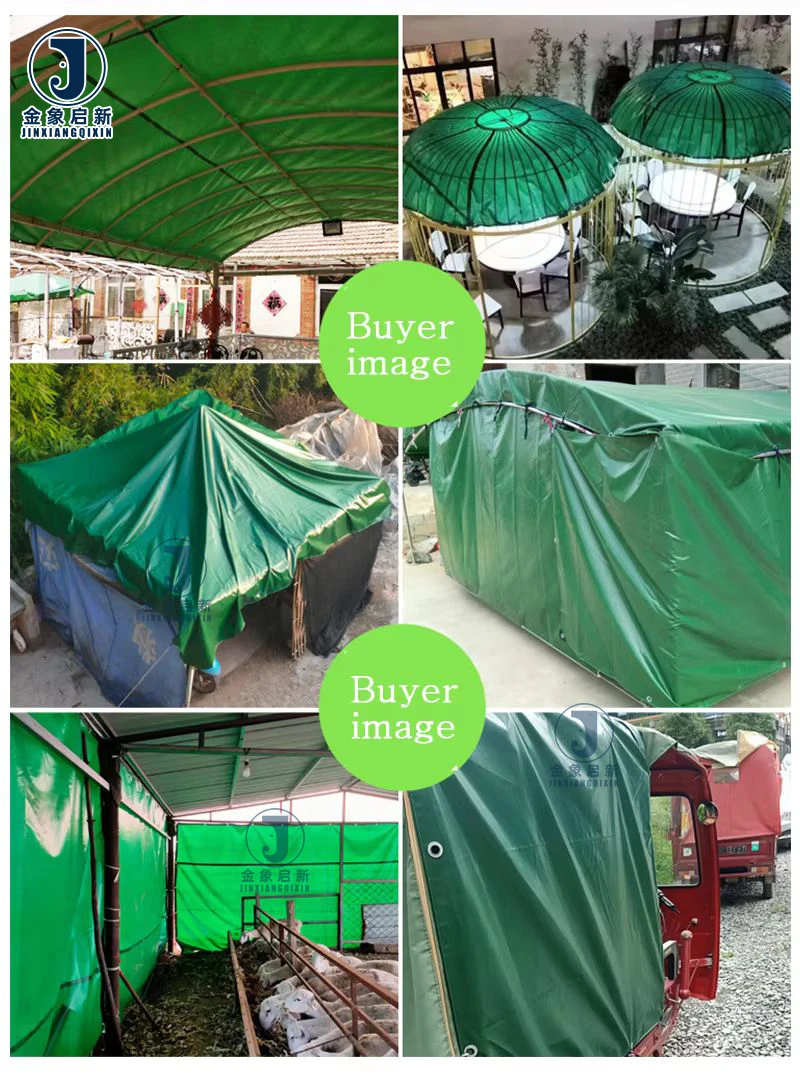
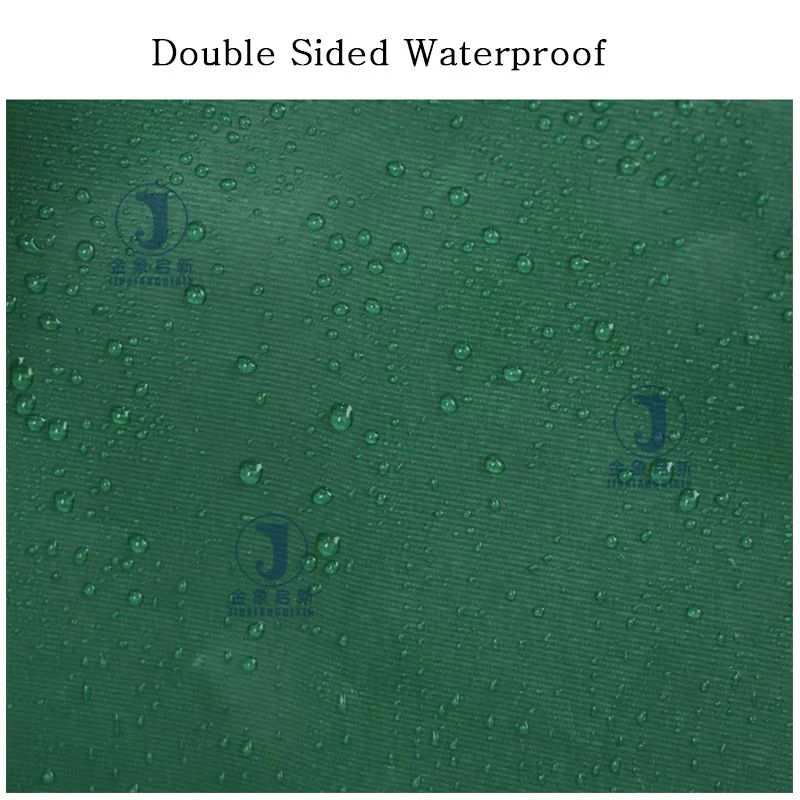
Fireproof Waterproof Customizable PVC Tarpaulin Truck Cargo Cover — available in 700gsm, 850gsm, and 900gsm with flame retardant, anti-static, anti-cold, and anti-mildew treatment options.
- Coating weight and adhesion are tightly controlled so stated GSM matches delivered material; reinforced hems and eyelets are placed at high-stress flex points where loads shift most.
- Custom sizing fits exact trailer models, and batch colour stays consistent across rolls for side-by-side installation.
Backed by nearly 30 years of coated fabric process control and 100% pre-shipment inspection on every order.
Description
Process control over coating adhesion — nearly 30 years focused on coated fabric means the bond between the PVC layer and the base fabric is managed through calibrated lamination and cure stages, not left to chance on the production line.
Technical Specifications
| Parameter | Value |
|---|---|
| Product Type | PVC Coated Tarpaulin |
| Coating Material | PVC |
| Weight Options | 700 gsm / 850 gsm / 900 gsm |
| Waterproof | Yes |
| Flame Retardant | Available (grade not stated — confirm the grade required for your market) |
| Anti-Static | Available (standard not stated — confirm the standard required for your application) |
| Anti-Cold | Available |
| Anti-Mildew | Available |
| Custom Sizing | Available |
| Pattern Printing | Available |
| Standards | ISO / CE certified factory |
Application Suitability
| Application | Exposure & Requirement |
|---|---|
| Truck and trailer cargo covers | Constant road vibration, load flexing at tie-down points, UV and rain exposure, abrasion against cargo edges |
| Construction site equipment covers | Prolonged outdoor storage, wind loading, dust and debris impact, repeated handling and folding |
| Agricultural stock and machinery covers | Moisture exposure, mildew risk in humid storage, UV degradation over open-yard parking |
| Transport fleet side curtains | High-frequency opening and closing, flex fatigue at curtain runners, road spray and salt exposure |
Why Generic Tarps Fail the Moment Your Load Shifts
A truck cover that fits one trailer model rarely fits another — pattern-fit sampling before bulk production eliminates the mismatch.
Fleet operators regularly receive covers cut to nominal dimensions that do not account for the specific curvature of a trailer’s rear frame, the position of tie-down rails, or the clearance needed around lashing points. When the cover is pulled tight over a load that flexes during transit, stress concentrates at welded seams and eyelet rows. The result is a seam that opens before the fabric itself shows any wear. [NEED_CITE: tensile and tear test methods for coated fabrics per ISO 1421] Sourcing a PVC coated tarpaulin manufacturer that develops model-specific patterns and verifies fit before the production run removes this failure point from your supply chain.
Pattern Development for Specific Trailer Models
Every trailer model presents a different geometry — drop-deck heights, curtain-side runner tracks, and rear door frames all change the way a PVC coated tarpaulin drapes and where stress concentrates. Our R&D team builds a pattern from your trailer drawings, produces a sample cover within days, and adjusts seam placement so that welded joints sit away from the highest-flex zones. This matters because a seam positioned at a load flex point will crack long before the surrounding coated fabric reaches the end of its service life.
Reinforcement Where the Load Pushes Back
Tie-down straps, rope rails, and cargo edges create localised pressure that a flat sheet of PVC coated fabric cannot absorb on its own. Reinforced hems and correctly spaced eyelet rows distribute those forces across a wider area of the base fabric, reducing the chance of tear initiation at the attachment line. The placement of these reinforcements is determined by the specific trailer model and the type of cargo you carry, not by a generic template.
Treatment Options Matched to Your Operating Environment
What the GSM Number Actually Tells You About Strength
Weight per square metre is a useful reference for comparing PVC coated tarpaulin options, but it does not act alone. The denier of the base yarn and the density of the warp-and-weft weave determine how much of that weight sits in the structural skeleton versus the coating layer. A 900 gsm fabric with a loose weave and heavy coating may tear more easily than an 850 gsm fabric with a tighter, higher-denier base because the coating carries load that the yarn structure should be absorbing. Coating adhesion — the bond strength between PVC and base fabric — also plays a direct role: if the coating delaminates under flex stress, the effective strength of the panel drops immediately regardless of the stated GSM. [NEED_CITE: relationship between base fabric construction and coated fabric tear propagation]
The Cost of a Specification That Does Not Match the Load
A cover specified at 700 gsm for a heavy machinery transport route may show early abrasion at contact points where steel edges press against the fabric under road vibration. Conversely, specifying 900 gsm for a light pallet cover on urban delivery trucks adds unnecessary weight that makes daily handling harder for drivers, increasing the chance the cover is left off altogether. Colour variation between rolls in the same shipment becomes visible the moment two panels are installed side by side on a curtain-side fleet, forcing a cosmetic rejection even though the material itself performs correctly. [NEED_CITE: batch colour consistency standards for coated fabrics in fleet livery] These are not theoretical risks — they are the routine reasons fleet managers reject a delivery and demand re-supply at the supplier’s cost.
What You Get When the Production Line Is Built Around Coated Fabric
Three full production lines and 36 sets of professional equipment mean that bulk roll orders for PVC coated tarpaulin truck cargo covers move through coating, curing, and inspection without being queued behind unrelated product categories. A dedicated 10-person R&D team handles your pattern file, material selection, and sample development in the same facility where bulk production runs, so the sample you approve is the specification the production line follows. QA checkpoints at every stage — base fabric inspection, coating weight verification, seam strength testing, and final roll audit — are documented in the pre-shipment record you receive before the container is sealed.
Documentation & Verification
- Material specification sheet listing confirmed GSM, base fabric denier, and coating weight per roll
- Flame retardant test report matching the grade required by your destination market
- Pre-shipment inspection record showing measured values against the quotation specification
- ISO and CE certificates included with customs and shipping documentation
- Roll packing list with individual roll ID for traceability after delivery
Fabrication, Handling & Storage
- Heat-weld PVC coated tarpaulin panels at temperatures matched to the specific GSM to avoid scorching the coating on lighter grades
- Position eyelets inside reinforced hem folds so that tie-down load transfers to the base fabric, not the coating surface alone
- Store rolls upright on a flat pallet to prevent permanent creasing of the PVC layer across the 900 gsm grade
- Allow cold-stored rolls to reach ambient temperature before unrolling to prevent micro-cracking in the anti-cold treated coating
- Use mild detergent without solvents when cleaning, as aggressive chemicals can soften the anti-mildew surface treatment
- Repair minor field damage with PVC-compatible adhesive patches applied to a clean, dry surface
What to Include in Your Inquiry
To get a specification and sample that matches your actual operating conditions, share the trailer model or equipment dimensions you need to cover, the type of cargo or exposure the cover will face, and any fire-safety or anti-static requirements your destination market enforces. If you need finished covers with specific eyelet spacing or printed branding, include those details so the pattern and print layout can be developed together with the material sample.
Frequently Asked Questions
Q: How can I verify the GSM matches what was quoted once the rolls arrive?
A: Every roll is weighed and measured during our 100% pre-shipment inspection, and the recorded GSM is listed on the inspection report sent before dispatch. On arrival, you can confirm by cutting a measured square from the roll edge and weighing it on a calibrated scale.
Q: Can you supply flame retardant test reports that satisfy local fire safety inspections?
A: Flame retardant treatment is available in multiple grades. Provide the fire classification your market requires — for example a specific national or international standard — and we will supply the matching test report with your shipment documentation.
Q: Do you make finished truck covers or only supply fabric by the roll?
A: Both options are available. We produce finished covers cut and welded to your specific trailer model dimensions, as well as roll stock for distributors who fabricate locally. Your inquiry determines which route the production line follows.
Q: How do you keep colour consistent when I order multiple rolls for one fleet?
A: All rolls in a single order are coated from the same mixed batch, and a colour reference sample is checked against each roll during pre-shipment inspection. The inspection record notes the result so you can confirm consistency before the container leaves the factory.
Q: What is the typical lead time for a custom-sized truck cover order?
A: Lead time depends on the number of trailer models in your order, whether pattern printing is required, and current production line scheduling. Request a quotation with your trailer drawings and quantity, and the confirmed dispatch date will be included in the response.
Related products
-
Pvc Coated Waterproof Tarpaulin Heavy Duty Tarp for Tent Roof Stocklot Lumber
¥1.60 Add to cart -
Heavy Duty Outdoor Tarpaulin Thickened for Outdoor Waterproof Large Tarpaulin with 3 Meter Width
¥7.78 Add to cart -
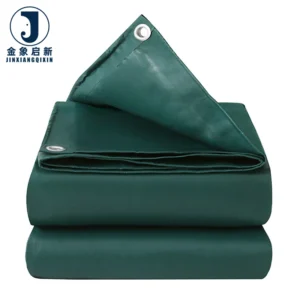
Secure Green PVC Coated Blackout Tarpaulin Truck Tent Cover Anti-Aging Waterproof Folding Design Breathable Woven Technics
¥0.83 Select options This product has multiple variants. The options may be chosen on the product page -
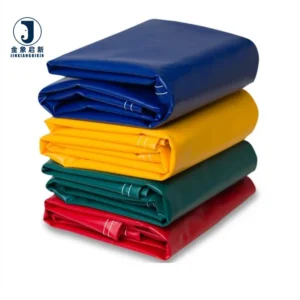
Heavy Duty Truck Tarpaulin 1000d Pvc Tarp Waterproof Pvc Canvas
¥1.20 Add to cart