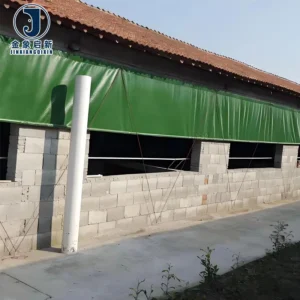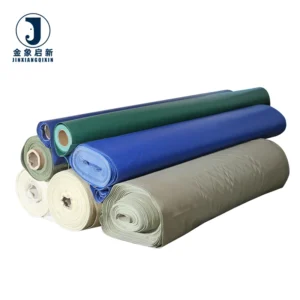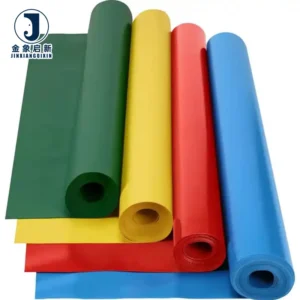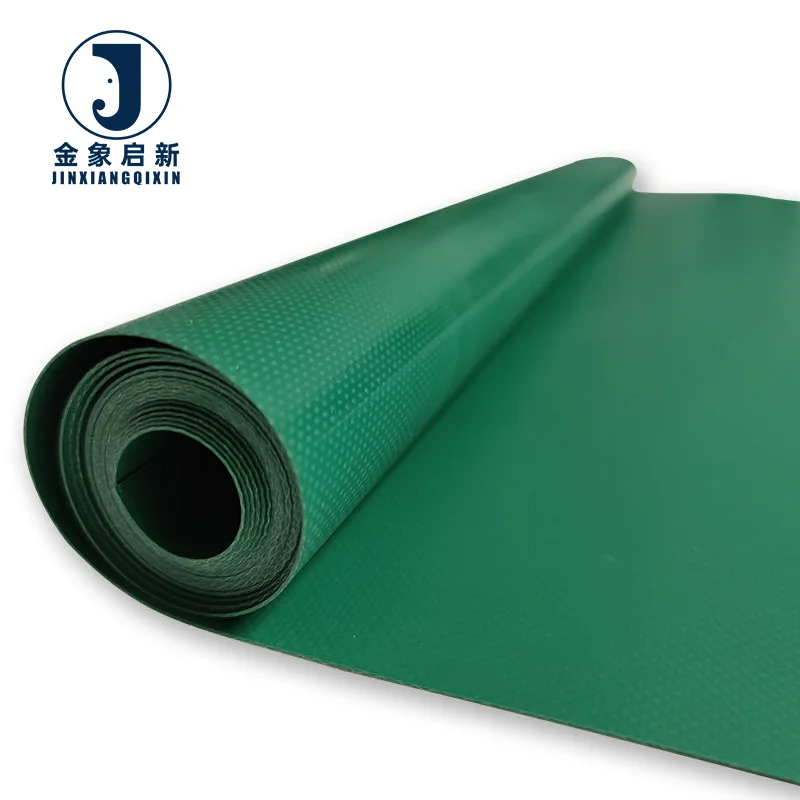
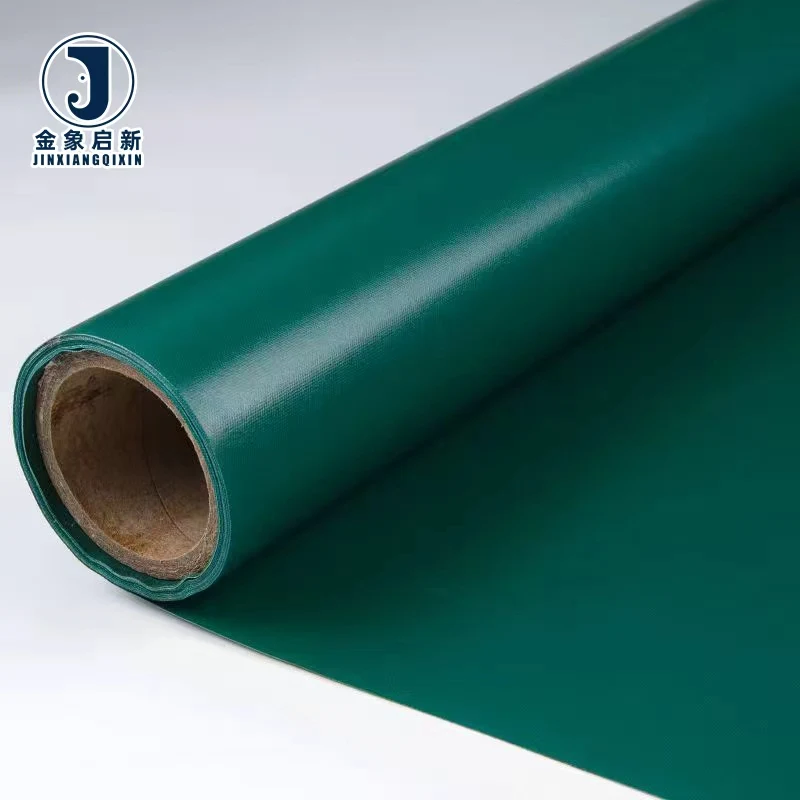
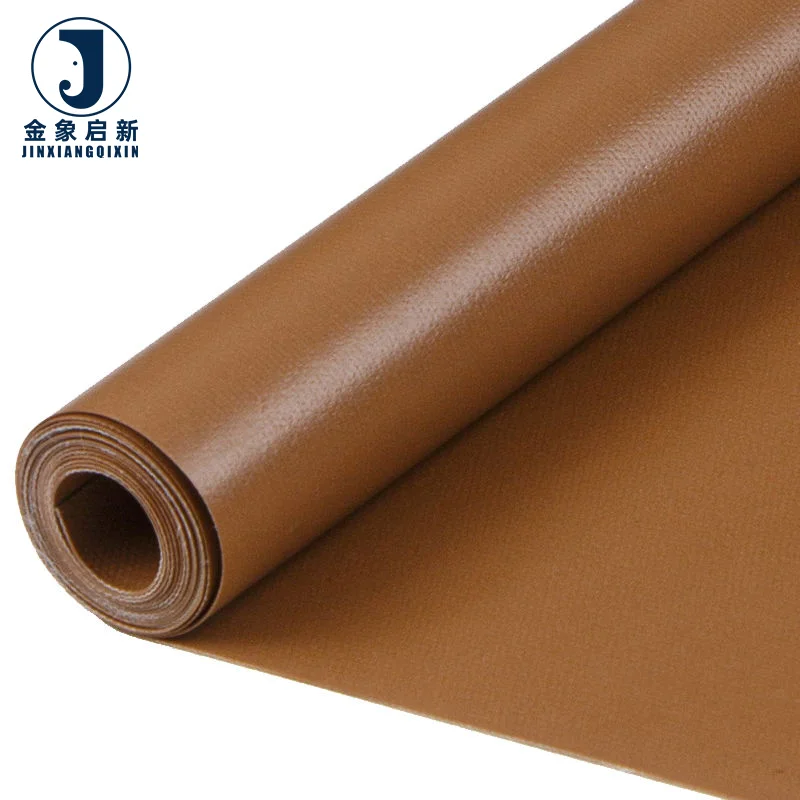
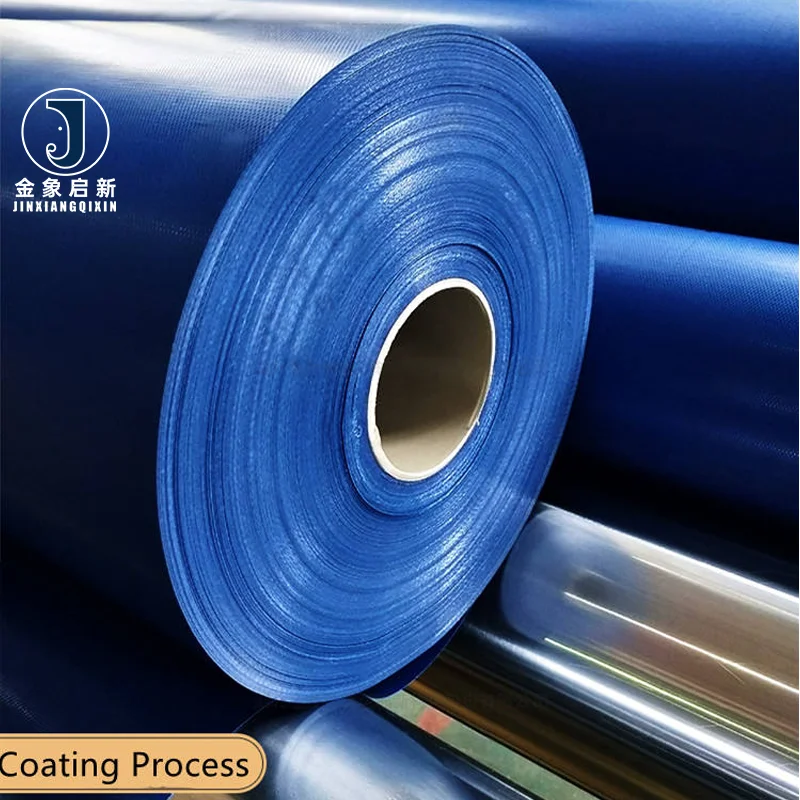
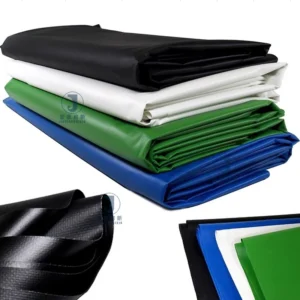
PVC Tarpaulin Roll, 350-900 GSM, 500D×840D to 1300D×1300D Base — knife coated for verified weight and adhesion across every roll.
- Anti-UV, flame retardant and waterproof treatments available with test documentation
- Custom width, colour matching and pattern printing supported by in-house R&D
Nearly 30 years of coated fabric process control, three full production lines, and 100% pre-shipment inspection ensure batch consistency you can rely on.
Description
Deep Process Control Over Coating Weight — Three dedicated production lines and 36 sets of equipment ensure every PVC Tarpaulin Roll custom order is coated, inspected and dispatched to the exact specification confirmed at sample approval.
Technical Specifications
| Parameter | Value |
|---|---|
| Product Type | PVC Tarpaulin Roll |
| Material Composition | PVC coating on polyester base fabric |
| Available Weight (GSM) | 350 / 400 / 420 / 500 / 600 / 650 / 750 / 900 (confirm grade required) |
| Base Fabric Denier Options | 500D×840D / 500D×1000D / 1000D×1000D / 1000D×1300D / 1300D×1300D / 1000D×2000D |
| Mesh Count Options | 30×19 / 20×20 / 30×15 |
| Thickness Range | 0.29 mm – 0.65 mm (varies by grade) |
| Tensile Strength (Warp) | 1650 N – 3900 N (grade dependent, test standard not stated in source) |
| Tensile Strength (Weft) | 1600 N – 3500 N (grade dependent, test standard not stated in source) |
| Key Features | Water resistant, waterproof, available in flame retardant grades — confirm the grade required for your market, available with anti-UV treatment — confirm the test basis for your region |
| Edge Treatment | High-temperature heat-sealed seamless edge wrapping |
| Eyelet Specification | 3 cm enlarged aluminium alloy buttonhole |
| Corner Reinforcement | Reinforced corners on all sides |
| Rope | 5 mm thick rope without splicing |
| Customisation | Size, hole spacing, colour, custom printing available |
| Certification | ISO, CE (specific certificate numbers not stated) |
Application Suitability
| Application | Exposure & Requirement |
|---|---|
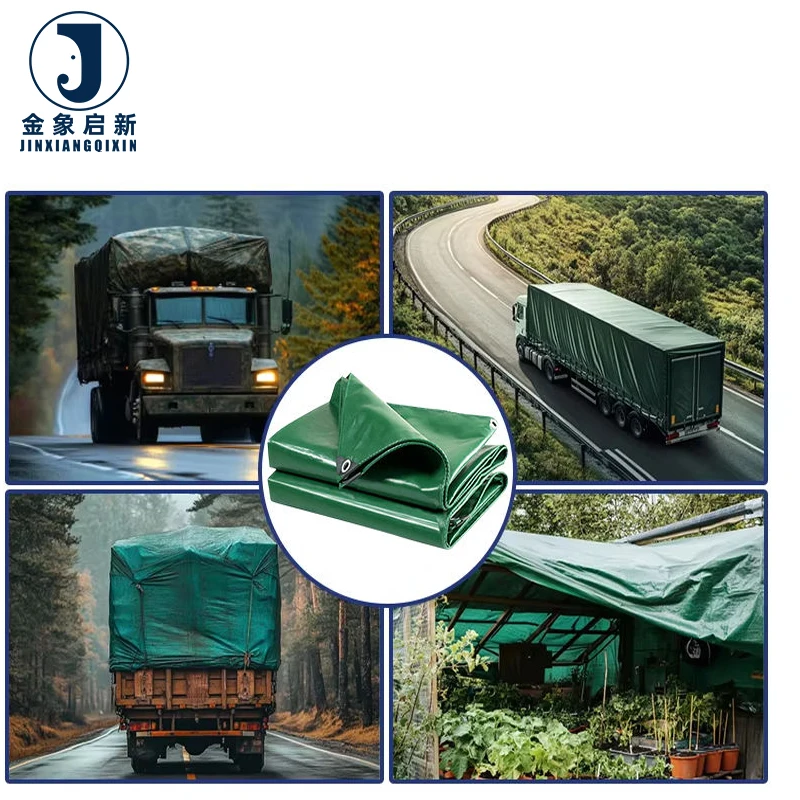
| Truck and trailer cover | Continuous road vibration, flexing at load points, UV exposure, rain ingress risk at seams |
| Awning and terrace pergola cover | Prolonged sun exposure, wind uplift tension, standing water pooling on flat sections |
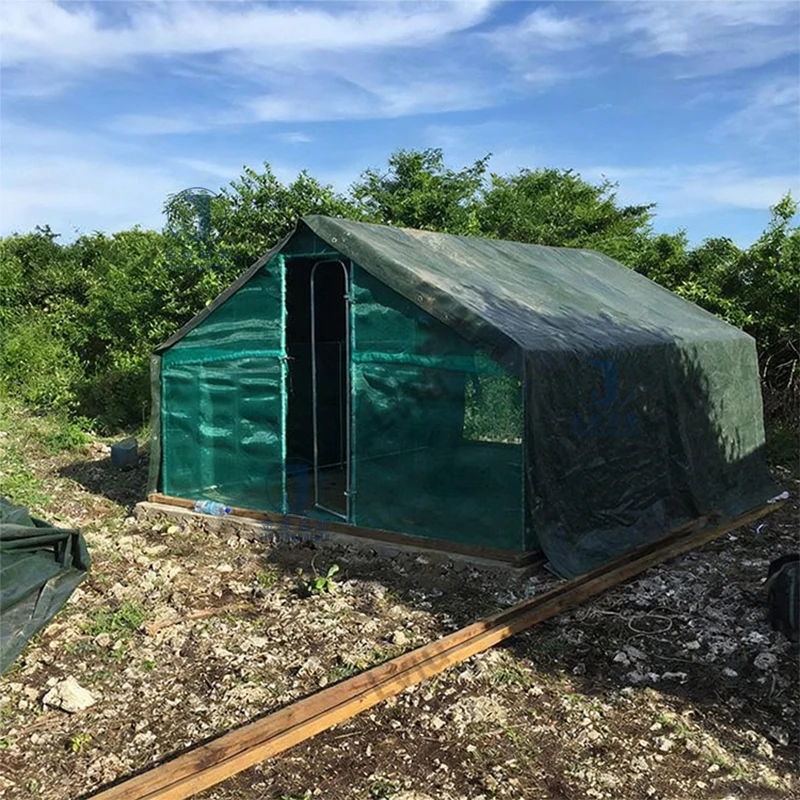
| Tent and inflatable structure fabric | Repeated folding and unfolding, abrasion at frame contact points, weather cycles |
| Machine and equipment cover | Dust and moisture ingress, chemical splash in workshop environments, frequent removal and re-fitting |
| Balcony and window rainproof cover | Wind-driven rain, UV degradation on vertical surfaces, aesthetic colour consistency |
Why the Quoted GSM Does Not Always Survive the Journey to Your Warehouse
A material specification sheet that states exact coating weight per roll, verified at pre-shipment inspection, is the only reliable safeguard against underweight delivery.
Buyers who have received PVC tarpaulin rolls lighter than agreed know the downstream cost: the fabric fails earlier at stress points, truck covers tear at the hem under tie-down tension, and distributors face claims from their own customers. The discrepancy rarely shows on a single cut piece — it emerges when a full container is weighed and compared against the purchase order. [NEED_CITE: ISO 1421 tensile and tear test methods for coated fabrics] Sourcing a PVC Tarpaulin Roll custom to your specification only works if the weight you ordered is the weight that arrives.
Coating Lines Built for Roll-to-Roll Consistency
Producing PVC Tarpaulin Roll custom orders at scale requires more than a single coating head. Three full production lines, supported by 36 sets of professional equipment, allow different GSM grades and widths to run simultaneously without cross-contamination of colour or coating formulation. Each roll passes through dedicated QA checkpoints during coating, where adhesion and surface finish are verified before the material is wound. This production depth is what keeps batch consistency tight across container-load orders for distributors and tarpaulin importers.
What the Denier and Mesh Count Actually Control
The base fabric denier — from 500D×840D through to 1000D×2000D — defines how much load each yarn carries before the PVC coating even enters the equation. A tighter mesh count such as 30×19 concentrates more yarns per unit area, distributing point loads across a wider grid and slowing tear propagation. [NEED_CITE: relationship between base fabric weave density and tear resistance in coated technical textiles] Selecting the correct denier and mesh combination is therefore a decision about the mechanical environment the finished cover will face, not simply a cost optimisation on raw material.
Reading the Specification Sheet Beyond GSM
GSM alone is a blunt instrument. A 650 GSM roll made on a 1000D×1000D base with a 30×19 mesh count will behave very differently from a 650 GSM roll on a 500D×840D base with a 20×20 mesh — the former concentrates more polymer into the coating layer, while the latter relies on a denser yarn grid for tensile performance. Thickness values from 0.29 mm to 0.65 mm across the grade range further illustrate how coating build and base fabric interact. Tensile strength data, spanning 1650 N to 3900 N on the warp, must always be read alongside the denier and mesh count that produced it, because the same numerical strength can be achieved through different structural strategies.
The Hidden Cost of Specifying on Weight Alone
When a buyer selects a PVC Tarpaulin Roll custom order based solely on a GSM figure, the gaps show up in fabrication. A lighter base fabric with heavier coating may pass a weight check but fail at the heat-sealed seam where the coating carries all the peel load. Flame retardant grades specified without a confirmed test standard can result in rejected shipments at the destination port if the local fire authority requires documentation the supplier cannot provide. [NEED_CITE: fire classification requirements for temporary structures and transport covers by market] Colour variation between rolls in the same batch forces distributors to sort and segregate stock before cutting, adding labour cost that never appeared on the original quotation.
Procurement Verification That Matches the Product
Sourcing PVC tarpaulin by the roll at volume only delivers value when every claim on the quotation is backed by traceable documentation. A 10-person R&D team develops samples within days, allowing buyers to confirm colour, hand feel and weld behaviour before committing to production. In-process QA at every stage, followed by 100% pre-shipment inspection, means each roll is checked against the confirmed specification — not a random sample from the batch. [NEED_CITE: pre-shipment inspection protocols for coated fabric rolls] This verification discipline is what separates a reliable PVC Tarpaulin Roll custom supply from one that shifts risk downstream.
Documentation & Verification
- Material specification sheet stating exact GSM, base fabric denier, coating weight and colour reference per roll
- Test reports for UV and flame retardant grades supplied where applicable and specified in the order
- Pre-shipment inspection record with roll-by-roll weight and dimension verification before container loading
- Roll packing list with batch traceability for every roll in the shipment
- Certificate of origin and full customs documentation package included with each dispatch
Fabrication, Handling & Storage
- Heat-seal temperature must match the PVC coating formulation specific to the selected GSM grade
- Reinforced corners on all sides distribute tie-down load away from the eyelet ring on heavy-grade rolls
- Store rolls horizontally on racking to prevent permanent creasing in the 0.55 mm and above thickness range
- Allow cold-stored rolls to reach ambient temperature before unrolling to avoid coating crack in low-GSM grades
- Use the 3 cm aluminium alloy eyelet with a washer plate on high-tension truck cover applications
- Cut patterns should account for the 5 mm rope channel allowance on hemmed edges to avoid short-fall
Request a Specification Recommendation
To match the correct GSM grade, base fabric denier and treatment package to your application, provide the end-use environment, any fire safety classification your market requires, the roll width and annual volume you need, and whether you require finished cut sizes or full roll stock only. Sample development is available before production commitment.
Frequently Asked Questions
Q: How do you verify GSM matches the quotation upon delivery?
A: Every roll is weighed and measured during 100% pre-shipment inspection. The inspection record documents actual GSM against the material specification sheet agreed at order confirmation. Any roll falling outside tolerance is segregated before packing, ensuring the weight you receive matches the weight you ordered.
Q: What UV and flame retardant test reports are supplied with each roll?
A: Where UV or flame retardant treatment is specified in the purchase order, the corresponding test report is included in the documentation package. The specific grade and test basis must be confirmed before production so the correct certification accompanies the shipment.
Q: How is colour consistency maintained across multiple rolls in one order?
A: All rolls in a single PVC Tarpaulin Roll custom order are produced in one continuous coating run using the same batch of PVC compound and pigment. The R&D team confirms the colour reference at sample stage, and in-process QA checks each roll against that approved standard before winding.
Q: What edge finishing, eyelet and reinforcement options are available?
A: Standard finishing includes high-temperature heat-sealed edge wrapping, 3 cm enlarged aluminium alloy eyelets and reinforced corners on all sides. Hole spacing and additional reinforcement at high-stress zones can be adjusted during the customisation process to suit your fabrication requirements.
Q: What is the lead time and minimum for custom width or printed branding?
A: Lead times and minimums vary by the degree of customisation requested — custom width, colour matching and printed branding each have different production constraints. Confirm your requirements at the inquiry stage so the team can provide an accurate schedule and volume threshold before sample approval.
Related products
-
Heavy Duty Fire Retardant Waterproof PVC Coated Tarpaulin Rolling Tarp Materials for Truck Cover Tents Outdoor Usage
¥1.40 Add to cart -
Best Quality 650gsm Waterproof Polyester Heavy Duty Bache PVC Tarpaulin Manufacturer
¥1.25 Select options This product has multiple variants. The options may be chosen on the product page -
PVC Tarpaulin Glossy 650GSM 1000D*1000D 23*23 1.50*50M/R for Multi-purpose Cover SAMPLE FREE
¥2.70 Add to cart -
Best Quality 650gsm Waterproof Polyester Heavy Duty Bache PVC Tarpaulin Manufacturer
¥1.25 Select options This product has multiple variants. The options may be chosen on the product page