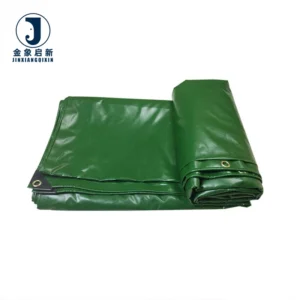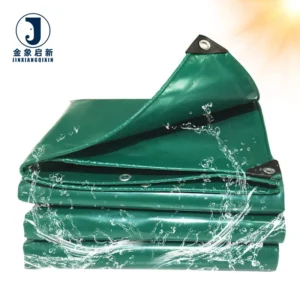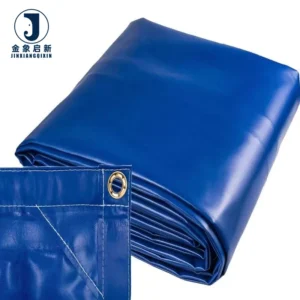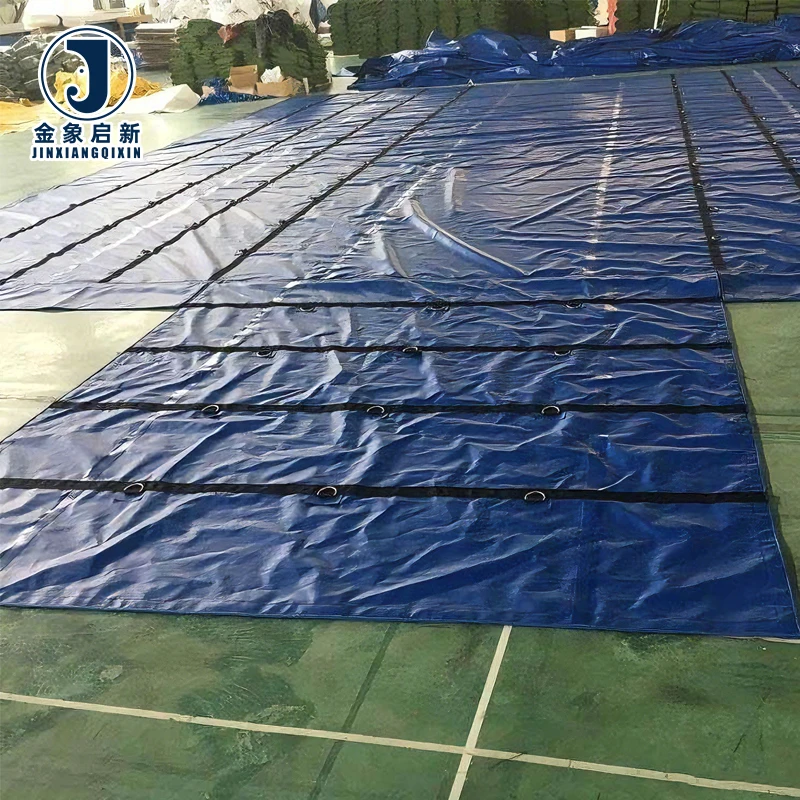
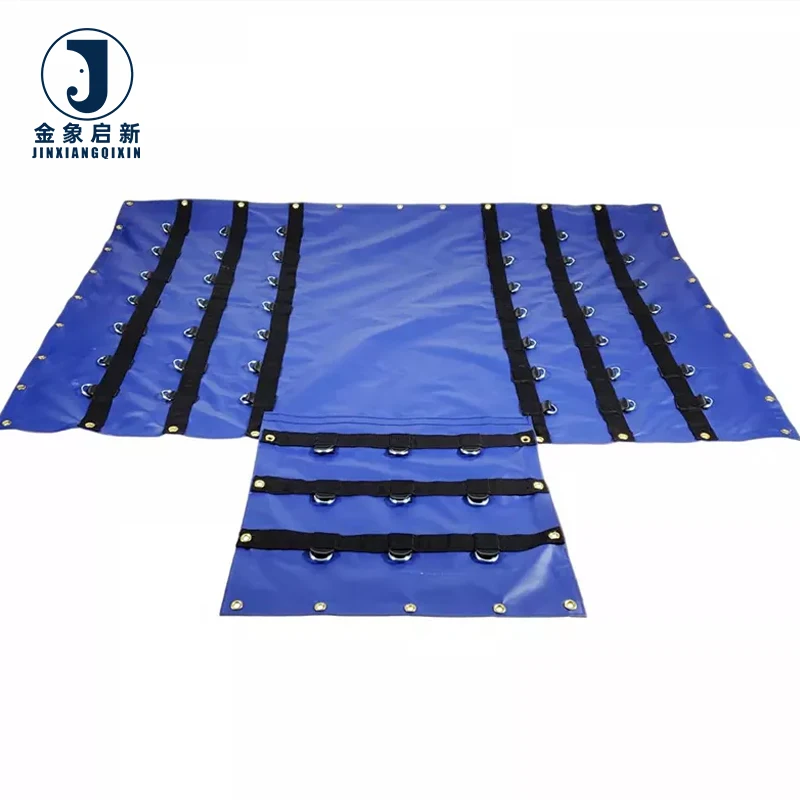
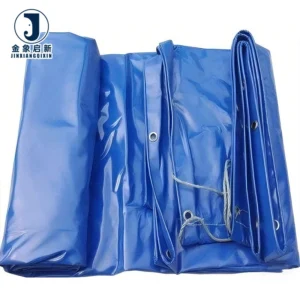
PVC Coated Tarpaulin Truck Cargo Cover with flame retardant, anti-static and anti-mildew treatments for fleet load protection.
- Designed as a full catalogue resource covering the complete tarpaulin range and customisation options — from truck covers and equipment wraps to pond liners and ventilation duct fabric under one specification
- Coating weight and base fabric denier jointly determine tensile and tear performance; our QA verifies GSM at every production stage so the material you receive matches what was quoted
- Welded seams reinforced at flex points where load movement concentrates stress, with batch-to-batch colour consistency across rolls
Backed by nearly 30 years of coated fabric process control, 100% pre-shipment inspection, and samples developed within days for custom sizing and printing.
Description
Process-Controlled Coating — three full production lines maintain consistent PVC adhesion across every truck cargo cover roll, verified at each stage before dispatch.
Technical Specifications
| Parameter | Value |
|---|---|
| Product Type | PVC Coated Tarpaulin |
| Coating Material | PVC |
| Outdoor Life Assurance | 1-3 years |
| Waterproof | Fully waterproof coated construction |
| Flame Retardant | Available (grade not stated in source) |
| Anti-Static | Available (standard not stated in source) |
| Anti-Cold | Available |
| Anti-Mildew | Available |
| Weather Resistance | Good |
| Strength | High — prevents damage during installation and load flexing |
| Certifications | ISO, CE |
Application Suitability
| Application | Exposure & Requirement |
|---|---|
| Truck cargo covers | Constant flexing at tie-down points, road abrasion, UV exposure, rain and wind loading |
| Transport fleet load protection | Repeated deployment and folding, diesel exhaust contact, temperature swings across routes |
| Outdoor equipment covers | Standing water, dust ingress, prolonged sun exposure on static plant machinery |
| Construction site covers | Abrasive aggregate contact, high wind uplift, mud and chemical splash from site operations |
Why Generic Sizing Destroys a PVC Tarpaulin Truck Cargo Cover Before the Fabric Does
A cover that does not match the trailer dimensions concentrates stress at the wrong points, causing seam and hem failure long before the coated fabric itself wears out.
Fleet operators who order covers based on nominal length and width often find the material bunches at corners or pulls tight across load protrusions. This uneven tension transfers every road vibration into the welded seams and eyelet rows. We have seen covers returned with intact fabric but torn hems after only a few months of service [NEED_CITE: tension distribution failure modes in fitted truck covers]. The PVC tarpaulin aftermarket supplier conversation should begin with vehicle-specific patterning, not generic roll dimensions.
Vehicle-Patterned Sizing Over Generic Dimensions
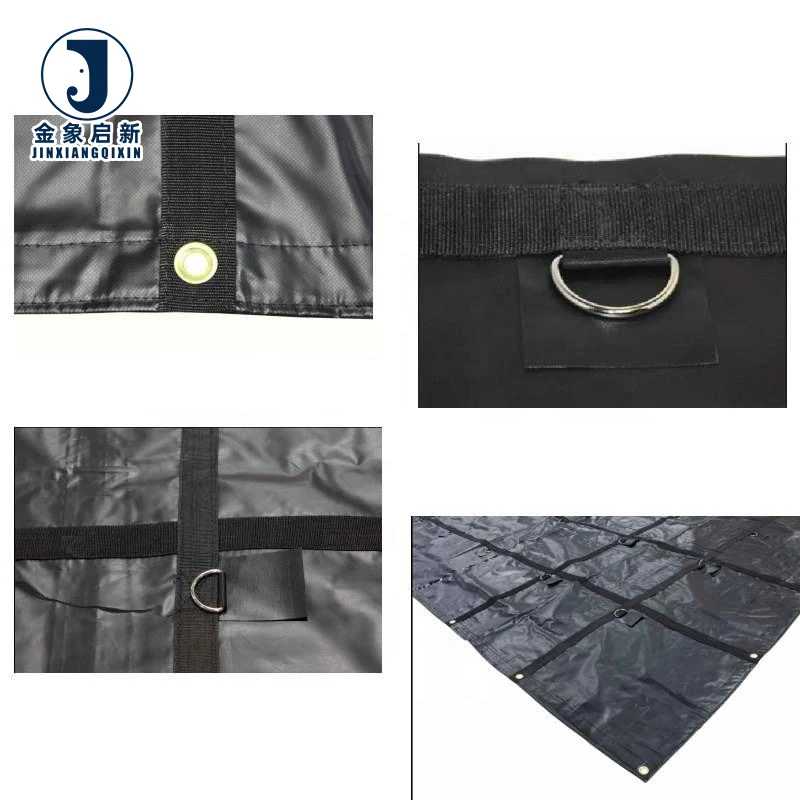
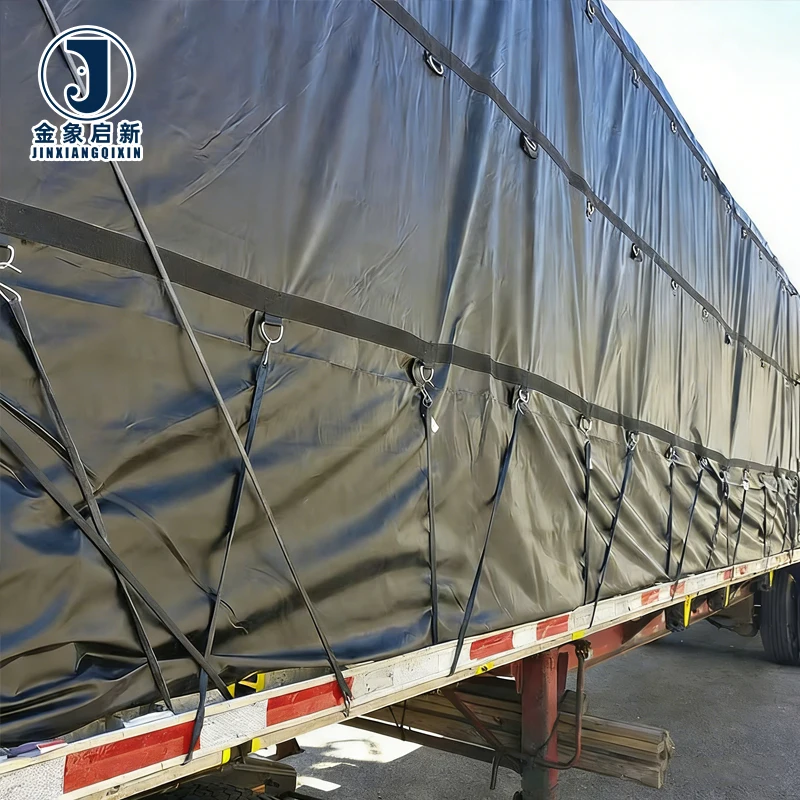
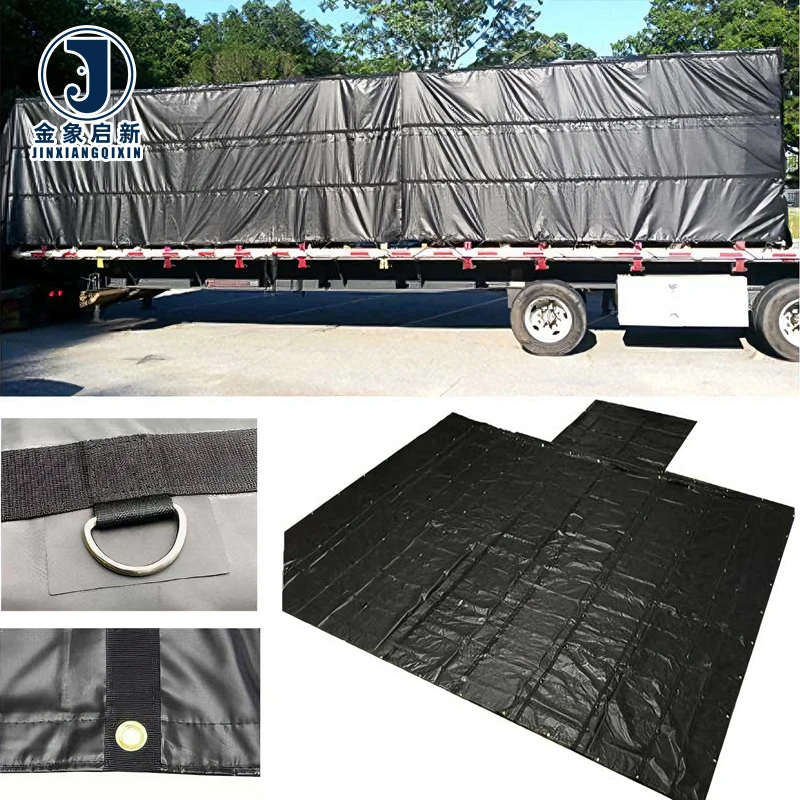
Every truck cargo cover we produce is cut and welded to the exact dimensions of the target trailer or truck bed model. This means the cover sits flat under tension, with eyelets positioned to match the vehicle’s tie-down rail spacing rather than placed at arbitrary intervals. A PVC tarpaulin aftermarket supplier working from pattern data avoids the bunching and slack that accelerates wear at fold lines. The result is a cover that deploys quickly and stays in place under highway-speed wind loads.
Treatment Selection Matched to Route Conditions
The operating environment determines which treatments deliver real value. Covers routed through cold-climate corridors benefit from anti-cold formulation that maintains PVC flexibility below freezing, preventing crack propagation at fold points. Vehicles operating in humid or tropical conditions require anti-mildew treatment to prevent fungal staining under the fabric surface [NEED_CITE: mildew degradation mechanisms in plasticised PVC coatings]. Flame retardant and anti-static options are available in grades to be confirmed against your destination market transport safety standards.
Understanding the Coated Fabric Construction
PVC coated tarpaulin for truck cargo use relies on a high-strength base fabric encapsulated in a plasticised PVC coating. The base fabric denier and weave density govern tensile and tear behaviour — two covers with identical coating weight can perform very differently if one uses a loosely woven base. The coating itself provides waterproofing, UV screening and chemical resistance, while its adhesion to the base yarns determines how well welded seams hold under repeated flexing. Anti-cold and anti-mildew modifiers are compounded into the PVC layer during production, not applied as surface sprays, so they remain active throughout the service life of the cover. High strength in the base construction prevents damage during installation, particularly when crews are pulling the cover tight across sharp-edged loads.
The Cost of Specifying on Price Per Kilogram Alone
When purchasing decisions focus exclusively on cost per unit weight, manufacturers respond by reducing base fabric density and increasing filler loading in the PVC compound. The cover may meet the quoted GSM on arrival, yet the fabric tears easily at eyelet rows and the coating delaminates at weld lines within months. Batch-to-batch colour drift also becomes more likely when pigment loading is cut to save cost. These failures show up on the road, not in the warehouse inspection [NEED_CITE: filler loading effects on PVC coating adhesion and tear propagation].
Why Procurement Teams Consolidate Here
Production runs on three dedicated lines with 36 sets of professional equipment, so a fleet order of mixed sizes stays on schedule without splitting across workshops. A ten-person R&D team handles pattern development for new trailer models and confirms treatment formulations against your regional standards before production begins. Every piece receives full inspection before dispatch — not a sampling protocol, but piece-by-piece verification of dimensions, weld integrity and surface quality. Samples for new vehicle patterns are developed within days, allowing fit confirmation before the production run commits. ISO and CE certification underpins the quality management system across all truck cargo cover output.
Documentation & Verification
- Material specification sheet listing base fabric, coating weight, colour reference and selected treatments per cover order
- Test report for flame retardant or anti-static grades matched to your transport safety standard
- Pre-shipment inspection record with piece-by-piece dimensional and weld verification
- ISO and CE certificates included with dispatch documentation
- Certificate of origin and customs support for destination country clearance
Fabrication, Handling & Storage
- Weld temperature and dwell time must match the PVC coating formulation to achieve full seam strength without base fabric scorch
- Reinforce eyelet rows with additional PVC patches at tie-down load points to prevent pull-through under highway wind loads
- Store rolls upright on pallets in shaded conditions to prevent flat-spot creasing in the coated fabric
- Allow anti-cold treated covers to acclimatise before unfolding in freezing conditions to avoid stress cracking at fold lines
- Clean with mild detergent only — solvent-based cleaners can extract plasticiser from the PVC coating surface
- Field repairs use compatible PVC adhesive patches applied to clean, dry surfaces for emergency seam or puncture sealing
Starting the Specification Conversation
Provide the trailer make and model, or exact bed dimensions with tie-down rail positions, so we can develop a fitted pattern rather than a generic rectangle. Specify the route climate range and any fire safety or anti-static requirements mandated by your operating jurisdiction. Indicate annual volume and whether covers are needed as finished pieces or roll stock for your own fabrication facility.
Frequently Asked Questions
Q: How do I verify the PVC coating weight matches what was quoted?
A: Every production run includes in-process coating weight checks and a pre-shipment inspection record documenting the measured values per piece. We supply a material specification sheet stating the base fabric type and coating weight for your order, so you can cross-reference the documentation on arrival against the original quotation without needing independent lab testing.
Q: What fire-retardant grades are available for truck cargo covers?
A: Flame retardant treatment is available, with the specific grade confirmed against the transport safety standard required in your destination market. We provide a test report documenting the grade achieved, rather than a generic flame retardant claim. Share your regulatory requirement during inquiry and we will match the formulation accordingly.
Q: How do welded seams survive repeated flexing at tie-down points?
A: Seam integrity depends on both the weld parameters and the coating formulation. We set weld temperature and dwell time to match the specific PVC compound used on your covers, and reinforce eyelet rows at high-stress tie-down locations. This prevents the common failure pattern where seams split while the surrounding fabric remains intact.
Q: Are covers sized to specific trailer models or to generic dimensions?
A: We pattern each cover to the exact trailer or truck bed model, including tie-down rail spacing and load profile. This eliminates the bunching and uneven tension that causes premature hem and seam failure. If your fleet includes multiple vehicle types, we develop a separate pattern for each.
Q: What anti-cold treatment is available for extreme climate routing?
A: Anti-cold modification is compounded into the PVC coating during production to maintain flexibility at low temperatures, preventing crack propagation at fold points. The specific formulation is selected based on the minimum operating temperature of your routes. Confirm your climate range during inquiry so we can recommend the appropriate grade.
Related products
-
Secure Green PVC Coated Blackout Tarpaulin Truck Tent Cover Anti-Aging Waterproof Folding Design Breathable Woven Technics
¥0.83 Select options This product has multiple variants. The options may be chosen on the product page -
Hotsale Custom China Supplier Super Strength Industrial Grade 680GSM RIPSTOP PVC Tarpaulin for Builders Roof Tarp and Sheeting
¥2.80 Add to cart -
Tarpaulin Hot Selling 30M X 30M Finished PVC Tarpaulin for Farming Tarpaulin
¥1.48 Add to cart -
PVC Fabric Material Woven Tarpaulin Waterproof Woven Fabric Tarpaulin
¥0.50 Add to cart