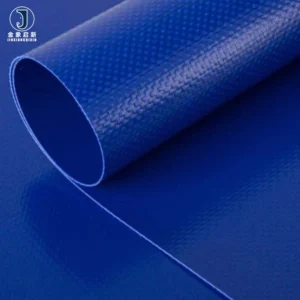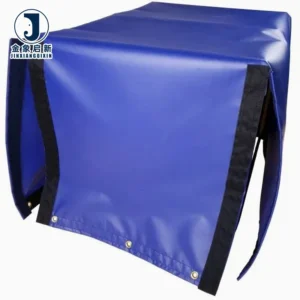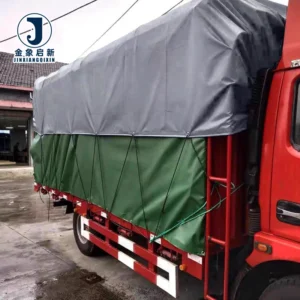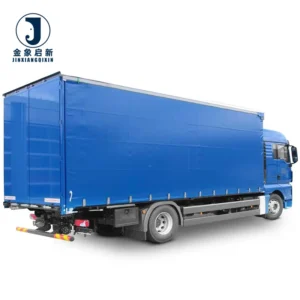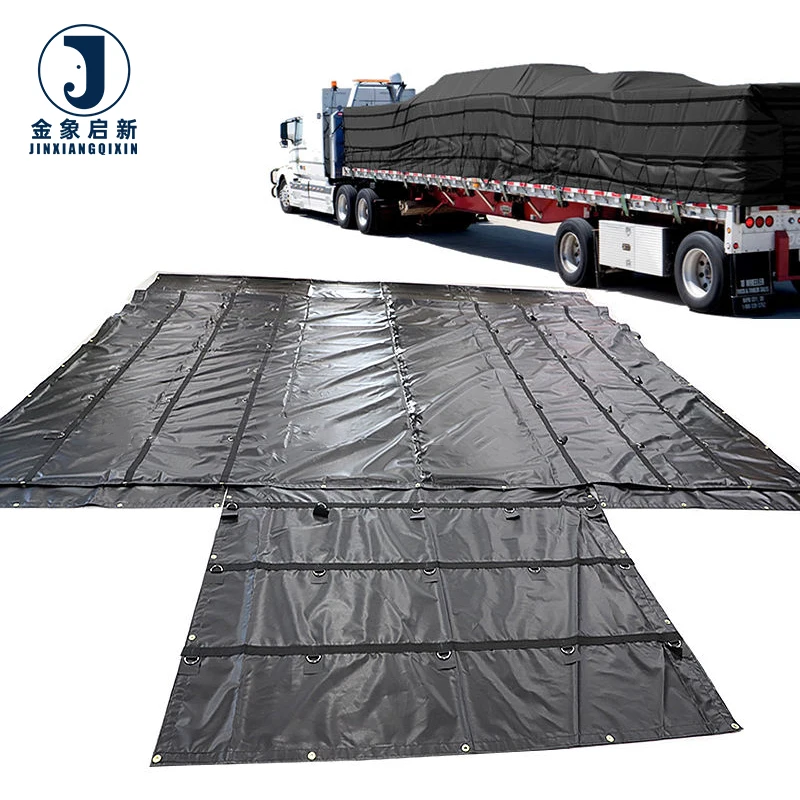
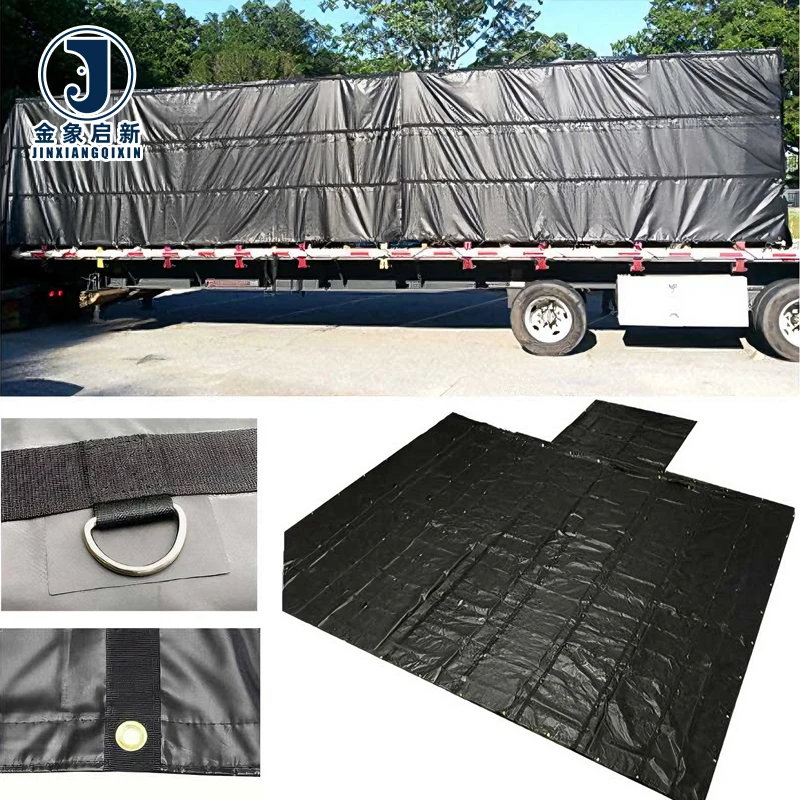
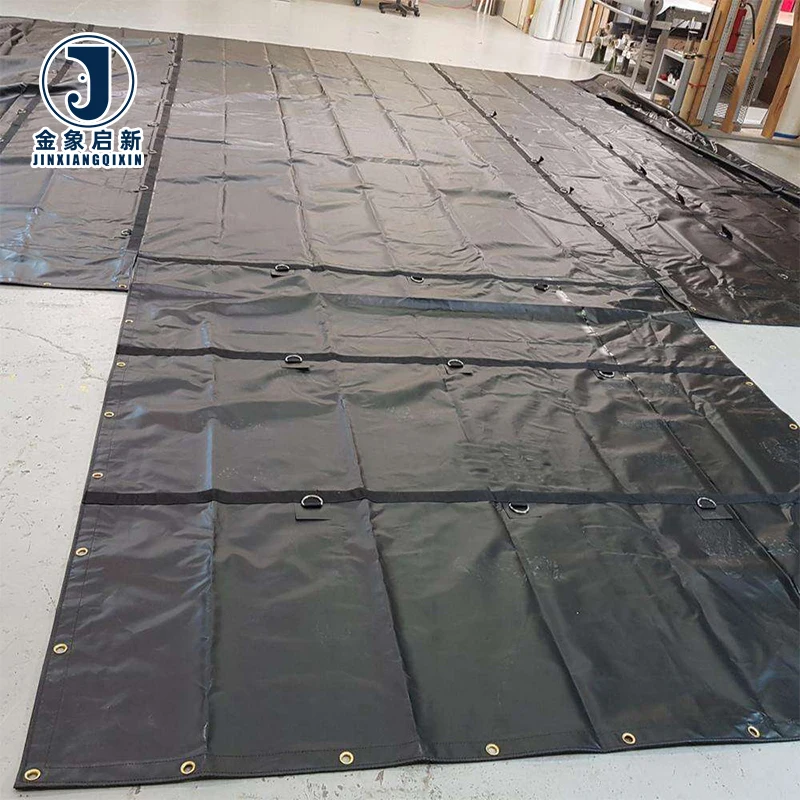
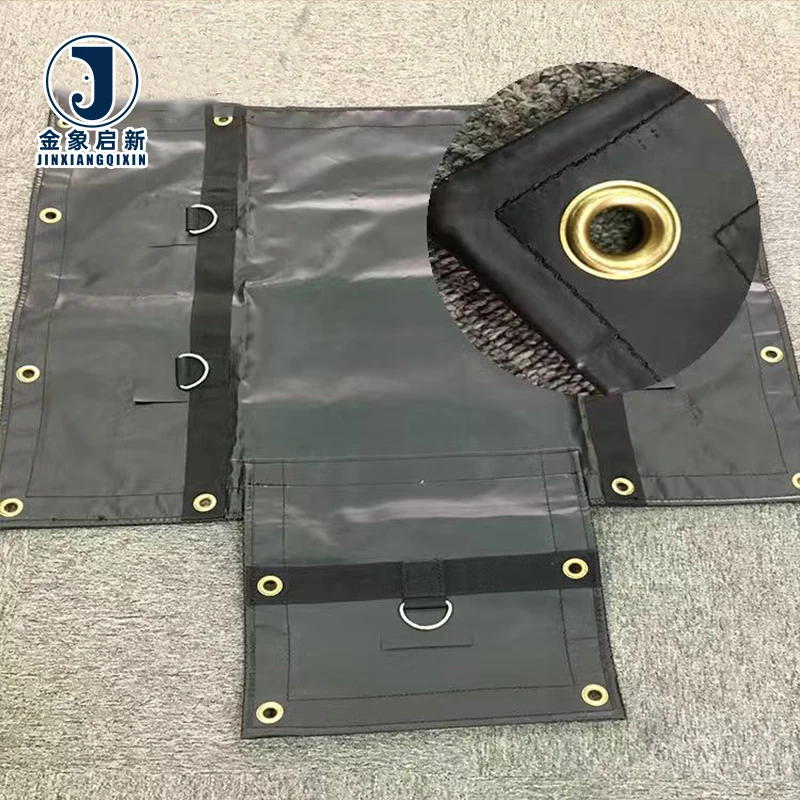
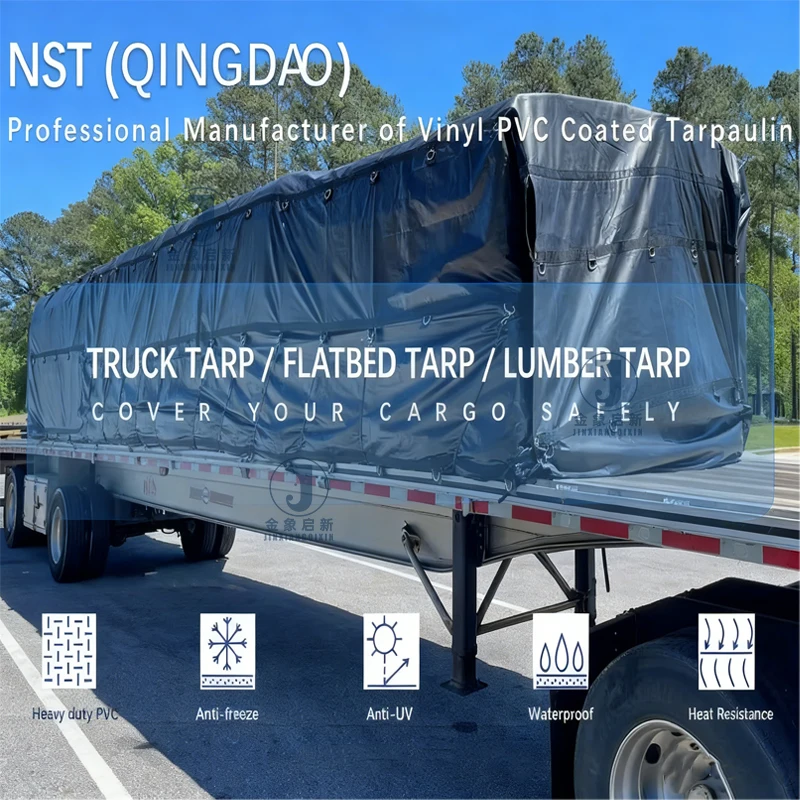
PVC Flatbed Semi Truck Lumber Tarp with Drops — 14oz / 18oz RipSTOP, 8′ drop length, 1PC/2PC/3PC construction options for flatbed and lumber transport.
- Engineered for loads that shift and flex in transit, with welded seams reinforced at high-stress zones and anti-pull webbing at tie-down points.
- Deep coating process control ensures stated GSM matches delivered material, verified at every production stage.
Samples for custom trailer fitment developed within days, backed by 100% pre-shipment inspection and full documentation.
Description
Proven Coating Expertise — nearly 30 years of focused PVC coating process control ensure every flatbed lumber tarp ships at the verified weight and adhesion level stated on your quotation.
Technical Specifications
| Parameter | Value |
|---|---|
| Product Type | PVC Truck Cover |
| Coating Material | PVC (Vinyl) |
| Base Fabric | RipSTOP |
| Weight Options | 12oz, 14oz, 15oz, 18oz |
| Drop Length | 8′ Drops |
| Construction Options | 1PC, 2PC, 3PC |
| Waterproof | Fully waterproof coated construction |
| Anti-Mildew | Yes |
| Flame Retardant | Available in flame retardant grades — confirm the grade required for your market |
| Anti-UV | Available with anti-UV treatment — confirm test basis required for your application |
| Certifications | ISO, CE |
Application Suitability
| Application | Exposure & Requirement |
|---|---|
| Flatbed lumber transport | Constant tie-down tension, road debris abrasion, prolonged rain and sun exposure |
| Logging fleet cargo protection | Heavy timber loads shifting at flex points, repeated tarp handling and folding |
| Over-the-road freight covering | High-speed wind uplift, temperature cycling, multi-day continuous outdoor exposure |
Why the Wrong Truck Cover Cost More Than the Cover Itself
A generic-size tarp that does not match your trailer dimensions leaves cargo exposed at the edges and overstresses seams at every flex point.
Fleet operators report that ill-fitting flatbed truck lumber tarps fail first at the welded seams where the load shifts during braking and cornering, not through the body of the fabric. When the cover is too short or the drop is too shallow, the entire securing system works against itself, accelerating wear across grommets, hems, and the heat-welded joints. Each replacement cycle adds downtime, re-securing labour, and potential cargo claims on top of the replacement cost [NEED_CITE: tensile and tear test methods for coated fabrics per ISO 1421].
Pattern-Matched Sizing for Flatbed Fleet Consistency
Every flatbed truck lumber tarp manufacturer should pattern each cover to the exact deck length, width, and required drop of the specific trailer model in your fleet. Off-the-shelf dimensions force the tarp to stretch across corners it was never cut for, concentrating stress on seams that then open under highway vibration. We develop custom sizing samples within days so your procurement team can verify fit before full production runs.
Multi-Piece Layouts That Match Your Loading Workflow
Long timber and steel loads often exceed the practical handling weight of a single-piece cover. Our 1PC, 2PC, and 3PC configuration options let your crew deploy and secure each section independently, reducing the risk of drag damage during loading and ensuring each segment stays fully seated over the cargo profile throughout transit [NEED_CITE: flatbed cargo securement standards for lumber transport].
How RipSTOP Base Fabric Changes Tear Behaviour
The RipSTOP weave inserts heavier yarns at regular intervals across the base fabric, creating a grid that arrests tear propagation before it spreads across the full panel. On a flatbed where tie-down straps and chain binders concentrate point loads, this grid structure limits damage to the immediate stress zone rather than allowing a small puncture to run the length of the cover. Combined with PVC coating weights from 12oz through 18oz, the fabric maintains flexibility at lighter grades while heavier options add abrasion mass for high-mileage routes. The anti-mildew treatment prevents fungal degradation that weakens fibres during prolonged wet storage between hauls.
The Hidden Cost of Underspecified Material
When a cover is specified on price alone, the coating weight often arrives below the quoted GSM, leaving the fabric thinner at high-abrasion zones like deck edges and tie-down contact points. Seams then carry loads the fabric was supposed to share, and the weld line fails first — usually within the first few months of rotation. Colour inconsistency between rolls in the same fleet order becomes visible once multiple trailers are parked side by side, undermining the professional presentation your logistics company projects to clients [NEED_CITE: batch colour consistency standards for fleet tarpaulin orders].
Why Source Your Flatbed Truck Lumber Tarps Here
Deep process control over coating weight and adhesion means the GSM on your material specification sheet matches what arrives at your dock, verified at every production stage. Three full production lines and 36 sets of professional equipment support bulk fleet orders with reliable on-time delivery, even when multiple trailer sizes require different patterns in the same shipment. A 10-person R&D team handles custom sizing, drop configuration, and eyelet placement, producing samples for your approval before production begins. Dedicated QA/QC inspects every tarp before dispatch, catching seam, colour, and weight deviations before they reach your fleet.
Documentation & Verification
- Material specification sheet stating exact GSM, RipSTOP base fabric type, and PVC coating weight per tarp
- Pre-shipment inspection record with 100% QC verification before dispatch
- UV and flame retardant test reports provided for treated grades where applicable
- ISO and CE certificates with certificate of origin and full customs documentation support
Fabrication, Handling & Storage
- Heat-weld seams at manufacturer-recommended temperature settings to match the PVC coating weight and avoid delamination on 14oz or 18oz grades
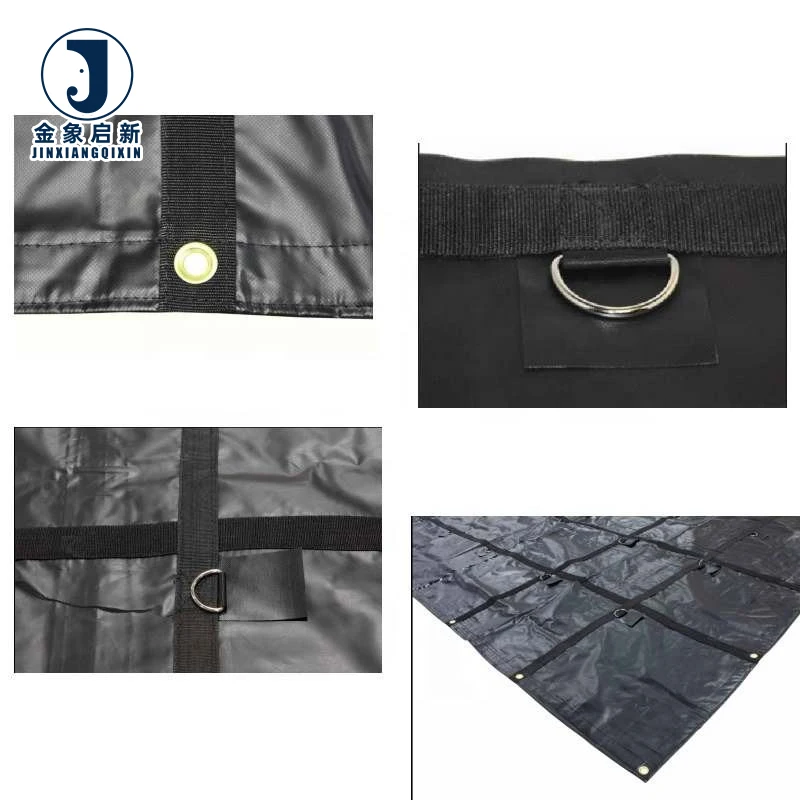
- Reinforce eyelet zones with additional PVC patches to distribute tie-down strap loads across the RipSTOP grid
- Store rolled tarps on pallets in dry, ventilated areas to preserve anti-mildew treatment effectiveness
- Avoid folding 18oz covers at sharp angles during cold-weather deployment to prevent coating crease fractures
- Clean with mild detergent only; harsh solvents degrade the PVC coating surface and compromise waterproof integrity
Preparing Your Specification Request
Provide your trailer make, model, and deck dimensions along with the cargo profile height so we can calculate the correct drop length and piece configuration. Indicate whether your operating region mandates a specific flame retardant or anti-UV certification, and confirm the annual volume so we can plan batch-consistent production across your fleet. Requesting a physical sample before full order commitment lets your operations team verify weight, flexibility, and eyelet placement against real loading conditions.
Frequently Asked Questions
Q: How can I verify the actual GSM of my truck tarp when it arrives?
A: Every shipment includes a material specification sheet stating the quoted GSM. We perform 100% pre-shipment inspection and provide a weight verification record per tarp. On receipt, you can confirm by cutting a measured sample and weighing it against the stated specification.
Q: Which configuration — 1PC, 2PC, or 3PC — suits my flatbed length?
A: Single-piece covers work for shorter decks where one crew member can deploy. Two or three-piece layouts suit longer lumber loads, reducing per-section weight and allowing partial uncovering without exposing the entire cargo. We recommend based on your trailer length and loading workflow.
Q: What makes RipSTOP different from standard woven base fabric?
A: RipSTOP inserts heavier yarns in a grid pattern that blocks tear propagation at each intersection. Standard woven fabric allows a puncture to spread freely. On flatbed loads where tie-down straps concentrate stress, the grid limits damage to a small zone.
Q: Can the drop length and eyelet placement match my specific trailer model?
A: Yes. We pattern each flatbed truck lumber tarp to your exact trailer dimensions, including the 8′ drop or any custom length required. Eyelet spacing and reinforcement patches are positioned to align with your trailer’s tie-down rail configuration.
Q: How are welded seams reinforced at high-flex zones?
A: Seams in areas subject to repeated load shift receive additional PVC overlap and reinforced heat-weld passes. This distributes flex stress across a wider bond area, preventing the weld line from splitting before the fabric itself reaches its service limit.
Related products
-
Factory Wholesale 14oz 18oz RipSTOP Flatbed Semi Truck Lumber Tarp with 8′ Drops 1PC 2PC 3PC Custom Waterproof Tarp
¥200.00 Add to cart -
Custom PVC Truck Cover for Trailer – Manufacturer
Read more -
PE-Coated Blackout Organic Chicken Farm Sunshade Anti-Aging Plain Style with Matte Surface Woven Pattern Awning for Agriculture
¥1.32 Select options This product has multiple variants. The options may be chosen on the product page -
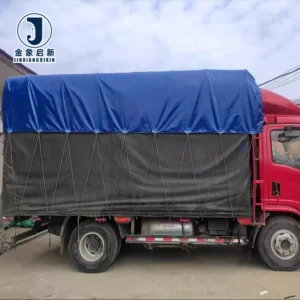
Custom PVC Truck Cover for Trailer – Manufacturer
Read more