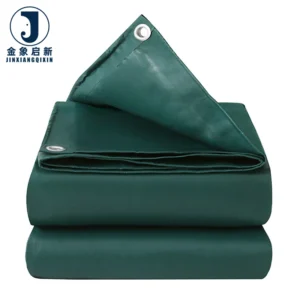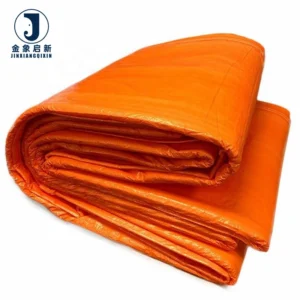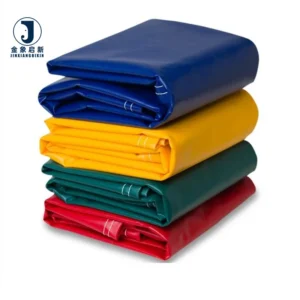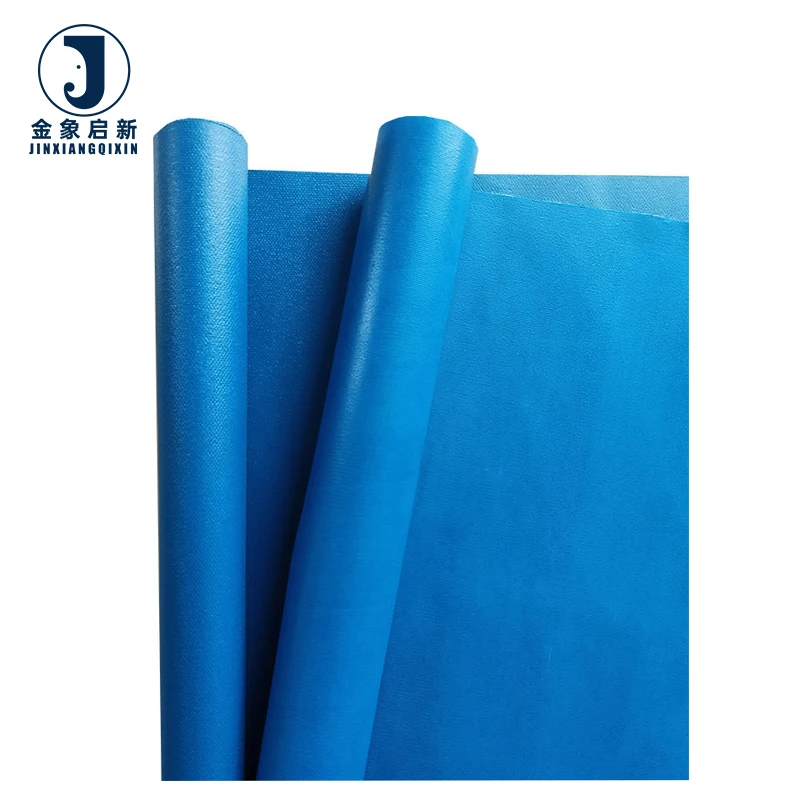
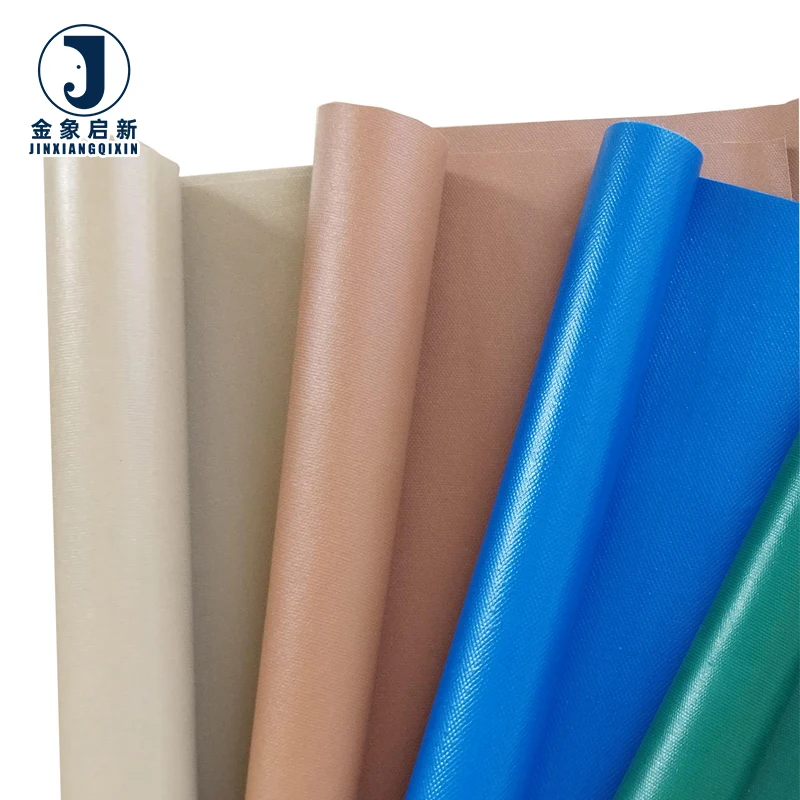
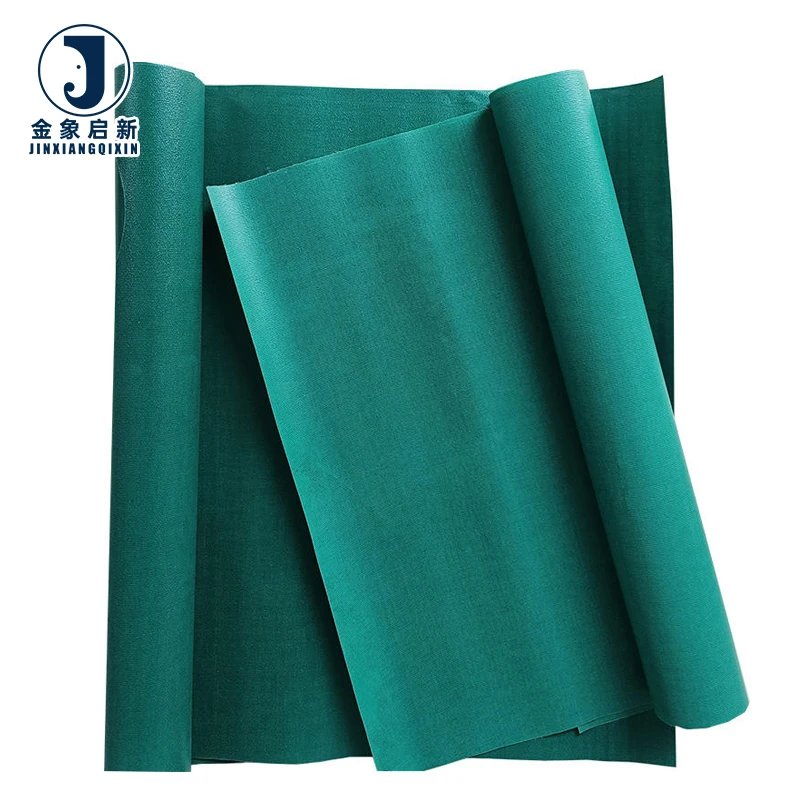
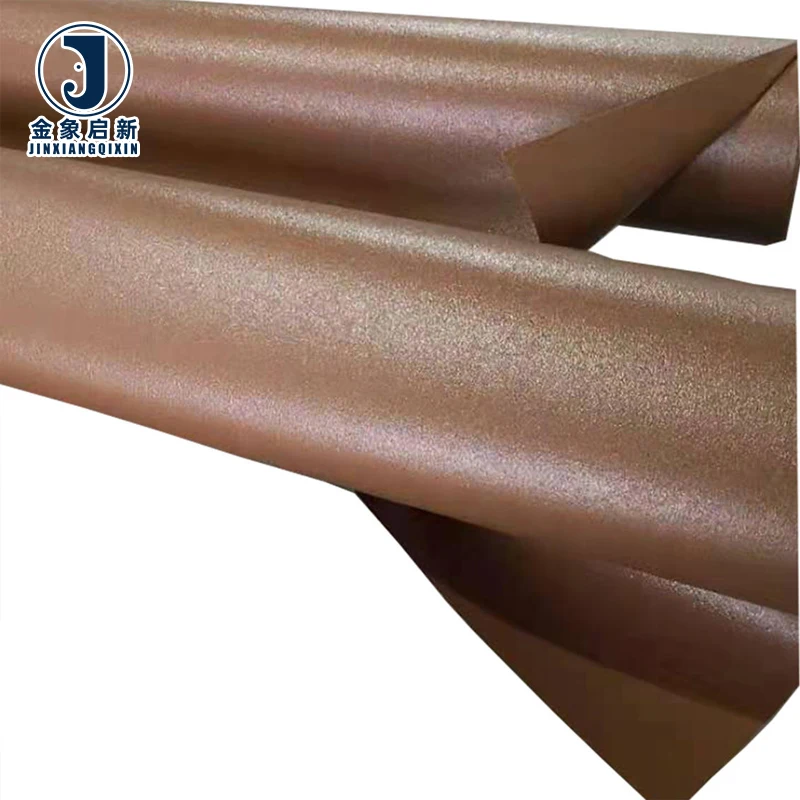
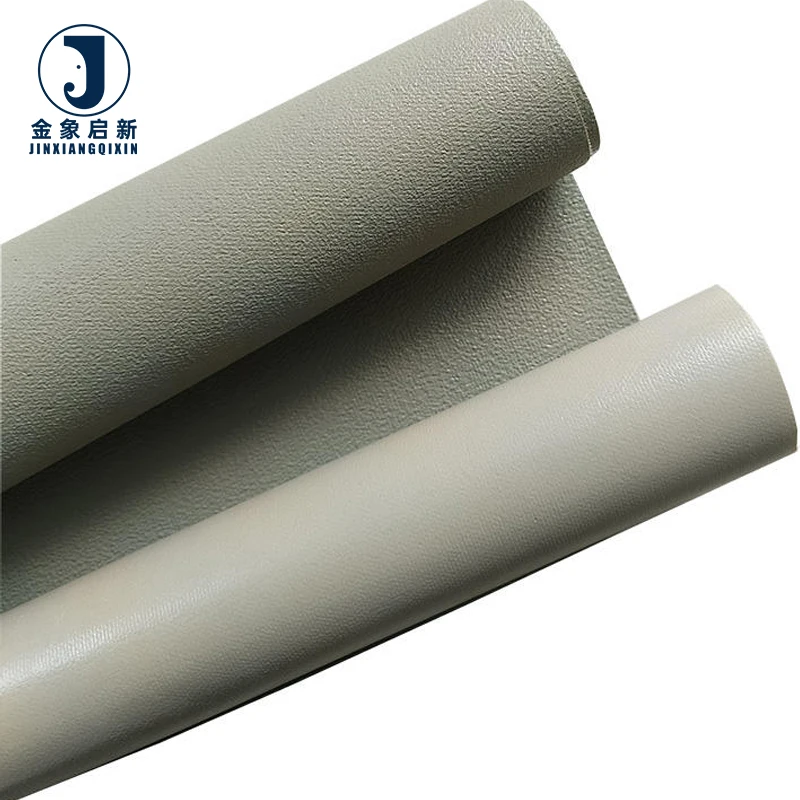
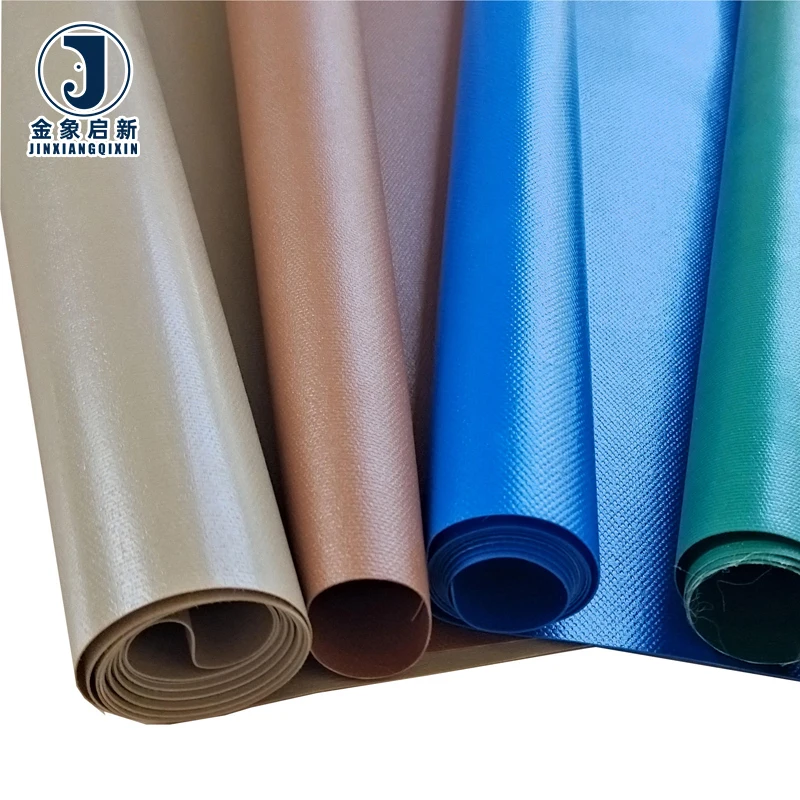
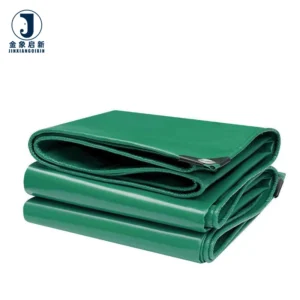
Customizable PVC Tarpaulin — 500gsm to 900gsm, waterproof PVC coated fabric with flame retardant, anti-static, and anti-cold treatment options.
Coating weight and adhesion are controlled through nearly 30 years of process expertise, ensuring GSM consistency across every roll. Custom sizing to exact trailer dimensions eliminates the fit issues that generic cuts cause on specific truck models.
- Backed by 100% pre-shipment inspection and full material documentation including GSM verification, test reports, and export certificates.
Description
Consistent Coating Weight Verification — Every roll of 500gsm and 600gsm PVC coated tarpaulin passes in-process QA checks against the quoted specification before reaching the packing stage.
Technical Specifications
| Parameter | Value |
|---|---|
| Product Type | PVC Coated Tarpaulin |
| Weight Options | 500gsm / 600gsm |
| Coating Material | PVC |
| Flame Retardant | Available (grade not stated in source — confirm requirement) |
| Anti-Static | Available (standard not stated in source — confirm requirement) |
| Anti-Cold Treatment | Available |
| Anti-Mildew Treatment | Available |
| Waterproof Construction | Yes |
| Customization | Cut-to-size and finishing options available |
| Application Format | Truck Cargo Cover |
| Production Standards | ISO and CE certified facility |
Application Suitability
| Application | Exposure & Requirement |
|---|---|
| Truck and trailer cargo covers | Road abrasion, constant wind load, UV exposure, flexing at tie-down points |
| Construction site equipment covers | Prolonged outdoor weathering, rain ingress, dust and debris impact |
| Transport fleet side curtains | Repeated folding and unfolding, mechanical abrasion against load edges |
| Tarpaulin distributor roll stock | Batch colour consistency across rolls, custom width and print capability |
Why Buyers Receive Lighter Fabric Than Quoted and How to Prevent It
A PVC coated tarpaulin that arrives below its stated GSM compromises both service life and load protection.
When a 500gsm or 600gsm roll is delivered underweight, the base fabric usually has a lower yarn count or the coating layer has been reduced during production. This leads to earlier failure at weld seams and accelerated wear at high-abrasion zones such as trailer corners and tie-down contact areas. [NEED_CITE: tensile and tear test methods for coated fabrics per ISO 1421] Without documented in-process weight verification, buyers have no way to confirm whether the PVC coated tarpaulin manufacturer applied the agreed coating weight until the material is already on the truck. The cost of discovering a GSM shortfall after fabrication and deployment is far greater than preventing it at the production stage.
Selecting Between 500gsm and 600gsm for Cargo Cover Duty Cycles
The choice between 500gsm and 600gsm directly influences how the PVC coated tarpaulin withstands repeated deployment and road conditions. Lighter-duty regional haul routes with moderate exposure may be adequately served by 500gsm, while long-haul or heavy-construction environments benefit from the additional coating mass of 600gsm. Both grades support the full menu of special treatments, so the decision rests on the mechanical duty cycle rather than on treatment compatibility. Specifying the correct weight upfront avoids premature replacement and reduces fleet downtime.
Configuring Treatments to Match Operational Requirements
Flame retardant, anti-static, anti-cold and anti-mildew treatments are selectable per order to match the operational environment. A mining fleet operating in cold regions may require anti-cold treatment combined with anti-static properties, while a construction contractor in a humid climate may prioritise anti-mildew. Each treatment alters the coating formulation, so confirming the required grades and test standards with the PVC coated tarpaulin manufacturer before sampling is essential. [NEED_CITE: flame retardant classification standards applicable to coated fabrics in transport]
Understanding How GSM and Base Fabric Density Interact
GSM alone does not determine the tensile or tear performance of PVC coated fabric. The base fabric denier and weave density establish the structural skeleton, while the PVC coating contributes additional mass and environmental protection. A 500gsm fabric built on a high-density base may outperform a 600gsm fabric on a looser weave when measured for tear propagation resistance. Coating application method — whether knife-over-roll, calendering, or lamination — influences peel strength between the coating and the base fabric, which directly affects how well welded seams hold under load flex. [NEED_CITE: coating adhesion test methods for PVC coated fabrics] Understanding this relationship allows buyers to evaluate quotations beyond the GSM figure and request the test data that actually predicts field performance.
The Hidden Costs of Selecting the Wrong Specification
Ordering a PVC coated tarpaulin without specifying the required treatment grade can result in failed site inspections when fire safety authorities demand documentation that was never requested at the time of purchase. [NEED_CITE: site compliance requirements for flame retardant covers in construction and mining] Colour variation between rolls from the same order becomes visible once the covers are installed side by side on a fleet of trucks, forcing selective replacement or full re-dyeing. Weld seams that fail before the fabric itself does indicate a mismatch between the heat welding parameters and the actual coating thickness, a problem that is difficult to diagnose after the cover is in service. These issues all trace back to incomplete specification at the inquiry stage rather than to production defects.
Why Procurement Teams Source This PVC Coated Tarpaulin Here
Three full production lines and 36 sets of professional equipment provide the capacity to fulfil bulk roll orders and finished cargo covers within the required delivery window. A dedicated 10-person R&D team develops samples within days for custom sizing, treatment combinations and print requirements, shortening the approval cycle. Every production stage includes QA checkpoints, with 100% pre-shipment inspection ensuring that the GSM, colour and treatment stated on the quotation match the material received. Nearly 30 years of focused experience in coated fabric production underpin deep process control over coating weight and adhesion consistency. Material specification sheets, test reports for applicable grades and full export documentation accompany every dispatch, giving buyers a complete audit trail from order to delivery.
Documentation & Verification
- Material specification sheet stating exact GSM, base fabric denier, coating type and colour reference
- Test reports for flame retardant and anti-static grades supplied where applicable to the order
- Pre-shipment inspection record confirming weight and visual quality before dispatch
- Roll packing list with individual roll identification for batch traceability
- Certificate of origin and customs documentation for international shipment
Fabrication, Handling & Storage
- Heat welding temperature must match the PVC coating formulation of the specified 500gsm or 600gsm grade
- Reinforce eyelet zones with additional PVC patches to distribute tie-down load across the base fabric
- Store rolls upright on a flat surface to prevent permanent creasing in the coating layer
- Allow cold-stored rolls to reach ambient temperature before unrolling to avoid coating micro-cracking
- Use mild detergent for cleaning; avoid solvents that degrade the PVC coating surface
- Align pattern direction during cutting to maximise material utilisation and reduce waste at splice seams
How to Structure Your Enquiry for a Faster Quotation
Provide the specific application, exposure conditions and any fire safety or anti-static compliance requirements for your target market. Indicate whether you need finished cut-to-model cargo covers or roll stock, along with the required width, colour and print specifications. Confirming these details at the enquiry stage allows the production team to recommend the correct grade, treatment combination and lead time without iterative clarification cycles.
Frequently Asked Questions
Q: How do you guarantee the GSM matches what was quoted?
A: Each roll undergoes weight verification at our in-process QA stage before packing. We measure coating weight per square metre against the stated 500gsm or 600gsm specification and record the result in the pre-shipment inspection report, which is shared with the buyer before dispatch.
Q: Which flame retardant grades are available and how do I specify them?
A: Flame retardant treatment is available in multiple grades. To ensure the correct grade is applied, share the fire safety standard required by your local authority or end-use site. We will confirm the matching grade and provide the corresponding test report with your order.
Q: What is the minimum order for custom-sized truck covers?
A: MOQ depends on whether you require finished covers with custom eyelet and hem finishing or roll stock in a custom width. Share your trailer model dimensions and quantity so we can confirm the production minimum and lead time for your configuration.
Q: How is colour consistency maintained across multiple rolls?
A: We use controlled pigment batching and reference colour standards during production. Rolls within the same order are produced in a single batch run to minimise variation, and visual inspection under standard lighting is conducted before packing to confirm uniformity.
Q: What documentation comes with each shipment?
A: Every order includes a material specification sheet, roll packing list, pre-shipment inspection record, certificate of origin and applicable test reports for flame retardant or anti-static grades. Full customs documentation is provided for international dispatch.
Related products
-
Factory Custom 9×11 Poultry Curtains Tarpaulin PVC Coated Waterproof Anti-Static Eco-Friendly Tarp for Chicken Coop Boys Girls
¥0.90 Select options This product has multiple variants. The options may be chosen on the product page -
PVC-coated Waterproof Heavy-duty Vinyl Industrial Outdoor Reinforced Tarpaulins for Tents and Truck Covers
¥1.45 Add to cart -
500gsm MULTI-PURPOSE Green Waterproof Green Tarp for Emergency Rain Shelter. Outdoor Cover
¥7.72 Select options This product has multiple variants. The options may be chosen on the product page -
450gsm Green Heavy-duty Waterproof Tarps & Groundsheets Pvc Tarpaulin
¥1.25 Select options This product has multiple variants. The options may be chosen on the product page