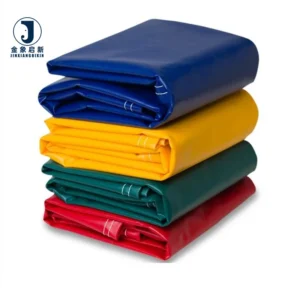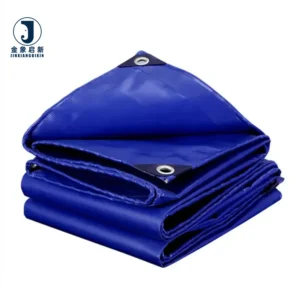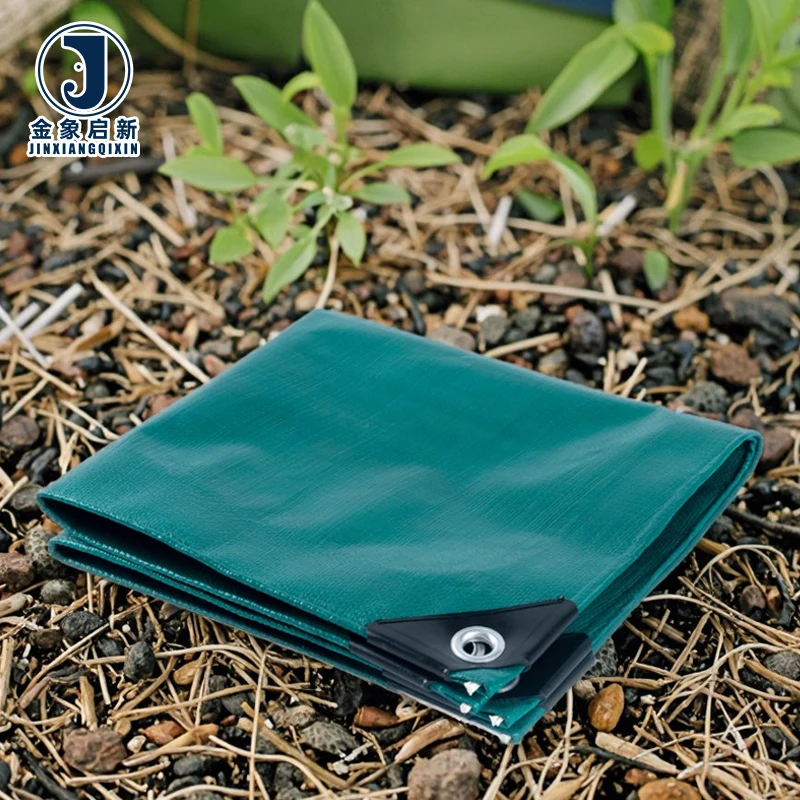
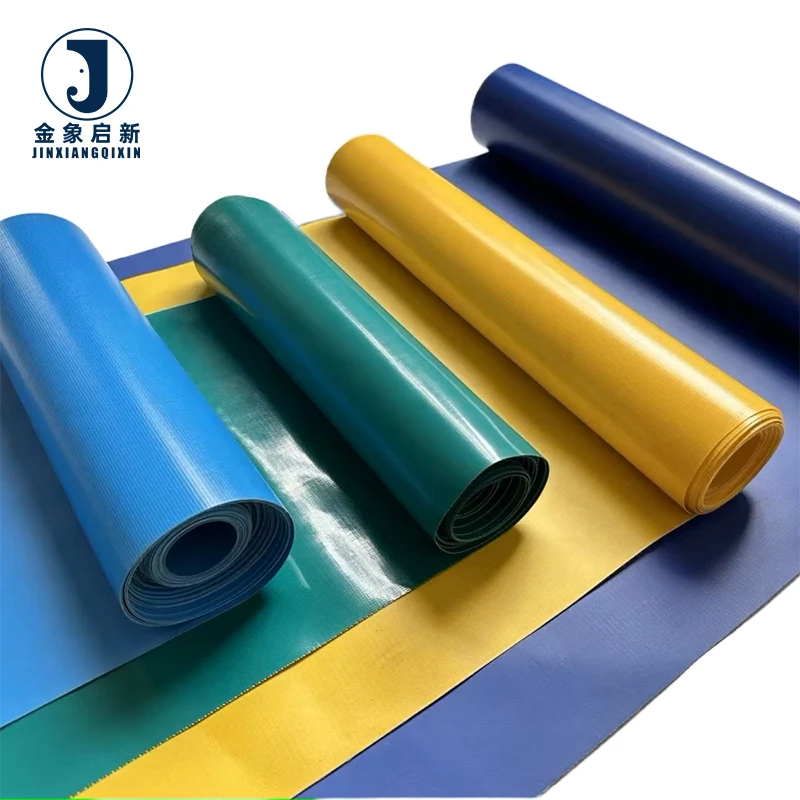
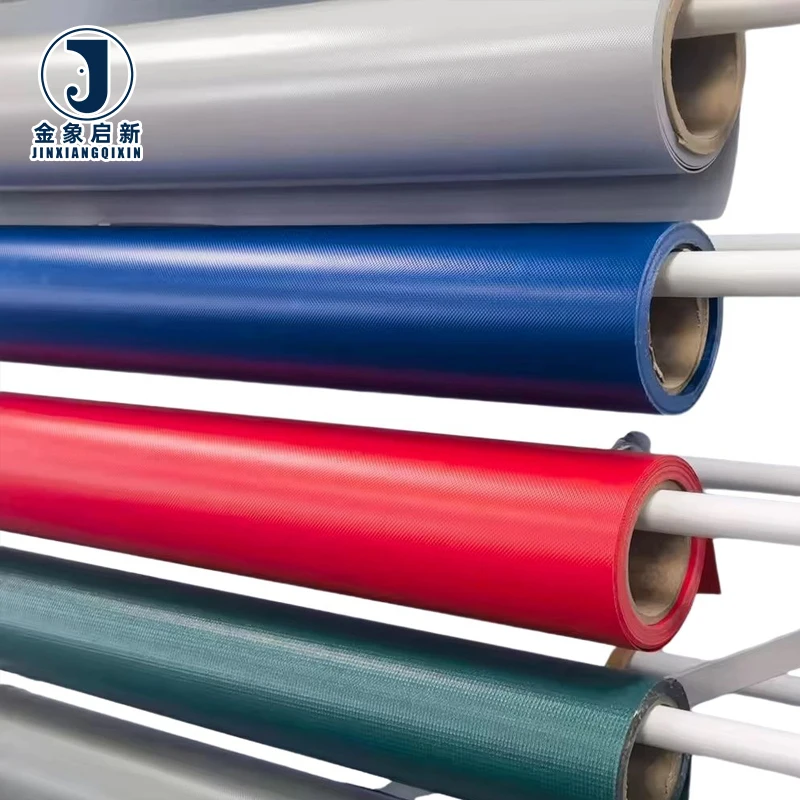
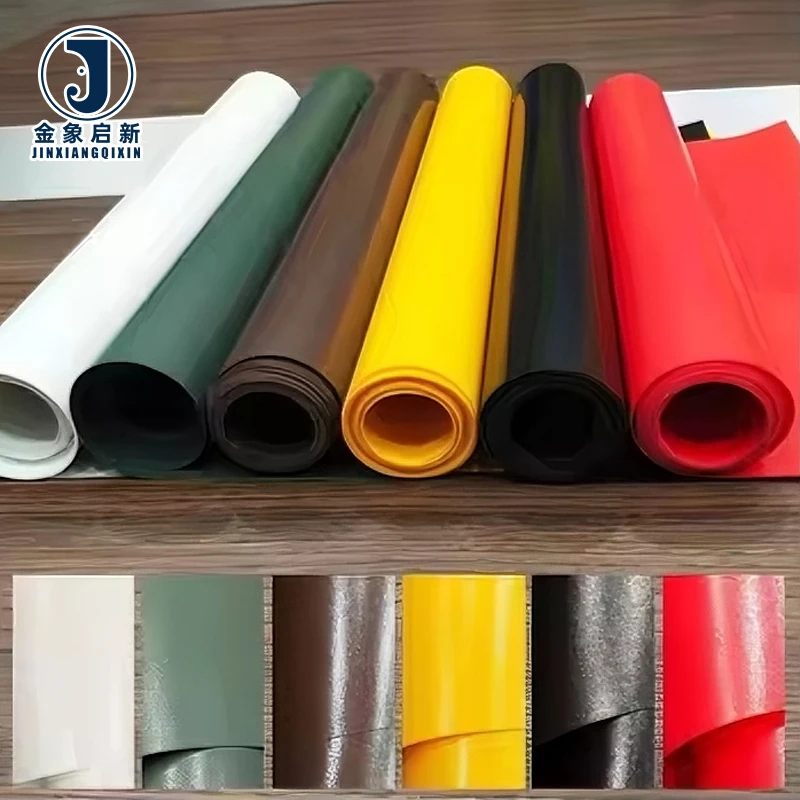
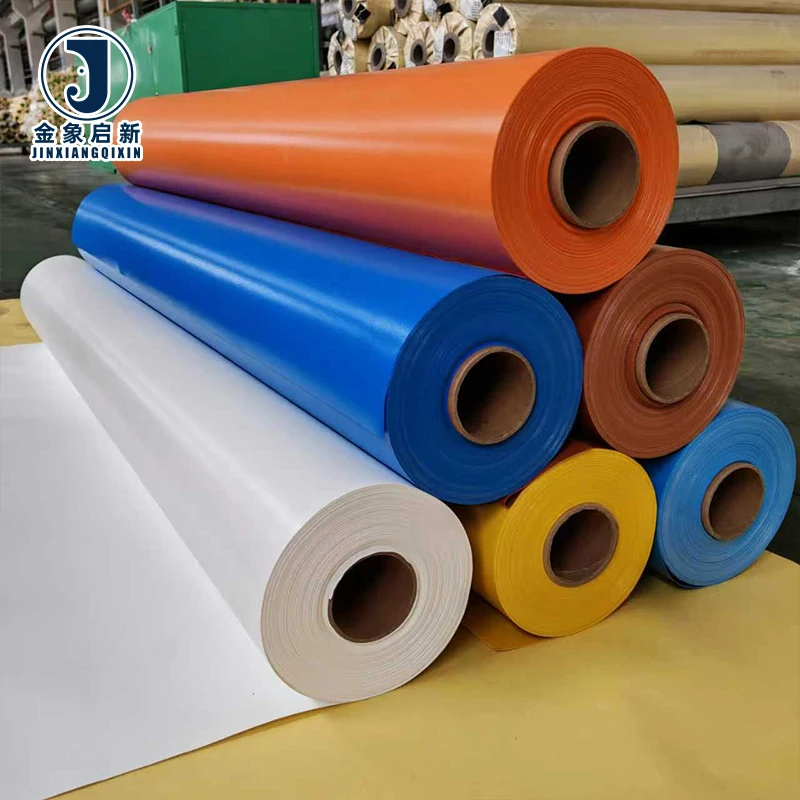
PVC Knife-Coated Fabric, 350gsm–750gsm, 0.32mm–0.65mm — hot-melt coated on high-strength polyester mesh for reliable adhesion and weld-seam integrity.
- Available in roll stock or custom-cut sizes with anti-UV, flame retardant, and anti-static surface treatments
- Colour-matched batch production ensures consistency across multiple rolls on the same project
Backed by 100% pre-shipment inspection and a 10-person R&D team supporting full custom sizing and sample development within days.
Description
Complete GSM Range — from 350gsm light-duty covers to 750gsm heavy enclosures, every roll is weighed and cross-checked against the quoted specification before dispatch, eliminating the weight discrepancy buyers commonly face on arrival.
Technical Specifications
| Parameter | Value |
|---|---|
| Product Type | PVC Knife-Coated Fabric |
| Material | PVC + High-strength polyester mesh fabric |
| Coating Technology | Laminated technology & Hot-melt coating technology |
| Weight (GSM) | 350gsm / 420gsm / 500gsm / 550gsm / 600gsm / 750gsm |
| Total Thickness | 0.32mm / 0.35mm / 0.4mm / 0.45mm / 0.5mm / 0.65mm |
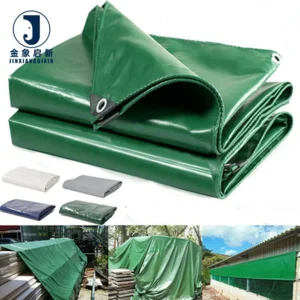
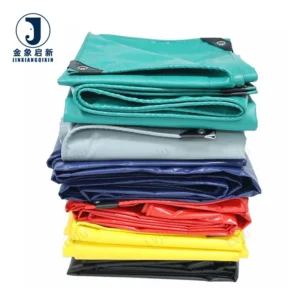
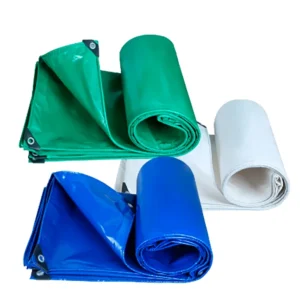
| Color Options | Blue, Red, Yellow, Light Blue, Grey (Customizable) |
| Roll Width | 2m / 2.1m |
| Roll Length | 75m (for 2m width) / 50m (for 2.1m width) |
| Finish Product Size | Custom sizes or sold by inventory |
| Key Features | Waterproof, sunproof, cold crack resistance, anti-mildew, outstanding tearing strength for welding, good color fastness |
| Flame Retardant | Available as special treatment (grade not stated in source — confirm the grade required for your market) |
| Anti-Static | Available as special treatment (surface resistance or standard not stated in source — confirm specification required) |
| Anti-Cold | Available as special treatment |
| Standards | ISO, CE |
Application Suitability
| Application | Exposure & Requirement |
|---|---|
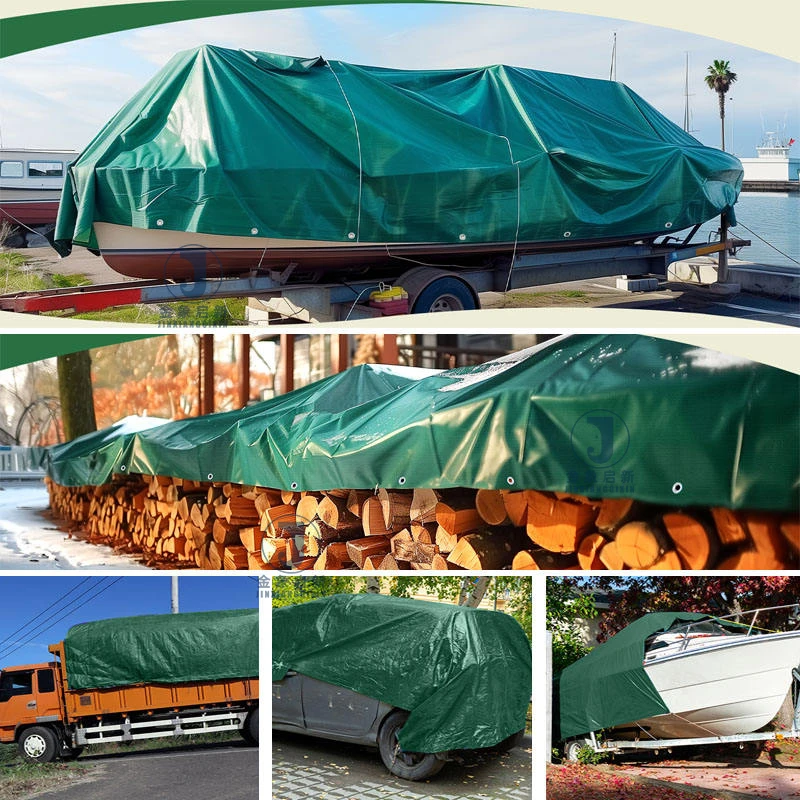
| Construction covers | Outdoor weathering, wind loading, puncture from debris, repeated folding and deployment |
| Truck awnings | Continuous UV exposure, road vibration, flexing at mounting points, water ingress prevention |
| Tent covers | Tension stress at pole and ridge points, rainfall, temperature cycling, guest-facing appearance |
| Scaffolding enclosure | Wind shear on large panels, attachment point stress, long-term UV exposure across multi-month projects |
| Equipment covers | Abrasion from contact surfaces, moisture entrapment, chemical splash in plant environments |
| Agricultural covers | Soil contact moisture, ammonia exposure in livestock settings, seasonal deployment and storage |
| Marine & offshore maintenance | Salt spray, high wind, deck abrasion, rapid temperature shifts |
| Pond & fish tank liners | Permanent water immersion, hydrostatic pressure, algae and microbial growth resistance |
| Cargo ship covers | Saltwater exposure, heavy weather, deck cargo abrasion, long transit duration |
| Plant & refinery maintenance | Chemical splash, elevated temperatures, flame-retardant compliance requirements on site |
Why the Stated GSM Often Fails at the Weld Line
Every PVC coated tarpaulin manufacturer quotes a weight, but the number alone does not predict how the fabric behaves once it leaves the roll. A heavier GSM with poor base fabric density tears at the weld before the coating itself fails. Sourcing teams routinely receive rolls that measure lighter than the agreed specification, or where the coating weight is inflated while the polyester mesh underneath is undersized. The result shows up months later when a truck side curtain splits at a flex point or a construction enclosure tears during a storm, and the failure traces back to a base fabric that never matched the quotation. [NEED_CITE: ISO 1421 tensile and tear test methods for coated fabrics]
Coating Adhesion and Weld Integrity
The laminated and hot-melt coating technology used across this PVC knife-coated fabric range bonds the PVC layer to the high-strength polyester mesh at the molecular level, which directly determines how well the material holds together at heat-welded seams. When adhesion is weak, the coating delaminates from the base fabric under flexing loads — a failure mode that appears first at welded joints on truck curtains and tent ridge lines. Hot-melt coating produces a stronger bond than simple lamination, which matters for applications where the fabric cycles through tension and release daily.
Batch Colour Consistency Across Multi-Roll Orders
Colour variation between rolls is one of the most visible quality failures once the fabric is installed side by side on a construction hoarding or a fleet of trailers. This PVC coated tarpaulin range is produced with controlled pigment dosing and coating temperature to maintain colour uniformity within a single production run. When an order spans multiple rolls — particularly in custom colours — the production batch is kept continuous so that panels cut from different rolls match once they are deployed on site. Pre-shipment inspection records document colour checks across the full order quantity. [NEED_CITE: colour fastness testing standards for coated textiles]
Reading the Specification Sheet Beyond the GSM Number
The weight in GSM tells you how much material is present per square metre, but it does not tell you how that weight is distributed between the PVC coating and the polyester base fabric. A 550gsm fabric with a dense base mesh and a thinner coating will outperform a 550gsm fabric that achieves its weight through heavy coating over a sparse mesh, because tensile and tear strength come primarily from the yarn count and weave density. The thickness values in this range — from 0.32mm at 350gsm to 0.65mm at 750gsm — reflect the combined build of both layers. Coating technology matters equally: hot-melt coating forces PVC into the mesh interstices for better mechanical locking, while laminated technology applies the coating as a surface layer, which affects peel strength and the behaviour of the fabric during high-frequency welding. Understanding these relationships lets buyers specify on performance rather than weight alone.
What Happens When the Specification Does Not Match the Application
Selecting a lighter GSM than the application demands leads to early failure at stress concentration points — grommet holes, welded corners, and tie-down edges — where the load per unit of fabric is highest. Conversely, specifying a heavier grade than necessary adds cost and weight without improving service life, and can create handling difficulties during installation on scaffolding or tent frames. Flame-retardant treatments specified without confirming the grade against local fire codes result in failed site inspections and rejected deliveries. Colour inconsistency across rolls forces contractors to reorder matching panels, delaying project handover. Each of these scenarios traces back to a specification conversation that stopped at GSM and did not address the full material profile. [NEED_CITE: common failure modes in coated fabric applications]
Sourcing from a Manufacturer That Controls the Full Process
Nearly three decades of coated fabric production provides the process depth to hold GSM tolerance, coating weight, and colour within specification across large orders. Three full production lines and 36 sets of professional equipment support bulk capacity so that lead times remain predictable even during peak demand periods. A 10-person R&D team develops samples for custom colour, width, and treatment combinations within days, allowing buyers to validate material before committing to full production volumes. Dedicated QA/QC inspection at every production stage — from base fabric incoming check through coating, winding, and final cutting — catches deviations before they reach the shipping floor. The 100% pre-shipment inspection protocol means every roll is weighed and visually checked against the order specification, with records provided to the buyer.
Documentation & Verification
- Material specification sheet stating GSM, base fabric type, coating method, and colour reference for each roll
- Test reports for UV and flame-retardant grades supplied where applicable to the ordered treatment
- Pre-shipment inspection record confirming weight verification per roll against the quoted GSM
- ISO and CE certificates included with each shipment for customs and compliance submission
- Certificate of origin and full customs documentation prepared for international dispatch
- Roll packing list detailing roll count, dimensions, and net weight per container load
Fabrication, Handling & Storage
- Heat-weld parameters should be adjusted per GSM grade — 750gsm requires higher temperature and dwell time than 350gsm for full seam penetration
- Store rolls upright on pallets to prevent flat-spot deformation on the 2m and 2.1m widths, which causes creasing that affects coating integrity
- Cold crack resistance treatment should be specified for rolls destined for low-temperature transport or winter installation
- Use PVC-compatible cleaners only; solvent-based products can degrade the hot-melt coating bond on the polyester mesh surface
- Plan cutting layouts around the 75m or 50m roll lengths to minimize off-cuts and welded joints in large-format covers
- Anti-mildew treatment is recommended for rolls stored in humid environments or destined for agricultural and aquaculture applications
Before You Request a Quote
To match the correct GSM grade and treatment package to your requirement, provide the end-use application and the environmental exposure conditions the fabric will face — including UV duration, temperature range, and any chemical contact. Specify whether you need roll stock at standard widths or custom-cut finished panels, along with any flame-retardant or anti-static grade required by your local regulations or site safety standards. Colour references, pattern printing requirements, and estimated annual volume help determine production scheduling and batch continuity.
Frequently Asked Questions
Q: How is the GSM verified before my order ships?
A: Every roll is individually weighed during the 100% pre-shipment inspection, and the measured weight is recorded against the quoted GSM on the inspection document provided with your shipment. If any roll falls outside the agreed tolerance, it is held back from dispatch. This verification is performed at the factory before packing, not at the port.
Q: Can you supply test certificates for flame retardant and anti-static treatments?
A: Flame retardant and anti-static are available as special treatments on this PVC coated tarpaulin range. The specific grade and test standard depend on your market requirement — provide the standard your project or local authority requires, and the corresponding test report will be supplied with the order documentation.
Q: How do you control colour consistency across multiple rolls in one order?
A: Production for multi-roll orders is scheduled as a continuous batch run to minimize pigment variation. Colour checks are performed during coating and again at pre-shipment inspection. The inspection record documents colour assessment across the full quantity so you can verify consistency before the rolls leave the factory.
Q: What custom widths, lengths, and finished sizes are available?
A: Standard roll widths are 2m and 2.1m with lengths of 75m and 50m respectively. Custom widths, lengths, and finished cut sizes are available based on your project requirement. Provide your dimensions and quantity so the R&D team can confirm feasibility, minimum order, and sample development turnaround.
Q: How are samples developed for custom requirements?
A: The R&D team produces samples for custom colour, treatment, and sizing combinations. Turnaround depends on the complexity of the specification — standard colour and GSM samples are developed quickly, while custom treatments or printed patterns may require additional time. Approve the sample before full production begins.
Related products
-
PVC Knife-Coated Tarpaulin Fabric for Membrane Structures – Custom Made
Read more -
500 GSM PVC Knife-Coated Fabric for Tent Truck – Custom Made
Read more -
JX Customizable Waterproof Anti-UV Knife Tarpaulin Tents Canopies Awnings PVC Coated Plain Style Wrinkle Resistant Solid
¥2.49 Add to cart -
Awning Canvas Heavy Duty Waterproof Lona PVC Coated Membrane Structures Fabric Tarpaulin Truck Cover Tarps Roll
¥1.48 Add to cart