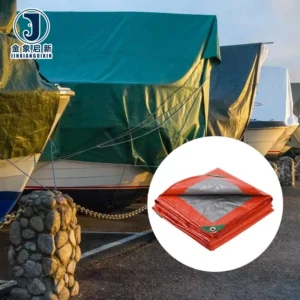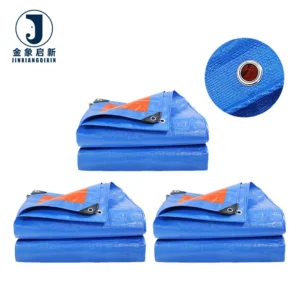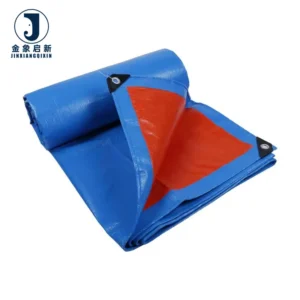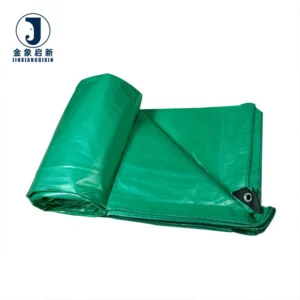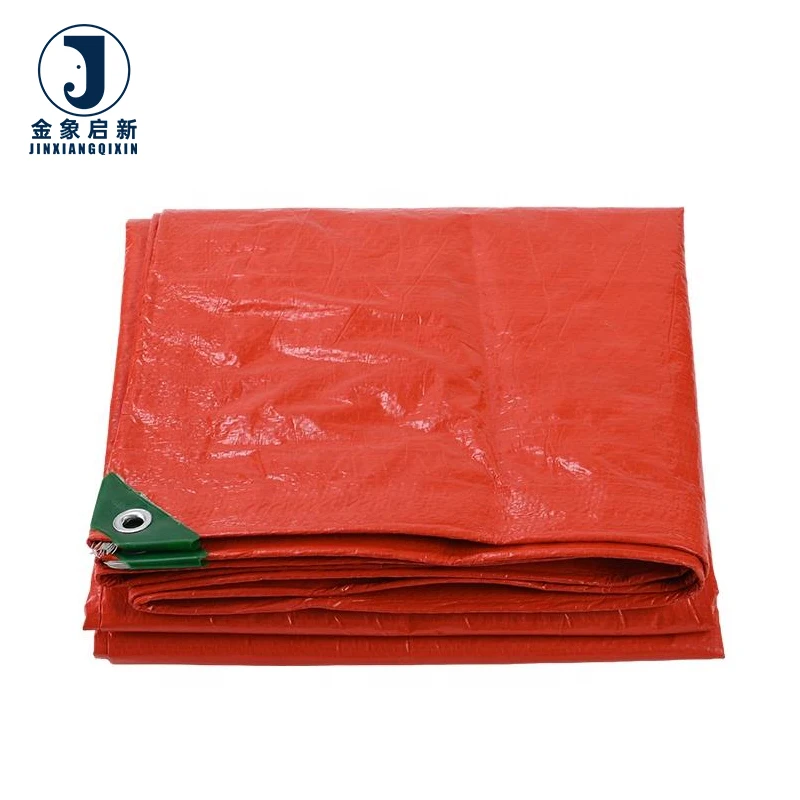
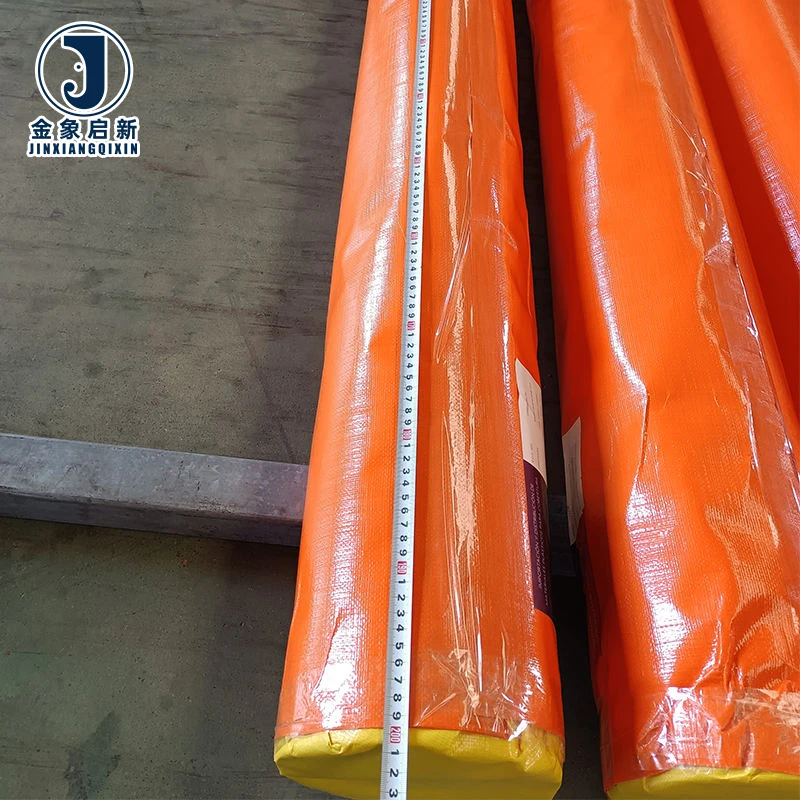
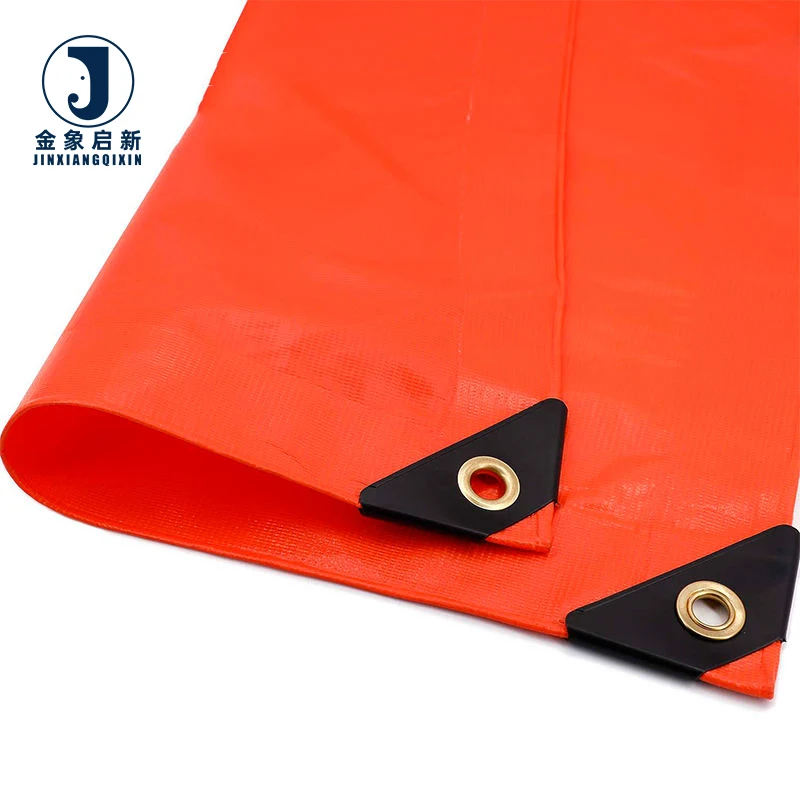
PE Tarpaulin for Truck & Trailer Cover — 40g–500g/m², double waterproof surfaces with reinforced corners and UV anti-aging treatment.
Covers a moving load across highway and site conditions, where eyelet spacing and hem reinforcement matter more at flex points than raw weight alone. Custom cut to exact trailer dimensions eliminates flapping excess and gap exposure at speed.
- Weight from 40g/m² to 500g/m² for lightweight through heavy-duty grades
- Custom sizing, colour and pattern printing per order
- ISO and CE certified with 100% pre-shipment inspection
Description
Coated Fabric Process Control — Every PE tarpaulin roll is inspected for weight, mesh count, and coating consistency before dispatch, backed by a dedicated QA/QC team covering all three production lines.
Technical Specifications
| Parameter | Value |
|---|---|
| Product Type | PE Tarpaulin |
| Material | Polyethylene (PE) |
| Weight Range | 80-110 g/m² (lightweight) / 120-150 g/m² (medium) / 160-240 g/m² (heavy-duty) |
| Thickness | 0.18-0.22 mm (lightweight) / 0.22-0.28 mm (medium) / 0.30-0.35 mm (heavy-duty) |
| Mesh Count | 8×8 (lightweight) / 10×10 (medium) / 12×12 (heavy-duty) |
| Tensile Strength | Warp 300-500 N/5cm, Weft 250-450 N/5cm (lightweight); Warp 500-800 N/5cm, Weft 400-700 N/5cm (medium); Warp 900-1200 N/5cm, Weft 700-1000 N/5cm (heavy-duty) |
| UV Treatment | Available (test basis not stated in source) |
| Waterproof Construction | Double waterproof surfaces |
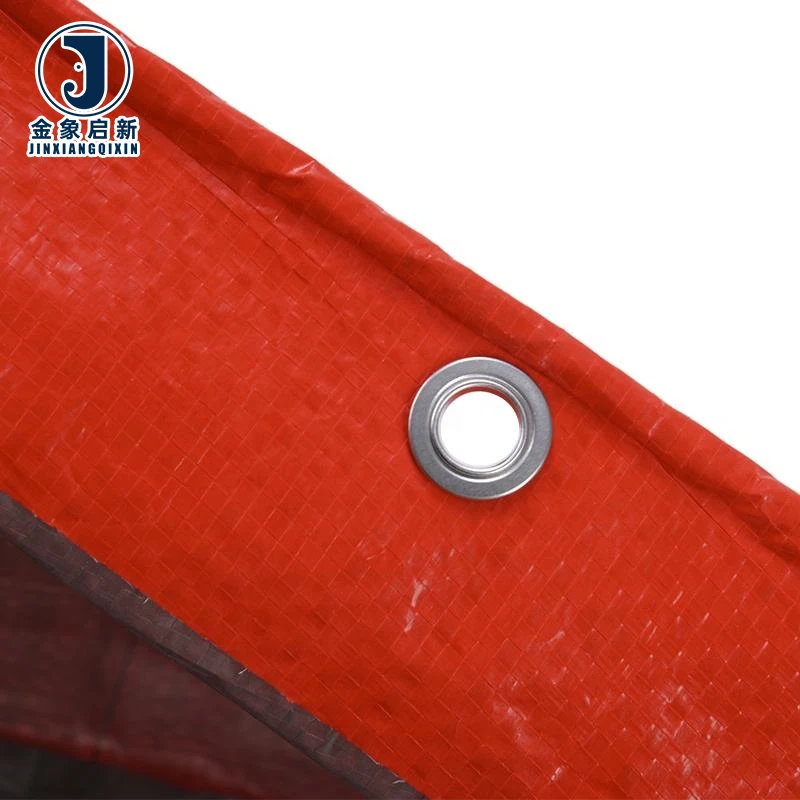
| Corner Reinforcement | Reinforced corners |
| Eyelet Spacing | 39.4 inches center to center |
| Color | Custom color options |
| Size | Custom cut to order |
| Certifications | ISO 14001, ISO 45001, CE |
Application Suitability
| Application | Exposure & Requirement |
|---|---|
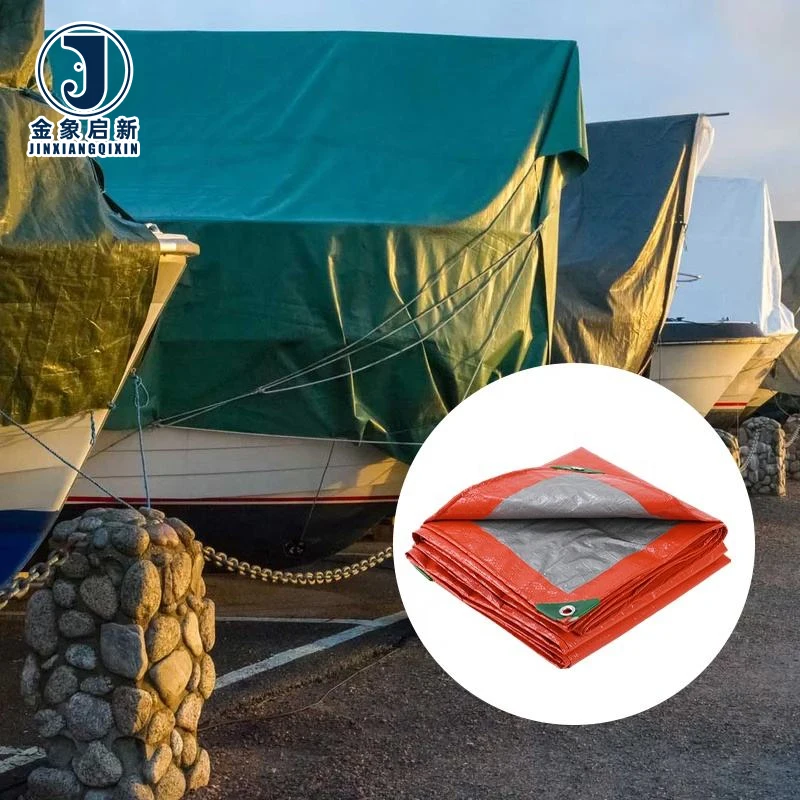
| Truck and trailer load covering | Highway-speed wind loading, constant UV exposure, abrasion at tie-down points, rain and road spray |
| Warehouse and construction site equipment cover | Long-term outdoor storage, dust and moisture ingress, mechanical handling wear |
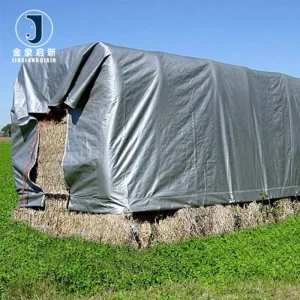
| Agricultural stock and crop protection | Seasonal sun exposure, rainfall, wind uplift, repeated deployment and folding |
Why a Quoted GSM Does Not Guarantee What Arrives on Your Dock
Weight verification against the agreed specification happens at the roll level before any shipment leaves the facility.
Buyers regularly face the situation where a quotation states a certain GSM, but the delivered rolls measure lighter when sampled on arrival. This gap between stated weight and actual material directly affects tensile performance and service life under load. A PE tarpaulin that arrives 10–15% below its quoted weight will not hold the same breaking strength the buyer designed around. [NEED_CITE: standard test methods for mass per unit area of coated fabrics per ISO 3801]
Selecting the Correct Grade by Application Intensity
The three weight tiers — 80-110 g/m², 120-150 g/m², and 160-240 g/m² — each correspond to different mesh densities and tensile ratings. Lightweight grades suit short-term agricultural covers or indoor warehouse use where wind loading is minimal. Medium grades handle regular outdoor equipment protection with moderate handling cycles.
Heavy-duty grades are intended for transport applications where the cover faces sustained tension from tie-downs, vibration at highway speed, and direct abrasion against load edges. A PE Tarpaulin manufacturer that grades by application rather than a single weight claim allows buyers to match cost to actual duty cycle.
Mesh Count and Its Relationship to Load-Bearing Behaviour
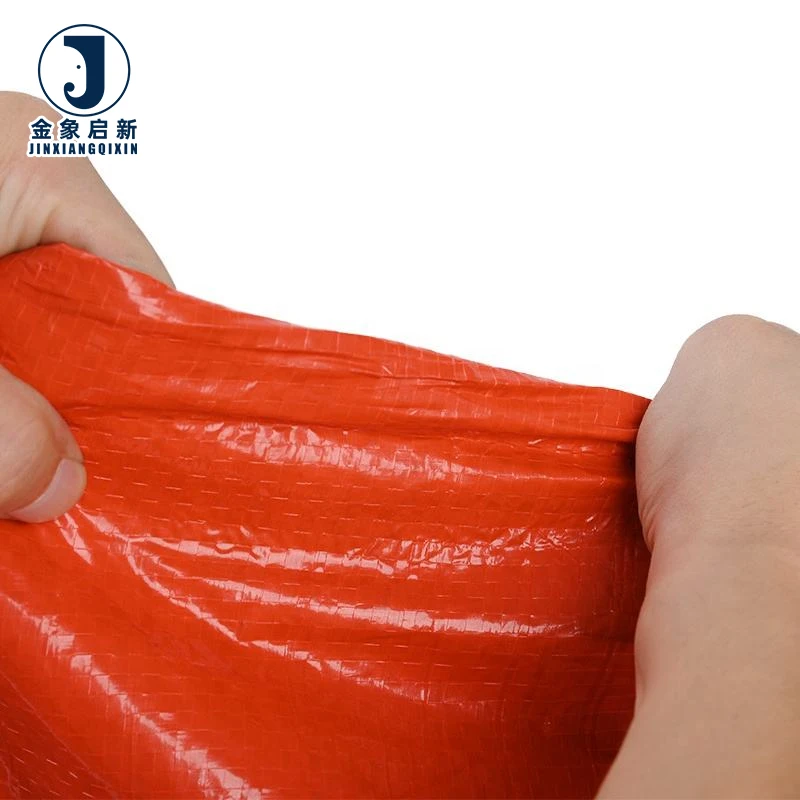
Mesh count determines how the woven HDPE base fabric distributes force across its surface. An 8×8 weave in lightweight grades provides adequate coverage for static covers, while a 12×12 weave in heavy-duty grades creates a denser grid that resists tear propagation when the material flexes under a secured load.
The correlation between mesh count and weight grade means that a buyer selecting 160-240 g/m² also receives the corresponding 12×12 base fabric — not a lighter weave with heavier coating added to reach the target weight. This balance between base fabric density and coating mass is what determines how the custom PE tarpaulin behaves at stress concentrations around eyelets and corners. [NEED_CITE: relationship between weave density and tear propagation in woven polyethylene fabrics]
How Base Fabric, Coating, and Treatment Interact
The woven HDPE tape yarn provides the structural skeleton — its denier and weave count set the baseline tensile and tear values. The PE coating on both surfaces seals the weave, provides waterproofing, and adds mass that contributes to the overall GSM reading. The lamination process bonds coating to base fabric; adhesion quality determines whether the layers separate under flex fatigue or remain intact through repeated deployment.
UV treatment, when specified, is incorporated into the coating layer to slow polymer degradation from sustained sun exposure. The effectiveness of this treatment depends on the additive package and its concentration — buyers should confirm the test basis and expected exposure duration for their market. Reinforced corners concentrate extra material at the highest-stress points where tie-down hardware meets the fabric, preventing early tear initiation at these locations.
The Hidden Cost of Specifying the Wrong Grade
Choosing a lightweight grade for a transport application leads to early failure at eyelet rows and along hem lines, where the repeated stress from tie-down straps exceeds the material’s tear resistance. Conversely, specifying heavy-duty material for a short-term agricultural cover adds unnecessary cost and handling weight without extending useful service life in that context.
Colour inconsistency between rolls in the same order becomes visible once installed side by side on adjacent trailers or structures, requiring rework and delaying project handover. Welded seams that fail before the fabric body indicate a mismatch between the heat-sealing parameters and the actual coating thickness — a problem that surfaces only after the cover is under load in the field. [NEED_CITE: common failure modes in polyethylene tarpaulin field applications]
Why Buyers Source This Range Here
Nearly 30 years of focused coated fabric production provides process depth that shows up in consistent coating weight control across the PE tarpaulin range, roll after roll.
Three full production lines with 36 sets of professional equipment support the bulk capacity needed for container-load orders while maintaining on-time delivery schedules.
A 10-person R&D team handles custom sizing against specific trailer models, colour matching, and sample development within days rather than weeks.
Dedicated QA/QC at every production stage, with 100% inspection before shipment, catches GSM deviations and coating defects before they reach the buyer.
Full documentation accompanies every dispatch — from material specification sheets to pre-shipment inspection records — so buyers have the paper trail their procurement teams require.
Documentation & Verification
- Material specification sheet stating exact GSM, mesh count, and coating weight for each roll in the order
- Pre-shipment inspection record confirming 100% QA check completed before dispatch
- UV treatment test report provided when UV protection is specified on the purchase order
- Roll packing list with individual roll weights and dimensions for customs and receiving verification
- ISO 14001, ISO 45001, and CE certificates included in the shipping documentation package
- Certificate of origin and customs support documents for cross-border logistics clearance
Fabrication, Handling & Storage
- Heat-seal temperature and dwell time should match the selected GSM tier — lighter grades require lower settings to avoid burn-through
- Reinforced corners must align with tie-down hardware placement to prevent stress concentration on unreinforced areas
- Rolls should be stored upright on pallets to avoid permanent creasing in the PE coating layer
- Custom-cut sheets should be folded along reinforced hem lines to protect eyelet rows during transit and storage
- Cleaning with mild detergent and soft brush preserves the double waterproof surface without damaging the coating finish
What to Include in Your Inquiry
Provide the specific truck or trailer model dimensions, the expected exposure conditions including typical wind loads and duration of outdoor service, and whether UV treatment is required for your market. Include target annual volume and whether you need finished cut-to-size covers with eyelets and hem reinforcement, or roll stock for your own fabrication. Colour references in Pantone or RAL, along with any printing or branding requirements, help the PE Tarpaulin manufacturer prepare an accurate sample and quotation.
Frequently Asked Questions
Q: How is the GSM of each PE tarpaulin roll verified before shipment?
A: Every roll undergoes weight sampling against the agreed specification during pre-shipment inspection. The inspection record documents the actual measured GSM alongside the quoted value, and this report ships with the order. If any roll falls outside the tolerance for its grade, it is held before dispatch.
Q: How do I choose the correct weight tier and mesh count for my application?
A: Match the grade to the intensity of use — lightweight 80-110 g/m² with 8×8 mesh for short-term agricultural covers, medium 120-150 g/m² with 10×10 for warehouse equipment protection, and heavy-duty 160-240 g/m² with 12×12 for truck and trailer load securing under highway conditions.
Q: What UV treatment options are available, and what test basis supports the claim?
A: UV treatment is available as an additive in the PE coating layer for extended outdoor exposure. The specific test basis and expected service duration should be confirmed per order, and a test report is provided when UV treatment is specified on the purchase order.
Q: Can the cover be cut to fit a specific trailer model rather than generic dimensions?
A: Yes. Custom sizing is produced against the exact dimensions of the specified truck or trailer model, including allowances for tie-down hardware and load profile. This prevents the gaps or excess material that generic cut sizes create at highway speed.
Q: What eyelet spacing and reinforcement options are available for transport covers?
A: Standard eyelet spacing is 39.4 inches center to center, with reinforced corners at high-stress points. Spacing and reinforcement configuration can be adjusted based on the tie-down pattern required by the specific trailer and load securing system.
Related products
-
Wholesale Organic Breathable PVC Waterproof Oilcloth Blackout Fabric Sun Protection Tarpaulin Outdoor Awning Industrial Tent
¥0.89 Select options This product has multiple variants. The options may be chosen on the product page -
Tarpaulin Manufacture Scaffolding Heavy Duty Camping Waterproof Cover Sheet Coated Plastic Roll Pe Tarp
¥1.80 Select options This product has multiple variants. The options may be chosen on the product page -
Baisite Coated Organic Blackout Waterproof PE Tarpaulin Roll 4mx50m Customized 4mx6m Outdoor Tent Awning Truck Cover
¥0.77 Select options This product has multiple variants. The options may be chosen on the product page -
Hot Selling Heavy Duty PVC Coated Tarpaulin Covers Waterproof Plastic for Truck Tent Outdoor
¥3.10 Select options This product has multiple variants. The options may be chosen on the product page