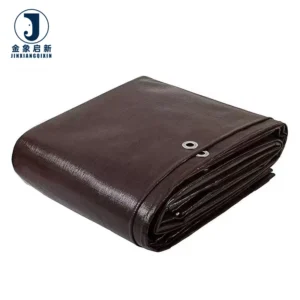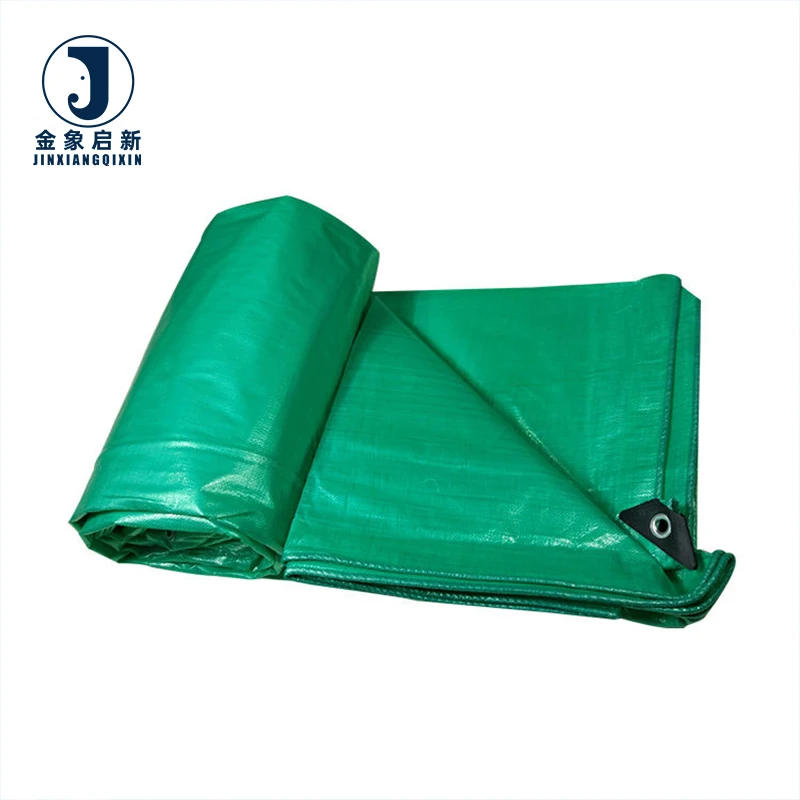
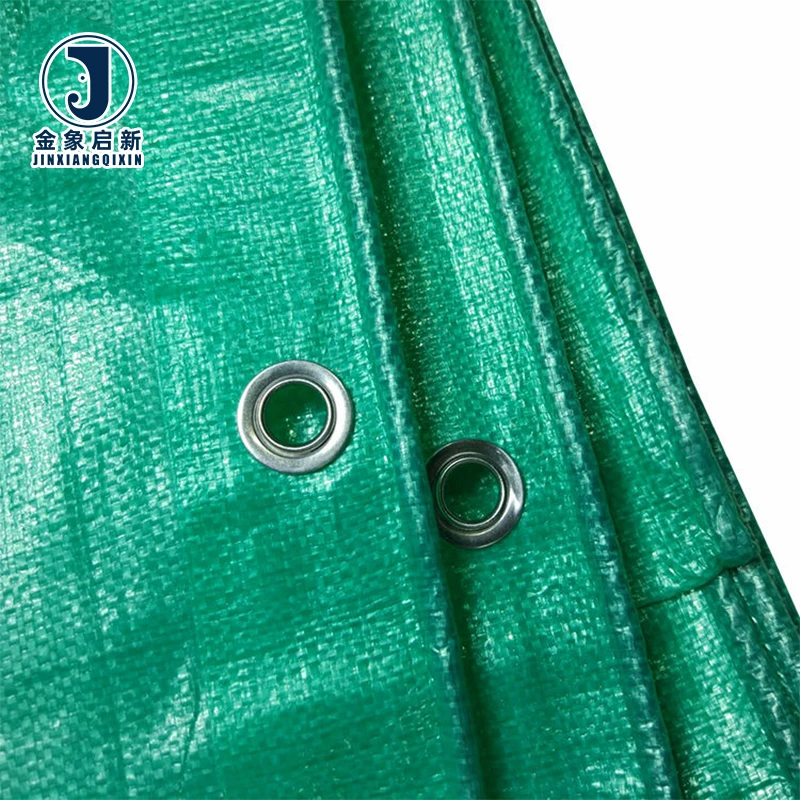
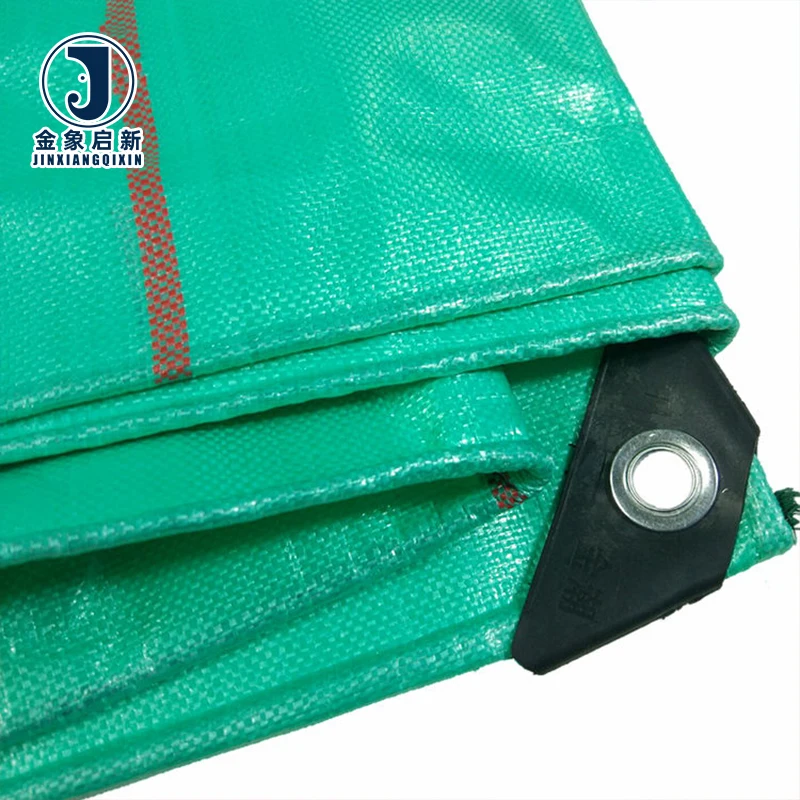
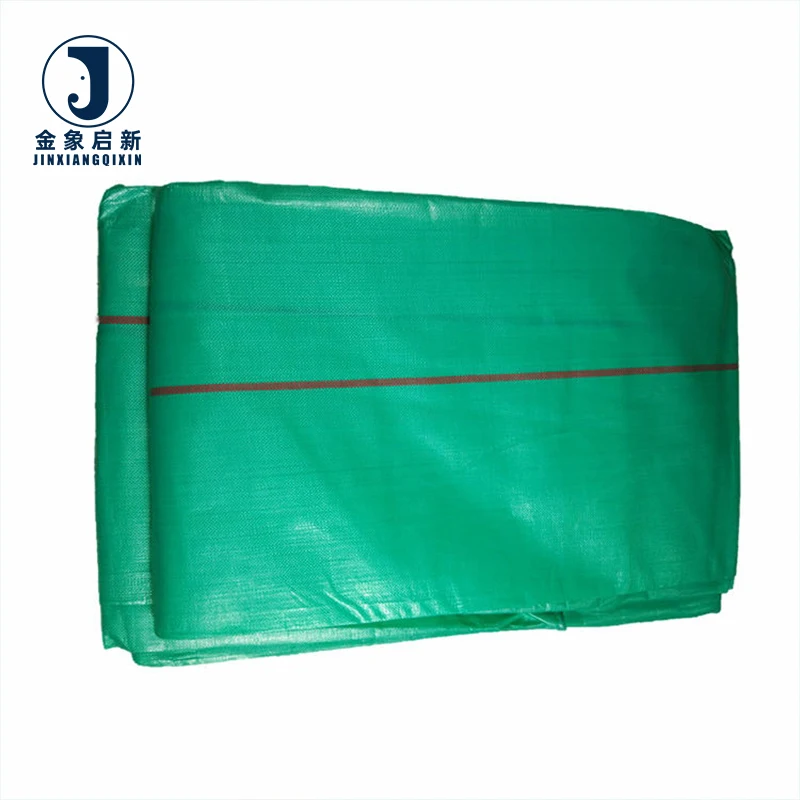
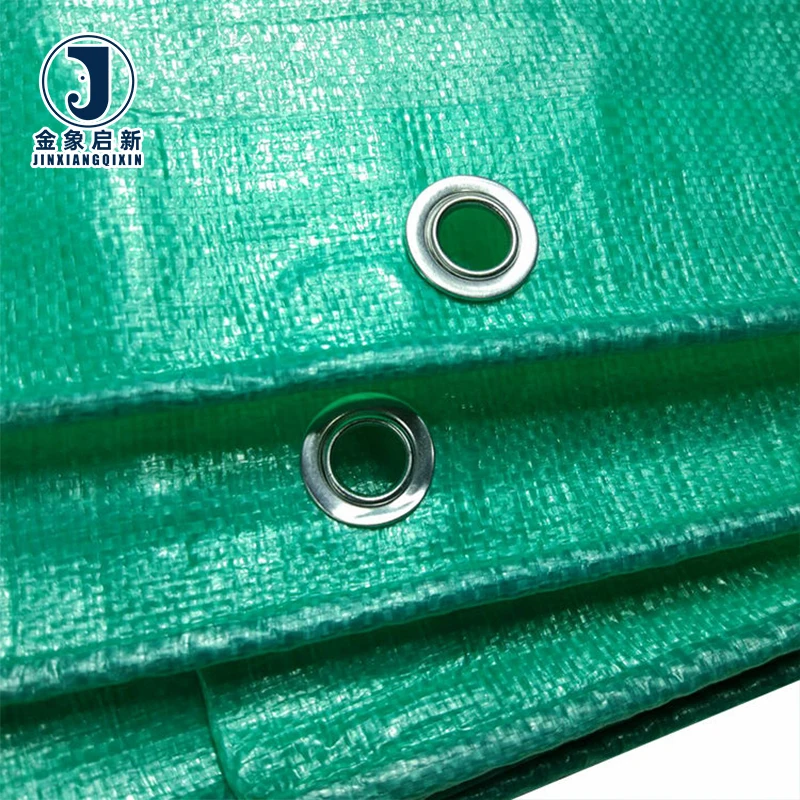
PE Tarpaulin for Trucks, Buildings & Agriculture, 50–300gsm, HDPE Woven with LDPE Lamination — available in rolls and finished cut sizes with PP rope hem and galvanized eyelets every 3ft.
- Density weaves from 6×6 to 14×16 matched to GSM for correct tear and tensile performance, not over-specified weight
- Edge reinforcement and eyelet spacing designed to resist tear propagation at high-stress tie-down points
- Roll widths up to 6m with batch-consistent colour across multiple rolls
Supported by dedicated QA at every production stage with 100% pre-shipment inspection and sample approval before bulk runs.
Description
Complete Custom PE Tarpaulin from Design to Delivery — choose weave density, GSM, colour and finished size with full pattern printing and branding, backed by nearly 30 years of coated fabric expertise and dedicated QA at every production stage.
Technical Specifications
| Parameter | Value |
|---|---|
| Product Type | PE Tarpaulin |
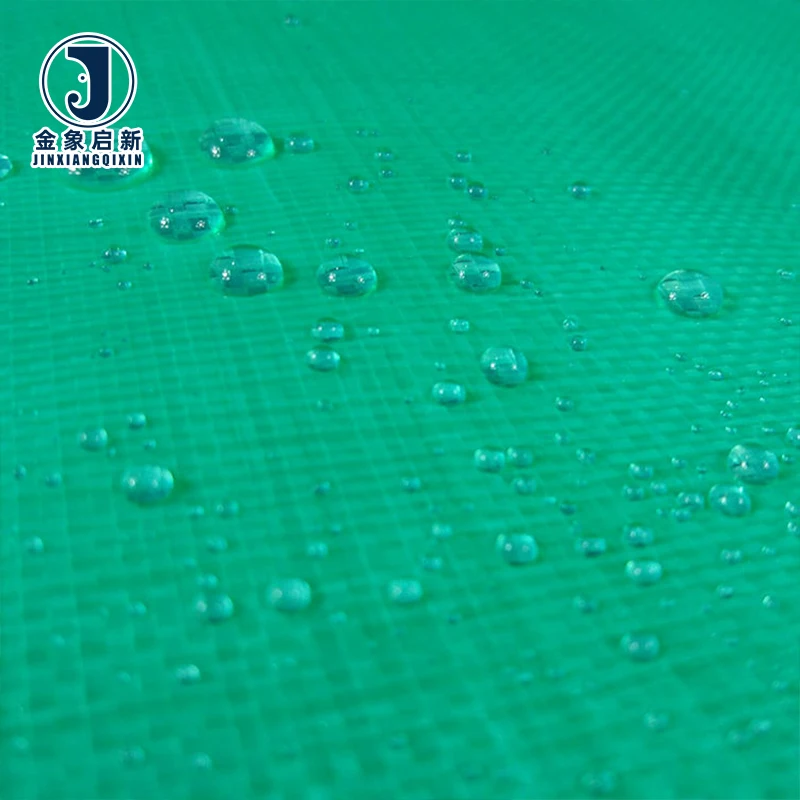
| Material Construction | HDPE weaving with LDPE lamination on both sides |
| Weight Range | 50gr/m² ~ 300gr/m² (confirm required GSM) |
| Total Thickness | 0.2mm – 0.4mm (8 mil – 16 mil) |
| Mesh Count Options | 6×6, 6×7, 7×7, 7×8, 8×8, 9×9, 8×10, 10×10, 12×12, 14×14, 14×16 |
| Roll Widths Available | 6ft, 8ft, 10ft, 12ft, 2m, 4m, 6m |
| Roll Lengths Available | 100 yards, 100 meters, or custom |
| Standard Finished Sizes | 2x2m up to 8x10m and imperial equivalents |
| Colour Options | Blue, Blue/Orange, Green, Grey, Black, Clear, Grey/Green, Orange, or custom |
| Hem Reinforcement | PP rope sewn into all four edges |
| Eyelets | Galvanized, spaced every 3ft or 1 meter |
| Corner Treatment | Reinforced plastic corners |
| Key Features | Waterproof, Tear Resistant, Mildew Proof, Anti-aging, UV Treatment Available (test basis not stated) |
| Printing | Custom branding available |
| Standards | ISO, CE |
Application Suitability
| Application | Exposure & Requirement |
|---|---|
| Truck and trailer load covers | Wind drag, road debris impact, constant UV exposure, tie-down tension at eyelets |
| Boat and container covers | Saltwater spray, prolonged sunlight, repeated installation and removal abrasion |
| Construction scaffolding wraps | Wind load, scaffolding tube friction, rain exposure, site debris contact |
| Agricultural crop and timber covers | Rain pooling, UV degradation, mildew in humid storage, wind uplift |
| Hay and cotton stack covers | Moisture ingress prevention, UV exposure over growing seasons, puncture from bale edges |
| Roof and road repair covers | Standing water, foot traffic, temperature cycling, chemical exposure from repair materials |
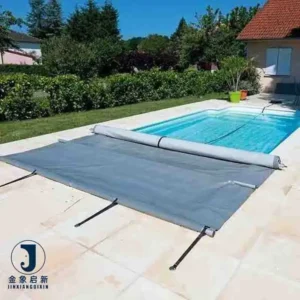
| Garden furniture and pool covers | Seasonal UV exposure, water load, leaf debris and mildew accumulation |
Why the PE Tarpaulin You Ordered Feels Lighter Than the Spec You Approved
GSM on the quotation must match the weight on the scale when the roll arrives.
Sourcing PE tarpaulin for transport or agricultural use often comes with a frustrating pattern: the specification sheet states one weight, but the fabric delivered feels noticeably thinner. This is not a perception problem. When HDPE weave density or LDPE coating thickness is reduced during production, the tarpaulin loses tear resistance and puncture protection at exactly the points where load flexing or wind uplift concentrates stress. [NEED_CITE: tensile and tear test methods for coated fabrics per ISO 1421] The result is a cover that fails early at eyelet points or along hem seams, often within the first season of use.
Weave Density Determines Where the Fabric Can Be Used
Choosing the right PE tarpaulin starts with matching the mesh count to the mechanical demand of the application. A 6×6 weave at the lighter end of the GSM range provides adequate waterproofing for short-term stockpile covers or temporary site protection. Moving to a 10×10 or 14×16 weave introduces substantially more yarn intersection points per square inch, which distributes point loads across a wider fabric area. This is critical for truck covers subjected to tie-down strap tension or hay covers that must resist puncture from bale corners. The HDPE woven base provides the structural skeleton, while the LDPE lamination on both sides seals the weave against water penetration.
Finished Size Accuracy and Reinforcement Details
A generic cut size rarely fits a specific vehicle, stockpile, or structure correctly. Oversized tarps flap in wind and abrade against the load, while undersized covers leave edges exposed to rain ingress. Our custom PE tarpaulin is produced in standard metric and imperial dimensions from 2x2m up to 8x10m, or cut to your project-specific measurements. Every finished edge is reinforced with PP rope sewn into the hem, preventing the tear propagation that starts at an unreinforced cut edge. Galvanized eyelets placed at 3ft or 1-meter intervals distribute tie-down tension, and reinforced plastic corners protect the highest-stress points where grommets meet hem intersections. [NEED_CITE: DIN 4102 fire classification for building materials]
How GSM and Weave Density Work Together
Reading GSM alone tells you how much material is present per square metre, but it does not reveal how that weight is distributed between the base fabric and the coating. A higher GSM achieved entirely through thicker LDPE lamination adds waterproofing but does little for tear strength. Conversely, a dense 14×14 or 14×16 HDPE weave carries most of its weight in the yarn structure, delivering tear resistance and dimensional stability even before coating is considered. For truck covers exposed to constant flexing, the weave density matters more than a marginally heavier coating. For pond or reservoir applications where puncture from substrate contact is the primary risk, a heavier overall GSM with thicker lamination provides the margin needed. The thickness range of 0.2mm to 0.4mm reflects this balance — selecting within this range depends on whether the application demands flex fatigue resistance or puncture protection.
The Cost of Specifying by Colour Alone
Buyers who select PE tarpaulin based on colour availability without verifying the underlying weave and coating specification often discover performance gaps after installation. A blue tarp from two different production batches can look identical when unrolled but behave very differently under load. If one batch used a 7×7 weave and another a 10×10, the tear strength difference is significant even at the same GSM. Colour consistency across multiple rolls in a single order is equally important — visible shade variation between adjacent panels on a scaffolding wrap or truck curtain signals inconsistent coating thickness, which often correlates with uneven UV treatment distribution. [NEED_CITE: UV degradation testing standards for polyethylene laminated fabrics]
What Happens When the Wrong Grade Meets the Application
Using a light-duty 6×6 mesh tarpaulin to cover a flatbed load travelling at highway speed invites edge tearing at eyelet points within the first few trips, as wind flutter concentrates cyclic stress on a fabric skeleton with too few yarn intersections to distribute the load. At the opposite end, specifying a heavy 14×16 grade for a short-term garden furniture cover means paying for structural strength that the application never demands. Mismatches also occur when UV treatment is assumed but not confirmed — a tarp stored outdoors through a full summer without adequate UV stabilization will become brittle and crack at fold lines, regardless of its initial tear strength.
What You Get When You Source This PE Tarpaulin Here
Our 10-person R&D team develops samples within days for custom GSM, colour, and print confirmation, so you approve the exact specification before bulk production runs. Three full production lines and 36 sets of equipment provide the capacity to handle bulk roll orders while maintaining weave consistency across every roll in your shipment. Dedicated QA inspection at every production stage catches coating thickness deviation and mesh count drift before they reach the packing line. Pre-shipment inspection with roll-by-roll weight verification means the GSM stated on your specification sheet is the GSM you receive. Custom widths up to 6m and lengths to 100 meters or beyond are produced without the extended delays typical of non-standard orders. [NEED_CITE: ISO quality management requirements for coated fabric production]
Documentation & Verification
- Material specification sheet stating confirmed GSM, base fabric weave count, and LDPE coating material per order
- Pre-shipment weight verification record with roll-by-roll GSM check against stated specification
- UV treatment test documentation available upon request for grades requiring outdoor longevity confirmation
- Colour reference standard documented per order to ensure batch-to-batch consistency across repeat purchases
- ISO and CE certificates included with dispatch documentation for customs and compliance purposes
Fabrication, Handling & Storage
- Heat-seal LDPE laminated edges using compatible temperature settings to avoid delamination from the HDPE base
- Position galvanized eyelets within PP rope reinforced hems to distribute tie-down load and prevent tear propagation
- Store rolls horizontally on flat racking to prevent permanent crease marks in the LDPE lamination surface
- Allow cold-weather stored tarpaulins to reach ambient temperature before unfolding to avoid cracking at fold lines
- Clean with mild detergent and soft brush; avoid solvents that degrade the LDPE coating bond
- Cut and layout patterns to align weave direction with primary stress paths for maximum tear resistance in finished covers
What to Include in Your PE Tarpaulin Inquiry
To provide an accurate specification and sample, we need to know the application and the mechanical or environmental exposure the fabric will face — truck side curtain, agricultural stockpile cover, or construction scaffolding wrap each require different weave densities and GSM grades. Confirm whether you need rolls for your own fabrication facility or finished tarpaulins cut to specific dimensions with eyelets and hem reinforcement already installed. If your market requires UV treatment documentation or specific colour matching across multiple roll orders, include that requirement so the sample stage covers it before production begins.
Frequently Asked Questions
Q: How is GSM verified before shipment and how should I recheck on arrival?
A: Every roll is weighed during pre-shipment inspection and documented against the stated GSM on your specification sheet. On arrival, cut a measured sample from the roll, weigh it, and calculate grams per square metre to confirm it matches the dispatch record. Any discrepancy should be reported with photos and sample weight for immediate resolution.
Q: Which weave density and GSM grade suits my truck cover versus agricultural cover application?
A: Truck and trailer covers benefit from higher weave densities such as 10×10 or 14×14, which distribute tie-down and flex stress across more yarn intersections. Agricultural covers for hay or timber can perform well at 8×8 or 10×10 with adequate GSM for puncture resistance. Specify the exact load type and exposure for a grade recommendation.
Q: What is the basis for UV treatment claims and how does it relate to outdoor service life?
A: UV treatment is available as an additive option during the LDPE lamination process. Test documentation confirming treatment level is available on request. The appropriate treatment grade depends on your regional UV index and expected continuous outdoor exposure duration — share your location and use case for a specific recommendation.
Q: How do you control colour consistency across multiple rolls or finished tarps in the same order?
A: Colour reference is documented at the sample approval stage and matched across the full production batch. Pre-shipment inspection includes visual comparison between rolls before packing. For large multi-roll orders, panels from different rolls are checked side by side to confirm no visible shade variation before dispatch.
Q: What are the options for eyelet spacing, hem reinforcement and custom branding print?
A: Standard galvanized eyelets are spaced every 3ft or 1 meter along PP rope reinforced hems on all four edges, with reinforced plastic corners. Custom eyelet intervals and corner patching are available. Branding print is developed at the sample stage for colour and position approval before bulk production runs.
Related products
-
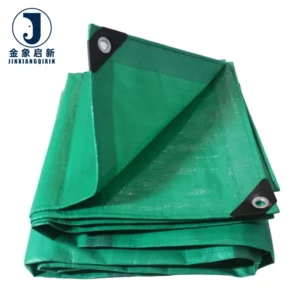
Waterproof Organic Blackout PE Coated Medium Duty All-Purpose Truck Tarpaulin for Outdoor Use Boys
¥6.81 Select options This product has multiple variants. The options may be chosen on the product page -
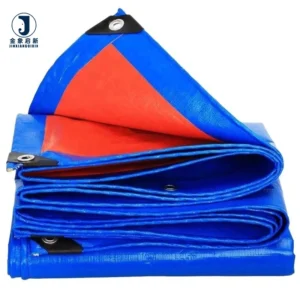
Tarpaulin Manufacture Scaffolding Heavy Duty Camping Waterproof Cover Sheet Coated Plastic Roll Pe Tarp
¥1.80 Select options This product has multiple variants. The options may be chosen on the product page -
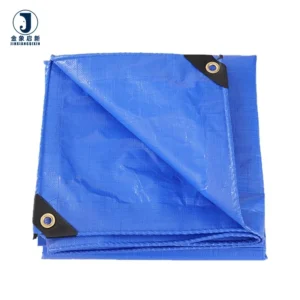
Hot Selling Organic Coated Blackout Waterproof Canvas PE Tarpaulin Tarp for Boys & Girls Construction Transportation Cover
¥1.68 Select options This product has multiple variants. The options may be chosen on the product page -
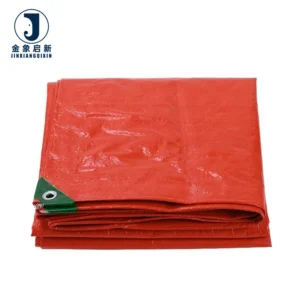
China JINGXIANG PE Coated Waterproof Blackout Truck & Trailer Cover Tarpaulin for Boys & Girls
¥0.35 Select options This product has multiple variants. The options may be chosen on the product page