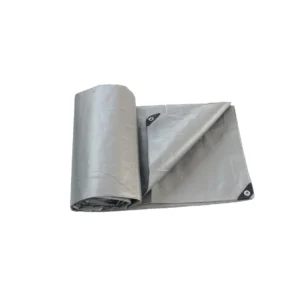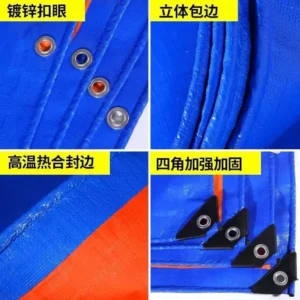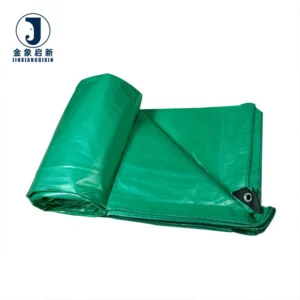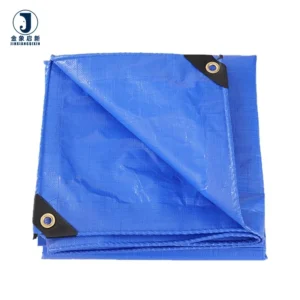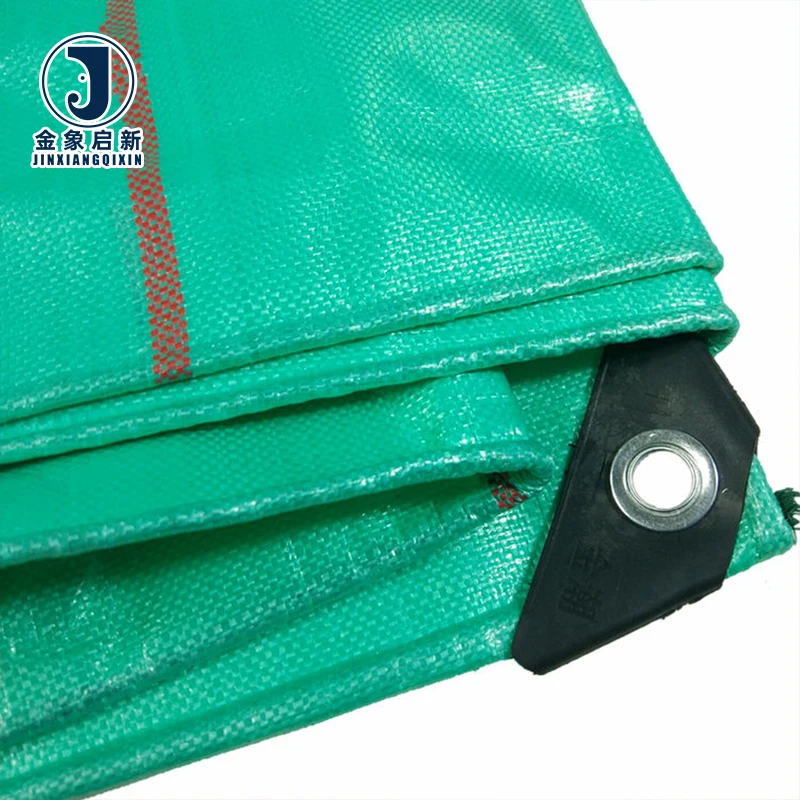
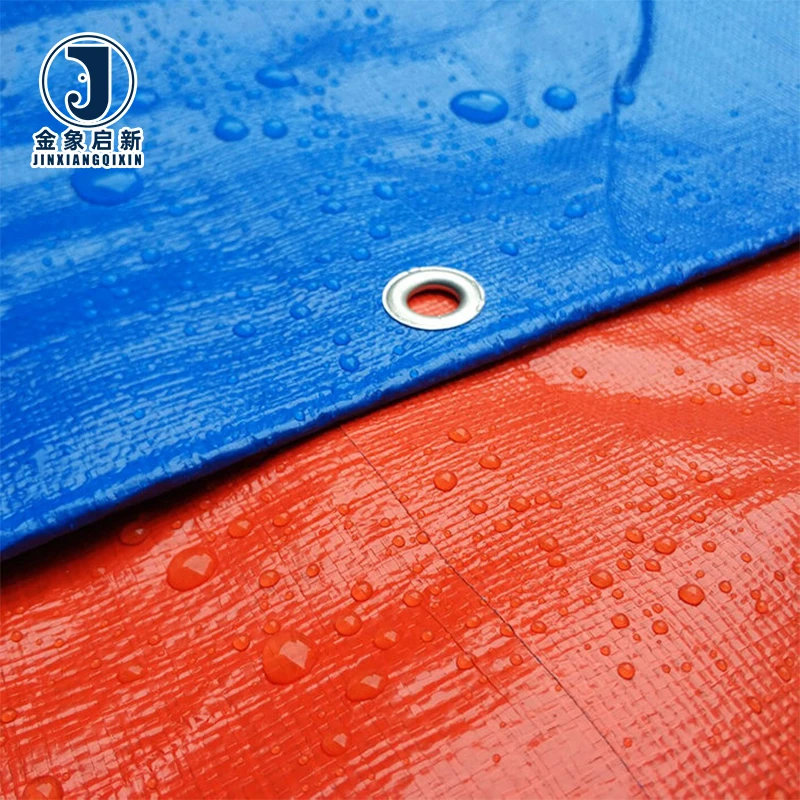
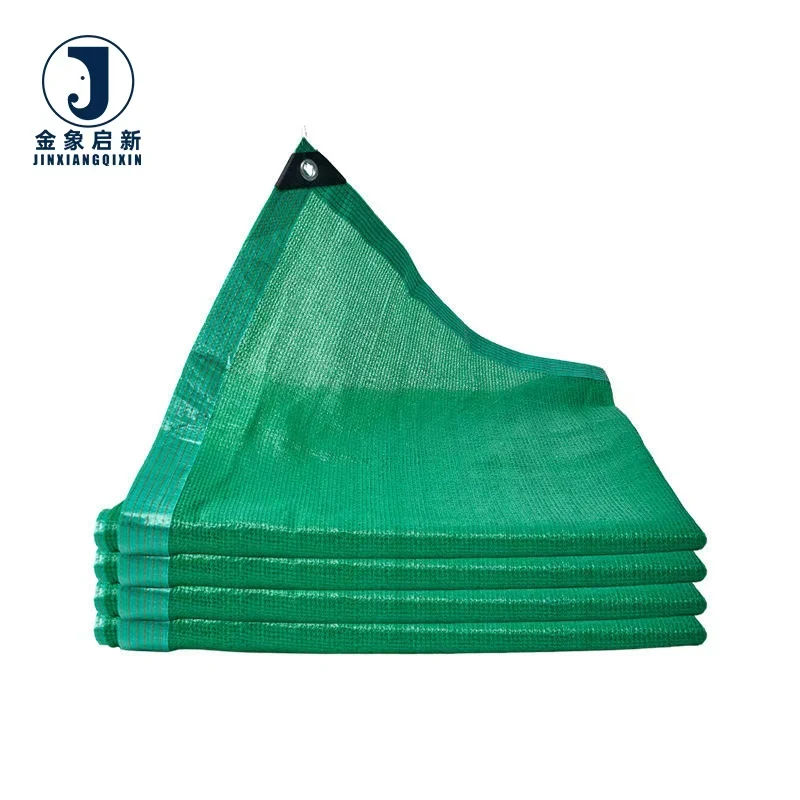
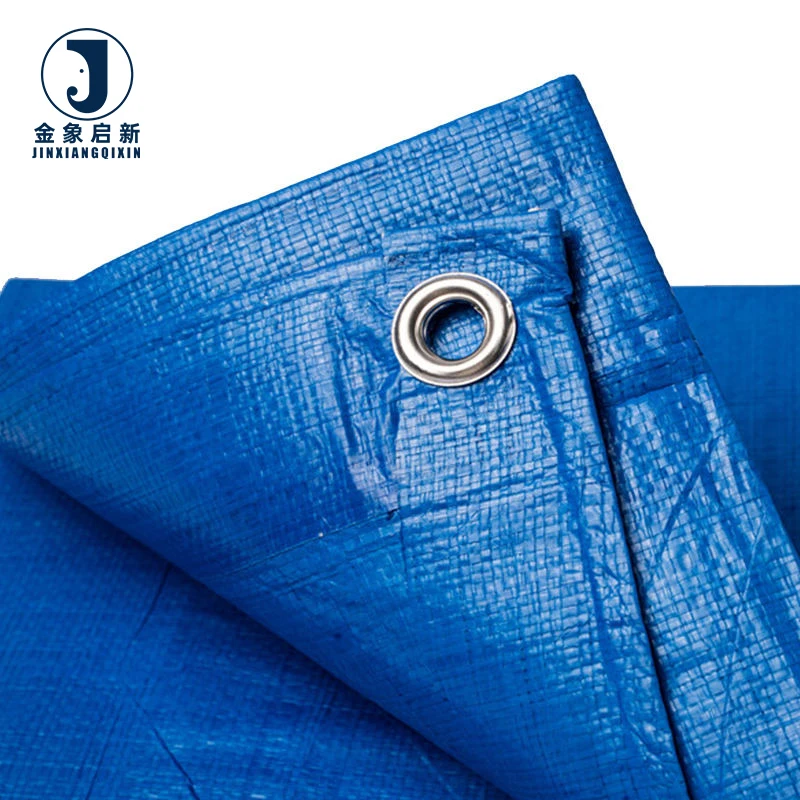
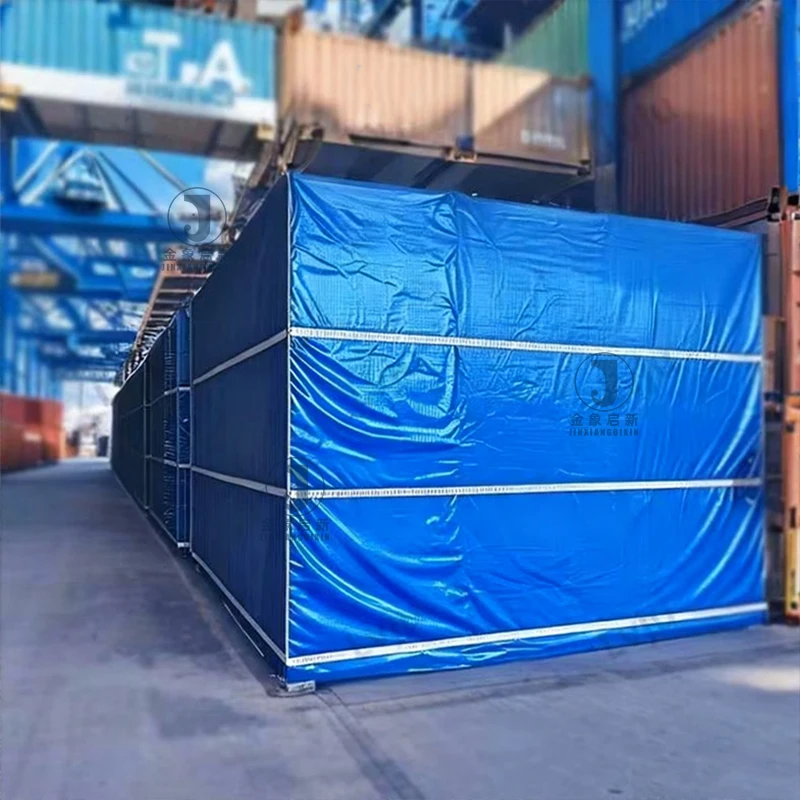
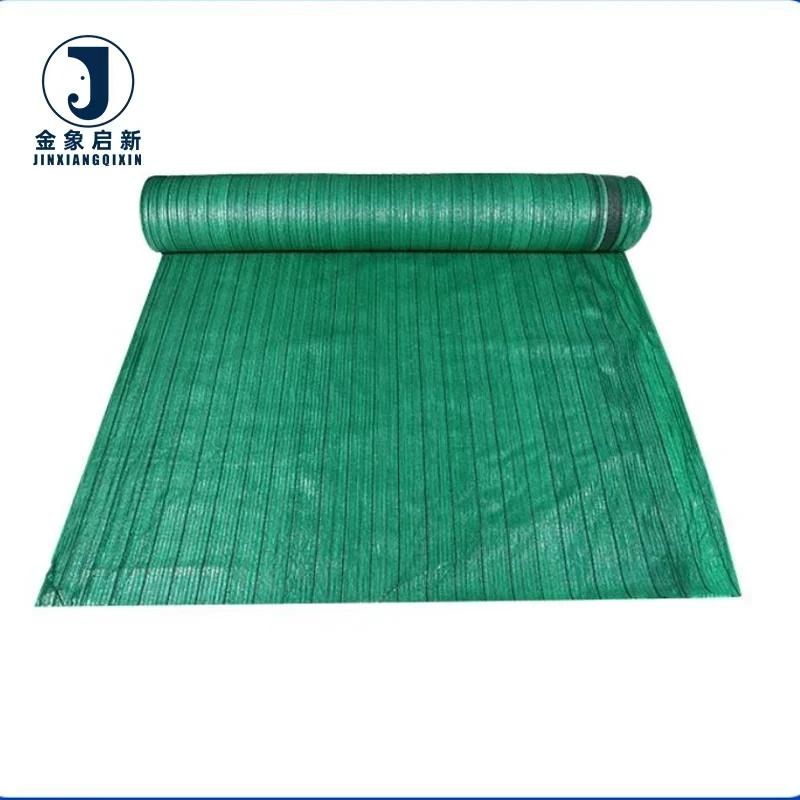
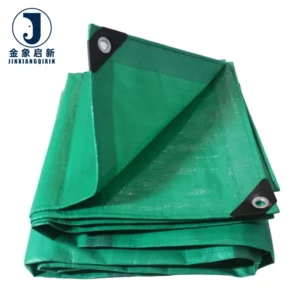
PE Tarpaulin for Sunshade Awning — HDPE woven base with LDPE lamination on both sides, 50gr/m² to 220gr/m² range, PP rope reinforced hems and galvanized eyelets every 3ft interval.
GSM and weave density together determine tear resistance and load-bearing capacity, not weight alone. Choosing the correct density grade from 6×6 through 14×16 weave ensures the tarpaulin matches your awning or cover application without over-specifying material cost.
Backed by dedicated QA/QC at every production stage with 100% inspection before shipment, so roll-to-roll colour and weight stay consistent across your order.
Description
Batch-Matched Roll Supply — Every roll of PE tarpaulin is inspected for GSM and color consistency before dispatch, ensuring distributors receive uniform stock across container loads.
Technical Specifications
| Parameter | Value |
|---|---|
| Product Type | PE Tarpaulin |
| Base Fabric | HDPE weaving |
| Coating / Lamination | LDPE lamination on both sides |
| Weight (GSM) | 50 g/m² to 220 g/m² (specific grade to be confirmed per order) |
| Weave Density Options | 6×6, 6×7, 7×7, 7×8, 8×8, 9×9, 8×10, 10×10, 12×12, 14×14, 14×16 |
| Thickness | 0.2–0.4 mm (8–16 mil) |
| Roll Width | 6 ft, 8 ft, 10 ft, 12 ft / 2 m, 4 m, 6 m |
| Roll Length | 100 yards, 100 meters, or custom |
| Color Options | Blue, Blue/Orange, Green, Grey, Black, Clear, Grey/Green, Orange, or custom |
| UV Treatment | Available (test basis not stated in source — confirm requirement) |
| Key Features | Waterproof, washable, tear resistant, weather proof, mildew proof, anti-aging |
| Finished Edge Detail | PP rope reinforced hem, galvanized eyelets at 3 ft / 1 m intervals, reinforced plastic corners |
| Certifications | ISO, CE |
Application Suitability
| Application | Exposure & Requirement |
|---|---|
| Truck and container covers | Road debris impact, constant UV exposure, flexing at tie-down points, need for reinforced hems |
| Agricultural crop and hay covers | Prolonged sun exposure, rain pooling, wind uplift, mildew risk from trapped moisture |
| Construction scaffolding wraps | Abrasion from steel tubes, wind load stress, dust containment, repeated repositioning |
| Lumber and building material wraps | Ground moisture, stacking pressure, forklift puncture risk, long outdoor staging |
| Garden and furniture covers | UV degradation, pooling water, mildew formation, frequent folding and storage |
Why Roll-to-Roll Colour Drift Destroys Wholesale Margins
Colour variance between rolls in the same PE Tarpaulin wholesale order forces distributors to sort, match and often discount mismatched stock.
When a distributor receives twenty rolls and three of them carry a noticeably different shade of blue or green, those rolls cannot be sold to the same end user for adjacent installations. The result is partial returns, split sales and margin erosion that never appears on a supplier invoice. [NEED_CITE: colour tolerance standards for woven laminated fabrics]
Batch consistency is not a cosmetic concern — it is the single factor that determines whether a container load of PE Tarpaulin roll stock can be distributed as one coherent inventory batch or must be broken down and sold at a discount.
Weave Density Selection for Inventory Planning
Stocking a PE Tarpaulin wholesale range means covering buyer demand from lightweight garden covers through to heavy-duty construction wraps. The weave density matrix — from 6×6 at 50 g/m² up to 14×16 at 250–300 g/m² — lets distributors build a tiered catalogue from a single supplier source. Each density grade serves a distinct buyer segment, so container loads can be mixed to fill regional demand without overcommitting to one weight class.
Colour and Width Logic for Regional Markets
Different regions prefer different colour conventions — blue and orange for construction visibility, green for agricultural blending, grey and black for general industrial use. Roll widths of 2 m, 4 m and 6 m correspond to standard truck bed, pallet and ground-sheet dimensions, reducing end-user waste. A consolidated PE Tarpaulin bulk order can carry multiple colours and widths in one 40’HQ, letting distributors serve varied channels from a single shipment. [NEED_CITE: standard tarpaulin width conventions for transport and construction sectors]
How GSM, Weave Count and Lamination Interact
The weight per square metre of PE Tarpaulin is determined by two factors working together: the HDPE yarn denier and mesh count of the base weave, and the thickness of LDPE lamination applied to both faces. A 10×10 weave laminated to 120 g/m² will outperform a 7×7 weave at the same GSM because the tighter base fabric distributes stress across more yarn intersections before the lamination carries any load. Thickness readings of 0.2–0.4 mm reflect the combined profile of weave plus lamination, and correlate directly with puncture resistance in applications where the material contacts sharp edges or rough ground.
The Cost of Ordering Blind on Weave Density
Distributors who specify only by colour and total GSM — without confirming the underlying weave density — sometimes receive rolls that pass a weight check but tear prematurely under real-world tension. A loosely woven 6×6 base with heavy lamination may register at 90 g/m² yet fail at the hem eyelet under wind load, because the lamination carries stress the base fabric cannot distribute. [NEED_CITE: relationship between weave density and tear propagation in laminated PE fabrics] This kind of failure surfaces weeks after sale, damaging the distributor’s reputation with contractors who expect a given weight class to perform predictably.
Why Distributors Consolidate Their PE Supply Here
Dedicated QA at every production stage catches GSM deviation and colour drift before rolls are packed, not after they arrive at the destination port.
Three full production lines with 36 sets of equipment mean container-quantity PE Tarpaulin bulk orders can be scheduled without queueing behind small custom runs that disrupt delivery dates.
The R&D team prepares sample rolls in custom colour and width within days, allowing distributors to approve stock before committing a full container load.
Pre-shipment inspection records verify GSM, colour reference and weave density roll by roll, giving distributors documentation they can share with their own buyers.
Roll packing on hard paper tubes and wrapping in matching tarpaulin sheet protects inner fabric from compression and moisture during ocean transit.
Documentation & Verification
- Material specification sheet confirming HDPE base weave density and LDPE coating weight per roll
- GSM verification record matching stated weight against actual measured value before dispatch
- Colour reference card confirming batch match across all rolls in the order
- Roll packing list detailing width, length, GSM and quantity per container position
- ISO and CE certificates covering production facility and material compliance
- UV treatment test documentation available upon request for applicable grades
Fabrication, Handling & Storage
- Heat-seal at moderate temperature; LDPE lamination on both sides bonds well but excessive heat distorts the HDPE weave structure.
- Galvanized eyelets at 3 ft or 1 m intervals distribute tie-down load across the PP rope reinforced hem.
- Store rolls upright on hard paper tubes to prevent flat-spot compression marks on the LDPE surface.
- Unfold finished tarpaulins in shade before deployment; dark-colour rolls absorb heat and may feel stiff if deployed directly from sun-heated storage.
- Clean with mild detergent and water; avoid solvent-based cleaners that degrade the LDPE lamination over repeated use.
- Repair minor punctures with PE-compatible adhesive patches applied to clean, dry lamination surface.
What to Include with Your Enquiry
To receive an accurate quotation for PE Tarpaulin roll stock, specify the target GSM or weave density, roll width and length, colour, and estimated annual volume. If your market requires UV-treated or flame-retardant grades, state the test standard your buyers expect so we can match documentation. Confirm whether you need rolls only, finished cut sizes, or a mixed container plan combining both formats.
Frequently Asked Questions
Q: How do you ensure GSM and colour consistency across multiple rolls in a bulk order?
A: Every roll is weighed and visually checked against the approved colour reference during production. Pre-shipment inspection records document actual GSM per roll and flag any deviation. This means the PE Tarpaulin wholesale order you receive matches the specification on your quotation, roll by roll.
Q: What are the standard roll widths and lengths available for immediate shipment?
A: Standard widths include 6 ft, 8 ft, 10 ft, 12 ft and 2 m, 4 m, 6 m. Roll lengths are typically 100 yards or 100 meters, with custom lengths available. Multiple widths and lengths can be combined in one container to suit your distribution plan.
Q: How is the tarpaulin packed to prevent damage during container transport?
A: Rolls are wound on hard paper tubes and wrapped in the same tarpaulin material to shield the LDPE lamination surface from abrasion and moisture. Finished pieces are folded into poly bags and baled. Packing is arranged to maximise container load within weight limits for each format.
Q: Can you provide mixed weave densities and colours in a single container?
A: Yes. A single 40’HQ can carry multiple weave densities from 6×6 to 14×16 and several colours together. This allows distributors to stock a full range from one shipment. Share your target mix and we will prepare a container loading plan with roll counts and weight.
Q: What documentation verifies the material specifications on arrival?
A: Each shipment includes a material specification sheet stating base fabric weave, LDPE lamination, GSM and colour reference, along with a roll packing list. ISO and CE certificates cover facility compliance. UV treatment test reports are provided for grades where applicable.
Related products
-
Tarpaulin Manufacture Scaffolding Heavy Duty Camping Waterproof Cover Sheet Coated Plastic Roll Pe Tarp
¥1.80 Select options This product has multiple variants. The options may be chosen on the product page -
China JINGXIANG PE Coated Waterproof Blackout Truck & Trailer Cover Tarpaulin for Boys & Girls
¥0.35 Select options This product has multiple variants. The options may be chosen on the product page -
Waterproof Organic Blackout PE Coated Medium Duty All-Purpose Truck Tarpaulin for Outdoor Use Boys
¥6.81 Select options This product has multiple variants. The options may be chosen on the product page -
PE Coated Blackout Tarpaulin Poly Tarp with UV Protection Standard Size Fabric Sheet for Agriculture & Industrial Use
¥0.35 Select options This product has multiple variants. The options may be chosen on the product page