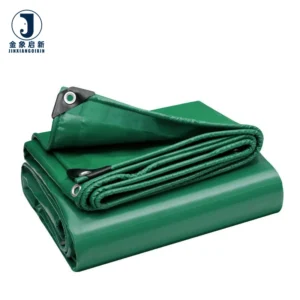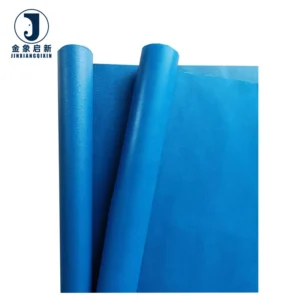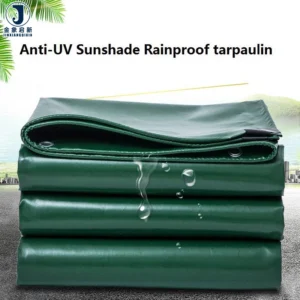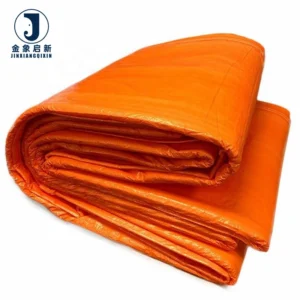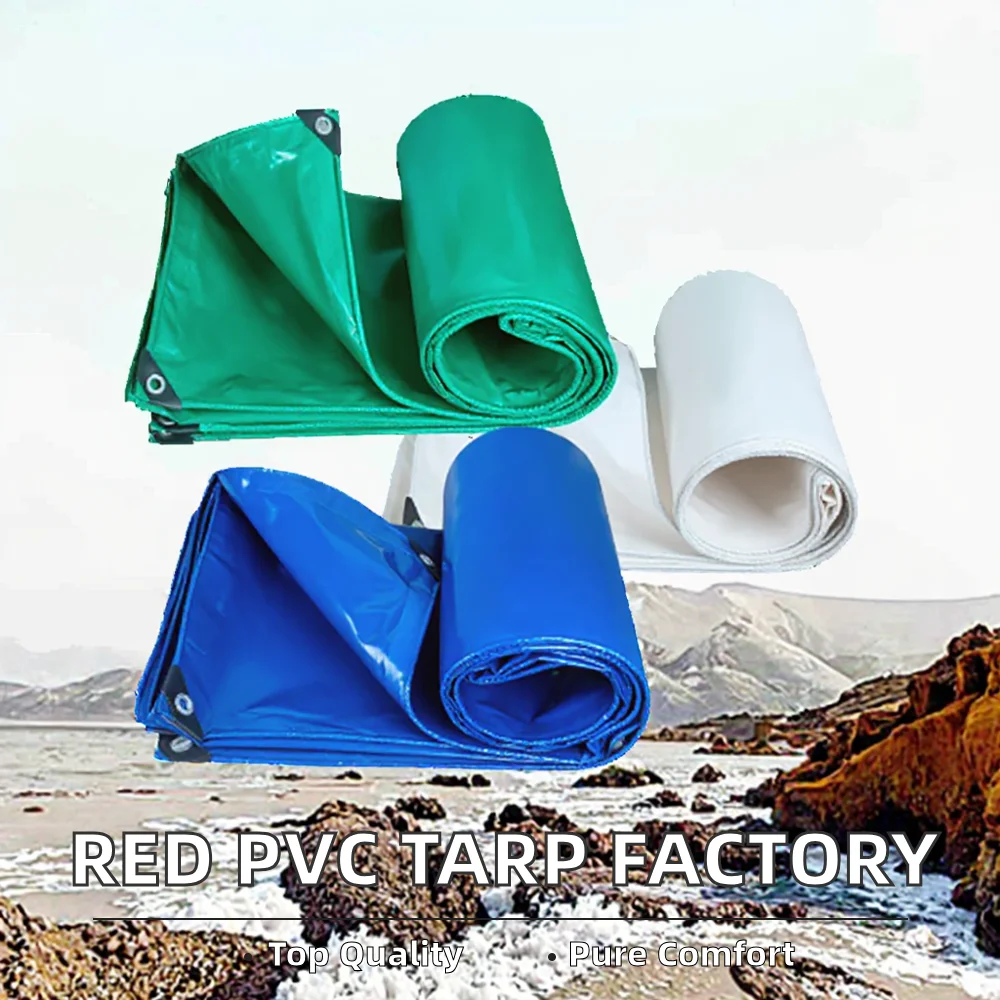
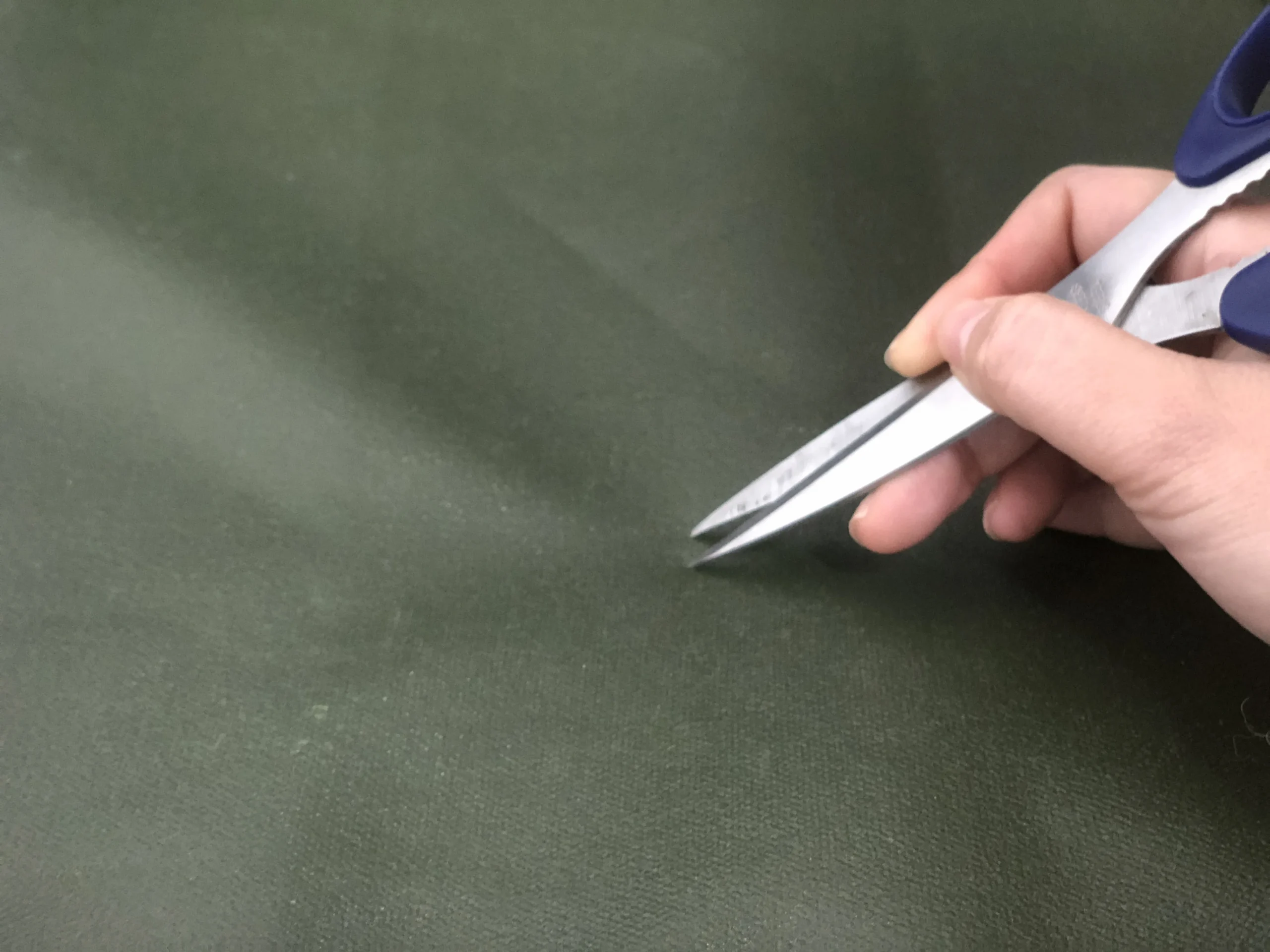
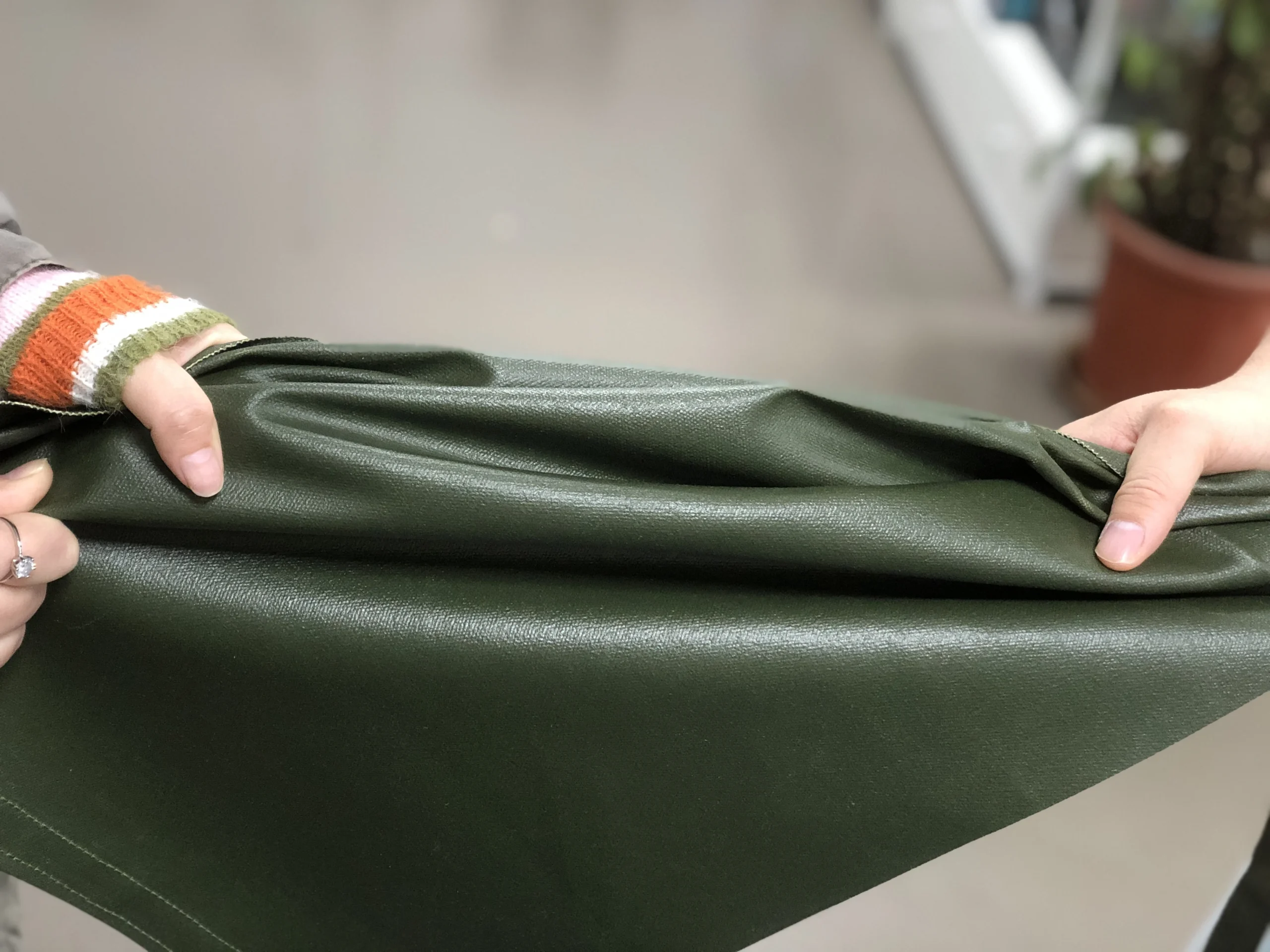
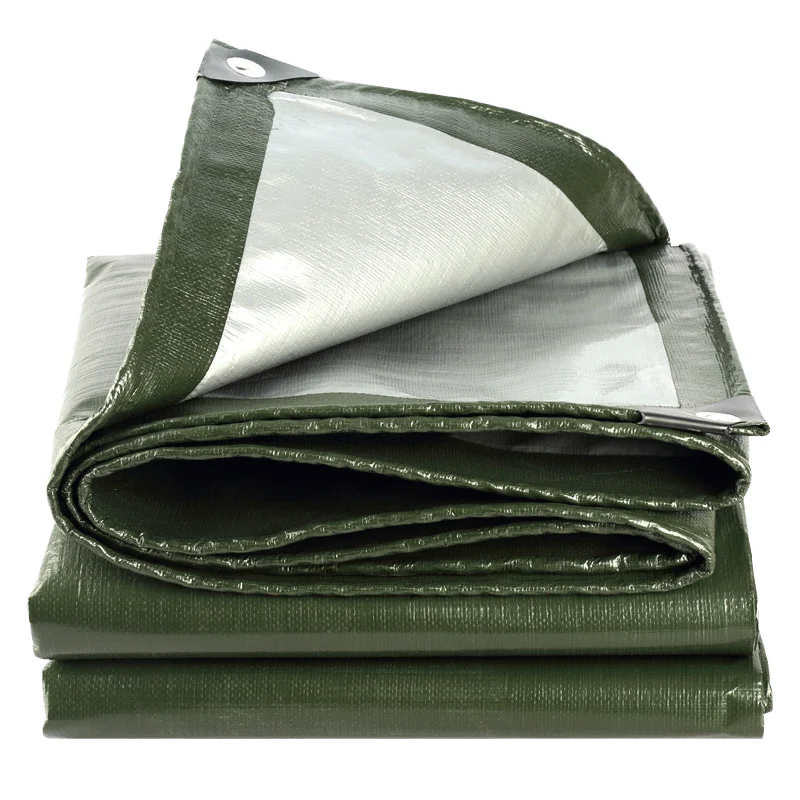
PVC Coated Tarpaulin Fabric Roll with flame retardant, anti-static, and anti-UV treatments — engineered for industrial covers, truck tarps, and outdoor structures.
- Base fabric density and coating weight jointly determine tensile and tear performance across demanding applications
- Knife-coated construction delivers strong peel strength and reliable heat-weldability at seams
- Custom widths and lengths minimize off-cuts and reduce join lines on large covers
Backed by nearly 30 years of coated fabric process control, 100% pre-shipment inspection, and a dedicated R&D team handling custom sizing and sample development.
Description
Deep Coating Expertise — A PVC coated tarpaulin manufacturer controlling every layer from base weave to top finish, with full custom treatment capability across three dedicated production lines.
Technical Specifications
| Parameter | Value |
|---|---|
| Product Type | PVC Coated Tarpaulin |
| Material | PVC Coated Fabric |
| Base Fabric Denier | 1000×1000 |
| Coating Method | Knife Coated |
| Flame Retardant | Available in flame retardant grades — confirm the grade required for your market |
| Anti-Static | Available in anti-static grades — confirm the standard required for your market |
| UV Treatment | Anti-UV treatment available — test basis to be confirmed per target market |
| Anti-Mildew | Available |
| Anti-Cold | Available |
| Waterproof | Yes |
| Oilproof | Yes |
| Tear Resistance | Tear-resistant construction |
| Outdoor Life | 3–5 years |
| Custom Size | Available |
| Printing Option | Custom printing referenced |
Application Suitability
| Application | Exposure & Requirement |
|---|---|
| Truck and trailer covers | Constant road vibration, flexing at load points, UV exposure, abrasion from tie-downs |
| Outdoor tents and awnings | Prolonged sun and rain exposure, wind loading, repeated setup and teardown |
| Car and vehicle covers | UV degradation, dust and moisture ingress, surface contact abrasion |
| Industrial equipment covers | Chemical splash, oil mist, outdoor weathering, handling damage |
Why a Flame Retardant Claim Without a Grade Costs You at Inspection
A fire rating only matters when backed by a test report that matches the enforcement authority in your destination market.
Buyers regularly receive PVC coated tarpaulin rolls labelled "flame retardant" only to discover at the job site that the local fire marshal requires a specific classification — and no certificate accompanies the shipment. The result is a rejected delivery, project delays, and an expensive replacement order under time pressure. The gap between a marketing claim and a verifiable grade is where most procurement failures in coated fabrics originate. [NEED_CITE: fire classification standards for temporary structures and transport covers vary by jurisdiction]
Full Custom Treatment Matrix for the PVC Coated Tarpaulin Manufacturer
Selecting the right treatment package is where a PVC coated tarpaulin manufacturer demonstrates real capability. This fabric is offered with a range of optional treatments — flame retardant, anti-static, anti-cold, anti-mildew, and anti-UV — each formulated into the coating compound or applied as a top finish. The key is matching the treatment to the actual service environment rather than specifying every option by default.
Knife Coating Process and What It Means for Fabricators
Knife coating forces the PVC compound directly into the base fabric under controlled tension and temperature, creating a mechanical bond between coating and yarn. This method yields higher peel strength compared to laminated alternatives, which is why knife-coated rolls hold up better when fabricated into welded seams. For end users building truck side curtains or inflatable structures, the coating adhesion determines whether a seam fails before the fabric itself does. [NEED_CITE: peel strength comparison between knife-coated and laminated PVC fabrics per ISO 2411]
Reading the Specification Sheet Beyond GSM
The 1000×1000 denier base fabric provides the structural skeleton of this material. Denier describes the linear mass of the yarn — higher denier generally means thicker, stronger yarns in both warp and weft directions. However, denier alone does not determine tear resistance; the weave density and the coating penetration depth work together to stop a tear from propagating once initiated. Knife coating, as used here, pushes the PVC paste into the interstices of the weave, locking yarns in place and resisting the zip-effect that causes tears to spread across lighter-coated fabrics. The interplay of yarn thickness, weave tightness, and coating weight is why two fabrics with identical GSM can perform very differently under the same load.
The Hidden Cost of Underspecifying Your Roll Order
When a buyer accepts a lower-cost roll without verifying the treatment package, the consequences surface months later. A truck cover installed without adequate anti-UV treatment will show chalking and embrittlement within a single season of highway exposure. A batch of fabric lacking anti-mildew treatment, stored in a humid warehouse before fabrication, arrives at the sewing floor with staining that renders it unsellable. These failures trace back to specification choices made at the inquiry stage, not to manufacturing defects. [NEED_CITE: common causes of premature coated fabric degradation in outdoor service]
Why Procurement Teams Source This Fabric Here
Three full production lines and 36 sets of professional equipment support consistent output volume, reducing the risk of part-shipments that stall a fabrication schedule. A 10-person R&D team handles material selection and sample development, delivering custom-treatment samples within days so buyers can validate performance before committing to a full container. Dedicated quality control inspects every roll before dispatch, catching GSM deviations and coating defects that would otherwise surface at the customer’s receiving dock. The near-30-year focus on coated fabric production means process parameters for this material are established and repeatable, not experimental.
Documentation & Verification
- Material specification sheet stating exact GSM, base fabric denier, and coating method for every roll
- Test reports for flame retardant and UV grades supplied with shipment where applicable
- Pre-shipment inspection record confirming roll count, colour consistency, and surface quality
- Roll packing list with individual roll weights and dimensions for customs clearance
- Certificate of origin and customs documentation for cross-border shipment
Fabrication, Handling & Storage
- Hot-air welding temperatures must be calibrated to the knife-coated PVC surface for consistent seam strength
- Store rolls horizontally on pallets to prevent permanent creasing in the PVC coating layer
- Allow cold-stored rolls to reach ambient temperature before unrolling to avoid coating micro-cracking
- Use mild, non-solvent cleaners on the PVC surface to preserve the anti-UV top finish
- Plan cut layouts around the available custom roll widths to minimise off-cuts and seam lines
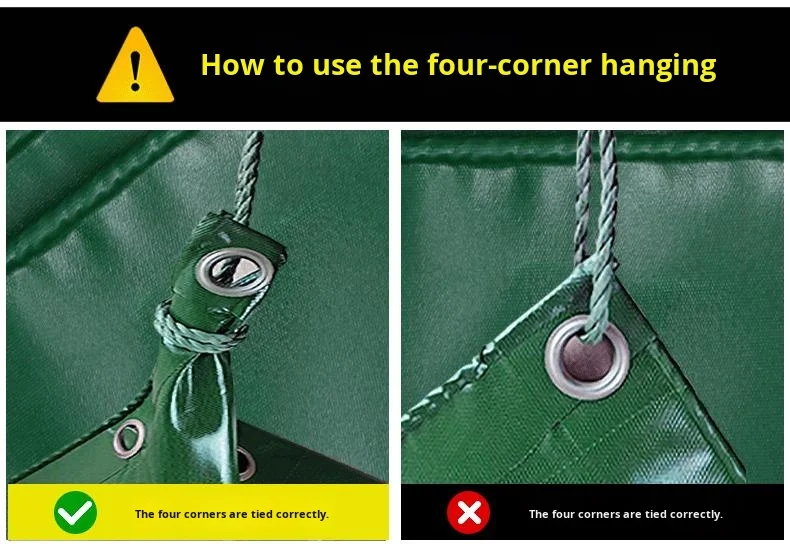
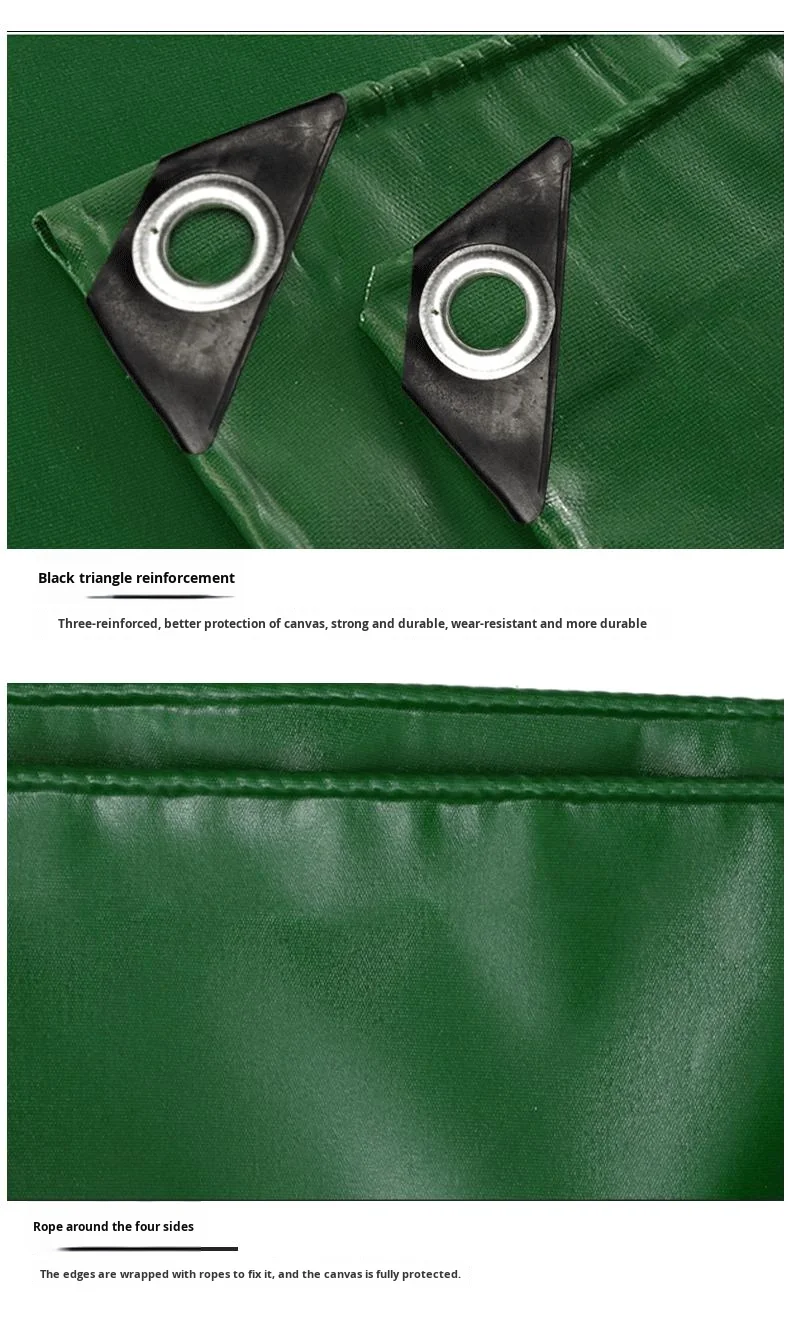
- Reinforce stress points at eyelets and corners with additional PVC patches before welding
What to Include in Your Enquiry
Specify the intended application and the environmental conditions the fabric will face — sustained UV exposure, chemical contact, or temperature extremes. State your target market so the correct flame retardant or anti-static grade can be quoted with supporting documentation. Confirm whether you require rolls at standard or custom width and length, and indicate your estimated annual volume to determine the appropriate pricing tier.
Frequently Asked Questions
Q: How is GSM verified on arrival, and what happens if the roll tests lighter than quoted?
A: Each roll ships with a pre-shipment inspection record documenting measured weight. If your receiving team tests a roll and finds the GSM below the stated specification, the PVC coated tarpaulin manufacturer will investigate the production batch and arrange replacement material at no additional cost to resolve the discrepancy.
Q: Which flame retardant grades can be supplied, and do they come with a test report?
A: Flame retardant treatments are available in multiple grades. The exact classification depends on the compound formulated into the coating. Provide the fire standard required by your destination authority, and a matching test report will be supplied with the shipment where the requested grade is supported.
Q: How is batch-to-batch colour consistency controlled across multiple rolls in the same order?
A: Colour is matched against a reference standard at the compounding stage, and each roll is visually inspected under controlled lighting before packing. Rolls within a single order are produced from the same coating batch wherever possible to minimise visible variation when installed side by side.
Q: What custom widths, roll lengths, and printing options are available, and what are the minimums?
A: Roll width and length are configurable based on your fabrication requirements, and custom pattern printing is offered for branding or identification. Minimum order quantities vary by specification complexity — submit your target dimensions and print artwork for a precise quotation.
Q: What is the difference between knife-coated and laminated PVC, and which suits my application?
A: Knife coating drives the PVC compound into the base fabric under pressure, creating higher peel strength and better weld performance. Laminated PVC bonds a pre-formed film to the fabric surface at lower cost but with reduced seam durability. For fabricated covers and structures requiring welded joints, knife-coated fabric is generally the preferred choice.
Related products
-
PVC Fabric Material Woven Tarpaulin Waterproof Woven Fabric Tarpaulin
¥0.50 Add to cart -
Heavy Duty Outdoor Tarpaulin Thickened for Outdoor Waterproof Large Tarpaulin with 3 Meter Width
¥7.78 Add to cart -
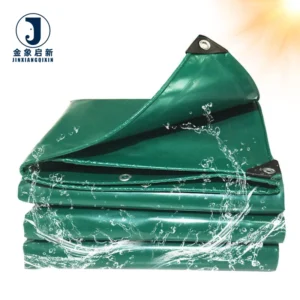
Waterproof Heavy Duty Tarpaulin Water Proof Cover Tarpaulin Manufacturer
¥1.48 Add to cart -
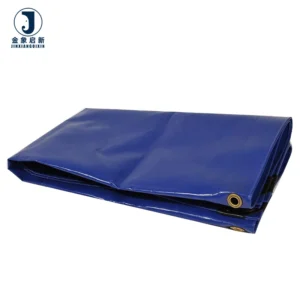
900GSM Heavy Duty PVC Coated Tarpaulin Panama Tarpaulin Curtains for Lorries
¥7.78 Add to cart