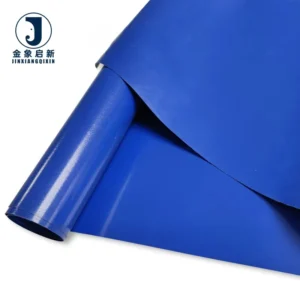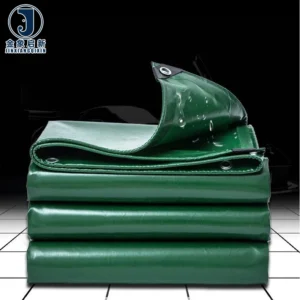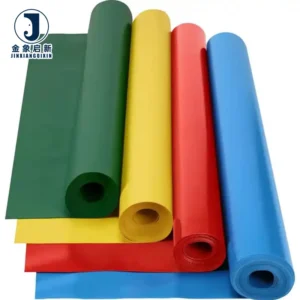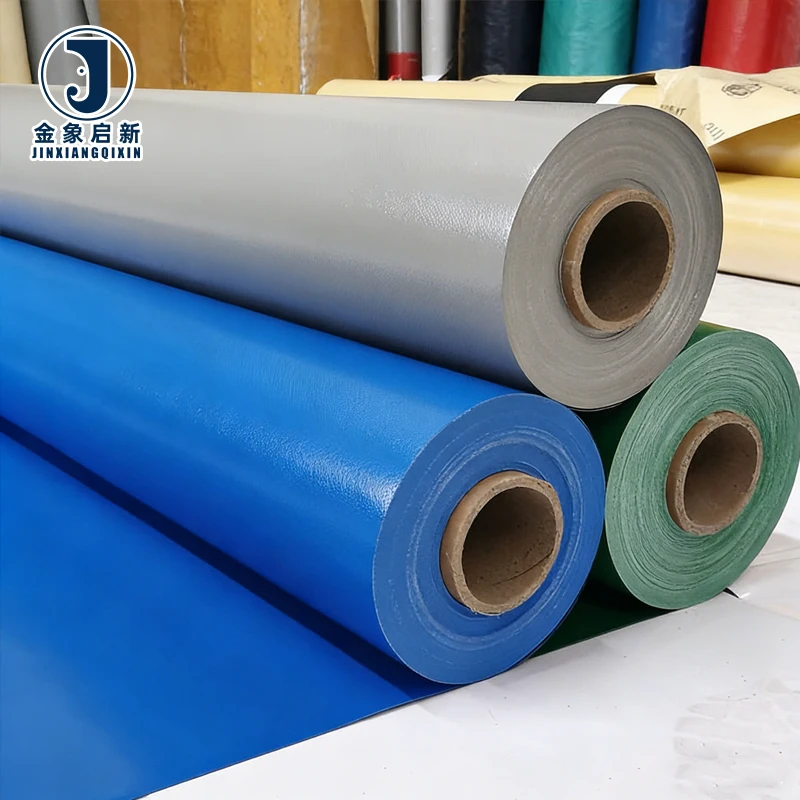
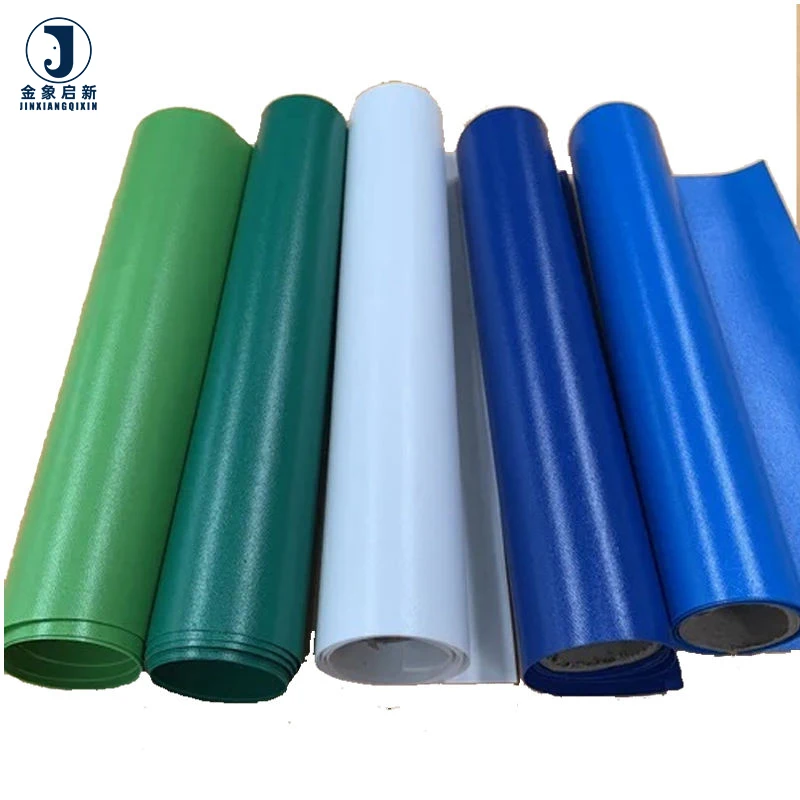
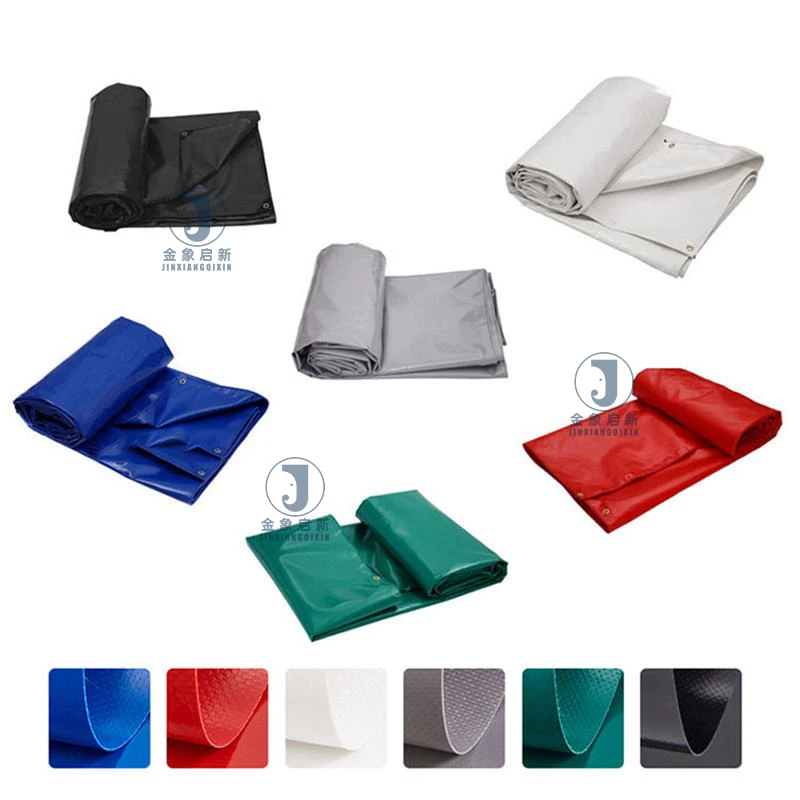
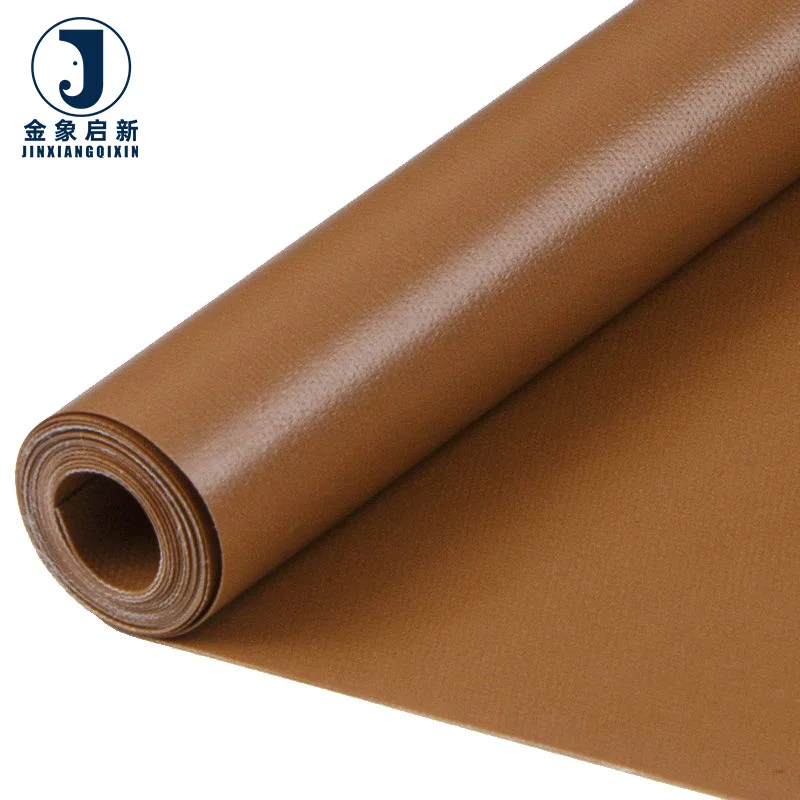
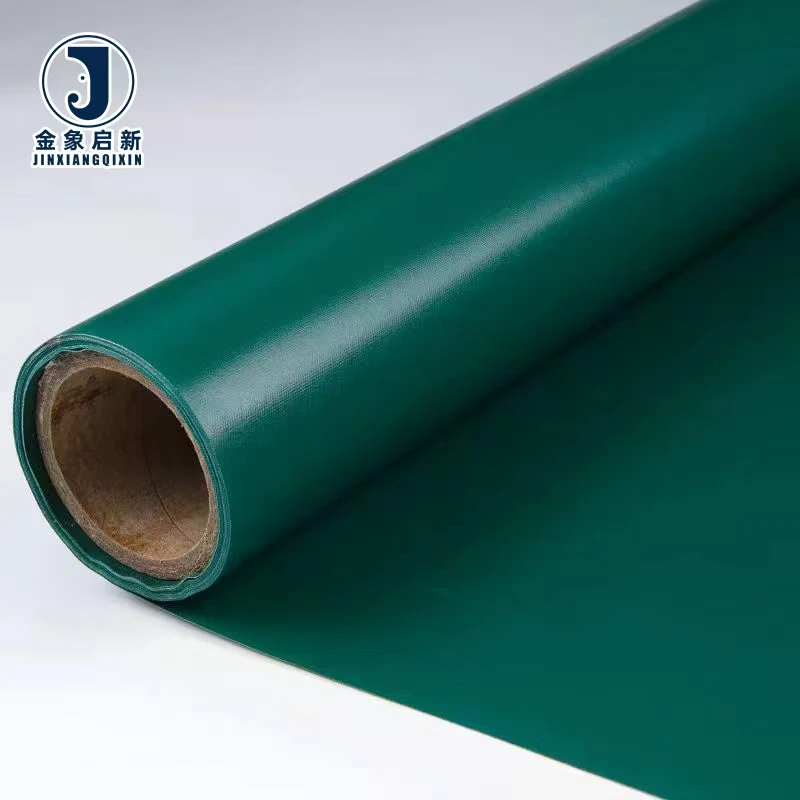
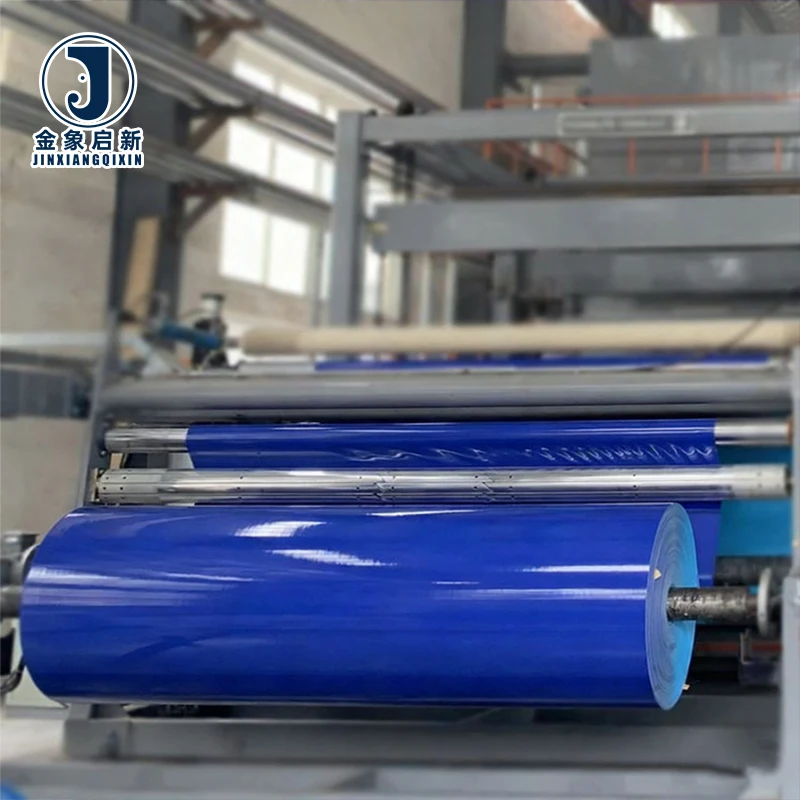
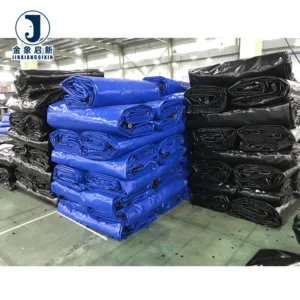
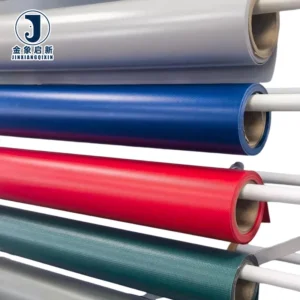
PVC Tarpaulin Roll — 510-800gsm, waterproof, fire retardant, anti-UV treated, high tensile strength with ripstop woven pattern available.
- Full PVC coated fabric range supporting truck covers, tent and awning fabrication, inflatable products and pond liners, with custom width, colour, finish and treatment to match project specifications.
- Deep process control over coating weight and adhesion ensures stated GSM matches delivered material across every roll.
10-person R&D team delivers samples within days for custom requirements, backed by 100% pre-shipment inspection and full material documentation.
Description
Coating Weight Control — Every roll of PVC Coated Fabric Waterproof PVC Tarpaulin Roll passes over calibrated sensors on our coating lines to verify the stated GSM matches what leaves the factory, eliminating the shortfall disputes that plague container shipments.
Technical Specifications
| Parameter | Value |
|---|---|
| Product Type | PVC Tarpaulin Roll |
| Weight Range | 510-800gsm |
| Material | PVC Coated Fabric |
| Waterproof Construction | Yes |
| Fire Retardant | Available (grade not stated) |
| Anti-UV Treatment | Available (test basis not stated) |
| Tensile Strength | High tensile yarn construction |
| Ripstop Woven Pattern | Available |
| Certifications | ISO, CE |
Application Suitability
| Application | Exposure & Requirement |
|---|---|
| Truck and trailer covers | Constant road vibration, UV exposure, flexing at load points, abrasion against cargo edges |
| Tent and awning fabric | Prolonged sun exposure, rain pooling, wind loading on seams, repeated folding and deployment |
| Pond and reservoir liners | Permanent water immersion, soil chemistry contact, puncture risk from substrate irregularities |
| Inflatable products | Repeated inflation cycles, internal pressure stress, UV and abrasion from handling |
| Industrial tarps | Chemical splash, heavy equipment contact, high wind uplift, multi-site reuse |
| Outdoor covers | Seasonal weather cycling, debris impact, UV degradation over extended storage periods |
Why a Quoted GSM Does Not Guarantee the Roll You Receive
The weight printed on the quotation must match the weight on the scale at your dock — anything less means you paid for coating you did not get.
When a PVC tarpaulin roll arrives lighter than specified, the missing grams usually come from the coating layer, which is exactly where waterproofing, UV stabiliser and flame-retardant chemistry live. I have watched containers get rejected because the receiving warehouse weighed a sample panel and found it sitting well below the agreed figure. The PVC coated tarpaulin roll you specify needs verification at the production stage, not just a certificate that repeats the catalogue number [NEED_CITE: material specification standards for coated fabrics per ISO 1421].
How Coating Adhesion Separates a Lasting Roll from a Delaminating One
A PVC Tarpaulin Roll aftermarket supplier can hit the target GSM by loading the coating heavily on one side while leaving the reverse thin, or by distributing it evenly across both faces of the base fabric. The difference shows up when the material flexes at a weld or hem — uneven adhesion causes the coating to peel away from the yarn under tension. Our three production lines allow us to control knife gap and oven temperature independently, keeping the PVC locked into the woven scrim through the full cross-section of the fabric.
Batch-to-Batch Colour Drift and What Causes It
Colour consistency across a multi-roll order depends on pigment dispersion at the mixing stage and on maintaining identical curing temperatures from the first roll to the last. If the oven profile shifts mid-run, the same pigment formula can emerge visibly different, and the mismatch only becomes obvious once two panels hang side by side on a structure. We hold master colour references on file and check against them under controlled lighting before any roll clears final inspection [NEED_CITE: colour fastness and measurement methods for coated technical textiles].
Reading the Specification Sheet Beyond the GSM Number
The stated weight tells you how much material is present, but the base fabric denier and weave density determine how that weight performs under load. A 650gsm roll built on a loosely woven low-denier scrim will tear more readily than the same weight built on a tighter, higher-denier base — the PVC coating bridges the gaps, but it is the yarn that arrests a rip once it starts. This is why two PVC tarpaulin rolls at identical GSM can behave completely differently in a tensile or tear test. The coating formulation itself also matters: plasticiser content, filler loading and the choice of stabilisers govern low-temperature flexibility and long-term UV resistance. When you compare rolls, request the full material specification sheet rather than relying on the weight figure alone.
What Happens When the Wrong Roll Reaches the Site
Sending a lighter-grade roll to a project that specified heavy-duty material does not just risk early failure — it triggers a chain of costly consequences. The contractor discovers the problem halfway through installation, work stops, the crew stands idle, and a replacement shipment takes weeks to arrive. If the fabric was destined for a fire-regulated environment and the flame-retardant grade was not independently verified, the entire installation can be rejected at inspection. Colour drift across rolls forces the installer to segregate panels, creating waste and delaying handover [NEED_CITE: common causes of coated fabric failure in field applications].
Why Sourcing This PVC Tarpaulin Roll Here Makes Procurement Simpler
Our coating lines are configured for PVC specifically, which means the knife settings, oven zones and winding tension are calibrated for this chemistry rather than shared across incompatible polymer systems. The ten-person R&D team develops custom widths, colours and treatment combinations in-house, producing samples within days so you can confirm the material before committing to a production run. Every roll undergoes one hundred percent inspection before dispatch — we measure weight, check adhesion, and verify colour against the approved reference. Documentation including test reports for treated grades travels with the shipment, so your receiving team has everything needed for verification on arrival.
Documentation & Verification
- Material specification sheet listing exact GSM, base fabric denier and coating chemistry for each roll
- UV and flame-retardant test reports included where treatments have been applied to the batch
- Pre-shipment inspection record confirming weight and colour against approved sample references
- Roll packing list showing individual roll numbers, net weight and measured GSM per roll
- Certificate of origin and customs documentation prepared per destination country requirements
Fabrication, Handling & Storage
- Set hot-air welding temperature to match the coating formulation — the 510-800gsm range requires different heat input depending on selected grade
- Reinforce all eyelet and tie-down points with additional PVC patches bonded to the base fabric face
- Store rolls upright on pallets in a shaded area to prevent flattening and permanent crease marks on the coating surface
- Allow cold-stored rolls to acclimatise before unrolling to avoid cracking the PVC coating at low temperatures
- Use only PVC-compatible cleaners; solvent-based products can extract plasticiser and embrittle the coating
What to Include in Your Enquiry
Tell us the end-use environment so we can recommend the correct treatment package — a pond liner needs a different formulation from a truck side curtain. Specify your target roll width and the approximate annual volume so we can confirm production scheduling. If your market requires a particular flame-retardant or anti-static grade, name the standard and we will confirm coverage with a test report before you place the order.
Frequently Asked Questions
Q: How do you confirm the GSM on each roll matches what was quoted?
A: We weigh samples from every roll on calibrated scales during final inspection and record the result on the roll packing list. If a roll falls outside the tolerance band, it is held back and does not ship. The documented weight per roll travels with the container so your warehouse can cross-check on arrival.
Q: Can I get test reports for UV and flame-retardant treatments?
A: Yes. Where UV or flame-retardant chemistry has been applied to your batch, we include the corresponding test report in the shipping documentation. Confirm the grade or standard required for your market at the enquiry stage so we formulate and test to the correct specification before production begins.
Q: What is the minimum order for custom width, colour or print?
A: Minimums depend on the specific combination of width, colour and any printing requirement. Our production lines handle custom runs down to practical batch sizes. Send us your exact roll dimensions and colour reference and we will confirm the minimum quantity alongside lead time in our quotation.
Q: How do you keep colour consistent across multiple rolls in one order?
A: We mix the full pigment batch for the entire order at once and hold a master colour reference under controlled lighting. Each roll is checked against this reference during final inspection. Any roll showing visible deviation from the master is flagged and separated before packing.
Q: What documentation comes with each container?
A: Every shipment includes a material specification sheet, roll packing list with per-roll GSM records, pre-shipment inspection results, and test reports for any applied treatments. Certificates of origin and customs paperwork are prepared to match your destination country requirements.
Related products
-
Tarp Factory 610gsm 650gsm 800gsm Awnings Tent PVC Coated Fabric Waterproof Bache Lona PVC Tarpaulin Roll
¥1.45 Select options This product has multiple variants. The options may be chosen on the product page -
Wholesale PVC Coated Breathable Tarpaulin Fabric Rolls Waterproof Fire-Retardant for Boys & Girls Outdoor Use
¥0.79 Select options This product has multiple variants. The options may be chosen on the product page -
Wholesale 650 Gsm Waterproof Outdoor Tarp Roll Pvc Coated Industrial Tarpaulin Roll for Tent
¥1.26 Select options This product has multiple variants. The options may be chosen on the product page -
PVC Tent Fabric Shelter Blackout Anti-UV PVC Tarpaulins 1000D for Tent Fabric for Event Exhibition Shade Tents
¥1.45 Select options This product has multiple variants. The options may be chosen on the product page