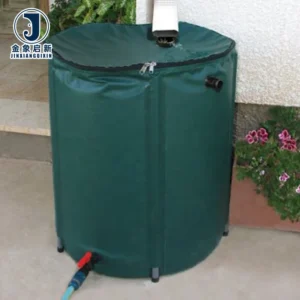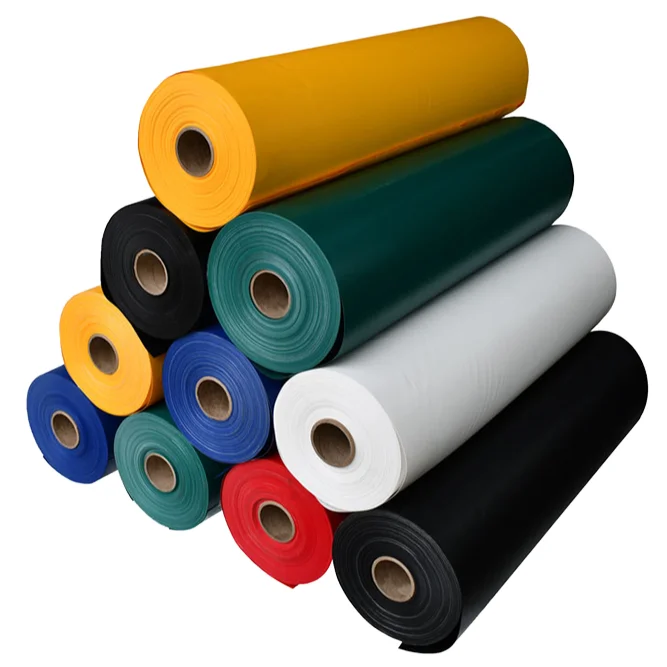
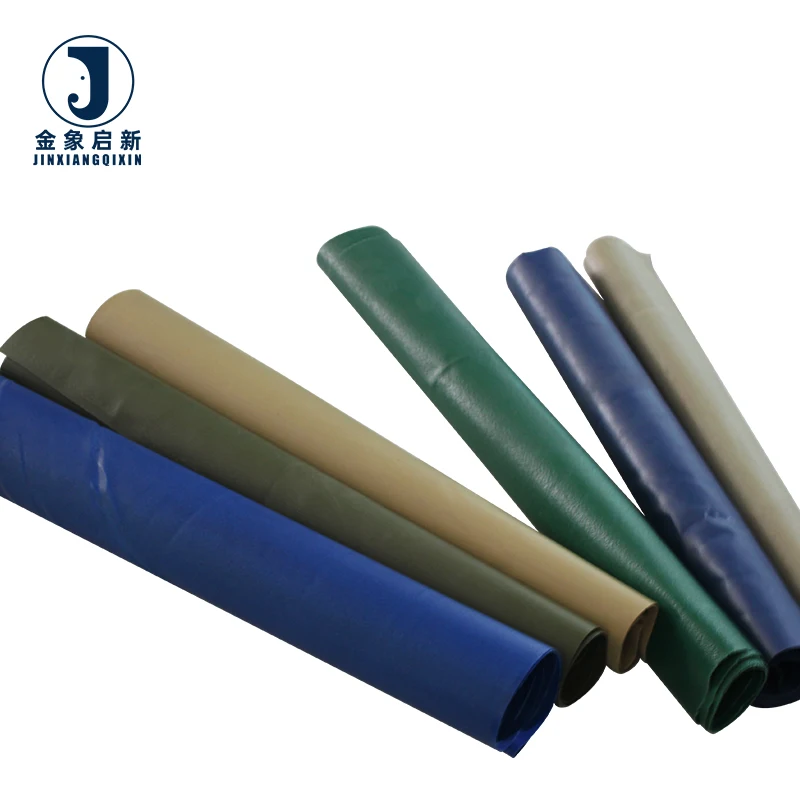
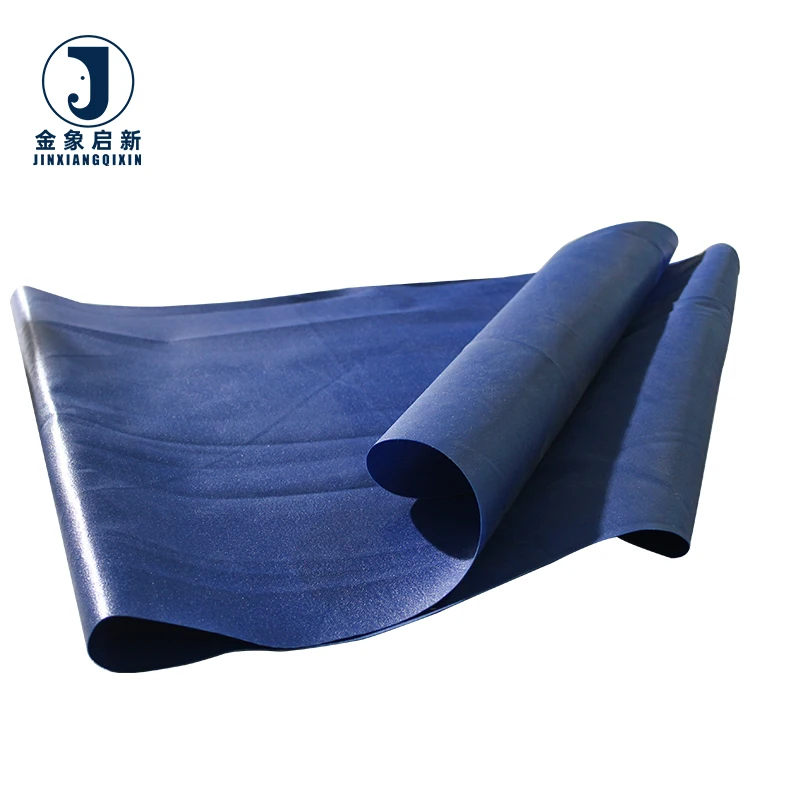
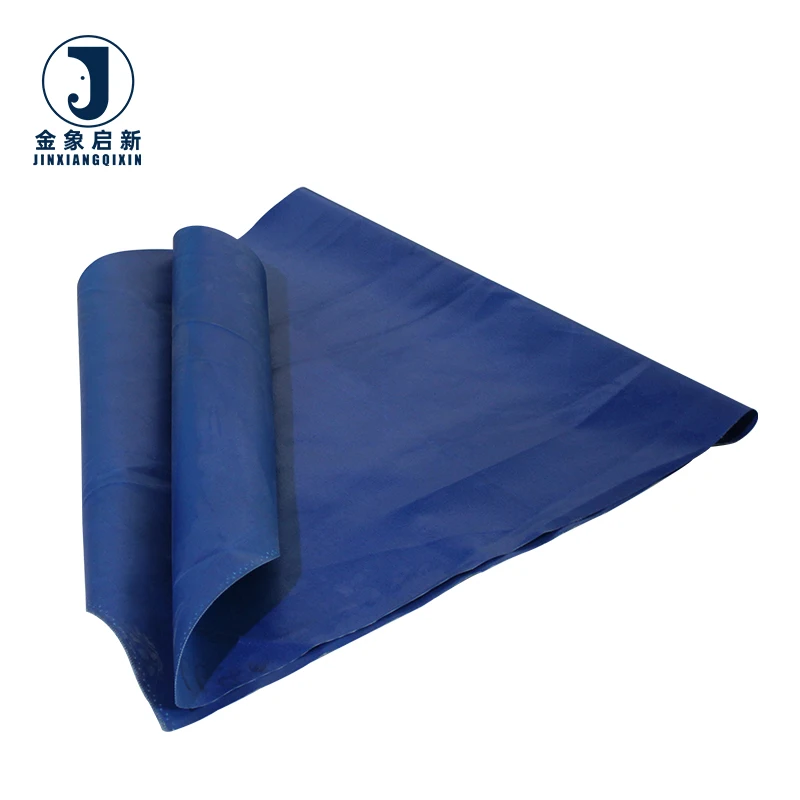
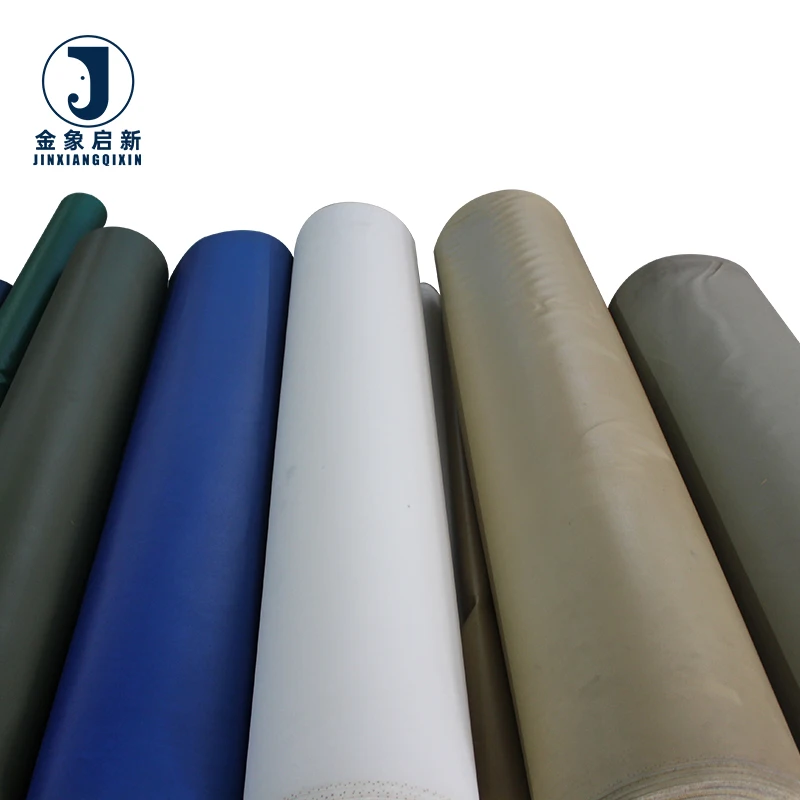
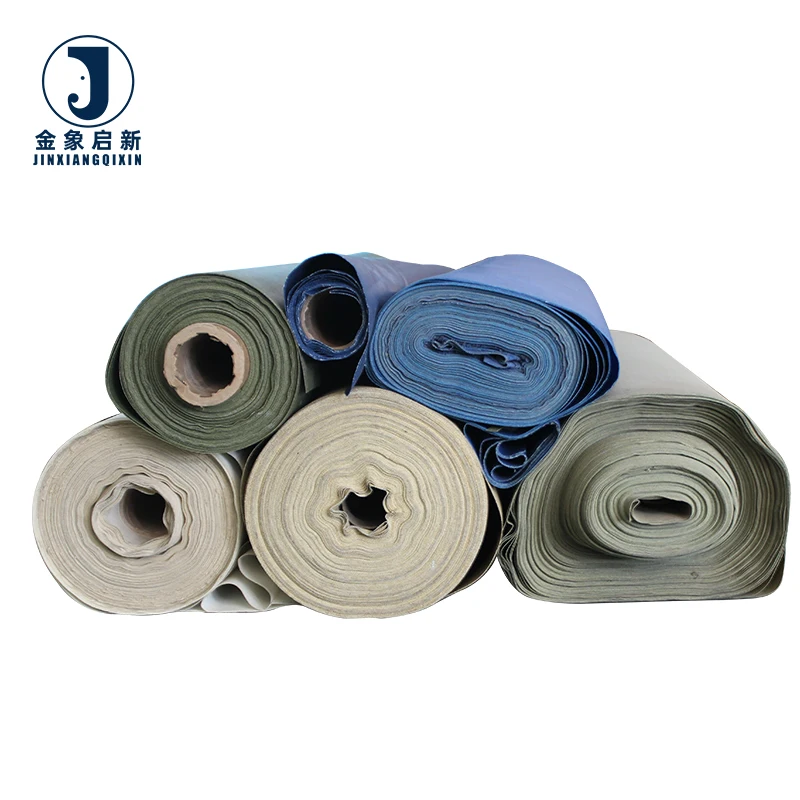
Waterproof Woven PVC Coated Medium Weight PVC Tarpaulin Fabric for Awning and Tents available in 350–750 gsm with 0.32–0.65 mm thickness, hot-melt coated onto high-tenacity polyester mesh.
- Full customisation on width, colour, GSM and surface treatment — developed by an in-house R&D team for awning, tent and cover manufacturers
- Laminated and hot-melt coating ensures strong adhesion at welded seams, critical where fabric flexes under load
- Standard rolls at 2 m × 75 m and 2.1 m × 50 m, with cut-to-size options
Backed by nearly 30 years of coating process control, 100% pre-shipment inspection, and a dedicated QA team verifying weight and adhesion at every stage.
Description
Precision-Coated Fabric Supply — Three full production lines with in-process QA ensure every roll of PVC coated tarpaulin fabric meets its stated weight and adhesion requirement before dispatch, giving awning and tent manufacturers reliable material from the first metre to the last.
Technical Specifications
| Parameter | Value |
|---|---|
| Product Type | PVC Coated Tarpaulin Fabric |
| Base Material | High-strength polyester mesh fabric |
| Coating Material | PVC |
| Coating Method | Laminated technology & Hot-melt Coating technology |
| Available Weight (GSM) | 350gsm / 420gsm / 500gsm / 550gsm / 600gsm / 750gsm |
| Available Thickness | 0.32mm / 0.35mm / 0.4mm / 0.45mm / 0.5mm / 0.65mm |
| Standard Roll Size | 2m width × 75m length / 2.1m width × 50m length |
| Available Colors | Blue / Red / Yellow / Light blue / Grey (Customized) |
| Surface Treatment | Anti-Static treatment, Sunproof (test basis not stated) |
| Cold Crack Resistance | Yes |
| Mildew Resistance | Anti-Mildew |
| Waterproof | Yes |
| Flame Retardant | Available — confirm the grade required for your market |
| Key Features | High tenacity yarns, good flexibility, outstanding tearing strength for welding, best color fastness |
| Service Life | 3–7 years under normal circumstances (verify against application) |
| Certifications | ISO, CE |
Application Suitability
| Application | Exposure & Requirement |
|---|---|
| Tent cover | Constant UV exposure, wind loading, repeated folding and transport, waterproof integrity at seams |
| Awning fabric | Sun exposure and thermal cycling, colour fastness for visible architectural surfaces, clean weld lines |
| Truck awning and side curtain | Road abrasion, high-speed flexing, tie-down stress at hems, UV and weather exposure |
| Fish tank / pool liner | Permanent water contact, chemical resistance to treatment agents, puncture risk from substrate |
| Cargo ship cover | Salt spray, heavy wind load, UV degradation, requirement for reliable welded seams |
Why GSM Alone Does Not Tell You How Strong This PVC Coated Tarpaulin Fabric Is
Coating weight and base fabric denier must work together — one without the other is a specification gap, not a guarantee.
Most buyers start a conversation with a target GSM, but a 550gsm roll built on a low-denier mesh with heavy filler coating will tear at the weld long before a balanced 500gsm construction fails. In our experience reviewing field returns, the majority of premature seam failures on awning and tent fabric trace back to a coating-to-base mismatch rather than an absolute weight shortfall [NEED_CITE: tensile and tear test methods for coated fabrics per ISO 1421]. That is why we treat the base fabric construction and the PVC coating weight as a paired system, not a single number on a quotation.
What Laminated and Hot-Melt Coating Deliver for Tent and Awning Makers
The PVC coated tarpaulin fabric in this range uses both laminated and hot-melt coating technologies. Laminated construction bonds a pre-formed PVC film to the polyester mesh under heat and pressure, producing a uniform coating thickness and a smooth surface suited to visible awning panels. Hot-melt coating forces molten PVC into the mesh structure, creating a mechanical lock that raises peel strength at the interface. For tent manufacturers running high-frequency welding, the hot-melt variant provides the adhesion reserve needed so the weld line does not delaminate under repeated flex.
Colour Consistency Across Rolls in the Same Shipment
Batch-to-batch shade variation is one of the most visible defects once awning or tent panels are installed side by side. Our PVC coated tarpaulin fabric is produced with colour reference control at the compounding stage, and each production run is held against the approved swatch before slitting. When an order spans multiple rolls — for example, a container load for a tent production run — the QA record documents the colour reading per roll so any drift is caught before packing [NEED_CITE: colour fastness evaluation methods for coated textiles]. This matters most when the fabric is used for large continuous surfaces where a half-shade difference is immediately visible to the end user.
Reading the Spec Sheet: GSM, Thickness and What They Mean in the Field
GSM and thickness are related but not interchangeable. A 350gsm grade at 0.32mm thickness suits lightweight awning panels where the fabric must fold compactly and deploy without excessive stiffness. Moving to 600gsm at 0.5mm shifts the balance toward truck side curtains that must resist road-stone impact and constant tie-down tension. The 750gsm option at 0.65mm is the heaviest in this family, reserved for cargo ship covers and pool liners where puncture and hydrostatic load dominate. Base fabric denier and weave density determine how the load distributes once the PVC coating cracks — a higher-denier yarn arrests tear propagation, while a denser weave spreads point loads across more yarns. Coating method adds another layer: laminated surfaces clean more easily and accept printed branding, while hot-melt surfaces grip the weld bar harder and resist peel at flex points.
The Cost of Choosing the Wrong Grade or Finish
Specifying a lighter GSM to save on material cost often surfaces as a warranty claim when the awning fabric tears at the welded hem during the first storm season. Equally, ordering a flame-retardant grade without confirming the test standard accepted in the destination market leads to a failed site inspection and an entire container of material that cannot be installed [NEED_CITE: fire classification standards for textile structures]. Colour mismatch between rolls forces the tent maker to cull panels and reorder, turning a schedule advantage into a delay. We treat each of these outcomes as a specification failure, not a manufacturing one, which is why the pre-shipment check covers weight, colour, and treatment documentation against the purchase order.
Why Fabricators Source This Range Here
Nearly 30 years of focused coated-fabric production means our process control covers coating weight and adhesion from the mixing stage to the final roll wrap. Three full production lines and 36 sets of professional equipment give us the capacity to run a container-load order of PVC coated tarpaulin fabric without splitting it across different machines, keeping roll-to-roll consistency intact. The 10-person R&D team handles custom colour matching, width adjustments, and sample development within days so buyers can validate material before committing to production volume. Dedicated QA/QC inspects every roll at each production stage, and 100% pre-shipment inspection catches weight, colour, and surface defects before the container is sealed. Documentation — from material spec sheets to certificates of origin — travels with the shipment so customs clearance and site acceptance proceed without follow-up requests.
Documentation & Verification
- Material spec sheet stating exact GSM, base fabric denier and coating type for each roll
- UV and flame-retardant test reports matched to the specific grade quoted, not generic certificates
- Pre-shipment inspection record confirming roll-to-roll colour and weight consistency
- Roll packing list with net weight, dimensions and lot number for traceability
- Certificate of origin and customs documentation for smooth import clearance
- ISO and CE certificates referenced per shipment batch
Fabrication, Handling & Storage
- Set hot-air weld temperature to match the PVC coating method — laminated grades need lower heat than hot-melt to avoid surface blistering
- Reinforce hem and eyelet zones with an extra ply of the same GSM fabric to distribute tie-down loads
- Store rolls upright on pallets in a shaded area; laying heavy 750gsm rolls flat causes permanent creasing at the core
- Allow cold-stored rolls to reach ambient temperature before unrolling to prevent coating micro-crack at low-flex zones
- Use mild detergent and soft brush for cleaning; solvent-based cleaners degrade the anti-mildew surface treatment
- Plan cutting layout across the 2m or 2.1m width to minimise offcut waste, especially on patterned or custom-colour runs
Request a Specification Match for Your Application
Tell us the end-use environment, the target GSM range, and whether you need roll stock or cut-to-size panels. If your market requires a specific flame-retardant or anti-static grade, share the standard reference so we align the test report before sampling. Specify your preferred width, roll length, and colour reference so the PVC coated tarpaulin fabric we develop matches your production line from the first sample onward.
Frequently Asked Questions
Q: How do I choose the right GSM and thickness for my awning or tent application?
A: Start with the structural load the panel will carry — wind rating, span length, and frame geometry. Lighter grades like 350gsm at 0.32mm suit short-span awnings, while tent structures with welded seams under tension perform better at 550gsm or above. Request a sample in two adjacent grades and run a peel test at your weld settings to see which combination holds.
Q: Can you match a specific colour reference and guarantee consistency across multiple rolls?
A: Yes. Provide a Pantone or RAL reference and we develop a lab-dip for approval before production. Each roll in the order is checked against the approved swatch during the pre-shipment inspection, and the QA record includes colour readings per roll so you receive documented batch consistency.
Q: What test reports come with UV-resistant or flame-retardant grades?
A: For grades where these treatments are specified, we supply a test report from a recognised laboratory covering the exact standard — such as the relevant UV exposure cycle or the flame-retardant classification required in your destination market. Confirm the standard your project demands before we quote.
Q: What are the standard roll sizes, and can I order custom width or length?
A: Standard rolls ship at 2m × 75m or 2.1m × 50m. Custom widths and lengths are available through our R&D team, subject to a minimum order that covers machine setup and colour-matching runs. Provide your cutting layout and we will recommend the roll format that minimises waste.
Q: How do I get a sample before placing a bulk order?
A: Send us your target GSM, colour reference, coating preference and any treatment requirements. We develop a sample roll section within days, ship it with the corresponding material specification sheet, and wait for your weld test and visual approval before scheduling production.
Related products
-
SKIP: no source title
Read more -
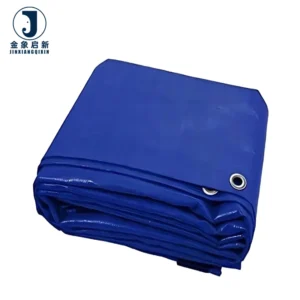
Custom Made PVC Tarpaulin 650 Gsm 630 Gsm for Truck Cover
Read more -
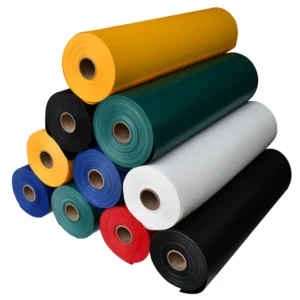
Waterproof Woven PVC Coated Medium Weight PVC Tarpaulin Fabric for Awning and Tents UV Resistant Plain Style 62/63 Width
¥1.13 Select options This product has multiple variants. The options may be chosen on the product page -
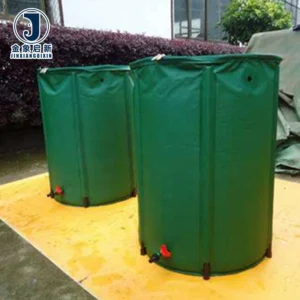
Custom PVC Tarpaulin Water Storage Tank for Irrigation – Manufacturer
Read more