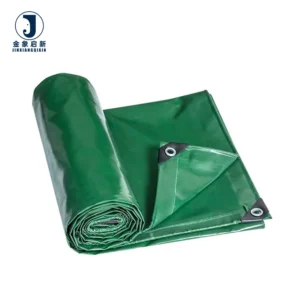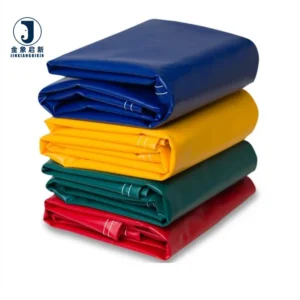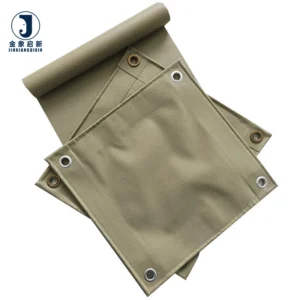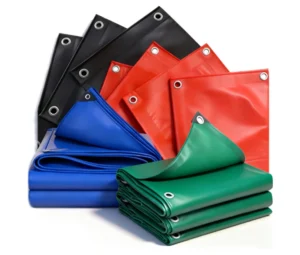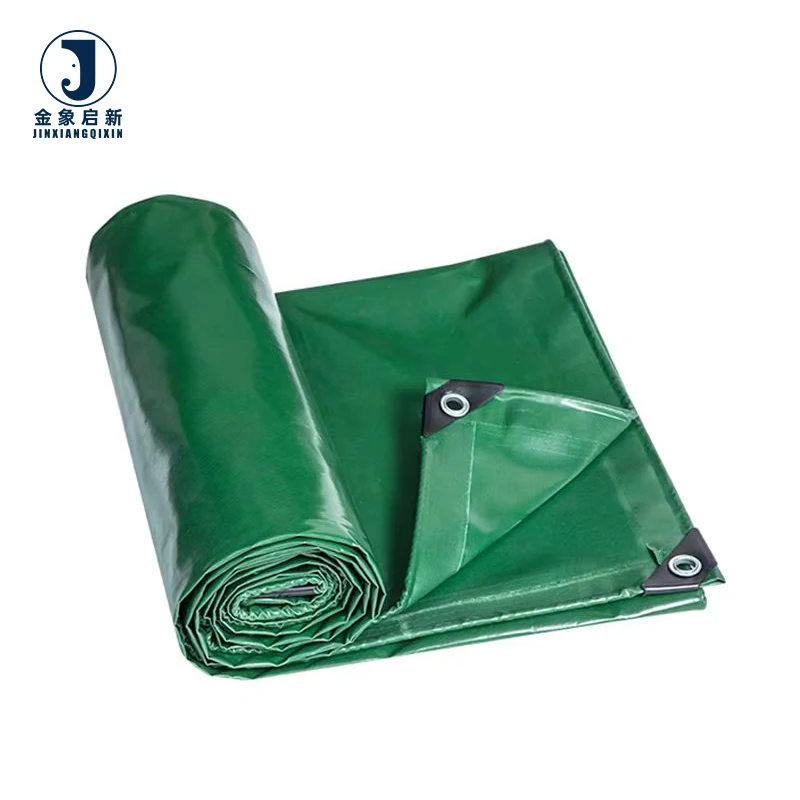
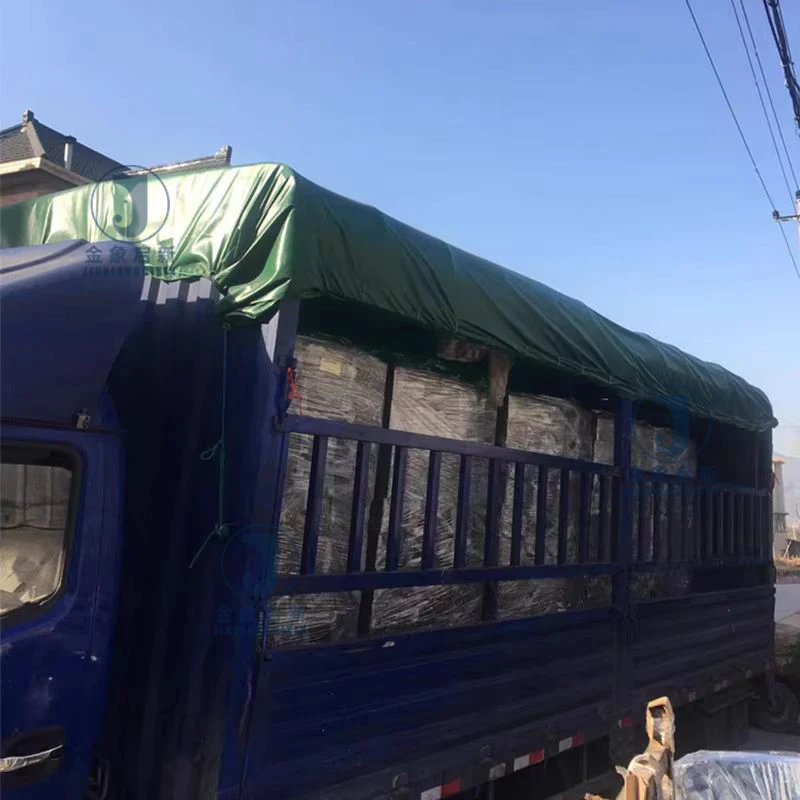
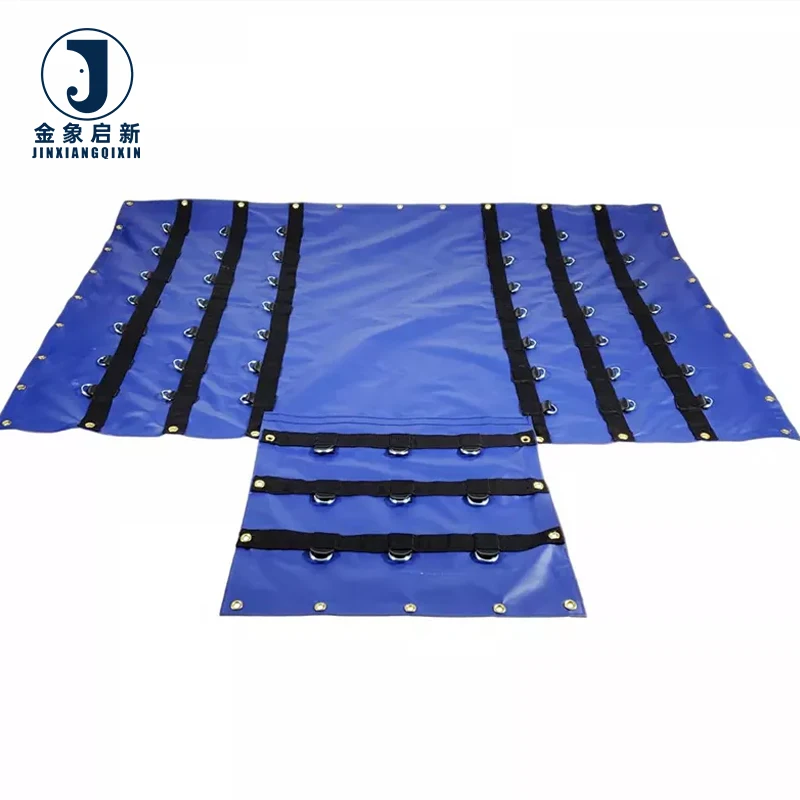
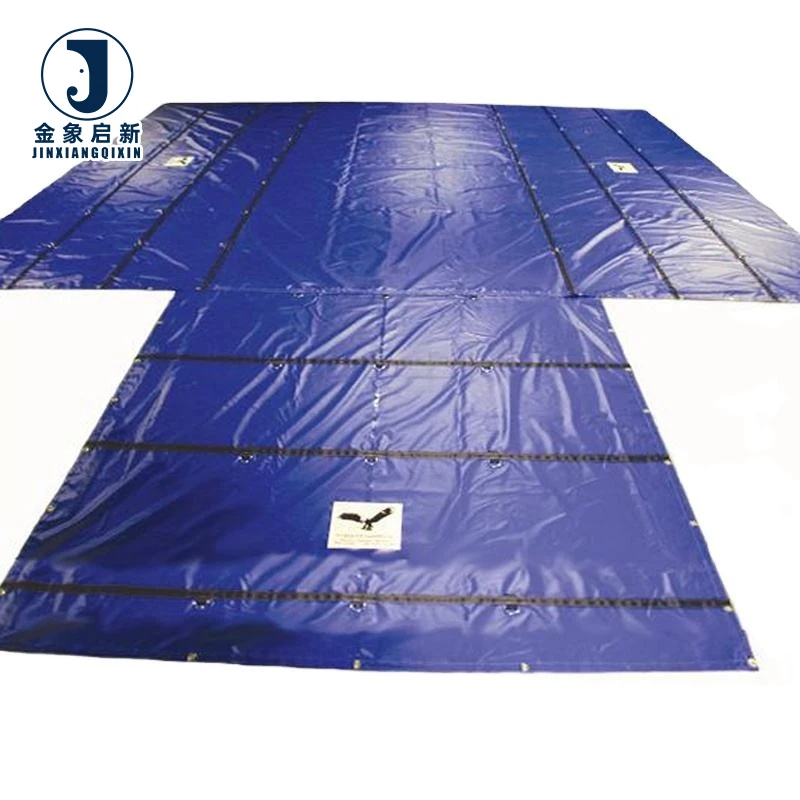
Fireproof PVC Coated Tarpaulin Truck Cargo Cover, 500gsm–900gsm weight range, flame retardant and anti-static treatment options available.
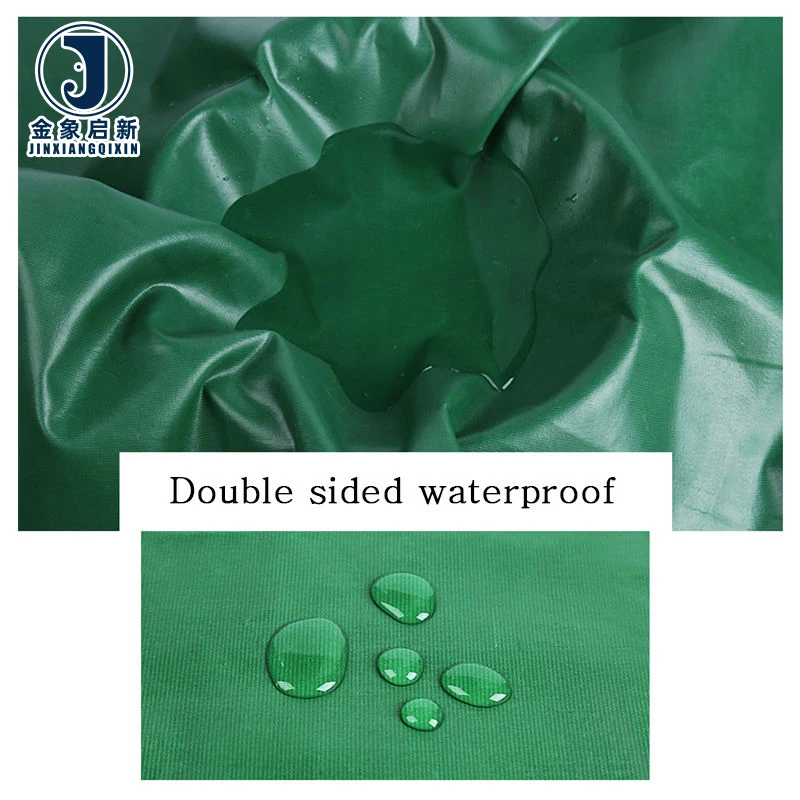
- Waterproof PVC coated fabric with anti-mildew and anti-cold formulations for year-round fleet use
- Custom sizing fabricated to exact truck bed and trailer dimensions, with reinforced hems and eyelets at flex points
- Multiple GSM grades let you match fabric weight to cargo type and expected service conditions
Backed by 100% pre-shipment inspection and nearly 30 years of coated fabric process control.
Description
Proven Coating Consistency — nearly 30 years of PVC coated fabric process control ensures every roll ships with verified GSM, adhesion strength, and treatment documentation you can audit before installation.
Technical Specifications
| Parameter | Value |
|---|---|
| Product Type | PVC Coated Tarpaulin |
| Weight Options | 500gsm, 600gsm |
| Coating Material | PVC |
| Waterproof | Fully waterproof coated construction |
| Flame Retardant | Available (grade not stated in source) |
| Anti-Static | Available (standard not stated in source) |
| Anti-Mildew | Available |
| Weather Resistance | Suited to extended outdoor exposure |
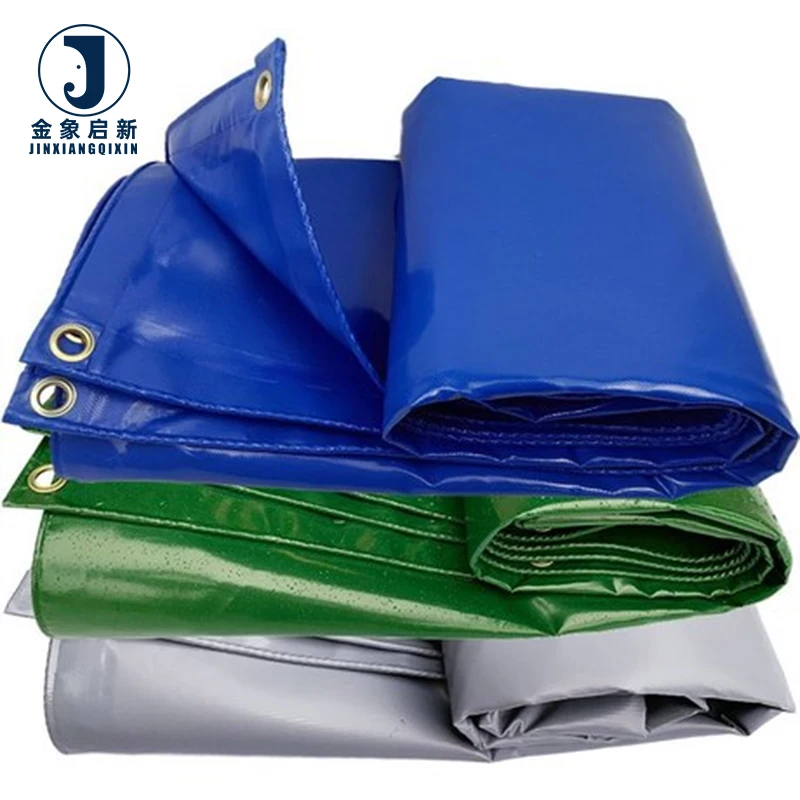
| Customizable | Size, color, and treatment options |
Application Suitability
| Application | Exposure & Requirement |
|---|---|
| Truck cargo cover | Road abrasion, wind loading, constant tensioning and flex at tie-down points |
| Trailer side curtain | Repeated rolling and unrolling, UV exposure, weather ingress at seams |
| Construction site cover | Debris impact, standing water, flame retardant requirement near hot work |
| Outdoor equipment protection | Long-term UV and rain exposure, mildew risk in humid storage conditions |
| Industrial warehouse partition | Dust containment, forklift contact abrasion, fire compliance in enclosed spaces |
Why Stated GSM Does Not Guarantee the Cover You Need
A quoted 500gsm or 600gsm weight means little without process control over coating adhesion and base fabric density.
Buyers regularly receive PVC coated tarpaulin that matches the weight on paper but fails at the weld line or tears under tension because the base fabric was underspecified to save cost. The coating may hit the target GSM while the yarn denier and weave count fall short of what the application demands [NEED_CITE: tensile and tear test methods for coated fabrics per ISO 1421]. When a truck cargo cover splits at a seam during transit, the root cause is almost always a mismatch between the quoted weight and the actual structural build of the fabric. Verifying GSM on arrival is the first step, but it must be paired with adhesion and tensile data to confirm the material will perform under load.
How Weight Grades Translate to Cargo Protection
Selecting between 500gsm and 600gsm PVC coated tarpaulin depends on the cargo profile and expected service conditions. The lighter grade suits flatbed loads with moderate weather exposure and standard tie-down tension, where the fabric primarily shields against rain and road spray. The heavier grade handles higher wind loads, abrasive cargo surfaces, and longer replacement intervals, making it the default for fleet operators running year-round routes through variable climates. A PVC coated tarpaulin manufacturer custom approach lets you match the grade to the specific vehicle and cargo type rather than accepting a one-size-fits-all stock option.
Treatment Selection Based on Route and Cargo Risk
Flame retardant, anti-static, and anti-mildew treatments are available across both weight grades, but each must be specified against a known requirement. Transporting hazardous materials or operating near hot-work zones on construction sites demands a verified flame retardant grade — confirm the grade required for your market before ordering [NEED_CITE: fire classification standards for transport and construction covers]. Anti-static treatment becomes relevant when covering sensitive electronic equipment or operating in environments where dust ignition is a risk. Anti-mildew treatment protects covers stored in humid conditions or deployed in tropical climates where fungal growth degrades the coating surface over time.
Reading the Specification Sheet Beyond the Weight Number
The GSM figure tells you how much material is present per square metre, but the base fabric denier and weave density determine how that weight resists tearing and puncture. A 600gsm fabric built on a high-density polyester scrim will outperform a 600gsm fabric on a loosely woven base when a tie-down strap concentrates force on a single point. The PVC coating method — whether knife-over-roll, laminating, or calendering — directly affects peel strength at welded seams, which is where most truck cargo covers fail first. Surface finish also matters: a glossy face sheds water and dirt more readily during transit, while a matte finish provides better grip during handling and fabrication [NEED_CITE: coating method influence on weld peel strength for PVC fabrics]. Understanding these relationships lets you evaluate quotations on structural merit, not just price per kilogramme.
What Happens When the Specification Does Not Match the Load
Ordering a generic PVC coated tarpaulin without verifying the base fabric construction leads to predictable failures. Covers that are too light for the cargo abrade at contact points within weeks, requiring replacement far sooner than expected. Flame retardant treatments claimed without a supporting test report create compliance risk at site inspections, where the contractor must produce documentation or face work stoppage [NEED_CITE: site inspection requirements for fire-rated temporary covers]. Colour variation between rolls in the same shipment becomes immediately visible when panels are installed side by side on a fleet of trailers, forcing either a full reorder or acceptance of a mismatched appearance. These are not manufacturing defects — they are specification gaps that could have been closed before production started.
Why This PVC Coated Tarpaulin Manufacturer Custom Capability Matters
Three full production lines and 36 sets of professional equipment provide the capacity to run bulk roll orders with consistent coating weight and colour across every shipment. A 10-person R&D team handles material selection, pattern printing, custom sizing, and sample development, enabling you to confirm the specification before committing to a full production run. Dedicated quality assurance at every stage, with full inspection before dispatch, means each roll is checked against the agreed GSM, colour reference, and treatment standard. Samples are developed within days for custom requirements, reducing the time between initial inquiry and confirmed order. Nearly 30 years of focused coated fabric production has refined process controls that keep coating adhesion and surface finish consistent from the first roll to the last.
Documentation & Verification
- Material specification sheet stating exact GSM, base fabric denier, and PVC coating composition for every order
- Test reports for flame retardant and anti-static grades supplied where applicable with the relevant standard cited
- Pre-shipment inspection record confirming weight, colour, and dimensional accuracy before dispatch
- ISO and CE certificates included in the documentation package for customs and site compliance
- Roll packing list with individual roll weights and dimensions for receiving verification
- Certificate of origin and full customs documentation support for international shipments
Fabrication, Handling & Storage
- Heat-weld seams at temperatures matched to the 500gsm or 600gsm PVC coating thickness to prevent delamination
- Reinforce hem and eyelet zones with additional PVC strip layers to distribute tie-down loads across the base fabric
- Store rolls upright on pallets in a dry, shaded area to prevent compression marks on the coated surface
- Allow cold-stored rolls to reach ambient temperature before unrolling to avoid coating cracking at low flexibility
- Use mild detergent and soft brush for cleaning to preserve the PVC coating surface and any applied anti-mildew treatment
- Plan cutting layout to maximise yield from the roll width and minimise cross-seams that become potential failure points
What to Include in Your Inquiry
Provide the specific truck or trailer model, the cargo type and typical load profile, and the climate conditions your fleet operates in. State whether your target market requires a particular flame retardant or anti-static certification, and specify the roll width, length, and colour you need. Indicate whether you require finished covers with hems and eyelets or stock rolls for your own fabrication, and let us know if you need a sample produced before placing the full order.
Frequently Asked Questions
Q: How is GSM verified on arrival and what documentation comes with each shipment?
A: Every roll ships with a pre-shipment inspection record showing actual measured weight against the quoted 500gsm or 600gsm specification. The documentation package includes a material specification sheet, packing list by roll, ISO and CE certificates, and test reports for any specified treatments. You can verify weight on arrival using the inspection record as your reference baseline.
Q: Which flame retardant grades are available for my market?
A: Flame retardant treatment is available across both 500gsm and 600gsm options, but the specific grade depends on your regional compliance requirements. Confirm whether your market requires M2, B1, NFPA 701, or another standard so we can match the treatment and supply the corresponding test report with your shipment.
Q: How do you control colour consistency across multiple rolls?
A: Colour matching is controlled through formulation records and checked at each production stage against your approved reference. Pre-shipment inspection includes visual comparison of rolls side by side before packing, so any variation is caught before dispatch rather than discovered during installation on your trailers.
Q: What are the options for custom sizing and what minimums apply?
A: Both 500gsm and 600gsm grades can be produced in custom widths, lengths, and colours with options for pattern printing and branding. Minimum order quantities vary by the degree of customisation required. Share your roll dimensions and annual volume so we can confirm lead time and production scheduling for your specification.
Q: How should hems and reinforcements be specified for truck cargo covers?
A: Hem construction and eyelet spacing should match the tie-down system and load profile of your specific trailer type. Specify the reinforcement width, eyelet diameter, and spacing interval based on your operational tension requirements. We can recommend configurations based on the 500gsm or 600gsm grade you select and the expected flex points on your cargo cover.
Related products
-
Cubierta de carga para camiones de PVC impermeable personalizable JX Fireproof 500gsm 600gsm
¥0.79 Select options This product has multiple variants. The options may be chosen on the product page -
Factory Custom 9×11 Poultry Curtains Tarpaulin PVC Coated Waterproof Anti-Static Eco-Friendly Tarp for Chicken Coop Boys Girls
¥0.90 Select options This product has multiple variants. The options may be chosen on the product page -
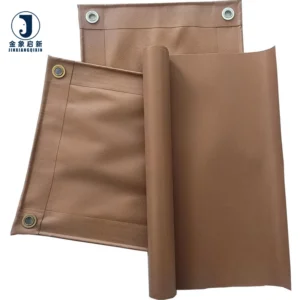
Lona de PVC recubierta personalizada impermeable 1000D 550GSM/900GSM autolimpiante para camiones. Carpa. Cubierta de techo. Barrera contra inundaciones.
¥0.99 Select options This product has multiple variants. The options may be chosen on the product page -
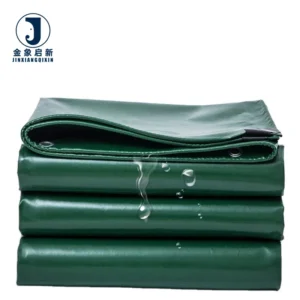
Venta Directa de Fábrica Lonas para Remolques de Plataforma Negras de Alta Resistencia Lona de PE para Madera Hoja de Lona para Transporte de Camiones de Plataforma
¥1.25 Select options This product has multiple variants. The options may be chosen on the product page