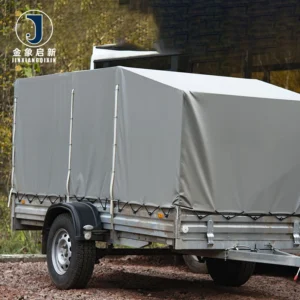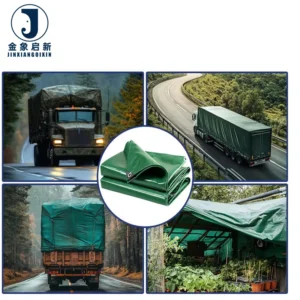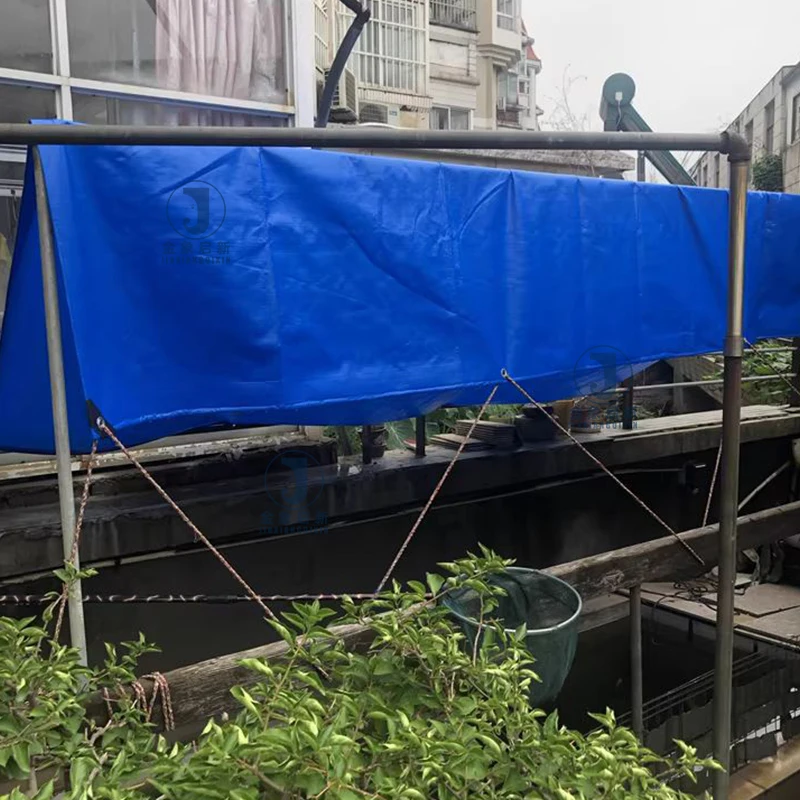
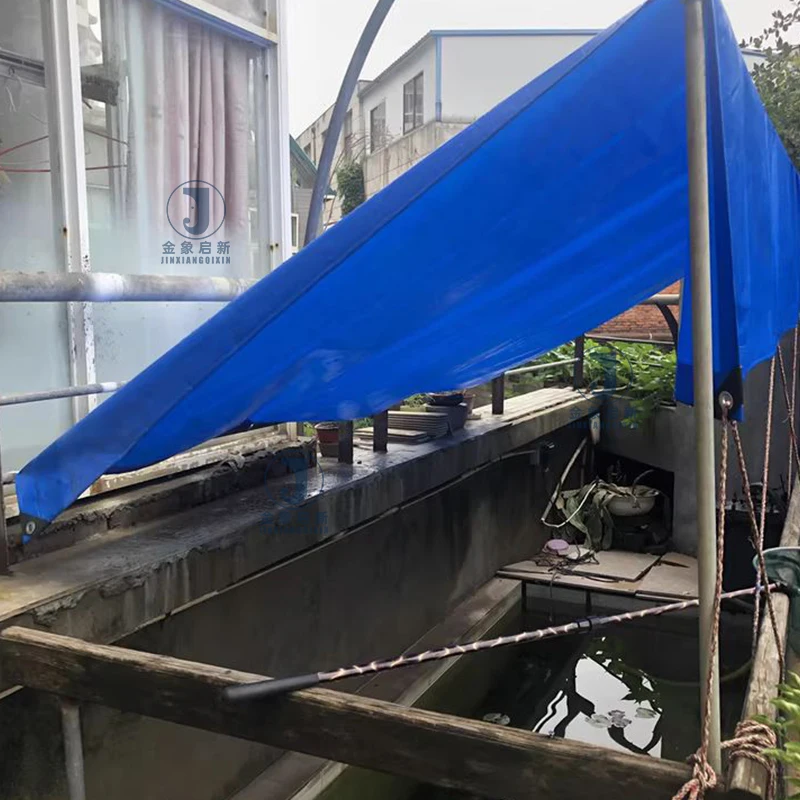
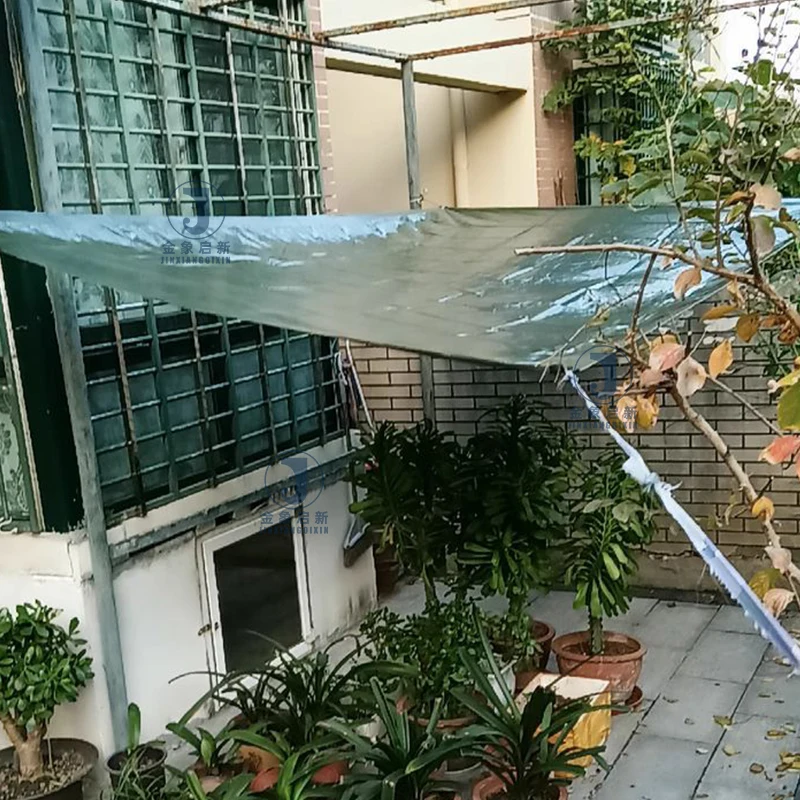
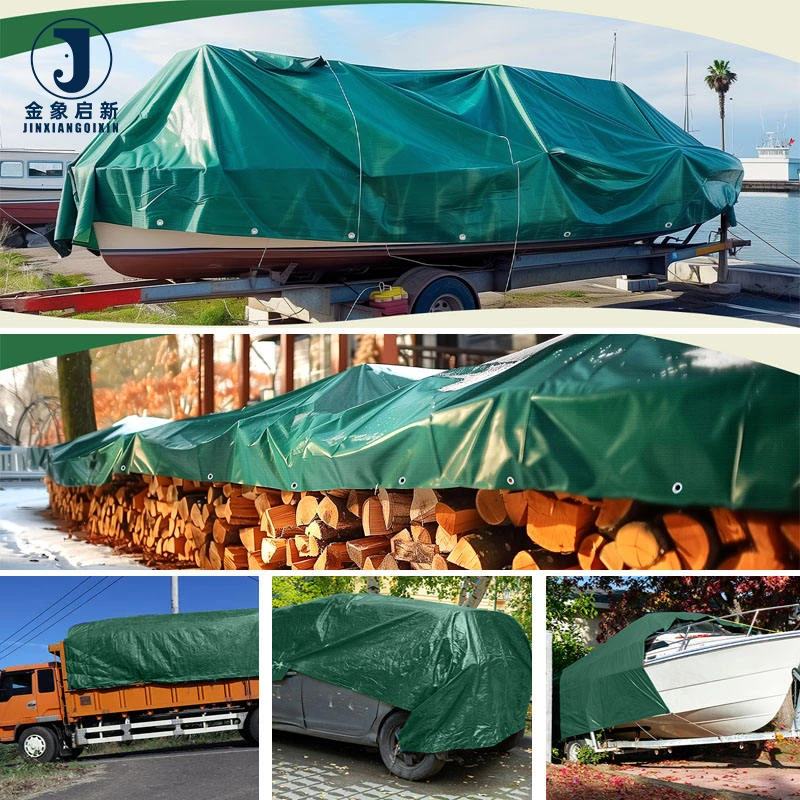
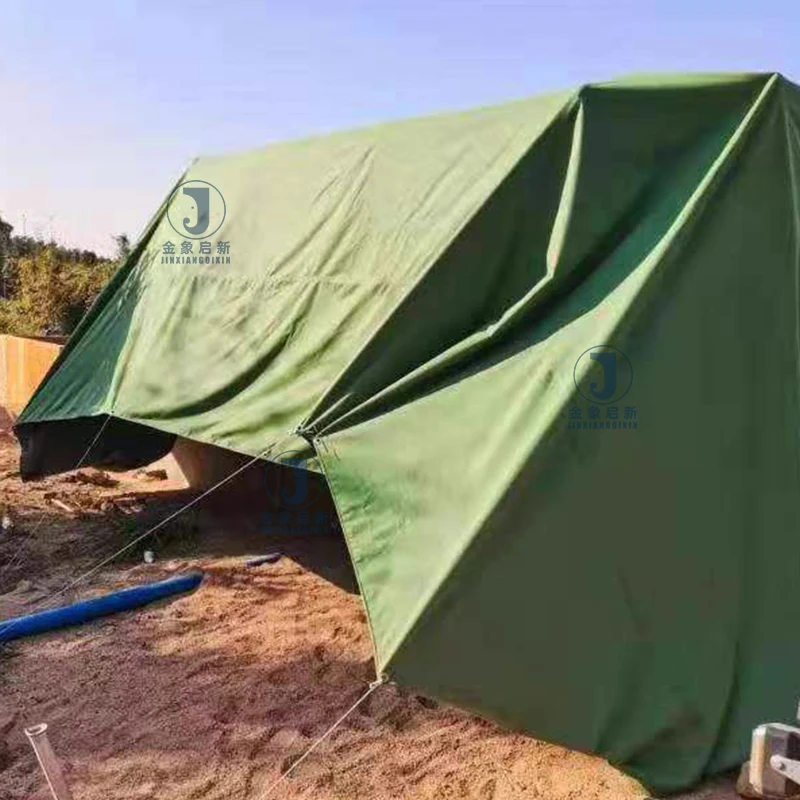
PVC Truck Cover with PP rope reinforced hems and galvanized eyelets at regular intervals for secure load retention on transport fleets.
- Waterproof, washable, tear resistant, and UV treated for extended outdoor exposure
- Matte surface finish with mildew proof and anti-aging formulation
- Available in multiple standard colours and custom options
Focused on covering moving loads, the edge and eyelet reinforcement system prevents failure at high-flex points where cargo and fabric shift during transit. Three full production lines with 100% pre-shipment inspection ensure every roll and cut size meets specification before dispatch.
Description
Production Line Capacity — three full coating lines and 36 sets of professional equipment deliver consistent PE tarpaulin output with documented pre-shipment inspection for every roll.
Technical Specifications
| Parameter | Value |
|---|---|
| Product Type | PVC Truck Cover |
| Material Construction | HDPE weaving with LDPE lamination on both sides |
| Weight (GSM) | 80-240 g/m² (available in lightweight, medium and heavy-duty grades) |
| Thickness Range | 0.18-0.35 mm (varies by grade) |
| Mesh Count | 8×8 / 10×10 / 12×12 (grade-dependent) |
| Tensile Strength | Meridian 300-1200 / Latitude 250-1000 N/5cm (test basis not stated) |
| Roll Width Options | 6ft, 8ft, 10ft, 12ft, 2m, 4m, 6m or custom |
| Roll Length Options | 100 yards, 100 meters, or custom |
| Finished Edge Reinforcement | PP rope hem on all four edges |
| Eyelet Configuration | Galvanized, spaced every 3ft or 1 meter |
| Corner Treatment | Reinforced plastic corners |
| Surface Finish | Matte |
| Key Features | Waterproof, washable, tear resistant, UV treatment available, mildew proof, anti-aging |
| Certifications | ISO and CE |
Application Suitability
| Application | Exposure & Requirement |
|---|---|
| Truck and trailer load cover | Constant road abrasion, wind flexing, UV exposure, tie-down load at eyelet points |
| Warehouse and yard coverage | Prolonged sun exposure, rain pooling, handling abrasion from repeated folding |
| Agricultural stock and equipment cover | Outdoor weathering, mildew risk in humid storage, frequent deployment and stowage |
| Construction site equipment protection | Dust, debris impact, moisture ingress, short to medium-term outdoor deployment |
Why the Stated GSM Often Fails the Buyer at Receiving
Weight on paper must match weight on the scale — without verification documentation, a quoted GSM is only an intention.
Fleet operators and tarpaulin distributors regularly open containers to find material that feels lighter than expected. When the PVC Truck Cover aftermarket supplier quotes a specific weight but the pre-shipment inspection record is absent or generic, the buyer has no recourse once the rolls are cut and fabricated [NEED_CITE: pre-shipment weight verification standards for coated fabrics]. The problem compounds when the cover is installed on a trailer: a lighter base fabric means lower tensile reserve, and the first gale or heavy snow load exposes the shortfall at the seam or eyelet line. This is why documented GSM verification per roll, not just per batch, separates a reliable PE tarpaulin manufacturer from one that leaves the risk with the buyer.
What the Base Fabric Weave Means for Road-Grade Covers
The HDPE woven base in this PE tarpaulin range uses mesh counts from 8×8 for lightweight grades through 12×12 for heavy-duty options. A denser weave distributes tie-down tension across more yarns, reducing the chance that a single broken thread propagates into a visible tear along the trailer side. For transport fleet operators specifying a custom PVC truck cover, the mesh count is as important as the GSM in determining how the material handles daily flexing and strap pressure.
Edge Reinforcement as a System, Not an Afterthought
The four-edge PP rope hem combined with galvanized eyelets at regular intervals and reinforced plastic corners forms a load-path system. When a ratchet strap pulls on an eyelet, the force transfers into the rope-reinforced hem rather than concentrating on a single fabric point. Custom PE tarpaulin orders can specify eyelet spacing at 3ft or 1 meter intervals depending on the tie-down pattern of the trailer or flatbed configuration. This is where generic off-the-shelf covers typically fail — they use a single spacing that does not match the buyer’s actual hardware layout [NEED_CITE: eyelet pull-out test methods for tarpaulin covers].
Reading GSM Alongside Mesh Count and Lamination Weight
A 240 g/m² PE tarpaulin with a 12×12 mesh and heavy LDPE lamination behaves very differently from one that reaches the same GSM through thicker coating on a lighter 8×8 base. The former gives higher tear resistance because the denser weave arrests tear propagation, while the latter may show higher stiffness but lower puncture resistance. When selecting a grade for a PVC truck cover application, the PE tarpaulin manufacturer should provide a material specification sheet that breaks down base fabric weight versus coating weight, so the buyer can match the construction to the actual mechanical stress the cover will face.
The Hidden Cost of Ordering by Price Per Roll
When the procurement decision rests on the lowest per-roll quote, the hidden cost surfaces at the fabrication bench. A cover that arrives with lower GSM than specified may still pass a quick visual check, but the heat-welded seams will carry less peel strength because there is less coating material available to bond [NEED_CITE: peel strength requirements for heat-welded PE tarpaulin seams]. The result is a seam that separates before the body fabric wears out — a failure mode that shows up weeks after installation, not at the receiving dock. Batch-to-batch colour variation is another consequence of cost-driven sourcing: when the pigment loading is reduced to hit a price point, two rolls from the same order can show visible shade differences once installed side by side on adjacent trailers.
Why Source This Tarpaulin from Jinxiang
Nearly 30 years of focused coated-fabric production means process parameters for lamination temperature and haul-off speed are locked in, not adjusted trial-by-trial. Three full production lines and 36 sets of equipment provide the capacity to run multiple custom PE tarpaulin orders concurrently without compressing lead times. The 10-person R&D team handles material selection, custom sizing, and sample development, so a buyer can request a specific colour match or printed branding and receive a physical sample within days. Dedicated QA/QC at every production stage with 100% pre-shipment inspection ensures that each roll of PE tarpaulin shipped matches the confirmed specification sheet, documented in the inspection record before dispatch.
Documentation & Verification
- Material specification sheet stating exact GSM, base fabric mesh and LDPE coating weight for order confirmation
- Pre-shipment inspection record verifying weight and dimensions per roll against the stated specification
- UV and flame-retardant test reports provided where the selected grade includes these treatments
- Roll packing list with individual roll weights and dimensions for receiving verification
- Certificate of origin included to support customs clearance at destination port
Fabrication, Handling & Storage
- Heat-weld at moderate temperature to bond LDPE lamination without burning through the HDPE base fabric
- Space galvanized eyelets to match the buyer’s tie-down pattern, using reinforced plastic corners at all stress points
- Store rolls on their core in a shaded, dry area to prevent flat-spot creasing of the matte surface finish
- Use mild detergent and soft brush for cleaning; avoid solvents that degrade the LDPE lamination layer
- Cut patterns to minimise seams on high-flex trailer zones, aligning the warp direction with the primary load axis
What We Need to Quote Your Order
Provide the trailer model or load dimensions, the operating environment including expected UV and moisture exposure, and your preferred eyelet spacing and edge reinforcement details. Specify whether you need roll stock in a particular width and length or finished cut-to-size tarpaulins, along with any colour or printed branding requirements. If your market requires a specific fire classification or UV performance grade, share the standard so the correct grade is selected from the available range.
Frequently Asked Questions
Q: What is the difference between PE and PVC tarpaulin for truck cover applications?
A: PE tarpaulin uses an HDPE woven base with LDPE lamination, offering lighter weight and lower cost for medium-term covers. PVC tarpaulin uses a polyester base with PVC coating, delivering higher tensile strength and longer service life under continuous outdoor exposure. The choice depends on the expected replacement interval and the mechanical load at flex points.
Q: How is GSM verified on arrival to match the quoted specification?
A: Each roll undergoes a pre-shipment inspection where weight per square meter is measured and recorded against the confirmed specification. The inspection record is shared with the buyer before dispatch, providing documented evidence that the PE tarpaulin manufacturer has verified the material, not just stated it on the quotation.
Q: Can truck covers be cut to fit specific trailer models rather than generic sizes?
A: Yes, finished tarpaulins can be produced to exact trailer dimensions rather than standard cut sizes. The buyer provides the vehicle model or measured dimensions, and the R&D team develops a cutting pattern that accounts for hem allowances, eyelet placement and any required clearance for straps and hardware.
Q: What reinforcement options are available for high-flex and high-abrasion areas?
A: The standard reinforcement includes PP rope in all four hems, galvanized eyelets at 3ft or 1m intervals, and reinforced plastic corners. For high-abrasion zones such as the lower edge of a side curtain, additional fabric patches or extra rope layers can be specified during the custom PE tarpaulin sample development stage.
Q: How do you ensure colour consistency across multiple rolls in the same order?
A: Pigment formulation is locked at the batch level and checked against the confirmed colour reference during production. The 100% pre-shipment inspection includes a visual comparison across rolls in the same order, and the inspection record notes any shade variation before the PE tarpaulin manufacturer releases the shipment for dispatch.
Related products
-
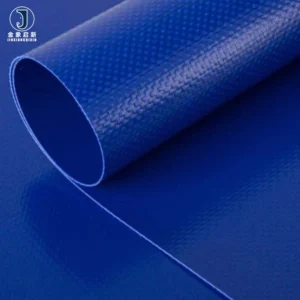
PVC Tarpaulin for Truck Covers – Custom Made
Read more -
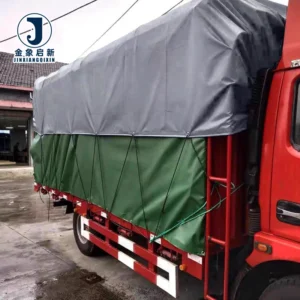
High-Quality Tarpaulin Products for Trucks. Trailers. and More – Coated Tarpaulin. 950 Gsm Pvc Tarpaulin Roll
¥1.48 Add to cart -
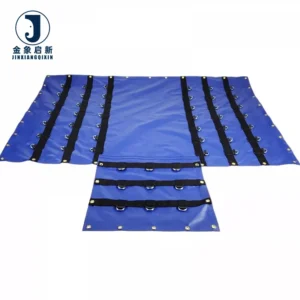
PVC Lumber Tarpaulin 24′ X 27′ with 8ft Drop – Custom Made
Read more -
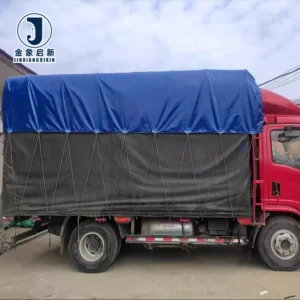
Toldo de alta resistencia para camión / Lona de PVC laminada / Lona de vinilo para remolque de camión
¥1.25 Select options This product has multiple variants. The options may be chosen on the product page