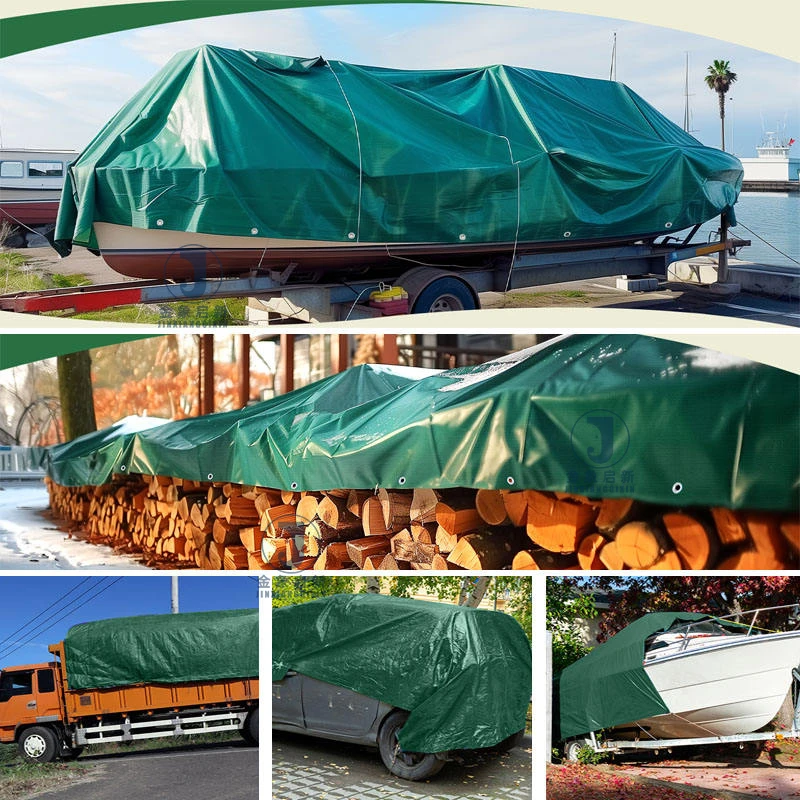
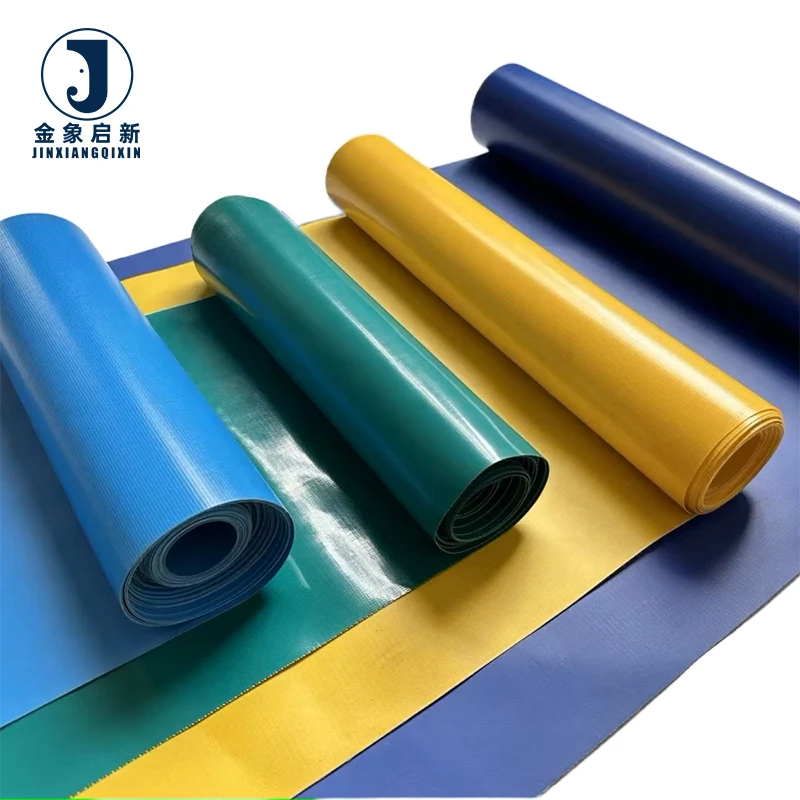
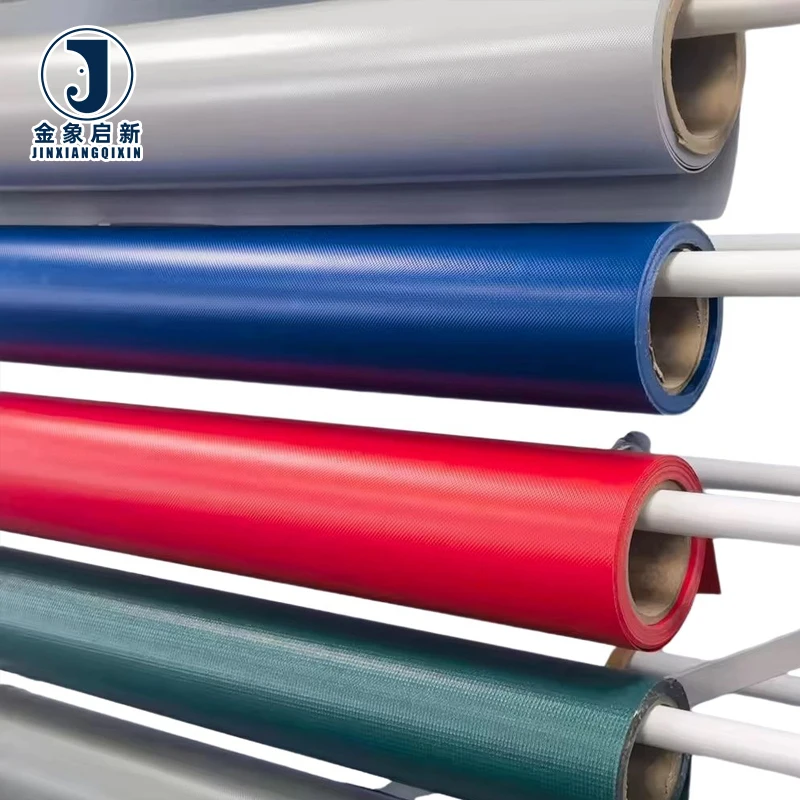
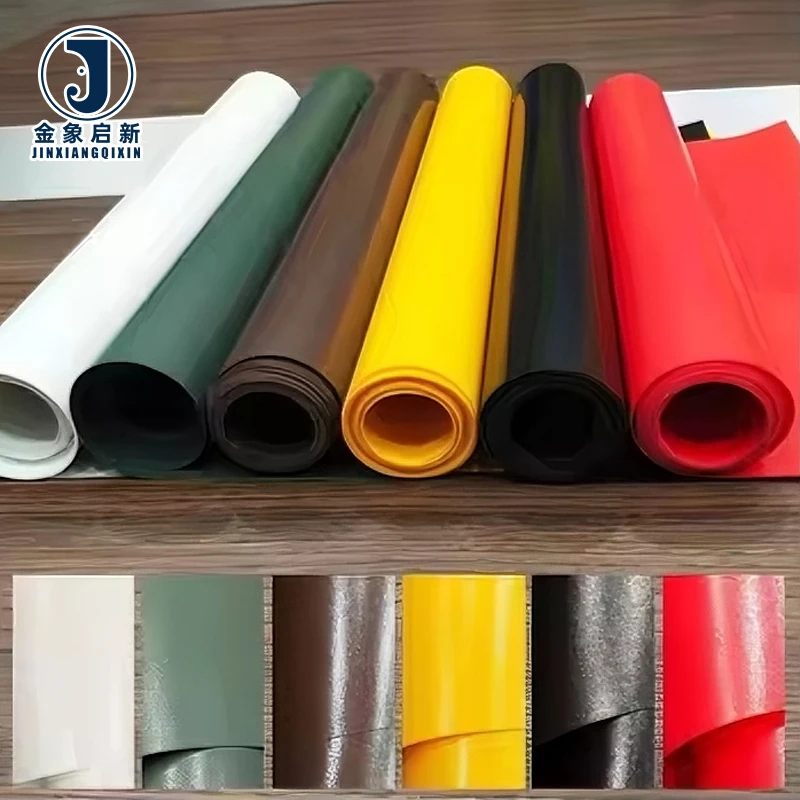
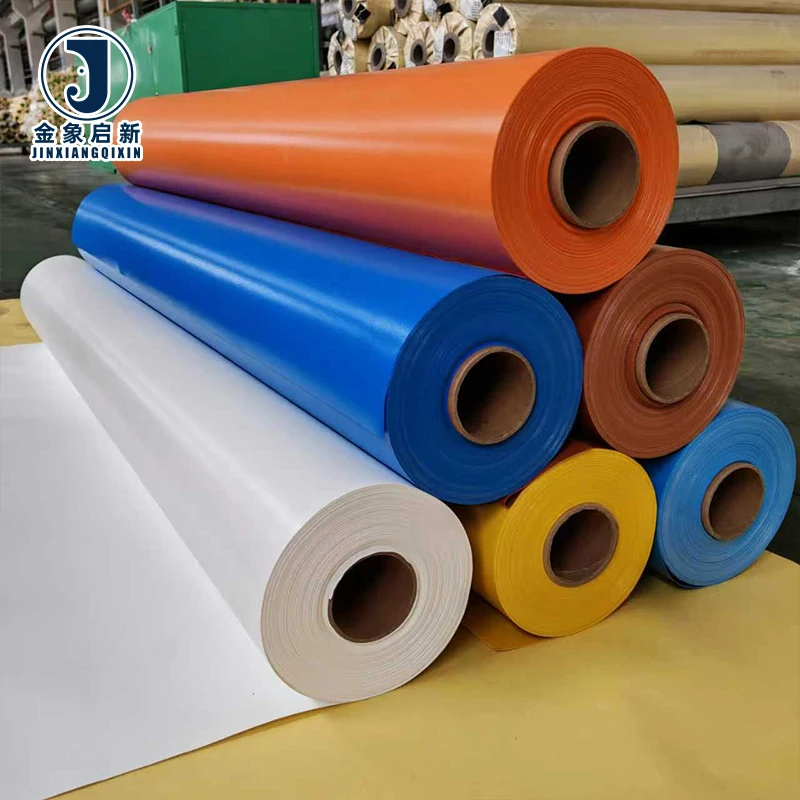
PVC Knife-Coated Fabric, 350gsm–750gsm, Hot-Melt Coated Polyester Mesh — engineered for truck covers, tent structures, and industrial enclosures.
Hot-melt coating bonds PVC to high-tenacity polyester mesh, delivering superior peel strength and reliable heat-welded seams at flex points. Multiple weight grades let you match tensile and tear performance to the actual load and exposure conditions.
- Weldable seams with outstanding tearing strength at stress points
- Flame retardant, anti-static, and anti-mildew treatments available
- Custom widths, colors, and roll lengths for batch-consistent production
Backed by 30 years of coating process control, 100% pre-shipment inspection, and full material documentation with every roll.
Description
Deep Coating Adhesion Control — Our hot-melt and laminated coating lines maintain consistent PVC-to-polyester bonding across every roll, verified through peel strength checks before dispatch.
Technical Specifications
| Parameter | Value |
|---|---|
| Product Type | PVC Knife-Coated Fabric |
| Material | PVC + High-strength polyester mesh fabric |
| Coating Technology | Laminated technology & Hot-melt coating technology |
| Weight Options | 350gsm / 420gsm / 500gsm / 550gsm / 600gsm / 750gsm |
| Thickness Options | 0.32mm / 0.35mm / 0.4mm / 0.45mm / 0.5mm / 0.65mm |
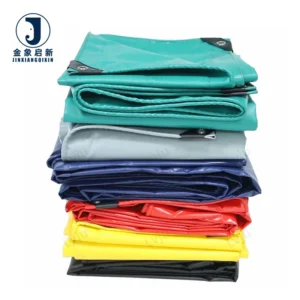
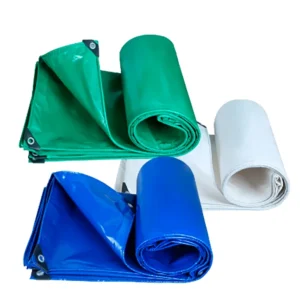
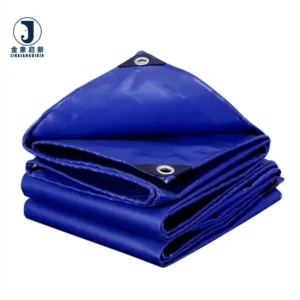
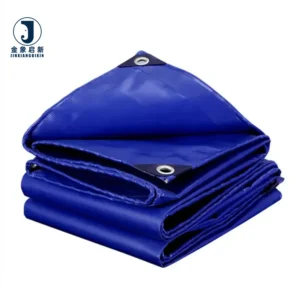
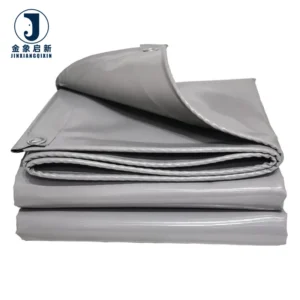
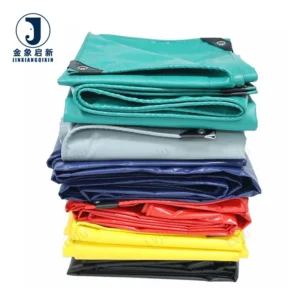
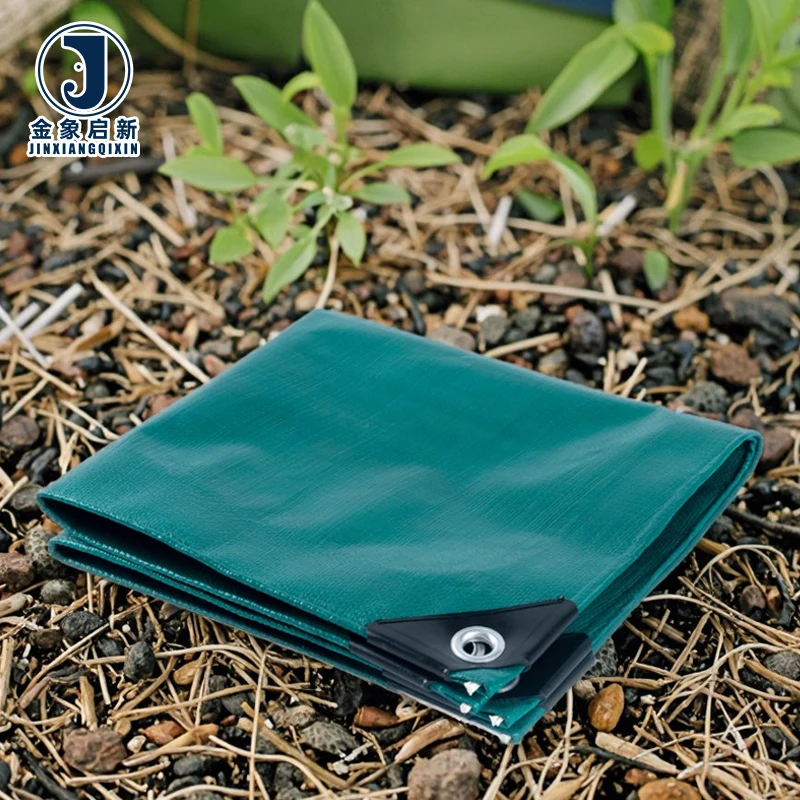
| Color Options | Blue / Red / Yellow / Light blue / Grey (Customized available) |
| Roll Size | 2m width × 75m length / 2.1m width × 50m length |
| Finish Product Size | Custom items as per customer’s needs or sold by inventory |
| Special Treatments | Flame retardant, anti-static, anti-cold, anti-mildew, 3P (grades available upon request) |
| Key Features | Waterproof, sunproof, cold crack resistance, anti-mildew, outstanding tearing strength for welding, best color fastness |
| Standards | ISO, CE |
Application Suitability
| Application | Exposure & Requirement |
|---|---|
| Truck awning and side curtain | Constant flexing at hinge points, road debris abrasion, prolonged UV and rain exposure |
| Construction site enclosure | Wind loading on scaffolding, mechanical contact with steel frames, dust and moisture ingress |
| Equipment and machinery covers | Standing water, chemical splash from plant floors, repeated folding and unfolding |
| Tent and temporary structure | Tensile stress from frame tension, weather cycling, guest safety requiring flame retardant compliance |
| Cargo ship and marine cover | Salt spray, heavy weather, securing loads on deck with tie-down tension |
| Fish tank and pond liner | Permanent water immersion, algae and biological growth, puncture from substrate |
| Agricultural stock protection | UV degradation over seasons, wind uplift, moisture and mildew in humid climates |
Why the Right PVC Coated Tarpaulin Manufacturer Matters Beyond the Quoted GSM
Specified weight means nothing if the roll arriving on your dock is lighter than what you paid for.
Buyers across transport and construction sectors report receiving PVC coated tarpaulin rolls that fall short of the quoted GSM, sometimes by a margin large enough to affect tensile performance and weld integrity. The discrepancy is rarely visible until the fabric is cut, welded, and installed — by which point the cover is already failing at flex points or the seam is peeling under load. [NEED_CITE: coated fabric weight verification methods per ISO 3801] When you source custom PVC tarpaulin for fleet or site use, the gap between quotation and delivery can mean rejected shipments, rework costs, and delayed project handovers.
Coating Method Determines How the Fabric Behaves in the Field
The choice between laminated technology and hot-melt coating technology directly shapes how this PVC knife-coated fabric performs under stress. Hot-melt coating drives the PVC compound into the interstices of the high-strength polyester mesh, creating a mechanical lock that resists delamination when the fabric flexes repeatedly — a condition common in truck awning and side curtain applications. Laminated construction bonds pre-formed PVC films to the base fabric, offering a smoother surface finish suited to applications where appearance and printability matter.
Color Consistency Across Multi-Roll Orders
When a transport fleet orders PVC coated tarpaulin in quantity, even a slight shade variation between rolls becomes visible once installed side by side on adjacent trailers. Our production process controls pigment dosing and mixing at the batch level, so rolls within the same order maintain visual uniformity. Custom colors beyond the standard Blue, Red, Yellow, Light blue, and Grey range are available, and we recommend requesting a physical sample swatch before confirming a bulk run to validate the match under natural and artificial lighting. [NEED_CITE: color fastness testing standards for coated textiles]
Reading the Weight and Thickness Matrix
The available weight grades — 350gsm, 420gsm, 500gsm, 550gsm, 600gsm, and 750gsm — each pair with a corresponding thickness from 0.32mm to 0.65mm, but weight alone does not define durability. The high-strength polyester mesh base provides the tensile and tear backbone, while the PVC coating mass determines abrasion resistance, waterproofing integrity, and weld seam strength. A 500gsm fabric with a tight-weave base may outperform a heavier grade built on a looser mesh in tear propagation resistance. Coating technology also plays a role: hot-melt coated grades typically show higher peel strength at the weld line compared to laminated equivalents, which matters when the cover flexes over uneven loads during transit. Selecting the correct grade means matching the mechanical demand of your application, not simply choosing the heaviest option.
What Happens When Specifications Are Mismatched to the Job
Ordering a lighter GSM grade for a heavy-duty transport cover might save on initial material cost, but the consequences surface quickly. Seams welded on underweight fabric tend to fail at the flex zone where the load shifts during transit, because there is insufficient coating mass to absorb the peel force. [NEED_CITE: weld seam peel strength requirements for PVC coated tarpaulins] In construction enclosure applications, underspecified material tears at the grommet line under wind loading, leaving the site exposed and forcing emergency replacement. For tent and temporary structure use, specifying flame retardant treatment without confirming the grade required by the local fire authority can result in failed inspections and project delays — a risk that only emerges on site, not in the sample approval stage.
Why Fabricators and Fleet Operators Source This PVC Knife-Coated Fabric Here
Our three full production lines and 36 sets of professional equipment handle volume orders in PVC coated tarpaulin with consistent lead times, whether you need roll stock or finished cut sizes. The 10-person R&D team develops custom samples within days — matching your required GSM grade, color, and width before bulk production commits. Every roll undergoes dedicated QA/QC at each production stage, with 100% pre-shipment inspection ensuring the material leaving our facility matches the specification sheet you approved. With nearly 30 years of focused experience in coated fabric, our process control over coating weight and adhesion is built into every production run, not added as a final check.
Documentation & Verification
- Material specification sheet stating exact GSM, base fabric construction, and coating type per roll
- Pre-shipment inspection record confirming weight and dimensional accuracy before dispatch
- Test report for flame retardant or anti-static grades supplied where applicable to your market
- Color reference standard matched to your approved sample for batch consistency verification
- Roll packing list with individual roll identification for traceability through your fabrication process
- Certificate of origin and customs documentation supporting international shipment requirements
Fabrication, Handling & Storage
- Hot-melt coated grades tolerate higher welding temperatures, producing stronger seams at flex points
- Anti-mildew treated PVC knife-coated fabric should be stored dry and ventilated to preserve treatment efficacy
- Rolls in 2m × 75m or 2.1m × 50m format require upright or suspended storage to avoid permanent crease marks
- Cold crack resistance allows unfolding in low temperatures, but allow the material to acclimatize before welding
- Glossy PVC surfaces accept solvent-based inks for branding; confirm ink compatibility with the coating type
- Cut patterns should account for weld seam allowance of at least 25mm to maintain tear strength at joints
Preparing Your Custom PVC Tarpaulin Inquiry
To ensure the PVC coated tarpaulin manufacturer provides an accurate specification and sample, share your application type and the mechanical or environmental conditions the fabric will face. Specify your target market’s fire safety or anti-static compliance requirements if applicable, along with preferred roll width, color, and whether you need finished cut sizes or roll stock. If your project demands color matching to an existing fleet or structure, provide a reference sample or Pantone code so we can develop a physical swatch for your approval before production begins.
Frequently Asked Questions
Q: How do I verify the actual GSM matches what was quoted on arrival?
A: Each order ships with a material specification sheet stating the exact GSM, base fabric, and coating details per roll. Our 100% pre-shipment inspection includes weight verification against the quoted grade. On arrival, you can conduct a simple cut-and-weigh test on a sample piece to confirm the stated GSM matches the physical material received.
Q: What test certifications support flame retardant or anti-static claims?
A: Flame retardant and anti-static treatments are available in grades suited to different market requirements. We provide test reports for the specific grade applied to your order. Confirm the fire classification standard required in your target market at the inquiry stage so we can match the treatment and documentation accordingly.
Q: Can you guarantee color consistency across an entire multi-roll order?
A: Pigment dosing and compound mixing are controlled at the batch level to maintain shade uniformity within a single order. We recommend approving a physical sample swatch before bulk production. Rolls are identified individually on the packing list, allowing you to trace each roll back to its production batch if any variation is observed during installation.
Q: What is the difference between laminated and hot-melt coating technology?
A: Hot-melt coating forces PVC compound into the polyester mesh interstices, creating a strong mechanical bond that resists delamination under repeated flexing. Laminated technology bonds pre-formed PVC films to the base fabric, yielding a smoother surface suited to printing and applications where visual finish matters. We recommend the coating method based on your specific application demands.
Q: Which weight grade suits my specific application requirements?
A: The 350gsm to 750gsm range covers applications from light agricultural covers to heavy-duty truck awnings and construction enclosures. The correct grade depends on mechanical load, exposure conditions, and weld seam requirements rather than weight alone. Share your application details and we will recommend the appropriate GSM grade with a sample for your evaluation.