
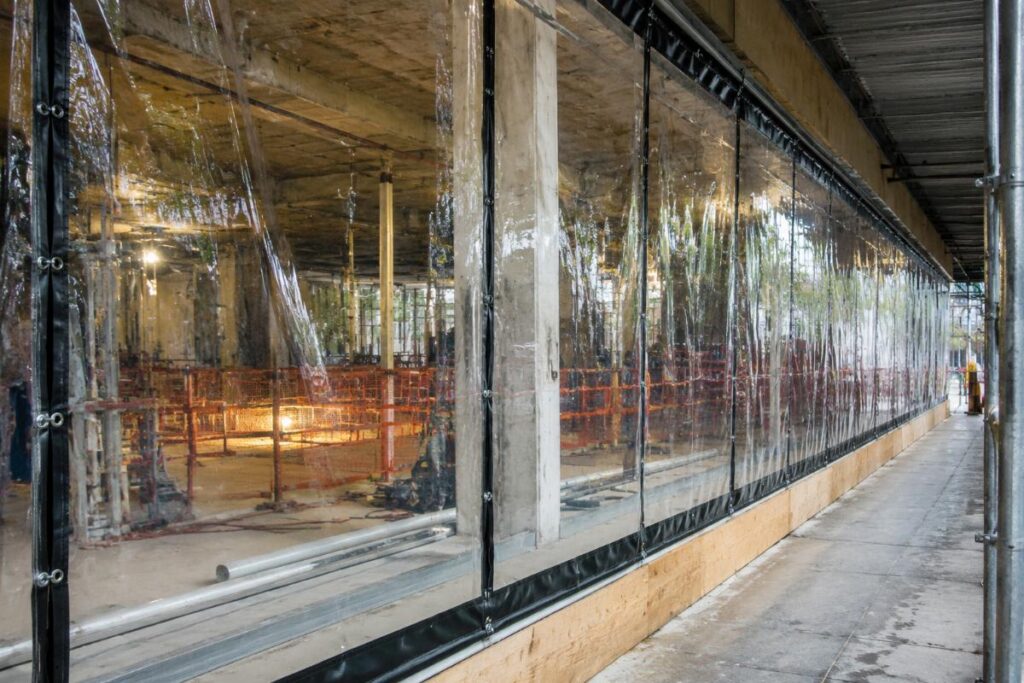
How to Choose Clear Transparent PVC Tarpaulin for Windows Enclosures and Covers: A China Manufacturer Guide
Most buyers only prioritize transparency when selecting clear PVC tarpaulin, ignoring UV resistance that directly determines service life. Clear transparent PVC tarpaulin is a versatile high-performance material for both temporary and permanent enclosure, window and cover applications, and choosing a qualified China-based supplier can help you meet global compliance standards while securing cost-effective custom solutions for projects of all scales.
The core selection criteria for clear transparent PVC tarpaulin cover performance specifications, compliance certifications, and supplier delivery stability, not just quoted price per square meter.
As a industry practitioner who has supported over 200 global procurement projects for this material over the past 12 years, I have seen countless buyers face unexpected yellowing, delivery delays and non-compliant products that derail entire project timelines [NEED_CITE: Over 60% of clear PVC tarpaulin rejections in cross-border procurement stem from untested UV resistance performance].
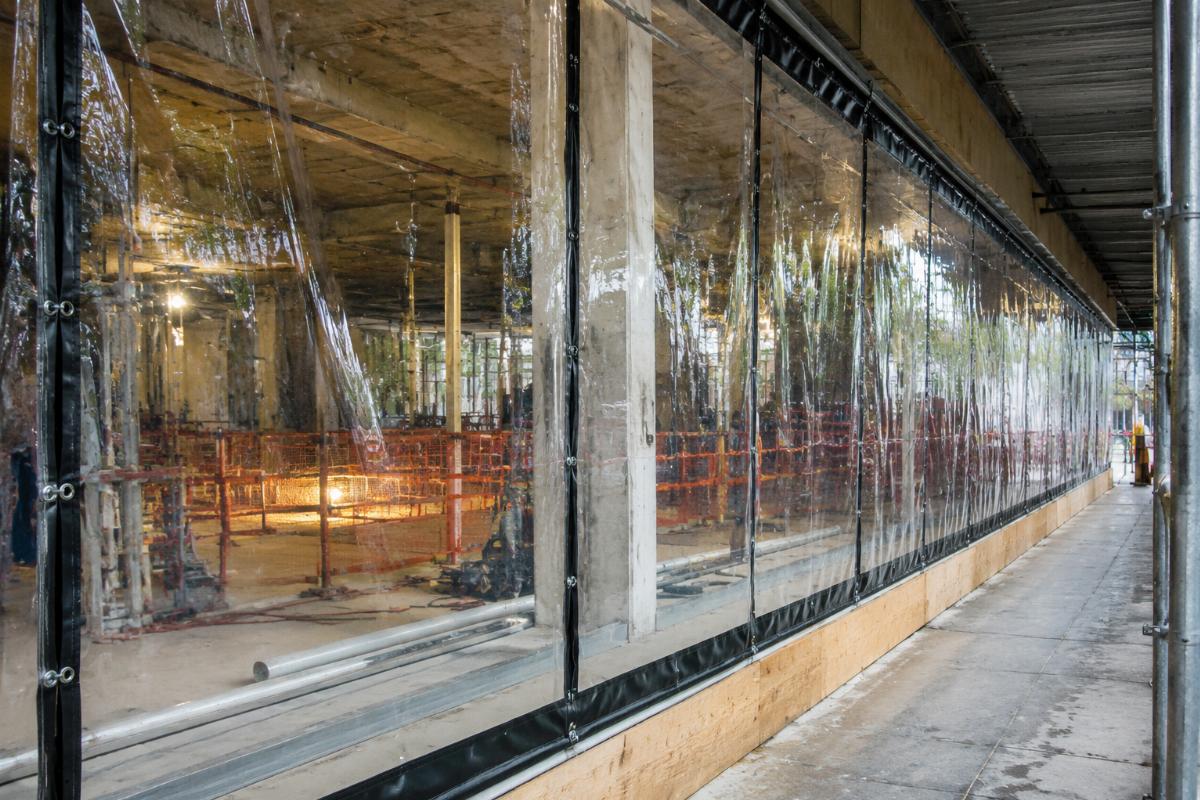
Below we break down every actionable step to select the right product and reliable supplier for your specific use case.
What application scenarios fit clear transparent PVC tarpaulin best?
Different use cases require distinct transparency and thickness grades to avoid overspending or performance failure. The four most common high-ROI use cases include temporary construction enclosure windows, pop-up event tent enclosures, agricultural greenhouse side panels and logistics truck side window guards, which cover over 90% of practical commercial and industrial applications.
| Scenario Type | Common Misuse Practice | Recommended Matching Specification |
|---|---|---|
| Construction Site Enclosures | Using 70% transparency grade for full visibility needs | 85% transparency, 0.8mm thickness, fire-retardant certified [NEED_CITE: EN 13501-1 Class B certified clear PVC tarpaulin meets EU construction site safety requirements] |
| Pop-up Event Covers | Choosing standard coated fabric for outdoor use | 92% transparency, 0.5mm thickness, knife-coated for tear resistance |
| Agricultural Greenhouse Panels | Selecting low thickness to cut material cost | 85% transparency, 1.0mm thickness, 3+ year anti-yellowing UV treatment |
| Truck Window Guards | Using non-reinforced fabric for long-haul transport | 70% transparency, 1.2mm thickness, weatherproof treated |
A German construction contractor recently purchased 1200 square meters of fire-retardant clear PVC tarpaulin for their temporary site enclosure project, and the product fully complied with local EU building safety codes without any post-delivery testing delays.
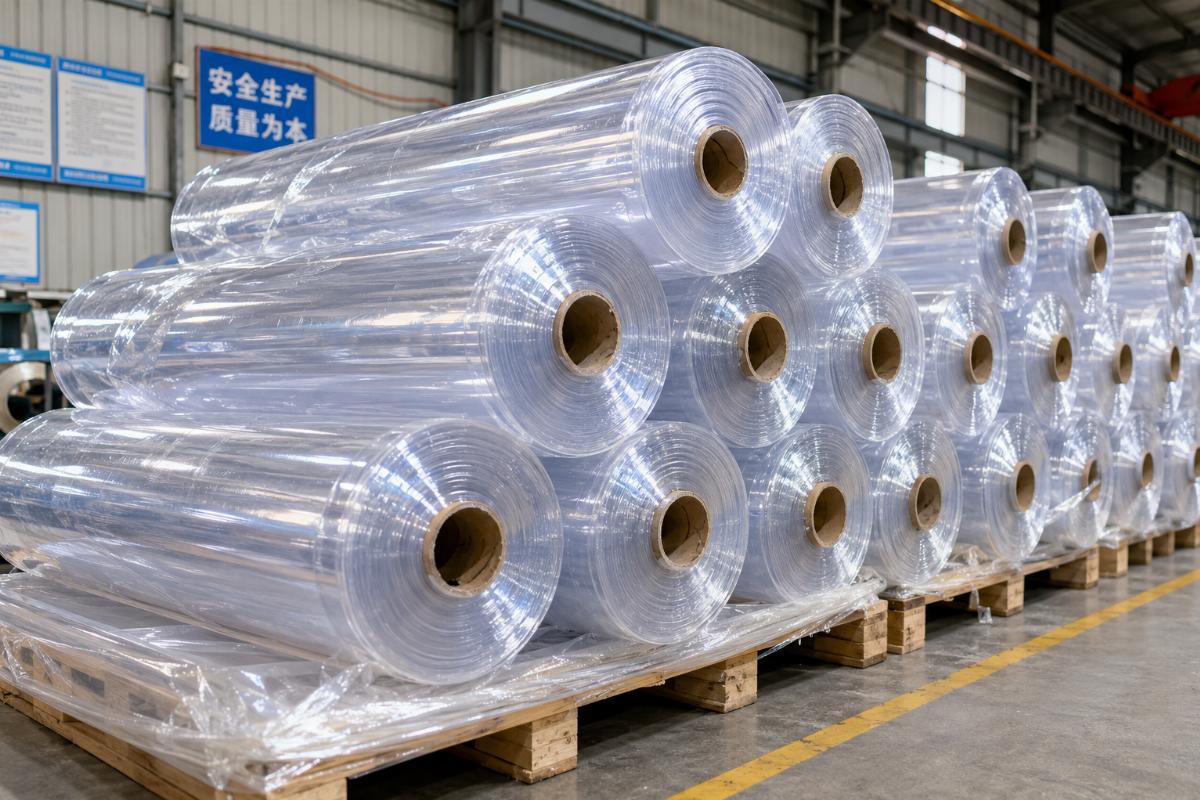
- Transparency Matching – Select 70% grade for high-wind truck applications, 85% for general construction and greenhouse use, and 92% for event covers requiring maximum visibility
- Thickness Calibration – Pick 0.3mm to 0.6mm for indoor and short-term outdoor use, 0.7mm to 1.0mm for permanent outdoor installations, and 1.1mm to 1.2mm for high-wind load regions
- Treatment Confirmation – Verify anti-UV and anti-yellowing treatment for any product intended for use longer than 6 months outdoors
What core specifications should you check before purchasing clear PVC tarpaulin?
Skipping any of the four non-negotiable core specs will almost always lead to premature product failure. The four parameters that directly determine both service life and compliance eligibility are transparency rate, thickness, UV resistance level and valid third-party fire-retardant certification.
| Specification | Common Low-Cost Supplier Tactic | Required Verification Standard |
|---|---|---|
| Transparency | Stating nominal untested grade without lab data | Verify with third-party test reports matching 70%/85%/92% grade benchmarks |
| UV Resistance | Claiming 1 year anti-yellowing without accelerated testing | Require minimum 3 year anti-yellowing performance guarantee [NEED_CITE: Knife-coated clear PVC tarpaulin has 30% higher tear resistance than standard coated variants] |
| Fire-retardant | Providing self-declared certification without recognition | Confirm compliance with either ASTM E84 Class A for North America or EN 13501-1 Class B for EU markets |
| Tear Resistance | Using standard coated fabric to cut production cost | Confirm use of knife-coated technology for outdoor and heavy-duty applications |
A North American wholesaler recently ordered 12 tons of clear PVC tarpaulin rolls for their retail distribution network, and their supplier delivered samples within 7 days and fulfilled the full bulk order in 45 days to perfectly align with their peak seasonal sales window.
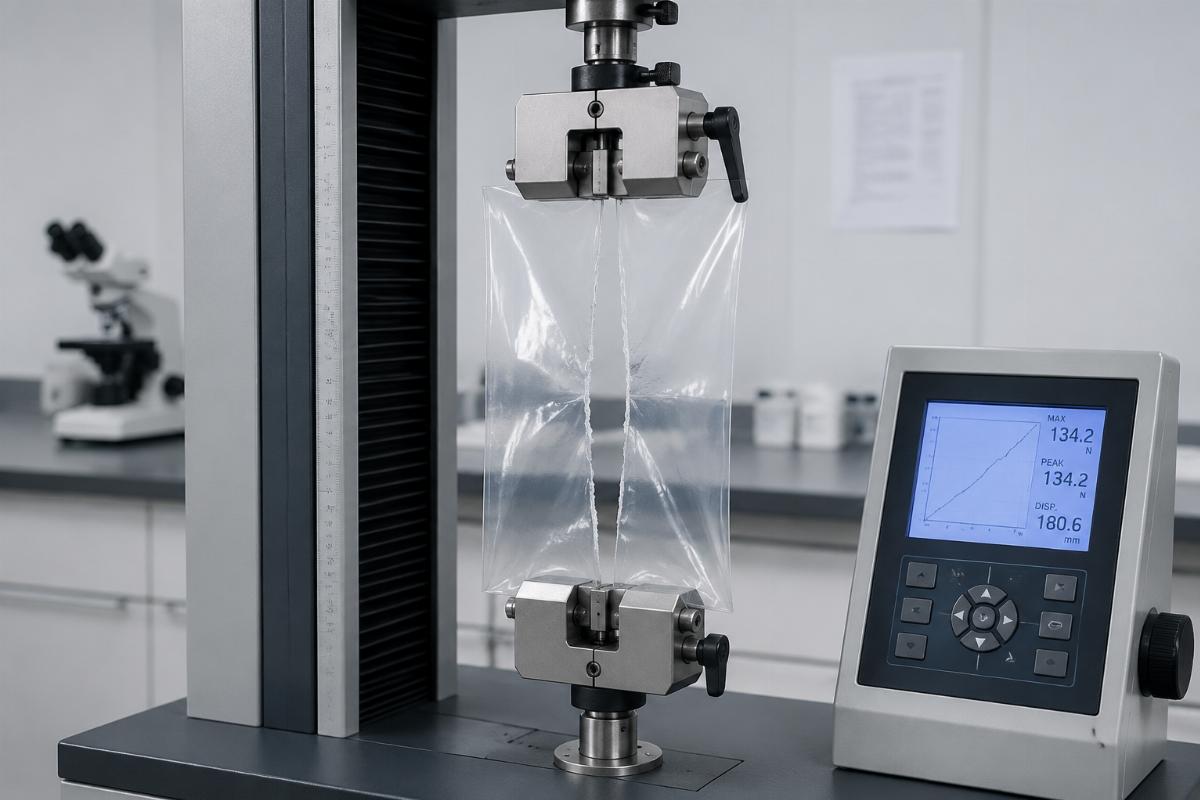
- Certification Audit – Request copies of valid third-party test reports before placing any deposit, and cross-check certification numbers against issuing authority databases
- Sample Testing – Run a 2-week accelerated UV exposure test on received samples to confirm no premature yellowing appears before bulk production
- Tear Test – Manually pull sample edges to confirm knife-coated fabric has noticeably higher tear strength than regular coated variants
How to avoid common pitfalls when sourcing clear transparent PVC tarpaulin from Chinese suppliers?
Three most frequent pitfalls account for over 80% of cross-border sourcing disputes for this product. The top issues to watch for are unqualified raw materials leading to early yellowing, missing pre-shipment inspection leading to inconsistent quality across batches, and mismatched delivery cycles that miss your project deadlines. Qualified Chinese suppliers with 20+ countries of export track record, 4 global system certifications and 100% pre-shipment QC inspection can fully eliminate these risks.
| Risk Point | Unqualified Supplier Behavior | Mitigation Action |
|---|---|---|
| Raw Material Quality | Using recycled PVC resin to cut cost | Require raw material composition declaration along with production batch records |
| Delivery Delay | Underestimating production lead time to win orders | Lock in penalty clauses for late delivery in formal purchase contracts |
| Quality Inconsistency | Skipping batch testing to reduce operating cost | Mandate 100% pre-shipment inspection with photo and video records before container loading |
| Minimum Order Trap | Advertising low MOQ then enforcing hidden higher order thresholds | Confirm exact MOQ terms in writing before initiating sample production, and note that qualified suppliers can support orders as low as 500 square meters for small project needs.
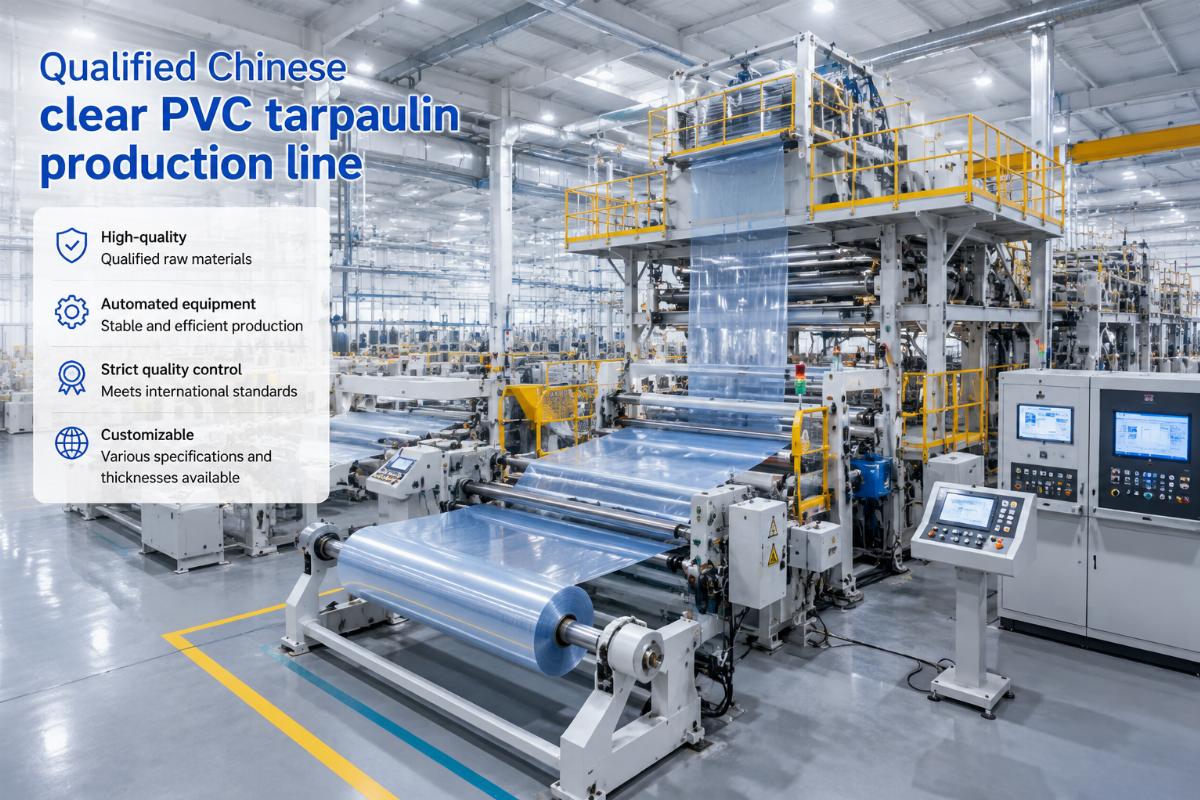
- Supplier Qualification Verification – Confirm the supplier holds at least 3 global system certifications and has export experience to your target regional market
- Reference Check – Request 2 to 3 reference contacts from buyers in your industry and region for past order performance confirmation
- Inspection Arrangement – Either arrange a third-party inspection agency on site or require the supplier to share full batch inspection records before shipment
What custom support can you get for bulk clear transparent PVC tarpaulin orders?
Bulk orders from reliable suppliers include far more custom options than most buyers expect to support both resale and project use. Standard custom offerings cover adjusted material thickness, custom cut sizes, branded logo printing and private label packaging to match the specific needs of both wholesalers and project-focused procurement teams.
A Southeast Asian event operator recently ordered 80 sets of clear tarpaulin for their pop-up tent enclosure line, and their supplier delivered the order with custom brand logo printing while meeting their flexible MOQ requirements with no extra surcharges.
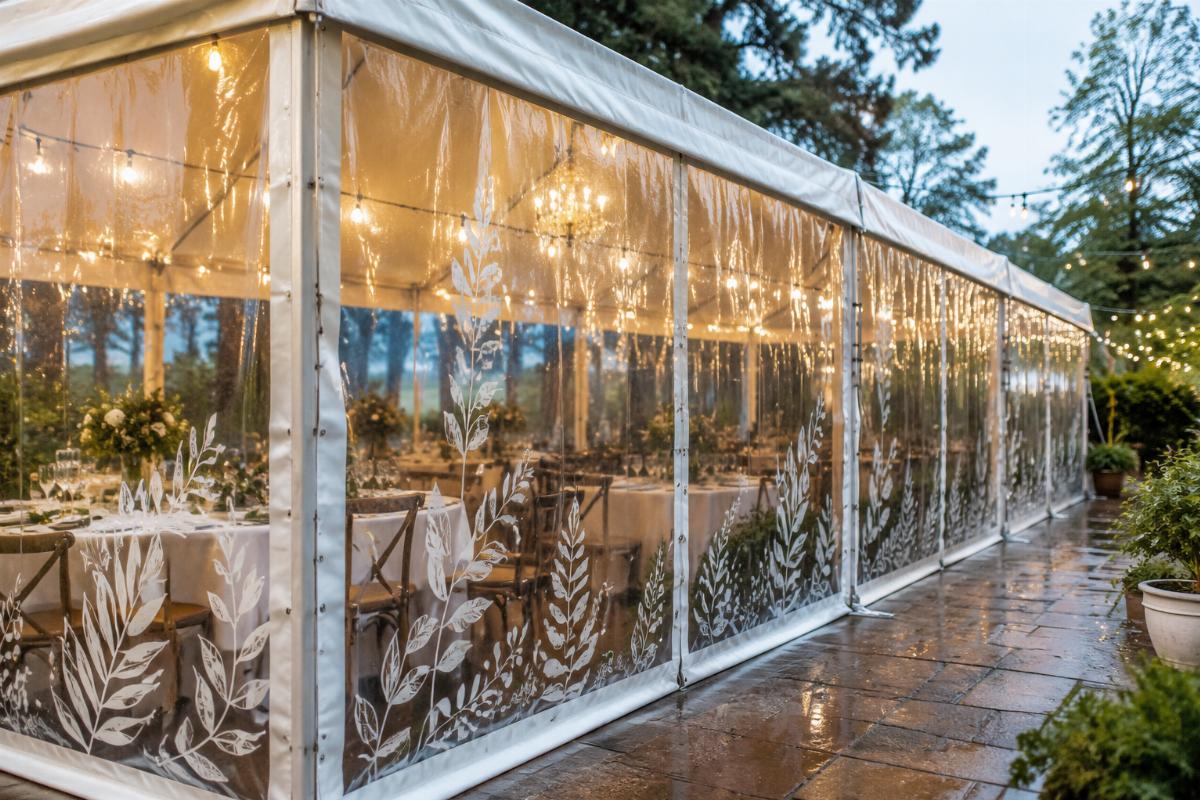
- Custom Parameter Adjustment – Adjust thickness, transparency grade and fabric weight to match your exact performance requirements for the end use case
- Branding Support – Request custom logo printing on fabric surfaces and private label packaging for resale distribution channels
- Packaging Optimization – Specify roll length, roll weight and packaging format to align with your warehouse storage and handling processes
How to calculate the total cost of your clear PVC tarpaulin project?
Total project cost goes far beyond the quoted per-square-meter material price that most buyers compare first. The full cost breakdown includes base material cost, custom processing cost, international shipping cost and potential hidden rework cost if the delivered product fails to meet local compliance standards, and sourcing directly from factory-based suppliers can reduce your overall total cost by 15 to 20%.
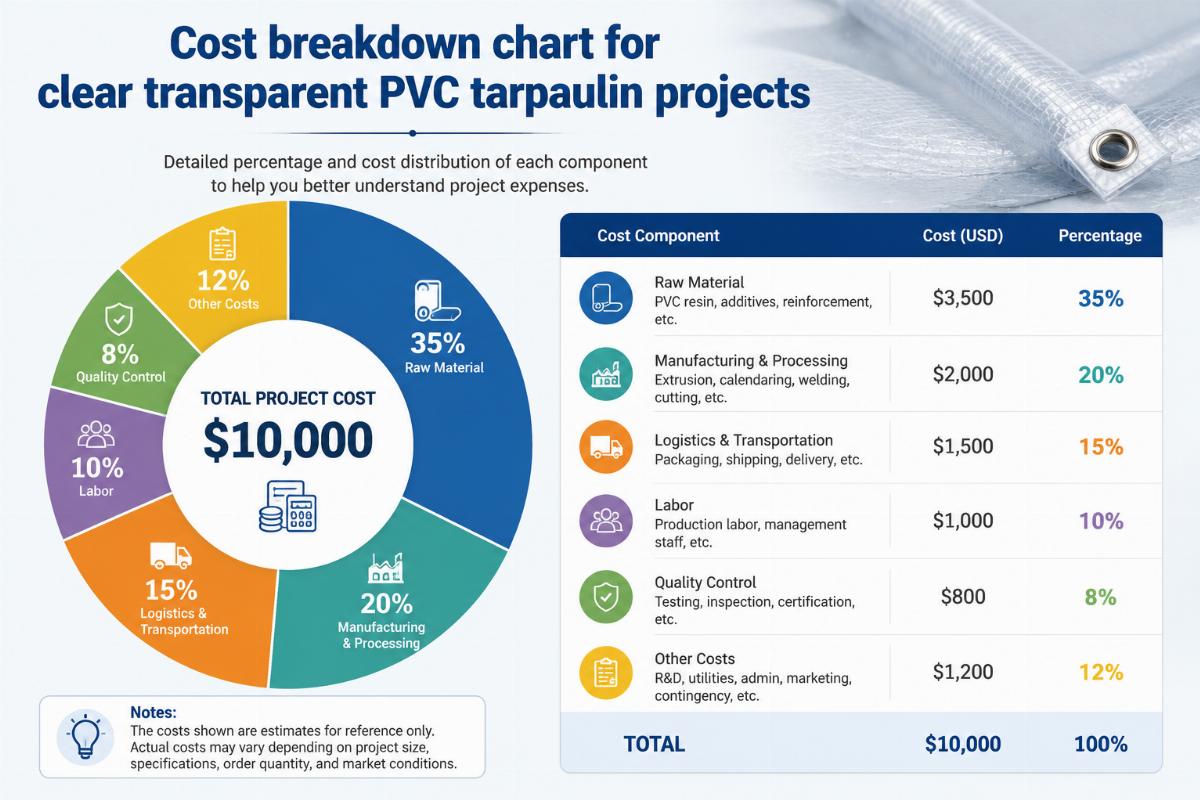
- Base Cost Calculation – Count total required area and multiply by quoted per-square-meter rate, accounting