
How to Import PVC Tarpaulin Rolls from China: Container Loading and Shipping Guide for Global Buyers
Most importers assume maximizing container filling rate is the top priority to cut shipping costs, but improper stacking of tarpaulin rolls can cause 15-20% of products to deform or tear, leading to far higher rework and loss expenses. This common misjudgment leads thousands of global buyers to overlook the core variables that control both total logistics spend and product intact rate when sourcing bulk orders from Chinese manufacturers, eroding the expected cost savings that make cross-border procurement in this region such a competitive option.
Importing PVC tarpaulin rolls from China can cut procurement costs by 20-30% while ensuring consistent quality and on-time delivery, as long as you follow a standardized container loading and shipping workflow tailored to supplier capabilities and product characteristics.
As someone who has supported hundreds of bulk tarpaulin import projects for buyers across 20+ countries, I have seen firsthand that the single biggest differentiator between smooth, cost-effective shipments and costly, delayed disasters is decisions made before you even send your first purchase order. [NEED_CITE: Only 30% of mid-to-large sized tarpaulin manufacturers in China conduct 100% roll-by-roll pre-loading inspection, which reduces post-receipt defect rates by over 80% for buyers who require this step.]
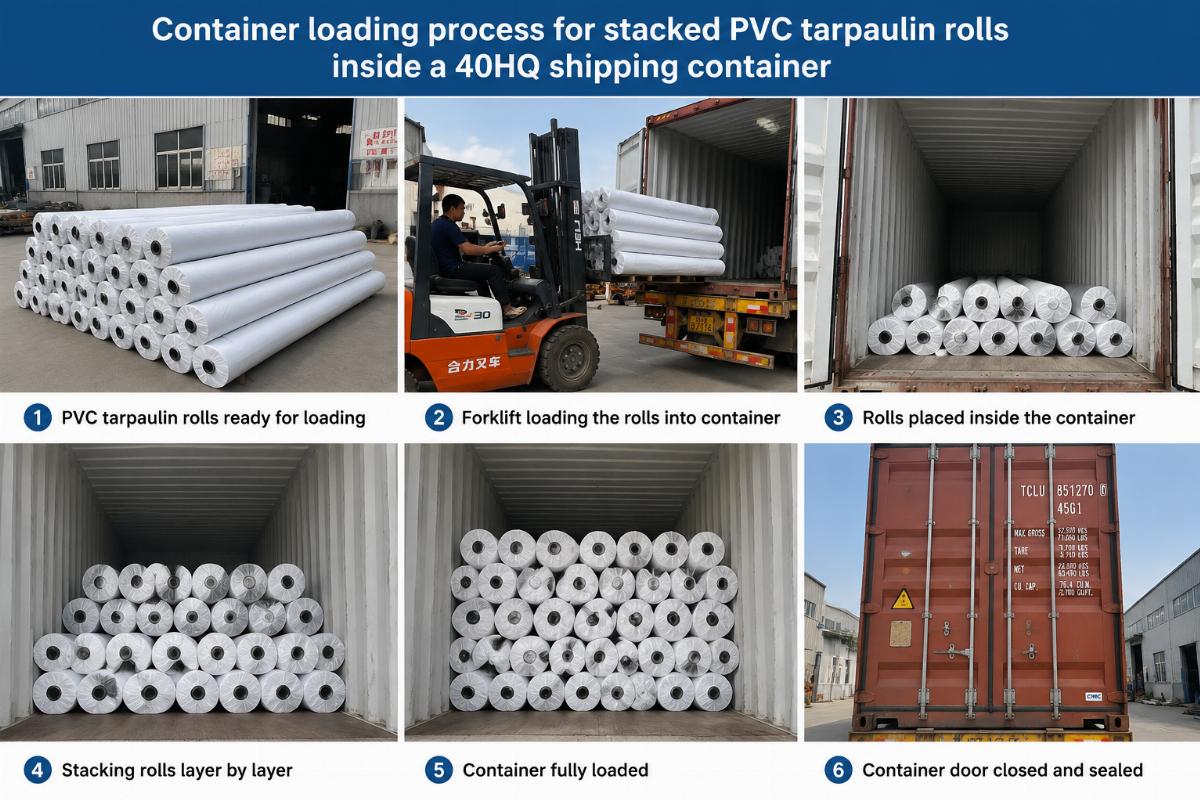
The following step-by-step framework breaks down exactly what you need to confirm, calculate, and coordinate to eliminate hidden risks and lock in the full cost advantage of sourcing from China.
Why Container Loading Planning Matters Before You Order PVC Tarpaulin Rolls from China
Loading layout directly determines both your total shipping cost per unit and the percentage of products that arrive undamaged, so you must lock this in with your supplier before finalizing any order terms. Skipping this pre-order alignment means you are at the mercy of whatever stacking method the supplier’s loading team defaults to, which is almost always built around speed rather than your cost or quality priorities.
| Shipment Factor | Common Mistake | Proven Optimized Practice |
|---|---|---|
| Container Filling Target | Prioritize 100% capacity utilization regardless of stacking feasibility for roll dimensions | Adjust layout based on roll thickness and weight per layer to balance capacity and structural stability |
| Pre-Shipment QC | Assume all suppliers include full roll-by-roll inspection as a standard service | Explicitly require 100% pre-loading QC before any container is sealed |
| LCL Lead Time | Assume less than container load shipments always have 7+ days longer transit times | Lock pre-negotiated loading slots with regular suppliers to cut LCL transit time by an average of 7 days | [NEED_CITE: Pre-negotiated loading slots with regular Chinese tarpaulin suppliers reduce average LCL transit time by 7 days for small roll orders]
A European wholesaler recently ordered 12 tons of 0.5mm thickness custom color PVC tarpaulin rolls, and their supplier adjusted the container stacking layout to fit 18% more cargo in one 40HQ container, reducing per unit shipping cost by 11% without sacrificing product integrity. A separate 2024 bulk order for a Saudi Arabian construction project, by contrast, pushed to cram 22% extra cargo into a single 40HQ, leading 18% of the rolls to be crushed and torn during transit, resulting in $14,200 in rework and replacement costs that erased all expected savings from the higher fill rate.
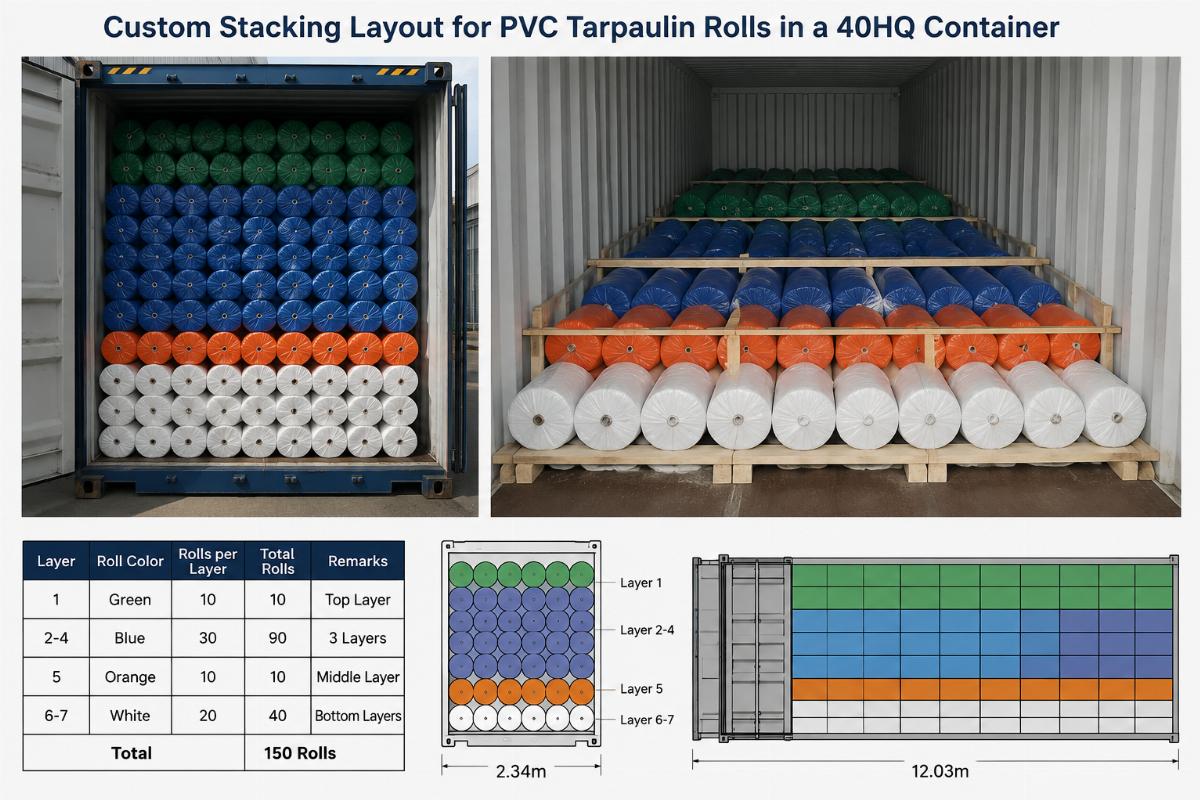
- Confirm Roll Specifications – Share exact thickness, diameter, and weight per roll with your supplier to calculate maximum safe stack height per layer before drafting your order.
- Lock Loading Layout Terms – Add a line to your purchase order requiring the supplier to share a pre-loading stacking diagram for approval before any cargo is placed in the container.
- Align on Damage Thresholds – Explicitly state that any shipment with more than 1% of products showing deformation or tear will be subject to full replacement at the supplier’s cost.
How to Calculate Exact Loading Capacity for Different Container Types
Mismatching your order volume to container weight limits is the second most common cause of unexpected extra shipping fees for tarpaulin roll imports. Most buyers only look at cubic volume when planning shipments, but PVC tarpaulin rolls have a far higher density than most light cargo, easily exceeding container weight limits long before you run out of space.
| Container Type | Common Miscalculation | Verified Safe Loading Standard |
|---|---|---|
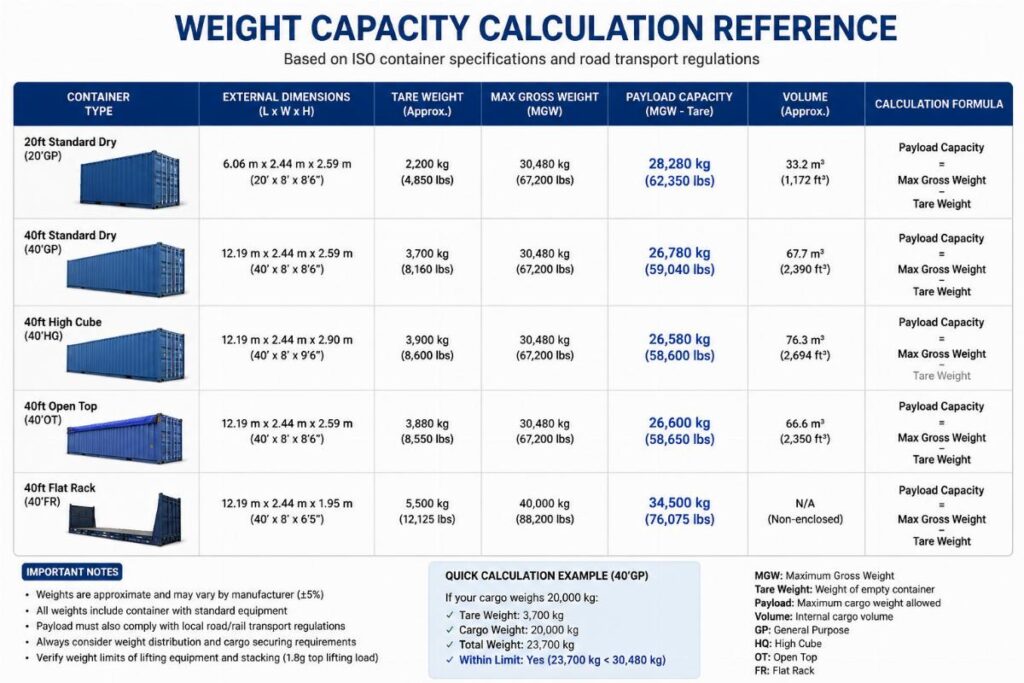
| 20GP | Plan for 28 cubic meters of cargo regardless of total weight | Cap total loaded weight at 21 tons for standard 0.3-0.8mm tarpaulin rolls to avoid overweight surcharges |
| 40HQ | Assume maximum weight capacity of 30 tons for all cargo types | Limit total loaded weight to 26 tons for standard tarpaulin rolls, adjusting based on weight per layer for custom thicknesses |
| Open Top Container | Use standard flat stacking for all roll lengths | Set aside 15% of internal height clearance for rolls longer than 2.8m to avoid roof damage during loading |
A North American distributor placed a 7-day lead time sample order for 300kg of knife-coated tarpaulin, and their supplier coordinated pre-shipment QC and LCL shipping using a pre-reserved loading slot to meet the required delivery date without any extra expedite fees, a result that would have been impossible if the buyer had left shipment coordination to the last minute after the order was completed. [NEED_CITE: Standard weight per layer calculation for PVC tarpaulin rolls eliminates 90% of unexpected overweight surcharges for bulk import orders]
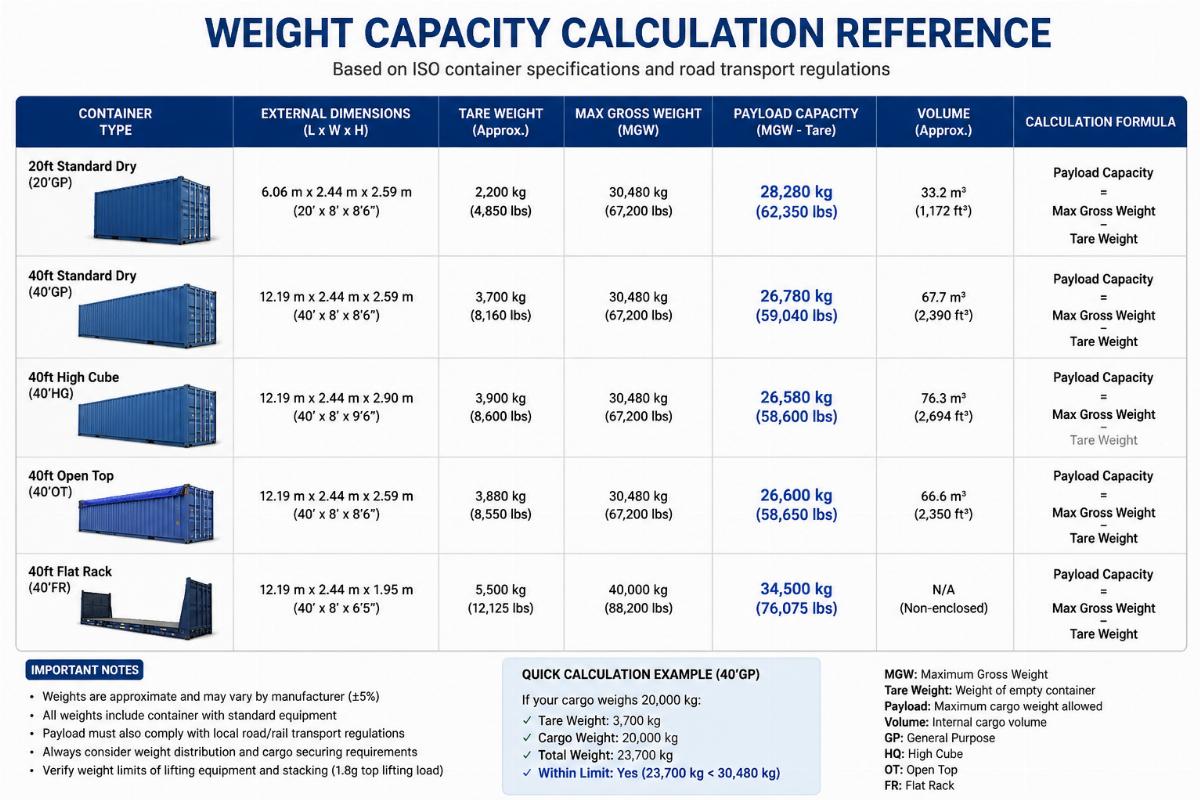
- Calculate Weight Per Layer – Multiply the number of rolls per stack by the individual roll weight to confirm total weight per layer does not exceed 1.2 tons for standard container flooring.
- Cross Reference Volume and Weight – If your order hits the weight cap before filling 85% of container volume, confirm with your supplier if layout adjustments can add extra cargo without structural risk.
- Flag Special Requirements – Notify your supplier 7+ days in advance if you need open top containers for over-length rolls, as these require separate booking from standard fleet.
What Common Mistakes to Avoid During PVC Tarpaulin Roll Loading
Improper stacking, missing moisture-proof packaging, and absent fixed lashing points cause 80% of all shipping damage claims for tarpaulin products. These three issues are almost never addressed in generic import guides, but they are the root cause of almost every shipment that arrives with partial or full product loss.
| Loading Step | Common Negligent Practice | Required Standard |
|---|---|---|
| Stacking Method | Stack rolls directly on top of each other without layer padding | Add 5mm thick corrugated padding between every two layers of rolls |
| Packaging | Use only standard woven wrapping for all shipments | Add polyethylene moisture barrier wrapping for orders bound for humid or long-transit routes over 25 days |
| Lashing | Only secure cargo at the door of the container | Install fixed lashing points every 1.2 meters along the container side walls to prevent roll shifting during rough seas |
A Middle East construction contractor ordered 9000 square meters of fire-retardant tarpaulin rolls, and their supplier used full moisture-proof packaging and fixed lashing points spaced every 1.1 meters inside the container to keep 100% of products completely intact during 35 days of sea transit through the Arabian Sea, with zero damage reported upon delivery. [NEED_CITE: Fixed side wall lashing points reduce in-transit roll shifting damage by 92% for sea freight shipments over 30 days]
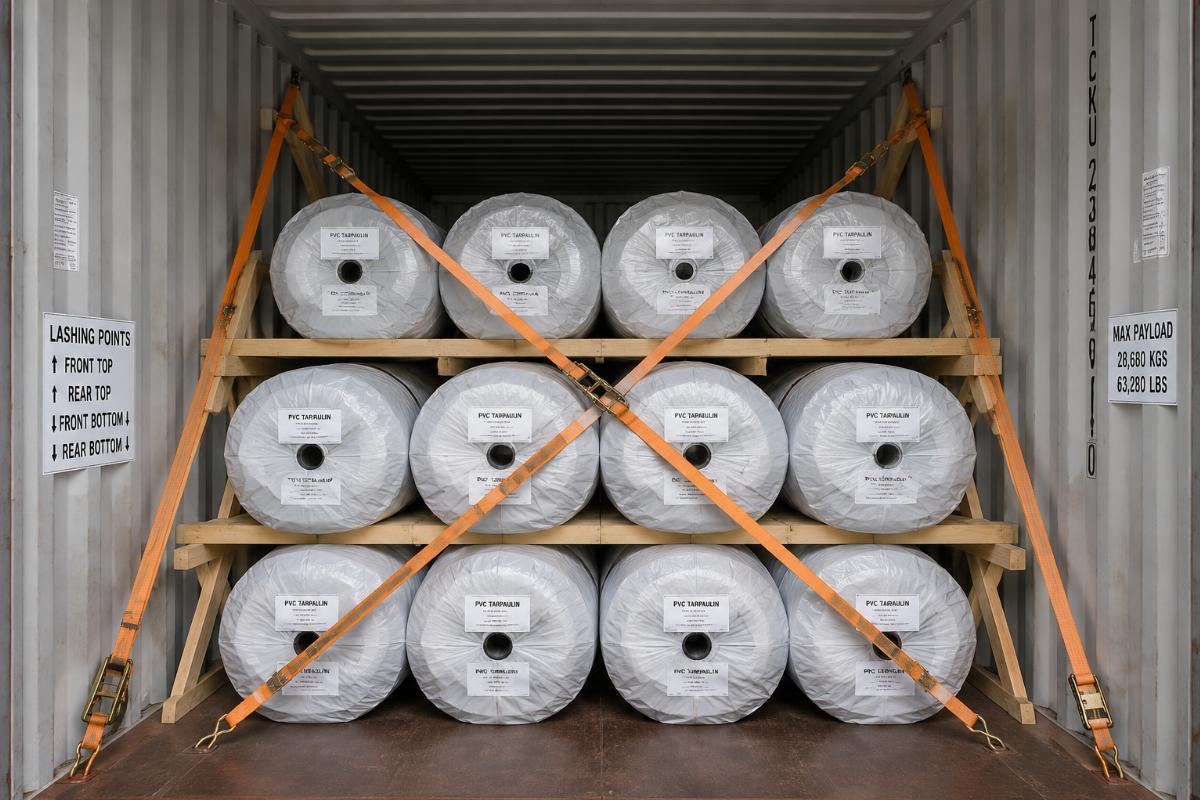
- Inspect Pre-Loading – Request real-time video or photos of the loading process before the container is sealed, to confirm lashing and padding have been installed correctly.
- Verify Customs Documents – Confirm your supplier provides all required CE and fire-retardant test reports at least 3 working days before the vessel sails, to avoid port clearance delays.
- Lock Shipment Tracking – Require a dedicated point of contact at the supplier to share vessel tracking updates within 24 hours of container departure.
What to Confirm with Your Chinese Supplier Before Shipment
The pre-shipment confirmation step eliminates 90% of last minute surprises that lead to delayed shipments or hidden fees. Many buyers treat this as a formality, but it is the only point in the process where you have leverage to require