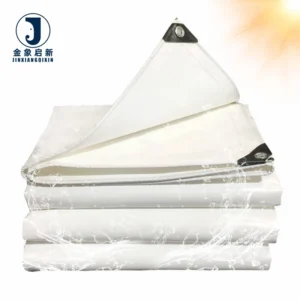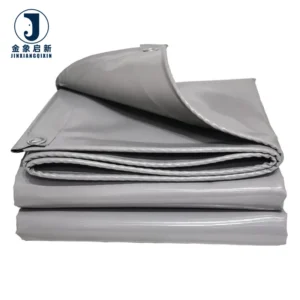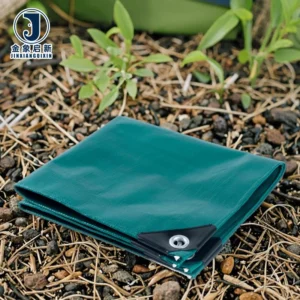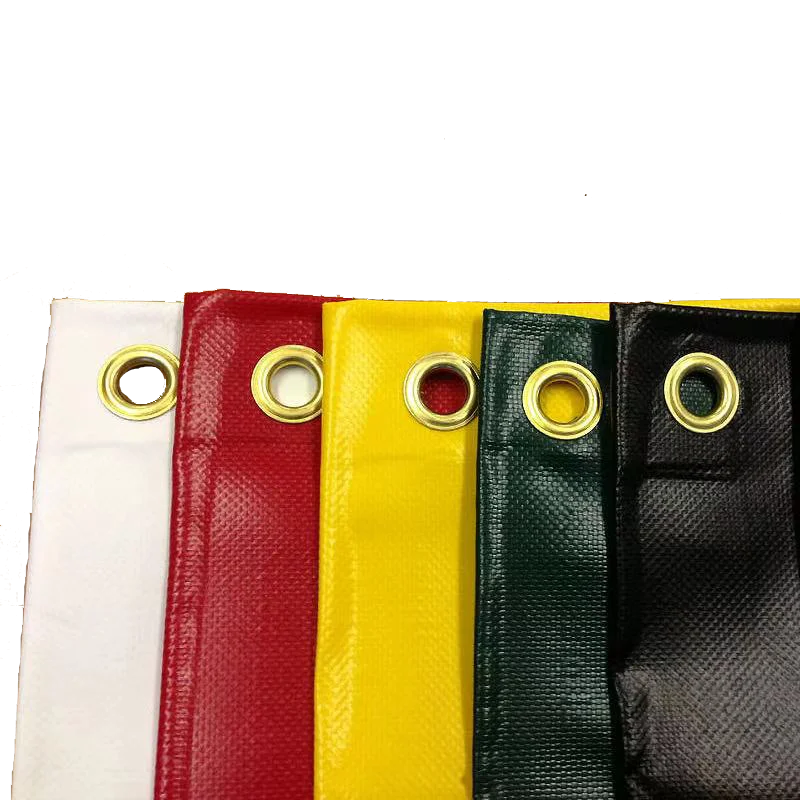
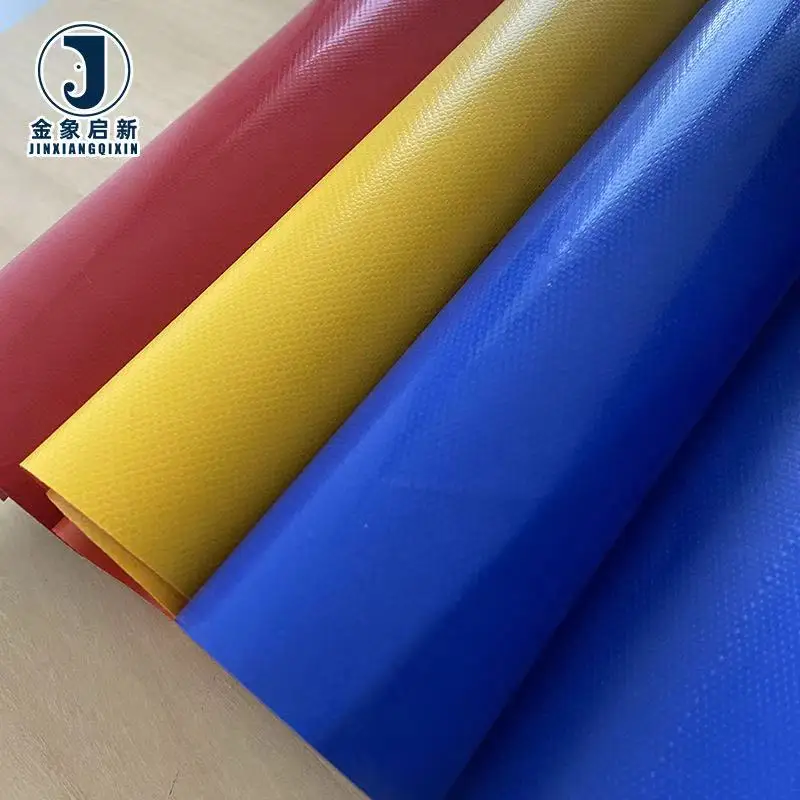
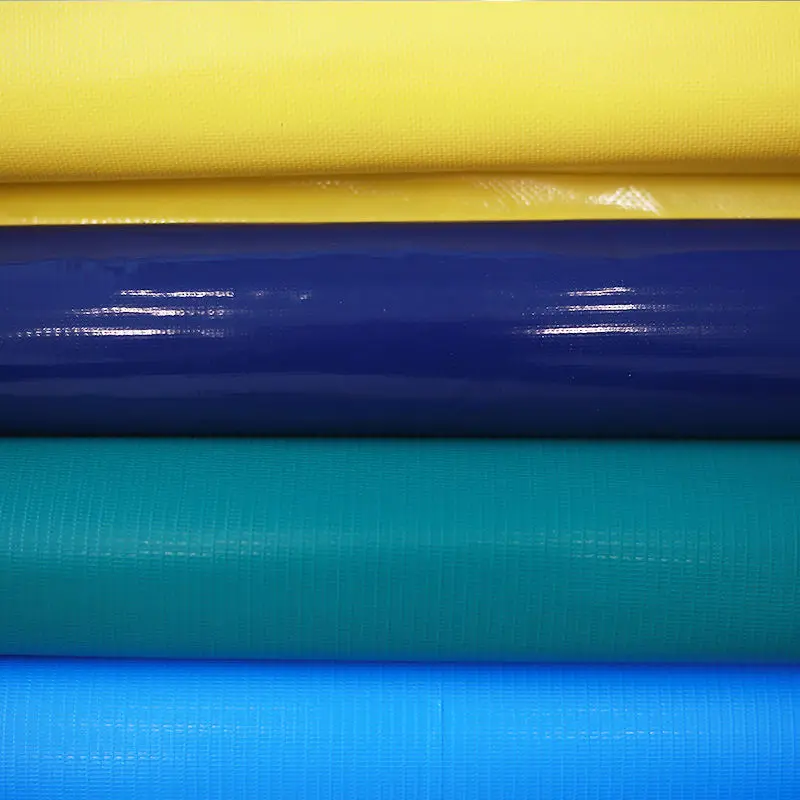
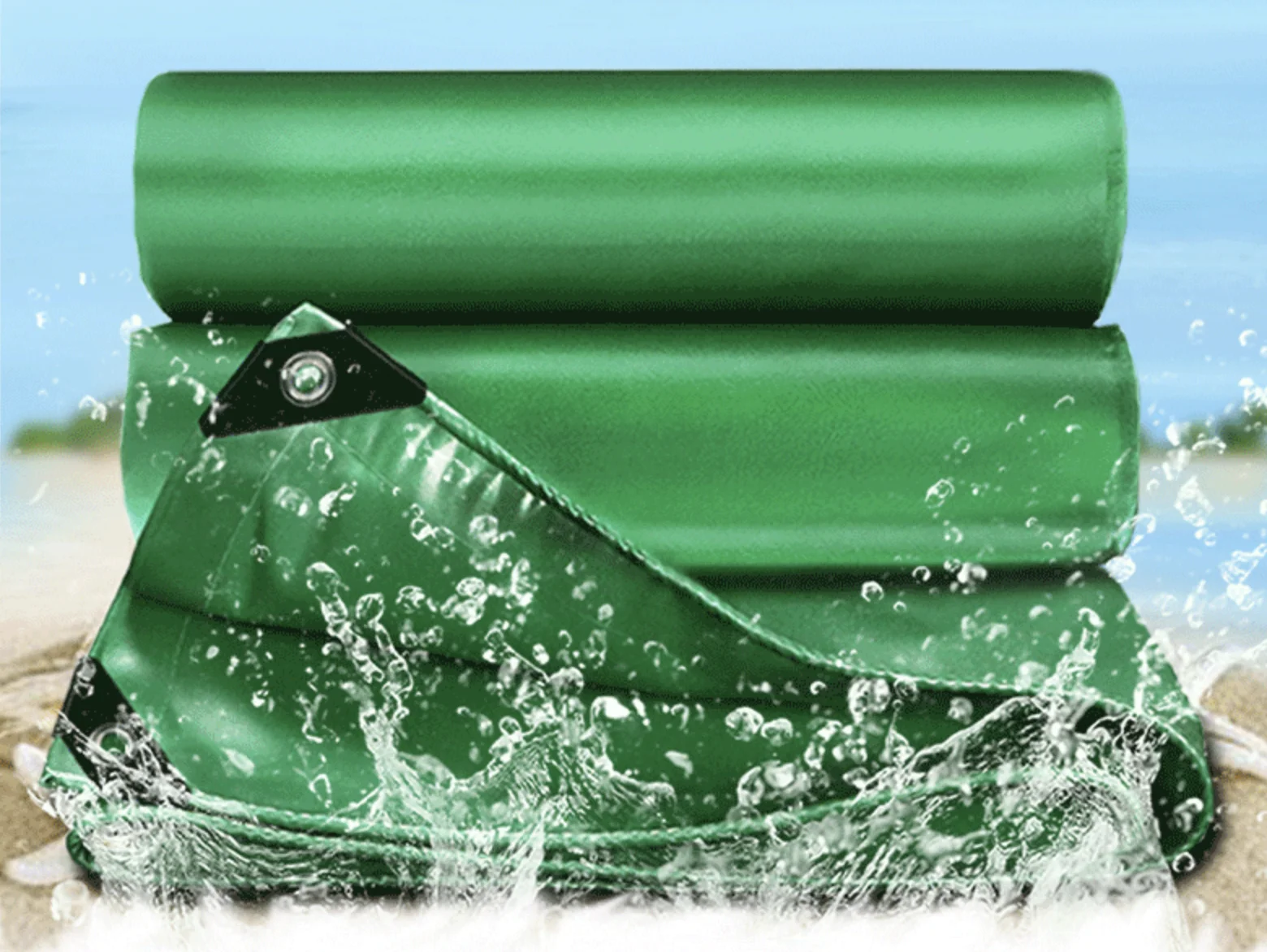
PVC Knife-Coated Tarpaulin Fabric, 300-600gsm — anti-UV, flame retardant, and anti-static treatment options available in roll or cut-to-size format.
Our complete tarpaulin range covers the full specification spectrum from material selection to custom sizing, pattern printing, and treatment grade. Knife-coating process delivers consistent coating adhesion and reliable heat-weld performance across production batches, with GSM verified at every stage.
- Custom width, length, color, and printing with sample development support
- 100% pre-shipment inspection with material specification sheets and roll packing documentation
Description
Roll Consistency Assurance — Every roll of PVC knife-coated tarpaulin undergoes dedicated QA/QC with 100% pre-shipment inspection and verified material documentation before dispatch.
Technical Specifications
| Parameter | Value |
|---|---|
| Product Type | PVC Knife-Coated Tarpaulin Fabric |
| Weight Range | 300-600 gsm (confirm the grade for your application) |
| Coating Method | Knife Coated |
| Coating Material | PVC |
| Waterproof | Yes |
| Oilproof | Yes |
| Flame Retardant | Available (confirm the grade required for your market) |
| Anti-Static | Available (confirm the standard required for your market) |
| Anti-Cold | Available |
| Anti-Mildew | Available |
| UV Treatment | Anti-UV coated (confirm the test basis for your service life target) |
| Tear Resistance | Tear-Resistant (grade available on request) |
| Format | Roll or Customization |
Application Suitability
| Application | Exposure & Requirement |
|---|---|
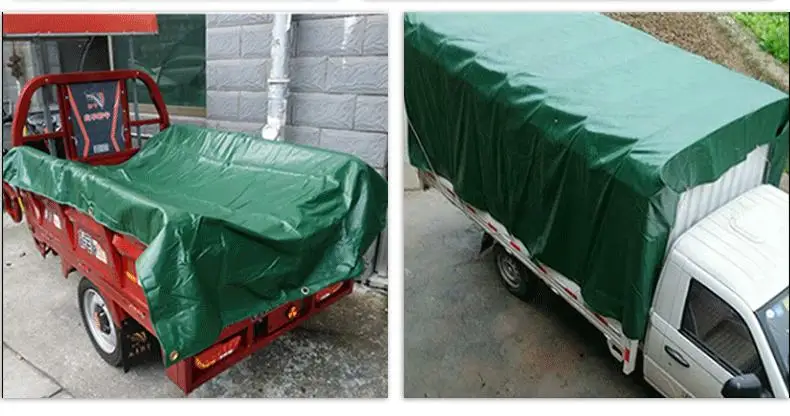
| Truck and trailer side curtains | Constant flexing at load points, road debris abrasion, continuous UV and weather exposure |
| Outdoor tents and awnings | Tension loading on frame joints, prolonged sun and rain exposure, repeated assembly and disassembly |
| Car and vehicle covers | Scratch protection against particulates, UV exposure during static outdoor parking, mildew in humid storage |
| Industrial equipment covers | Oil and chemical splash contact, abrasion from handling and rigging, outdoor weathering between uses |
| Banner and signage panels | Print surface adhesion, colour stability under sun exposure, wind load resistance at mounting points |
What "300-600 GSM" Actually Means When You Unroll It on Site
The weight printed on the quotation only matters if the roll on your dock matches it, gram for gram.
Buyers across the tarpaulin supply chain report a recurring problem: the GSM stated at the quoting stage does not survive the journey to the warehouse floor. [NEED_CITE: common discrepancies between quoted and delivered GSM in coated fabric procurement] A PVC knife-coated tarpaulin roll that arrives lighter than specified compromises tensile performance, reduces the expected service interval, and forces early replacement in the field. This gap between paper specification and physical delivery is the single largest source of procurement disputes in coated fabric sourcing.
Coating Adhesion Control Across the Production Run
A PVC knife-coated tarpaulin fabric roll lives or dies by how well the coating bonds to the base fabric. Knife coating applies the PVC compound directly onto the substrate under controlled blade pressure, building a mechanical and chemical bond that resists delamination during flexing, folding and thermal welding. When adhesion is poorly controlled, the coating lifts at cut edges or welded seams long before the base fabric itself shows wear. Consistent knife-coating process parameters — blade gap, paste viscosity, oven temperature profile — are what separate a roll that holds together through years of use from one that peels within months.
Treatment Options That Match Your End-Use Environment
The base PVC knife-coated construction provides waterproof and oilproof protection as standard. Beyond that, the treatment direction depends entirely on where the fabric will be deployed. [NEED_CITE: testing frameworks for UV degradation and flame retardancy in coated textiles] Flame retardant grades are available for markets with specific fire safety classifications — the exact grade should be confirmed against the regulatory framework of the destination country. Anti-static treatment addresses environments where dust ignition or electrostatic discharge is a concern, such as mining ventilation or grain handling. Anti-UV treatment extends the usable life of fabric exposed to direct sunlight, while anti-mildew and anti-cold treatments address humid tropical storage and sub-zero flexibility respectively. Each treatment option should be specified at the inquiry stage so the correct compound formulation is prepared before production begins.
How Weight, Weave and Coating Work Together
GSM alone does not tell the full story of how a coated fabric will perform under load. The base fabric denier and weave density determine the tensile and tear skeleton, while the PVC coating weight adds body, flexibility and environmental protection. A lighter base fabric with a heavy coating may hit a target GSM but will lack the tear propagation resistance needed for applications like truck side curtains where the fabric flexes constantly. Knife coating, as opposed to lamination or calendering, allows precise control over how much PVC penetrates the weave versus sitting on the surface — deeper penetration improves adhesion and weld strength, while surface build provides smoothness for printing or signage use. The width and roll length you specify also affect fabrication efficiency: wider rolls reduce the number of welded seams needed to cover a given area, and longer roll lengths cut waste from end-of-roll remnants.
When the Wrong Specification Reaches the Field
Specifying a grade that is too light for the intended application does not save money — it defers the cost. Fabric that is under-specified for a truck cover application will fail first at the welded seams, where flexing concentrates stress and where coating adhesion is most critical. A flame retardant grade selected without confirming the required classification leads to rejection at the building inspection stage, leaving the installer liable for replacement. Colour variation between rolls in the same shipment becomes visible only when panels are installed side by side on a structure, turning a material cost into a full reinstallation cost. [NEED_CITE: field failure patterns in coated fabric installations related to specification errors] These consequences are avoidable when the inquiry stage includes a clear statement of application, exposure conditions and regulatory requirements.
Production Capability Behind Every Roll
Three full production lines and 36 sets of professional equipment provide the capacity to fulfil bulk roll orders with reliable scheduling. A 10-person R&D team handles material selection, custom width and length specifications, colour matching and sample development — samples for custom requirements are typically developed within days. Dedicated QA/QC runs at every production stage rather than only at final inspection, catching coating weight deviations and colour drift before they compound across a production run. ISO and CE certified processes underpin the production workflow, and every shipment is backed by a documented pre-shipment inspection record.
Documentation & Verification
- Material specification sheet stating verified GSM, base fabric and coating weight per roll
- Test reports for flame retardant and UV-treated grades supplied where applicable
- Pre-shipment inspection record confirming 100% roll-by-roll check before dispatch
- Roll packing list with individual roll weights and dimensions for container planning
- Certificate of origin and customs documentation to support import clearance
Fabrication, Handling & Storage
- Knife-coated PVC construction supports hot-air and wedge welding — confirm temperature settings for the selected GSM grade
- Store rolls upright on pallets in a covered area to prevent flat-spot deformation on the coating surface
- Allow cold-stored rolls to reach ambient temperature before unrolling to avoid cracking in anti-cold treated grades
- Use compatible PVC-based adhesives for patch repairs on knife-coated surfaces to maintain coating bond integrity
- Plan cutting layouts to maximise roll width utilisation and minimise welded seam count on large-format covers
Moving from Inquiry to Sample Approval
To specify the correct grade from the PVC knife-coated tarpaulin range, the most useful starting information includes the end-use application and the environmental exposure conditions the fabric will face. Confirm whether your destination market requires a specific flame retardant classification or anti-static standard, as this determines the compound formulation. Provide the required roll width, colour reference and any printing or branding requirements so the R&D team can prepare a matched sample. Indicate whether you need rolls only or finished cut-to-size panels with eyelets and reinforced hems, as this affects the production routing and documentation package.
Frequently Asked Questions
Q: How is the quoted GSM verified on arrival, and what documentation confirms the weight?
A: Each PVC knife-coated tarpaulin roll is weighed and checked against the quoted GSM during pre-shipment inspection. A material specification sheet accompanies the shipment, stating the verified GSM, base fabric denier and coating weight. The pre-shipment inspection record is included in the documentation package so the receiving team can confirm the roll matches the order specification without independent testing.
Q: Which flame retardant grades are available, and do you provide test reports for my market?
A: Flame retardant treatment is available across the PVC knife-coated range, but the specific grade must be matched to your market’s fire safety classification. Test reports are supplied where applicable for the grade produced. Provide the required standard or classification at the inquiry stage so the correct compound is formulated and documented before production begins.
Q: How do you control colour consistency across multiple rolls in the same order?
A: Colour matching is managed through controlled pigment batching and in-process QA checks at each production stage. Rolls within the same order are produced under consistent coating parameters to minimise batch-to-batch variation. The pre-shipment inspection includes a visual colour check across rolls before they are packed, reducing the risk of visible differences when panels are installed side by side.
Q: What custom widths, lengths and printing options are available for non-stock orders?
A: Custom width, roll length, colour and pattern printing are supported by the in-house R&D team, with samples developed within days for approval. Lead times and minimum order quantities depend on the specific non-stock specification. Provide your required dimensions, colour reference and any branding requirements at the inquiry stage for a quotation with confirmed scheduling.
Q: What is the basis for the anti-UV claim, and how does it relate to service life?
A: Anti-UV treatment is applied during the coating process to slow degradation from prolonged sun exposure. The test basis for the anti-UV claim and the expected outdoor service life depend on the specific compound formulation and the GSM grade selected. Request the test documentation for your chosen grade to confirm suitability for the UV exposure levels in your target installation environment.
Related products
-
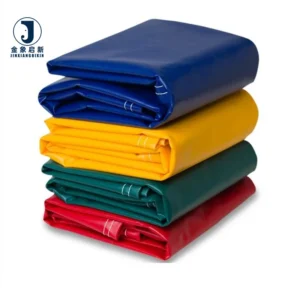
500gsm 600gsm Plain PVC Waterproof Truck Cargo Cover Tarpaulin Canopy for Boys & Girls
¥3.00 Select options This product has multiple variants. The options may be chosen on the product page -
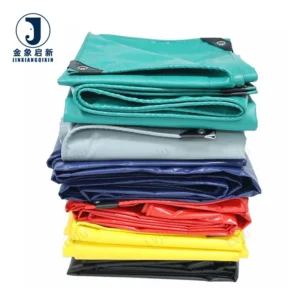
500 GSM PVC Knife-Coated Fabric for Tent Truck – Custom Made
Read more -
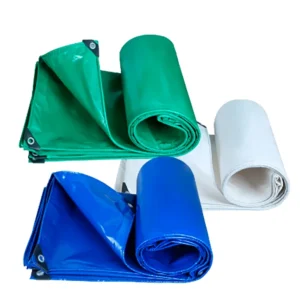
JX Customizable Waterproof Anti-UV Knife Tarpaulin Tents Canopies Awnings PVC Coated Plain Style Wrinkle Resistant Solid
¥2.49 Add to cart -
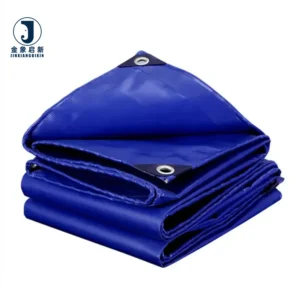
Waterproof Heavy-duty PVC Truck Canopy Plain Style Boys & Girls Use Customizable Sizes Anti-Mildew
¥0.99 Select options This product has multiple variants. The options may be chosen on the product page