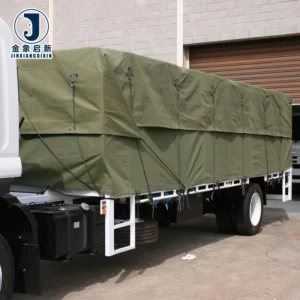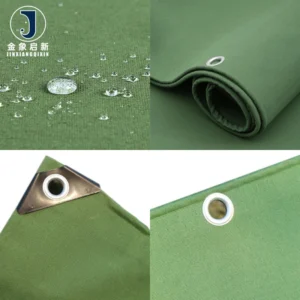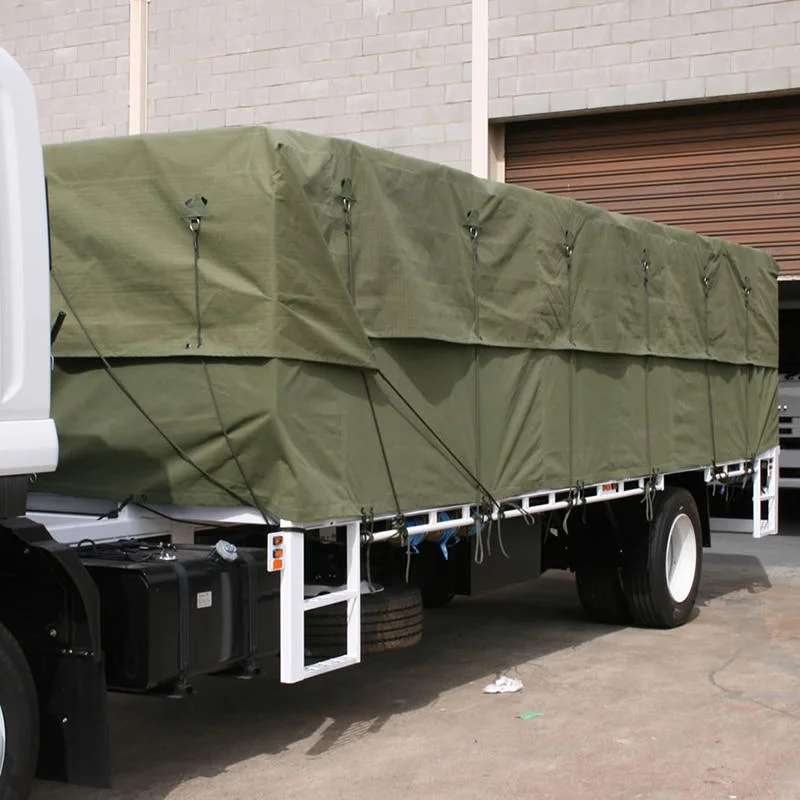
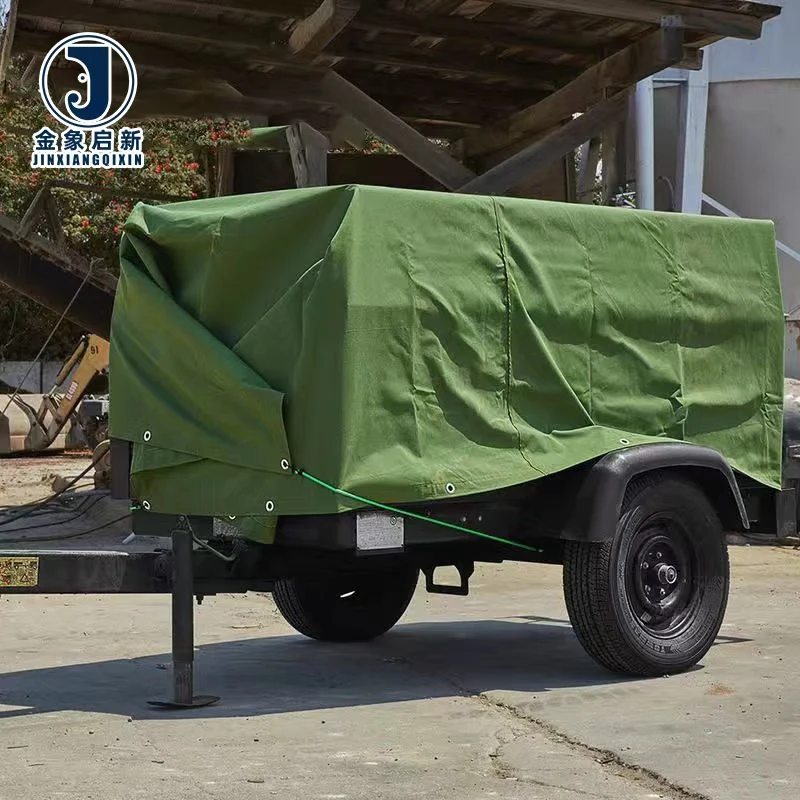
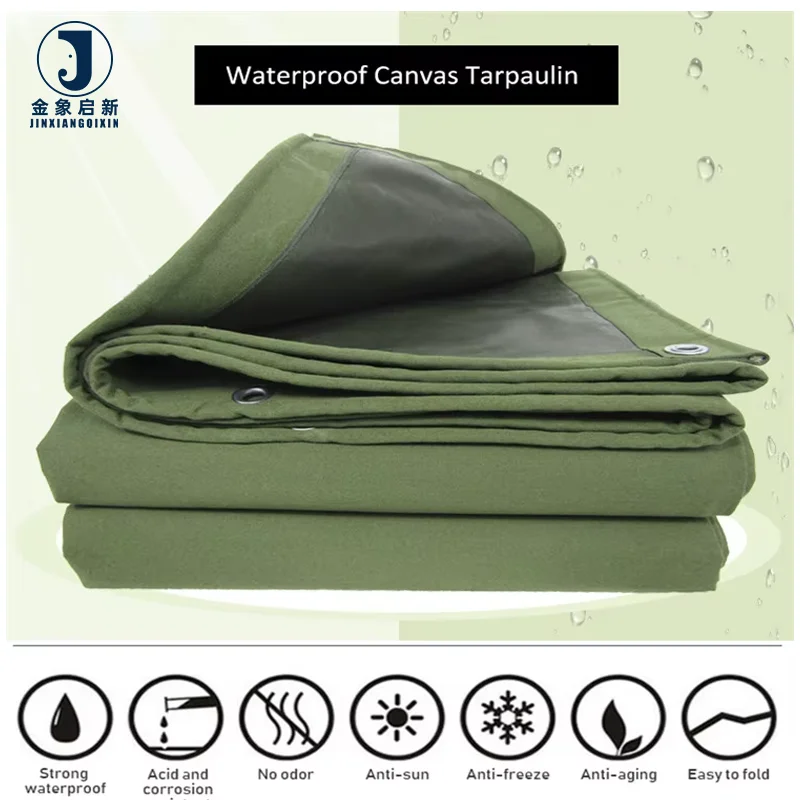
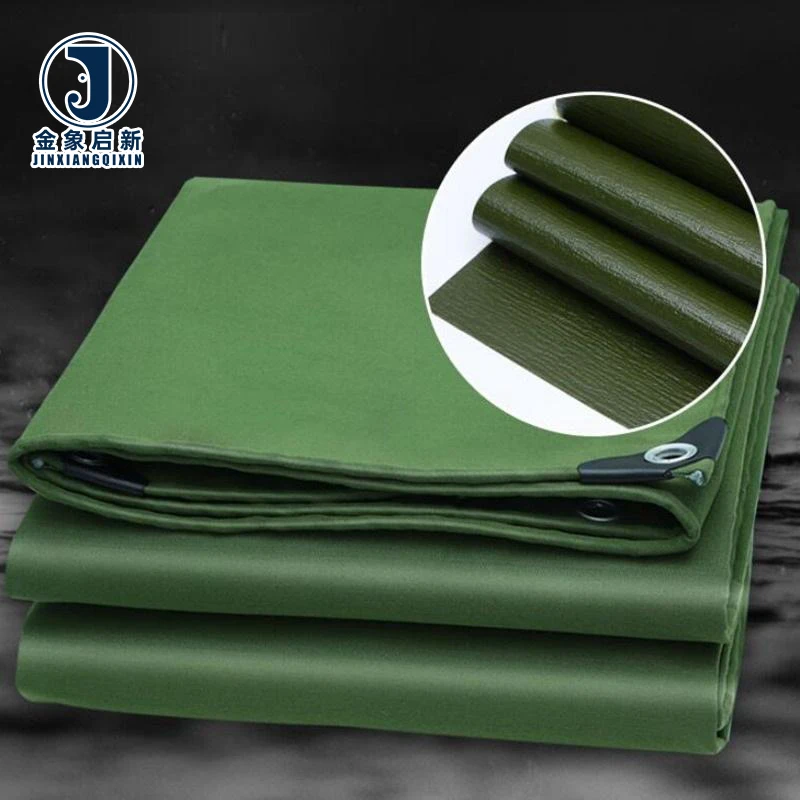
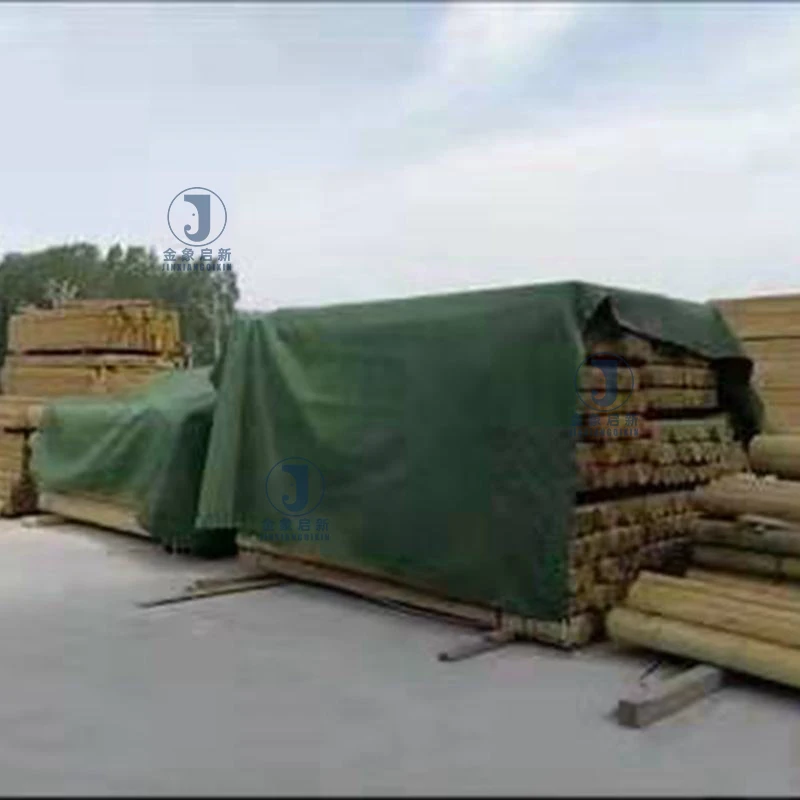
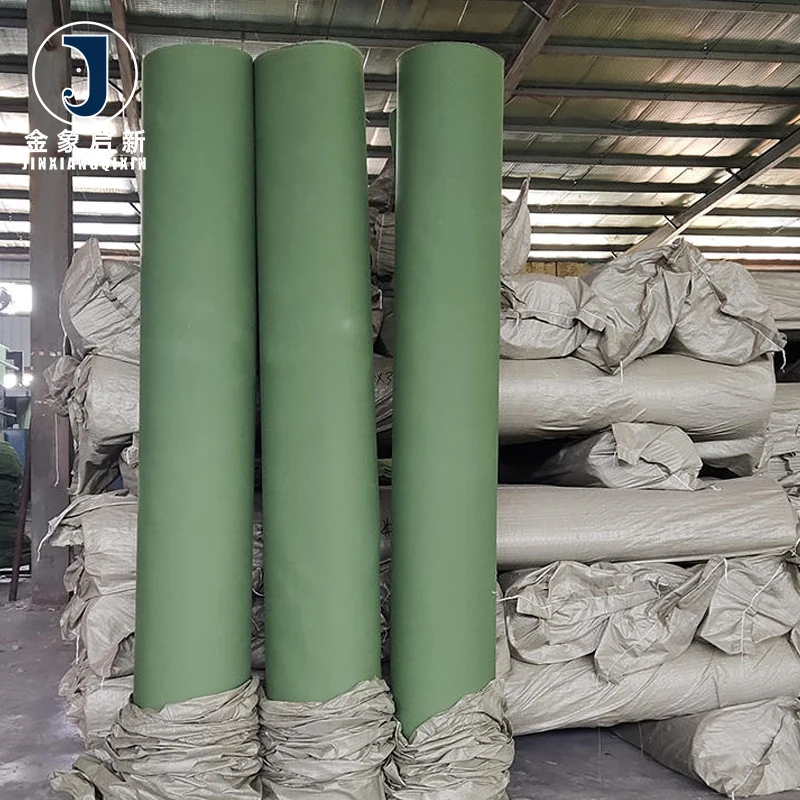
Custom Canvas Truck Tarp, silicone-coated canvas, 250gms–600gms, waterproof and wear-resistant for moving loads — covers never match generic sizes; custom cut eliminates exposed edges and seam pull at flex points.
- Edge wrapping, punched eyelets and buttonhole options for tie-down systems
- Custom width, length and sizing to exact trailer model
- Batch-consistent colour verified per roll
Backed by 100% pre-shipment inspection, three full production lines and dedicated QA at every stage.
Description
Full Custom Capability — from pattern design to edge finishing, every truck tarp is cut to the exact trailer model with reinforced flex points and verified material weight per order.
Technical Specifications
| Parameter | Value |
|---|---|
| Product Type | Canvas Tarp |
| Material | Silicone canvas tarpaulin |
| Weight Range | 250gms-600gms (confirm the grade for your application) |
| Width | 0.2m-0.4m (verify against manufacturer catalog for wider formats) |
| Waterproof | Yes |
| Wear-Resistant | Yes |
| Scratch-Resistant | Yes |
| Tensile-Resistant | Yes |
| Edge Options | Edge wrapping, punching, buttonhole, size custom |
| Color | Customizable |
| Certifications | ISO 9001, CE |
Application Suitability
| Application | Exposure & Requirement |
|---|---|
| Truck and trailer cargo covering | Constant road vibration, wind flap, tie-down abrasion at edges, weather exposure across seasons |
| Transport fleet load protection | Daily deployment and retraction, UV exposure on highway routes, mechanical wear from ratchet straps |
| Tricycle cargo cover | Frequent manual handling, folding stress, urban stop-start exposure to exhaust and rain |
| Retractable tarp system | Repeated rolling and unrolling, tension stress at mounting rails, long-term outdoor storage on vehicle |
Why a Generic-Size Cover Fails Your Trailer Before the Fabric Does
A tarp that does not match your trailer deck leaves the load exposed and puts all the stress on the seams.
Fleet operators often order canvas truck tarps based on a standard size chart, only to find the cover rides up at the corners or drags on the ground at the rear. The result is not just poor coverage — it is concentrated wear at the points where the fabric is forced to bridge a gap or bunch at a rail. After several weeks of highway use, those stress points tear first, while the rest of the material still looks new. A custom truck tarpaulin manufacturer solves this by patterning each cover to the specific trailer model, so the load is fully enclosed and the tension distributes evenly across the entire surface [NEED_CITE: common failure modes in fitted truck tarpaulins at tie-down and corner points].
Pattern-Matched Sizing for Every Trailer Configuration
A silicone canvas tarpaulin performs differently on a flatbed versus a curtain-sided trailer, and the cut pattern must account for how the fabric sits under tension at each rail, corner, and tailgate edge. This custom truck tarpaulin manufacturer develops a dedicated pattern for each vehicle model, ensuring the cover wraps the load without loose panels that flap in crosswinds or tight sections that overload the eyelets. The result is a cover that stays in place at highway speed and does not require constant re-adjustment by the driver.
Edge Finishing Built Around Your Tie-Down System
The edge of a truck tarp takes the highest mechanical load during every trip — ratchet straps pull against eyelets, rope lacing runs through buttonholes, and the fabric folds back on itself at the hem. Edge wrapping, punching, and buttonhole placement are specified to match the exact tie-down hardware used by the fleet. Where strap contact is heaviest, additional reinforcement layers are added before the final edge wrap is closed, distributing the load across a wider area of the silicone-coated canvas [NEED_CITE: edge reinforcement methods for heavy-duty truck tarpaulins].
Reading the Specs That Actually Matter for Fleet Covers
Weight stated in GSM tells you how much material is in each square metre, but it does not tell you how that weight is distributed between the base fabric and the silicone coating. A heavier base fabric with a lighter coating will resist tearing better than a light base with a thick coating at the same total GSM. The silicone canvas construction used here provides waterproof coverage while maintaining the flexibility needed for daily rolling and folding on retractable systems. Tensile and wear resistance depend on the weave density of the base cloth — a tighter weave resists abrasion from strap contact, while a more open weave allows the coating to penetrate deeper for better adhesion. Width availability affects how many panels must be joined to cover wider trailers, and every additional seam is a potential failure point under flex.
The Cost of Specifying on Price Alone
When a truck tarp arrives lighter than the GSM stated on the quotation, the cover may look identical but will fail months earlier under the same working conditions. Thinner coating wears through at strap contact points, and a lighter base fabric tears when a corner eyelet pulls under wind load. Colour variation between covers in the same order becomes visible once installed side by side on a fleet, forcing a full reorder to maintain a consistent appearance. These are not cosmetic issues — they are procurement failures that compound into vehicle downtime and replacement orders [NEED_CITE: batch consistency requirements for fleet tarpaulin procurement].
Why Procurement Teams Source This Canvas Tarp Here
Three full production lines and 36 sets of professional equipment support bulk orders without sacrificing delivery schedule, so fleet replacement cycles stay on track. A 10-person R&D team handles pattern development for specific trailer models, edge finishing design, and sample production within days of inquiry. Every production stage has dedicated QA/QC with 100% inspection before shipment, catching GSM deviation and colour variation before the rolls leave the facility. Nearly 30 years of coated fabric process control means coating weight and adhesion are managed at the line level, not left to chance. ISO and CE certified production provides the documentation trail that fleet auditors and compliance teams require.
Documentation & Verification
- Material specification sheet stating GSM, base fabric type, and silicone coating weight for this canvas tarp
- Pre-shipment inspection record confirming 100% check on edge finishing and eyelet placement
- Weight verification per roll against the stated GSM range before dispatch
- Roll packing list with batch number for colour consistency traceability across the order
- Certificate of origin and customs documentation for cross-border fleet procurement
- Test reports for any specified performance grades where applicable to the order
Fabrication, Handling & Storage
- Seal silicone canvas seams with compatible heat or adhesive methods matched to the coating chemistry
- Position eyelets and buttonholes away from fold lines to prevent stress cracking at the punch point
- Store rolls upright on pallets to avoid flat spots that show as visible creases after unrolling
- Allow cold-stored silicone canvas tarpaulin to reach ambient temperature before unrolling on site
- Use mild detergent only — solvents degrade the silicone coating surface and reduce waterproof performance
- Cut panels from the same roll batch to maintain colour uniformity across a multi-cover fleet order
What to Include in Your Inquiry
Provide the exact truck or trailer model, deck dimensions, and the tie-down system in use so the pattern and edge finishing can be matched from the start. State the required GSM grade and any colour or branding needs, along with the order quantity and delivery timeline. If flame-retardant or anti-static grades are required for your operating region, specify the standard your site demands so the correct material grade is quoted.
Frequently Asked Questions
Q: How is the exact truck or trailer model measured for a fitted tarp?
A: Provide the vehicle make, model, and year along with deck length, width, and side height. For curtain-sided trailers, include rail type and spacing. The manufacturer uses these dimensions to develop a cut pattern, and a pre-production sample is sent for fitment confirmation before bulk production begins.
Q: GSM stated on quotation — how to verify weight on arrival?
A: Request the pre-shipment inspection record, which documents weight checks per roll. On delivery, take a measured square sample from any roll and weigh it on a calibrated scale. The result should fall within the stated 250gms-600gms range for the grade you ordered.
Q: What edge reinforcement and eyelet options are available?
A: Edge wrapping, punching, and buttonhole placement are all configurable. Specify your tie-down hardware type — ratchet strap, rope, or elastic cord — and the manufacturer positions reinforcement layers and eyelet spacing to match the load pattern of your system.
Q: Can colour be matched across multiple covers in one order?
A: Yes. Colour consistency is controlled at the batch level, and all covers in a single order are produced from the same coating run. The roll packing list records batch numbers so you can verify that every cover in the shipment comes from matched production batches.
Q: What is the lead time for custom-sized canvas truck tarps?
A: Lead time depends on order volume and the complexity of the cut pattern. Standard sizes ship faster, while model-specific patterns with custom edge finishing require sample approval before bulk production. Submit your dimensions and quantity for a confirmed timeline.
Related products
-
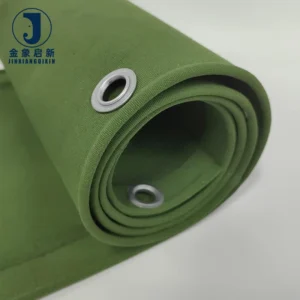
Customized Waterproof Woven Heavy Duty Truck Tarps Side Curtain Cover PVC Laminated Canvas Plain Very Heavyweight Accessories
¥1.50 Add to cart -
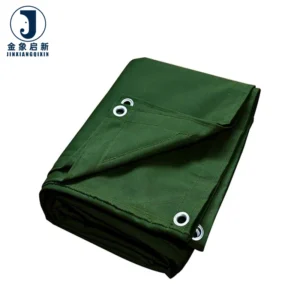
Custom Heavy Duty Woven PVC Laminated Industrial Canvas Tarpaulin Ripstop Style Waterproof Car Truck Cover Home Textiles Bags
¥10.00 Add to cart -
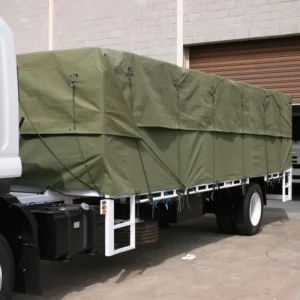
Custom PVC Coated Tarpaulin for Truck Cover – Full Range
Read more -
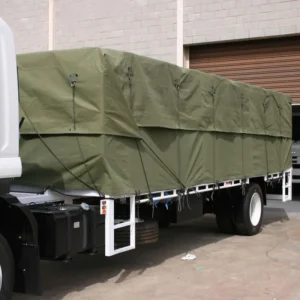
Commercial Custom Plain Boys 4 Foot Retractable Vinyl Canvas Truck Tarps Cover Heavy Duty Trailer Cargo Tarp for Sale
¥1.10 Select options This product has multiple variants. The options may be chosen on the product page