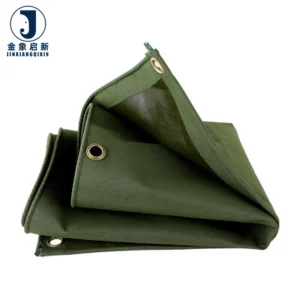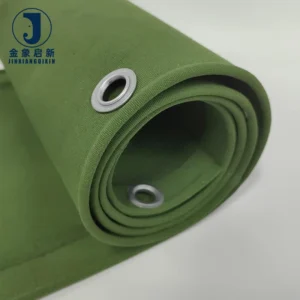
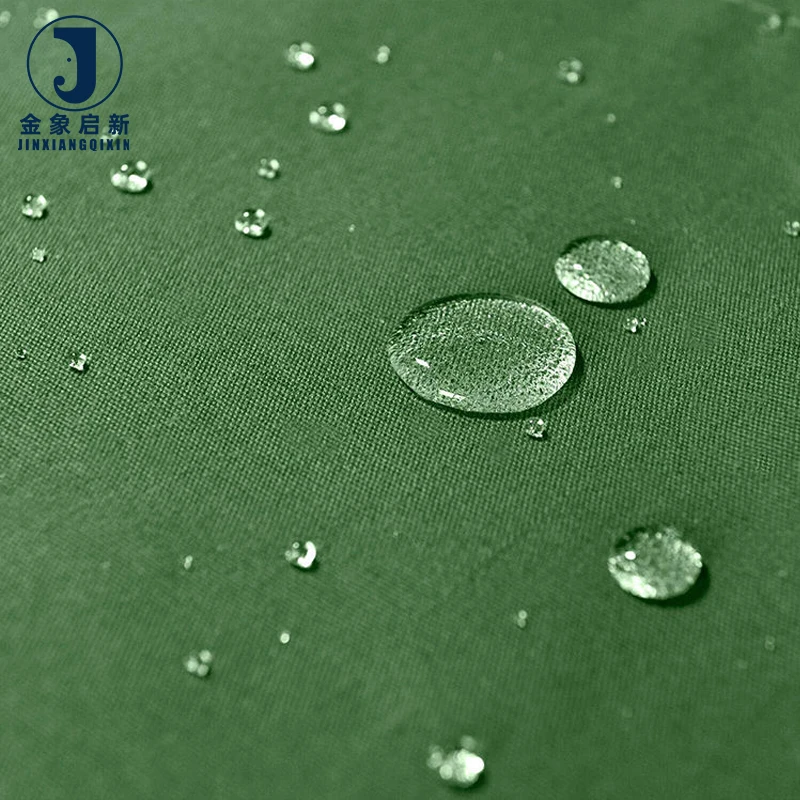
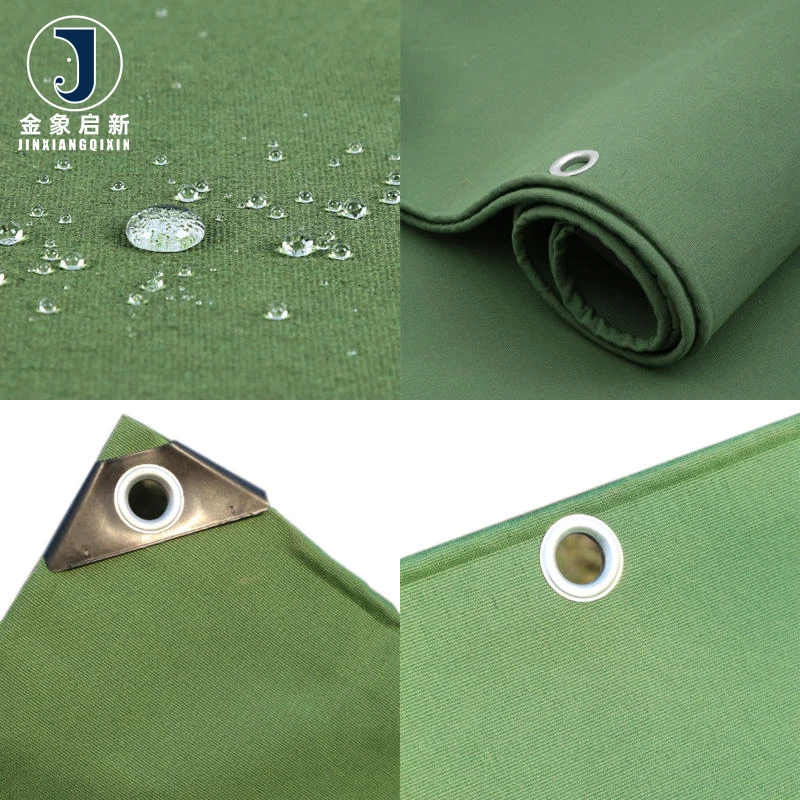
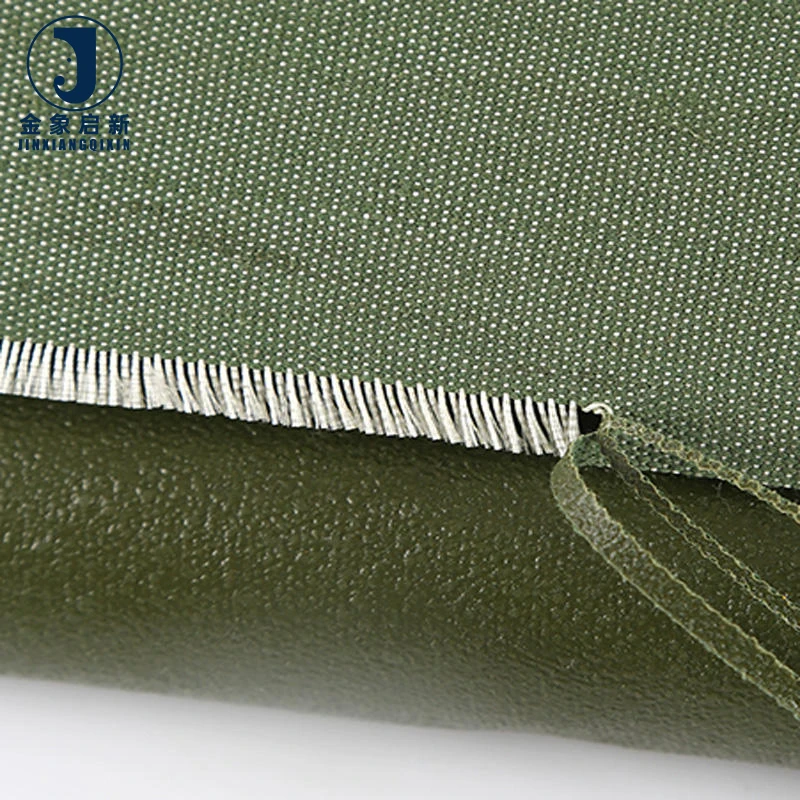
Heavy Duty Canvas Tarpaulin 600gsm, 0.5–0.7mm Thickness, 2m Roll Width — woven from 8–12 strand fine cotton yarn with polyester-cotton blend for tensile strength across temperature ranges.
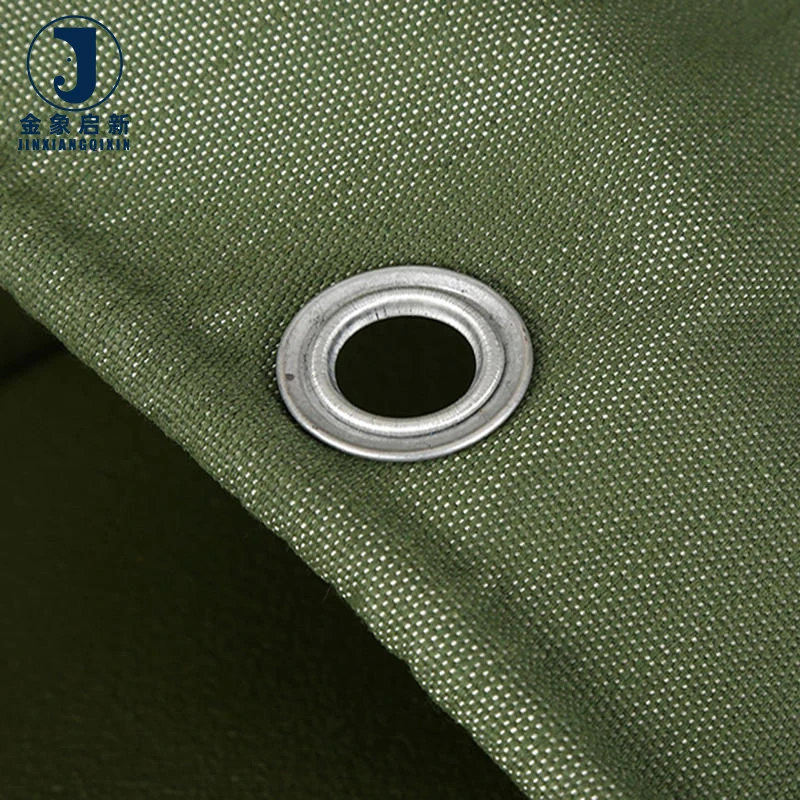
- Rust-proof aluminum eyelets every 1 meter at corners and hem, folded edges sewn over poly rope for tie-down load distribution
- Custom cut-to-size or full roll supply, with colour and width options developed through in-house R&D sampling
- GSM and thickness confirmed on pre-shipment inspection record, not just on the quotation
Material specification sheet and test reports included with dispatch. 100% inspection before shipment, supported by 36 sets of professional equipment and dedicated QA at every production stage.
Description
Proven Coating Control — weight and thickness verified at every production stage through in-house QA, not left to chance at arrival.
Technical Specifications
| Parameter | Value |
|---|---|
| Product Type | Canvas Tarpaulin |
| Material | Polyester cotton industrial textile with 8–12 strands of fine cotton yarn |
| Weight | 600gsm |
| Thickness Options | 0.5mm / 0.6mm / 0.7mm |
| Roll Width | 2m |
| Roll Length | 100m |
| Color | Army Green Camouflage / Custom |
| Waterproof | Claimed waterproof (rating not stated in source) |
| UV Treatment | Claimed UV resistant (test basis not stated in source) |
| Features | Wear-resistant, corrosion-resistant, tensile-resistant, high- and low-temperature resistant (grades not stated) |
| Eyelets | Rust-proof aluminum holes every 1 meter at corners and hem |
| Edge Reinforcement | Folded and sewn with poly ropes |
| Standards | CE, ISO (specific certificate numbers not stated in source) |
Application Suitability
| Application | Exposure & Requirement |
|---|---|
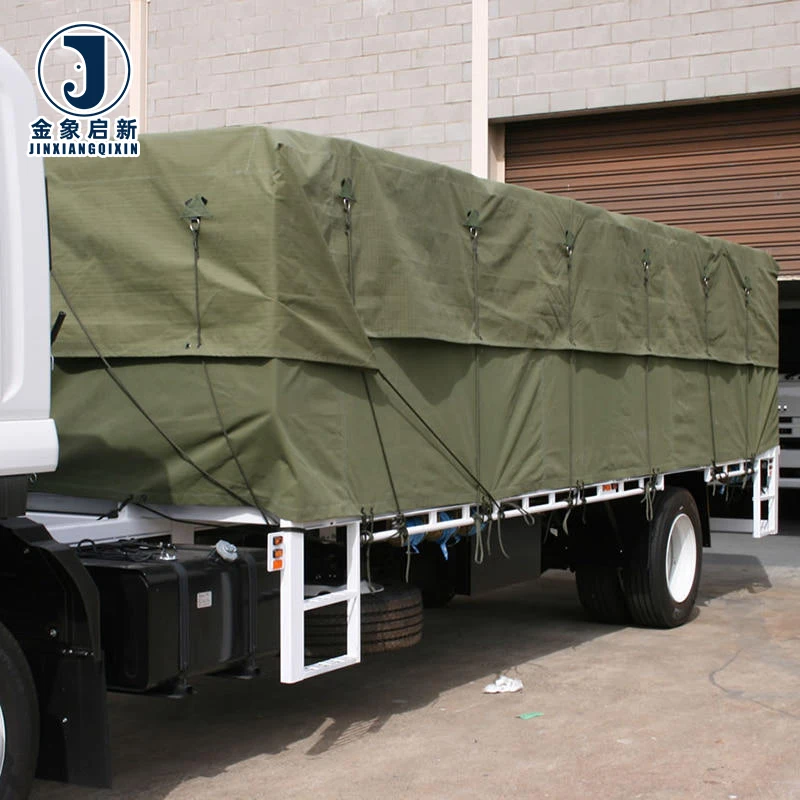
| Asphalt transport truck covers | Constant heat from fresh asphalt, surface abrasion during loading and unloading, tie-down tension at eyelets |
| Construction site equipment covers | Prolonged UV exposure, rain and wind, puncture risk from sharp edges on machinery and scaffolding |
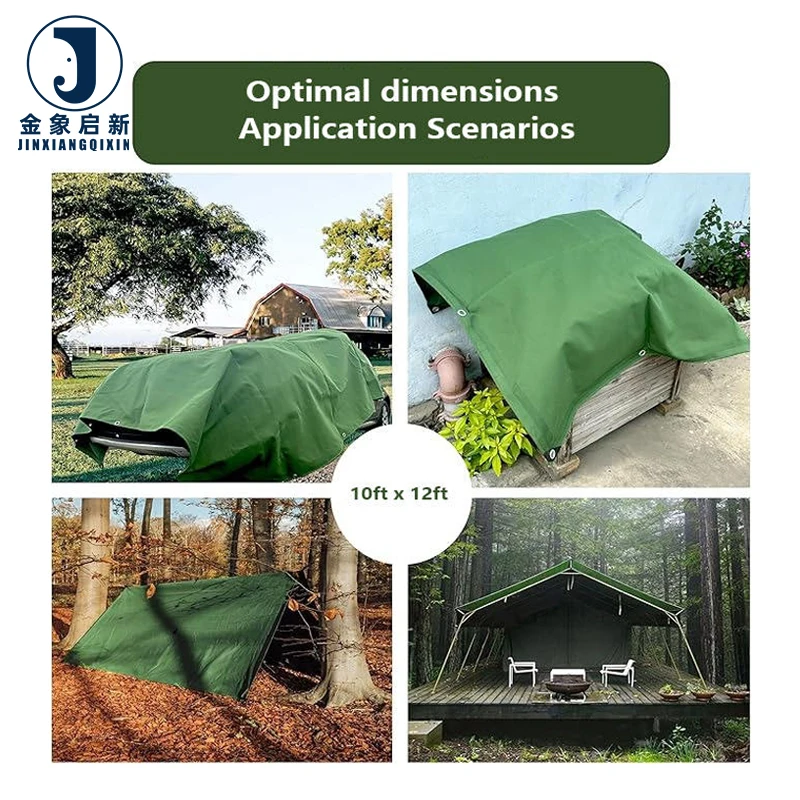
| Tent and awning fabrication | Roll-to-roll colour consistency for multi-panel assembly, sewing and welding compatibility, long-term outdoor weathering |
| Flatbed trailer load covers | Road debris impact, flexing at load edges during transit, repeated folding and unfolding at depots |
What 600gsm Really Means When the Roll Arrives at Your Dock
A quoted weight is only as reliable as the inspection system that confirms it before dispatch.
Buyers across transport and construction have received rolls that feel noticeably lighter than the specification sheet suggests. The problem is not always deliberate short-weighting; it can be uneven coating application across the web, or a base fabric that absorbs less compound than expected. When a Heavy Duty Canvas Tarpaulin manufacturer runs dedicated QA/QC at each production stage with full pre-shipment inspection, the gap between quotation and delivery closes. Without that control, the first sign of trouble appears when the cover fails at a stress point within the first season [NEED_CITE: common failure modes in coated canvas under load flex].
From Roll Stock to Finished Cover — One Production Line Handles Both
The 2m × 100m roll format serves fabricators and distributors who cut and sew their own finished products. For transport fleets and construction contractors who need covers ready to deploy, the same Heavy Duty Canvas Tarpaulin can be produced in custom-cut dimensions with eyelets, hem reinforcement and poly-rope edging applied in-house. This eliminates the coordination gap between a fabric supplier and a separate finishing workshop, where specification drift often occurs between the two stages.
Colour, Finish and Print — Developed Before Commitment
Custom colour runs and printed branding require sampling before bulk production proceeds. The in-house R&D team develops samples within days, allowing buyers to confirm shade matching, print registration and surface finish before the full order enters coating. This matters particularly for tent manufacturers assembling multi-panel structures where visible colour variation between panels is unacceptable [NEED_CITE: colour consistency standards in coated fabric batch production].
Reading the Specs That Actually Determine Field Performance
The 600gsm weight combines both base fabric and coating, so understanding what sits beneath the surface is essential. The polyester-cotton blend with 8–12 strand fine cotton yarn provides the tensile backbone; the coating adds waterproofing and abrasion resistance. A heavier coating does not automatically mean a stronger fabric — if the base fabric denier is low, the coating carries structural load it was not designed for, leading to cracking at fold lines. The three available thickness grades (0.5mm, 0.6mm, 0.7mm) let buyers match the cover to abrasion severity: lighter contact with stored materials versus heavy scraping against asphalt or gravel. Rust-proof aluminum eyelets spaced at every metre distribute tie-down forces across the hem, while poly-rope-sewn edges prevent the concentrated stress that causes unreinforced hems to tear outward from the grommet hole.
The Hidden Cost of a Specification That Looks Right on Paper
A cover that is slightly under-weight or thinner than specified may pass initial visual inspection but fail at the exact point where the load flexes most during transport. Welded seams on canvas tarpaulin can part before the fabric body fails if the coating composition does not support consistent heat-sealing temperatures. Colour variation between rolls in the same shipment becomes visible only after installation, when panels sit side by side on a structure or across a fleet of trucks — by which point the cost of replacement far exceeds the savings on the original order [NEED_CITE: batch consistency failures in coated textile procurement].
Why Source This Canvas Through a Specialist Coating Facility
Three full production lines and 36 sets of professional equipment support bulk roll output without the scheduling delays common at smaller workshops. Every roll undergoes 100% inspection before shipment — weight, thickness and visual quality checked against the specification sheet, not against a production average. The 10-person R&D team handles colour matching, custom width development and sample fabrication within days rather than weeks. Material specification sheets accompany every order, listing base fabric composition, coating weight and colour reference per batch for full traceability. CE and ISO certified processes support export documentation for shipments to over 20 countries.
Documentation & Verification
- Material specification sheet listing exact GSM, base fabric blend and coating weight per roll batch
- Pre-shipment inspection record confirming weight and thickness against quoted values
- Roll packing list with batch reference for traceability across the shipment
- Certificate of origin and customs documentation prepared for destination market
- Test report for UV or flame-retardant grades where specified and available
Fabrication, Handling & Storage
- Sew poly-rope-reinforced hems before eyelet insertion to prevent grommet pull-through on the 600gsm canvas
- Heat-seal at temperatures matched to the specific thickness grade (0.5mm/0.6mm/0.7mm) to avoid coating delamination
- Store rolls upright on pallets to prevent flat-spot creasing across the 2m width
- Unfold cold-weather stock gradually — polyester-cotton base resists low-temperature embrittlement but stiffens when frozen
- Cut panels with a rotary blade rather than shears to avoid fraying the 8–12 strand cotton yarn edges
- Clean with mild detergent; avoid solvents that degrade the waterproof coating surface
What to Include in Your Enquiry
Provide the specific application and exposure conditions — whether the cover will face asphalt heat, prolonged sun, or mechanical abrasion from construction materials. Specify whether you need roll stock at 2m × 100m or custom-cut finished covers with eyelet placement and hem reinforcement. Include your target market so that the correct compliance documentation and, where required, fire-retardant or UV treatment grades can be confirmed before sampling begins.
Frequently Asked Questions
Q: How is the 600gsm weight verified before the rolls leave the factory?
A: Every roll is weighed and measured during 100% pre-shipment inspection. The results are recorded on the inspection report that ships with your order, so you can cross-check arrival weight against the documented dispatch value rather than relying solely on the original quotation.
Q: Can I order finished truck covers cut to my trailer dimensions, or only roll stock?
A: Both formats are available. Rolls ship at 2m × 100m for fabricators who cut their own panels. Finished covers can be produced to specific trailer model dimensions with eyelets, poly-rope hems and reinforcement applied during the same production run.
Q: How do you maintain colour consistency when I order multiple rolls?
A: Custom colour batches are mixed and coated in a single production run to minimise shade drift. The R&D team produces a sample for approval before bulk coating begins, and each roll carries a batch reference on the packing list for traceability.
Q: What eyelet spacing and edge reinforcement options are available?
A: Standard configuration uses rust-proof aluminum eyelets spaced every 1 metre at corners and along the hem. Edge reinforcement includes folding and sewing over poly rope. Alternative spacing or reinforcement patterns can be specified during the sampling stage.
Q: How does the sampling process work for custom colour or printed branding?
A: Submit your colour reference or print artwork with the enquiry. The R&D team produces a physical sample within days. Once you approve the sample for shade, finish and print registration, bulk production proceeds against that confirmed standard.
Related products
-
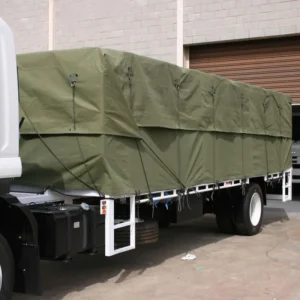
Custom Heavy Duty Canvas Truck Tarp for Trailer – Manufacturer
Read more -
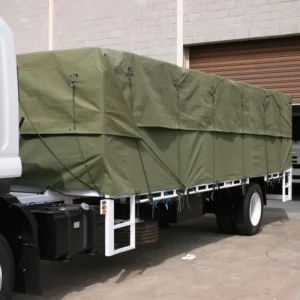
Custom PVC Coated Tarpaulin for Truck Cover – Full Range
Read more -
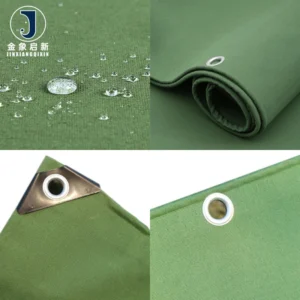
13oz 10ftx12ft Woven Plain Heavy Duty Canvas Tarpaulin with Rustproof Grommets for Canopy Tent Roof Camping Woodpile
¥10.59 Add to cart -
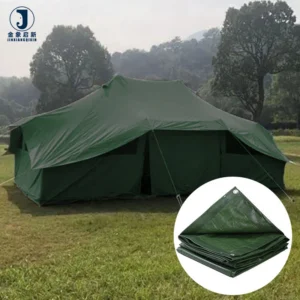
Custom Size Heavy Duty Organic Coated Blackout Tarpaulin Fabric Truck Covers Waterproof Roll Tarp for Commercial Protection
¥0.30 Select options This product has multiple variants. The options may be chosen on the product page