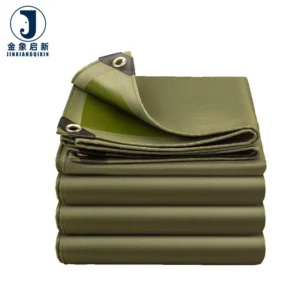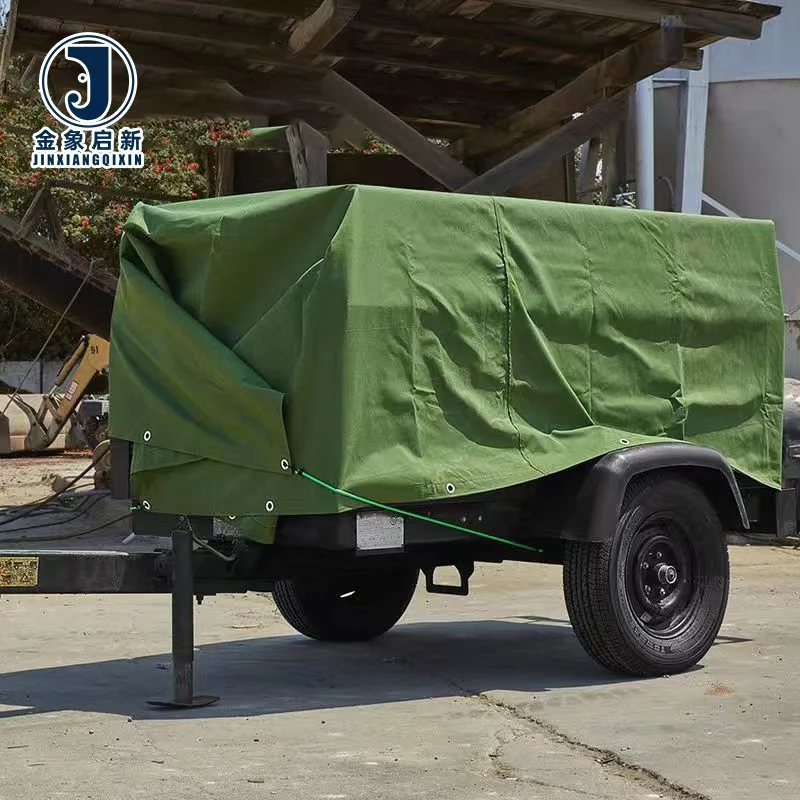
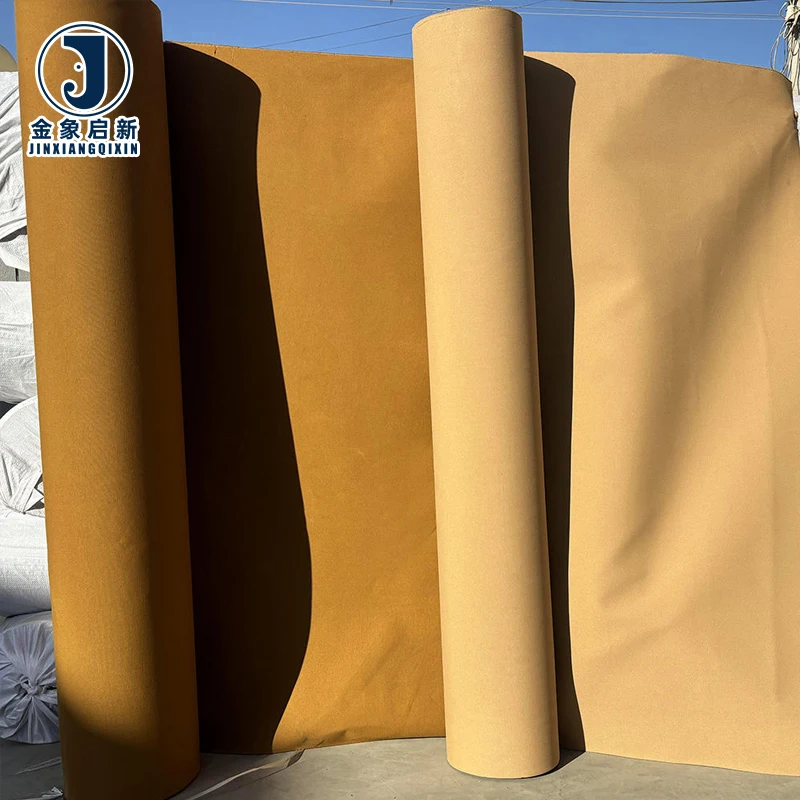
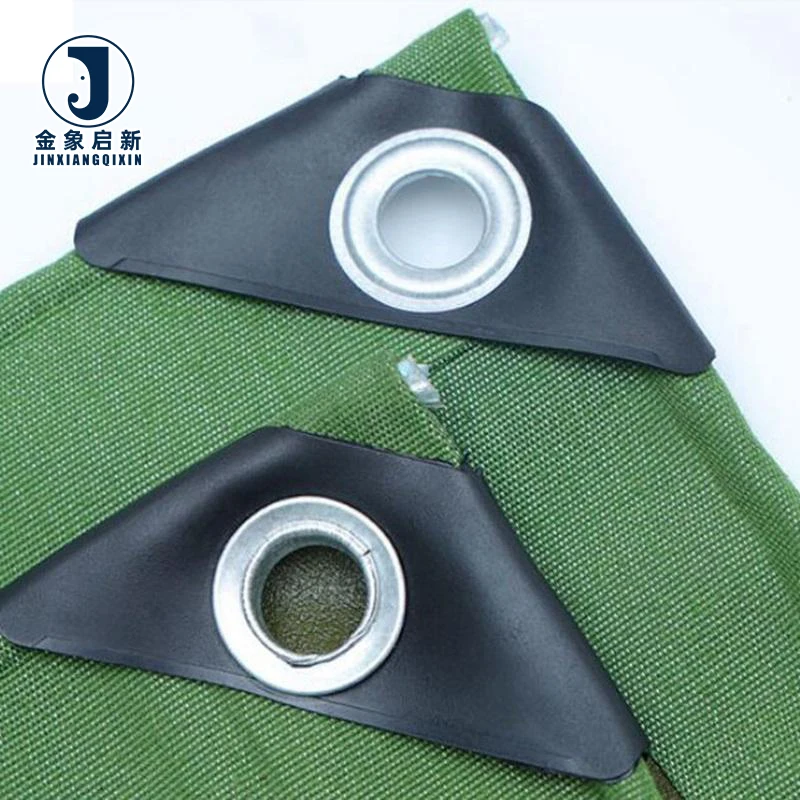
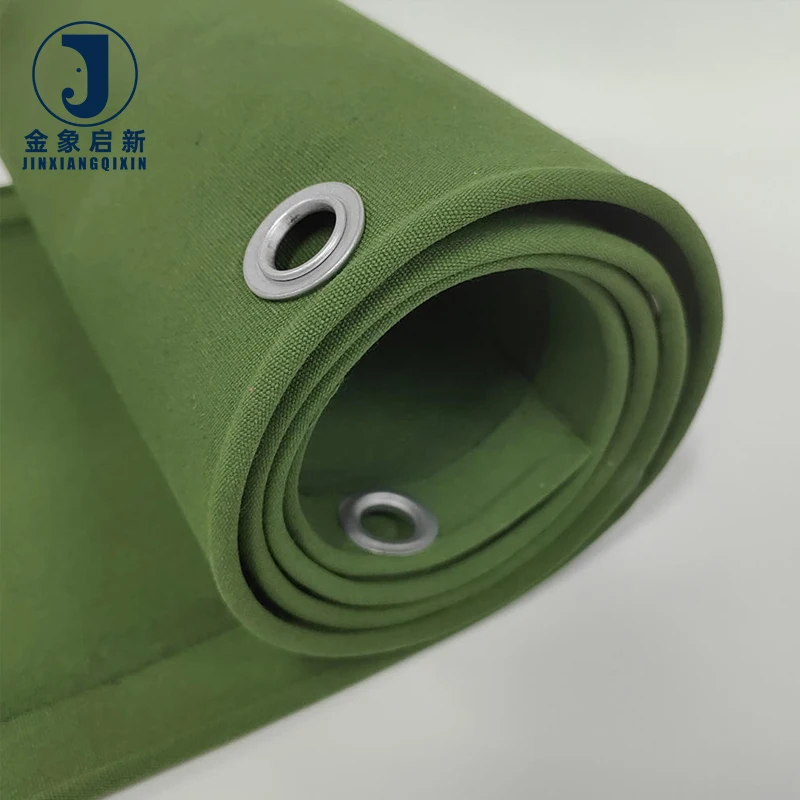
PVC Laminated Canvas Tarpaulin with silicone canvas base, heat resistant treatment, and heavy duty ripstop weave — engineered for engine hood covers, vehicle shelters, and outdoor protection.
- Laminated PVC coating bonded to woven canvas delivers tear resistance and dimensional stability under load, with waterproof performance verified at every production stage
- Reinforced eyelets on all four sides for secure tie-down; custom width, length, and edge finishing available with sample development within days
- Backed by nearly 30 years of coated fabric process control, dedicated QA at every stage, and 100% pre-shipment inspection before dispatch.
Description
Proven Coating Control — Every roll of PVC laminated canvas tarpaulin we dispatch carries a verified material spec sheet so the weight and finish you order is exactly what arrives.
Technical Specifications
| Parameter | Value |
|---|---|
| Product Type | PVC Laminated Woven Canvas Tarpaulin |
| Coating Method | Laminated |
| Coating Material | PVC |
| Base Fabric | Woven canvas, heavy-duty ripstop-style weave |
| Waterproof | Yes, fully waterproof laminated construction |
| Heat Resistant | Yes (grade available on request) |
| Tear Resistant | Yes (test basis available on request) |
| Breathability | High |
| Eyelet & Hem Options | Eyelets installed on all four sides |
| Flame Retardant | Available in flame retardant grades — confirm the grade required for your market |
| UV Treatment | Available with UV stabilisation — confirm test standard for your region |
| Custom Sizing | Width, length, hem and eyelet layout configurable |
Application Suitability
| Application | Exposure & Requirement |
|---|---|
| Engine hood & vehicle covers | Direct heat from engine bays, road debris impact, prolonged sun exposure |
| Roof & site shelter covers | Standing water, wind uplift on eyelets, UV degradation over seasons |
| Outdoor floor mats & ground sheets | Abrasion from foot and equipment traffic, moisture ingress from below |
| Sun and rain shelters | Repeated assembly and teardown, flex at tie-down points, storm wind load |
| Tent and awning fabrication | Pattern cutting from roll stock, welded seam integrity, colour consistency across panels |
Why a "Heavy Duty" Label Means Nothing Without Verified Weight
A tarpaulin is only as heavy-duty as the coating weight and base fabric density that can be measured on receipt.
Buyers regularly receive canvas tarpaulins labelled heavy duty that fall short of the quoted GSM once unrolled on site. The PVC laminated canvas tarpaulin market is full of material that looks right in the sample swatch but ships lighter across the bulk order. When the coating is thinner than specified, the woven base is more exposed to abrasion and the tear resistance drops at exactly the stress points where the cover is under the most tension [NEED_CITE: tensile and tear test methods for coated fabrics per ISO 1421]. Our approach is to ship a material specification sheet with every order stating the exact GSM, base fabric type, and coating method so verification on arrival is straightforward.
What the Laminate Structure Delivers in Practice
The PVC laminate bonds to the woven canvas base under heat and pressure, producing a unified fabric where the coating cannot separate from the weave under normal flex. This laminated construction gives the PVC laminated canvas tarpaulin its tear resistance and dimensional stability. The ripstop-style weave in the base fabric limits tear propagation if the surface is punctured, containing damage to a small area rather than letting it run across the panel.
Heat Resistance Where Covers Meet Hot Surfaces
Engine bays, exhaust-adjacent equipment, and metal roofing in direct sun all present thermal loads that standard PVC cannot handle long-term. The heat-resistant formulation in this canvas tarpaulin is designed for these exposure conditions, maintaining flexibility and adhesion where conventional coatings soften or delaminate. Fabricators using this material for vehicle covers and industrial shelters report fewer warranty claims related to coating breakdown in high-temperature zones [NEED_CITE: thermal ageing effects on PVC laminated fabrics].
Reading the Specifications Beyond Weight
The woven canvas base with its ripstop-style weave provides the structural backbone — the denier and mesh count of that base determine how the fabric handles tensile load and tear initiation independently of the coating weight. Lamination as a coating method bonds the PVC film to both faces of the base fabric, which generally yields higher peel strength than knife-over-roll coating at comparable weight, making the fabric more forgiving during high-frequency welding. High breathability combined with full waterproofing means the fabric can be used for shelters and enclosures where condensation build-up would otherwise be a concern, without sacrificing rain protection.
The Cost of Overlooking Batch Consistency
Colour variation between rolls in a single tent or shelter order becomes visible the moment panels are installed side by side, and the entire structure may need to be re-cut from matching stock. Coating weight inconsistency across a batch means some panels will fail at the weld while others hold, creating unpredictable performance in the field. These issues compound when the order volume is large and lead times are tight, because re-ordering a corrected batch delays the project downstream [NEED_CITE: coating weight variation impact on weld strength in PVC tarpaulins].
What the Production Process Backs Up
Three full production lines and dedicated QA at each stage mean the PVC laminated canvas tarpaulin rolls you receive have passed coating weight checks, colour consistency review, and eyelet pull-strength verification before they leave the facility. The R&D team develops samples within days when you need a specific width, colour, or hem configuration validated before committing to bulk. A 10-person technical team handles material selection and pattern guidance, so fabricators ordering for tent and shelter production get cutting advice alongside the roll stock.
Documentation & Verification
- Material specification sheet stating GSM, base fabric weave, and PVC laminate weight per roll
- Pre-shipment inspection record covering weight, colour, and eyelet placement before dispatch
- Test reports for heat resistance and flame retardant grades supplied with applicable orders
- ISO and CE certificates included in the shipping documentation package
- Certificate of origin and customs documentation prepared for cross-border orders
Fabrication, Handling & Storage
- High-frequency welding suits the laminated PVC surface — test weld parameters on a sample offcut before production runs
- Reinforced hems at all four edges distribute eyelet load across the ripstop weave, reducing pull-through risk
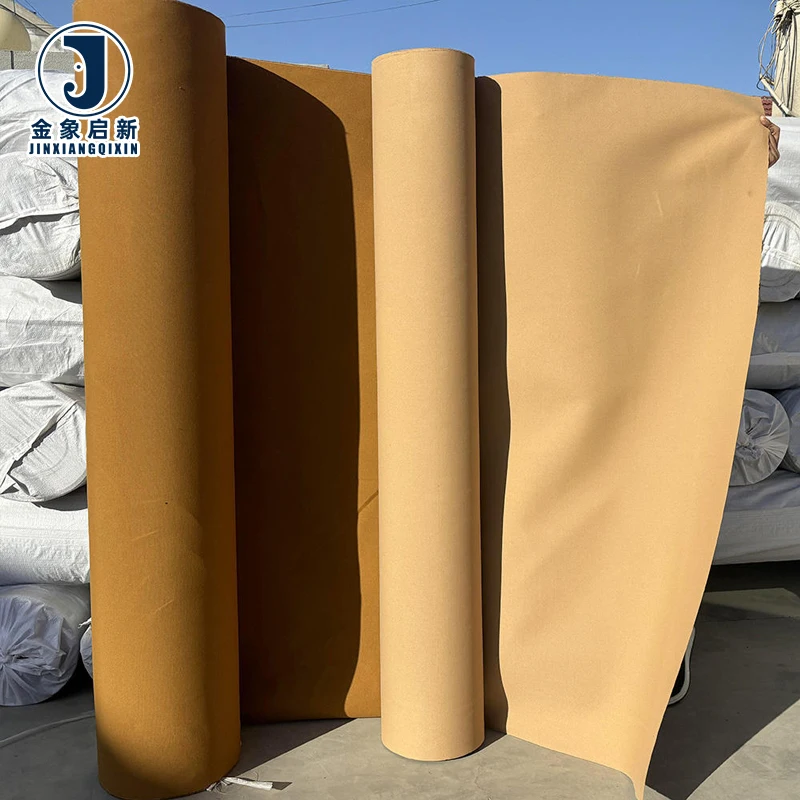
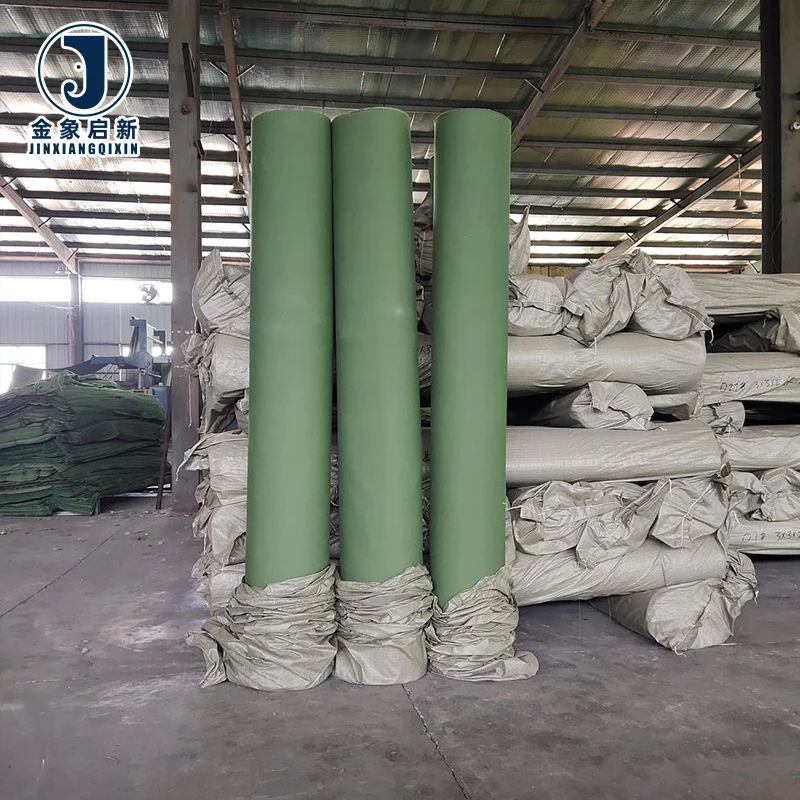
- Store rolls upright on end in dry conditions to prevent flat-spot creasing in the woven canvas base
- Clean the PVC laminate surface with mild detergent only — solvents can degrade the coating bond
- When cutting panels from roll stock, align the ripstop weave to the primary stress axis for maximum tear containment
What We Need to Quote Accurately
Provide the end-use application and the exposure conditions the cover will face so we can recommend the right laminate grade and base fabric weight. Confirm the finished dimensions, eyelet spacing, and hem construction required, along with the roll width and quantity if you are a fabricator cutting your own panels. Let us know the fire classification or compliance standard your market requires so we can include the correct treatment and matching documentation.
Frequently Asked Questions
Q: How do I verify the GSM and coating weight on arrival against the quotation?
A: Every shipment includes a material specification sheet stating the exact GSM, base fabric type, and PVC laminate weight. You can weigh a measured sample panel on arrival and cross-reference it against the documented value. Any discrepancy is covered by our pre-shipment inspection record, which logs actual measured weight per roll before dispatch.
Q: What flame-retardant grades are available for tent fabric and which test standards do they meet?
A: Flame retardant treatment is available in multiple grades depending on the market and application. We supply test reports referencing the applicable standard once you confirm the classification your project requires. Send us your specification or the regulatory body involved and we will match the correct grade and provide documentation.
Q: How do you control colour consistency across rolls in a single tent or shelter order?
A: Production runs for a single order are scheduled as one continuous batch to minimise dye-lot variation. Our in-process QA checks colour against the confirmed reference at multiple points during coating and lamination. The pre-shipment inspection record documents the visual consistency check before rolls are packed together.
Q: What custom sizing, eyelet spacing, and hem reinforcement options can be specified?
A: Width, length, hem style, and eyelet spacing are all configurable to your fabrication pattern or finished cover dimensions. The ripstop woven canvas base supports reinforced box-stitch hems and standard or heavy-duty eyelet installations on all four sides. Samples are developed within days so you can verify the finishing before bulk production.
Q: What is the sample development lead time for custom width, colour, or print requirements?
A: Standard sample development is completed within days for most custom width and colour requests. More complex requirements involving specific print patterns or non-standard treatments may take slightly longer depending on the production schedule. We confirm the timeline at the inquiry stage so it aligns with your project planning.
Related products
-
Custom PVC Coated Tarpaulin for Truck Trailer – Full Range
Read more -
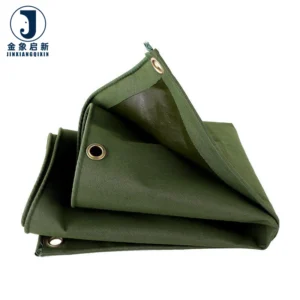
JX Heavy Duty Woven Plain Canvas Laminated 600 GSM Tarpaulin Waterproof UV Resistant Multi-Use Industrial Grade
¥20.00 Add to cart -
Heavy Duty Canvas Tarpaulin 600 GSM | Custom Made
Read more -
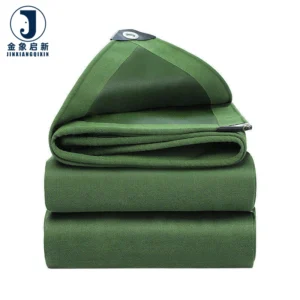
Canvas Tarpaulin for Truck Cover – Custom Made
Read more