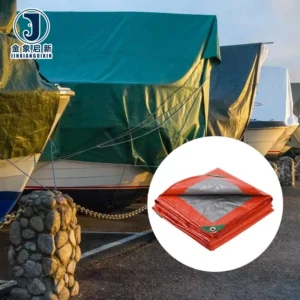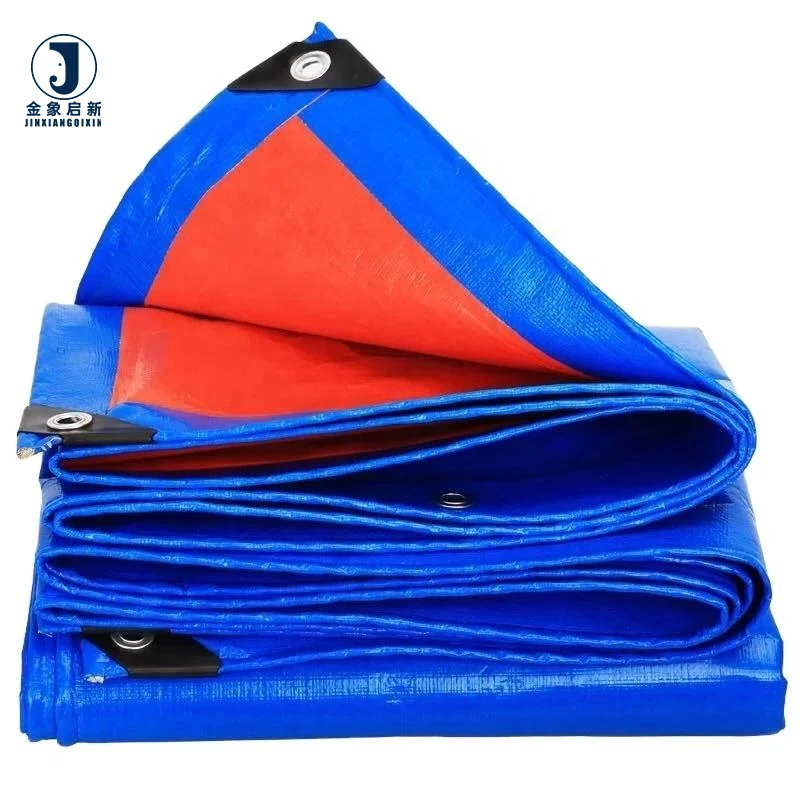
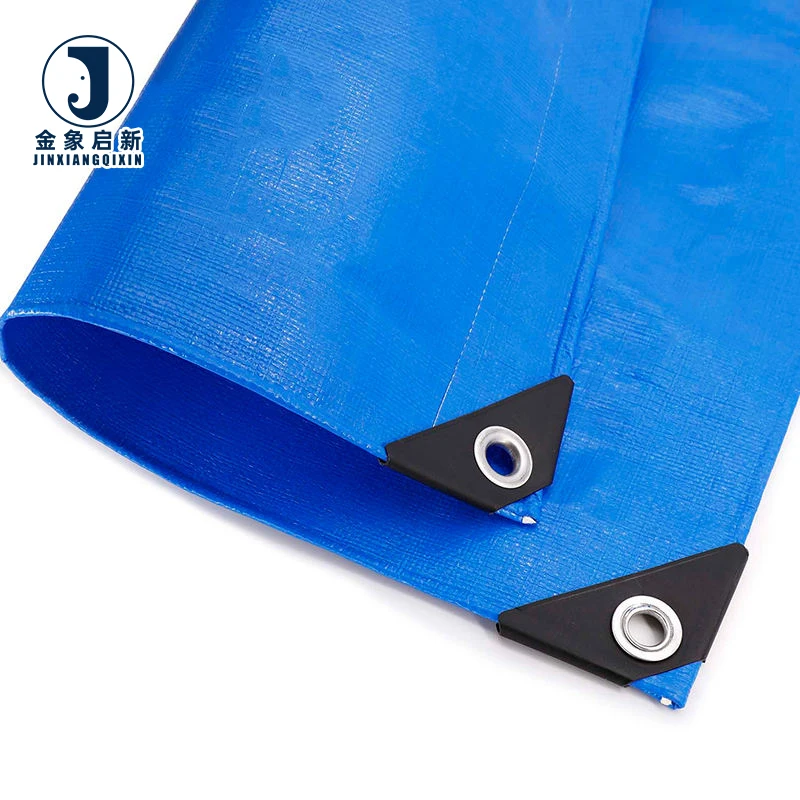
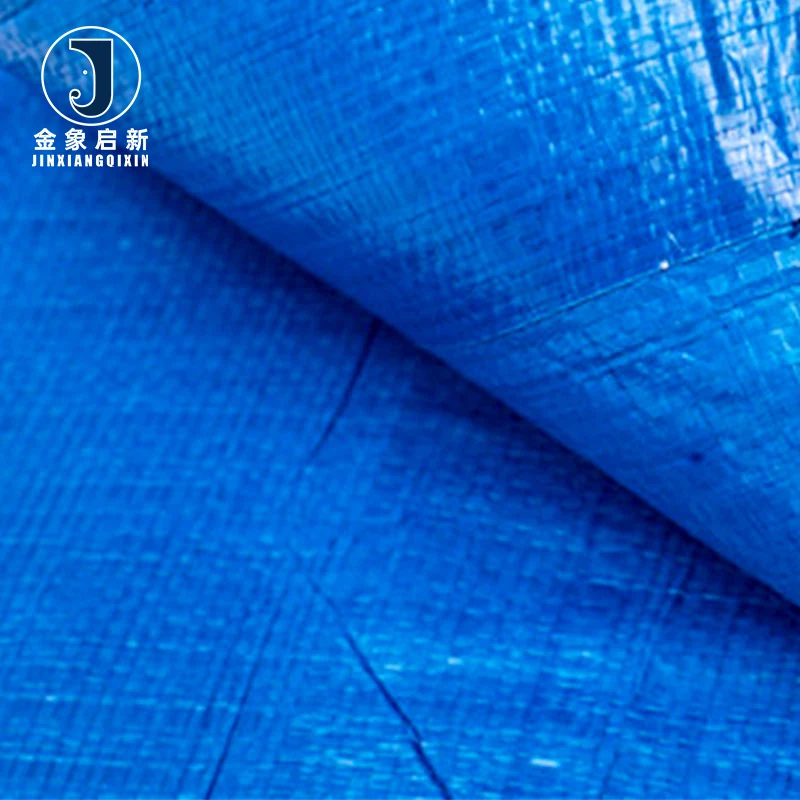
PE Tarpaulin HDPE woven with LDPE lamination, 50–220 gr/m², 0.2–0.4 mm thickness — waterproof, tear resistant, and UV treated for outdoor exposure.
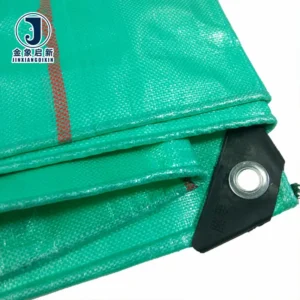
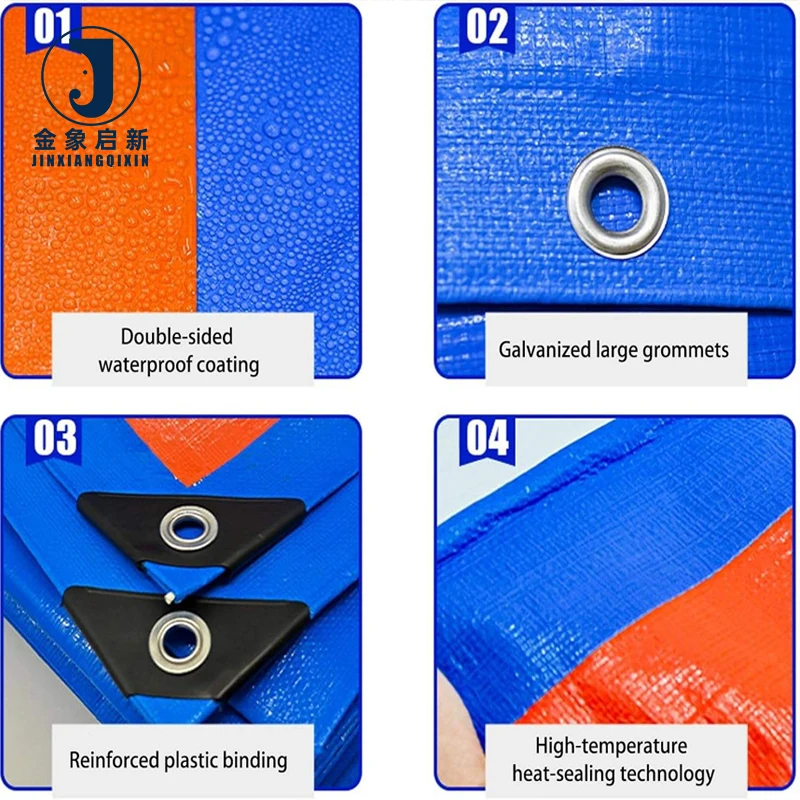
- Rolls up to 6 m width or finished cut sizes with PP rope hem, galvanized eyelets every 3 ft, and reinforced plastic corners
- GSM, colour, and treatment verified per material specification sheet before shipment
Three full production lines with 36 equipment sets deliver bulk capacity and reliable on-time dispatch for distributors and contractors.
Description
Proven coating expertise — PE Tarpaulin Heavy Duty Waterproof Cover Sheet rolls and cut sizes are produced under dedicated QA at every stage, ensuring the GSM and colour on the quotation match what arrives on site.
Technical Specifications
| Parameter | Value |
|---|---|
| Product Type | PE Tarpaulin |
| Material | HDPE weaving with LDPE lamination on both sides |
| Weight Range | 50gr/m² ~ 220gr/m² |
| Thickness | 0.2-0.4mm / 8 mil-16 mil / Custom |
| Width Options | 6ft, 8ft, 10ft, 12ft or 2m, 4m, 6m |
| Length Options | 100 yards, 100 meters, or as per buyer’s wish |
| Colour Options | Blue, Blue/Orange, Green, Grey, Black, Clear, Grey/Green, Orange, or custom |
| Key Features | Waterproof, washable, tear resistant, weather proof, UV treatment available, mildew proof, anti-aging, acid and alkali resistance |
| Edge Reinforcement | All four edges reinforced with PP rope in hem |
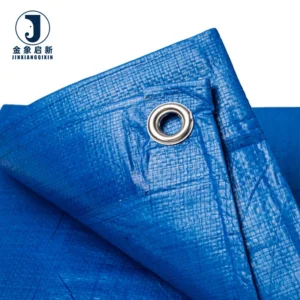
| Eyelets | Galvanized eyelets every 3ft or 1 meter interval |
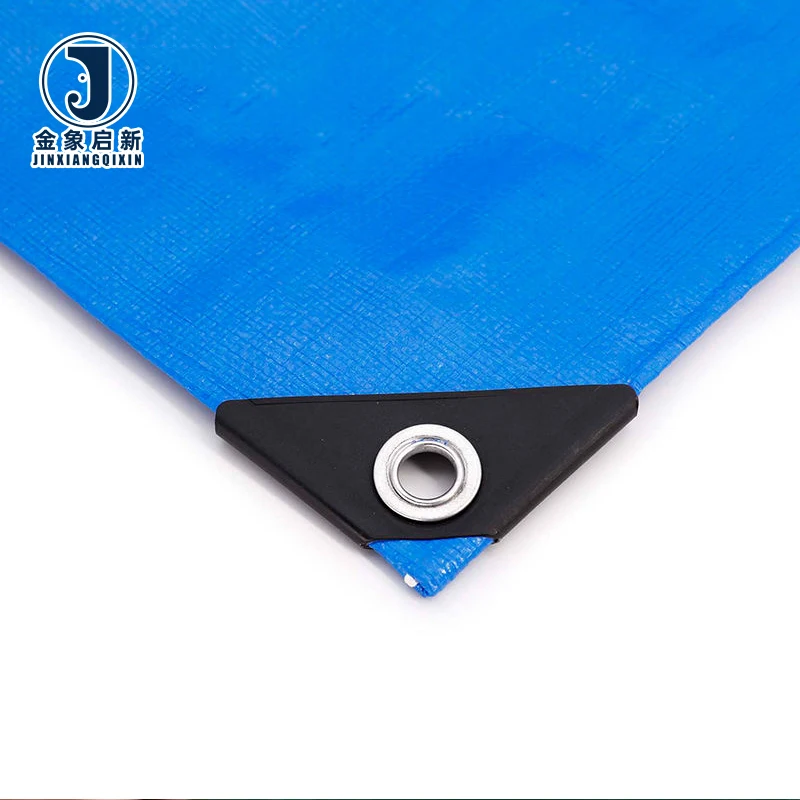
| Corners | Reinforced plastic corners |
| Regular Cut Sizes | 2x2m, 3x3m, 3x5m, 4x4m, 4x5m, 4x6m, 4x8m, 4x10m, 5x5m, 5x6m, 5x8m, 5x10m, 6x6m, 6x8m, 6x10m, 8x10m |
| Standards | ISO, CE |
Application Suitability
| Application | Exposure & Requirement |
|---|---|
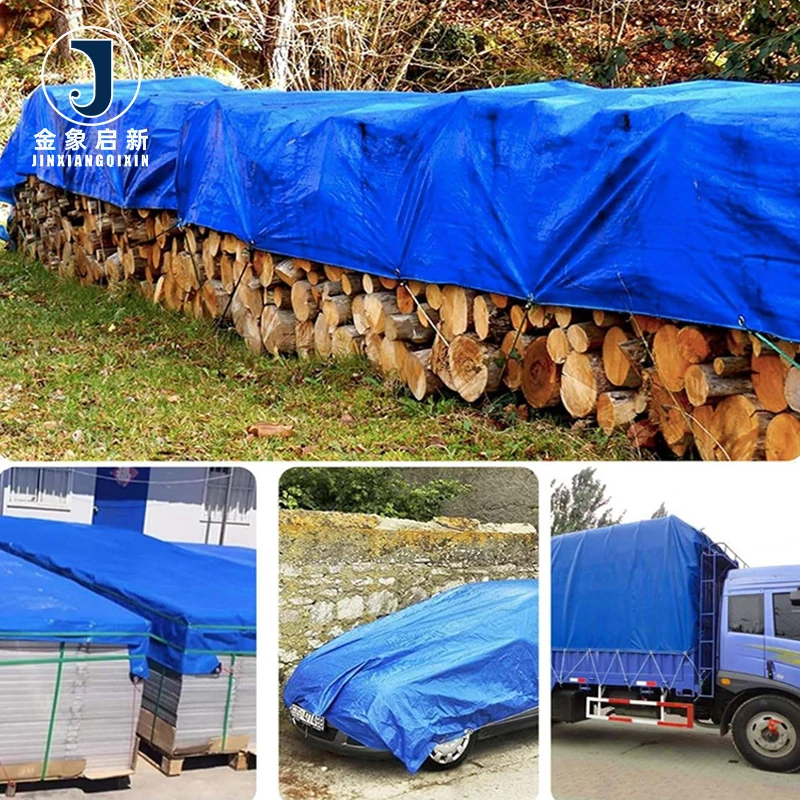
| Scaffolding wraps and construction site covers | Constant outdoor weathering, wind load, abrasion against scaffold tubes, UV exposure |
| Heavy-duty camping and event covers | Frequent folding and unfolding, ground moisture, sun exposure |
| Agricultural and aquaculture stock covering | Prolonged water contact, biological growth, soil chemistry exposure |
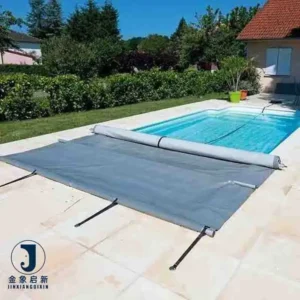
| Pond and reservoir lining | Permanent water immersion, soil puncture risk, chemical leaching |
| Truck and flatbed trailer load protection | High-speed wind flap, road debris impact, tie-down point stress |
| Equipment and machinery protection | Dust ingress, rain exposure, intermittent UV and temperature shifts |
Why Batch Colour Mismatch Wrecks a Tarpaulin Order Before It Gets Installed
A PE Tarpaulin order only works when every roll or finished sheet looks identical side by side.
I have stood on a job site watching a contractor unroll three sheets from the same shipment, only for the blue on one to look grey next to the others. That batch goes straight back. The problem is rarely a single mistake — it is usually a supplier running different production runs at different times without locking the pigment masterbatch ratio or calibrating the lamination temperature between runs. When the colour shifts between rolls, the buyer is left with material that cannot be used together on a visible structure like a scaffolding wrap or a camping marquee. [NEED_CITE: colour consistency standards in laminated PE fabrics]
Controlling Colour and Weight from Extrusion to Roll
For an aftermarket supplier of PE tarpaulin, consistency starts at the HDPE weaving stage. If the yarn denier or the weave density drifts between batches, the base fabric absorbs the LDPE lamination differently, which shifts both the final colour and the surface texture. By keeping the weaving parameters locked and verifying the lamination temperature profile for every production run, the base cloth accepts the coating uniformly. This prevents the glossy or matte finish from varying across the same order, which matters when sheets are installed adjacent to one another on a visible structure.
Reinforcement Detailing Matched to the Load
The edge and corner treatment on a PE tarpaulin determines whether it survives its first storm. This range uses PP rope threaded through a folded hem on all four sides, giving the edge a solid core to resist tearing when tensioned over a frame or tied down to a flatbed. Galvanized eyelets are punched at intervals of 3ft or 1 meter, spreading the tie-down load across multiple fabric yarns rather than concentrating stress at a single point. Reinforced plastic corners add an extra layer of material where the eyelet meets the edge — the exact spot where most field failures originate. [NEED_CITE: tie-down load distribution in hemmed tarpaulin edges]
What GSM and Thickness Actually Mean for PE Woven Fabric
The 50gr/m² to 220gr/m² range covers everything from a light dust sheet to a heavy-duty construction cover, but the number alone does not tell you how the fabric will behave. The HDPE woven base provides the tensile and tear strength; the LDPE lamination on both sides adds waterproofing and surface durability. A 140gr/m² sheet with a tight weave and even lamination will outperform a 180gr/m² sheet made with a loose weave and excess coating that fills gaps without adding structural yarn. Thickness values from 0.2 mm to 0.4 mm reflect the combined profile of the base fabric and the lamination layers. For scaffolding applications exposed to wind load, a tighter weave with moderate GSM gives better dimensional stability than a heavier but loosely woven alternative. The 6 m maximum roll width means larger sections can be cut without intermediate joins, reducing seam lines on big covers.
The Real Cost of Receiving the Wrong Specification
When a distributor orders 100 rolls at a stated GSM and the material arrives lighter, the downstream buyer discovers the problem only after installation. A cover that was specified for heavy-duty construction exposure but arrives at a lower weight will abrade through at the scaffold contact points far sooner than expected. Similarly, when UV treatment is claimed but not verified, the lamination begins to chalk and crack after a season of sun exposure, leaving the HDPE base fabric exposed and brittle. [NEED_CITE: UV degradation effects on LDPE lamination in outdoor covers] Colour inconsistency across rolls in a single order forces the buyer to either reject the entire shipment or install mismatched sheets that look unprofessional on any visible structure — and the re-order delay pushes the project schedule.
Production Controls Behind Every Roll and Sheet
Three full production lines with dedicated equipment allow this PE tarpaulin range to move from sample approval to bulk output without bottlenecks. The 10-person R&D team handles material selection and sample development, so custom widths, colours, and branding requirements are validated before the production run begins. In-process QA checks at each stage — weaving, lamination, cutting, hemming, and eyelet punching — catch deviations before they propagate. The 100% pre-shipment inspection verifies GSM, colour reference, dimensions, and reinforcement detailing against the original specification, so what was agreed at the quotation stage is what arrives in the container.
Documentation & Verification
- Material specification sheet stating GSM, HDPE base fabric weave, and LDPE lamination weight
- Colour reference confirmed against the agreed standard before production begins
- Test report for UV treatment grades where applicable to your market
- ISO and CE certificates provided with each shipment
- Pre-shipment inspection record covering roll weight, dimensions, and eyelet spacing
- Roll packing list and certificate of origin for customs clearance
Fabrication, Handling & Storage
- Use moderate heat settings when welding LDPE-laminated seams to avoid melting through the HDPE base
- Position tie-downs through galvanized eyelets only, never through the field of the fabric
- Store rolls horizontally on a flat surface to prevent permanent creasing across the lamination layer
- Unfold finished sheets in moderate temperatures; frozen LDPE becomes brittle and may crack at the hem
- Clean with mild detergent and water; solvents will degrade the LDPE surface lamination
- Allow for thermal expansion when tensioning large sheets — LDPE expands measurably in direct sun
How to Scope Your PE Tarpaulin Requirement
To get an accurate specification match, share the application environment and the primary stress factors — whether the cover will face constant wind load, direct chemical contact, or repeated folding. Confirm your target market’s regulatory requirements for UV treatment or flame retardancy. Provide the roll width or finished cut size you need, your colour reference or Pantone code, and your estimated annual volume so production can be planned around batch-consistent runs.
Frequently Asked Questions
Q: What is the difference between your PE and PVC tarpaulin ranges, and which suits my application?
A: PE tarpaulin uses an HDPE woven base with LDPE lamination, making it lighter and cost-effective for covers, liners, and general protection. PVC tarpaulin uses a polyester base with PVC coating, offering higher tensile strength and better performance for tensioned structures, truck side curtains, and heavy-duty applications where abrasion resistance is critical. The choice depends on the load, exposure conditions, and expected service intensity.
Q: Can you match a specific GSM and deliver a verified test result with the shipment?
A: Yes. The required GSM is confirmed in the material specification sheet before production. Each roll is checked during the 100% pre-shipment inspection to verify weight against the stated value. A test result documenting the verified GSM accompanies the shipment documentation so the buyer has a record of what was delivered.
Q: How do you ensure colour consistency across multiple rolls in one order?
A: The pigment masterbatch ratio and lamination temperature are locked for the entire production run. In-process QA checks colour against the agreed reference at multiple points during production. Rolls that deviate from the standard are held back before packing. This ensures every roll in a bulk order matches when installed side by side.
Q: What custom sizes, widths, and branding options are available, and what are the lead times?
A: Roll widths up to 6 m are available, with lengths at 100 yards, 100 meters, or buyer-specified. Finished sheets can be cut to any dimension. Custom colours and pattern printing are supported. Samples are developed within days for approval before bulk production begins. Lead times depend on order volume and customisation scope and are confirmed at quotation.
Q: Do you provide samples before I commit to a bulk order?
A: Yes. The R&D team develops samples based on your GSM, colour, width, and treatment requirements. These are delivered for evaluation so you can verify weight, hand feel, and visual appearance before committing to a full production run. Sample approval is a standard step in the sales process.
Related products
-
Wholesale Organic Breathable PVC Waterproof Oilcloth Blackout Fabric Sun Protection Tarpaulin Outdoor Awning Industrial Tent
¥0.89 Select options This product has multiple variants. The options may be chosen on the product page -
Baisite Coated Organic Blackout Waterproof PE Tarpaulin Roll 4mx50m Customized 4mx6m Outdoor Tent Awning Truck Cover
¥0.77 Select options This product has multiple variants. The options may be chosen on the product page -
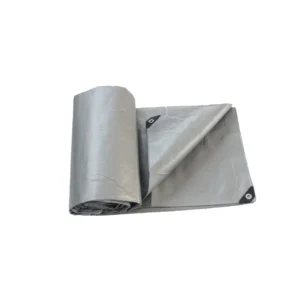
PE Tarpaulin Waterproof Outdoor Garden Sheet HDPE Laminated PVC Coating for Liner Covering Truck Cover Tent Awnings Plain Woven
¥0.31 Select options This product has multiple variants. The options may be chosen on the product page -
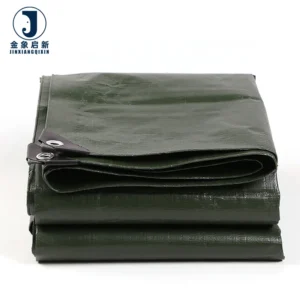
Heavy Duty Poly Tarps 5/10/12/16/20 Mil Waterproof Tarpaulin Cover 701 Fire Retardant Anti-UV and Windproof for Cars Tents
¥0.20 Select options This product has multiple variants. The options may be chosen on the product page