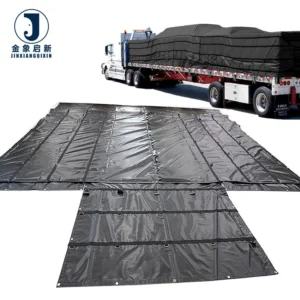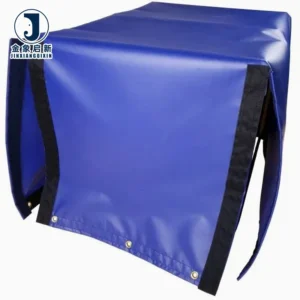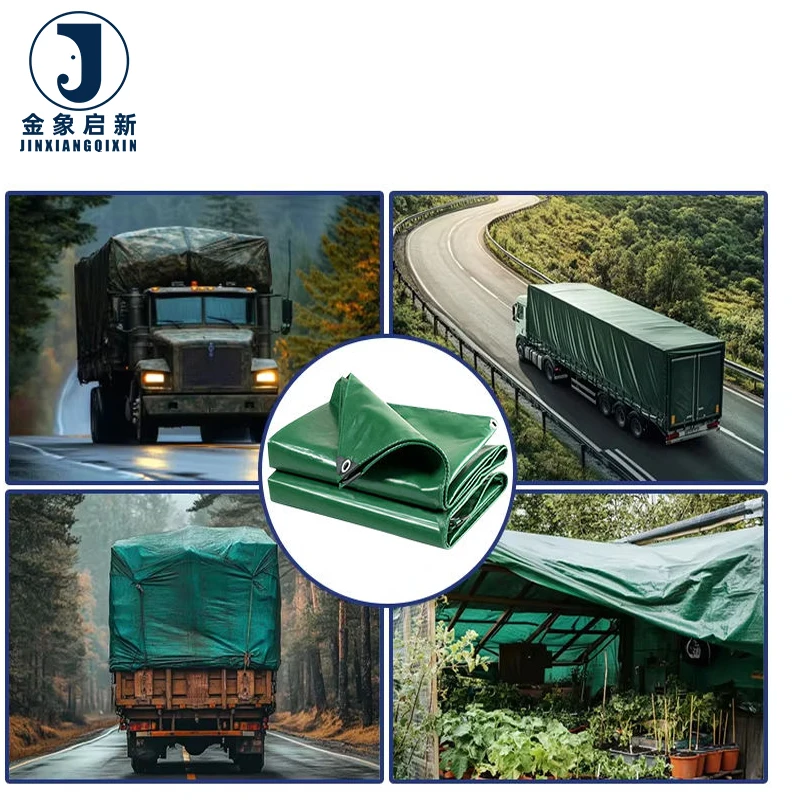
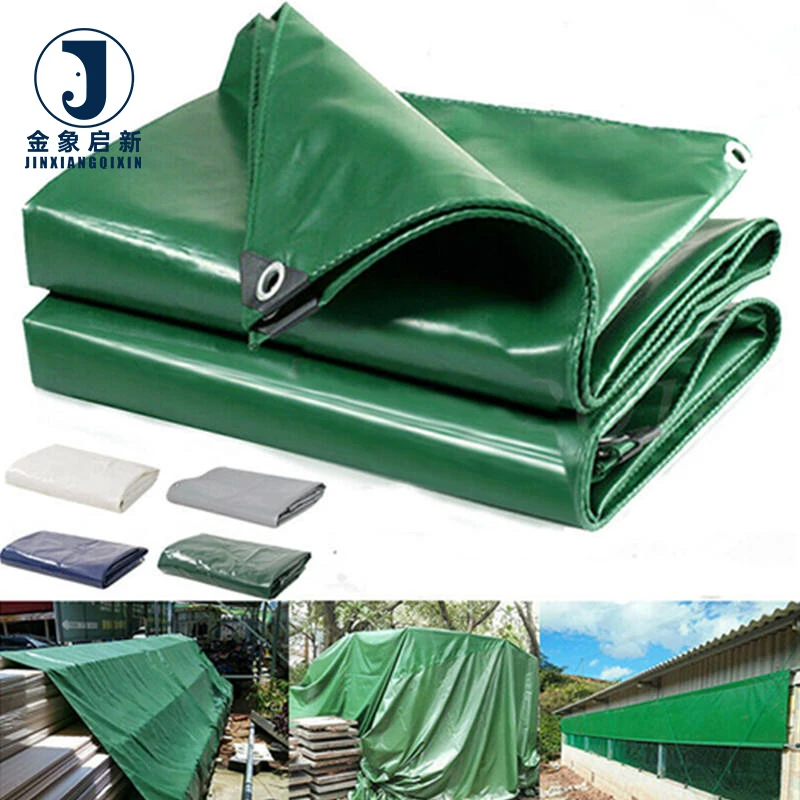
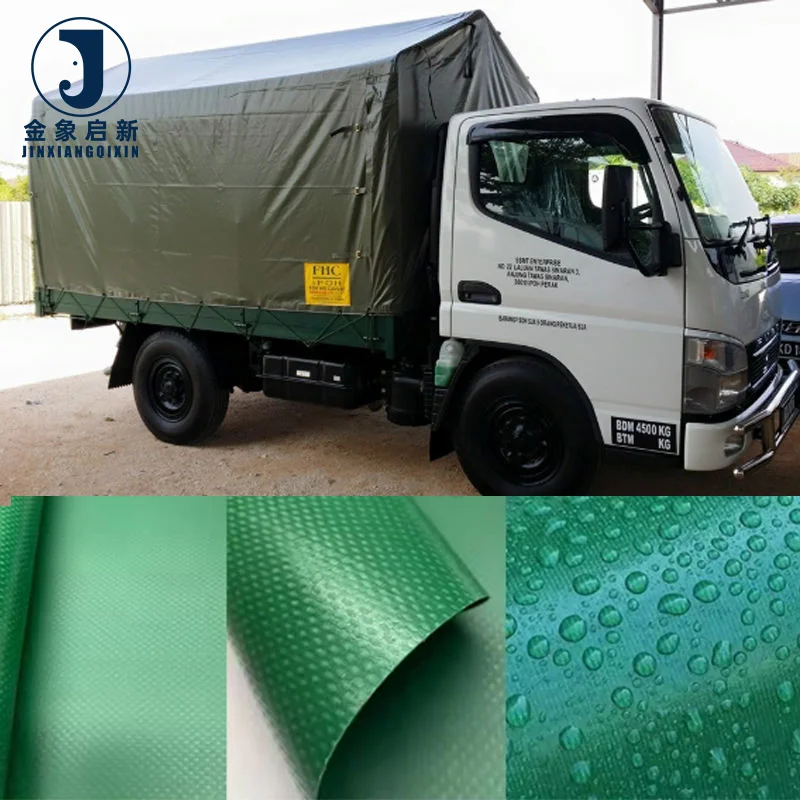
PVC Truck Cover Tarps with vinyl-coated polyester mesh, 50–220 gr/m² GSM range, and 6ft–6m roll widths — engineered for transport fleet load protection across flatbed, curtain-side, and trailer configurations.
- 100% PES dipping coating process ensures consistent adhesion and coating weight control across the full GSM spectrum.
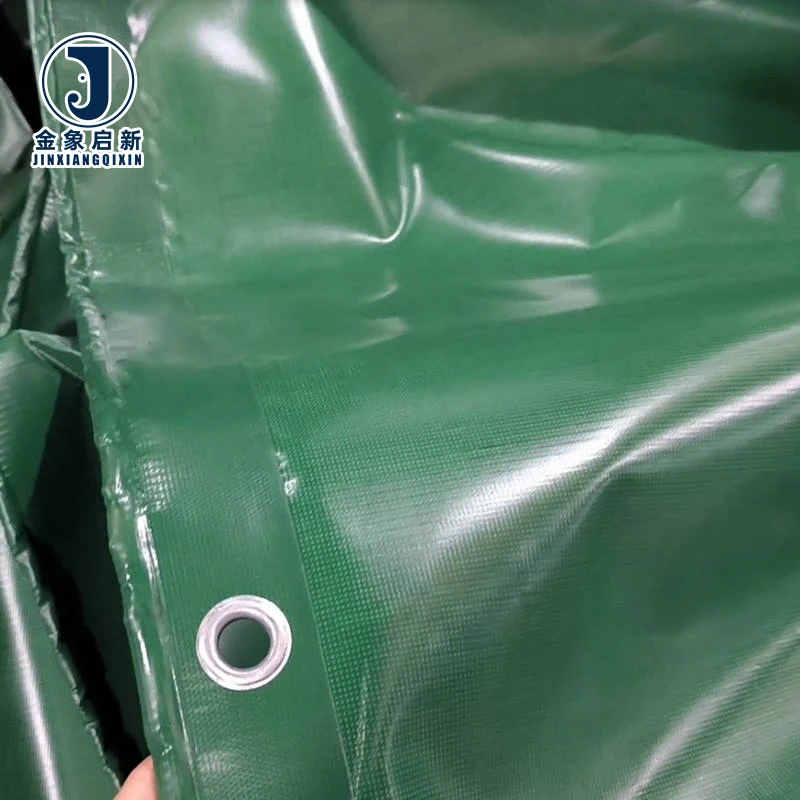
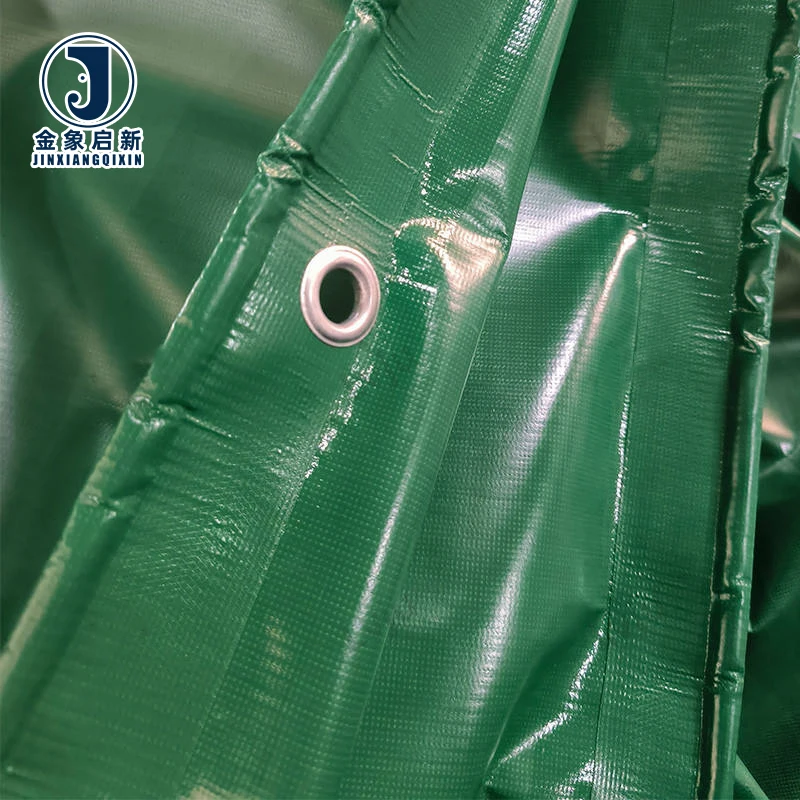
- Finished covers feature PP rope reinforced hems, galvanized eyelets every 3ft, and reinforced plastic corners for tie-down durability.
- Anti-UV and mildew-resistant treatment options available with proper documentation on request.
Sourced from a facility with nearly 30 years of coated fabric process control and 100% pre-shipment inspection on every order.
Description
Precision Coating Control — Every roll of PVC truck cover tarpaulin we produce maintains strict coating weight consistency through a 100% PES dipping process, ensuring the fabric you specify is the fabric you receive.
Technical Specifications
| Parameter | Value |
|---|---|
| Product Type | PVC Truck Cover |
| Material | Vinyl-coated polyester mesh fabric |
| Coating Process | 100% PES dipping |
| Construction | Knitting and plain weave available |
| Weight (GSM) | 50gr/m² ~ 220gr/m² available |
| Thickness | 0.2-0.4mm / 8 mil-16 mil |
| Roll Width | 6ft, 8ft, 10ft, 12ft, 2m, 4m, 6m |
| Roll Length | 100 yards, 100 meters, or custom |
| Edge Reinforcement | PP rope in hem on all four edges |
| Eyelets | Galvanized, every 3ft or 1 meter interval |
| Corners | Reinforced plastic |
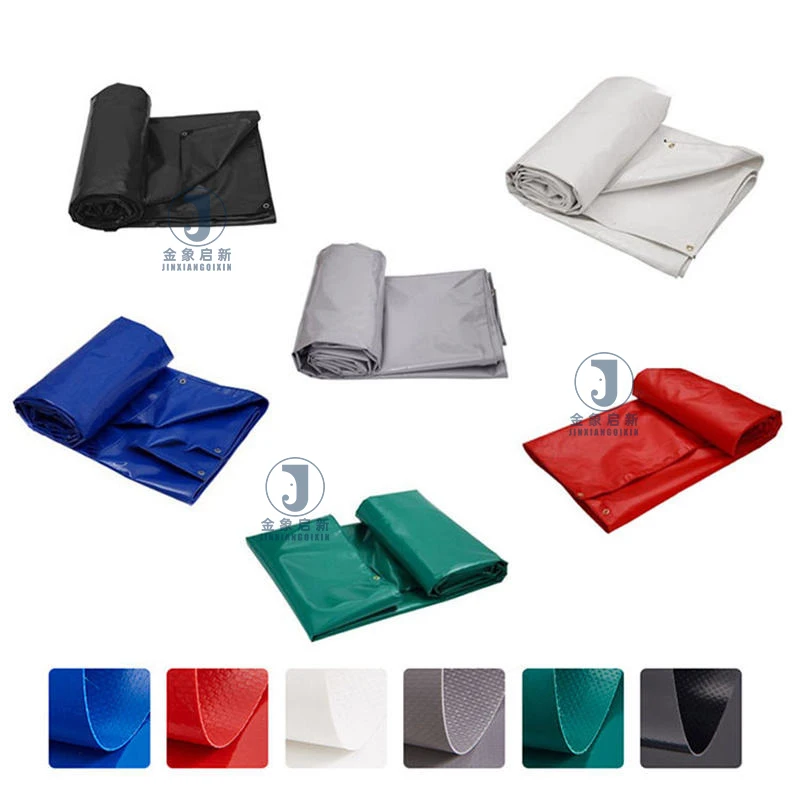
| Colors Available | Blue, Blue/Orange, Green, Grey, Black, Clear, Grey/Green, Orange, or custom |
| Waterproof | Yes |
| UV Treatment | Available (test basis not stated) |
| Mildew Resistance | Mildew proof |
| Anti-Aging | Yes |
| Tear Resistance | Yes |
| Certification | ISO, CE |
Application Suitability
| Application | Exposure & Requirement |
|---|---|
| Flatbed trailer load covering | Road vibration, wind flex, rain and UV exposure, tie-down abrasion at grommets |
| Curtain-side trailer fabric | Constant folding and unfolding, friction against load edges, daily UV and weather cycles |
| Lumber transport tarps | Sap and moisture contact, heavy tie-down tension, forklift handling abrasion |
| Steel and coil tarps | Sharp edge contact, extreme tie-down loads, condensation during temperature swings |
| Snow tarps for equipment | Freezing moisture, prolonged ground contact, mildew-prone storage conditions |
Why a Generic PVC Truck Cover Fails Where Your Trailer Flexes Most
A cover built to generic dimensions fails at the exact points where your trailer and load demand precision.
I have seen transport fleets replace entire batches of covers within months because the eyelets pulled through at the tie-down points and the hems split under load shift. The problem was never the fabric itself — it was the mismatch between a standard cut and the actual stress geometry of the trailer [NEED_CITE: tensile and tear test methods for coated fabrics per ISO 1421]. When you specify a PVC truck cover, the sizing, reinforcement placement, and GSM selection must align with how your specific trailer model behaves under a loaded, moving condition.
Fitment That Matches Your Trailer, Not a Catalog Page
Every trailer model — whether flatbed, curtain-side, or tipper — has distinct flex zones, tie-down geometries, and load profiles. A PVC truck cover cut to generic dimensions leaves excess material that flaps in transit or falls short at critical coverage points. We size each cover to your exact trailer model drawing, ensuring the PVC truck cover tarpaulin sits flush without slack zones that invite wind damage or cargo exposure.
Reinforcement at the Points That Actually Fail
The highest stress on any truck cover occurs at the eyelet line and hem edges, where tie-down straps transfer load into the fabric. Our covers use PP rope threaded through hemmed edges on all four sides, with galvanized eyelets spaced at 3ft or 1-meter intervals and reinforced plastic corners at high-load junctions. This construction distributes tie-down force across the hem structure rather than concentrating it at a single puncture point [NEED_CITE: edge reinforcement failure analysis for transport tarpaulins].
Mildew and Aging Resistance for Real Transport Conditions
Truck covers stored wet, folded while damp, or exposed to prolonged moisture between hauls develop mildew that degrades the PVC coating from underneath. The mildew-proof treatment applied during manufacturing prevents fungal growth within the fabric layers, while the anti-aging formulation addresses long-term UV and oxidation exposure. UV treatment is available in various grades — confirm the UV stability level required for your operating climate and expected service conditions.
Understanding What GSM Actually Tells You About Strength
GSM measures total weight per square meter, but that number combines the base fabric weight and the coating weight together. A higher GSM does not automatically mean a stronger cover — a lightweight base fabric with heavy coating may weigh the same as a dense base fabric with thin coating, yet perform very differently under tear and tensile load [NEED_CITE: relationship between GSM, base fabric denier, and tensile strength in coated fabrics]. The vinyl-coated polyester mesh used here provides a structural base that handles flex and vibration loads, while the dipping coating process ensures consistent adhesion across the full fabric width. The 0.2-0.4mm thickness range corresponds to different duty grades within the available GSM options, matched to your load type and exposure severity.
The Hidden Cost of Specifying by Price Per Roll
When a cover is selected primarily on roll cost without verifying GSM on arrival, the material delivered may be lighter than quoted — thinner coating, lower base fabric density, or both. This shows up as premature failure at flex points, eyelets tearing through understrap tension, or weld seams splitting before the fabric body degrades. Batch colour inconsistency across rolls in the same order becomes visible only after installation, when adjacent panels show mismatched tones on the truck or trailer.
Why Sourcing PVC Truck Covers Here Makes Sense
Deep process control over the PES dipping coating ensures consistent coating weight and adhesion across every roll, whether you order ten or ten thousand meters. The three full production lines and 36 sets of equipment provide the capacity to handle bulk PVC truck cover orders with reliable delivery schedules. A 10-person R&D team handles custom sizing to specific trailer models, colour matching across batches, and sample development for new specifications. Every production stage includes dedicated QA/QC with 100% pre-shipment inspection, so the GSM, colour, and reinforcement you approved in the sample is what arrives in your container.
Documentation & Verification
- Material specification sheet confirming GSM, base fabric denier, and coating type matched to your order
- Pre-shipment inspection record verifying roll weight and dimensions before container loading
- UV and mildew resistance test documentation available upon request for applicable grades
- Colour reference standard included to verify batch consistency across all rolls in your shipment
- Packing list with roll count, individual roll weight, and container load plan for customs clearance
- Certificate of origin and full customs documentation support for cross-border transport
Fabrication, Handling & Storage
- Heat welding parameters must match the PVC dipping coating thickness — request our recommended temperature and dwell settings before fabrication
- Galvanized eyelets at 3ft or 1m spacing require proper die setting to avoid cutting through the PP rope reinforcement
- Store rolls upright on pallets to prevent flat-spot deformation that affects unrolling and cutting accuracy
- Unfold finished covers in temperatures above freezing to avoid stress cracking at fold lines
- Clean mildew-proof surfaces with mild detergent only — solvents may degrade the anti-aging treatment layer
- Plan cut patterns against the 6ft to 6m roll widths to minimize offcuts and weld seam joints
Before You Request a Quote
Provide your trailer model drawings or exact dimensions so we can confirm the PVC truck cover tarpaulin sizing and eyelet placement match your tie-down system. Specify the GSM range or load type — lumber, steel, general freight — so we recommend the appropriate base fabric and coating grade. Confirm whether you need finished covers with hemmed edges and eyelets, or roll stock for your own fabrication line. If custom colour or printed branding is required, share your colour reference and artwork so we can develop a sample before production.
Frequently Asked Questions
Q: How is the GSM verified when my PVC truck cover order arrives?
A: Every roll undergoes 100% inspection before dispatch, with weight verification against the stated GSM on your specification sheet. The pre-shipment inspection record accompanies your shipment. If you require independent third-party verification, we can arrange sampling before the container is sealed.
Q: Can truck covers be cut to match my specific trailer model dimensions?
A: Yes. We work from your trailer model drawing or exact measurements rather than generic size charts. This ensures the cover fits without slack zones or short falls, and the eyelet placement aligns with your tie-down points. Samples are developed for approval before full production begins.
Q: What reinforcement is available at high-stress tie-down and flex points?
A: All four edges are hemmed with PP rope reinforcement, with galvanized eyelets at 3ft or 1-meter intervals. Reinforced plastic corners handle concentrated load at the cover extremities. Additional reinforcement patches can be applied at known high-flex zones specific to your trailer configuration.
Q: How do you maintain colour consistency across multiple rolls in one order?
A: A colour reference standard is established during sample approval and used as the production benchmark. All rolls in a single order are produced within the same batch run. The colour reference is included in your documentation package so you can verify consistency upon arrival.
Q: What is the sample and lead time process for custom-sized covers?
A: Once you provide your trailer dimensions and specification requirements, we develop a sample for your approval. After sample confirmation, production lead time depends on order volume and customisation complexity. We confirm the schedule at quotation stage based on your required delivery date.
Related products
-
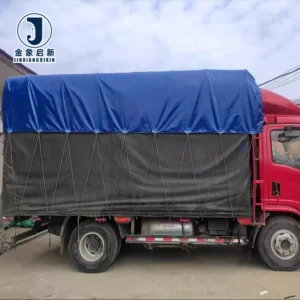
Heavy Duty Tent for Lorry/Laminated Sheet PVC/Vinyl Canvas Tarp for Truck Trailer
¥1.25 Select options This product has multiple variants. The options may be chosen on the product page -
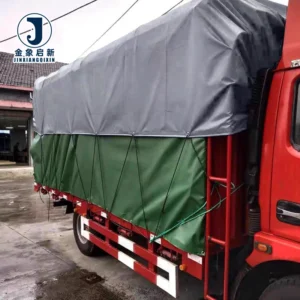
PVC Truck Cover Tarpaulin for Trailers – Custom Made
Read more -
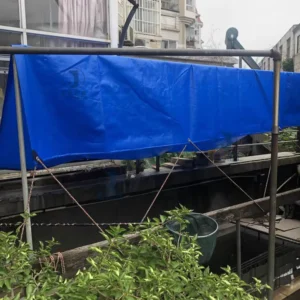
PE-Coated Blackout Organic Chicken Farm Sunshade Anti-Aging Plain Style with Matte Surface Woven Pattern Awning for Agriculture
¥1.32 Select options This product has multiple variants. The options may be chosen on the product page -
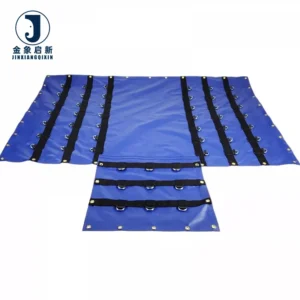
Heavy Duty 24′ X 27′ PVC Lumber Tarpaulin Waterproof 8ft. Drop with 3 Rows of D-Rings Coated and Woven Flatbed Tarps
¥190.00 Add to cart