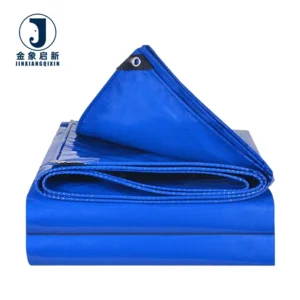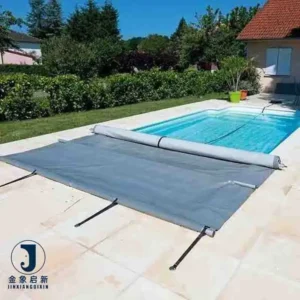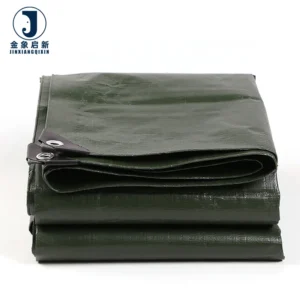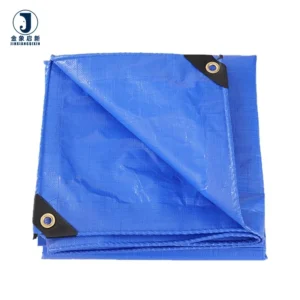
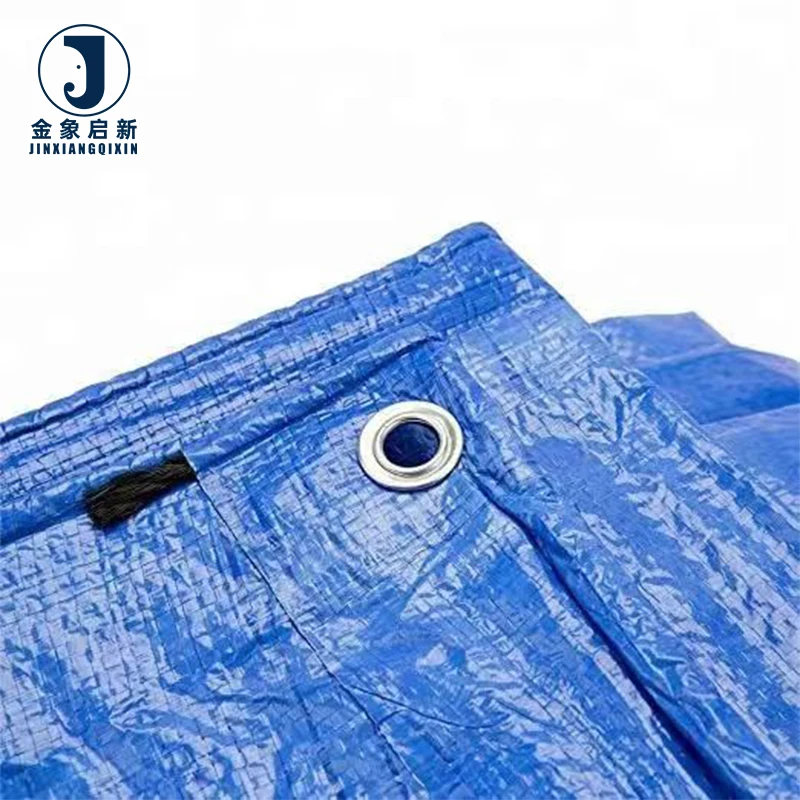
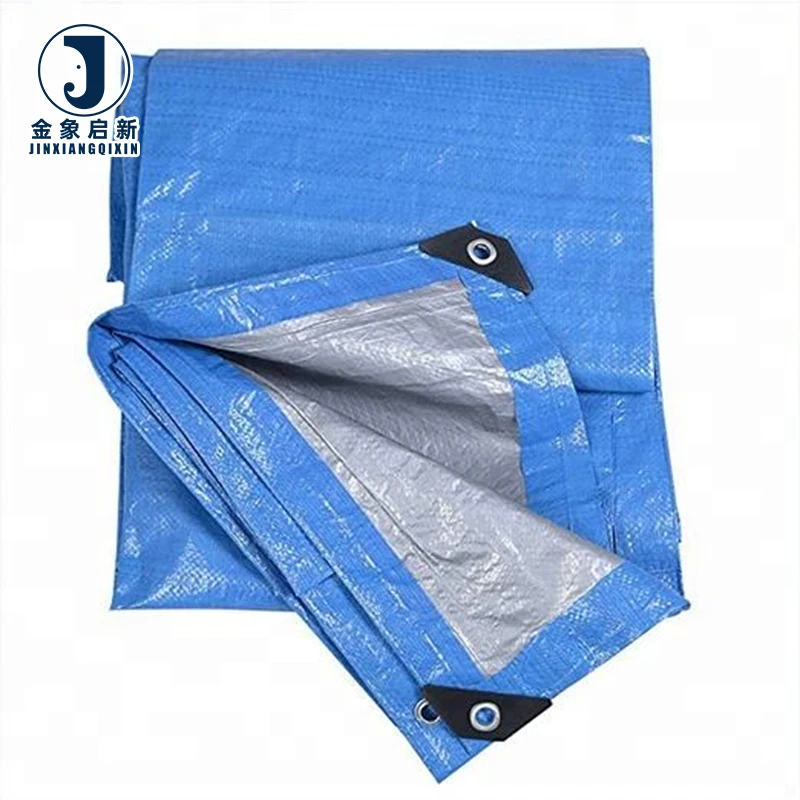
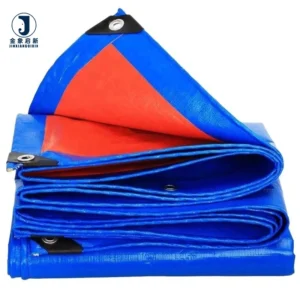
PE Tarpaulin, 40g~500g/m², Knitting Density 5×5~20×20 — custom-sized waterproof covers with double-coated surfaces and reinforced corners for awning, shade sail and canopy use.
Weight and knitting density together determine tensile and tear behaviour; selecting the correct tier avoids over-specifying for light agricultural covers or under-specifying for transport loads. Eyelet spacing and hem reinforcement are matched to tie-down forces at flex points.
- UV treatment available with supporting test reports
- Roll-to-roll colour consistency verified by 100% pre-shipment inspection
Backed by nearly 30 years of coated fabric process control, 10-person R&D sampling within days, and full QA from coating to dispatch.
Description
Precision Coating Control — Every roll of PE tarpaulin we produce passes through dedicated QA checkpoints that verify GSM against your purchase order before it leaves the factory floor.
Technical Specifications
| Parameter | Value |
|---|---|
| Product Type | PE Tarpaulin |
| Material | Polyethylene |
| Weight Range | 40g~500g/m² |
| Thickness Range | 0.18-0.35 mm |
| Knitting Density | 5×5 ~ 20×20 |
| Size | Custom size |
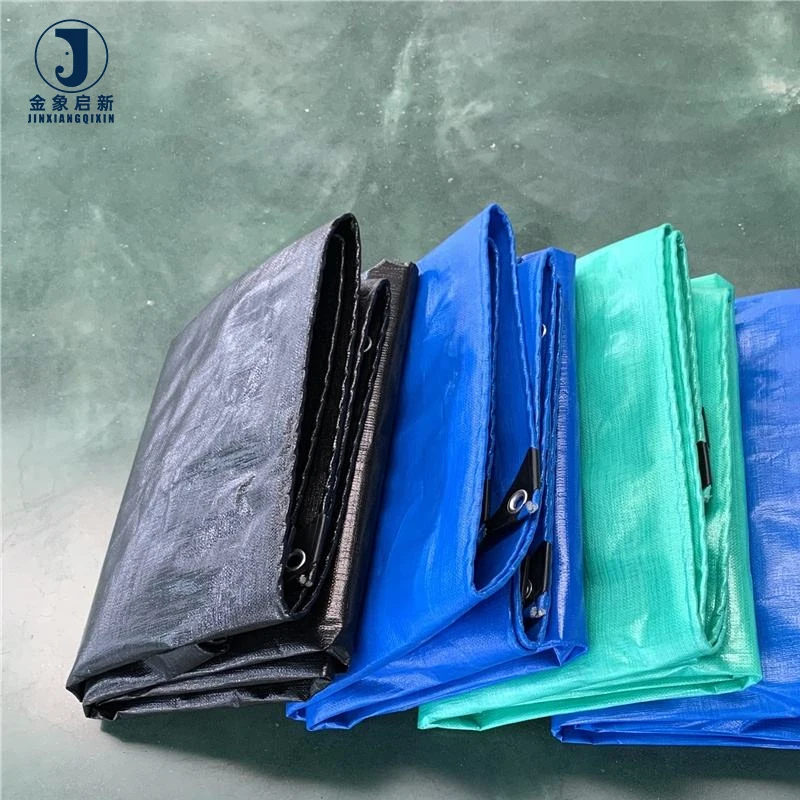
| Color | Custom color |
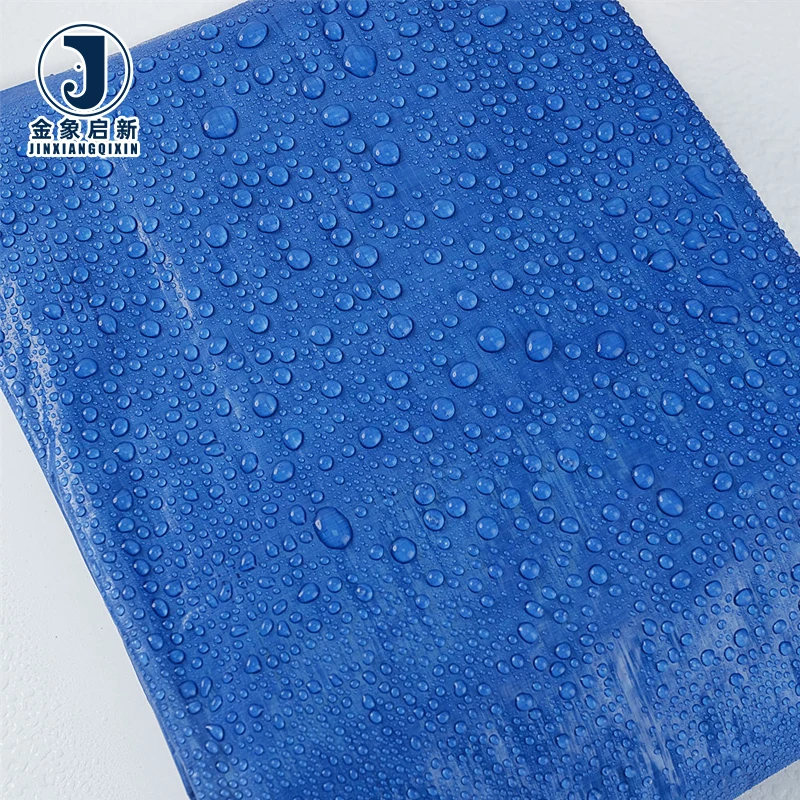
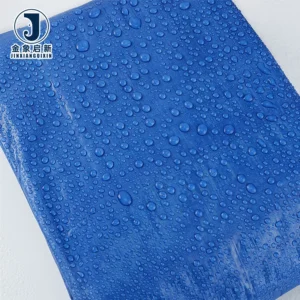
| Water Resistance | Double waterproof surfaces, reinforced corners |
| UV Treatment | Available (test basis not stated in source) |
| Eyelet Spacing | 39.4 Inches (source value — verify against manufacturer catalog) |
| Standards | ISO, CE |
Application Suitability
| Application | Exposure & Requirement |
|---|---|
| Agricultural covering | Prolonged sun exposure, moisture ingress, wind uplift, crop and equipment protection |
| Warehouse coverage | Dust and rain shielding, static load bearing, forklift proximity abrasion |
| Truck tarpaulin | Road vibration, flex fatigue at tie-down points, weather and debris impact |
| Outdoor awning and canopy | Continuous UV exposure, thermal expansion, water runoff pooling |
| Shade sail | Tensile stress at anchor points, wind load cycling, colour stability |
| Pet house cover | Moisture resistance, lightweight handling, repeated folding and storage |
Why Buyers Lose Money on PE Tarpaulin Orders — and How to Stop It
A PE Tarpaulin manufacturer who quotes 150 GSM but ships 130 GSM is not offering a discount — they are shifting the failure risk onto your load, your site, or your customer’s property.
Weight verification at the coating line, not just on the quotation, is the only defence against short-weight delivery.
I have seen buyers across agriculture, logistics and construction specify a mid-weight PE tarpaulin for what should be a straightforward rain cover, only to discover on arrival that the rolls feel noticeably lighter. When those covers are deployed over high-value stock or stretched across a truck bed, the deficit shows up as early tearing at grommet holes, seam separation under wind load, and surface cracking after one season of sun. The cost is never just the tarpaulin — it is the damaged goods underneath, the re-delivery charge, and the reputation hit with the end user. [NEED_CITE: common causes of tarpaulin failure in transport and agricultural applications]
Weight Tiers Aligned to Real-World Load Demands
Selecting the correct GSM for your PE tarpaulin starts with the load it must protect and the forces it will absorb. Lightweight grades in the 40–110 g/m² band serve short-term agricultural covers, temporary stockpile wraps, and shade cloths where low cost and easy handling matter more than multi-year durability. Medium grades in the 120–150 g/m² band suit warehouse curtains, machinery wraps, and light transport covers that face repeated folding and moderate wind. Heavy-duty grades from 160 g/m² upward are specified for truck and trailer tarpaulins, construction site enclosures, and permanent outdoor canopies where tensile stress and abrasion are constant.
How Knitting Density Governs Tear Behaviour
The knitting density — the count of warp and weft yarns per unit area — determines how a tear propagates once it starts. A PE Tarpaulin manufacturer running a 5×5 density produces a fabric that tears along a straight, predictable path with little resistance, which is acceptable for disposable covers. At 12×12 or 20×20 density, the yarn grid forces a tear to change direction repeatedly, consuming more energy and slowing the split. This is why two sheets with identical GSM can behave very differently under a gust of wind or a sharp edge: the one with higher mesh count holds together longer because the weave itself acts as a crack-arresting structure. [NEED_CITE: relationship between mesh density and tear propagation in woven polyethylene fabrics]
Reading GSM Alongside Coating and Base Fabric
A specification sheet that states only GSM leaves half the picture out. Two PE tarpaulins can both weigh 150 g/m² yet perform very differently if one achieves that weight through a heavier base fabric and thinner coating, while the other uses a lighter base with a thicker coating layer. The first will show better tensile and tear strength because the woven yarns carry the mechanical load; the second will offer better surface water resistance and abrasion protection because the coating is doing more of the work. Understanding this balance matters when you move from a static cover application to one involving flexing, tie-down straps, or repeated folding. Thickness readings between 0.18 mm and 0.35 mm across the range give a rough guide, but the coating-to-yarn ratio is what determines whether the material suits your handling conditions. A reputable PE Tarpaulin manufacturer will provide the base fabric denier, mesh count, and coating weight as separate line items so you can evaluate the construction, not just the total weight.
The Hidden Cost of Skipping Pre-Shipment Verification
When GSM is not verified before the container is sealed, the buyer absorbs every downstream consequence. A cover that is lighter than specified will degrade faster under UV exposure because the coating layer is thinner than the treatment chemistry was calibrated for. Eyelets punched through a lighter fabric pull out under lower tie-down tension, and the reinforced corner patches that were designed for a specific substrate thickness no longer bond correctly. In a multi-roll order, inconsistent weight between rolls also means inconsistent colour density — the coating absorbs pigment differently at different thicknesses — so two panels installed side by side show a visible shade difference that your end customer flags immediately. [NEED_CITE: impact of GSM deviation on coating adhesion and colour consistency in PE tarpaulin production]
What Three Production Lines Mean for Your Order Schedule
Our facility runs three full production lines with 36 sets of professional equipment, which translates directly into scheduling flexibility for your PE tarpaulin orders. When one line is committed to a high-volume wholesale run, your custom-size order can be slotted onto another line without waiting for the bulk batch to finish. The 10-person R&D team handles material selection, sample development, colour matching, and pattern printing in-house, so specification changes do not require external lab turnaround. Every roll undergoes 100% pre-shipment inspection — not a statistical sample — meaning the weight, colour, and dimensions recorded on your inspection report match what arrives at your warehouse. This level of control is what separates a verified PE Tarpaulin manufacturer from a trader who forwards your order to whichever workshop has open capacity that week.
Documentation & Verification
- Material specification sheet stating exact GSM, knitting density, and colour reference per roll
- Pre-shipment inspection record confirming weight, dimensions, and visual quality before loading
- UV treatment test report supplied with the order where UV resistance is specified
- ISO and CE certificates included with every shipment documentation pack
- Certificate of origin and customs support documents prepared per destination market
Fabrication, Handling & Storage
- Heat-seal PE tarpaulin seams at temperatures matched to the specific coating thickness to avoid delamination
- Specify reinforced corner patches and hem doubling for eyelet zones on covers above 120 g/m²
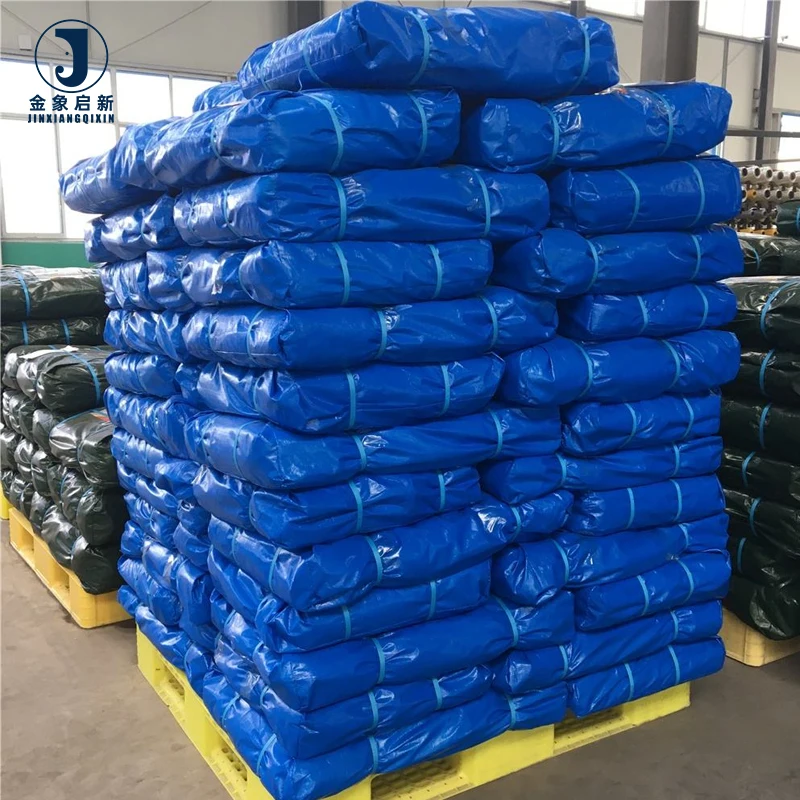
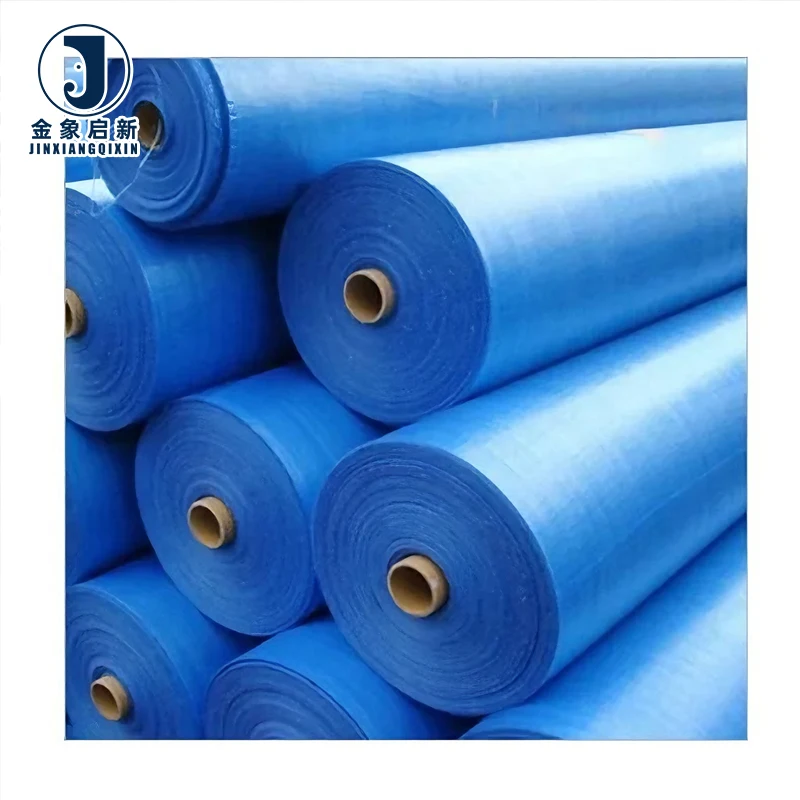
- Store rolls horizontally on pallets in dry conditions to prevent permanent creasing at contact points
- Allow folded PE tarpaulin sheets to acclimatise before deployment in cold weather to avoid surface cracking
- Clean double waterproof surfaces with mild detergent; avoid solvents that degrade the polyethylene coating
- Cut sheets with allowance for eyelet spacing at 39.4-inch centres to align with standard tie-down hardware
Requesting a Quotation That Matches Your Application
To receive a specification that actually fits your use case, include the covering environment, expected wind and UV exposure, and whether the PE tarpaulin will be static or subject to flexing and tie-down loads. State your required GSM range or the weight grade you have used previously, along with any colour, width, or custom-size requirements. If your market requires UV or flame-retardant certification, name the standard your end user or regulatory body expects so the correct treatment grade is selected from the outset.
Frequently Asked Questions
Q: How do I verify the GSM I ordered is what arrives?
A: We conduct 100% pre-shipment inspection, weighing sample sections from each roll and recording the result on the inspection report included with your shipment. You can cross-check this against your purchase order specification. We also welcome third-party inspection agencies at our facility before container loading, and we provide a material specification sheet per order that states the agreed GSM, knitting density, and coating weight as separate line items for your own verification.
Q: Can you cut PE tarpaulin to my exact dimensions?
A: Yes, our R&D team prepares cutting patterns based on the dimensions and eyelet positions you provide. We produce finished sheets with reinforced hems, corner patches, and eyelets spaced to your specification — not generic stock sizes. For truck and trailer covers, supply the vehicle model and bed dimensions so we can account for drape, tie-down clearance, and overlap at the edges.
Q: What test reports support your UV treatment claims?
A: Where UV treatment is specified on your order, we supply the test report documenting the treatment grade and test basis used. We recommend you state the UV performance standard required in your destination market when placing the inquiry so that the correct additive package is selected during coating formulation and the corresponding report is generated for your records.
Q: Will colour be consistent across all rolls in my order?
A: Colour consistency is controlled at the coating stage, where pigment is metered into the polyethylene compound before extrusion. Our pre-shipment inspection includes visual comparison of panels from the first, middle, and last rolls of each batch. If a shade deviation is detected, the affected rolls are held and the batch is re-run to match the approved colour reference on your specification sheet.
Related products
-
Custom PE Tarpaulin for Industrial Use – Full Range
Read more -
160gms Organic Coated Polyethylene Tarpaulin Trucking Covering Roll Waterproof Blackout Eco-Friendly Fabric Blue Orange Outdoor
¥0.71 Select options This product has multiple variants. The options may be chosen on the product page -
Tarpaulin Manufacture Scaffolding Heavy Duty Camping Waterproof Cover Sheet Coated Plastic Roll Pe Tarp
¥1.80 Select options This product has multiple variants. The options may be chosen on the product page -
PE Coated Tarpaulin Waterproof Rainproof Outdoor Awning Shade Sail Canopy Pet Dog House Cover for Boys Anti-UV Medium Weight
¥0.70 Select options This product has multiple variants. The options may be chosen on the product page