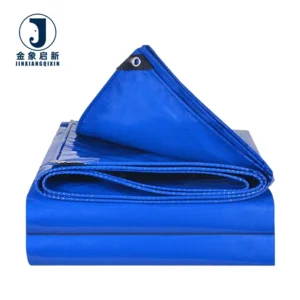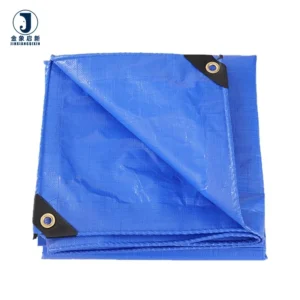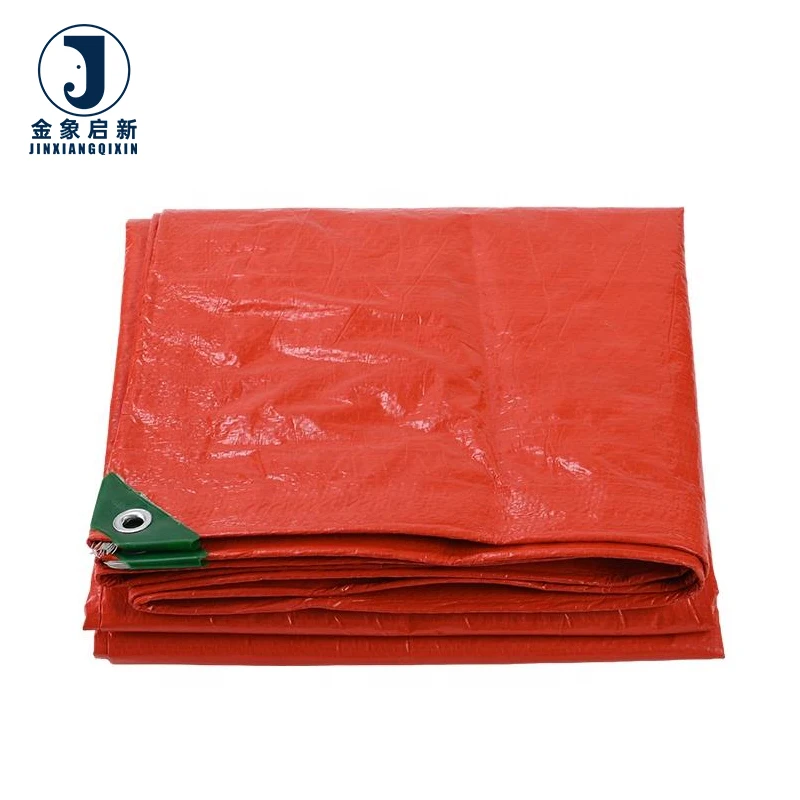
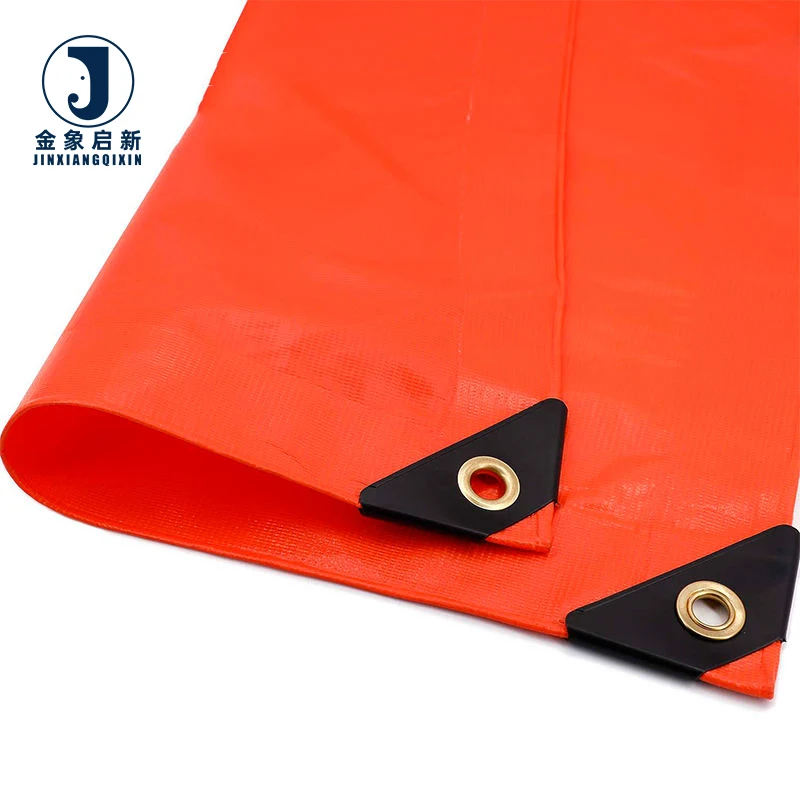
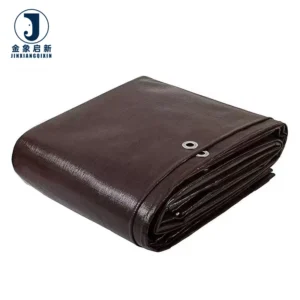
Custom PE Tarpaulin for Truck & Trailer Covers — 40–500 g/m² weight range with knitting densities from 8×8 to 12×12, double waterproof surfaces and UV treatment available.
- Covers full spectrum from lightweight agricultural grade to heavy-duty transport covers
- Custom sizing, reinforced corners, and eyelets at 39.4-inch spacing for tie-down loads
- Batch-to-roll colour consistency verified before shipment
With 30 years of coated fabric expertise, 100% pre-shipment inspection ensures every roll matches specification.
Description
Near 30-year PE tarpaulin manufacturer offering full weight range from agricultural to heavy-duty transport grades, with custom sizing, UV treatment and reinforced finishing backed by 100% pre-shipment inspection.
Technical Specifications
| Parameter | Value |
|---|---|
| Product Type | PE Tarpaulin |
| Material | Polyethylene |
| Weight (GSM) | 40–500 g/m² (available across lightweight, medium and heavy-duty grades) |
| Total Thickness | 0.18–0.22 mm (lightweight), 0.22–0.28 mm (medium), 0.30–0.35 mm (heavy-duty) |
| Mesh Count | 8×8 (lightweight), 10×10 (medium), 12×12 (heavy-duty) |
| Tensile Strength (N/5cm) | Meridian 300–500 / Latitude 250–450 (lightweight); Meridian 500–800 / Latitude 400–700 (medium); Meridian 900–1200 / Latitude 700–1000 (heavy-duty) — test basis not stated |
| Coating Material | PE |
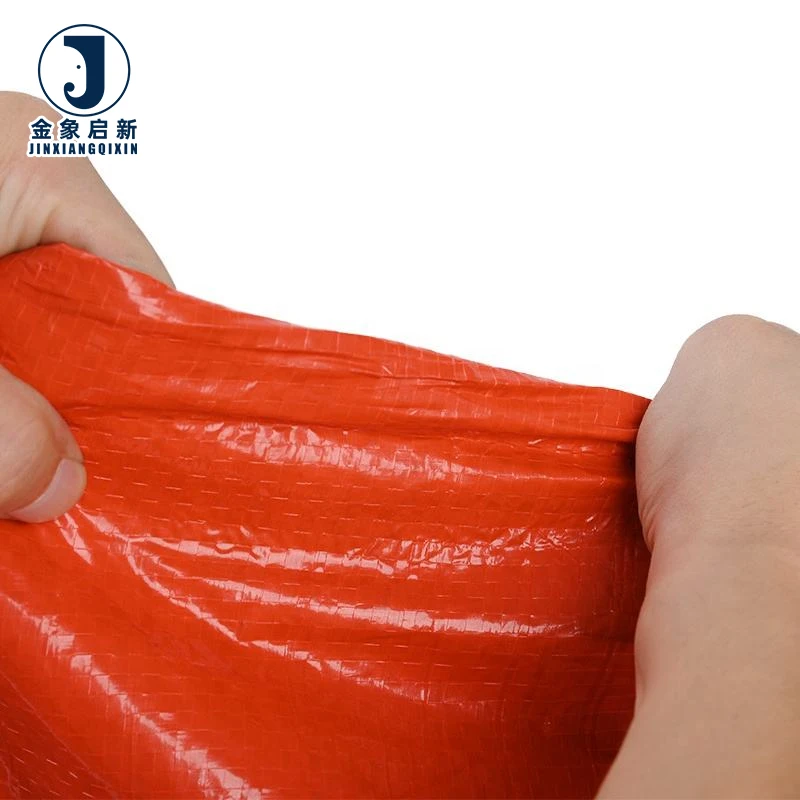
| Water Resistance | Double waterproof surfaces |
| Size | Custom size |
| Color | Custom color |
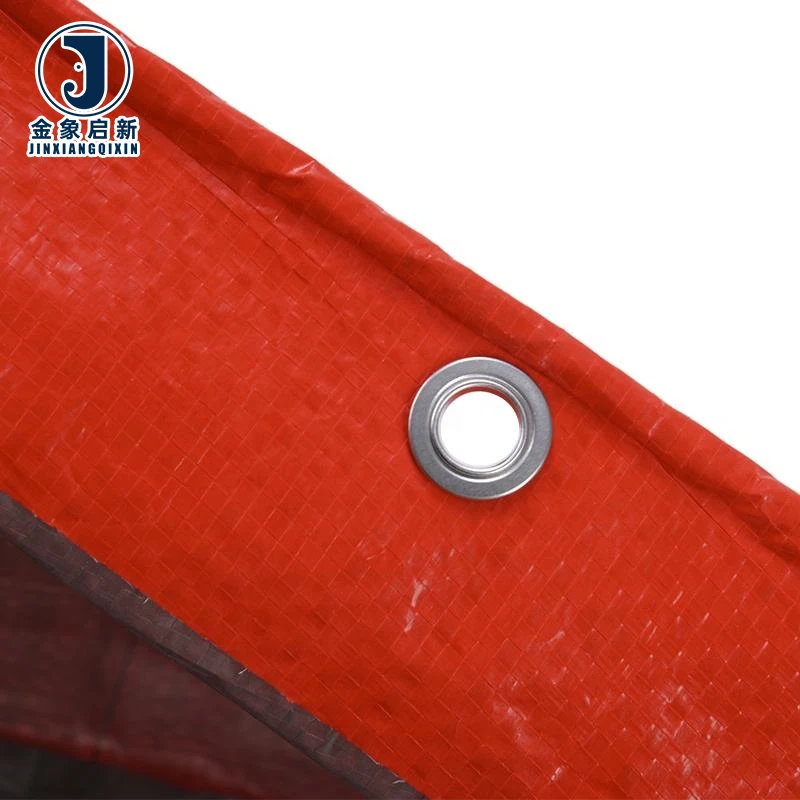
| Eyelet & Hem Options | Reinforced corners, eyelets at 39.4-inch centre spacing |
| UV Treatment | Available — confirm the grade required for your market |
| Printing Option | Available for brand customization |
| Standards | ISO 14001, ISO 45001, CE |
Application Suitability
| Application | Exposure & Requirement |
|---|---|
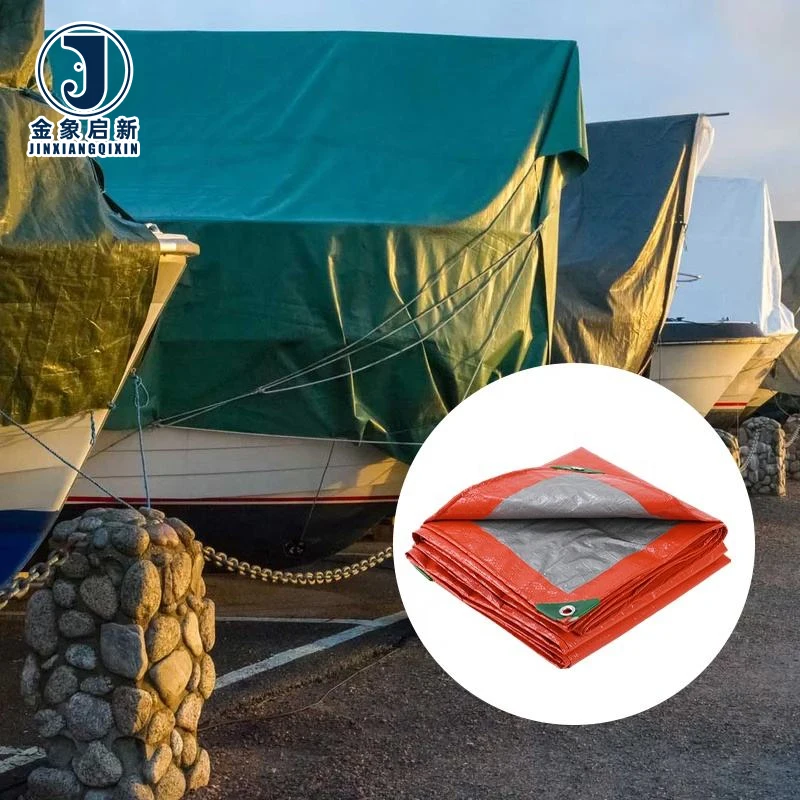
| Truck and trailer load covers | Constant road vibration, tie-down stress at corners, UV exposure during transit, double waterproof surfaces needed |
| Construction site material covers | Puncture risk from sharp materials, wind uplift on open sites, heavy-duty grade required |
| Agricultural stock and crop covers | Lightweight to medium grade sufficient, UV exposure over growing season, mildew-prone environments |
| Warehouse and outdoor storage covers | Long-term static exposure, dust and rain protection, reinforced corners for rope or ratchet tie-downs |
What a Quoted GSM Figure Actually Means When the Roll Arrives
GSM on paper only protects the buyer if the same number is verified on the scale at dispatch and again on arrival.
A transport fleet specifying a heavy-duty PE tarpaulin for trailer covers expects the material to withstand constant tie-down tension and road-induced flexing. When the roll that arrives is lighter than quoted, the mesh count is typically lower as well, which reduces tensile capacity in both meridian and latitude directions. The cover may look identical on delivery but fails weeks earlier at the stress points — usually at the corners or along the hem where the load shifts most [NEED_CITE: tensile and tear test methods for coated fabrics per ISO 1421]. Colour variation between rolls in the same order compounds the problem when multiple covers are installed side by side across a fleet.
Three Weight Classes Built Around Real Transport Demands
This PE tarpaulin range covers 40–500 g/m² across three distinct mesh densities, each matched to a tensile strength profile. Lightweight 8×8 grades serve agricultural operators who need to protect hay bales or pond linings without paying for unnecessary weight. Medium 10×10 grades handle general warehouse and construction site covers. Heavy-duty 12×12 grades are specified for truck and trailer fleets where the cover must resist abrasion at contact points and sustain ratchet tie-down loads over long hauls. Selecting the right PE tarpaulin grade starts with the exposure condition, not the price per roll.
Reinforced Finishing Where the Cover Actually Fails
The weakest point on any truck cover is the corner, where tie-down hardware concentrates force into a small area. Reinforced corners with eyelets spaced at 39.4-inch centres distribute load across a wider section of the hem, reducing the chance of tear propagation [NEED_CITE: common failure points on transport tarpaulin systems]. Double waterproof surfaces ensure that water does not penetrate even when the cover sits under pooled rain during multi-day transit. Custom sizing means the cover is cut to the specific trailer dimensions rather than stretched or bunched, which eliminates the slack that causes wind flap and early edge wear.
Reading the Mesh Count Against the Tensile Sheet
Mesh count directly governs how the woven base distributes force. An 8×8 weave spreads load across fewer intersection points, which is adequate for static agricultural covers but becomes a liability when a truck cover flexes under highway wind loads. A 12×12 weave at heavy-duty weight increases the number of yarn crossings per square inch, providing more pathways for tensile force to travel before reaching the tear threshold. Thickness alone does not predict performance — a thicker coating over a sparse mesh will peel before the base fabric fails, while a thinner coating over a dense mesh holds the structure intact longer. Always cross-reference mesh count, GSM and tensile figures together rather than relying on any single value.
The Cost of Specifying the Wrong Grade for the Application
Overspecifying a truck cover with lightweight 80 GSM material leads to early corner failure and mid-panel tearing where the load flexes the fabric repeatedly. Underspecifying — using heavy-duty fabric for a static agricultural cover — adds unnecessary weight and cost without improving service life. Batch-to-roll colour inconsistency forces a fleet operator to reject an entire shipment when covers are installed side by side, turning a material issue into a scheduling and replacement problem [NEED_CITE: fleet tarpaulin rejection criteria for visual consistency]. Generic-size covers that do not match the trailer model create slack zones that catch wind and accelerate hem wear.
Why Procurement Teams Source This Range Here
Three full production lines and 36 sets of professional equipment support bulk roll output with consistent GSM across every roll in a batch. A 10-person R&D team handles custom width, colour matching and pattern printing from sample development through to bulk run. Dedicated QA/QC inspects each production stage with 100% pre-shipment verification, so the GSM and mesh count on the specification sheet match what arrives at the dock. Samples for custom sizing and reinforcement configurations are developed within days, allowing buyers to validate fit and finish before committing to full production volume.
Documentation & Verification
- Material specification sheet stating GSM, mesh count and coating weight per roll with colour reference
- Pre-shipment inspection record confirming weight and dimensional compliance against the order
- UV treatment test report supplied where applicable to the specified grade
- ISO 14001, ISO 45001 and CE certificates included in the export documentation pack
- Roll packing list and certificate of origin provided for customs clearance
Fabrication, Handling & Storage
- Heat-welded seams preferred over stitching on PE tarpaulin to maintain waterproof integrity at reinforcement points
- Reinforced corners must align with tie-down hardware to prevent concentrated stress on the hem
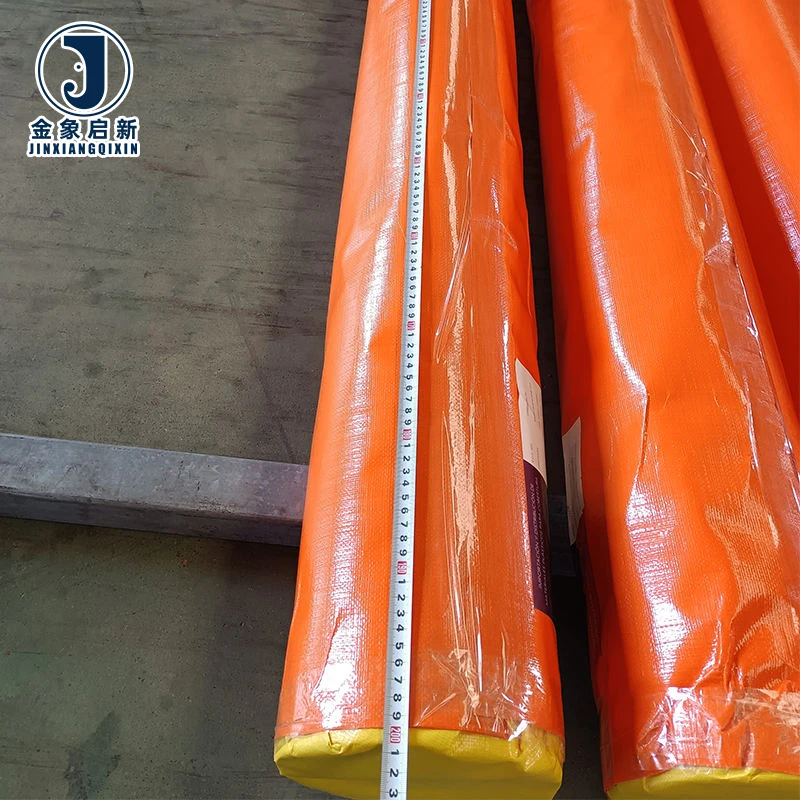
- Store rolls horizontally on pallets to avoid permanent creasing in the PE coating layer
- Allow rolls to acclimatise before unrolling in cold conditions to prevent surface cracking
- Use mild detergent only — solvent-based cleaners degrade the PE coating and reduce water resistance
- Trim and re-hem on-site using compatible PE tape and hot-air welding equipment
Before You Request a Quote
Provide the specific trailer model or cover dimensions so the sheet can be cut to exact fit rather than generic size. Confirm the exposure conditions — transit frequency, UV intensity in your region and tie-down method — so the correct GSM grade and mesh count can be recommended. State any colour matching or brand printing requirements along with the estimated annual volume to determine production scheduling and roll consistency parameters.
Frequently Asked Questions
Q: What GSM and mesh count is right for my truck or trailer application?
A: Truck and trailer covers typically require the medium 10×10 or heavy-duty 12×12 grade depending on haul distance and tie-down method. Longer routes with frequent ratchet strap use need the 12×12 mesh for better load distribution at corners. Share your trailer model and typical route exposure so we can recommend the exact grade.
Q: Can you cut and finish covers to fit specific trailer models?
A: Yes. Custom sizing is cut to the exact trailer dimensions provided, eliminating slack that causes wind flap and edge wear. Reinforced corners and eyelet spacing are set to match the tie-down points on your specific trailer, and samples are available for fit verification before bulk production.
Q: How do you guarantee GSM matches the quotation on arrival?
A: Every roll undergoes 100% pre-shipment inspection against the specification sheet, with GSM and mesh count verified before packing. A pre-shipment inspection record accompanies each dispatch, and the material specification sheet is included in the documentation pack for your own arrival-side verification.
Q: What UV and flame-retardant test reports are available?
A: UV treatment is available across the weight range — confirm the grade required for your market and we supply the corresponding test report. Flame-retardant grades are also available; specify the standard required for your region and we will confirm availability with supporting documentation.
Q: What are the minimums and lead times for custom width or colour?
A: Minimum order quantities depend on the specific width, colour and grade combination requested. Custom colours and widths require sample approval before bulk production proceeds. Share your target specification and estimated annual volume so we can confirm MOQ and typical multi-week lead times for your configuration.
Related products
-
PE Tarpaulin Waterproof Outdoor Garden Sheet HDPE Laminated PVC Coating for Liner Covering Truck Cover Tent Awnings Plain Woven
¥0.31 Select options This product has multiple variants. The options may be chosen on the product page -
Multi-color & Size Waterproof Breathable Organic Blackout Coated PE Tarpaulin with UV Customizable Weft Knitted for Boys & Girls
¥0.21 Select options This product has multiple variants. The options may be chosen on the product page -
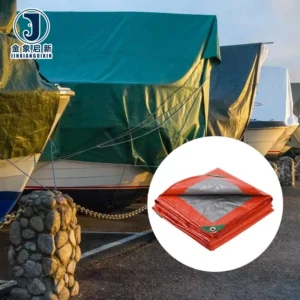
PE Coated Blackout Tarpaulin Poly Tarp with UV Protection Standard Size Fabric Sheet for Agriculture & Industrial Use
¥0.35 Select options This product has multiple variants. The options may be chosen on the product page -
Multi Use Organic Breathable Plain Water Resistant PE Coated Blackout Heavy Duty Woven Canvas Tarpaulin UV Resistant Industrial
¥0.40 Select options This product has multiple variants. The options may be chosen on the product page