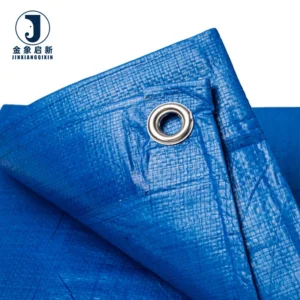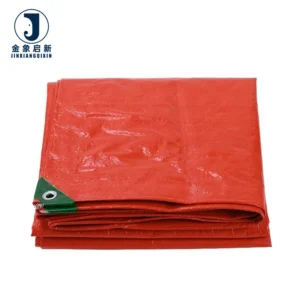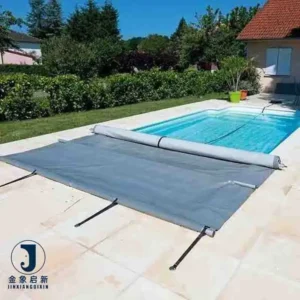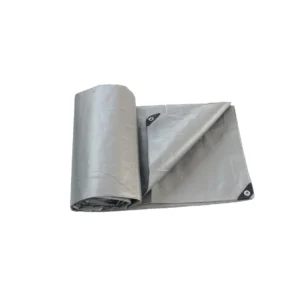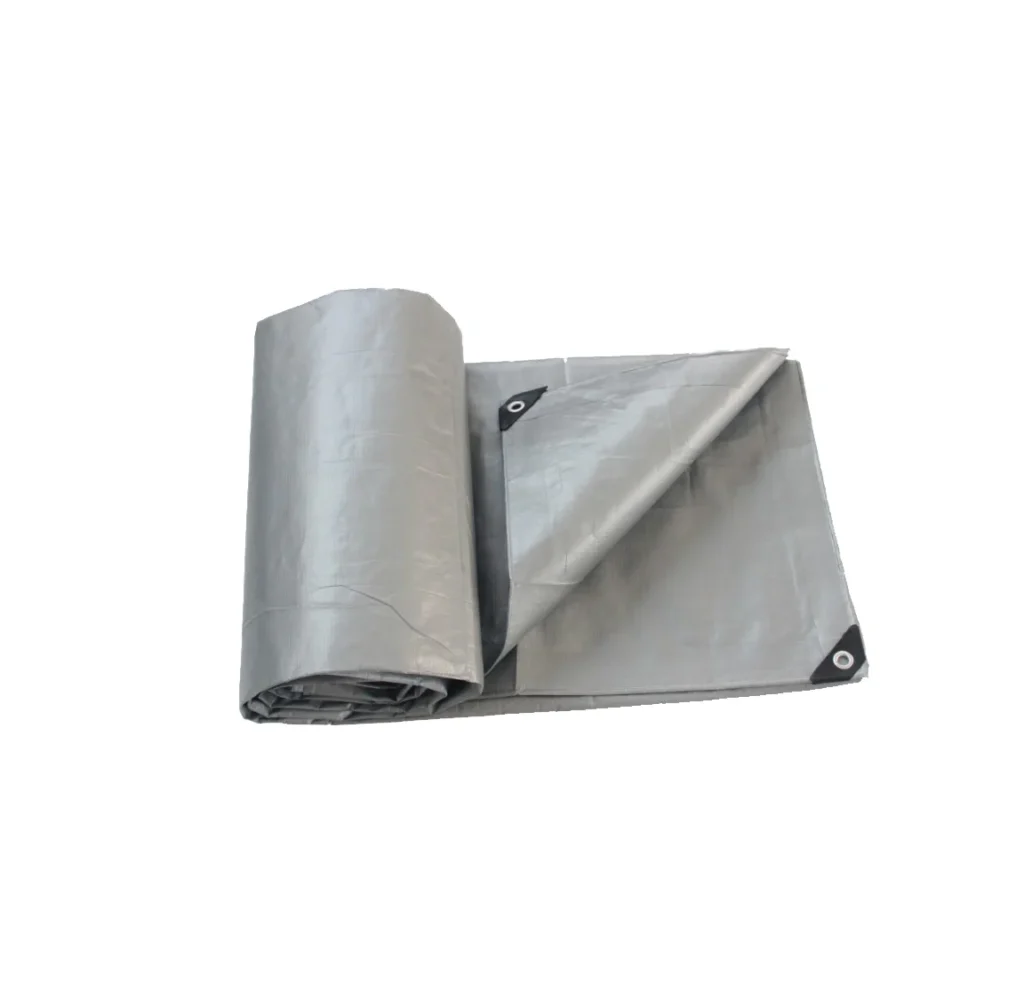
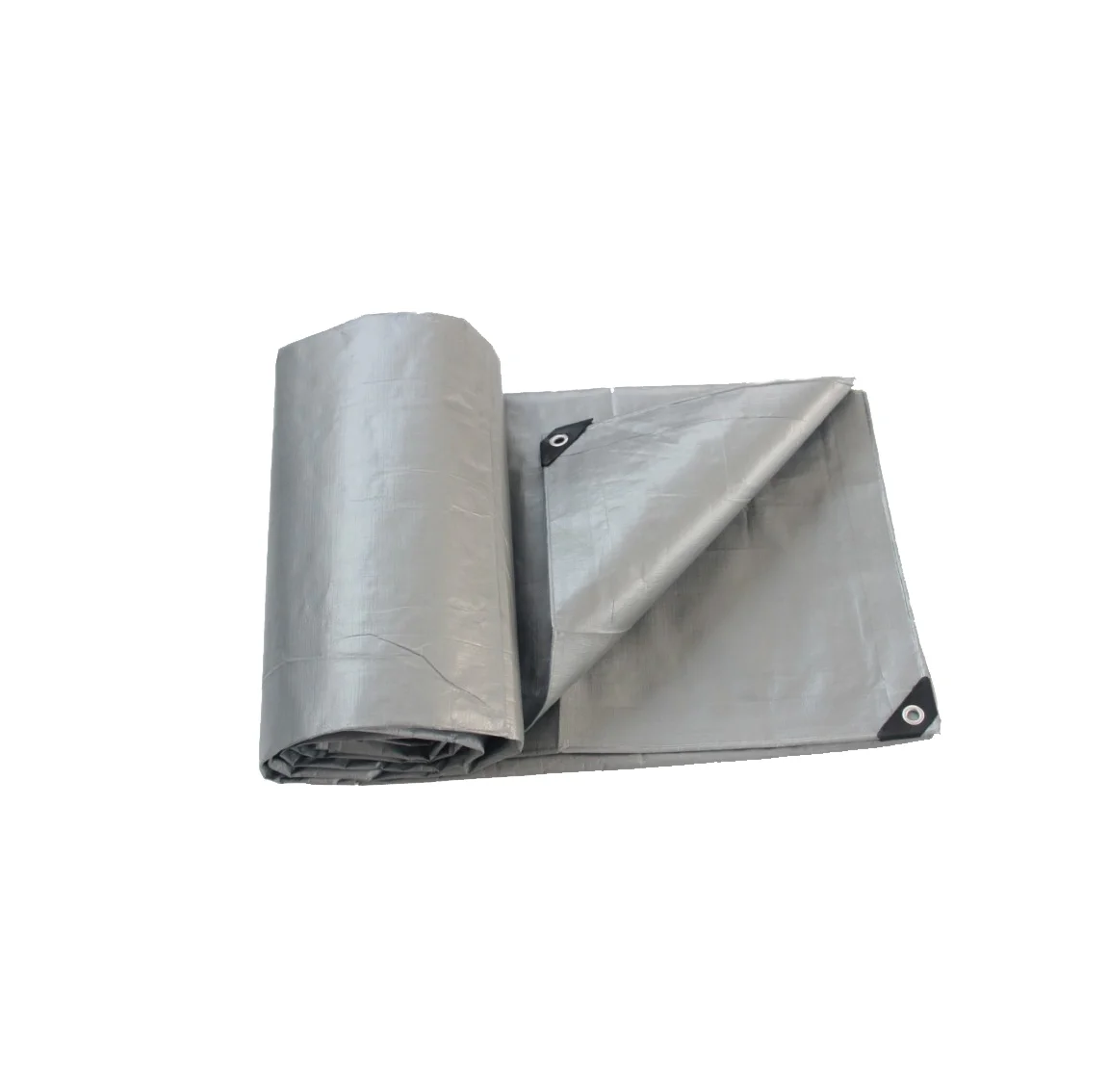
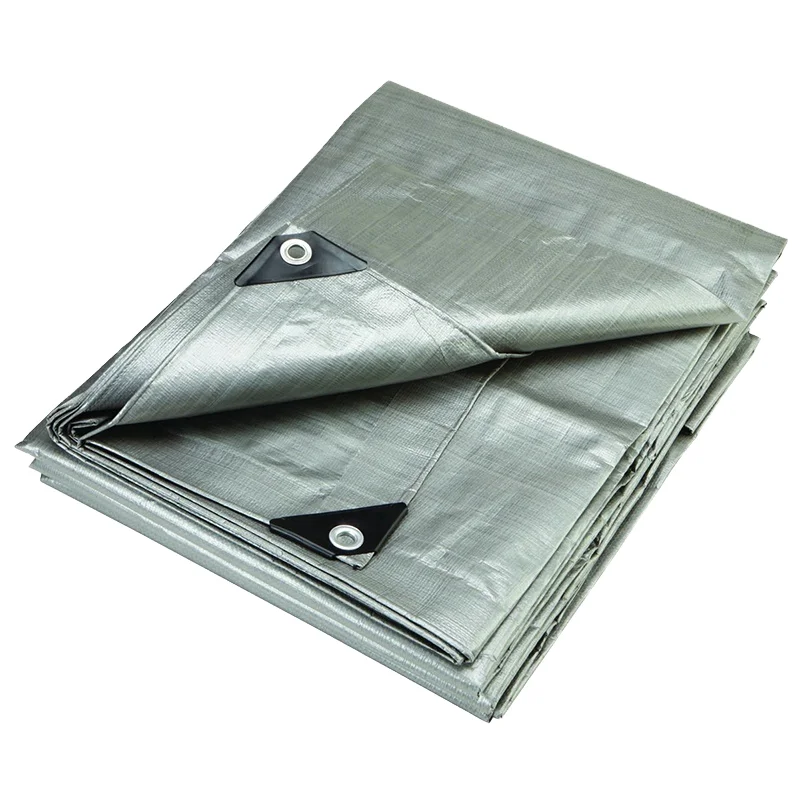
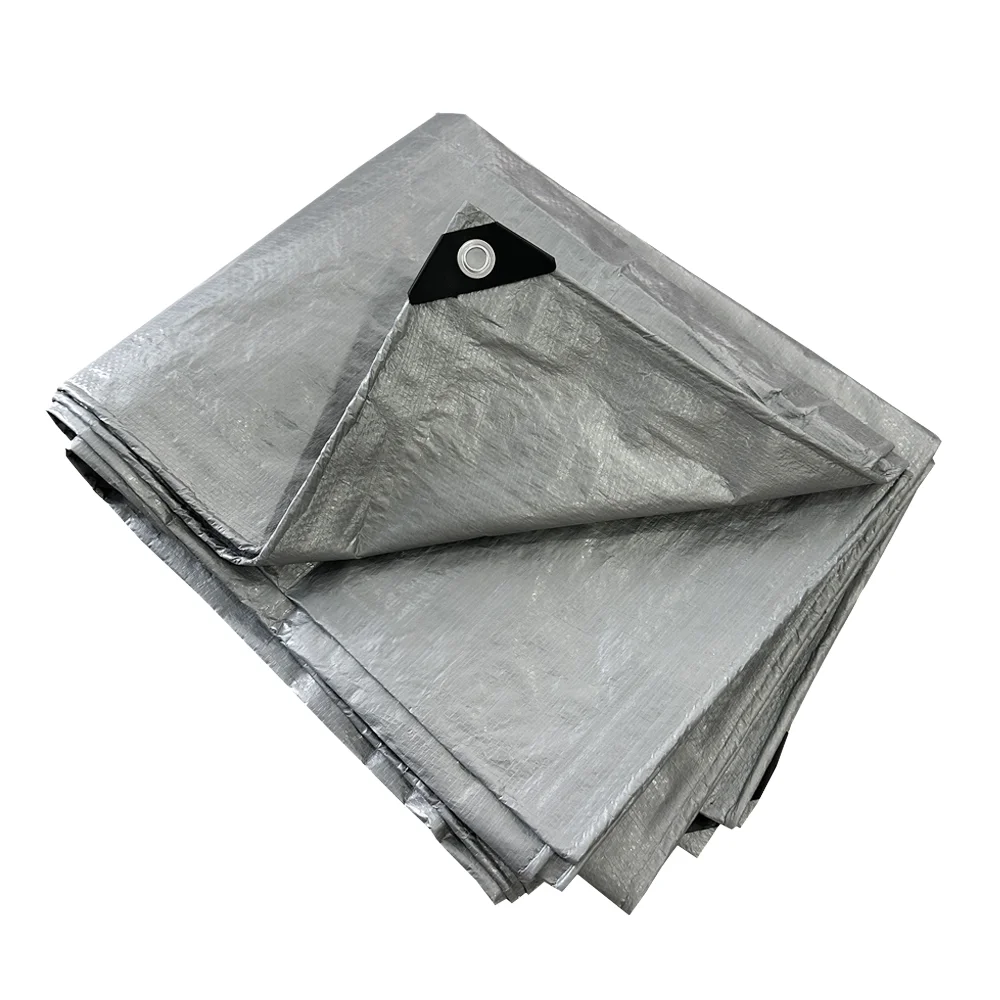
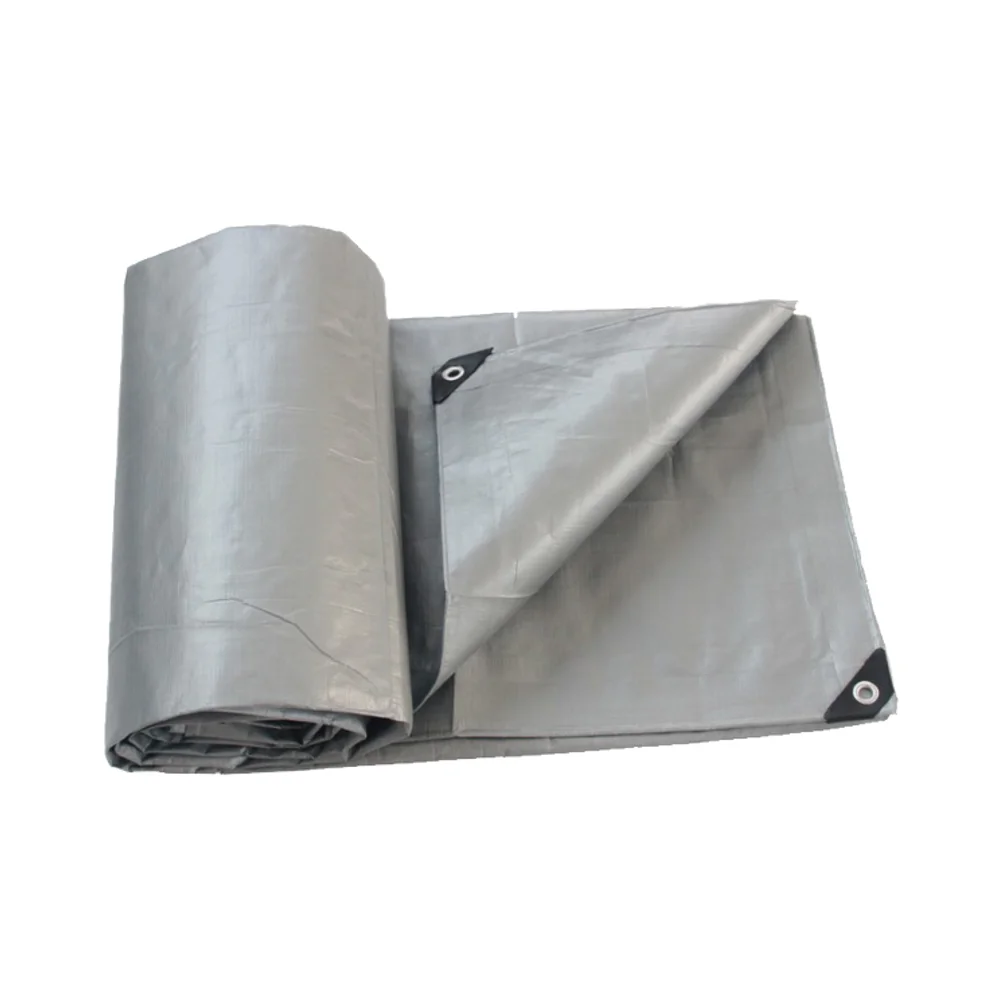
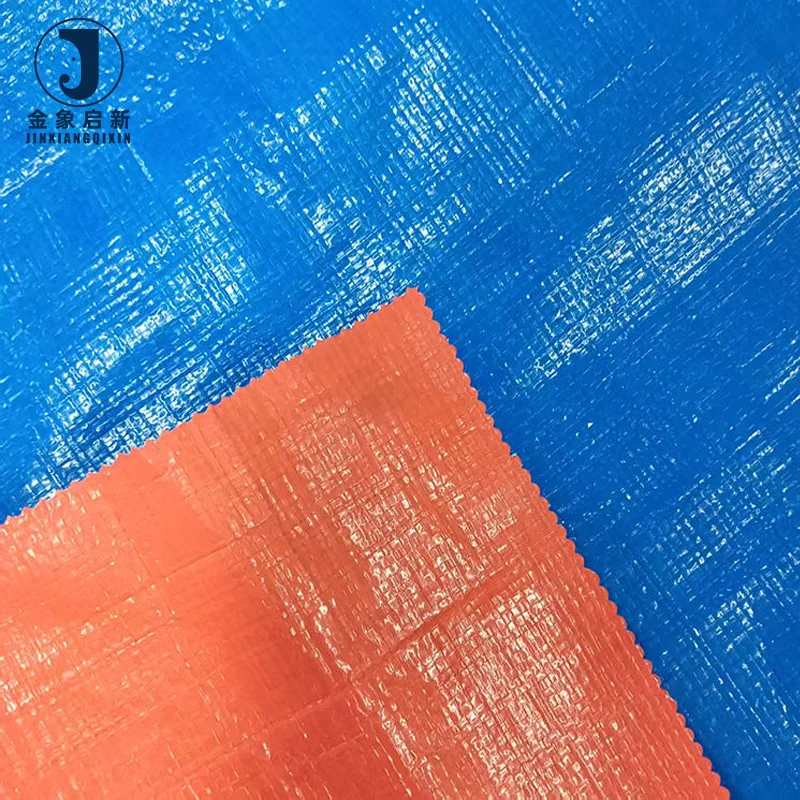
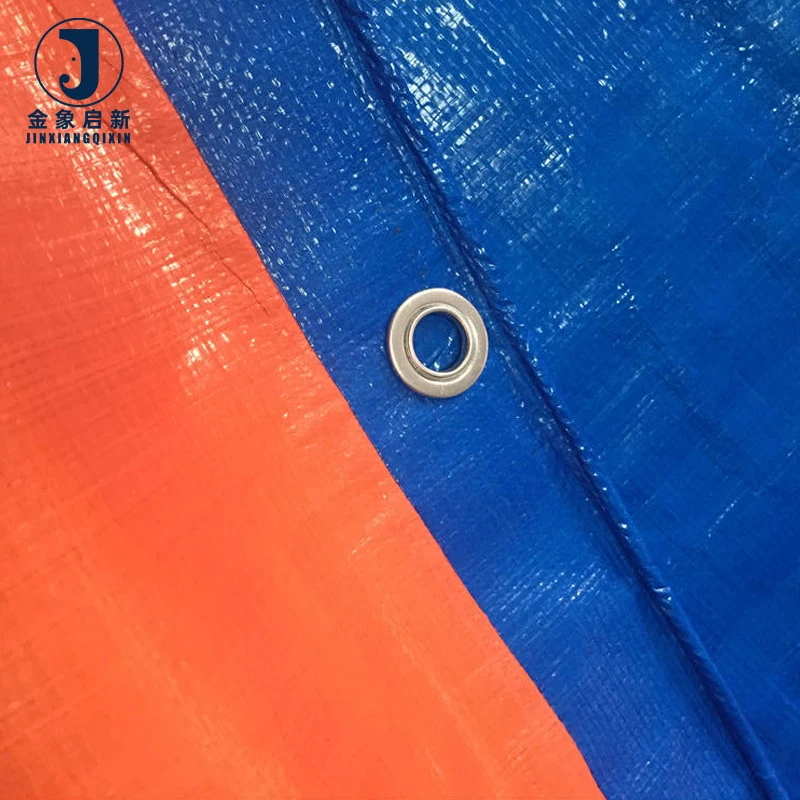
PE Tarpaulin Waterproof Outdoor Sheet for Truck Cover – Custom Made — HDPE woven with LDPE lamination, 50–220 g/m² range, 11 weave densities from 6×6 to 14×16, all four edges PP rope reinforced with galvanized eyelets at 3 ft or 1 m intervals.
- Choose the right weight-to-strength ratio: weave density and GSM together determine tear and tensile performance, not thickness alone
- UV treatment and mildew resistance available with test documentation; roll stock and finished cut sizes both offered
- Roll width up to 12 ft / 6 m, custom colour and printing supported across the full specification range
Backed by 30 years of coated fabric process control, 100% pre-shipment inspection, and a 10-person R&D team handling custom sizing and sample development within days.
Description
Verified Weight-to-Strength Mapping — dedicated QA at every production stage and 100% pre-shipment inspection ensure the PE tarpaulin roll weight on arrival matches the quoted GSM.
Technical Specifications
| Parameter | Value |
|---|---|
| Product Type | PE Tarpaulin |
| Base Fabric | HDPE woven |
| Coating Material | LDPE laminated on both sides |
| Weight Range | 50 g/m² – 220 g/m² |
| Thickness | 0.2 mm – 0.4 mm (8 mil – 16 mil) |
| Weave Density | 6×6, 6×7, 7×7, 7×8, 8×8, 9×9, 8×10, 10×10, 12×12, 14×14, 14×16 |
| Roll Width | 6 ft, 8 ft, 10 ft, 12 ft / 2 m, 4 m, 6 m |
| Roll Length | 100 yards, 100 meters, or custom |
| Edge Reinforcement | PP rope in hem on all four edges |
| Eyelet Interval | Galvanized eyelets every 3 ft or 1 meter |
| Corner Reinforcement | Reinforced plastic corners |
| Color Options | Blue, Blue/Orange, Green, Grey, Black, Clear, Grey/Green, Orange, or custom |
| Surface Treatment | UV treatment available (test basis not stated — confirm requirement) |
| Key Features | Waterproof, washable, tear resistant, weather proof, sunproof, mildew proof, anti-aging |
Application Suitability
| Application | Exposure & Requirement |
|---|---|
| Truck and trailer load covers | Constant wind lift, road abrasion, rain ingress — needs reinforced hems and galvanized eyelets to sustain tie-down tension over repeated trips |
| Construction scaffolding wraps | UV exposure, dust containment, wind load — requires tear-resistant weave and UV treatment confirmed by test report |
| Crop drying and hay covers | Ground moisture, sun exposure, repeated handling — demands waterproof lamination with mildew resistance for long storage periods |
| Garden furniture and gazebo covers | Seasonal UV, condensation, pooling water — calls for anti-aging treatment and reinforced corners at stress points |
Why the Quoted GSM Matters More Than You Think
Sourcing a PE tarpaulin that arrives lighter than agreed turns a budget-saving decision into a replacement cycle. Weight verification at every production stage and before dispatch closes the gap between quotation and delivery.
Buyers often receive material that measures below the stated GSM once the roll is cut and weighed in-house. The discrepancy may be small per square meter, but across a full container of PE tarpaulin rolls, the cumulative shortfall means the fabric is thinner than specified, the weave looser, and the tear resistance lower than the data sheet promised [NEED_CITE: tensile and tear test methods for coated fabrics per ISO 1421]. When the material is already on the truck or over the haystack, discovering the mismatch is expensive.
Weave Density Tiers and What They Control
The HDPE base fabric is woven in 11 density tiers from 6×6 through 14×16, each mapped to a specific GSM band. A 6×6 weave at the lower end of the range produces a lightweight sheet suited to short-term covers, while a 14×16 weave delivers the density needed for heavy-duty PE tarpaulin applications where puncture and tear resistance are critical. Selecting the correct tier ensures the weight-to-strength ratio aligns with the actual exposure conditions rather than paying for excess material or accepting insufficient durability.
Dual-Side Lamination for Consistent Waterproofing
Both sides of the HDPE woven base receive LDPE lamination, creating a continuous waterproof barrier that does not depend on a single coating pass. This construction prevents moisture penetration from either face — important when covers sit on wet ground or collect standing water on the top surface. The lamination also locks the weave structure in place, reducing fiber shift during handling and folding, which is a common source of premature wear in single-coated alternatives.
How Weave Density and GSM Interact in Practice
A frequent specification error is selecting PE tarpaulin by GSM alone without checking the underlying weave. A 100 g/m² fabric at 10×10 weave distributes material differently from a 100 g/m² at 8×10 weave — the former has finer yarns packed more tightly, giving higher tensile values in both warp and weft, while the latter uses thicker yarns with more open gaps filled by coating. Tensile and tear performance depend on the interplay between yarn denier, mesh count, and lamination weight [NEED_CITE: relationship between base fabric denier and tear propagation in woven coated fabrics]. Specifying only the GSM leaves the weave open to supplier discretion, which can shift the mechanical behavior of the finished sheet.
The Cost of Batch-to-Batch Inconsistency
When multiple rolls in the same order vary in colour or coating weight, the differences become visible once installed side by side on a scaffold or across a truck fleet. Beyond aesthetics, inconsistent lamination thickness can cause some panels to fail under UV exposure sooner than others, triggering partial replacement while adjacent sections remain serviceable [NEED_CITE: effect of UV degradation on LDPE laminated tarpaulin longevity]. Buyers who have received mismatched batches report spending more on selective replacement and on-site sorting than the original savings from choosing a lower-cost source.
What Production Control Means for Your Order
Three full production lines allow roll stock and finished cut-to-size sheets to run in parallel, reducing lead time on mixed orders. The 10-person R&D team develops samples within days for custom width, colour, or print requirements, locking the specification before bulk runs begin. A dedicated QA/QC checkpoint at each production stage — from weaving *ions before they accumulate. Every shipment carries a pre-shipment inspection record with roll-by-roll weight verification so the documented GSM matches what arrives at the dock. ISO and CE certifications underpin the quality management system across all PE tarpaulin grades.
Documentation & Verification
- Material specification sheet stating exact GSM, HDPE weave density, and LDPE lamination weight per roll
- UV treatment test report provided where applicable, referencing the standard used
- Pre-shipment inspection record confirming roll count, weight, colour consistency, and eyelet placement
- Roll packing list, certificate of origin, and customs documentation included with every dispatch
Fabrication, Handling & Storage
- Heat-seal LDPE laminated sheets using a temperature window matched to the selected GSM to avoid delamination
- Position galvanized eyelets at 3 ft or 1 m intervals through the PP rope-reinforced hem to distribute tie-down load
- Store rolls upright on hard paper tubes to prevent flat-spotting and permanent crease lines on the lamination
- Unfold finished tarps in moderate temperatures — LDPE becomes stiff in cold conditions and may crack if forced open
- Clean with mild detergent; avoid solvents that can soften the LDPE coating and compromise waterproof integrity
- Cut panels from roll stock allowing minimum overlap at seams to maintain continuous water runoff paths
What to Include in Your Inquiry
Provide the intended application and the environmental exposure the cover will face — UV intensity, wind load, ground contact, or chemical splash. Specify whether you need roll stock in a particular width and length, or finished cut-to-size sheets with eyelets and reinforced hems. If your market requires a specific UV treatment standard or compliance documentation, state this up front so the correct grade is selected and tested before production begins.
Frequently Asked Questions
Q: How do I choose the right GSM and weave density for my application?
A: Start with the exposure conditions — wind load, abrasion, and handling frequency determine the strength requirement. We map each of the 11 weave densities from 6×6 to 14×16 to a specific GSM band, so once the target strength is identified we recommend the exact combination and provide a sample for field testing before bulk production.
Q: Can I order PE tarpaulin in a custom width, length, or colour not listed?
A: Custom widths up to 6 m, custom roll lengths, and Pantone-matched colours are available. Our R&D team prepares a sample within days to confirm colour accuracy and lamination quality. Minimum quantities and lead times depend on the selected grade and are confirmed at quotation stage.
Q: How is UV and anti-aging treatment verified before shipment?
A: When UV treatment is specified, the treatment formulation and concentration are documented on the material specification sheet. A test report referencing the applicable standard is provided on request. Buyers should confirm the test basis required by their end market before production starts.
Q: What is the difference between roll stock and finished cut-size packaging?
A: Roll stock is wound on hard paper tubes and wrapped in the same tarpaulin material for protection. Finished cut-size sheets are folded individually into clear poly bags with optional colour paper inserts, then bundled in bales. The choice depends on whether you fabricate in-house or need ready-to-use panels with eyelets and hems.
Q: How many tons fit in a 20-foot or 40-foot container?
A: In a 20’GP, roll packing holds approximately 17 tons, bale packing 12 tons, and carton packing 9 tons. A 40’HQ accommodates about 28 tons by bale and 20 tons by carton. We recommend the packing format that maximizes container utilization for your chosen grade and sheet size.
Related products
-
Baisite Coated Organic Blackout Waterproof PE Tarpaulin Roll 4mx50m Customized 4mx6m Outdoor Tent Awning Truck Cover
¥0.77 Select options This product has multiple variants. The options may be chosen on the product page -
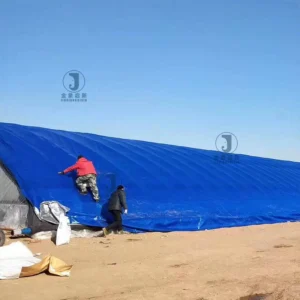
Wholesale Organic Breathable PVC Waterproof Oilcloth Blackout Fabric Sun Protection Tarpaulin Outdoor Awning Industrial Tent
¥0.89 Select options This product has multiple variants. The options may be chosen on the product page -
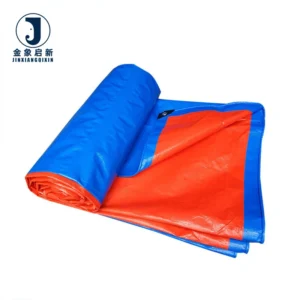
JX Tear-Resistant PE Coated Polyethylene Eco-Friendly Tarpaulin Waterproof Blackout Organic with Eyelets
¥1.31 Select options This product has multiple variants. The options may be chosen on the product page -
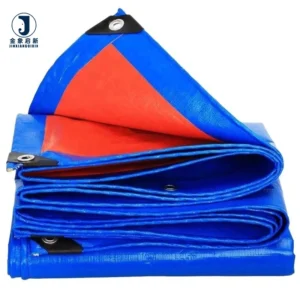
Tarpaulin Manufacture Scaffolding Heavy Duty Camping Waterproof Cover Sheet Coated Plastic Roll Pe Tarp
¥1.80 Select options This product has multiple variants. The options may be chosen on the product page