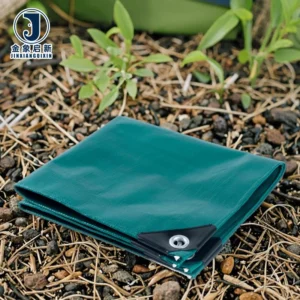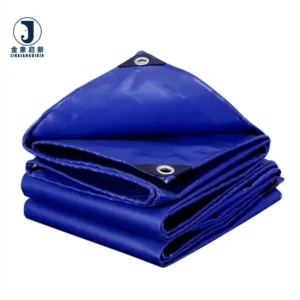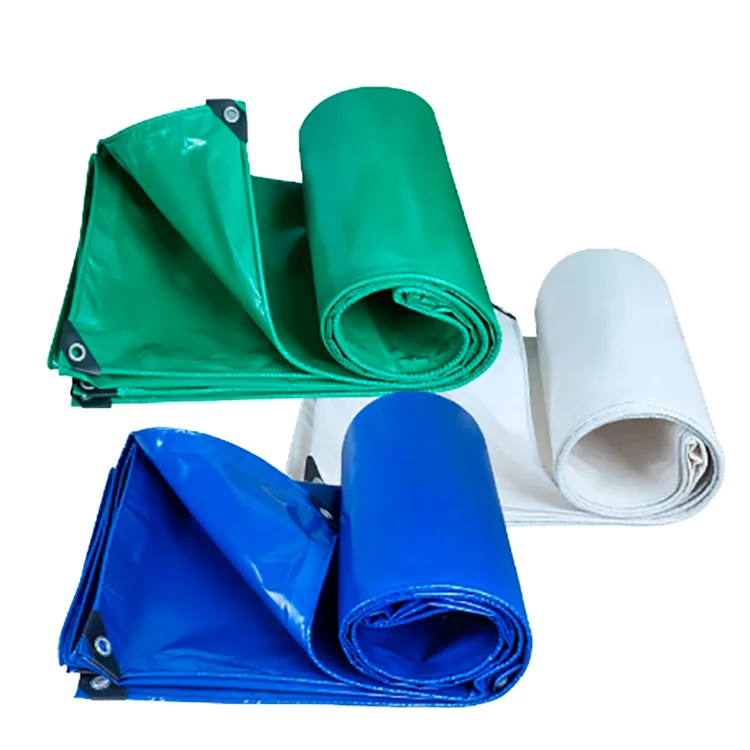
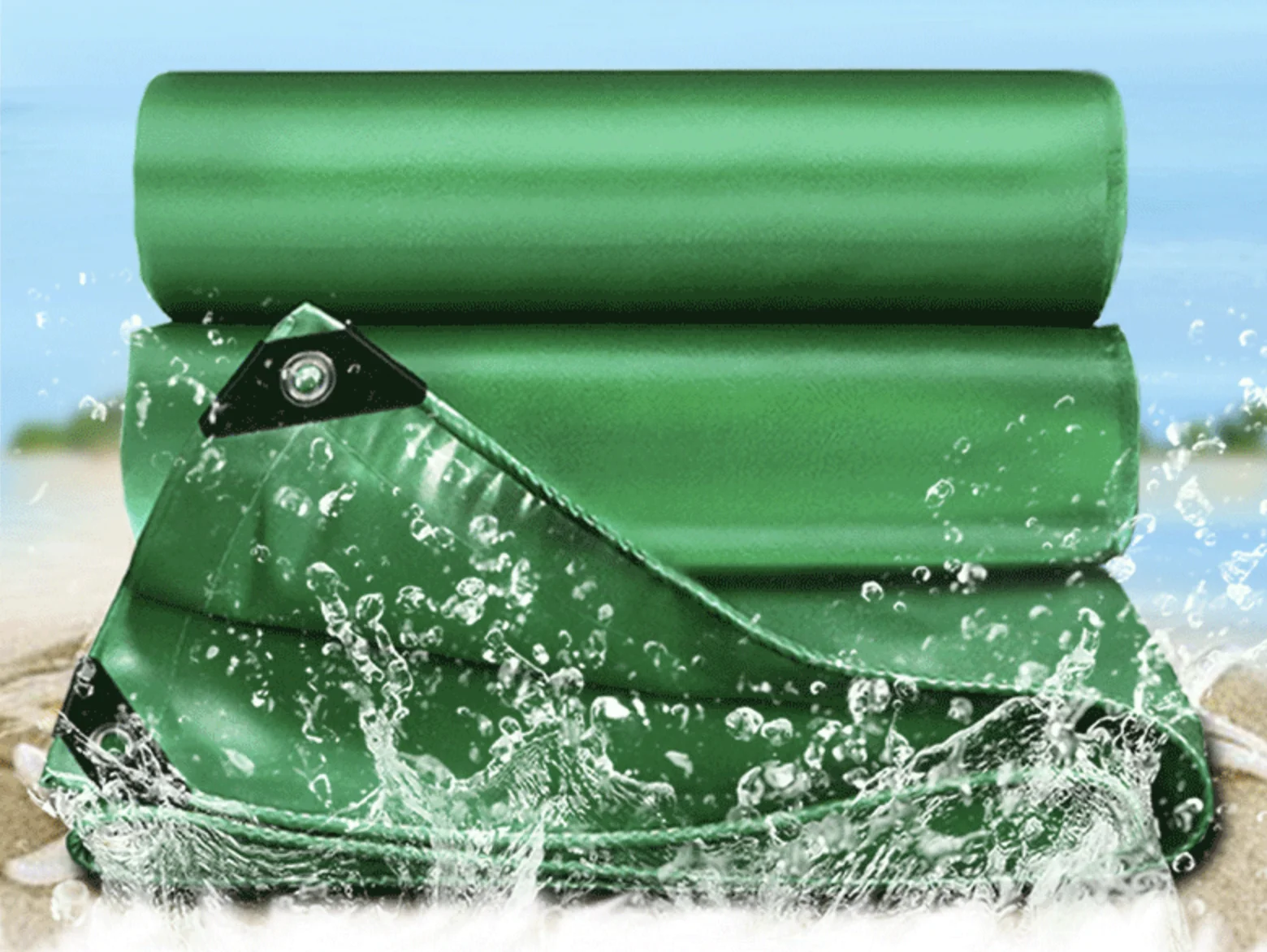
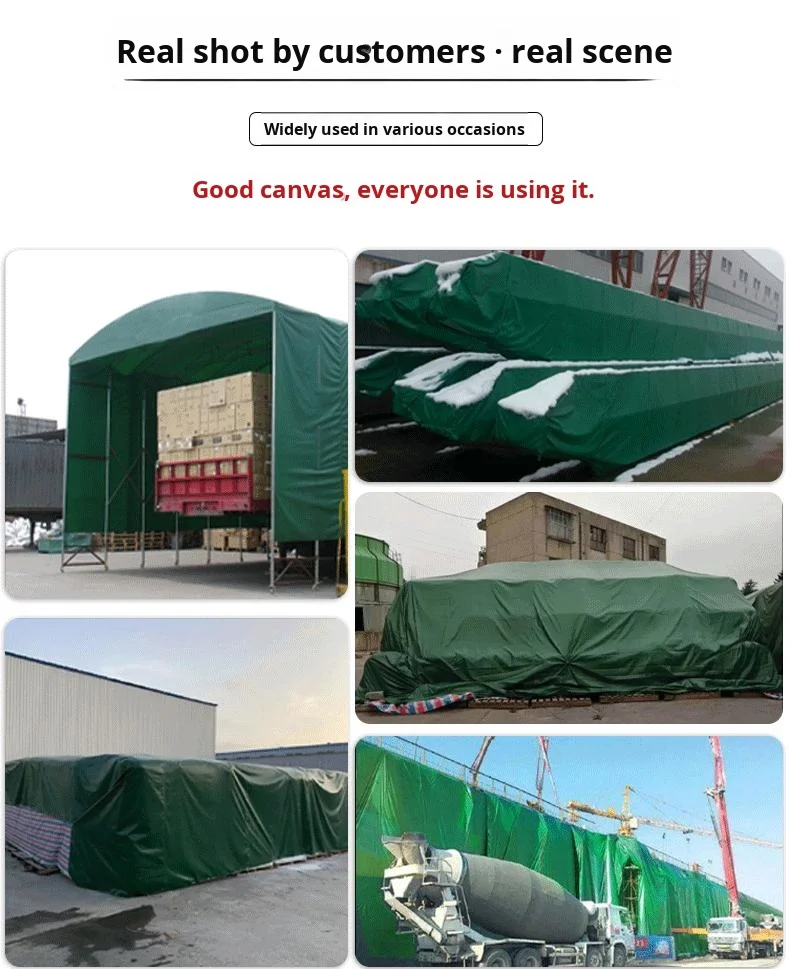
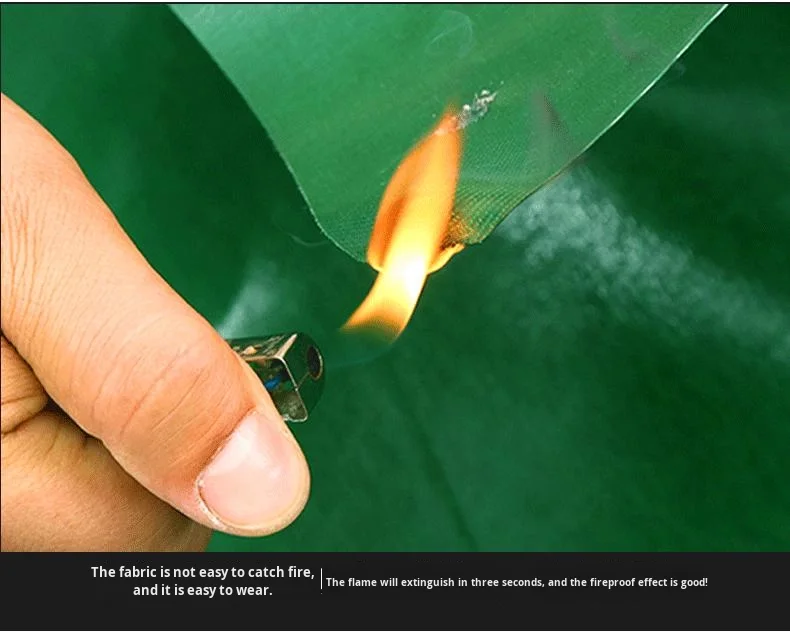
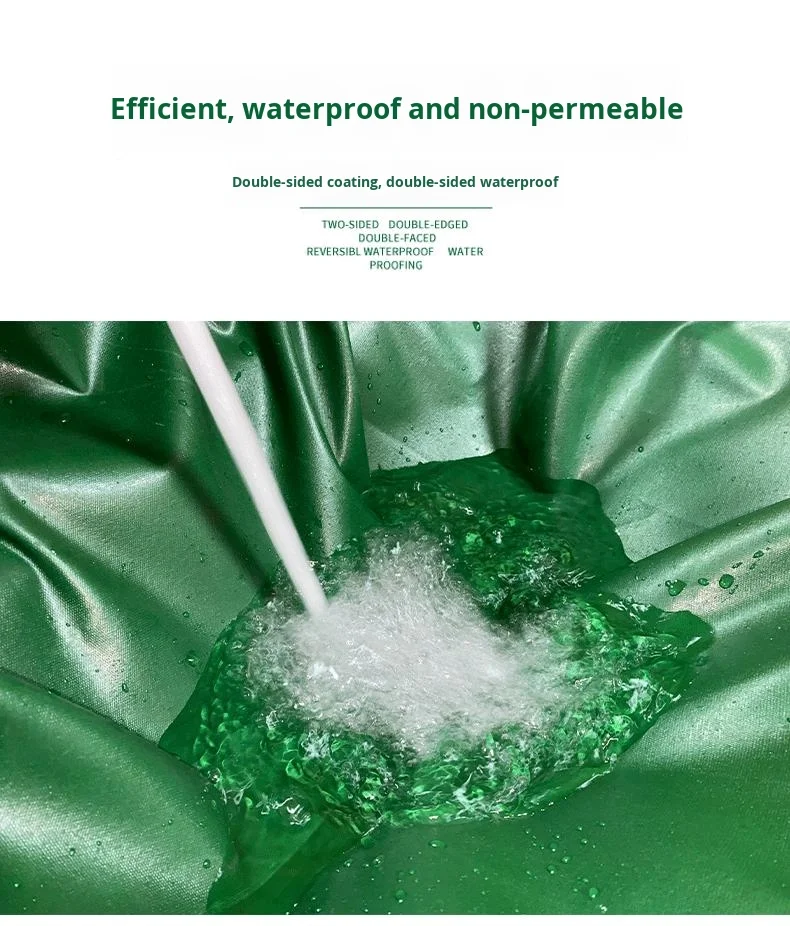
PVC Knife-Coated Tarpaulin Fabric, waterproof ≥20KPa, flame retardant ≤10s, low-temp flexible to -30°C — designed for tents, awnings, truck covers and inflatable structures requiring reliable weather and chemical resistance.
- Knife-coated PVC on tricot or plain woven base ensures strong coating adhesion and clean heat-welded seams at flex points
- Custom width, length, colour, eyelets, reinforced hems and pattern printing available per roll order
- Backed by 3 full production lines, 100% pre-shipment inspection and ISO/CE documentation with every dispatch
Description
Precision Coating Control — Every roll of PVC knife-coated tarpaulin fabric is drawn from a production line where coating weight, base fabric tension, and surface finish are monitored continuously, ensuring the GSM on the quote matches the GSM on the scale.
Technical Specifications
| Parameter | Value |
|---|---|
| Product Type | PVC Coated Tarpaulin Fabric |
| Material | PVC Coated Polyester Fabric |
| Base Fabric | Tricot / Plain Woven |
| Weight Grade | 500GSM (source value — verify against manufacturer catalog) |
| Waterproof Rating | ≥20KPa (anti-permeable) |
| Flame Retardant | ≤10 seconds extinguishing time (confirm the grade required for your market) |
| Low-Temperature Flexibility | -30°C (no fracture) |
| Corrosion Resistance | Acid, Alkali, Brine |
| Surface Finish | Plain Style |
| Custom Options | Width, Length, Colour, Eyelets, Reinforced Hems, Pattern Printing |
| Standards | ISO, CE |
Application Suitability
| Application | Exposure & Requirement |
|---|---|
| Tent and awning structures | Extended outdoor UV exposure, wind loading, seasonal packing and redeployment |
| Truck side curtains and load covers | Constant flexing at tie-down points, road spray, abrasion from load shift |
| Pond and reservoir liners | Permanent water contact, soil chemistry, puncture risk from subgrade |
| Inflatable and membrane structures | Internal pressure stress, welded seam integrity, colour consistency across panels |
| Equipment and pallet covers | Outdoor storage, stacking abrasion, forklift contact damage |
Why Stated GSM Does Not Guarantee Fabric Performance
A 500GSM reading on the label means little if the coating adhesion and base fabric denier are not verified alongside it.
Buyers regularly specify a PVC knife-coated tarpaulin fabric by weight alone, only to discover that rolls arriving at the warehouse feel thinner at the edges or separate at the weld line under tension. The issue is not dishonesty — it is that GSM measures total mass per square metre but says nothing about how that mass is distributed between base yarn and coating layer [NEED_CITE: tensile and tear test methods for coated fabrics per ISO 1421]. A fabric with a heavy coating over a light base fabric may hit the target GSM yet tear more easily than a lighter-coated fabric built on a denser weave. When sourcing for tents, truck covers, or inflatable structures, the ratio of base fabric strength to coating weight determines whether the material survives fabrication and field use.
Coating Adhesion and What It Means for Fabrication
When PVC knife-coated tarpaulin fabric is welded into finished products, the seam must carry the same load as the body of the material. Coating adhesion — the bond between the PVC layer and the polyester base — determines whether a heat-welded joint holds or delaminates under stress. On production lines where coating temperature and knife gap are tightly regulated, the bond strength remains consistent from the first metre to the last. This consistency matters most when fabricators run long welds on tent roofs or side curtains, where any weak section becomes the failure point.
Colour Matching Across Multiple Rolls
For buyers ordering fabric by the roll for tent panels or awning sections, colour drift between rolls can mean visible mismatch once the structure is assembled on site. Controlling pigment dispersion during the coating stage, along with batch-level colour checks before slitting, keeps the shade uniform across a multi-roll order. A pre-shipment inspection record documenting colour reference and roll numbers gives the buyer confidence before the container leaves the factory [NEED_CITE: colour fastness testing standards for coated textiles].
Reading the Specification Sheet Beyond Weight
The base fabric construction — whether tricot or plain woven polyester — governs how the material behaves under biaxial tension. Tricot knits offer dimensional stability and a smooth surface suited to printing and membrane applications, while plain woven constructions provide higher tensile values in both warp and weft directions. The waterproof rating of ≥20KPa confirms the coating layer is fully anti-permeable, meaning water cannot penetrate even under sustained hydrostatic pressure. Low-temperature flexibility to -30°C indicates the plasticiser formulation resists embrittlement, which is critical for structures deployed in cold climates or stored unheated over winter. Corrosion resistance to acid, alkali, and brine environments extends the fabric’s suitability to aquaculture pond liners and agricultural covers exposed to fertiliser runoff.
The Hidden Cost of Specifying on Weight Alone
When a buyer selects PVC knife-coated tarpaulin fabric based only on a GSM figure, the consequences surface during fabrication or after installation. Welded seams may fail before the fabric body does, particularly at flex points where a truck cover bends over a load edge. Rolls with uneven coating weight produce inconsistent weld behaviour, forcing fabricators to slow their line speed or increase reject rates. Batch-to-batch colour variation may only become visible once panels are installed side by side on a tent roof — at which point rework costs multiply [NEED_CITE: common failure modes in coated fabric welded joints].
Why This Production Line Supports Your Specification
Deep process control over coating weight and adhesion means the GSM stated on the quotation is the GSM measured at the winding station, not an averaged target. Three full production lines with dedicated equipment configurations allow custom widths, colours, and finishes to run without competing for capacity against standard stock orders. A 10-person R&D team handles material selection and sample development, so a buyer specifying flame retardant or anti-UV treatment receives a sample formulated for that requirement — not a generic swatch. In-process QA checkpoints catch coating variation before slitting, and 100% pre-shipment inspection ensures every roll dispatched meets the agreed specification. Samples for custom requirements are developed within days, keeping project timelines intact.
Documentation & Verification
- Material specification sheet listing base fabric denier, coating weight, and confirmed GSM per roll
- Third-party test reports for flame retardant and anti-UV treatment grades where specified
- Pre-shipment inspection record with weight verification against stated GSM before dispatch
- ISO and CE certificates included with every shipment
- Certificate of origin and customs documentation for cross-border delivery
- Roll packing list matching roll numbers to order line items
Fabrication, Handling & Storage
- Heat-weld PVC coated polyester fabric at temperatures matching the coating formulation to prevent delamination at seams
- Allow eyelet spacing to distribute load evenly across the 500GSM grade base fabric and reinforced hems
- Store rolls upright on pallets to avoid flat-spot deformation of the plain style surface finish
- Unroll cold-stored fabric gradually before fabrication to let the -30°C rated plasticiser system reach working flexibility
- Use pH-neutral cleaners on the surface to preserve acid and alkali corrosion resistance treatments
- Plan cutting layout around available custom widths to minimise offcut waste on tent and awning panels
What to Include in Your Enquiry
Share the end-use application and the environmental conditions the fabric will face, including temperature range and chemical exposure. If your market requires specific fire classification or anti-UV certification, state the standard and grade so the formulation can be matched from the outset. Provide the required width, roll length, and annual volume along with any colour reference or printing requirements. Specify whether you need raw rolls or finished cut sizes with eyelets and reinforced hems.
Frequently Asked Questions
Q: What GSM grades and custom widths are available for knife-coated tarpaulin fabric?
A: The product range covers multiple GSM grades from lightweight to heavy-duty, with the 500GSM option suited to tent and cover applications. Custom widths are produced to order based on your cutting layout requirements. Confirm the exact GSM and width needed for your application so the production line can be configured before sampling begins.
Q: Can you match a specific Pantone or RAL colour across multiple production rolls?
A: Yes, specific Pantone or RAL colour references are matched during pigment dispersion at the coating stage. Each roll in the order undergoes a colour check before slitting to ensure consistency. A pre-shipment inspection record documents the colour reference and roll numbers for your review before dispatch.
Q: Do you supply test reports for anti-UV and flame-retardant treatments?
A: Third-party test reports for both anti-UV and flame-retardant treatments are supplied when these treatments are specified in the order. The reports document the test standard used and the results achieved, so you have documentation for your own compliance requirements or end-customer submission.
Q: How do you ensure welded seam strength matches the fabric tensile rating?
A: Coating adhesion is controlled through regulated knife gap and temperature during the coating process, producing a consistent bond between the PVC layer and the polyester base fabric. This consistency allows fabricators to dial in reliable weld parameters. In-process QA checks verify coating uniformity roll by roll.
Q: What is the lead time and minimum order for custom width, colour, or printed branding?
A: Lead times and minimums depend on the specific width, colour, and printing combination requested. Samples for custom requirements are developed within days so you can approve the material before full production runs. Share your exact specifications and volume to receive a quotation with confirmed scheduling.
Related products
-
Customize 500-600GSM Heavy Duty Waterproof Anti-UV Knife Fabric PVC Tarpaulin for Car Tents Canopies Awnings
¥0.90 Select options This product has multiple variants. The options may be chosen on the product page -
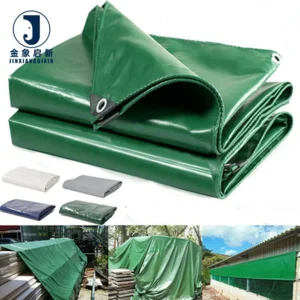
PVC Knife-Coated Tarpaulin Fabric for Membrane Structures – Custom Made
Read more -
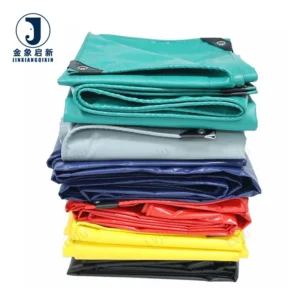
500 GSM PVC Knife-Coated Fabric for Tent & Truck – Custom Made
Read more -
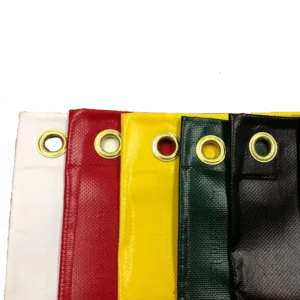
300-600gsm Heavy Duty PVC knife-coated Fabric Tarpaulin roll or Customization
¥0.83 Select options This product has multiple variants. The options may be chosen on the product page