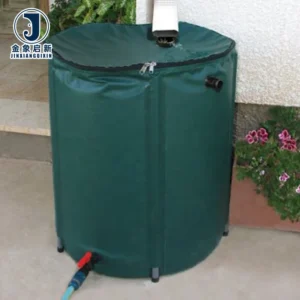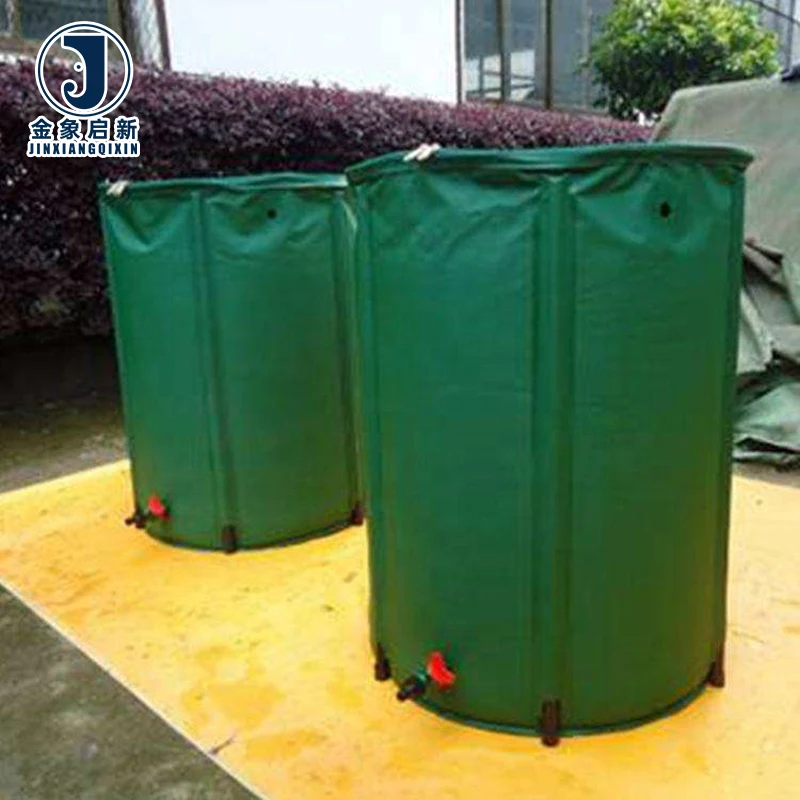
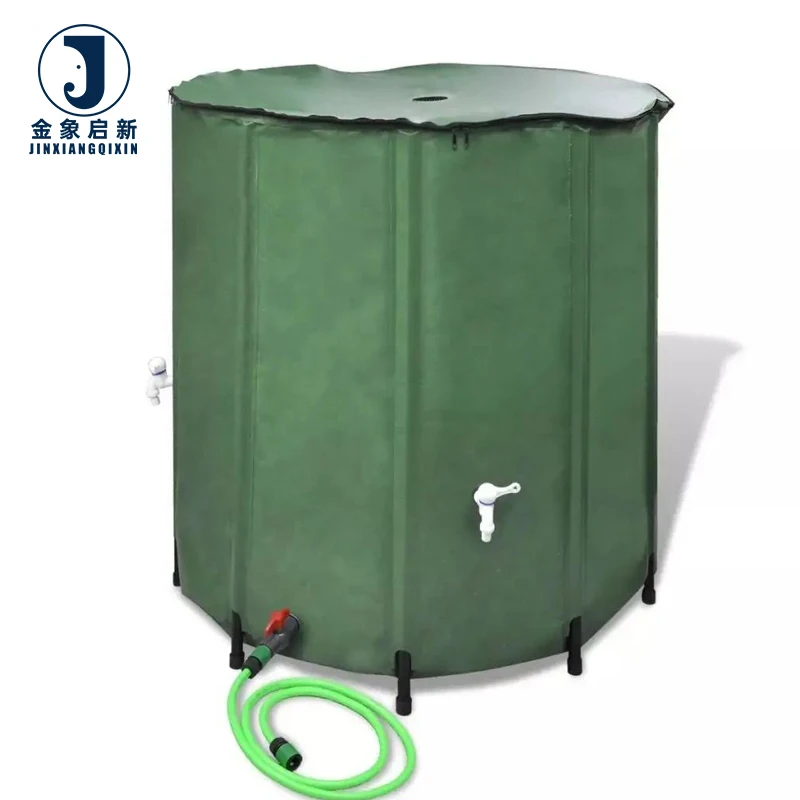
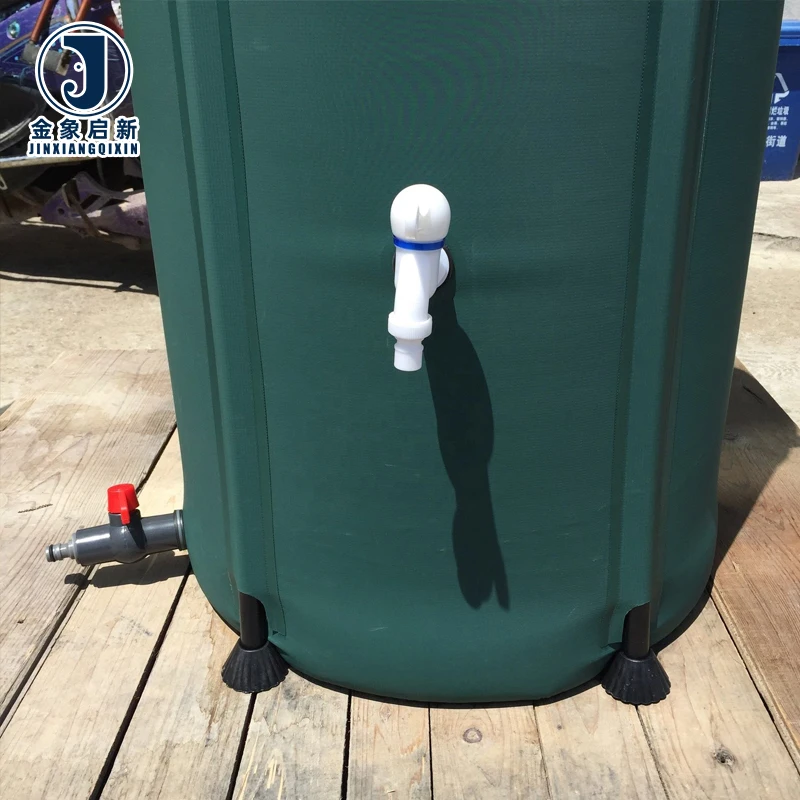
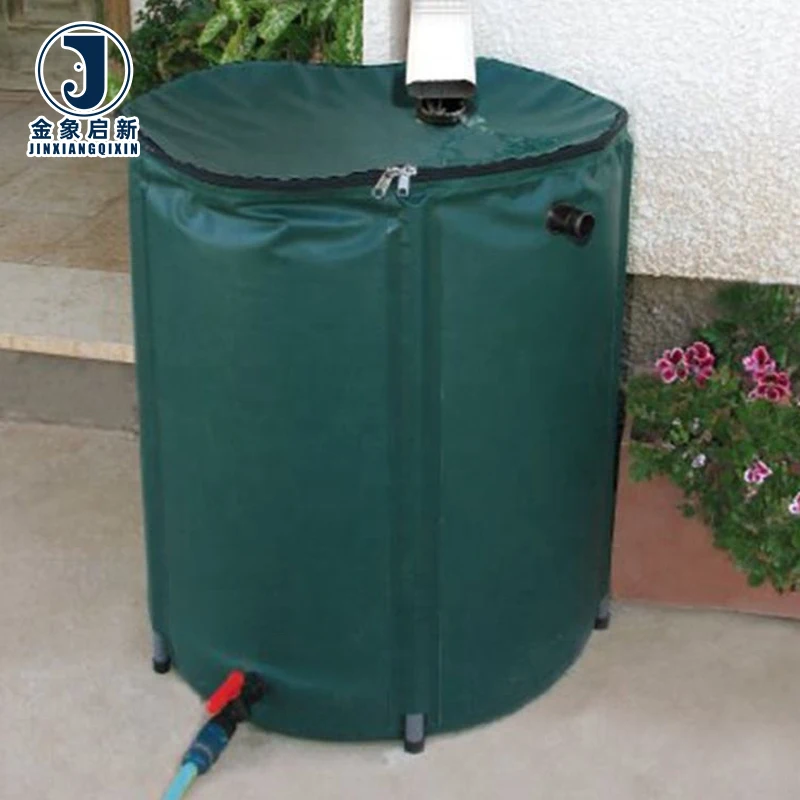
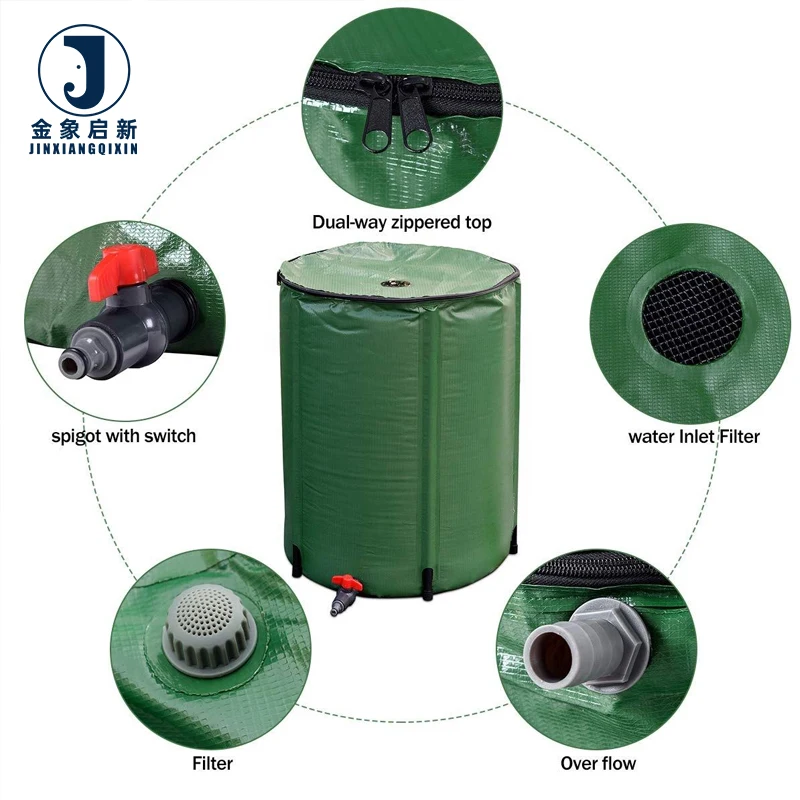
Flexible Collapsible PVC Tarpaulin Water Storage Tank, 100L–1000L capacity, waterproof, UV-resistant and mildew-proof — engineered for rainwater harvesting, irrigation and industrial liquid containment.
Coating weight and base fabric denier are matched to tank capacity and deployment environment, ensuring structural integrity under hydrostatic load. Welded seams are reinforced at flex and outlet points where stress concentrates during filling and transport. Custom fittings, valve positions and tie-down reinforcements are developed to your site layout.
- Supported by a 10-person R&D team handling custom sizing and sample development within days
- 100% pre-shipment inspection with verified GSM and coating weight against your quotation
- ISO and CE certified production across three full coating lines
Description
Controlled Coating Adhesion — nearly three decades of PVC tarpaulin processing applied to water containment, with heat-welded seams inspected at every flex point before dispatch.
Technical Specifications
| Parameter | Value |
|---|---|
| Product Type | PVC Tarpaulin Water Storage Tank |
| Capacity | 100L / 225L / 250L / 750L / 1000L |
| Material | PVC Tarpaulin |
| Waterproof | Yes |
| UV-Resistant | Yes (test basis available on request) |
| Mildew-Proof | Yes |
| Construction | Flexible Collapsible |
| Key Features | Waterproof, UV-resistant, mildew-proof, collapsible, portable |
| Certifications | ISO, CE |
Application Suitability
| Application | Exposure & Requirement |
|---|---|
| Rainwater harvesting — agricultural and aquaculture | Permanent water contact, outdoor sun exposure, seasonal filling and draining cycles |
| Garden and landscape irrigation | Repeated deployment and collapse, UV exposure, abrasion from ground contact |
| Hydroponic water reservoir | Continuous water containment, indoor or greenhouse humidity, mildew risk |
| Industrial temporary water storage | Heavy-duty handling, site relocation, chemical-free liquid containment |
| Construction site water supply | Rough terrain placement, dust and debris exposure, frequent repositioning |
Why Coating Weight Matters More Than Capacity Rating for PVC Tarpaulin Water Storage Tank Durability
A water tank that holds 1000L exerts over a tonne of outward pressure — the coating must stay bonded to the base fabric through every fill and drain cycle.
Buyers often select collapsible tanks based on capacity alone, overlooking the relationship between PVC coating weight, base fabric denier, and seam integrity. A tank that matches the quotation on paper can arrive with lighter material that softens under UV exposure and splits at the weld line within the first season [NEED_CITE: tensile and tear test methods for coated fabrics per ISO 1421]. When a Flexible Collapsible PVC Water Storage Tank manufacturer controls the coating process from raw material to finished weld, the risk of delamination under hydrostatic load drops significantly.
Coating Adhesion Under Hydrostatic Pressure
A Flexible Collapsible PVC Water Storage Tank manufacturer must account for the outward force that standing water places on every seam and panel. PVC coated tarpaulin with controlled coating weight and verified adhesion resists delamination when the tank is filled to capacity. The coating must remain bonded to the base fabric through repeated fill-and-drain cycles, where the material flexes at its lowest and highest points with each use.
Seam Welding at Flex and Load Points
The most common failure in collapsible water tanks occurs not in the fabric itself but at the welded seams, particularly where the tank base meets the sidewall and around outlet fittings. Heat-welded seams are inspected across their full length during production, with attention to the junctions that bear the highest stress during filling and emptying [NEED_CITE: seam weld integrity testing for flexible liquid containment bladders]. Every Flexible Collapsible PVC Water Storage Tank manufacturer that skips in-process weld inspection risks shipping tanks that leak on first use.
Reading the Material Specification Sheet
The PVC base fabric denier determines the structural skeleton of the tank — higher denier yarns resist puncture from rough ground placement and resist tear propagation if the surface is nicked. Coating weight, measured separately from total GSM, indicates how much PVC protects the base fabric from water ingress and UV degradation. A tank with adequate total GSM but thin coating will absorb water into the base fabric over time, leading to mildew growth and loss of tensile strength. UV-resistant and mildew-proof treatments extend service life in outdoor and high-humidity applications, but their effectiveness depends on the coating formulation and must be confirmed with test documentation for the target market.
The Hidden Cost of Underspecified Material
A collapsible water tank built from lighter PVC tarpaulin than quoted may pass a visual inspection on arrival but fail within months of outdoor deployment. Coating that is thinner than specified allows UV penetration to degrade the base fabric, leading to brittleness and cracking at fold lines. Weld seams made on underweight material lack the thermal mass to form a complete bond, causing leaks that appear only after the tank is filled to working capacity [NEED_CITE: field failure rates for underspecified PVC coated fabric in liquid containment]. Batch inconsistency across multiple tanks in a single order compounds the problem — some units perform while others fail under identical conditions.
Why Source Water Storage Tanks Through This Production Line
Deep process control over PVC coating weight and adhesion ensures every tank meets the material specification stated on the quotation. Three full production lines and 36 sets of professional equipment support bulk orders of Flexible Collapsible PVC Water Storage Tanks with consistent output and reliable on-time delivery. A dedicated 10-person R&D team handles custom capacity sizing, fitting placement, and outlet reinforcement for application-specific requirements. Every production stage includes QA checkpoints, with 100% pre-shipment inspection covering seam weld integrity and material verification. Custom samples are developed within days, allowing buyers to confirm fit, material feel, and weld quality before committing to full production.
Documentation & Verification
- Material specification sheet stating PVC base fabric denier, coating weight, and total GSM for each tank
- UV-resistant and mildew-proof test reports provided where applicable to the order specification
- Pre-shipment inspection record documenting seam weld integrity and dimensional check per unit
- ISO and CE certificates included with every shipment for compliance and import clearance
- Certificate of origin and full customs documentation prepared per destination country requirements
Fabrication, Handling & Storage
- Heat-weld all seams using temperature settings matched to the PVC coating weight to ensure full bond penetration
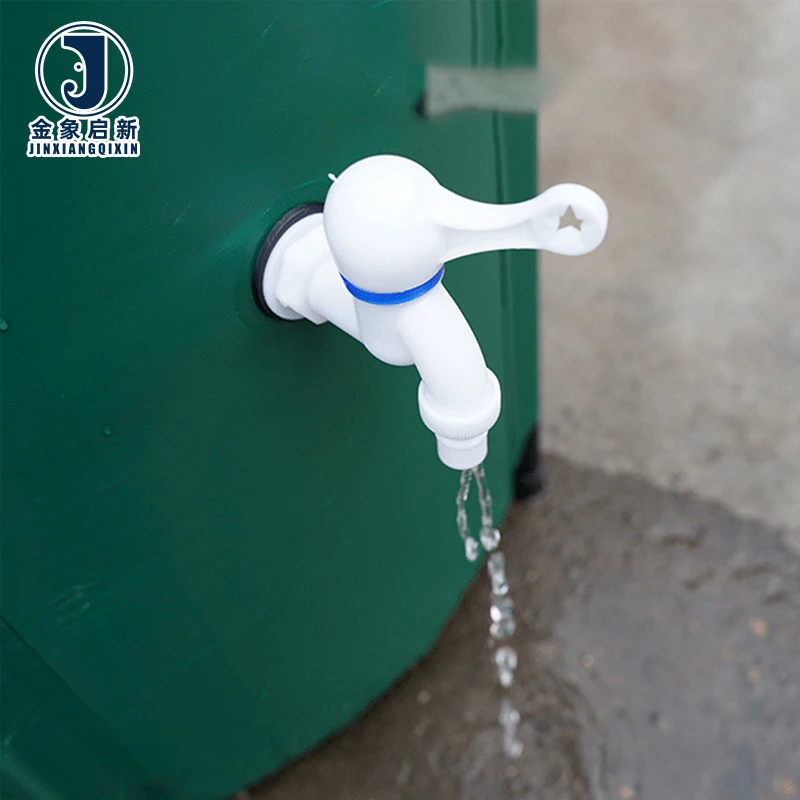
- Reinforce outlet and valve fittings with additional PVC tarpaulin layers to distribute load at penetration points
- Store collapsed tanks flat and avoid stacking heavy objects on top to prevent permanent creasing of the coated fabric
- Deploy on cleared ground free of sharp stones to protect the waterproof PVC surface from puncture
- Clean with mild detergent and soft brush — avoid solvents that degrade the PVC coating and mildew-proof treatment
- Inspect weld seams at fold points after each deployment cycle for early signs of separation
What to Include in Your Inquiry
Specify the target capacity, deployment environment, and whether the tanks will be used for potable water, irrigation, or industrial liquid storage. Indicate any UV exposure duration expectations and whether your market requires specific fire or environmental compliance documentation. Provide the required fitting types, valve positions, and whether custom dimensions fall outside the standard 100L to 1000L range. Confirm whether you need samples for fit and material approval before production begins.
Frequently Asked Questions
Q: How is the PVC coating weight and GSM verified against the quotation on arrival?
A: Every order ships with a material specification sheet stating the PVC base fabric denier, coating weight, and total GSM. Pre-shipment inspection records document actual measurements taken during production. Buyers can cross-reference these documents against the quotation and conduct independent weight verification on receipt to confirm the material matches what was specified.
Q: What UV-resistance test basis supports the outdoor exposure claim?
A: UV-resistant treatment is applied during the PVC coating process and is available with test documentation upon request. The specific test standard and exposure duration depend on the formulation selected for your application. Buyers should confirm the UV-resistance grade required for their target climate and request the corresponding test report before production.
Q: How are welded seams inspected to prevent field leak failures?
A: Welded seams undergo in-process inspection during production, with particular focus on high-stress junctions at the base-to-sidewall transition and around fittings. A 100% pre-shipment inspection covers seam weld integrity across every unit. Tanks are checked for bond completeness and tested for leak potential at the points where hydrostatic pressure concentrates during filling and draining.
Q: What custom sizes and capacities are available beyond the standard range?
A: Custom capacities and dimensions are developed by the in-house R&D team based on your application requirements. Fitting types, valve positions, and reinforcement at tie-down and outlet points can all be specified. Samples are produced within days for buyer approval before full production runs, ensuring the custom design meets performance expectations.
Q: What documentation ships with each order for import and compliance?
A: Each shipment includes a material specification sheet, pre-shipment inspection record, ISO and CE certificates, certificate of origin, roll packing list, and customs support documentation. UV and mildew-proof test reports are included where applicable. All documents are prepared to meet the import and compliance requirements of the destination country.
Related products
-
Portable 3000RPM Axial Flow Fan with Flexible Duct Hose for Industrial Exhaust Ventilation in Factories and Construction Sites
¥67.00 Select options This product has multiple variants. The options may be chosen on the product page -
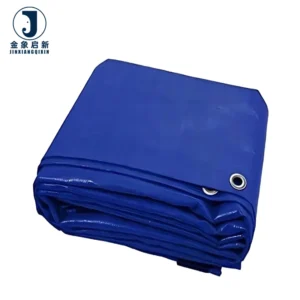
PVC Tarpaulin 650 Gsm 630 Gsm for Truck Cover – Custom Made
Read more -
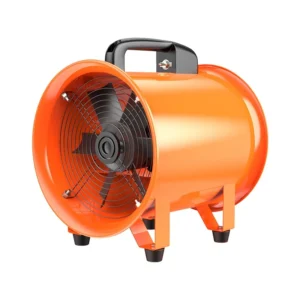
Portable 220V Axial Flow Exhaust Fan Ball Bearing Small Electric Blower for Tight Space Ventilation Cast Iron ODM Available
¥67.00 Select options This product has multiple variants. The options may be chosen on the product page -
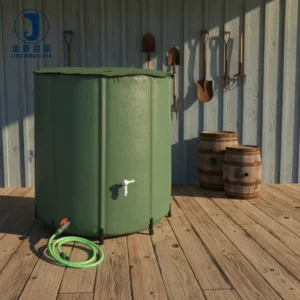
Custom Made Collapsible PVC Rain Barrel for Garden Water Storage
Read more