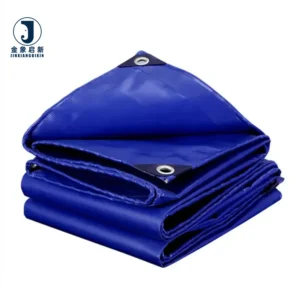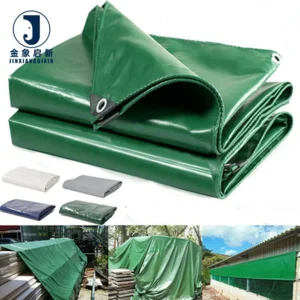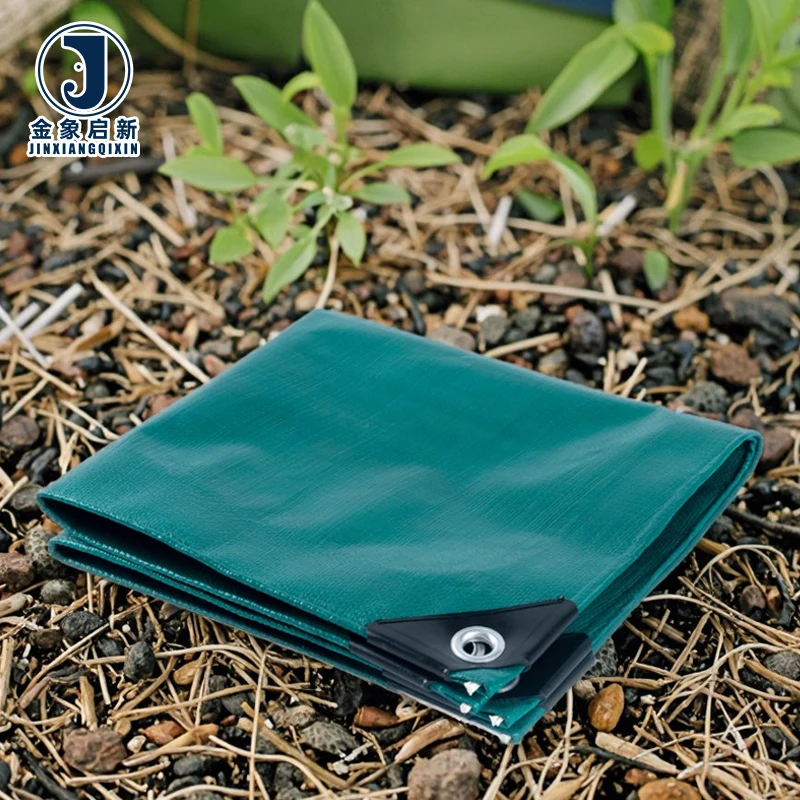
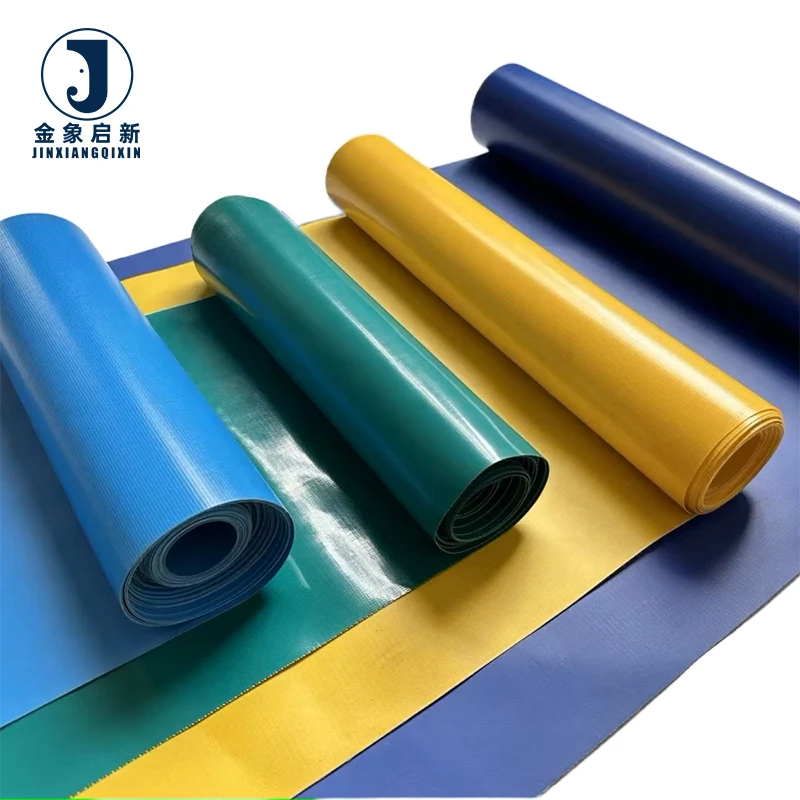
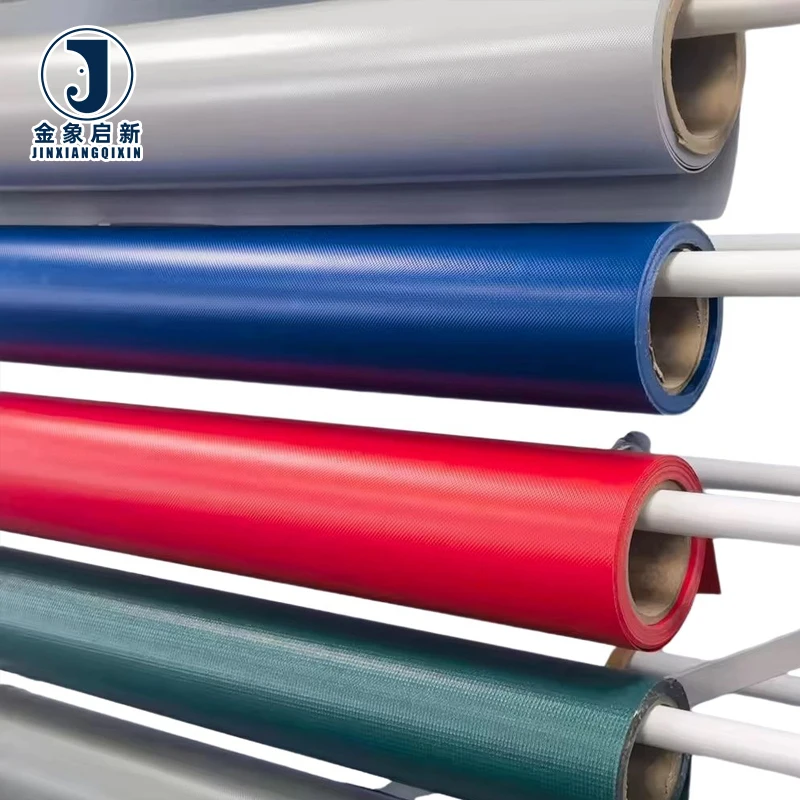
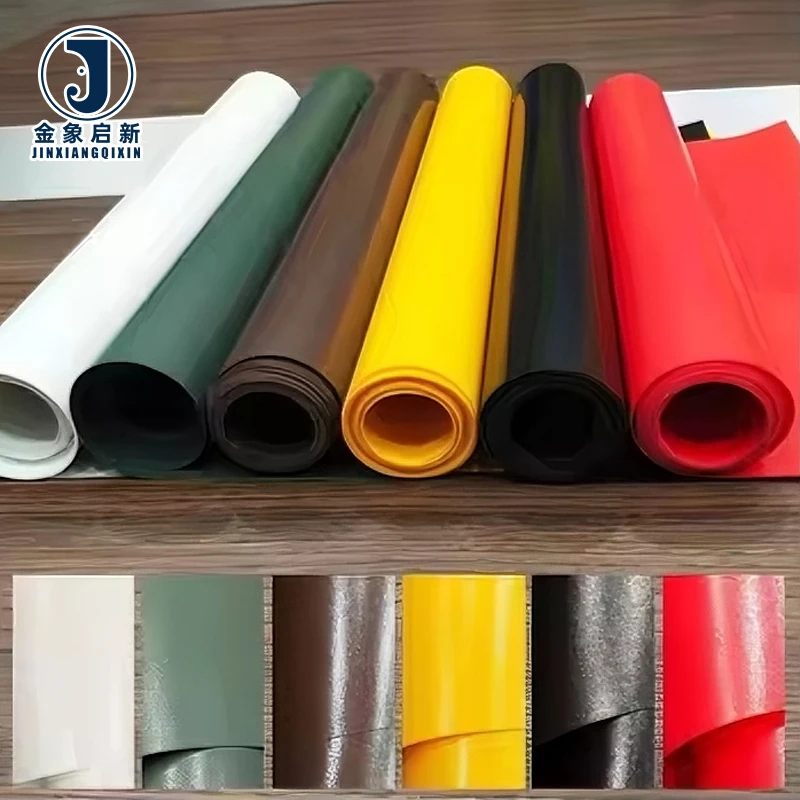
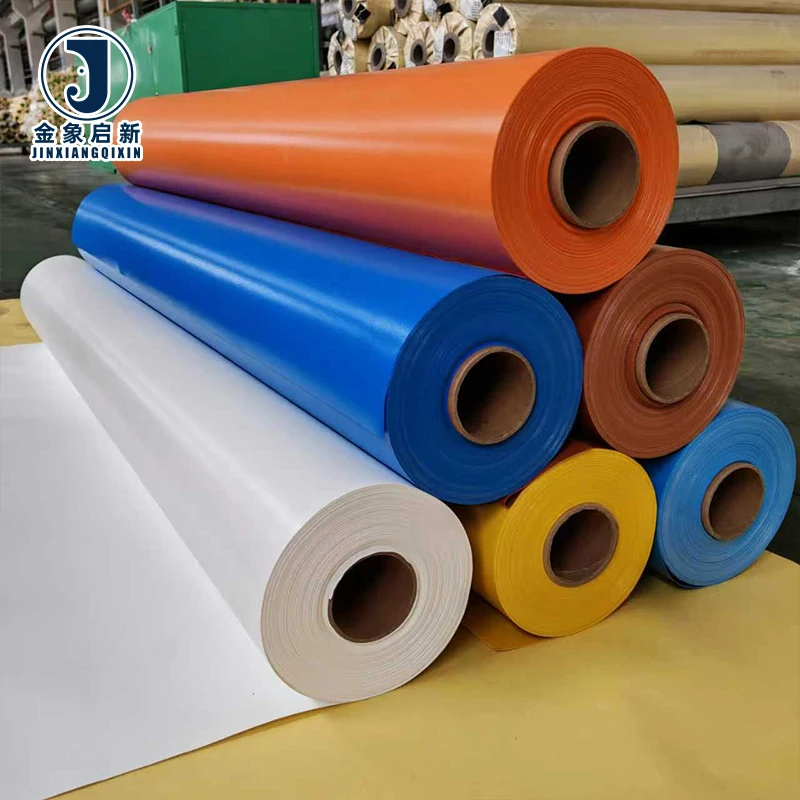
PVC Tarpaulin 350–750gsm, 0.32–0.65mm, High-Tenacity Polyester Mesh Base — available in roll stock or finished cut sizes with reinforced hems and eyelets.
- Laminated and hot-melt coating processes deliver consistent adhesion and controlled GSM across every roll, reducing seam failure at high-flex points.
- Custom width, colour and branding supported with flame retardant and anti-static treatment options backed by test reports.
Backed by 30 years of coating process control and 100% pre-shipment roll inspection.
Description
Full Custom Range — from roll stock to finished truck and tent covers, backed by in-house coating control and sample development for every specification you confirm.
Technical Specifications
| Parameter | Value |
|---|---|
| Product Type | PVC Tarpaulin |
| Base Fabric | High-strength polyester mesh |
| Coating Technology | Laminated & hot-melt coating |
| Weight Options | 350 GSM / 420 GSM / 500 GSM / 550 GSM / 600 GSM / 750 GSM |
| Thickness Options | 0.32 mm / 0.35 mm / 0.4 mm / 0.45 mm / 0.5 mm / 0.65 mm |
| Roll Dimensions | 2 m × 75 m or 2.1 m × 50 m |
| Finished Size | Custom cut to requirement or sold from inventory |
| Colour Range | Blue, Red, Yellow, Light Blue, Grey, or custom colour |
| Special Treatments | Flame retardant, anti-static, anti-cold, anti-mildew, 3P (grade to be confirmed per market requirement) |
| Key Features | Cold crack resistance, waterproof, sunproof, colour fastness, high tearing strength for welding |
| Standards | ISO, CE |
Application Suitability
| Application | Exposure & Requirement |
|---|---|
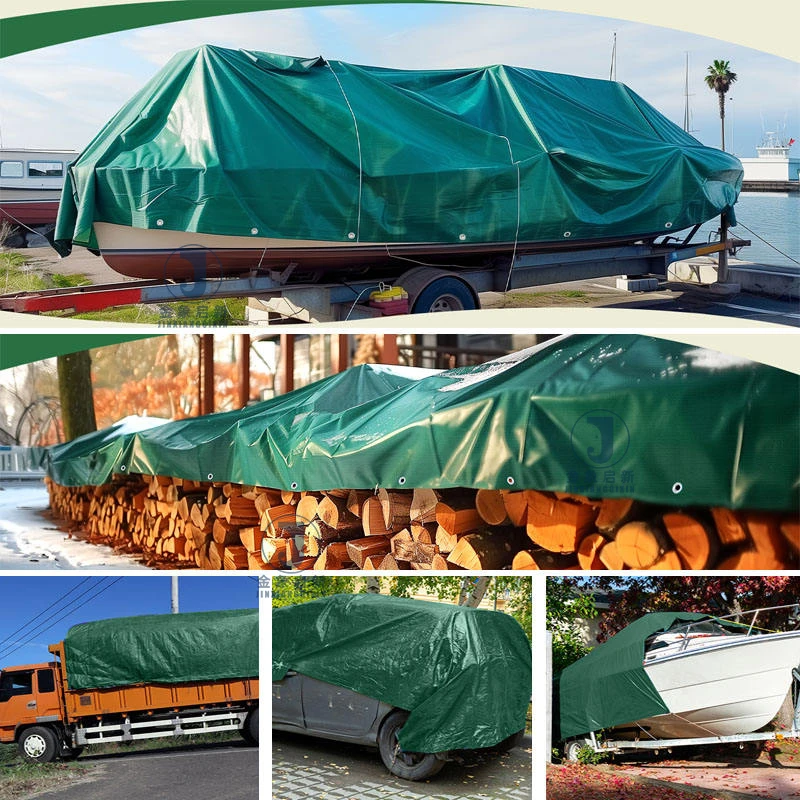
| Truck side curtains and trailer covers | Constant flexing at load points, road abrasion, rain and UV exposure, tie-down stress at hems |
| Construction site enclosures and scaffolding wraps | Wind load, debris impact, prolonged sun exposure, repeated installation and removal |
| Tent and awning fabrication | Tensile load at frame points, waterproofing under sustained rain, colour consistency across panels |
| Agricultural stock covers and pond liners | Permanent moisture contact, soil chemistry, puncture risk from sharp substrates |
| Equipment and machinery covers | Outdoor storage, dust ingress, UV degradation, thermal expansion and contraction |
| Cargo ship and marine deck covers | Salt spray, heavy wind load, standing water, UV at sea level |
Why the Wrong PVC Knife-Coated Tarpaulin Fails Before the Fabric Does
Most tarp failures happen at the seam, not in the body of the material.
When you specify a coated fabric for a truck cover or an industrial tent, the panel surface rarely tears first. The breakdown starts where two pieces meet — the welded seam or the stitched hem under tie-down tension. If the coating adhesion is weak, the heat weld peels apart under flexing loads long before the polyester base reaches its tensile limit. I have watched heavy-grade coated rolls fail at the weld line while the body of the fabric sat untouched [NEED_CITE: tensile and tear test methods for coated fabrics per ISO 1421]. The PVC knife-coated tarpaulin you choose must be engineered for weld integrity, not just surface weight.
Coating Adhesion and What It Means for Welded Seams
Laminated and hot-melt coating processes produce different adhesion profiles between the PVC layer and the polyester mesh. Hot-melt coating drives the compound into the weave under heat and pressure, producing a bond that withstands the thermal cycling of high-frequency welding. When you order PVC knife-coated tarpaulin for applications requiring field welding — side curtains, large tent panels, or custom equipment enclosures — the coating method directly determines whether the seam holds or delaminates under flex load.
Matching GSM to the Actual Load Path
A higher GSM reading does not automatically mean a stronger cover. The base fabric denier and weave density carry the tensile and tear load, while the coating weight contributes to puncture resistance, waterproofing, and UV shielding. A 550 GSM fabric with a dense polyester mesh can outperform a 750 GSM fabric built on a lighter base when both are subjected to the same tie-down stress on a flatbed trailer. [NEED_CITE: relationship between base fabric density and tear propagation in coated textiles] Specifying by application load, not by weight alone, prevents overpaying for coating you do not need or underestimating the base fabric your load path demands.
Reading the Spec Sheet Beyond the Weight Number
Thickness, coating method, and base yarn tenacity together define how the material behaves in service. A 0.5 mm thickness achieved through heavy lamination gives strong puncture resistance for construction enclosures but adds stiffness that makes tight folding difficult for tent manufacturers. A 0.4 mm hot-melt coated fabric at the same weight stays more pliable, which matters when a tent crew needs to pack the structure quickly. The polyester yarn tenacity — standard or high-tenacity — determines whether a small nick from a forklift fork stays local or propagates across the full panel. Cold crack resistance treatment sets the lower temperature boundary before the PVC embrittles, which is critical for fleets operating through winter months or in cold-chain logistics.
The Real Cost of a Specification Mismatch
Ordering a PVC knife-coated tarpaulin without confirming the flame retardant grade your local authority requires can mean an entire installation fails inspection after it is already hung — full removal, re-fabrication, and project delay. A colour variance between rolls in a single shipment becomes visible the moment two panels are installed side by side on a truck trailer or tent wall, forcing selective replacement that disrupts your production schedule. Welding parameters set for one coating thickness will burn through a lighter grade or under-bond a heavier one, so every change in material specification requires a fresh weld test before production runs begin [NEED_CITE: DIN 4102 fire classification for building materials]. These are not theoretical risks; they are line-item costs on rework orders I have seen cross my desk.
Why Fabricators Source This Range Here
Three full production lines with 36 sets of professional equipment mean your roll order is not competing with a single machine’s schedule for delivery slots. A 10-person R&D team develops samples within days for custom width, colour, or branding requirements, so you confirm the material before committing to a production run. Every roll passes a 100% inspection checkpoint before shipment — coating weight, colour consistency, and weld-ability are verified against the specification sheet you approved. Laminated and hot-melt coating capability under one roof means the correct process is selected for your application rather than forcing every order through one method. ISO and CE documentation ships with your order, not as an afterthought when your customs broker asks for it.
Documentation & Verification
- Material specification sheet confirming GSM, base fabric type, coating weight, and colour reference for every roll
- Flame retardant and anti-static test reports matching the grade required by your project specification
- Pre-shipment inspection record showing individual roll weight verification against the quoted GSM
- ISO and CE certificates included with commercial invoice for customs and site compliance
- Certificate of origin and packing list detailing roll count, dimensions, and net weight per container
Fabrication, Handling & Storage
- High-frequency welding at matched temperature settings for each thickness grade — test weld first on every new PVC knife-coated tarpaulin batch
- Reinforce hem areas with additional PVC strip or webbing before inserting eyelets to distribute tie-down load
- Store rolls upright on pallets in shaded, ventilated areas to prevent flat-spot deformation on the coating surface
- Allow cold-stored rolls to reach ambient temperature before unrolling to avoid cracking the anti-cold treated PVC layer
- Use mild soap solution for cleaning; avoid solvent-based cleaners that attack the plasticiser in the hot-melt coating
- Cut panels with allowance for thermal expansion — PVC coated polyester expands and contracts with temperature swings
What to Include in Your Enquiry
Send your application type, the exposure conditions the cover will face, and the GSM or thickness range you are targeting. If your market requires a specific flame retardant or anti-static grade, state the standard so the correct treatment is applied from the first sample. Let us know whether you need roll stock in standard widths or finished covers cut to your trailer model dimensions, and confirm your colour reference or Pantone code for batch consistency across the full order.
Frequently Asked Questions
Q: How is GSM verified on arrival against the quotation?
A: Every roll is weighed and measured on a calibrated gsm scale before dispatch, and the recorded value is logged on the pre-shipment inspection report that travels with your shipment. You can re-test on arrival using the same method — cut a defined area, weigh it, and calculate grams per square metre to confirm it matches the documentation provided.
Q: Can flame retardant performance be supported with a test report?
A: Yes. Flame retardant treatment is available in grades matched to regional standards. Specify the classification your project requires and the test report covering that grade will be supplied with your documentation package. Confirm the grade before sampling to ensure the correct compound is used.
Q: What is the lead time for custom width, colour, or branding?
A: Custom colours and widths require a sample approval step before bulk production begins. Once the sample is confirmed, production is scheduled across the available lines. Typical timelines depend on order volume and the complexity of the custom requirement — enquire with your specifications for a confirmed schedule.
Q: How is colour consistency maintained across multiple rolls in one order?
A: All rolls in a single order are produced from the same compound batch and inspected side by side under controlled lighting before packing. The colour reference from your approval sample is the benchmark for every roll, and any deviation outside the agreed tolerance triggers a hold and review before the roll is released.
Q: What welding and seam options are available for high-flex areas?
A: Hot-melt coated grades are designed for high-frequency and hot-air welding with strong peel resistance at the bond line. For high-flex zones such as truck side curtain edges and tent corners, additional PVC strip reinforcement or webbing can be specified at the hem. Weld parameters should be tested on a sample piece before full production.
Related products
-
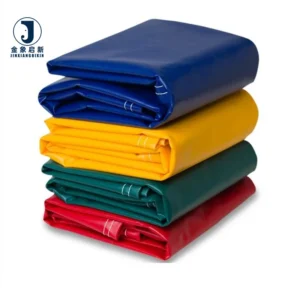
PVC Knife-Coated Fabric 500gsm 600gsm for Truck Cargo Cover – Custom Made
Read more -
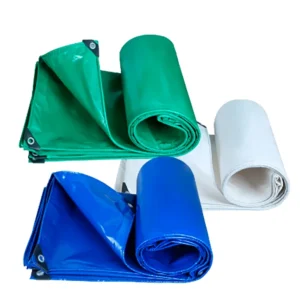
JX Customizable Waterproof Anti-UV Knife Tarpaulin Tents Canopies Awnings PVC Coated Plain Style Wrinkle Resistant Solid
¥2.49 Add to cart -
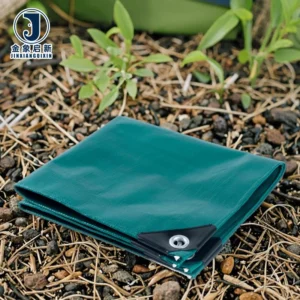
Plastic Tarpaulin PVC Material Truck Tarpaulin Tent Tarpaulin Green Color Heavy Duty High Quality
¥0.90 Select options This product has multiple variants. The options may be chosen on the product page -
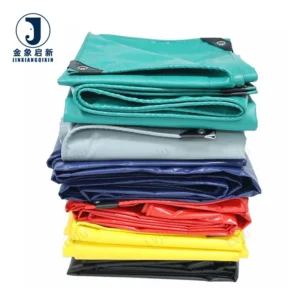
500 GSM PVC Knife-Coated Fabric for Tent & Truck – Custom Made
Read more