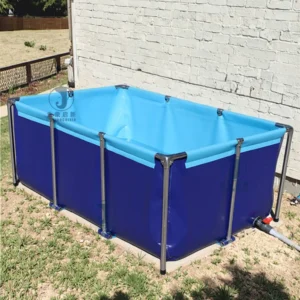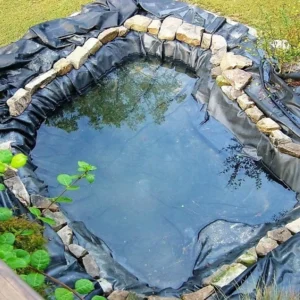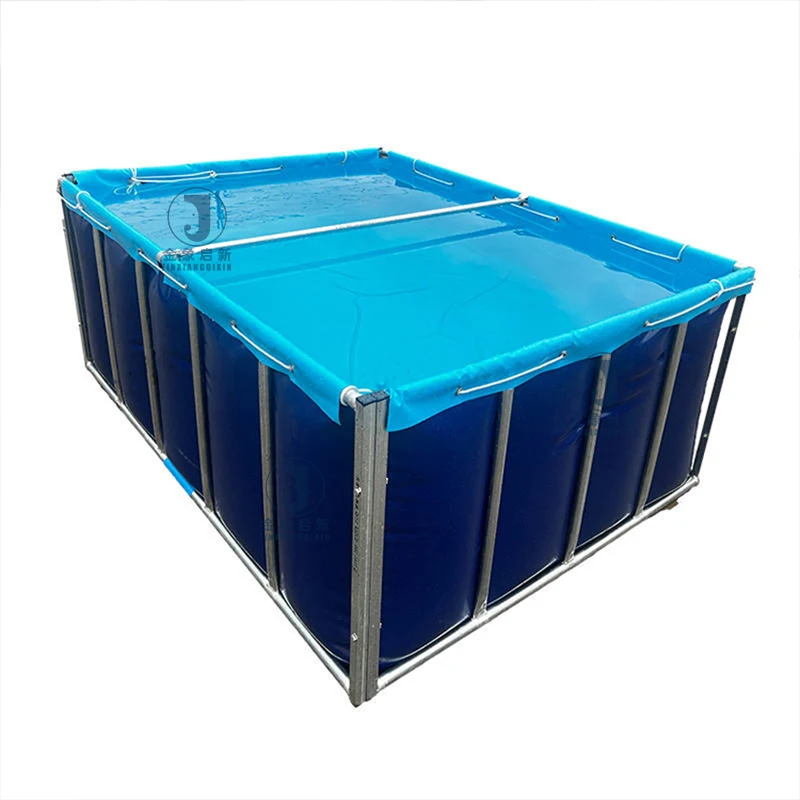
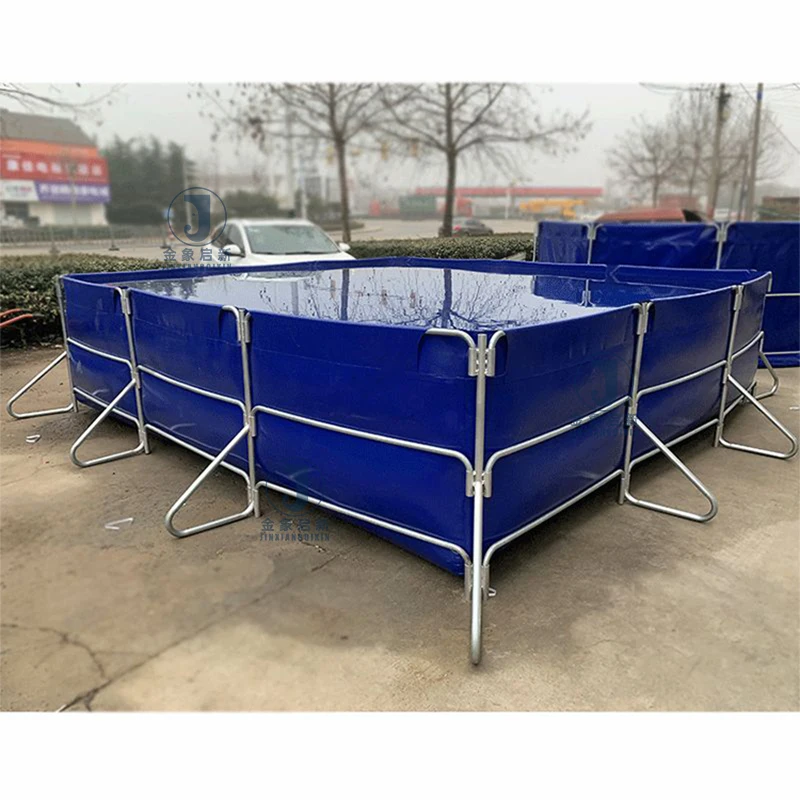
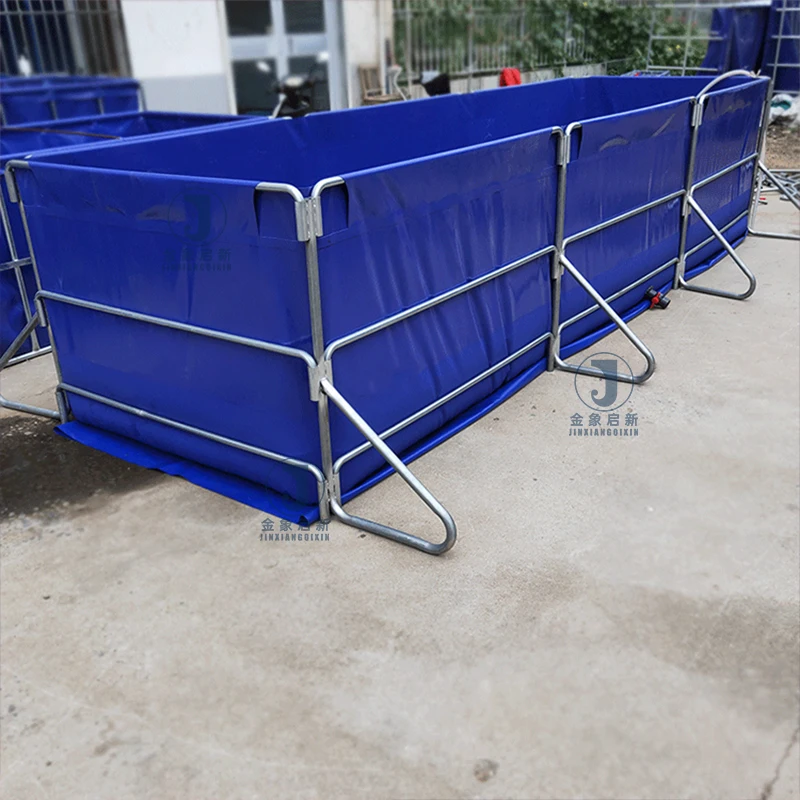
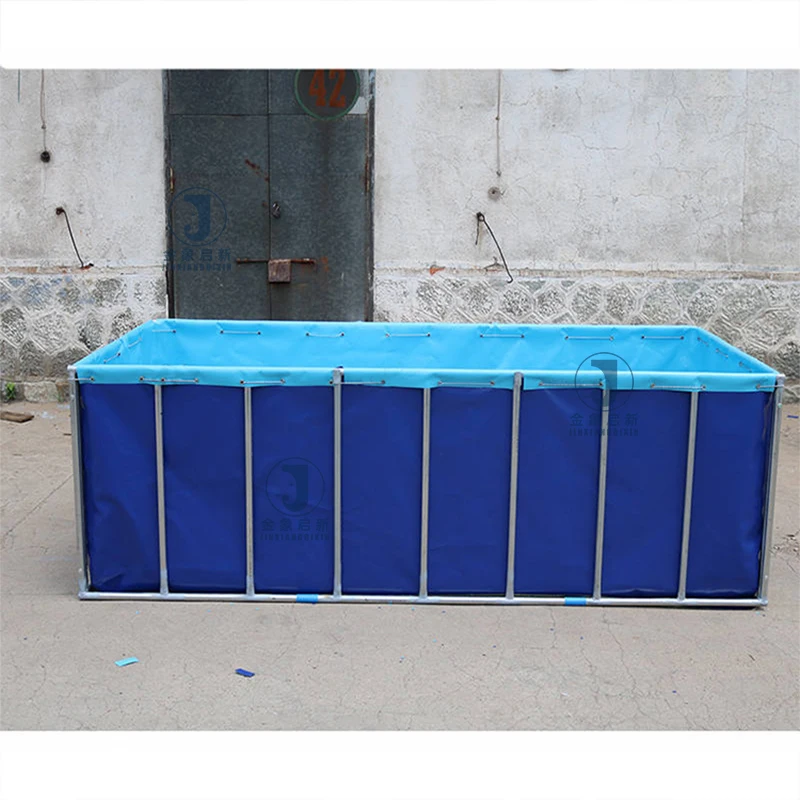
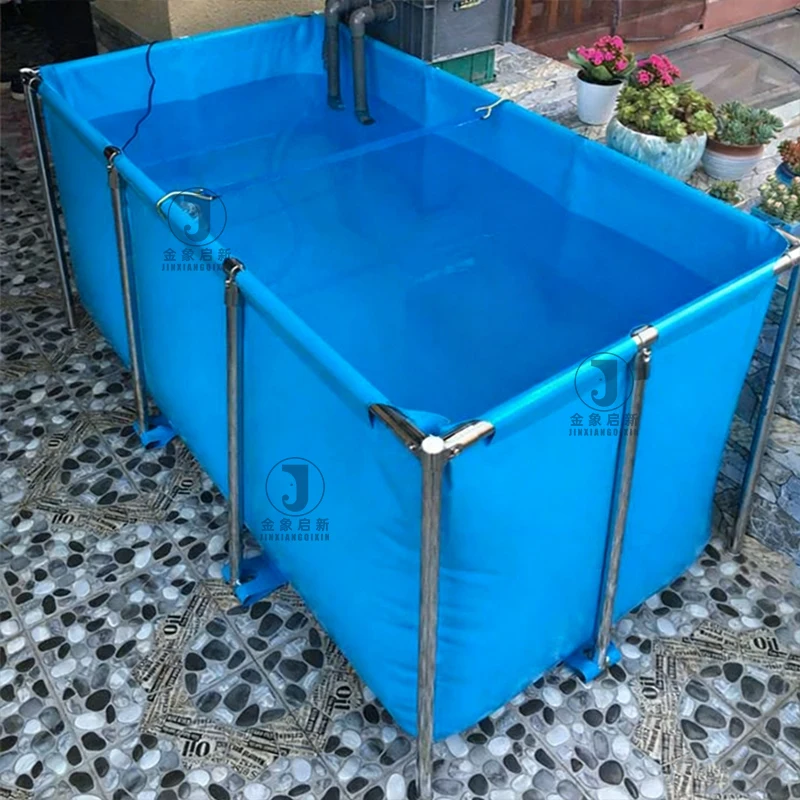
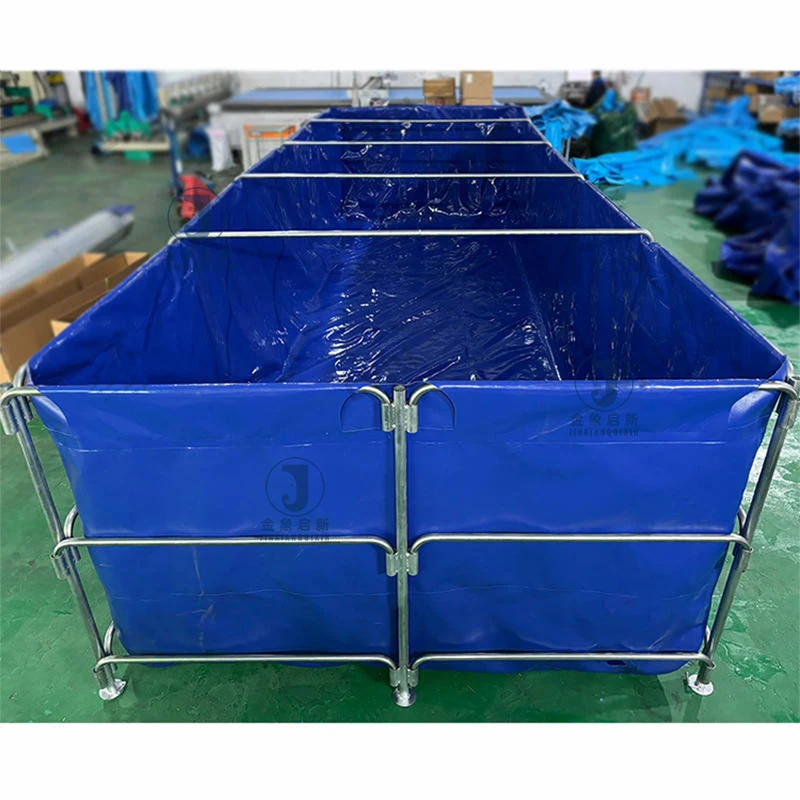
PVC Coated Tarpaulin for Fish Pond — 350–750gsm options, high-strength polyester mesh base, hot-melt laminated coating for superior peel strength and weldable seams.
- Cold crack resistant and anti-mildew treated for continuous water containment
- Roll stock at 2m×75m or 2.1m×50m, with custom cut sizes available
- Multiple GSM grades let you match liner thickness to pond depth and hydrostatic load, avoiding over-specification on shallow installations
Three full production lines and a 10-person R&D team deliver consistent roll-to-roll colour and weight, backed by 100% pre-shipment inspection.
Description
Full catalogue depth — Three production lines with 36 sets of professional equipment ensure every PVC coated tarpaulin roll, from lightweight pond liners to heavy-duty reservoir sheets, leaves the facility within stated tolerances.
Technical Specifications
| Parameter | Value |
|---|---|
| Product Type | PVC Coated Tarpaulin |
| Base Fabric | High-strength polyester mesh |
| Coating Technology | Laminated technology & Hot-melt coating technology |
| Weight Options | 350gsm / 420gsm / 500gsm / 550gsm / 600gsm / 750gsm |
| Thickness Options | 0.32mm / 0.35mm / 0.4mm / 0.45mm / 0.5mm / 0.65mm |
| Roll Size | 2m × 75m / 2.1m × 50m |
| Finish Product Size | Custom cut sizes or inventory stock |
| Color Options | Blue / Red / Yellow / Light blue / Grey (Customizable) |
| Key Features | Cold crack resistance, Anti-mildew, Anti-static treatment, Waterproof, Sunproof, Good color fastness, Outstanding tearing strength for welding |
| Special Treatments | Flame retardant (grade not stated — confirm the grade required for your market), Anti-static, Anti-cold, Anti-mildew, 3P |
| Standards | ISO, CE |
Application Suitability
| Application | Exposure & Requirement |
|---|---|
| Commercial fish pond lining | Permanent water immersion, soil chemistry contact, puncture risk from substrate, long-term UV exposure |
| Above ground swimming pool with metal frame | Constant hydrostatic pressure, frame abrasion at contact points, repeated seasonal assembly and disassembly |
| Reservoir and water storage lining | Large surface area coverage, UV degradation over extended periods, water containment integrity |
| Agricultural irrigation pond | Seasonal filling and draining, algae and mildew exposure, mechanical damage from equipment |
| Aquaculture tank and pool | Continuous water contact, chemical treatment exposure, high tear demand during installation |
Why GSM Alone Does Not Tell You How Watertight a Pond Liner Will Be
GSM tells you what the fabric weighs, not whether the coating has fully penetrated the mesh to prevent water migration at the seams.
When sourcing PVC tarpaulin for fish pond aftermarket supplier requirements, buyers often focus on the quoted GSM and assume the water containment is guaranteed. I have seen coated fabric arrive at the correct weight yet fail at welded seams within months because the hot-melt coating had not bonded through the full thickness of the polyester mesh [NEED_CITE: tensile and tear test methods for coated fabrics per ISO 1421]. The water pressure at the flex points of a pond liner or pool wall puts the seam under constant stress, and if the coating adhesion is weak, the failure happens long before the fabric itself degrades. Weight verification on arrival is necessary but not sufficient.
Coating Adhesion and Seam Integrity for Water Containment
Selecting the right PVC tarpaulin for fish pond aftermarket supplier needs starts with understanding how the coating process affects performance in the field. Laminated and hot-melt coating technologies both bond PVC to the polyester mesh base, but they behave differently under welding. Hot-melt coating tends to produce a more uniform coating thickness across the mesh, which gives the heat welder a consistent melt zone when joining two panels. This matters for pond liners where the seam must hold against hydrostatic pressure for the entire service life. Laminated technology, on the other hand, can deliver thicker PVC layers that add puncture resistance at the cost of slightly more demanding welding parameters.
Matching Weight Grade to Water Depth and Frame Load
The available weight options from 350gsm through to 750gsm correspond to different demands on the material. A shallow aquaculture pond may function well at lower GSM grades, while a deep above ground pool with a metal frame requires a heavier fabric that resists stretching under water pressure and does not deform around the frame contact points. Thickness options ranging from 0.32mm to 0.65mm provide a parallel selection axis: a thicker coating layer adds abrasion resistance against the metal frame and the pond substrate, but also increases roll stiffness, which affects handling during installation [NEED_CITE: coated fabric thickness and tensile behaviour correlation].
How Base Fabric and Coating Work Together
The high-strength polyester mesh base fabric provides the tensile and tear skeleton of the tarpaulin. The coating fills the mesh gaps and creates the waterproof barrier. GSM alone does not tell you the ratio between base fabric weight and coating weight — a 550gsm fabric with a heavy coating on a light mesh will have different tear behaviour than a 550gsm fabric with a lighter coating on a denser mesh. For pond liners and pool walls, the mesh density matters because punctures from substrate stones or frame edges propagate differently through a tight weave versus an open one. Coating technology — whether laminated or hot-melt — determines how well the PVC locks into the mesh intersections, which directly affects the tearing strength available at welded seams.
What Happens When the Wrong Grade Goes Into the Ground
A pond liner specified too thin for the depth will stretch under water load, pulling the welded seams apart at the corners where stress concentrates. Fabric ordered in a colour that varies between rolls becomes visible once installed side by side across a large reservoir or pool, and the entire batch may need to be rejected on aesthetic grounds alone. If cold crack resistance was not specified for a region that sees freezing winters, the PVC becomes brittle and cracks at fold lines during installation or seasonal reassembly [NEED_CITE: cold crack test standards for PVC coated fabrics]. These failures do not show up on the quotation — they show up in the field, after the water is already in the pond.
Why Buyers Keep the Specification Process In-House Here
Every roll of PVC coated tarpaulin produced for pond and pool applications goes through weight verification before dispatch, not just at the quoting stage. The 10-person R&D team handles material selection and sample development so you can test coating adhesion and seam weld quality on your own equipment before committing to bulk. Three full production lines support the volume required for large-scale aquaculture projects without splitting your order across multiple batches with different colour runs. Pre-shipment inspection covers roll-to-roll colour consistency, which prevents the visible mismatch problem when panels are installed adjacent to one another. Custom widths and cut sizes are developed from sample stage onward, reducing the trial-and-error that slows down pond or pool fabrication.
Documentation & Verification
- Material specification sheet stating exact GSM, base fabric type, coating technology, and colour reference per roll
- Weight verification record per roll against stated GSM before dispatch
- UV and flame retardant test reports supplied where applicable to the grade specified
- ISO and CE certificates included with shipment documentation
- Pre-shipment inspection record confirming colour consistency and coating adhesion across the order
- Roll packing list with individual roll weights and dimensions for receiving verification
Fabrication, Handling & Storage
- Hot-melt coated rolls weld at standard PVC parameters; test seam peel strength on a scrap piece from the same roll before production
- Laminated fabric at 600gsm and above requires slightly higher heat or longer dwell time to ensure full coating fusion at the weld
- Store rolls upright on a flat surface to prevent flat spots that show as visible creases when the pond liner is unrolled on site
- Cold crack resistant grades must still be unrolled above freezing temperature to avoid micro-cracking at fold lines during installation
- Anti-mildew treatment does not replace regular cleaning; use mild detergent and avoid solvent-based cleaners that attack the PVC coating
- For custom cut pond liners, plan panel layout to minimise welded seams at the deepest point where hydrostatic pressure is highest
What to Include With Your Inquiry
Provide the intended application — whether a lined fish pond, above ground pool with metal frame, or reservoir — along with approximate dimensions and water depth so the correct GSM and thickness can be recommended. Specify your target market so that any flame retardant or anti-static grade can be matched to the local compliance requirement [NEED_CITE: regional fire classification standards for coated fabrics]. Confirm whether you need rolls for your own fabrication line or finished cut sizes with welded seams, and state your colour requirements and whether a pre-production sample is needed for approval.
Frequently Asked Questions
Q: How do I verify the GSM matches what was quoted for my pond liner order?
A: Every roll is weighed and recorded against the stated GSM before dispatch, and the weight verification record is included in the shipment documentation. You can also request a pre-shipment sample cut from the production roll to confirm on your own scales. If the GSM does not match, the roll is held and reworked before it leaves the facility.
Q: Can you supply test reports for UV and flame retardant grades?
A: Test reports are provided where the grade has been specified and tested. For flame retardant treatments, confirm the grade your market requires — available options exist but the specific classification must be matched to your local standard. UV test data is supplied for grades that include anti-UV treatment in the coating formulation.
Q: What is the minimum order for a custom width or colour?
A: Custom widths and colours are produced on dedicated runs, and the minimum depends on the specific GSM and coating configuration required. Samples are developed within days so you can approve the colour, weight, and weld performance before the bulk production begins. Contact with your exact width and colour reference for a specific minimum.
Q: How do welded seams perform compared to the fabric itself?
A: The hot-melt coating technology produces a consistent melt zone that allows the welded seam to reach high peel strength relative to the base fabric. The tearing strength specification is oriented toward welding performance, meaning the fabric is designed so the seam does not become the weakest point under hydrostatic load in a pond or pool installation.
Q: Can I get a sample before placing a bulk order for pond liner fabric?
A: Samples are developed within days for custom requirements including specific GSM, colour, and treatment combinations. The sample is cut from production-grade material so you can test weld parameters, seam peel strength, and colour match on your own equipment before the full order enters production.
Related products
-
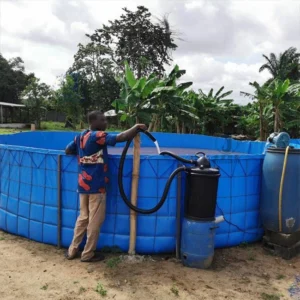
PVC Tarpaulin for Fish Pond – Custom Made
Read more -
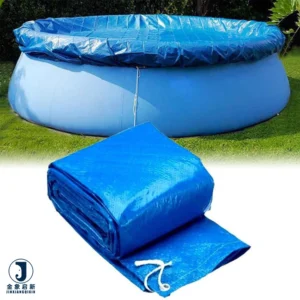
Custom PVC Pond Liner for Fish Ponds – Manufacturer
Read more -
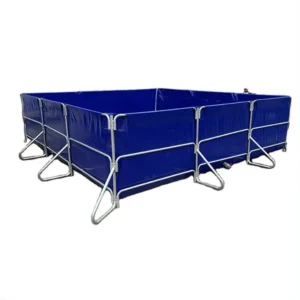
Custom Made PVC Fish Pond Tarpaulin for Circular & Rectangular Tanks
Read more -
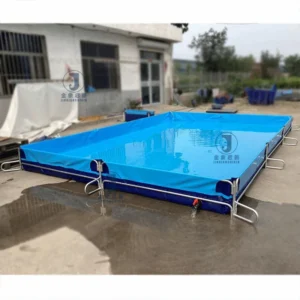
Custom Blackout Plain Flexible Foldable PVC Tarpaulin Fish Tank 500gsm PVC Coated Roll
¥1.00 Select options This product has multiple variants. The options may be chosen on the product page