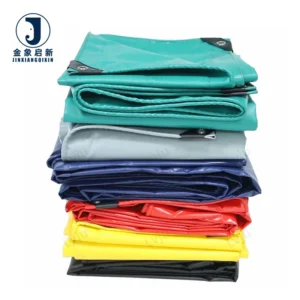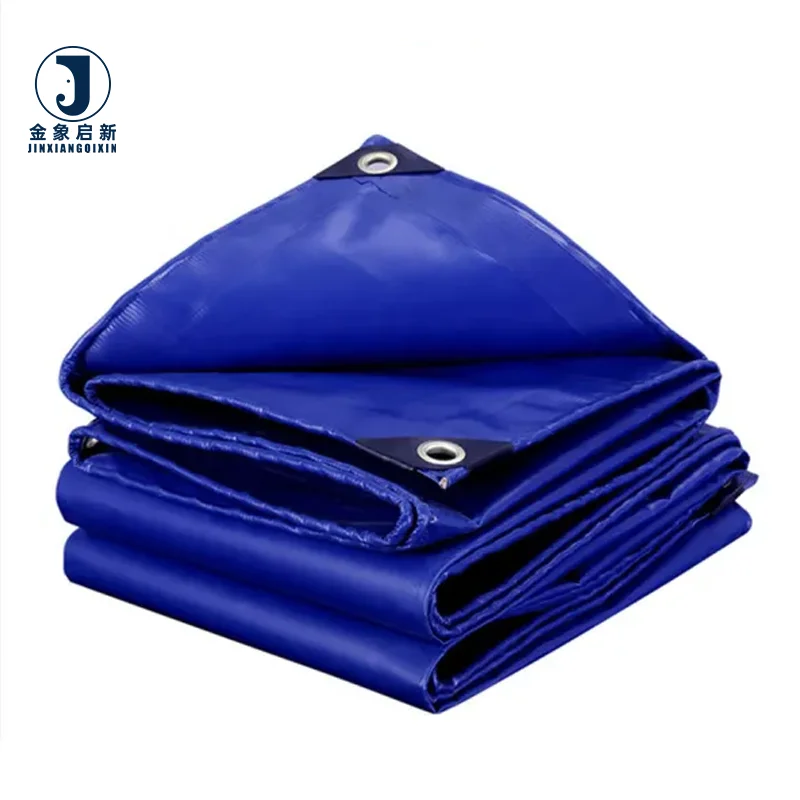
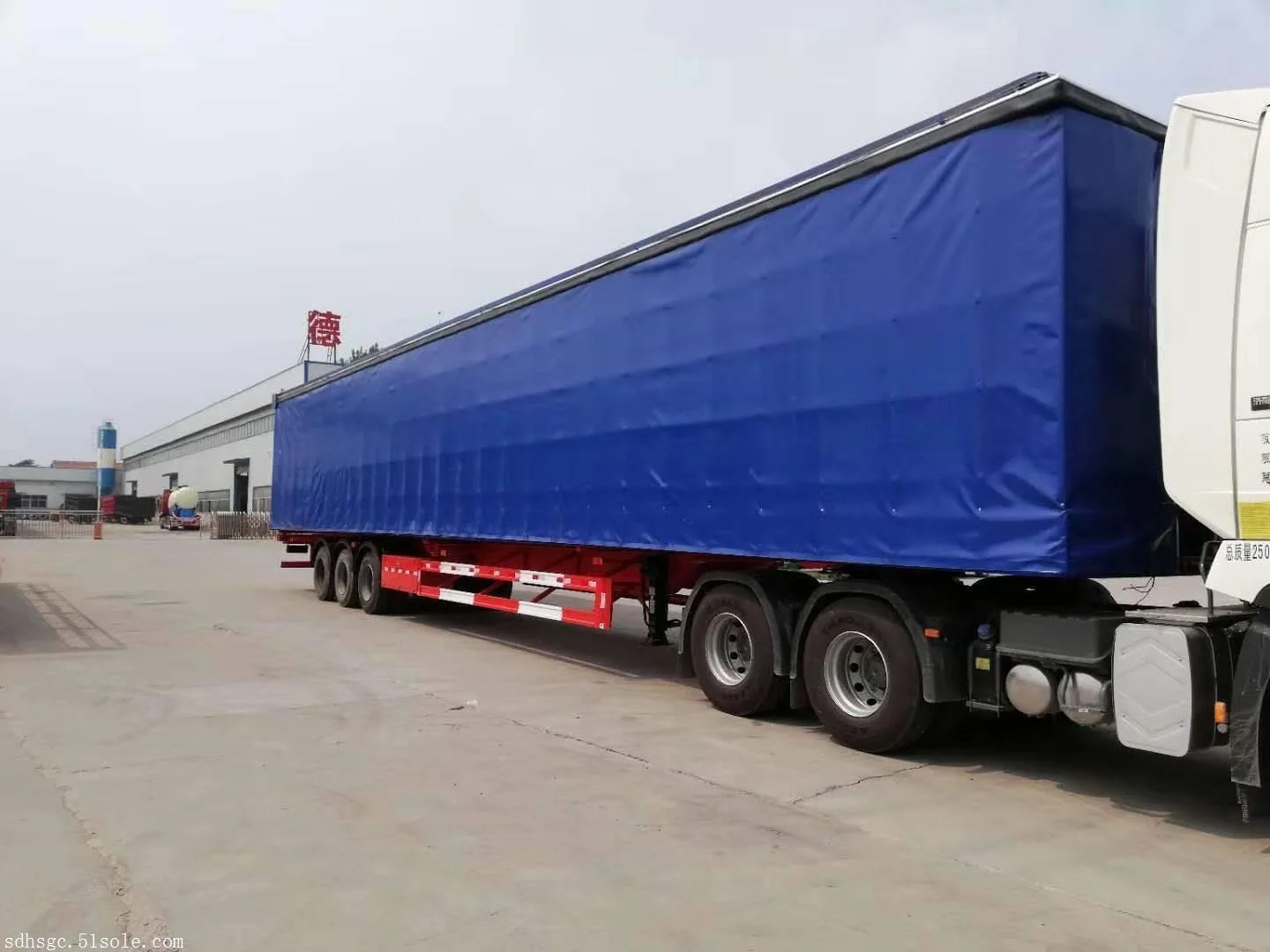
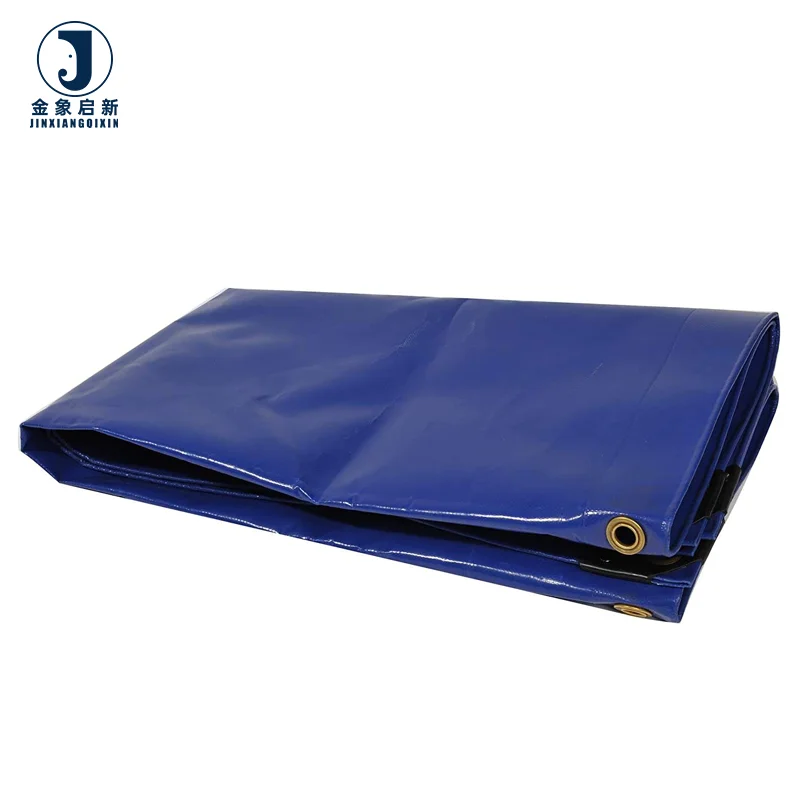
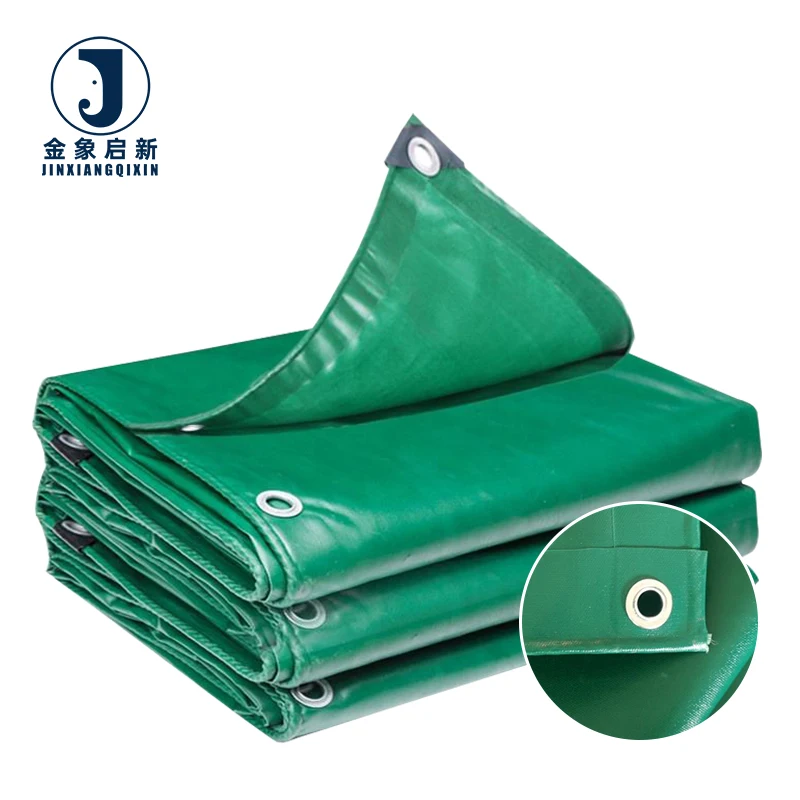
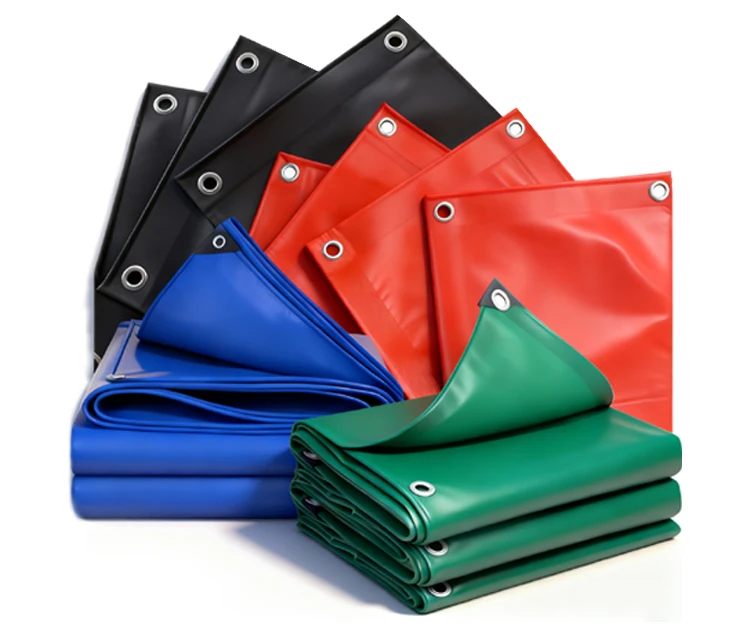
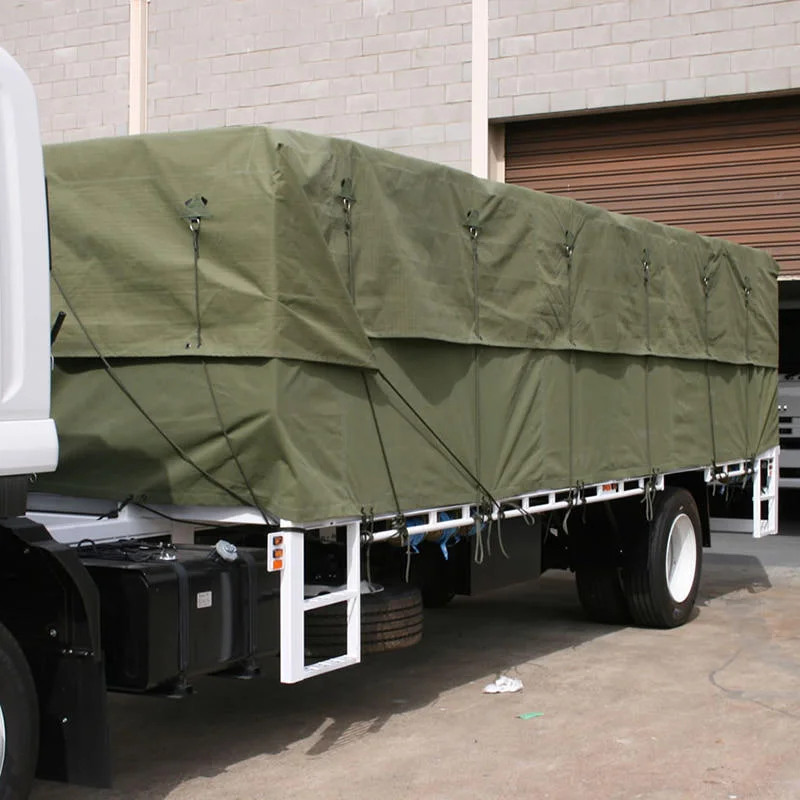
PVC Knife-Coated Tarpaulin Fabric, 350–750 gsm, Hot-Melt Coated — available in multiple thickness grades from 0.32 mm to 0.65 mm with anti-mildew, anti-static and UV-resistant treatments for truck canopy and lorry tarpaulin covers.
-
Hot-melt coating bonds PVC to high-strength polyester mesh, delivering consistent adhesion and reliable weld seam integrity at flex points where loads shift most
-
Roll and cut sizes available with batch-to-batch colour verification before dispatch
-
10-person R&D team supports full customisation on width, length, colour and treatment within days
-
Three production lines with 36 sets of equipment ensure bulk capacity and on-time delivery
-
100% pre-shipment inspection with roll-by-roll documentation for every order
Description
Deep Process Control Over Coating Weight — Every roll of PVC knife-coated tarpaulin fabric is measured against the quoted GSM at multiple production stages, ensuring the weight you specify is the weight that ships.
Technical Specifications
| Parameter | Value |
|---|---|
| Product Type | PVC Knife-Coated Fabric |
| Material Composition | PVC coating on high-strength polyester mesh fabric |
| Manufacturing Technology | Laminated technology & Hot-melt coating technology |
| Weight (GSM) | 350 gsm / 420 gsm / 500 gsm / 550 gsm / 600 gsm / 750 gsm |
| Total Thickness | 0.32 mm / 0.35 mm / 0.4 mm / 0.45 mm / 0.5 mm / 0.65 mm |
| Roll Width | 2 m, 2.1 m |
| Roll Length | 75 m (for 2 m width), 50 m (for 2.1 m width) |
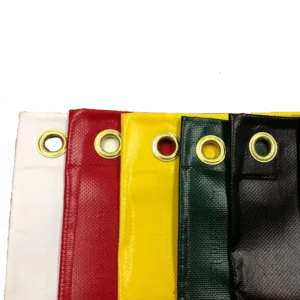
| Color Options | Blue, Red, Yellow, Light Blue, Grey (custom colors available) |
| Surface Finish | High color fastness |
| Key Features | Anti-mildew, anti-static, waterproof, UV-resistant (sunproof), cold crack resistance — all stated (test basis not stated in source, confirm grade for your market) |
| Service Life | 3–7 years under normal conditions |
| Certification | ISO, CE (company-level) |
| Printing Option | Custom printing available |
Application Suitability
| Application | Exposure & Requirement |
|---|---|
| Truck canopy and lorry tarpaulin covers | Constant flexing at load points, road debris abrasion, prolonged UV and weather exposure |
| Cargo ship covers | Salt-laden atmosphere, heavy wind loading, long-term moisture contact |
| Tent and awning fabric | Repeated assembly and folding, sun exposure, wind-driven rain resistance |
| Fish tank and pool liners | Permanent water immersion, chemical exposure from treatment agents, puncture risk from substrate |
Why the Quoted GSM Is Only the Starting Point for PVC Coated Tarpaulin Fabric
GSM tells you what the fabric weighs, not how the coating bonds to the base mesh or whether the weld seams will hold under real load.
Buyers regularly open a container to find the PVC coated tarpaulin rolls feel lighter than expected. A 500 gsm quotation does not guarantee 500 gsm on arrival when process control is loose at the coating stage. Coating weight and base fabric density together determine how the material behaves under tension and at the flex points where truck tarps fail most often. I have seen coated fabric pass a bench-top GSM check yet still delaminate at the weld because the hot-melt adhesion was inconsistent across the roll width [NEED_CITE: tensile and tear test methods for coated fabrics per ISO 1421].
Coating Technology and What It Means for Your Fabrication Line
The choice between laminated and hot-melt coating technology affects how PVC knife-coated tarpaulin fabric performs once it reaches your workshop. Hot-melt coating forces PVC into the polyester mesh under heat and pressure, producing a bond that resists delamination during high-frequency welding. Laminated construction layers the coating onto the mesh surface, which can offer a smoother finish for applications where surface appearance matters. Understanding which method was used helps you set the correct welding temperature and dwell time on your equipment, reducing scrap from burnt or under-bonded seams.
Color Consistency Across Rolls in the Same Shipment
When a fleet operator orders twenty rolls of blue tarpaulin for a trailer refurbishment programme, visible shade variation between rolls installed side by side is unacceptable. Color consistency depends on pigment dosing accuracy during the compounding stage and on maintaining stable coating temperatures across the production run. Every batch of this PVC coated tarpaulin manufacturer output is checked for shade alignment before dispatch. If you require a custom Pantone match or a specific color reference for a repeat order, submitting a target swatch at the inquiry stage allows the production team to develop a sample within days [NEED_CITE: color fastness testing methods for coated textiles].
Reading the Specification Sheet Beyond the GSM Number
A 600 gsm PVC knife-coated fabric with a 0.5 mm total thickness tells you the coating-to-mesh ratio is balanced for applications where both flexibility and puncture resistance matter. Thicker coatings at the same GSM indicate a lighter base mesh, which may reduce tear propagation resistance. The polyester mesh denier and warp-weft density determine how a puncture or cut spreads through the fabric — a tightly woven base arrests tear propagation far more effectively than an open weave, regardless of total weight. Cold crack resistance matters when tarps are deployed or folded in sub-zero conditions, as PVC that becomes brittle will crack at fold lines before the base fabric yields.
What Happens When Batch Color Varies or Coating Weight Falls Short
A truck side curtain fabricated from rolls with inconsistent color forces the fleet to reject the entire installation, because the shade mismatch is visible from the roadside. Similarly, when coating weight falls below the quoted GSM at the edges of the roll, those sections wear through first at tie-down contact points. Weld seams placed over under-coated areas fail to bond properly during high-frequency welding, and the seam splits before the fabric itself reaches its tensile limit. These failures are not visible at the point of purchase — they surface weeks or months after the finished cover enters service [NEED_CITE: common failure modes in PVC coated fabric at welded seams].
Why Sourcing PVC Knife-Coated Fabric Through This Facility Works
Three full production lines and thirty-six sets of professional equipment mean your order for multiple GSM grades and colors can be scheduled without bottlenecking on a single machine. The ten-person R&D team develops custom samples for width, color, and printing requirements, turning around proofs within days rather than weeks. Every roll undergoes dedicated QA/QC inspection at each production stage, with 100 percent pre-shipment verification against the material specification sheet. Custom widths and non-standard colors that other suppliers quote with long lead times and high minimums are handled here as routine production variants. Near thirty years of focused coated fabric manufacturing has refined the coating weight control and adhesion processes that determine whether a PVC coated tarpaulin manufacturer delivers what was quoted.
Documentation & Verification
- Material specification sheet stating exact GSM, base fabric type, and coating method per roll
- Pre-shipment inspection record confirming weight and color against quoted specification
- UV and flame-retardant test reports matched to batch when applicable grades are specified
- Roll packing list with individual roll dimensions and net weight for customs clearance
- Certificate of origin and customs documentation included with every international shipment
Fabrication, Handling & Storage
- Set high-frequency welding temperature based on coating method — hot-melt coated rolls tolerate higher dwell times than laminated construction
- Store rolls vertically on pallets to prevent flat-spot creasing across the 2 m or 2.1 m width
- Allow cold-stored rolls to reach ambient temperature before unrolling to avoid cracking the PVC surface
- Plan cutting layouts to minimize waste across 75 m or 50 m roll lengths depending on width selected
- Use compatible PVC-based repair patches for field repairs to maintain coating adhesion at the patch boundary
What to Include in Your Inquiry
Provide the specific application and the environmental exposure conditions the finished cover will face, including temperature range and chemical contact if relevant. Confirm your target market and any fire classification or compliance standards the fabric must meet. Specify whether you require roll stock in standard widths or custom-cut finished panels, along with your color reference and any printing requirements.
Frequently Asked Questions
Q: How is GSM verified before shipment and how can I recheck on arrival?
A: Each roll is weighed and measured at multiple production stages, with a pre-shipment inspection record documenting the result. On arrival, cut a known-area sample from the roll edge, weigh it on a calibrated scale, and calculate GSM from the area-to-weight ratio. Any discrepancy against the material specification sheet should be reported immediately for resolution.
Q: What custom widths, roll lengths, and colors are available?
A: Standard widths are 2 m and 2.1 m with roll lengths of 75 m and 50 m respectively. Custom widths, non-standard roll lengths, and Pantone-matched colors are available with sample confirmation before bulk production. Custom printing and branding can be applied to the tarpaulin surface based on your artwork files.
Q: How is batch-to-batch color consistency controlled across multiple rolls?
A: Pigment compounding is controlled at the mixing stage with reference to the approved color standard. Each production run is checked against the reference swatch before dispatch to ensure shade alignment. For repeat orders, the original color formula is retained on file to maintain consistency across shipments.
Q: What documentation ships with each order for customs and compliance?
A: Every dispatch includes a material specification sheet, pre-shipment inspection record, roll packing list with individual roll weights, certificate of origin, and customs support documents. UV or flame-retardant test reports are included when those specific grades have been ordered, matched to the production batch.
Q: Can flame-retardant grades be supplied with a matching test certificate?
A: Flame-retardant treatment is available — confirm the specific grade required for your market and application. When a flame-retardant grade is specified, the corresponding test report is provided and matched to the batch shipped. Contact us with your local fire classification requirements to identify the correct grade.
Related products
-
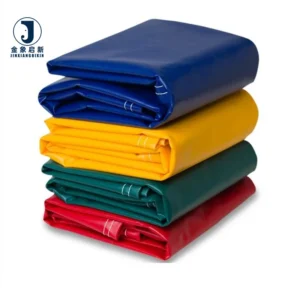
500gsm 600gsm Plain PVC Waterproof Truck Cargo Cover Tarpaulin Canopy for Boys & Girls
¥3.00 Select options This product has multiple variants. The options may be chosen on the product page -
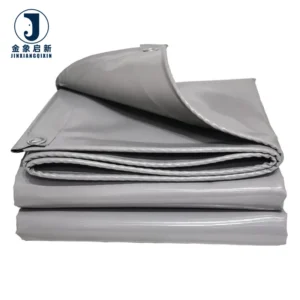
Custom 500-600GSM PVC Knife-Coated Fabric for Tents – Full Range
Read more -
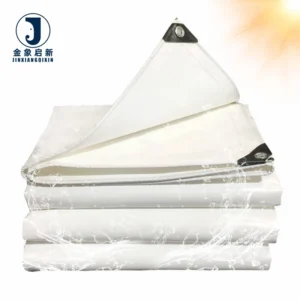
PVC Tarpaulin 650Gsm for Truck Cover – Custom Made
Read more -
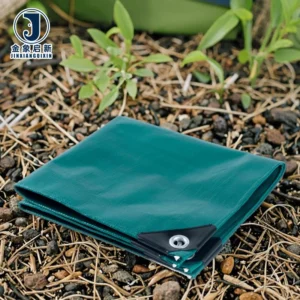
Heavy Duty PVC Tarpaulin for Truck and Tent – Custom Made
Read more