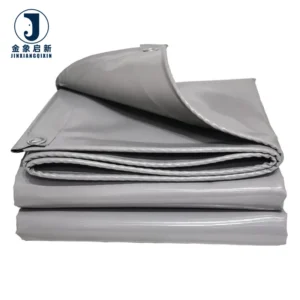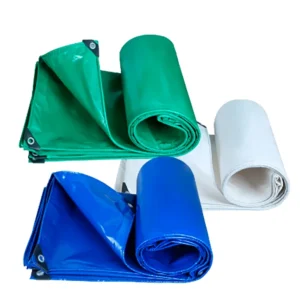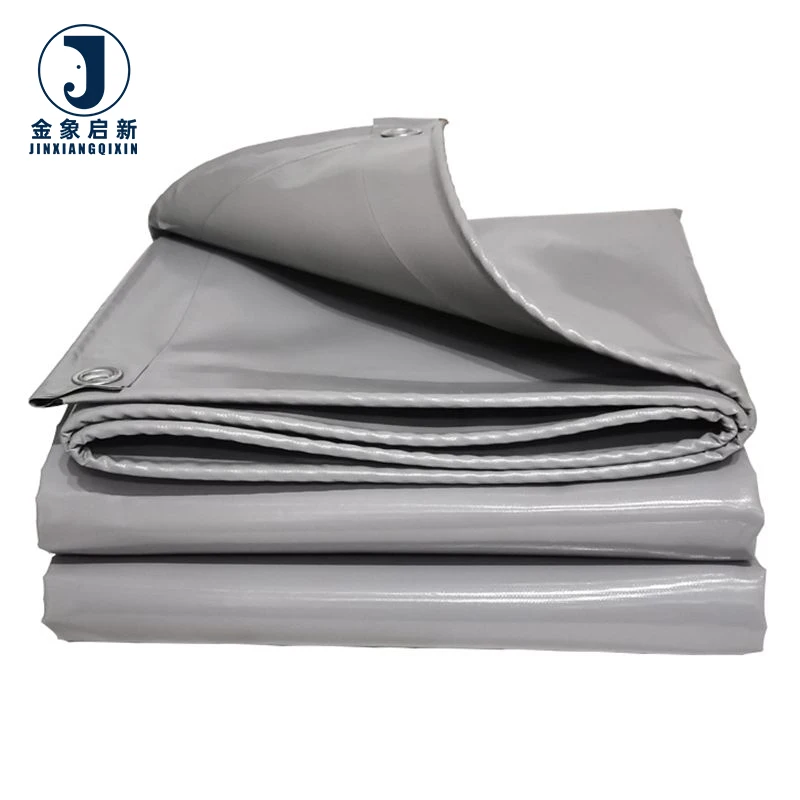
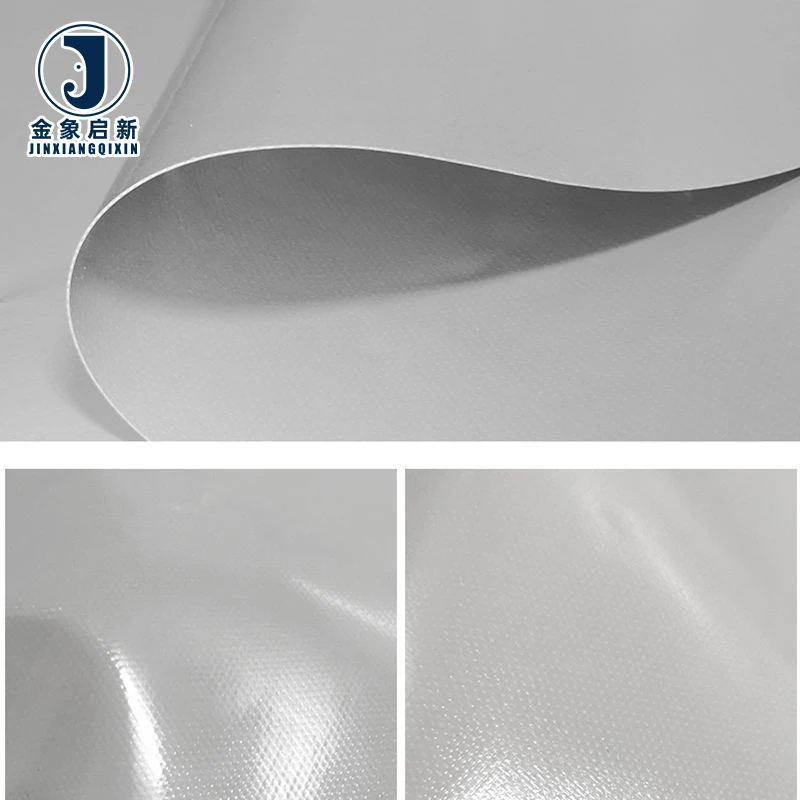
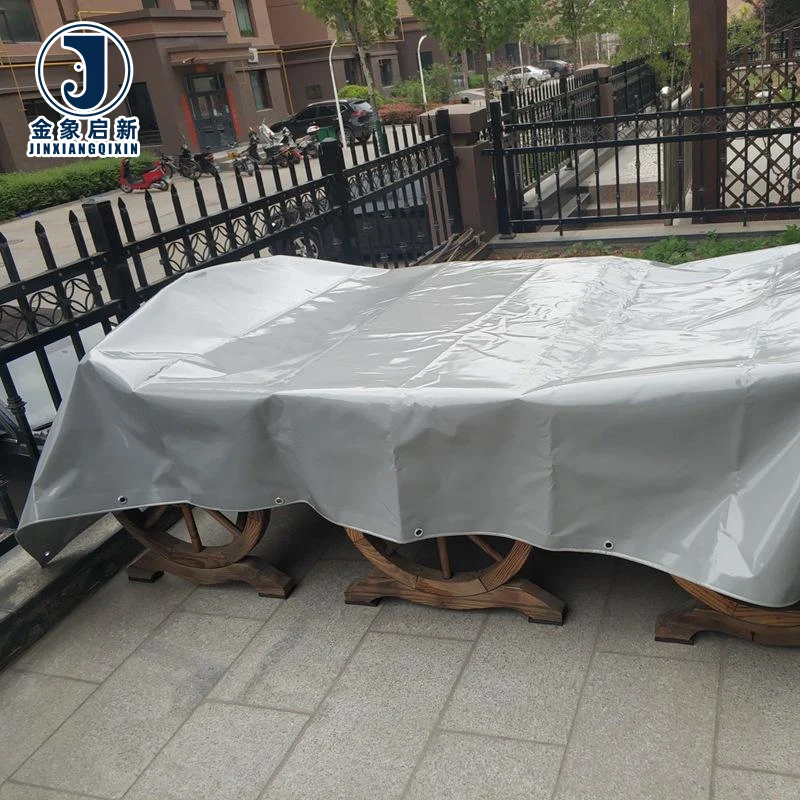
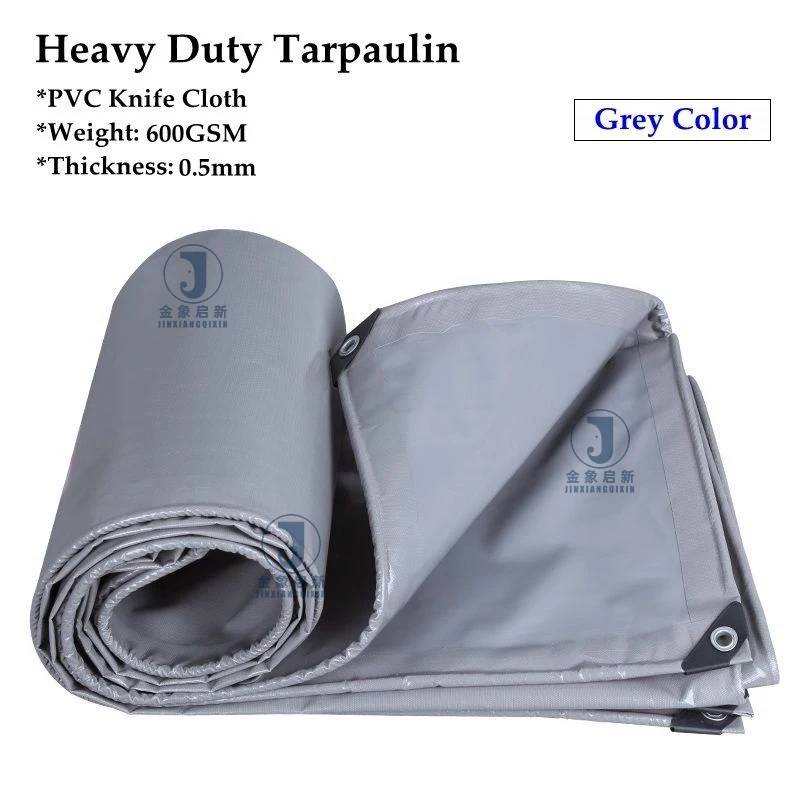
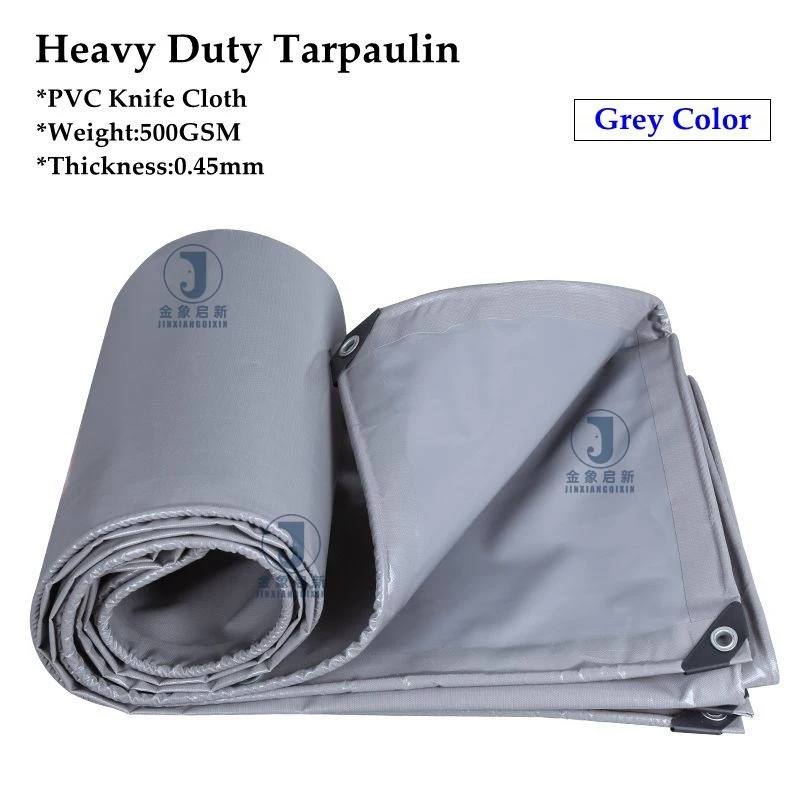
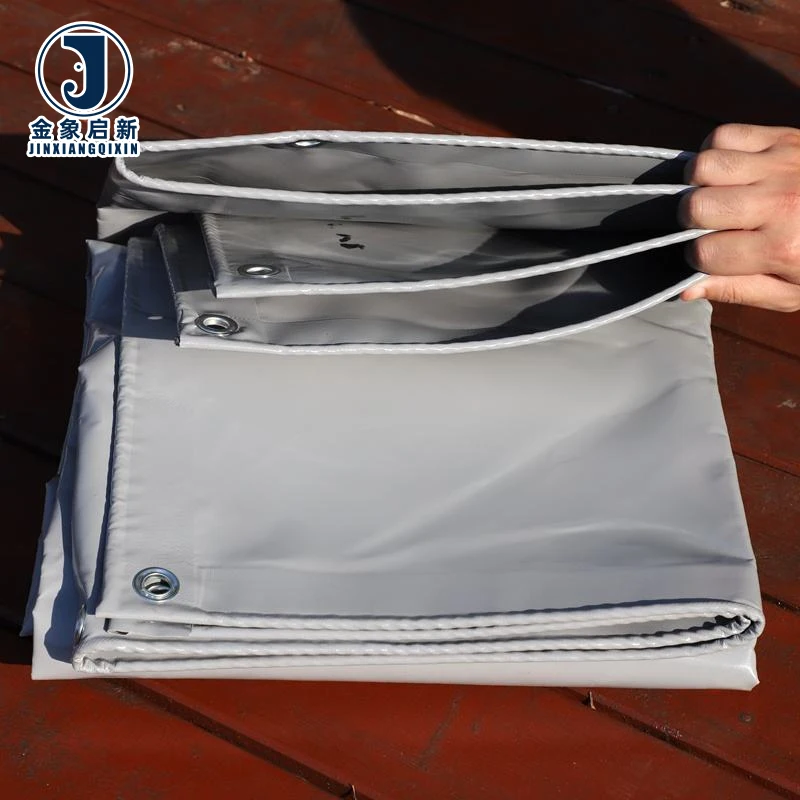
PVC Knife-Coated Fabric 500-800GSM, warp knitted base, anti-permeable ≥ 20KPa — knife coated for tents, canopies and industrial covers.
- Remains flexible at -30°C with flame retardancy ≤ 10 seconds
- Mildew proof, anti-corrosion and quick drying for open-air exposure
Complete tarpaulin range with full customisation on weight, width, colour and printing — supported by 30 years of coating process control and three full production lines. Backed by 100% pre-shipment roll inspection and dedicated QA at every stage.
Description
Coating Process Control — Weight and adhesion are managed through dedicated line oversight across all three production stages, ensuring every roll of Heavy Duty Waterproof Anti-UV Knife Fabric PVC Tarpaulin meets the specified GSM before it leaves the facility.
Technical Specifications
| Parameter | Value |
|---|---|
| Product Type | PVC Knife-Coated Fabric |
| Weight | 500 to 800 g/m² |
| Waterproof Performance | Anti-permeable ≥ 20KPa |
| Flame Retardancy | ≤ 10 seconds |
| Low-Temperature Flexibility | Remains flexible at -30°C |
| Coating Method | Knife-coated |
| Fabric Construction | Warp knitted |
| Key Features | Mildew proof, anti-corrosion (acid, alkali, brine), heat resistant, quick drying |
Application Suitability
| Application | Exposure & Requirement |
|---|---|
| Car tents | Prolonged UV exposure, rain ingress, repeated fold-and-store cycles |
| Canopies | Overhead tension, wind uplift, standing water on low-slope sections |
| Awnings | Daily extension and retraction, crease fatigue, sun bleaching |
| Industrial covers | Chemical splash, dust containment, abrasion from load contact |
| Open-air natural conditions exposure | Combined UV, rain, temperature swing, biological growth |
Why Quoted GSM Often Misses the Mark on PVC Knife-Coated Tarpaulin
A number on a quotation means nothing without a verified weigh-in at the roll.
I have seen heavy-grade coated rolls fail at the weld line while lighter material next to it held up fine. The issue was not the PVC Knife-Coated Tarpaulin aftermarket supplier cutting corners on coating weight — it was the buyer selecting GSM without understanding how base fabric denier and coating adhesion interact. A roll can pass the scale check yet still split at the seam when the load flexes because the bond between coating and yarn was never the priority. When you source by weight alone, you end up with material that measures right on day one and fails before the season is over [NEED_CITE: tensile and tear test methods for coated fabrics per ISO 1421].
How the Full Tarpaulin Range Translates to Real Project Fit
This range covers 500 to 800 g/m² in knife-coated PVC fabric, with customisation extending to width, length, colour, printing, eyelets and reinforced hems. Buyers sourcing fabric by the roll for tent manufacturing or awning fabrication can specify the exact weight band that matches their tension and span requirements. The PVC Knife-Coated Tarpaulin aftermarket supplier capability here means you are not limited to stock widths — the material is produced and finished to the dimensions your cutting table demands, reducing offcut waste and eliminating mid-panel joins on wide structures.
Coating Weight and Adhesion Under Process Oversight
Knife coating applies the PVC compound directly onto the warp knitted base fabric under controlled blade pressure, building a uniform layer that locks into the yarn structure. This method produces higher peel strength than simple lamination, which matters when the fabric is heat-welded at the seams and then flexed repeatedly in service. Each production run goes through in-process QA at the coating head, the curing oven and the wind-up station, so adhesion and weight stay within tolerance from the first metre to the last [NEED_CITE: knife-over-edge coating adhesion test per ISO 2411].
Reading Between the Numbers on a Spec Sheet
Weight in g/m² tells you how much PVC compound sits on the base fabric, but it does not tell you how that compound is bonded. A 500 g/m² knife-coated panel with strong yarn adhesion can outperform a heavier laminated sheet in tear resistance because the coating cannot delaminate at the stress point. Anti-permeable performance at ≥ 20KPa means the coating layer is continuous and free of pinholes, which is essential for applications where standing water or driving rain is the norm. Flame retardancy rated at ≤ 10 seconds indicates the material self-extinguishes quickly, though the exact classification grade should be confirmed for your local building or vehicle code. Low-temperature flexibility at -30°C keeps the PVC compound from becoming brittle in cold-climate installations, preventing crack propagation at fold lines and weld seams.
What Happens When Colour Drifts Between Rolls on the Same Order
Batch-to-batch colour variation is one of the most visible failures once the fabric is installed side by side on a structure or fleet. A tent manufacturer installing panels from two different rolls will see the mismatch immediately under natural light, and the entire installation may need to come down. This problem starts at the compounding stage where pigment ratios are not locked down per batch, and it worsens when the PVC Knife-Coated Tarpaulin aftermarket supplier holds inconsistent inventory across production runs. The cost is not just the replacement fabric — it is the labour, the downtime and the reputation hit with the end client [NEED_CITE: colour fastness and batch consistency standards for coated textiles].
Why Procurement Checks Matter Before the Container Ships
Every capability in the facility is directed at getting the specification right and keeping it consistent. The 10-person R&D team handles material selection and sample development so you can approve the exact weight, colour and finish before bulk production starts. Three full production lines with 36 sets of equipment support volume output while maintaining roll-to-roll consistency. Dedicated QA/QC at every stage — coating, curing, slitting and winding — catches deviations before they reach the packing area. The warp knitted construction is verified for denier and weave density to ensure the base fabric matches the specification. Pre-shipment inspection covers 100 percent of rolls in the order, not a sampling.
Documentation & Verification
- Material specification sheet stating GSM, base fabric denier, weave type and coating method
- Test report for flame retardancy confirming the ≤ 10 second rating
- UV stability test report where anti-UV treatment is specified
- Pre-shipment inspection record with per-roll weight check
- Roll packing list with batch numbers for traceability
- Certificate of origin and customs documentation for export
Fabrication, Handling & Storage
- Heat-weld at temperatures matched to the 500-800 g/m² range to avoid burning through the knife-coated layer
- Reinforce eyelet zones with additional PVC patches to distribute load across the warp knitted base
- Store rolls upright on pallets to prevent flat spots and permanent creases in the coating
- Allow cold-stored rolls to acclimatise before unrolling to prevent cracking at -30°C flexibility limits
- Use mild detergent for cleaning; avoid solvents that degrade the anti-corrosion surface treatment
- Plan cutting layout around available custom widths to minimise weld seams on large tent panels
What to Include in Your Enquiry
To get an accurate specification and lead time, share the application type and the environmental conditions the fabric will face — whether that is sustained UV, chemical exposure or sub-zero temperatures. Specify the width and length you need per roll, or confirm whether you require finished cut sizes with eyelets and hems. If your market requires a particular flame retardancy classification, state the standard so the correct grade is compounded. Request a sample roll or swatch to verify colour, weight and weld compatibility before committing to bulk volume.
Frequently Asked Questions
Q: How do you verify GSM matches the quotation?
A: Every roll is weighed individually during pre-shipment inspection. The weight is recorded against the stated GSM on the inspection report, and any roll falling outside tolerance is pulled before packing. You receive the inspection record with your shipment documentation so you can cross-reference on arrival.
Q: Can you supply flame-retardant fabric with certification?
A: Flame retardancy is available with a ≤ 10 second rating. The specific classification grade — such as B1, M2 or NFPA 701 — depends on your market requirements. State the standard you need at enquiry stage so the correct compound is used and the matching test report is issued.
Q: What custom widths and lengths are available?
A: Width and length are produced to order based on your cutting requirements and container loading plan. Custom widths reduce offcut waste for tent and awning manufacturers running standard panel sizes. Confirm your required dimensions and the team will advise the production feasibility and minimum per run.
Q: Do you provide samples before bulk order?
A: Samples are developed within days for custom weight, colour and treatment requirements. The sample lets you verify coating adhesion, test heat-weld parameters on your equipment and confirm colour under your installation lighting. Bulk production starts only after you approve the sample.
Q: How is colour consistency maintained across rolls?
A: Pigment ratios are locked at the compounding stage for each confirmed order. Production runs are monitored at the coating head to catch shade drift before it reaches the wind-up. Rolls from the same order are batch-numbered so you can trace every panel back to its production run.
Related products
-
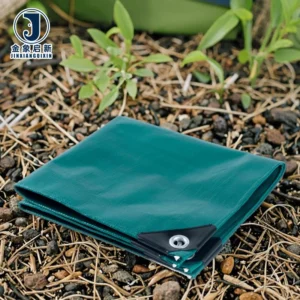
Plastic Tarpaulin PVC Material Truck Tarpaulin Tent Tarpaulin Green Color Heavy Duty High Quality
¥0.90 Select options This product has multiple variants. The options may be chosen on the product page -
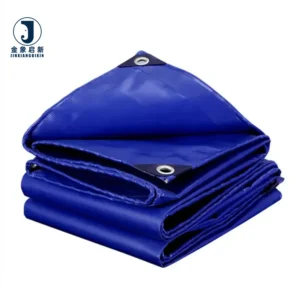
Custom Made PVC Knife-Coated Fabric for Truck Canopy
Read more -
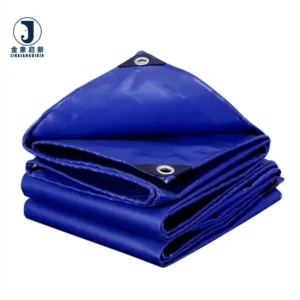
Waterproof Railway Wagon Tarpaulin Cover for Construction
¥1.19 Add to cart -
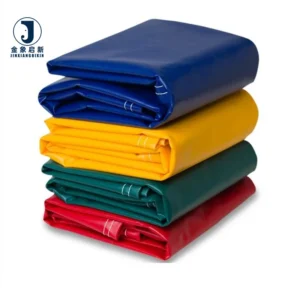
PVC Knife-Coated Fabric 500gsm 600gsm for Truck Cargo Cover – Custom Made
Read more