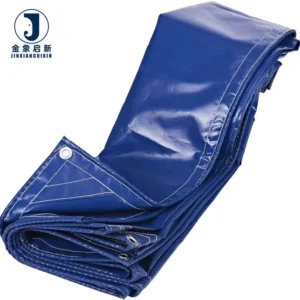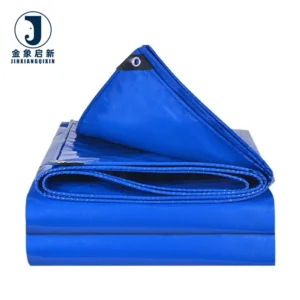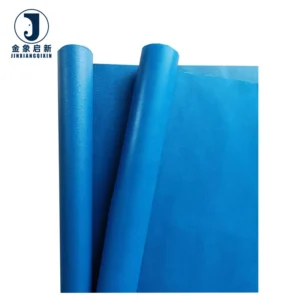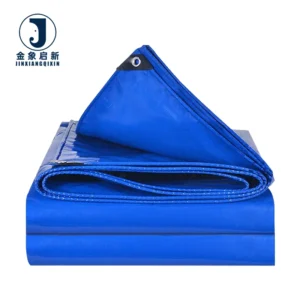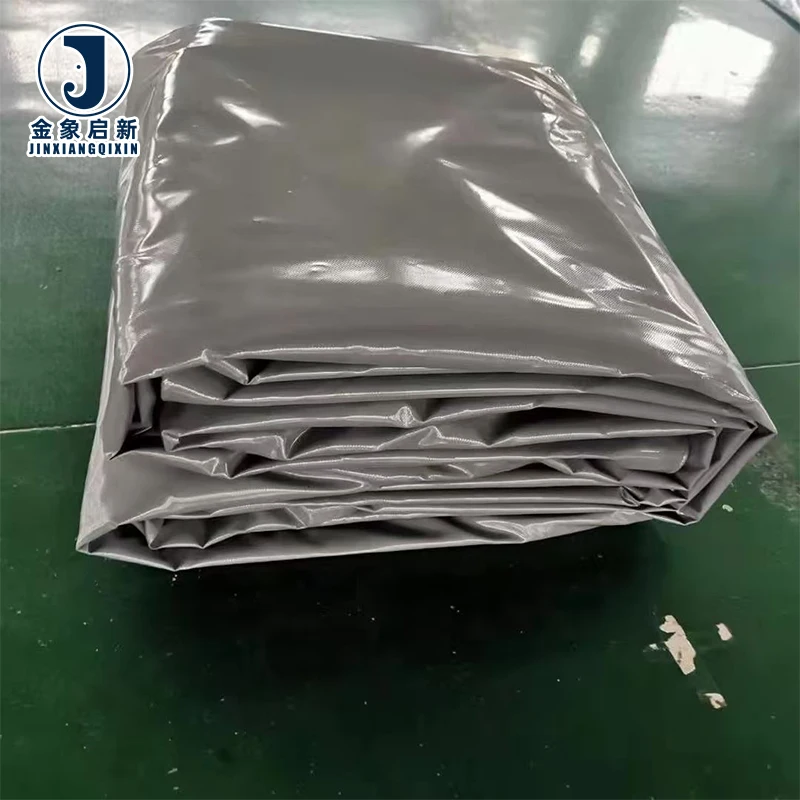
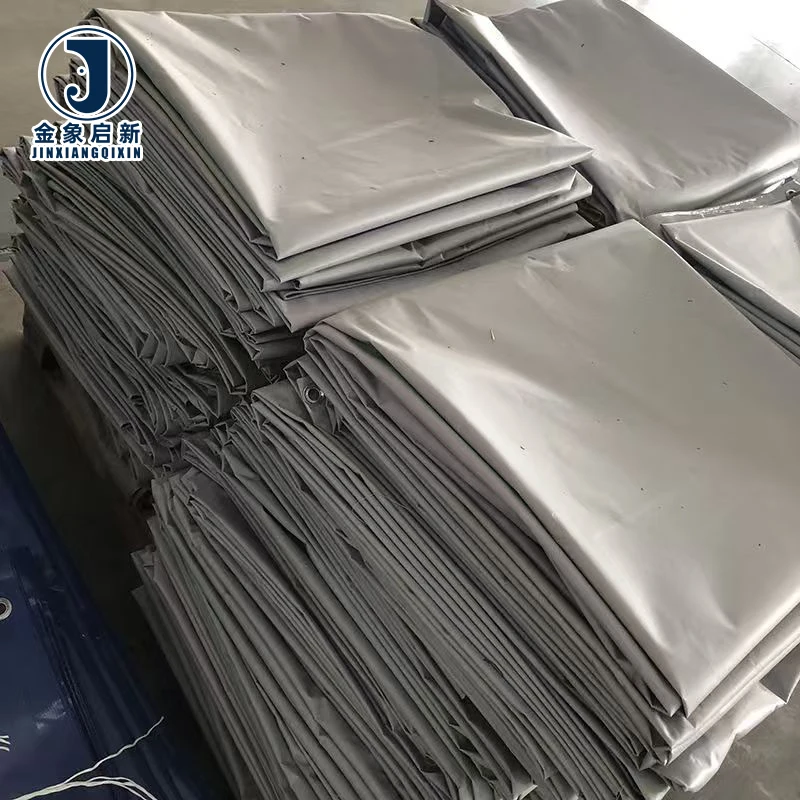
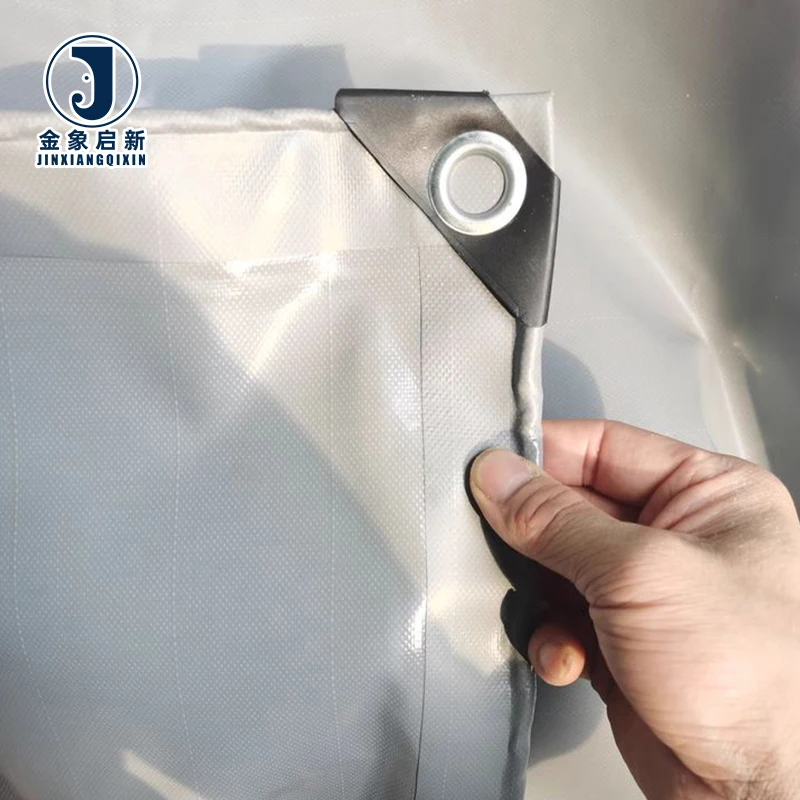
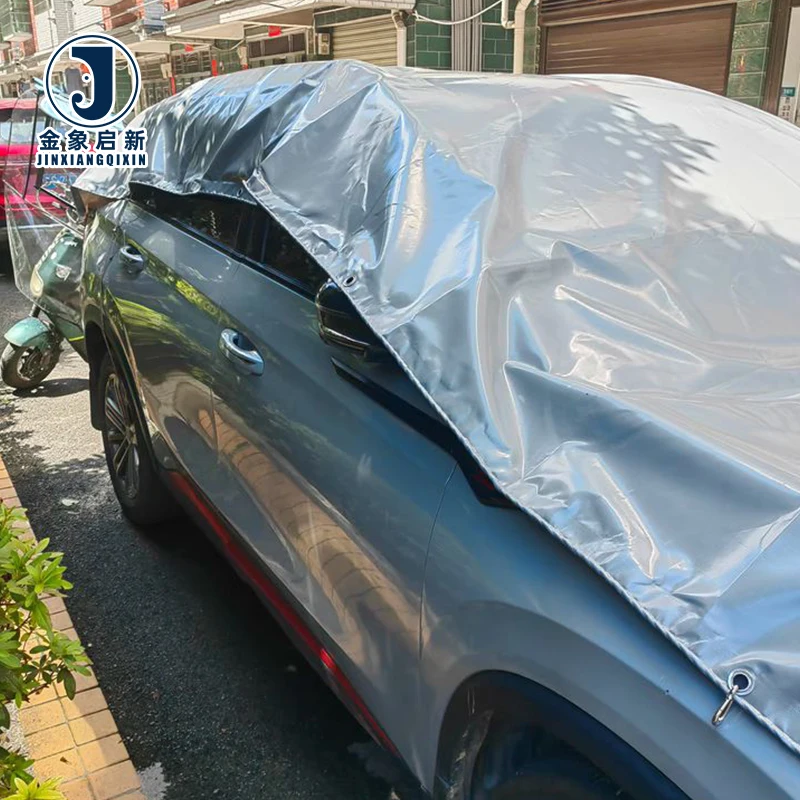
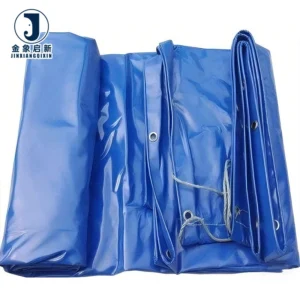
PVC Coated Tarpaulin Roll, 250gsm-1500gsm, 200Dx300D to 1000Dx1000D — available in glossy or matte finish with UV, flame retardant and anti-fungal treatment options for complete specification coverage.
Selecting coated fabric requires balancing gsm and base denier against tensile and tear demands, while surface finish determines cleaning ease and weathering behaviour in the field. Custom widths, cut sizes and eyelet reinforcement are matched to your trailer model or site application before production begins.
Supported by 100% pre-shipment inspection, ISO and CE certified production lines, and a 10-person R&D team developing samples within days for custom colour or print requirements.
Description
Proven Coating Process Control — Every PVC coated tarpaulin roll undergoes dedicated QA/QC at each production stage with 100% pre-shipment inspection, so the specification you approve is the one that arrives at your dock.
Technical Specifications
| Parameter | Value |
|---|---|
| Product Type | PVC Coated Tarpaulin |
| Weight (GSM) | 250gsm-1500gsm (range covers product family — confirm the grade for this item) |
| Base Fabric Denier | 200DX300D, 500DX500D, 840DX840D, 1000DX1000D |
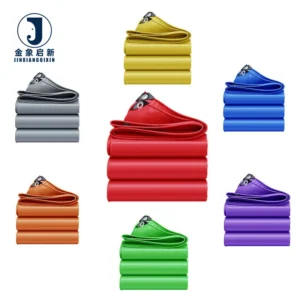
| Colour Options | Blue, yellow, black, green, white, etc. |
| Surface Finish | Glossy or matte |
| Temperature Range | -15ºC to 70ºC |
| UV Treatment | Customized (test basis not stated) |
| Flame Retardant | FR treated (grade not stated) |
| Anti-Fungal | Treated |
| Waterproof | Yes |
| Key Features | Water-proof, rain-resistant, tear resistant, durable, good flexibility and adhesion strength, abrasion resistance |
Application Suitability
| Application | Exposure & Requirement |
|---|---|
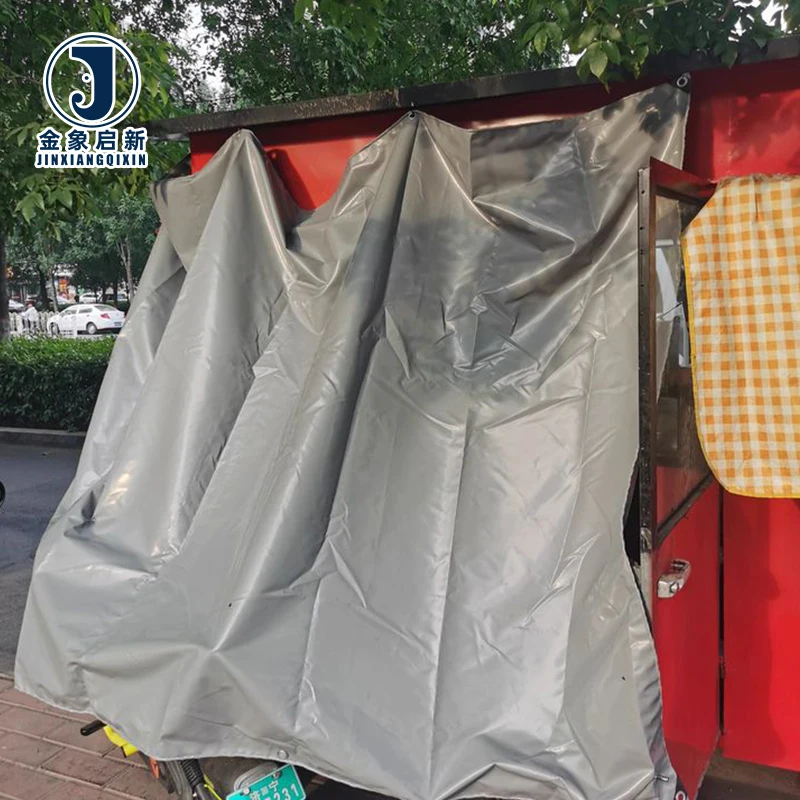
| Truck and trailer load covers | Road abrasion, constant flexing at tie-down points, UV exposure during transit |
| Construction site and equipment covers | Prolonged outdoor weathering, wind-driven rain, mechanical contact with scaffolding and materials |
| Tent and awning fabric supply | Bulk roll purchasing with colour consistency across rolls, weld-ability for finished fabrication |
| Pond and reservoir liners | Permanent water contact, soil chemistry, puncture resistance from substrate |
| Inflatable and membrane structure fabric | Air-holding integrity, repeated inflation cycles, UV stability for long-term outdoor deployment |
Why Buyers Survey Multiple Sources Before Specifying PVC Coated Tarpaulin Rolls
A full product family with transparent specification data eliminates the need to cross-reference three different mills.
Buyers evaluating PVC coated tarpaulin roll options frequently encounter catalogues that list a GSM figure on the quotation but ship material that measures lighter on arrival. The gap between what was quoted and what arrives is rarely a rounding difference — it is a systematic under-coating that shifts the fabric’s entire tensile and tear profile [NEED_CITE: tensile and tear test methods for coated fabrics per ISO 1421]. When flame retardant treatment is claimed on the data sheet without a test report attached, procurement teams face the difficult task of justifying the material to site safety officers who require documented compliance.
Product Family Coverage Across Transport and Industrial Uses
Sourcing PVC coated tarpaulin roll stock for fleet side curtains, static equipment covers, and inflatable structures from a single catalogue means the base fabric denier and coating weight can be matched to each application without switching suppliers. The range from 200DX300D to 1000DX1000D covers lightweight temporary covers through to heavy-grade transport fabric that resists the mechanical abrasion encountered during daily tie-down and release cycles.
Finish and Treatment Selection for Specification Accuracy
Available in glossy or matte finish, the product family supports single or multi-colour ordering with treatment options that include UV stabiliser, flame retardant, and anti-fungal protection. When flame retardant grades are specified, the required classification must be confirmed against the target market’s fire safety code — different jurisdictions accept different test standards [NEED_CITE: DIN 4102 fire classification for building materials]. Requesting the applicable test report before production begins avoids the scenario where a shipment is held at the installation site because the documentation does not match the project specification.
Reading the Specification Sheet: What Denier, GSM, and Finish Mean in Practice
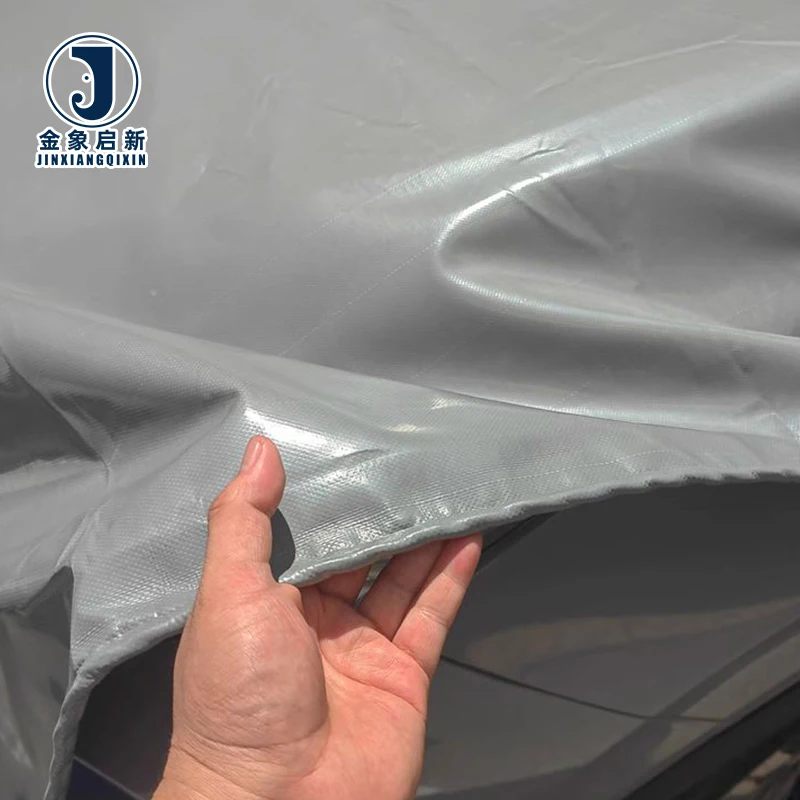
Base fabric denier describes the yarn thickness in both warp and weft directions. A 500DX500D construction uses heavier yarns than 200DX300D, producing a base fabric with higher inherent tensile and tear strength before any coating is applied. However, GSM alone does not determine the final strength of the fabric — a high GSM figure achieved through heavy coating on a light base fabric will have lower tear resistance than a moderate GSM fabric built on a dense, high-denier base. The coating contributes waterproofing, UV resistance, and surface durability, while the base fabric governs how the material resists propagating tears once punctured.
Surface finish also plays a functional role beyond appearance. Glossy surfaces shed dirt and water more readily, which is advantageous for transport covers that are deployed and retrieved frequently. Matte surfaces reduce glare and provide better adhesion for printed branding or heat-transferred graphics. The temperature range of -15ºC to 70ºC indicates the operating window within which the PVC coating maintains flexibility without becoming brittle at the low end or softening and losing dimensional stability at the high end [NEED_CITE: low-temperature flex testing standards for PVC coated fabrics].
The Consequences of Specifying on Price Rather Than Verified Weight
When a buyer accepts a lower-quoted GSM without verifying weight at the receiving dock, the consequences appear weeks or months into service rather than at unloading. Covers that flex daily at tie-down and weld points experience the highest mechanical stress at exactly those locations — and if the coating is thinner than specified, the seams fail before the field fabric does [NEED_CITE: weld peel strength testing per ISO 1421]. For colour-consistent orders such as fleet branding or visible site covers, batch-to-batch colour variation becomes apparent only after adjacent panels are installed side by side, making re-ordering and replacement far more costly than requesting colour reference swatches upfront.
What This Supply Chain Delivers Beyond the Material
Deep process control over coating weight and adhesion across nearly 30 years of focused production means that GSM, base fabric denier, and surface treatment are managed as interdependent variables rather than independent line items. Three full production lines with 36 sets of professional equipment provide the capacity to deliver container-volume orders without sacrificing the in-process QA that catches weight drift or colour deviation before the roll leaves the factory. A 10-person R&D team handles custom width, colour matching, pattern printing, and sample development — delivering physical samples within days so that buyers can verify hand feel, colour, and weld behaviour before committing to full production.
Documentation & Verification
- Material specification sheet stating GSM, base fabric denier, and coating type per roll
- UV and flame retardant test reports supplied where the applicable grade has been specified
- 100% pre-shipment inspection record documenting weight and visual checks before dispatch
- ISO and CE certificates included with every export shipment
- Roll packing list with net and gross weight per roll for customs clearance
- Certificate of origin prepared to match the buyer’s import requirements
Fabrication, Handling & Storage
- Heat-weld parameters must be adjusted to the specific GSM and coating thickness to prevent seam failure before fabric failure
- Store rolls upright on a flat surface to prevent permanent creasing through the PVC coating layers
- Allow cold-stored rolls to reach ambient temperature before unrolling to avoid surface cracking at -15ºC threshold
- Select cleaning agents compatible with the glossy or matte surface to prevent coating degradation over repeated wash cycles
- Plan cutting layout to maximise yield from roll width and minimise waste at selvage edges
What We Need to Prepare Your Quotation
Provide the end-use application and the environmental exposure conditions the fabric will face — this determines whether a high-denier base or a heavier coating weight should be prioritised. Specify the target market’s fire safety or regulatory requirements so that the correct flame retardant or anti-static grade can be matched and documented. Confirm whether you require full rolls in custom widths and colours, or finished cut sizes with eyelets and reinforced hems ready for installation.
Frequently Asked Questions
Q: What GSM and denier should I specify for a truck side curtain versus a static equipment cover?
A: Side curtains require a base fabric with high denier and moderate GSM because the constant flexing and tie-down stress demand tear resistance through the yarn structure. Static equipment covers can use a lower denier with higher coating weight since the primary requirement is waterproofing and UV protection without repeated mechanical movement. Provide the specific trailer model and deployment frequency so the correct grade can be recommended.
Q: Can I order mixed colours and widths in one container for roll stock?
A: Yes, mixed colour and width orders are supported within a single container shipment. Each roll is produced to the confirmed colour reference and packed with its own specification sheet. Requesting physical colour swatches before production ensures batch consistency, especially when adjacent rolls will be installed side by side on site.
Q: How do you control colour consistency across rolls in the same production run?
A: Colour is managed through reference swatches or RAL number matching at the sample approval stage, with in-process QA checks at the coating stage. The 100% pre-shipment inspection includes a visual comparison of rolls within the same order to flag any drift before dispatch. For fleet branding applications, this step is critical to prevent visible panel variation.
Q: What documentation ships with the order for customs and site compliance?
A: Each shipment includes a material specification sheet, test reports for any specified UV or flame retardant grades, a pre-shipment inspection record, ISO and CE certificates, a detailed roll packing list, and a certificate of origin. This documentation set supports both import customs clearance and on-site safety verification by the project contractor or fleet operator.
Q: How long does it take to develop a custom colour or printed branding sample?
A: Custom colour and print samples are typically developed within days once the reference swatch or artwork file is confirmed. The sample allows you to verify colour accuracy, surface finish, and print clarity on the actual coated fabric before committing to full production volume. Approval of the physical sample triggers the production schedule.
Related products
-
Tarpaulin Hot Selling 30M X 30M Finished PVC Tarpaulin for Farming Tarpaulin
¥1.48 Add to cart -
Heavy Duty Outdoor Tarpaulin Thickened for Outdoor Waterproof Large Tarpaulin with 3 Meter Width
¥7.78 Add to cart -
PVC Fabric Material Woven Tarpaulin Waterproof Woven Fabric Tarpaulin
¥0.50 Add to cart -
PVC-coated Waterproof Heavy-duty Vinyl Industrial Outdoor Reinforced Tarpaulins for Tents and Truck Covers
¥1.45 Add to cart