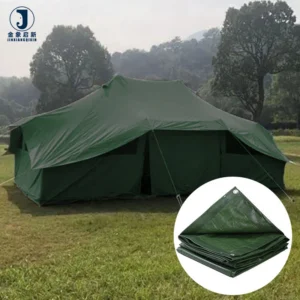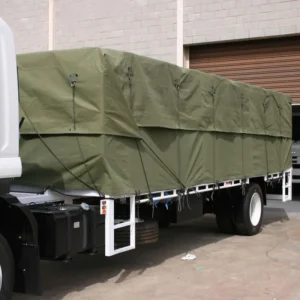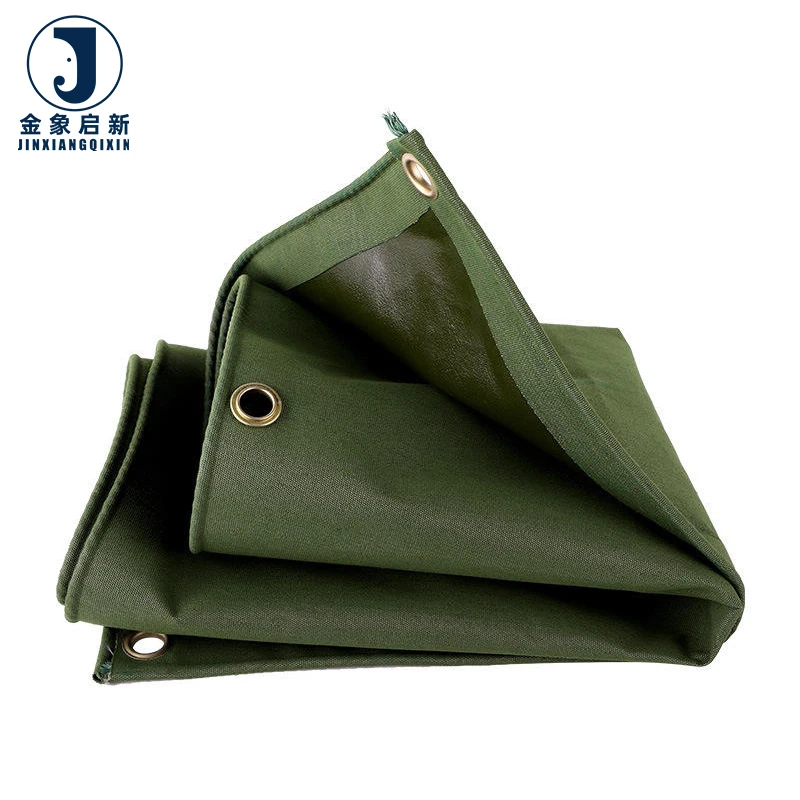
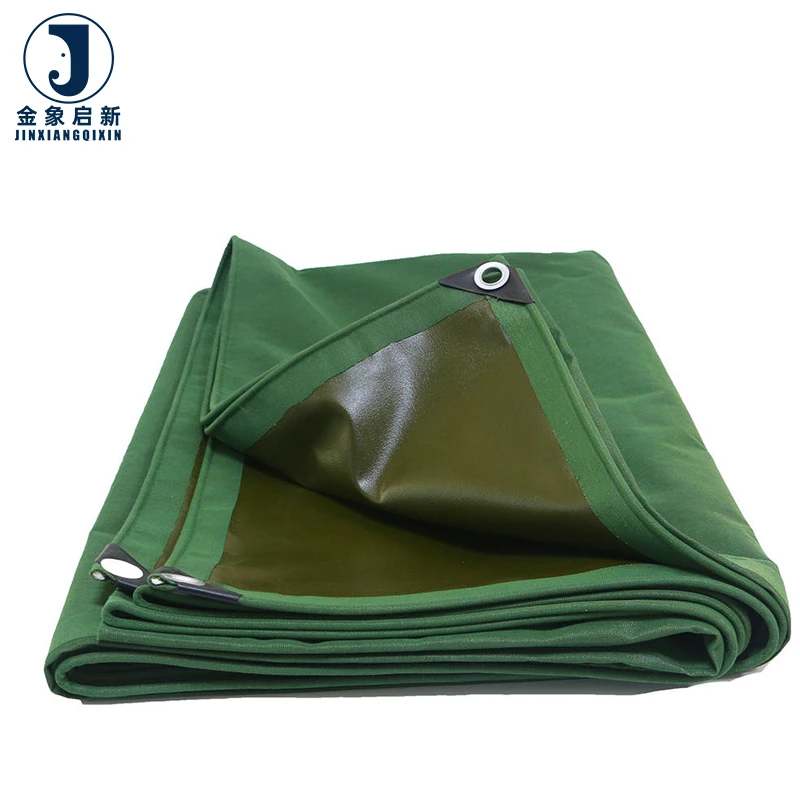
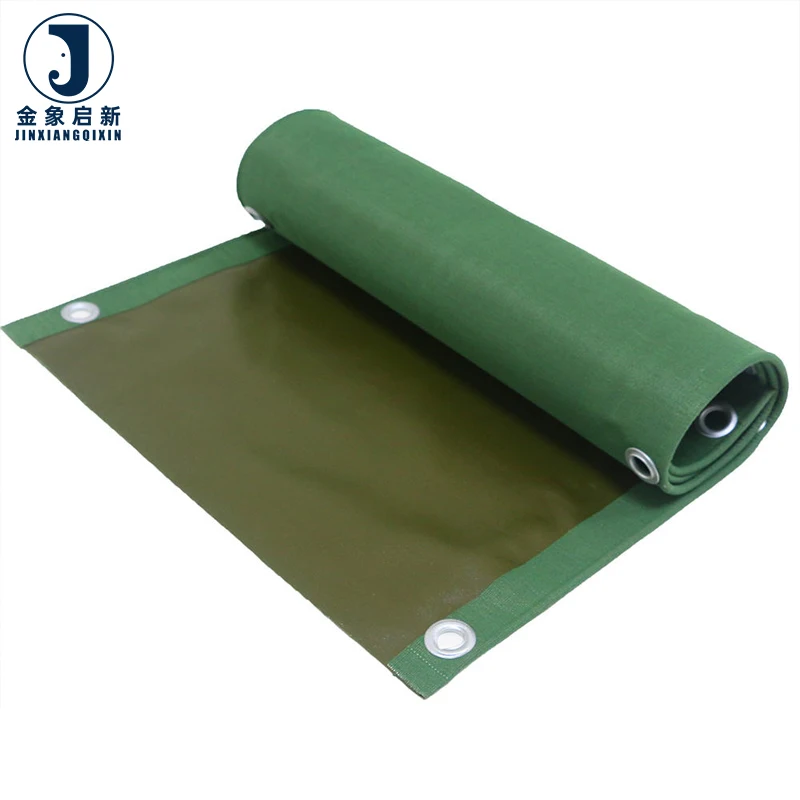
Heavy Duty Canvas Tarpaulin 600 GSM — laminated woven plain canvas with UV resistant, flame retardant and waterproof treatment, reinforced edges for tie-down stress points.
- 600 GSM weight and laminated construction balance tensile strength with handling flexibility across construction and transport covers
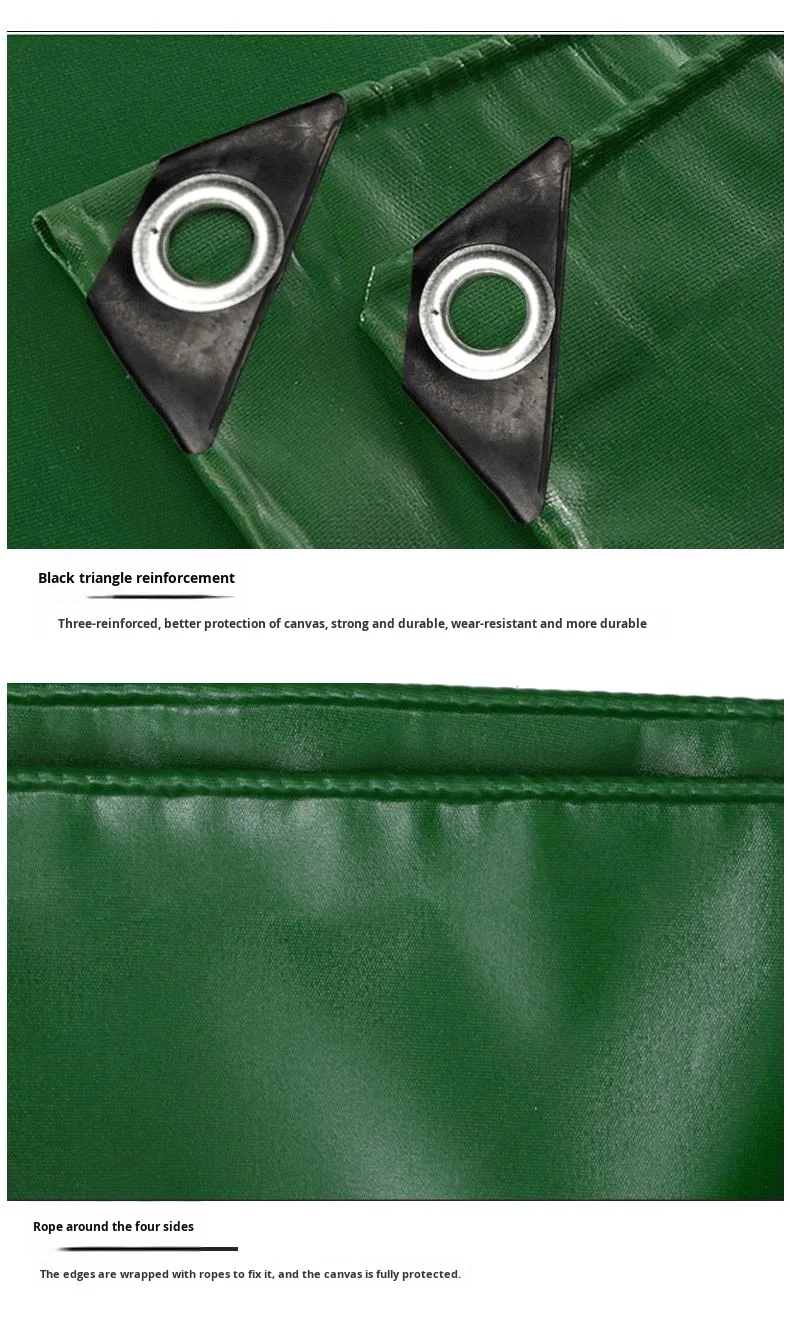
- Reinforced edges prevent tearing at high-load tie-down and flex points where generic tarps typically fail first
Backed by 100% pre-shipment inspection and dedicated QA/QC at every production stage for verified specification compliance.
Description
Specification Integrity — Every roll of 600 GSM woven canvas laminated tarpaulin is accompanied by a material specification sheet verifying exact weight, base fabric, and coating method before dispatch.
Technical Specifications
| Parameter | Value |
|---|---|
| Product Type | Canvas Tarpaulin |
| Weight | 600 GSM |
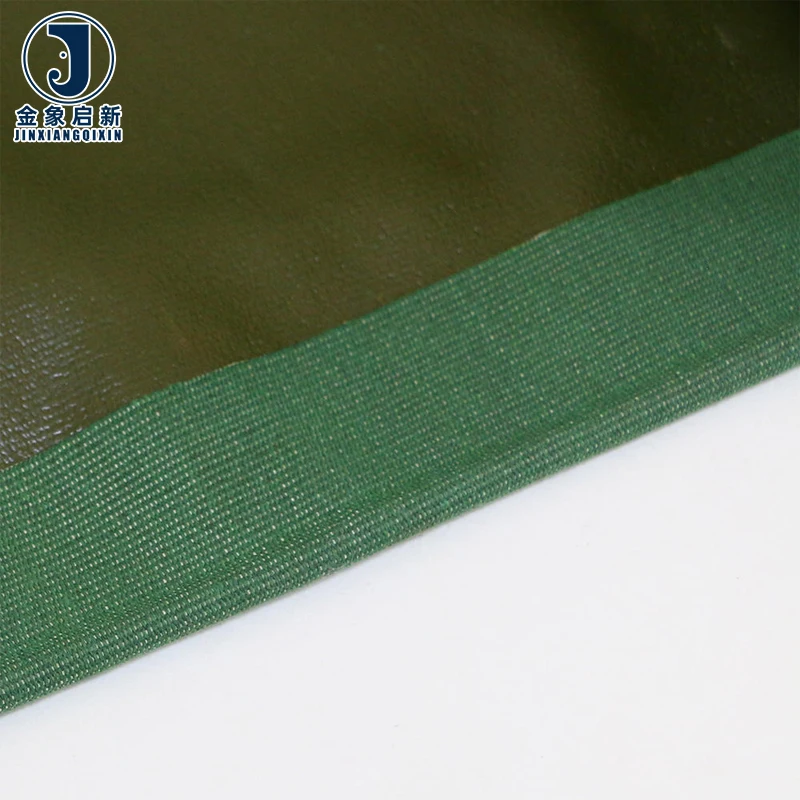
| Base Fabric | Woven Plain Canvas |
| Coating Method | Laminated |
| Waterproof | Yes |
| Flame Retardant | Claimed (grade not stated — confirm the grade required for your market) |
| UV Treatment | Claimed (test basis not stated — request test documentation) |
| Edge Reinforcement | Reinforced Edges |
Application Suitability
| Application | Exposure & Requirement |
|---|---|
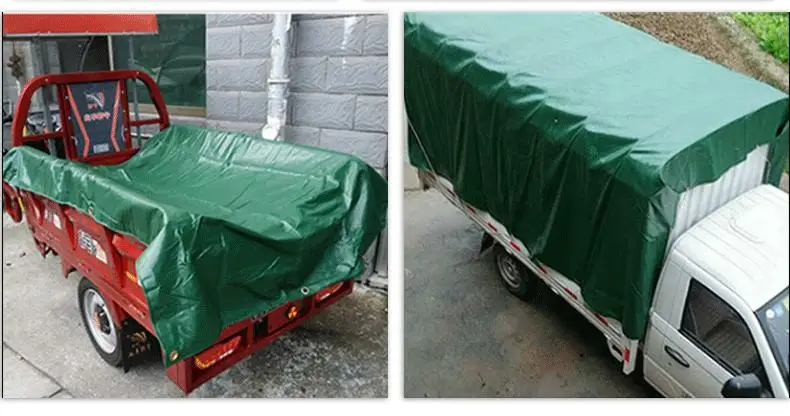
| Construction site covers | Debris impact, standing water, wind lift, tie-down stress at corners |
| Industrial equipment protection | Dust ingress, oil splash, repeated removal and reinstallation |
| Outdoor camping and event shelters | Prolonged sun exposure, rain load, handling during assembly |
| Warehouse stockpile covers | Moisture ingress, forklift abrasion along edges, stacking pressure |
Why Weight Alone Does Not Define Field Performance
Specifying 600 GSM woven canvas laminated tarpaulin by weight without defining the base fabric weave or coating adhesion leaves room for material that fails at the seams long before the fabric body degrades. A heavy hand feel can mask a loosely woven base or a thin laminate that separates under cyclic flexing.
Buyers who approve samples based on weight alone often discover during installation that the reinforced edges and tie-down points cannot carry the load the rest of the sheet was specified for [NEED_CITE: tensile and tear test methods for coated fabrics per ISO 1421]. The laminate bond between the canvas base and the coating determines whether a cover survives its first season or delaminates at the hem.
Sizing Options and Reinforcement Details
When ordering canvas tarpaulin aftermarket supplier rolls for industrial use, the cut dimensions and edge finishing define installation speed and longevity. This 600 GSM laminated canvas is available in custom widths and lengths, with reinforced edges to resist tear propagation at stress concentrations. Eyelet spacing and hem folding method should be confirmed at the quotation stage so that tie-down hardware matches the reinforcement pattern.
Treatment Grades for Site Compliance
Flame retardant and UV resistant treatments are available for this canvas tarpaulin aftermarket supplier range, but the applicable grade depends on the regulatory framework of the destination market. Construction sites in some regions require certification against a specific fire classification standard [NEED_CITE: DIN 4102 fire classification for building materials], while outdoor agricultural covers may prioritize UV stabilisation for sustained solar exposure. Always request the test report that matches the standard cited in your project specification.
How GSM and Coating Method Interact
The 600 GSM weight of this laminated canvas tarpaulin results from the combined mass of the woven plain canvas base and the applied laminate layers. A laminated coating bonds the film to the fabric through heat and pressure, which affects peel strength differently than a knife-coated or calendered system. Higher GSM achieved through heavier base fabric rather than thicker coating generally yields better tear resistance, because the woven structure — not the coating — carries the tensile load. Understanding this balance helps buyers avoid specifying a heavy sheet that is mostly coating mass with limited structural fibre.
The Cost of Skipping Batch Verification
Accepting a delivery of canvas tarpaulin aftermarket supplier rolls without checking batch colour consistency or verifying edge reinforcement can result in visible mismatch when panels are installed side by side on a large structure [NEED_CITE: colour batch consistency standards for coated technical textiles]. Delamination discovered only after fabrication wastes the labour invested in welding and eyeleting. Confirming roll-to-roll GSM against the stated 600 GSM before fabrication begins prevents costly rework downstream.
Why Source This Material Here
This 600 GSM laminated canvas tarpaulin is produced on dedicated coating lines with process control over laminate weight and adhesion at every stage.
The 10-person R&D team handles custom sizing requests, sample development, and pattern printing coordination for orders requiring branded covers.
Dedicated QA/QC staff perform 100% pre-shipment inspection, catching edge reinforcement defects and colour drift before rolls leave the facility.
Sample development runs within days, allowing buyers to verify hand feel, colour, and laminate bond before committing to production volume.
Full documentation — including material specification sheets, test reports where applicable, and customs paperwork — ships with every dispatch.
Documentation & Verification
- Material specification sheet stating 600 GSM, woven plain canvas base, and laminated coating per roll
- Flame retardant test report provided when a specific grade is confirmed at order
- UV treatment test documentation supplied upon request with applicable standard cited
- Pre-shipment inspection record documenting edge reinforcement and roll consistency
- Certificate of origin and customs documentation for international dispatch
Fabrication, Handling & Storage
- Heat sealing parameters should be confirmed for the laminated surface to avoid delamination at weld lines
- Reinforced edges at 600 GSM require eyelet setting tools rated for heavy canvas thickness
- Store rolls horizontally on pallets to prevent edge crushing on the woven plain canvas
- Avoid dragging laminated surfaces on abrasive ground during on-site deployment
- Clean with mild detergent; solvent-based cleaners may affect the laminate bond
- Allow cold-stored rolls to reach ambient temperature before unrolling to prevent coating crack
Requesting a Quotation
Provide the intended application and environmental exposure conditions so the correct treatment grade can be recommended. Specify required widths, cut lengths, and whether finished panels with eyelets are needed or roll stock only. Indicate the target market fire classification or UV standard if compliance documentation is required for your project. State the estimated annual volume to determine production scheduling and batch consistency allocation.
Frequently Asked Questions
Q: How is GSM verified before shipment and on arrival?
A: Each roll is weighed and measured during the 100% pre-shipment inspection, and the recorded GSM is documented on the material specification sheet that accompanies the shipment. Buyers can cross-check the received weight against this sheet upon arrival. Discrepancies are addressed through the documented inspection record before the goods leave the facility.
Q: What flame retardant grades are available and which markets do they cover?
A: Flame retardant treatment is available for this 600 GSM canvas tarpaulin, but the specific grade must be confirmed at the quotation stage to match your market’s regulatory requirements. Provide the standard or classification your project specification cites, and the corresponding test report will be supplied with the order documentation.
Q: Can custom sizes and eyelet spacing be specified?
A: Yes, custom widths, cut lengths, and eyelet spacing can be specified for this canvas tarpaulin aftermarket supplier product. Reinforced edges are standard, and eyelet placement should be confirmed on the approved sample before bulk production begins. The R&D team coordinates sizing and reinforcement details during the sample development phase.
Q: How is batch colour consistency controlled across rolls in the same order?
A: Colour is controlled through raw material batching and in-process checks during coating and lamination. Rolls within a single order are produced from the same material batch to minimise drift. Buyers ordering multiple rolls for adjacent installation should request the pre-shipment inspection record confirming visual consistency across the batch.
Q: What is the lead time for custom width and colour orders?
A: Lead times depend on the specified width, colour, and treatment grade, and are confirmed in the quotation after sample approval. Standard stock grades ship faster, while custom colours and flame retardant grades require additional production scheduling. Request a lead time estimate with your initial inquiry to align with your project timeline.
Related products
-
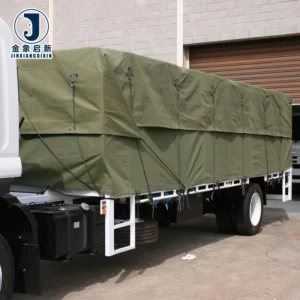
Canvas Tarpaulin for Asphalt Truck Cover – Custom Made
Read more -
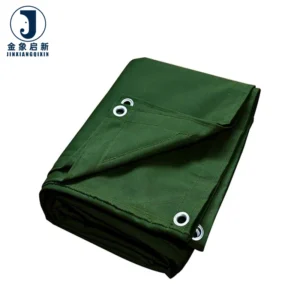
Custom Heavy Duty Woven PVC Laminated Canvas Tarpaulin – Full Range
Read more -
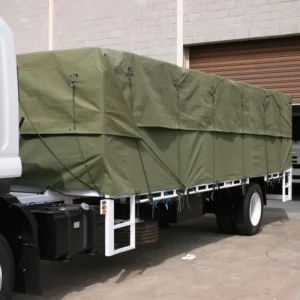
Factory Direct Sales Organic Coated Blackout Tarpaulin Garage Car Truck Container Cover for Boys & Girls
¥0.87 Select options This product has multiple variants. The options may be chosen on the product page -
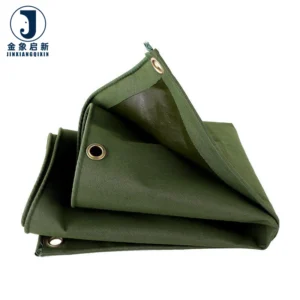
Lona laminada de lienzo plano tejido de alta resistencia JX 600 GSM, impermeable, resistente a los UV, de uso múltiple, grado industrial
¥20.00 Add to cart