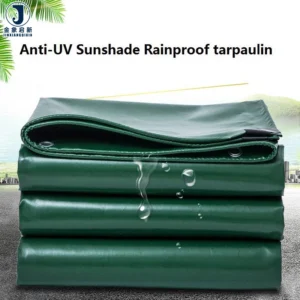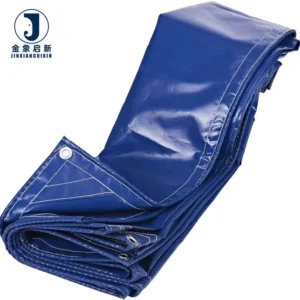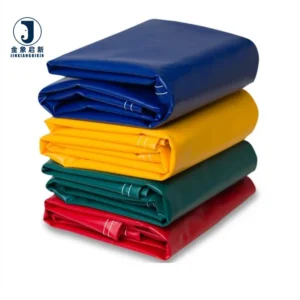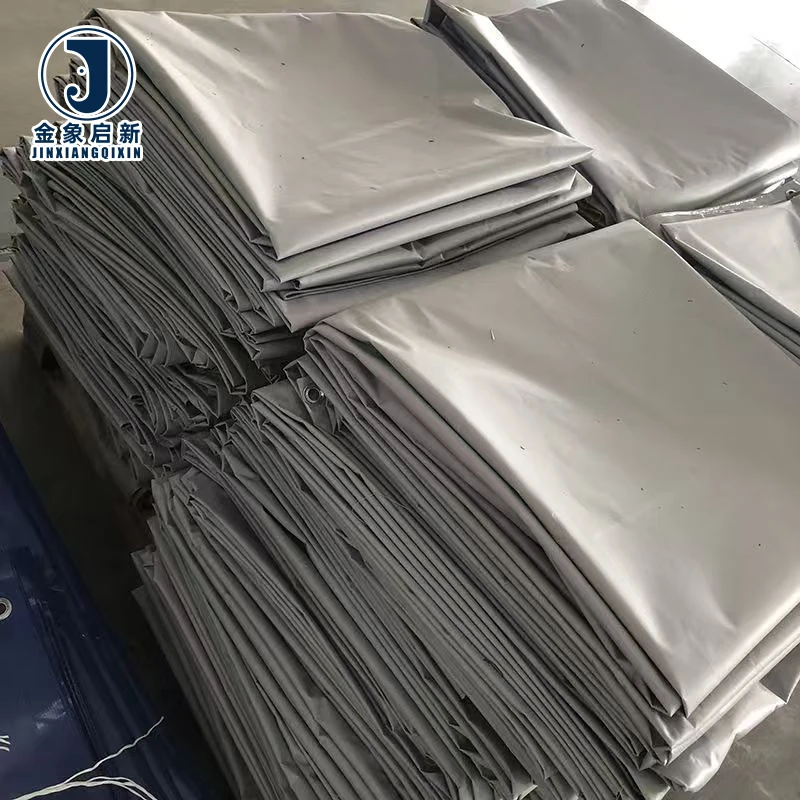
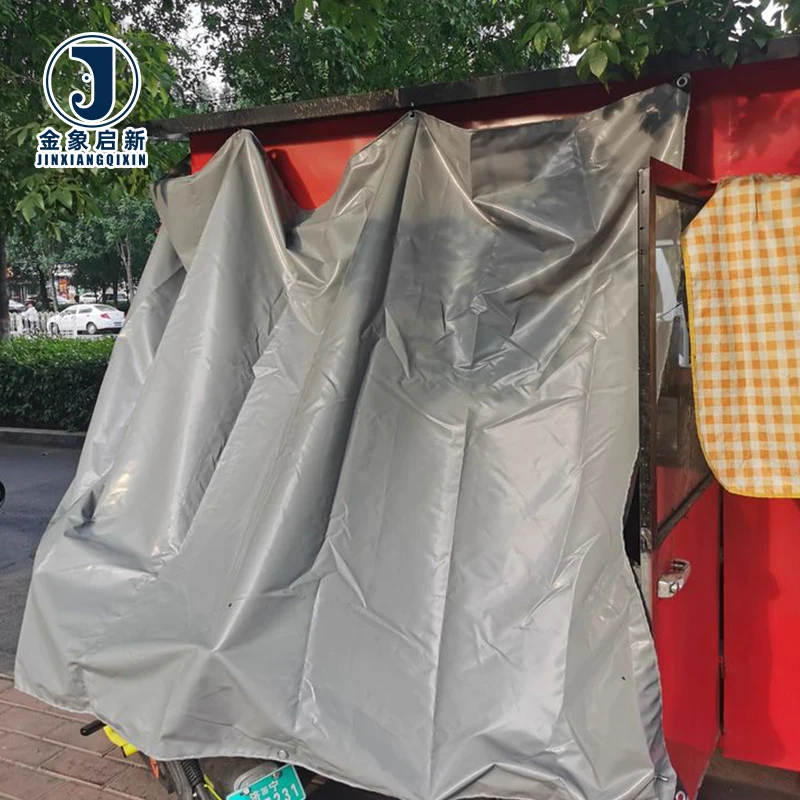
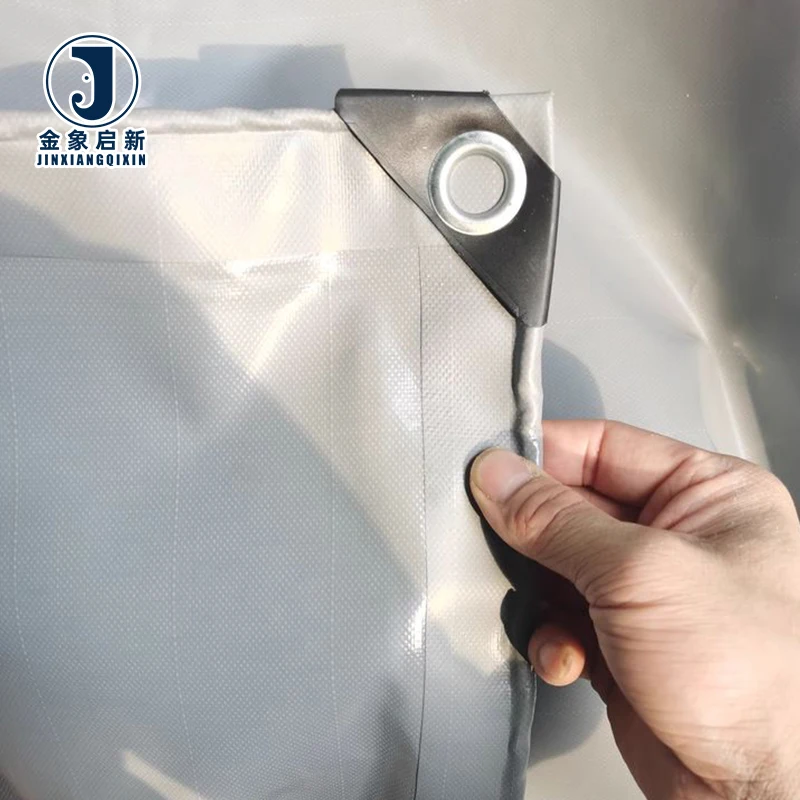
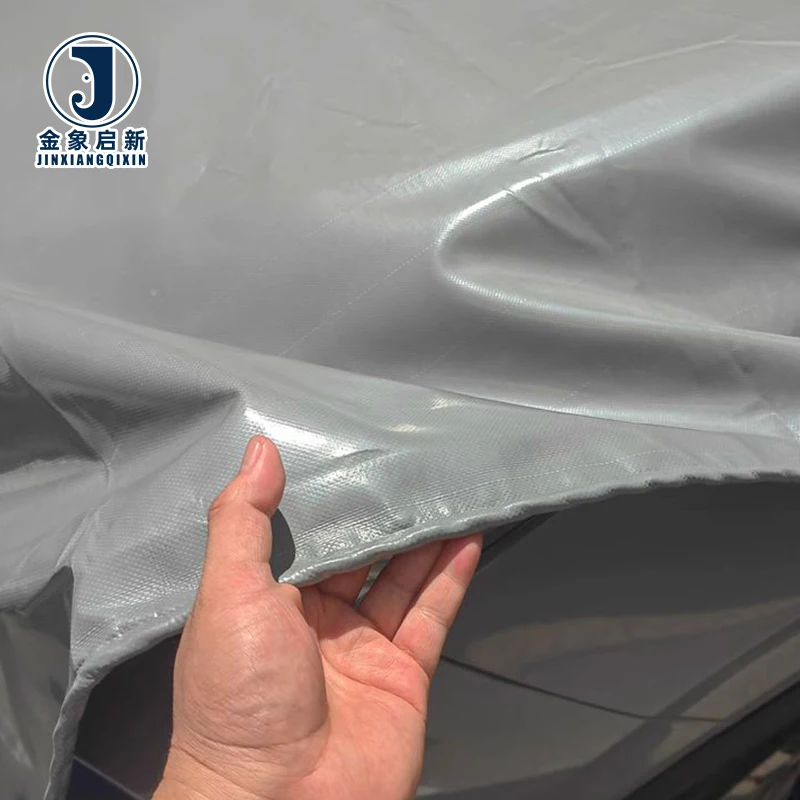
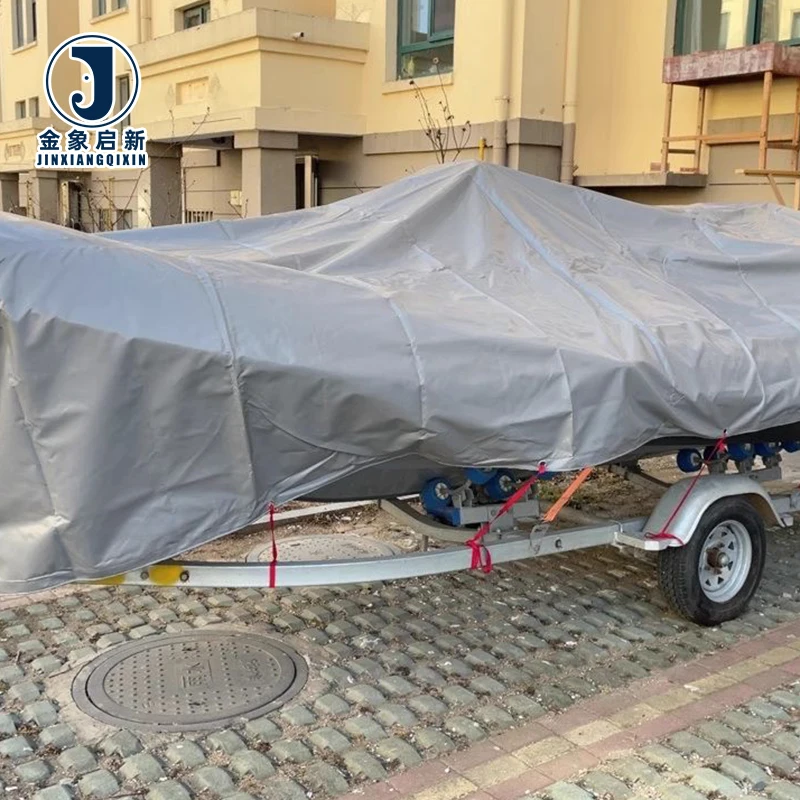
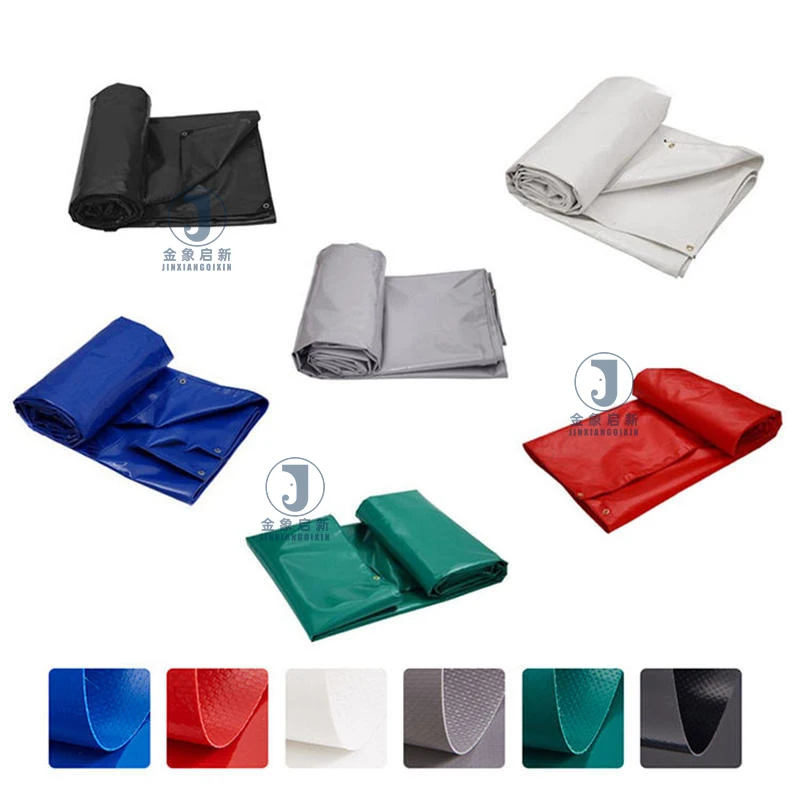
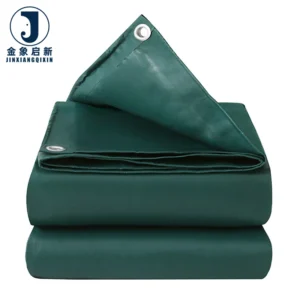
PVC Coated Fabric Trailer Tarpaulin Sheets, 650gsm, 100% High Toughness Polyester Yarn — laminated with hot melt coating technology for truck and industrial covering.
Three production lines with 36 sets of equipment ensure batch-to-batch consistency across custom sizes. Deep process control over coating weight and adhesion prevents welded seam failure at flex points, while dedicated QA covers every production stage.
Backed by nearly 30 years of PVC coated fabric expertise, each sheet undergoes 100% pre-shipment inspection with full specification documentation.
Description
Precision Coating Control — Nearly 30 years focused on coated fabric with deep process control over coating weight, ensuring every 12m by 12m 650gsm sheet leaves the line at the agreed specification.
Technical Specifications
| Parameter | Value |
|---|---|
| Specification | 12m by 12m 650gsm |
| Product Type | PVC Coated Tarpaulin Sheet |
| Base Fabric | 100% high toughness polyester yarn |
| Base Fabric Denier | 1000D (heavy-duty grade) |
| Coating Material | PVC |
| Coating Method | Lamination technology and hot melt coating technology |
| Total Thickness | 0.70–1.0 mm (heavy-duty grade) |
| Tensile Strength | Warp 2000–2500 N/5cm, Weft 1800–2200 N/5cm (heavy-duty 1000D grade) |
| Weld Tear Strength | Excellent |
| Eyelet & Hem Options | With eyelets |
| Waterproof | Yes |
| Cold Resistant | Yes |
| Anti-Mildew | Mold proof |
| Anti-Static | Yes |
| Color Fastness | Best color fastness |
| Flame Retardant | Available as special treatment — confirm the grade required for your market |
| Outdoor Durability | 3–5 years weather resistance |
Application Suitability
| Application | Exposure & Requirement |
|---|---|
| Truck and trailer side curtains | Constant flexing at load points, road debris abrasion, UV and weather exposure, tie-down stress at eyelets |
| Construction site equipment covers | Prolonged outdoor storage, wind uplift forces, water pooling on flat surfaces, puncture from sharp edges |
| Agricultural bulk stock protection | Moisture ingress prevention, mold formation risk, seasonal temperature swings, mechanical handling damage |
Why a Quoted GSM Does Not Guarantee Real-World Strength
A Custom PVC Trailer Tarpaulin manufacturer can state 650gsm on paper, but without verified coating adhesion and base fabric denier, the number alone tells you little about how the sheet performs under load.
Weight is only meaningful when paired with base fabric construction and coating method.
Buyers regularly receive material that measures lighter than the quoted specification on arrival [NEED_CITE: pre-shipment weight verification practices for coated fabrics]. A 650gsm sheet built on a low-denier base with poor coating adhesion will split at the weld long before a properly constructed equivalent shows wear. The flex points on a trailer cover — where the load shifts and the fabric folds against itself — expose these weaknesses within the first few months of service.
Hot Melt Coating and What It Means for Seam Integrity
The lamination and hot melt coating technology used on this 650gsm PVC tarpaulin creates a bond between the PVC layer and the polyester base that resists delamination under thermal welding. When fabricators heat-weld seams to join panels or attach reinforcement strips, the coating must flow and fuse rather than separate from the yarn. Hot melt coating achieves deeper penetration into the base fabric weave compared to simple knife-over-roll application.
This matters directly for trailer covers where welded seams carry the load at tie-down points. A Custom PVC Trailer Tarpaulin manufacturer using hot melt processes delivers sheets where the weld line holds as long as the surrounding fabric.
Base Fabric Denier and Tear Propagation Resistance
The 1000D polyester yarn in this heavy-duty grade provides individual filament thickness that resists tear propagation once a puncture or cut occurs. Lower denier fabrics may achieve the same GSM through heavier coating, but the base fabric itself lacks the structural backbone to stop a small tear from spreading across the panel. On a 12m by 12m sheet covering a trailer load, a single tear can compromise the entire cover if the base fabric cannot arrest its growth [NEED_CITE: tear propagation testing methods for coated fabrics per ISO 1421].
Reading the Specification Sheet Beyond GSM
The 650gsm weight on this sheet results from the combination of 1000D base fabric and PVC coating applied through hot melt lamination. Looking at GSM in isolation misses how the base fabric denier and coating thickness interact to produce tensile and tear values. A 650gsm fabric on a 500D base will have different hand feel, flexibility, and weld behaviour compared to the same weight on a 1000D base. The warp tensile strength of 2000–2500 N/5cm and weft strength of 1800–2200 N/5cm reflect this specific construction. Buyers comparing quotations should request the base fabric denier alongside the GSM to understand what they are actually purchasing. Thickness of 0.70–1.0 mm in this heavy-duty grade indicates substantial coating build that contributes to abrasion resistance at contact points.
The Hidden Cost of Weld Failures at Flex Points
Specifying a PVC tarpaulin by weight alone, without confirming weld tear strength, leads to covers that fail at the seams while the body fabric remains intact. On trailer side curtains, the fabric flexes every time the load shifts during transit, placing repeated stress on welded joints. When the coating method does not produce adequate adhesion to the base fabric, the weld line becomes the weakest point in the assembly [NEED_CITE: common failure modes in PVC coated fabric welded seams]. Repairing a failed weld in the field is difficult and rarely restores the original strength, meaning the entire panel often requires replacement well before the fabric itself has reached the end of its service life.
Why Procurement Teams Specify This Fabric
Process control over coating weight and adhesion ensures that the 650gsm stated on the quotation matches the material on the scale at dispatch, verified roll by roll before shipment.
Three full production lines with 36 sets of professional equipment support bulk orders of 12m by 12m sheets with consistent batch output, reducing the risk of colour variation between sheets in the same order.
A 10-person R&D team handles custom sizing, eyelet placement patterns, and treatment specifications, developing samples within days so buyers can confirm fit and finish before committing to production volume.
Dedicated QA/QC at every production stage, including 100% pre-shipment inspection, catches coating defects, eyelet alignment errors, and hem inconsistencies before the material leaves the facility.
Flame retardant and anti-static treatments are available with confirmed grades matched to the buyer’s target market requirements, backed by test documentation rather than unsupported claims.
Documentation & Verification
- Material specification sheet stating exact GSM, base fabric denier, and coating method for each 12m by 12m order
- Pre-shipment inspection record with weight verification per sheet against the stated 650gsm
- Test reports for flame retardant grades where applicable, matched to destination market standards
- UV resistance test documentation available for orders specifying anti-UV treatment
- Roll and sheet packing list with piece count and dimensions for customs clearance
- Certificate of origin and complete export documentation included with every dispatch
Fabrication, Handling & Storage
- Heat weld at temperatures suited to hot melt PVC coating to ensure full fusion at seam lines on 650gsm sheets
- Position eyelets with reinforced PVC patches to distribute tie-down load across the 1000D base fabric
- Store rolls and cut sheets flat or upright on cores to prevent permanent creasing in the 0.70–1.0 mm material
- Avoid dragging sheets across abrasive surfaces during installation to protect the PVC coating face
- Clean with mild detergent and soft brush to preserve the mold-proof and anti-static treatment layers
- Allow cold-stored sheets to reach ambient temperature before unfolding to prevent coating cracking
What to Include in Your Enquiry
Provide your trailer model dimensions or the exact sheet size required, along with the tie-down hardware layout so eyelet spacing can be matched to your existing equipment. Specify any flame retardant or anti-static grades mandated by your operating region or site safety requirements. Confirm the quantity needed and whether you require finished sheets with hems and eyelets or blank cut panels for your own fabrication.
Frequently Asked Questions
Q: How do you verify the 650gsm weight matches the quotation on arrival?
A: Every sheet undergoes weight verification during our 100% pre-shipment inspection. We record the actual GSM measurement per production batch and include this data in the inspection report accompanying your order. If you require independent laboratory verification, we can arrange third-party testing before dispatch at your request.
Q: Can you cut sheets to my specific trailer model dimensions?
A: Yes. Provide your trailer make, model, and year along with measurements of the area to cover. Our R&D team develops a cut pattern and produces a sample for your approval before bulk production. Eyelet positions are matched to your tie-down points, and hem reinforcement is added at high-stress edges.
Q: What flame retardant grades are available for this PVC tarpaulin?
A: Flame retardant treatment is available as a special option. The specific grade depends on your market requirements and applicable regulations. Share the standard or certification your end use demands, and we will confirm the matching treatment with supporting test documentation before production begins.
Q: How do you ensure colour consistency across multiple 12m by 12m sheets?
A: All sheets in a single order are produced from the same coating batch under controlled conditions. Our QA team checks colour reference against the approved standard during production and again at pre-shipment inspection. This prevents the visible variation that occurs when sheets from different batches are installed side by side.
Q: What eyelet spacing options are available for high-wind transport routes?
A: Standard spacing can be adjusted to closer intervals for routes with sustained high wind exposure. We reinforce each eyelet with a PVC patch welded to both sides of the 650gsm sheet, distributing pull-out force across the 1000D base fabric. Provide your wind load requirements and we will recommend the spacing and reinforcement specification.
Related products
-
500gsm MULTI-PURPOSE Green Waterproof Green Tarp for Emergency Rain Shelter. Outdoor Cover
¥7.72 Select options This product has multiple variants. The options may be chosen on the product page -
Waterproof Heavy Duty Tarpaulin Water Proof Cover Tarpaulin Manufacturer
¥1.48 Add to cart -
Factory 12ftx20ft Construction Cold Weather Insulated Pe Tarps Poly Tarp Heavy Duty Concrete Curing Blanket Tarpaulin Roll Sheet
¥0.66 Add to cart -
Secure Green PVC Coated Blackout Tarpaulin Truck Tent Cover Anti-Aging Waterproof Folding Design Breathable Woven Technics
¥0.83 Select options This product has multiple variants. The options may be chosen on the product page