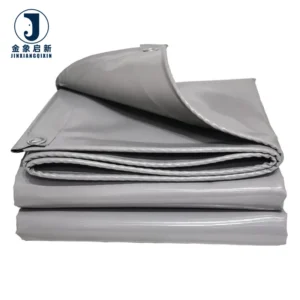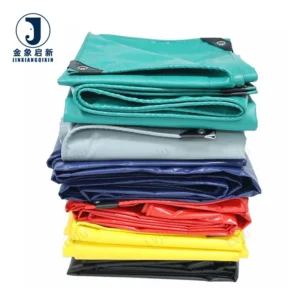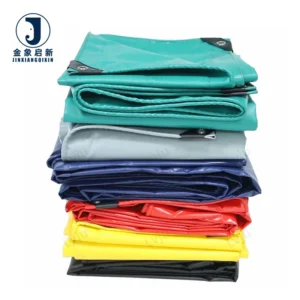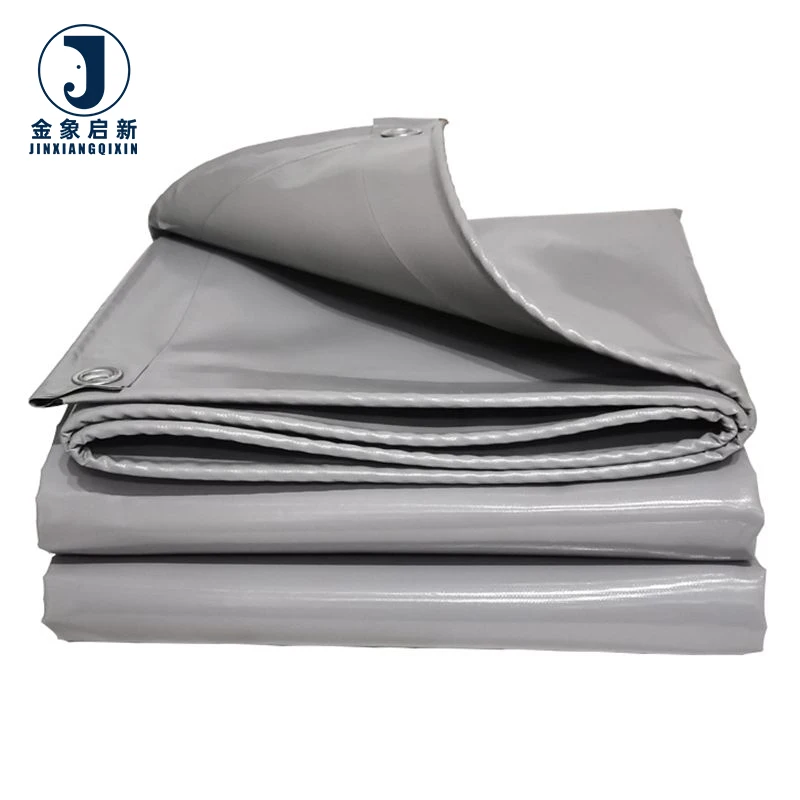
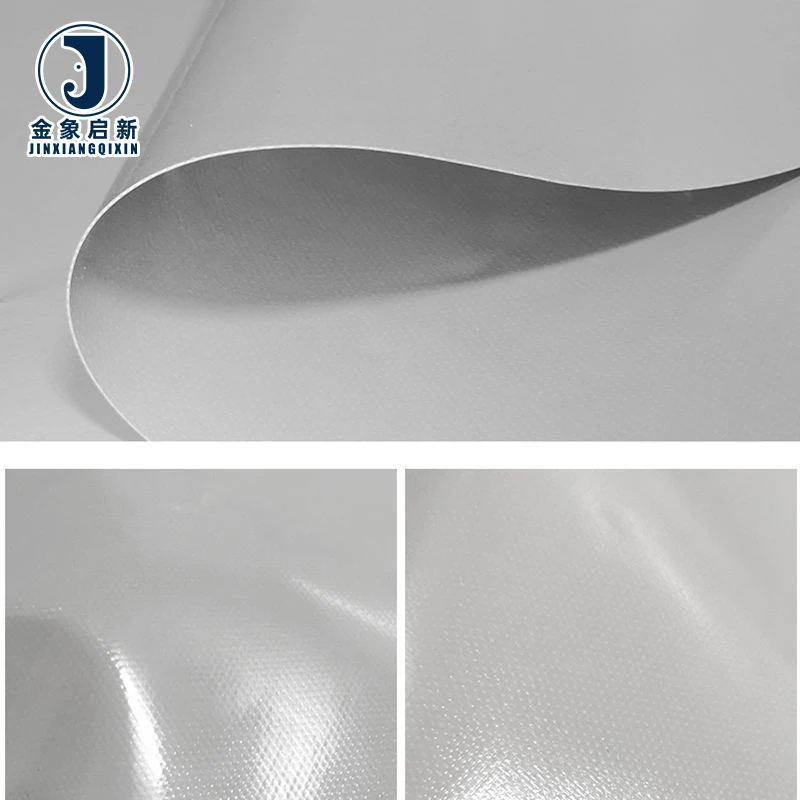
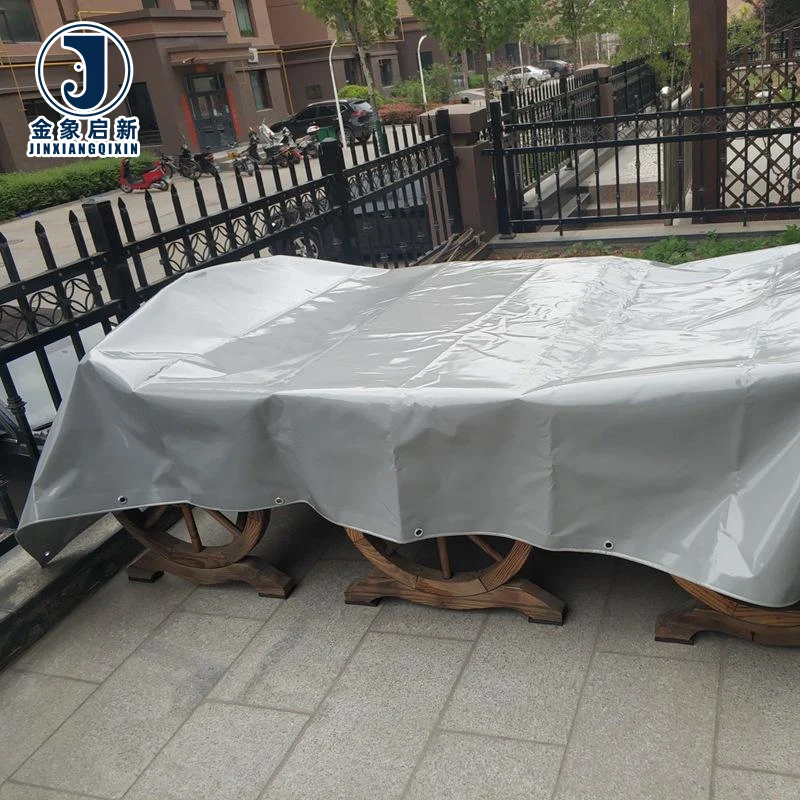
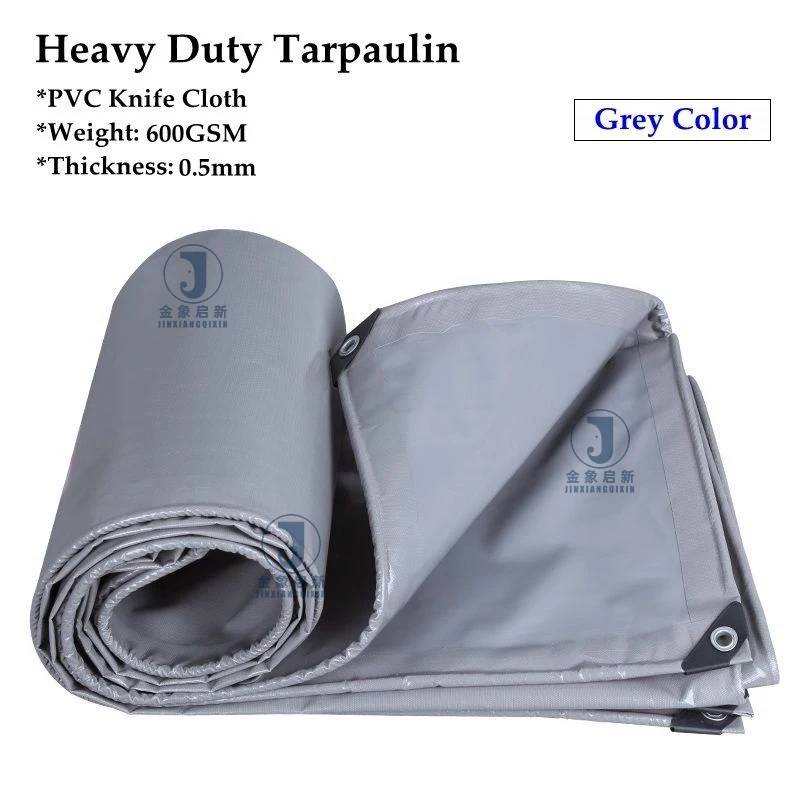
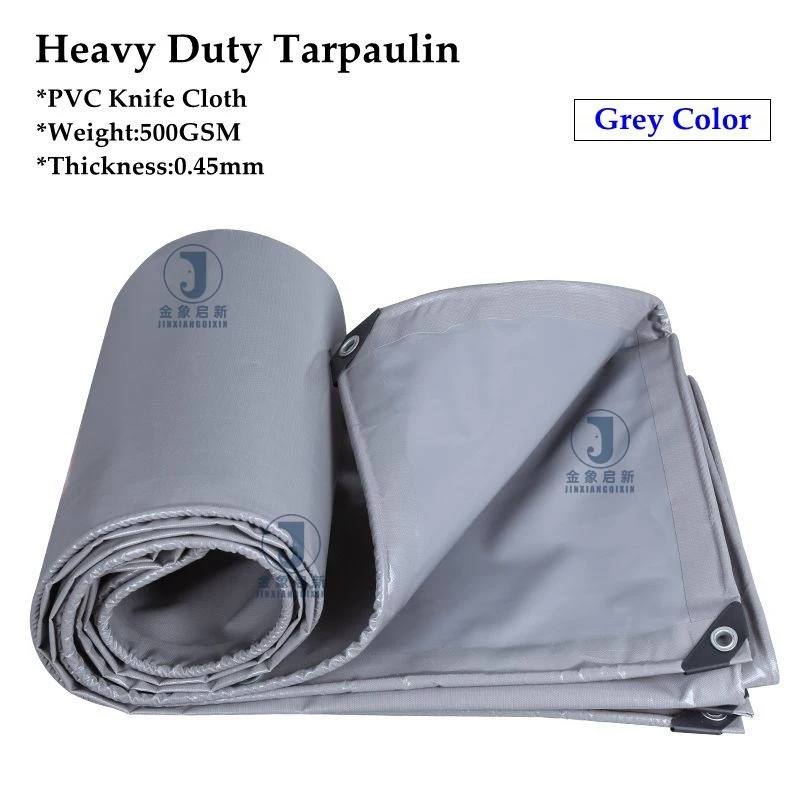
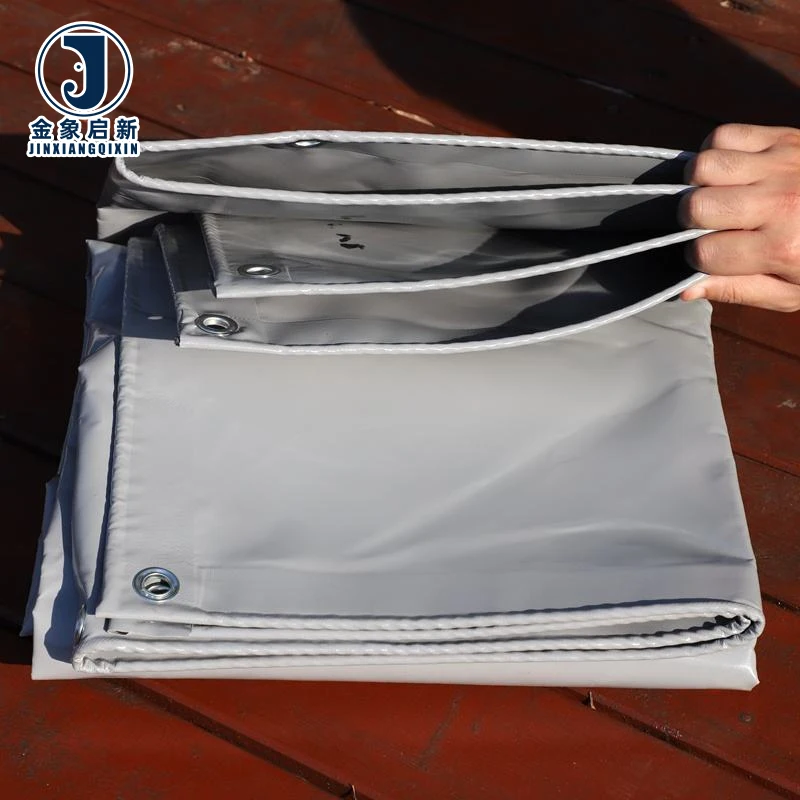
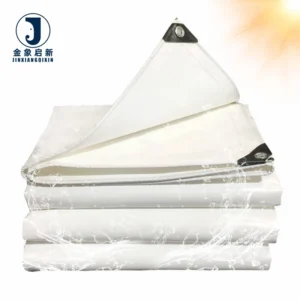
PVC Knife-Coated Tarpaulin Fabric with 500-800 g/m² weight range, anti-permeable ≥ 20KPa waterproof performance, and flame retardant ≤ 10 seconds — heat combined high-frequency coating ensures strong adhesion and seam integrity at flex points.
- Coating weight and GSM verified per roll, not just quoted
- Roll-to-roll colour consistency maintained across batch orders
- Custom width, colour and finishing from a single production line
36 sets of professional equipment and dedicated QA at every stage guarantee 100% pre-shipment inspection before dispatch.
Description
Deep Process Control — nearly 30 years focused on coated fabric production allows precise command over PVC coating weight and adhesion across every knife-coated roll, verified at each stage before dispatch.
Technical Specifications
| Parameter | Value |
|---|---|
| Product Type | PVC Knife-Coated Tarpaulin |
| Weight (GSM) | 500 to 800 g/m² |
| Coating Method | Knife coated |
| Coating Material | PVC |
| Waterproof Rating | Anti-permeable ≥ 20KPa |
| Flame Retardant Grade | ≤ 10 seconds (grade not stated in source) |
| UV Treatment | Anti-UV (test basis not stated in source) |
| Anti-Mildew | Stated (test basis not stated in source) |
| Low-Temperature Flexibility | Non-fractured at -30°C |
| Heat Seaming | High-frequency heat combined, water-tight |
| Tensile Strength | High strength (test basis not stated in source) |
| Corrosion Resistance | Acid, alkali and brine resistant |
| Water Absorption | Almost none, quick drying |
Application Suitability
| Application | Exposure & Requirement |
|---|---|
| Car tents and vehicle canopies | Constant UV exposure, rain ingress, repeated folding and deployment at campsite |
| Fixed awnings and shade structures | Long-term sun and moisture exposure, wind load on seams, colour fastness against fading |
| Event and marquee tents | High foot traffic, ground moisture, flame retardant compliance for public assembly |
| Industrial outdoor covers | Chemical splash, dust containment, acid and alkali environment near processing plants |
Why GSM Alone Does Not Define a Tarpaulin’s Real Performance
Coating adhesion and base fabric construction determine field life far more than stated weight.
Many buyers have received rolls where the gsm printed on the invoice does not match what arrives at the dock — the material feels lighter, and the first storm reveals seam separation. With PVC knife-coated tarpaulin fabric, the coating process bonds PVC directly into the base fabric under controlled tension, producing a single integrated structure rather than a laminated sandwich. [NEED_CITE: knife-coated vs laminated PVC construction and peel strength differences per ISO 2411] When you specify a grade for tents or awnings, what matters is not just the number on the quote but the consistency of that coating weight from the first metre to the last across every roll in your shipment.
Full Custom Range From a Single Production Line
This PVC knife-coated tarpaulin is produced in weights spanning 500 to 800 g/m² on dedicated knife-coating lines that allow tight control over both sides of the fabric. Buyers sourcing for tent, canopy and awning fabrication can specify width, length, colour and finish — glossy or matte — within a single order. The coating formulation is adjusted to match the end-use, so a canopy fabric that must hold printed branding receives a surface treatment optimised for ink adhesion, while a pond-adjacent awning grade prioritises anti-mildew chemistry.
Colour and Weight Consistency Across Roll Batches
When a tent manufacturer cuts panels from six different rolls and assembles them into one structure, any colour drift between rolls becomes visible in daylight. Our production controls colour by matching each batch to a reference standard before the roll leaves the line. Weight consistency is checked by sampling at defined intervals during coating, so the GSM stated on the specification sheet is the GSM that ships. [NEED_CITE: colour consistency measurement methods for coated textiles per ISO 105 series]
Understanding the Spec Sheet Beyond the Headline Numbers
The anti-permeable rating of ≥ 20KPa means water will not pass through the coated surface under sustained hydrostatic pressure — relevant for awning fabrics that pool water during heavy rain before drainage occurs. Low-temperature flexibility down to -30°C ensures the PVC compound remains pliable in cold-climate installations where brittle coating would crack at fold lines during winter deployment. Corrosion resistance against acid, alkali and brine opens applications in coastal or industrial zones where salt spray and chemical residues degrade standard PVC formulations over time. High-frequency heat seaming bonds the PVC layers at the molecular level, creating a joint that is as water-tight as the parent fabric, which is critical for tent panels where sewn seams would wick moisture inward.
What Happens When Specification Is Treated as an Afterthought
A tent fabricator who orders material based on the lowest GSM quote often discovers that the coating peels at the weld line after one season, because the coating adhesion was never specified — only the total weight. Flame retardant claims without a referenced test standard leave the buyer exposed when the local fire authority asks for documentation at the inspection stage. [NEED_CITE: fire classification standards for temporary structures and textile membranes] Batch colour variation across rolls forces re-cutting and material waste that was never budgeted. These are not manufacturing defects in the traditional sense; they are specification gaps that only surface once the product is installed and exposed to real conditions.
Procurement Backed by Process Control
Nearly 30 years of focused PVC coating production means our R&D team can develop samples for custom width, colour and finish within days, allowing buyers to validate material before committing to bulk. Three full production lines with 36 sets of professional equipment support the volume demands of awning and tent fabricators running continuous cut-and-sew operations. A dedicated 10-person QA/QC function inspects coating weight, adhesion and surface finish at defined checkpoints, with 100% inspection before any roll ships. ISO and CE certified production provides the documentation framework that technical buyers in regulated markets require.
Documentation & Verification
- Material specification sheet confirming GSM, base fabric and PVC coating weight per roll
- Test report for UV resistance and flame retardant grades provided where applicable
- Pre-shipment inspection record covering coating adhesion and surface quality
- Roll packing list detailing colour reference, width and linear metres per roll
- Certificate of origin and customs documentation included with every export shipment
Fabrication, Handling & Storage
- High-frequency heat seaming parameters should be calibrated to the specific 500–800 g/m² grade ordered
- Store rolls upright on pallets to prevent flat-spot deformation on the PVC coating surface
- Unroll knife-coated fabric at ambient temperature to avoid crease marks in cold conditions
- Cut panels with allowance for seam overlap matching the high-frequency weld width specification
- Clean installed awning surfaces with mild detergent to preserve the anti-UV and anti-mildew treatment layer
Preparing Your Enquiry
Tell us the end-use — whether you are producing car canopies, fixed awnings or event marquees — along with the environmental exposure your customers face. Specify the flame retardant grade or fire classification your market requires so we can reference the correct test standard. Provide target roll width, annual volume and whether you need sample approval before bulk production begins.
Frequently Asked Questions
Q: How is GSM verified on arrival and what does your pre-shipment inspection cover?
A: We sample coating weight at defined intervals during production and record results against the stated GSM on the material specification sheet. Pre-shipment inspection covers coating adhesion, surface finish, colour consistency and dimensional accuracy across every roll before dispatch.
Q: What flame retardant grades are available for tent and awning fabric?
A: Flame retardant treatment is available in multiple grades depending on the fire classification your market requires. We supply test reports referencing the applicable standard once you confirm the specific grade needed for your application and local regulations.
Q: How do you control colour consistency across multiple rolls in the same order?
A: Each production batch is matched to an approved colour reference before coating begins. Rolls within a single order are produced in sequence under the same formulation run, minimising drift between panels cut from different rolls.
Q: What custom widths and minimum order quantities apply to knife-coated grades?
A: Custom widths are available within the capability range of our knife-coating lines. Minimum order quantities vary by grade, colour and finish. Submit your required width, length per roll and colour specification so we can confirm production feasibility.
Q: What documentation ships with the rolls?
A: Each shipment includes a material specification sheet, roll packing list, pre-shipment inspection record and certificate of origin. UV and flame retardant test reports are provided where applicable to the grade ordered.
Related products
-
PVC Knife-Coated Fabric 500gsm 600gsm for Truck Cargo Cover – Custom Made
Read more -
Plastic Tarpaulin PVC Material Truck Tarpaulin Tent Tarpaulin Green Color Heavy Duty High Quality
¥0.90 Select options This product has multiple variants. The options may be chosen on the product page -
PVC Knife-Coated Fabric Tarpaulin 300-600gsm – Custom Made
Read more -
PVC Tarpaulin 650Gsm for Truck Cover – Custom Made
Read more