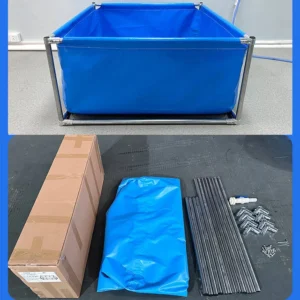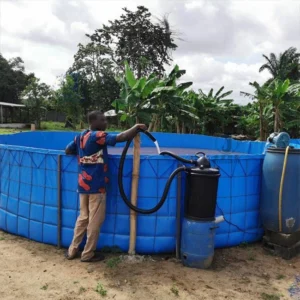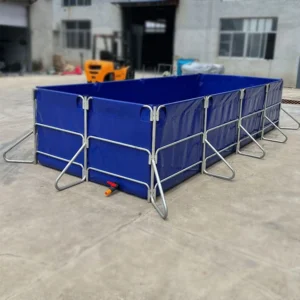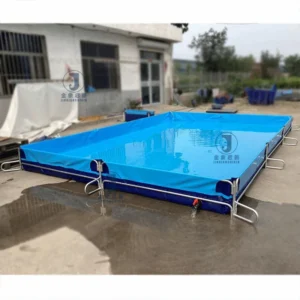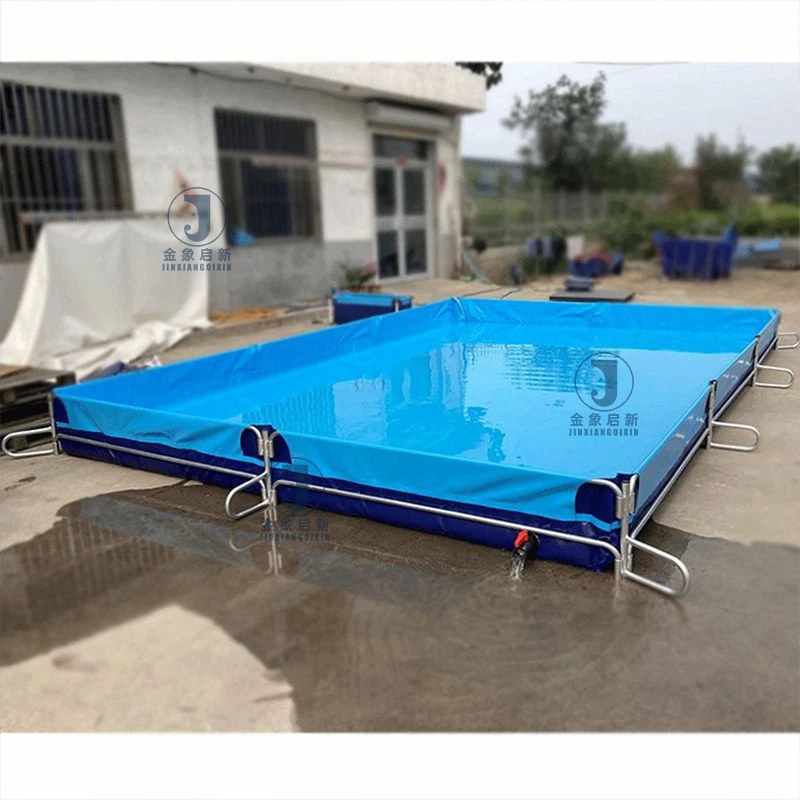
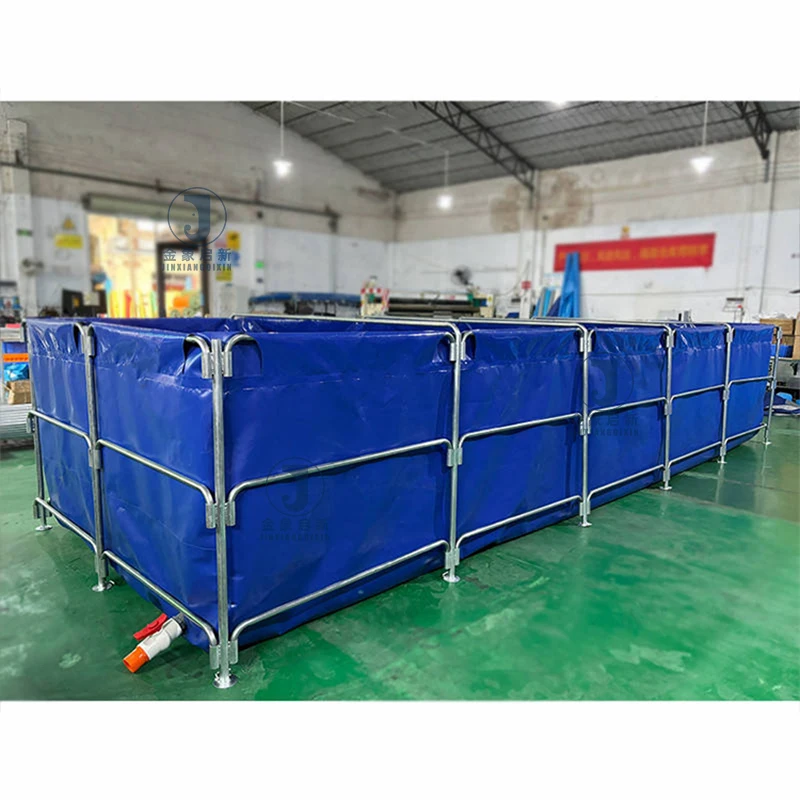
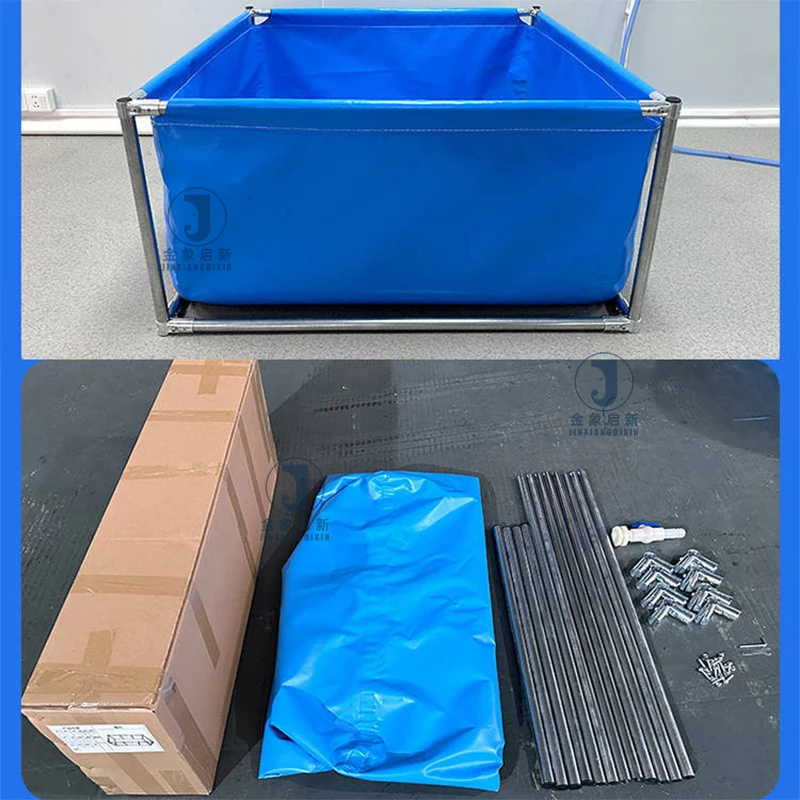
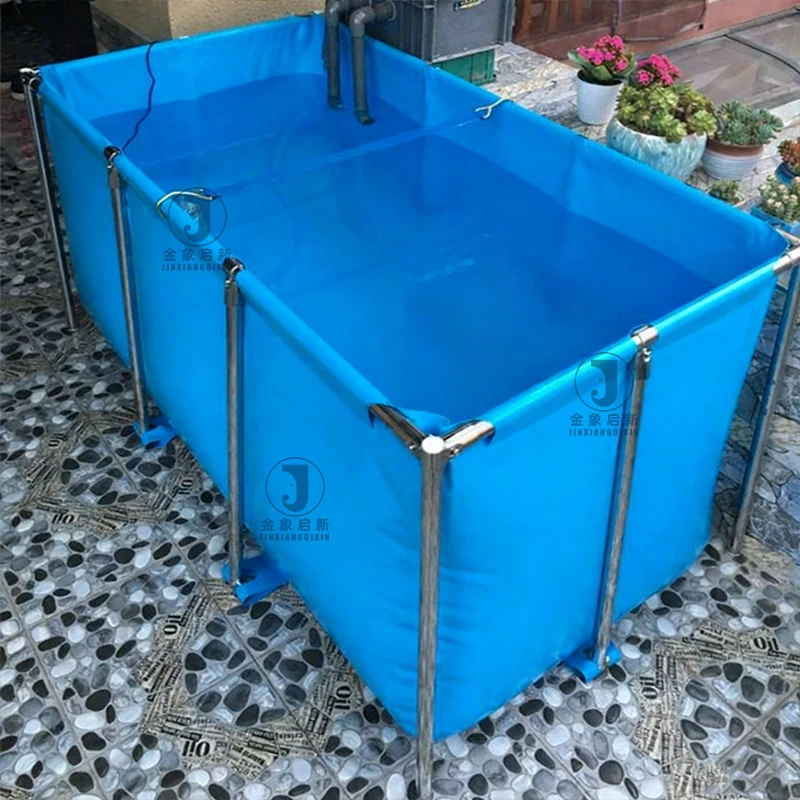
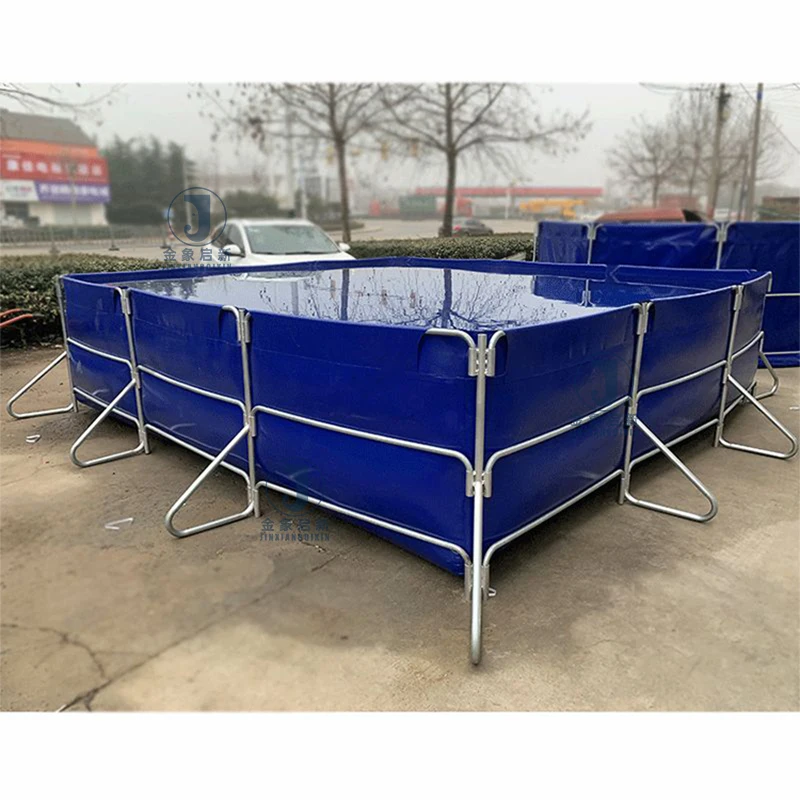
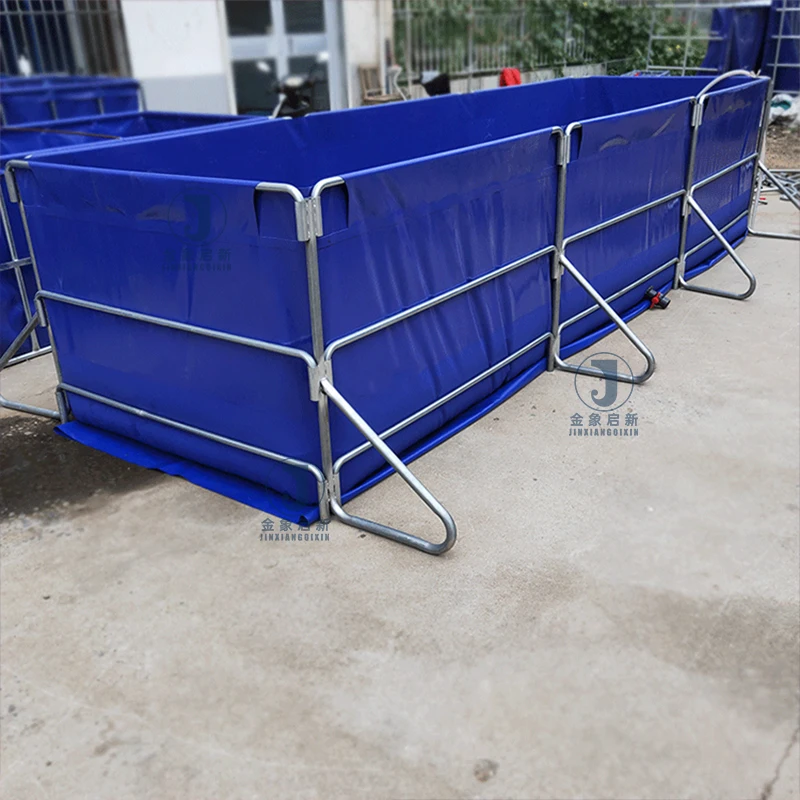
PVC Fish Pond Liner — PVC coated polyester, 450-900 g/m², 500D×500D base fabric, smooth leather-like surface with hot-air welded seams for waterproof aquaculture containment.
- Double-sided PVC coating ensures consistent tensile strength; anti-UV and flame-retardant options available with test reports on request
- Custom cut to exact pond dimensions with reinforced hems and eyelets matching anchor methods
- 100% pre-shipment inspection verifies GSM, coating weight and weld seam integrity across every roll before dispatch
Description
Precision-Custom Pond Liners — Every liner ships with a material specification sheet stating GSM, base fabric denier and coating weight so you can audit it on arrival.
Technical Specifications
| Parameter | Value |
|---|---|
| Product Type | Pond Liner |
| Material | PVC Coated Polyester |
| Yarn Count | 500D-500D |
| Thickness Measurement | 450-900 g/m² |
| Features | Water Resistant, Waterproof |
| Flame Retardancy | Flame-retardant type customizable (grade to confirm at inquiry) |
| UV Treatment | Anti-UV options available (test basis to confirm at inquiry) |
| Service Life | 3-5 years |
| Repairability | Repairable by hot air welding |
| Surface Characteristics | Smooth and soft surface with a leather-like texture |
Application Suitability
| Application | Exposure & Requirement |
|---|---|
| Commercial fish and shrimp farming ponds | Permanent water contact, biological load, soil chemistry, UV exposure at waterline |
| Agricultural water storage reservoirs | Silt abrasion, seasonal temperature cycling, puncture risk from subgrade |
| Above-ground foldable aquaculture tanks | Flexing at frame contact points, tie-down stress at hems, continuous UV exposure |
| Irrigation containment for crop operations | Chemical exposure from fertilizers, mechanical damage during seasonal deployment |
Why PVC Tarpaulin Pond Liner Custom Specifications Matter More Than Stated GSM
A pond liner that measures lighter than quoted will fail at the seams before the first harvest cycle ends.
When buyers specify a GSM for aquaculture containment, they assume that number reflects the actual coating weight applied to the base fabric. In practice, PVC coated polyester pond liner supplied at the lower boundary of a product family range can behave very differently under water load than material produced at the target weight. The seams, which carry the highest stress in a filled pond, are the first location where underweight coating reveals itself. Welded joints rely on sufficient PVC mass to fuse properly; thin coating produces brittle seams that crack when the liner flexes under hydrostatic pressure. [NEED_CITE: ISO 1421 tensile and tear test methods for coated fabrics]
Designing the Liner Shape Around Your Containment Footprint
Round, rectangular and irregular pond geometries each place different demands on the PVC tarpaulin pond liner custom fabrication process. A circular tank concentrates stress evenly around the circumference, while rectangular ponds create corner stress points where welded seams intersect. The 500D-500D polyester base fabric provides consistent tensile performance across both configurations, but the cutting pattern and seam placement must account for how water load transfers to the subgrade.
Seam Construction That Outlasts the Fabric Panel
Hot-air welding fuses the PVC coating layers together rather than relying on thread that degrades in continuous water contact. This method produces a joint where the seam strength approaches the base fabric strength, provided the coating weight is sufficient to allow proper fusion. Liners assembled with stitched seams and taped overlays present multiple failure paths in aquaculture service. The smooth, leather-like surface of this PVC coated polyester allows consistent heat transfer during welding, which is critical when joining panels for large-format pond installations. [NEED_CITE: hot air welding parameters for PVC coated fabrics]
Reading the Specification Sheet Beyond the GSM Number
The stated 450-900 g/m² range covers multiple grades within this pond liner family, and selecting the correct grade depends on pond depth, subgrade preparation and expected mechanical load. A higher GSM does not automatically mean better puncture resistance if the base fabric denier remains constant; the coating adds mass but the yarn structure governs tear propagation. The 500D-500D yarn count indicates a balanced weave that distributes load in both warp and weft directions, reducing the risk of a puncture extending into a full panel tear. Buyers specifying for deep-water aquaculture or rocky subgrade should request the coating-to-fabric ratio rather than relying on total GSM alone. Surface texture also matters: the smooth finish allows silt and biofilm to release more readily during pond cleaning compared to embossed surfaces.
The Hidden Cost of a Liner That Passes Inspection but Fails in the Field
A pond liner can pass pre-shipment visual inspection and still develop leaks within weeks of installation if the welding parameters were not matched to the actual coating weight of the production batch. When coating thickness varies between rolls in the same order, the weld temperature that produces a strong joint on one panel may burn through or under-fuse the adjacent panel. This inconsistency appears only after the pond is filled and hydrostatic pressure loads the seams. For large commercial aquaculture operations, a liner failure means not only replacement material cost but lost stock, downtime and water treatment chemical loss. Colour variation between panels is a secondary but visible indicator that the coating formulation or application weight drifted during production. [NEED_CITE: coating weight consistency standards for PVC tarpaulin]
What the Production Process Controls That the Quotation Does Not Show
Three full production lines and 36 sets of professional equipment allow the manufacturer to hold coating weight within a controlled band across the 450-900 g/m² range, rather than producing at the lowest acceptable limit. The 10-person R&D team develops custom-cut liner samples within days, allowing buyers to verify seam quality, dimensional accuracy and material hand before committing to bulk production. A dedicated QA/QC process runs at every production stage, with 100% inspection before shipment documented in a record the buyer receives with the packing list. Hot-air weld integrity is checked during in-process inspection, not just at final audit, catching seam defects before panels are folded and packed.
Documentation & Verification
- Material specification sheet stating GSM, 500D-500D base fabric denier and coating weight per roll
- Anti-UV and flame-retardant test reports included where treatment grades are confirmed at inquiry
- Pre-shipment inspection record with panel-by-panel seam and dimensional verification
- Certificate of origin, ISO and CE certificates, roll packing list and customs support documentation
Fabrication, Handling & Storage
- Hot-air weld temperature must be calibrated to the specific GSM grade within the 450-900 g/m² range to avoid under-fusion
- Reinforced hems at tie-down points distribute anchor loads across the 500D-500D base fabric rather than concentrating stress
- Rolls should be stored upright and unwrapped to prevent flat-spot creases that weaken the PVC coating at fold lines
- Low-temperature transport can stiffen the smooth PVC surface; allow the liner to acclimatise before unfolding on-site
- Field repairs use hot air welding compatible with the PVC coated polyester construction for permanent patches
Before You Request a Quote
Provide the pond dimensions, shape geometry and water depth so the liner can be cut and seamed to match the containment footprint. Specify whether the installation is an in-ground earthen pond or an above-ground frame tank, as this determines the hem reinforcement and anchor method required. If your local regulations require flame-retardant or anti-UV certification for aquaculture structures, state the grade or standard your market requires so the correct treatment and documentation can be included with the shipment.
Frequently Asked Questions
Q: How is the GSM verified on finished pond liners before dispatch?
A: Each roll or finished panel is weighed and measured against the stated GSM on the material specification sheet. The pre-shipment inspection record documents this verification panel by panel, and the record ships with the documentation pack so you can cross-check on arrival against your own measurements.
Q: Can the liner be custom cut to an irregular pond shape?
A: Yes. The R&D team develops cutting patterns for round, rectangular and irregular geometries. Samples are produced within days for buyer approval before bulk fabrication. Seam placement is planned to avoid high-stress zones specific to your pond design.
Q: What certifications support the anti-UV and flame-retardant claims?
A: Where anti-UV or flame-retardant treatment is specified at inquiry, test reports confirming the grade are included in the shipment documentation pack. Buyers should state the standard required for their market so the correct treatment level is applied and documented.
Q: How are welded seams tested before shipment?
A: Hot-air welded seams are inspected during in-process QA for fusion quality and consistency. The 100% pre-shipment inspection includes seam integrity checks, and any panel with a defective weld is rejected before packing.
Q: What is the recommended anchor and edge reinforcement method for above-ground pond tanks?
A: Above-ground tanks require reinforced hems with eyelets or webbing loops matched to the frame tie-down spacing. The 500D-500D base fabric supports load distribution through the reinforced edge. Specify your frame anchor type at inquiry so the hem construction is matched to the installation.
Related products
-
Custom PVC Tarpaulin Fish Pond Liner for Aquaculture – Manufacturer
Read more -
Custom PVC Tarpaulin Fish Pond Liner for Aquaculture
Read more -
Custom Made PVC Fish Pond Tarpaulin for Circular & Rectangular Tanks
Read more -
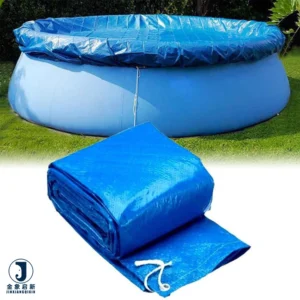
Inflatable Swimming Pool Cover Rainproof Ground Outdoor Bathtub Waterproof Coated Blackout Organic Plain Tarpaulin Boys Girls PE
¥1.00 Select options This product has multiple variants. The options may be chosen on the product page